What to Eat in Naples: A Food Lover's Guide to Neapolitan Cuisine
Naples is one of the world's great eating cities, and knowing what to order makes all the difference. This guide covers every dish worth tracking down, from the perfect margherita to street food you won't find anywhere else in Italy, with practical tips on where to eat, what to pay, and what to avoid.
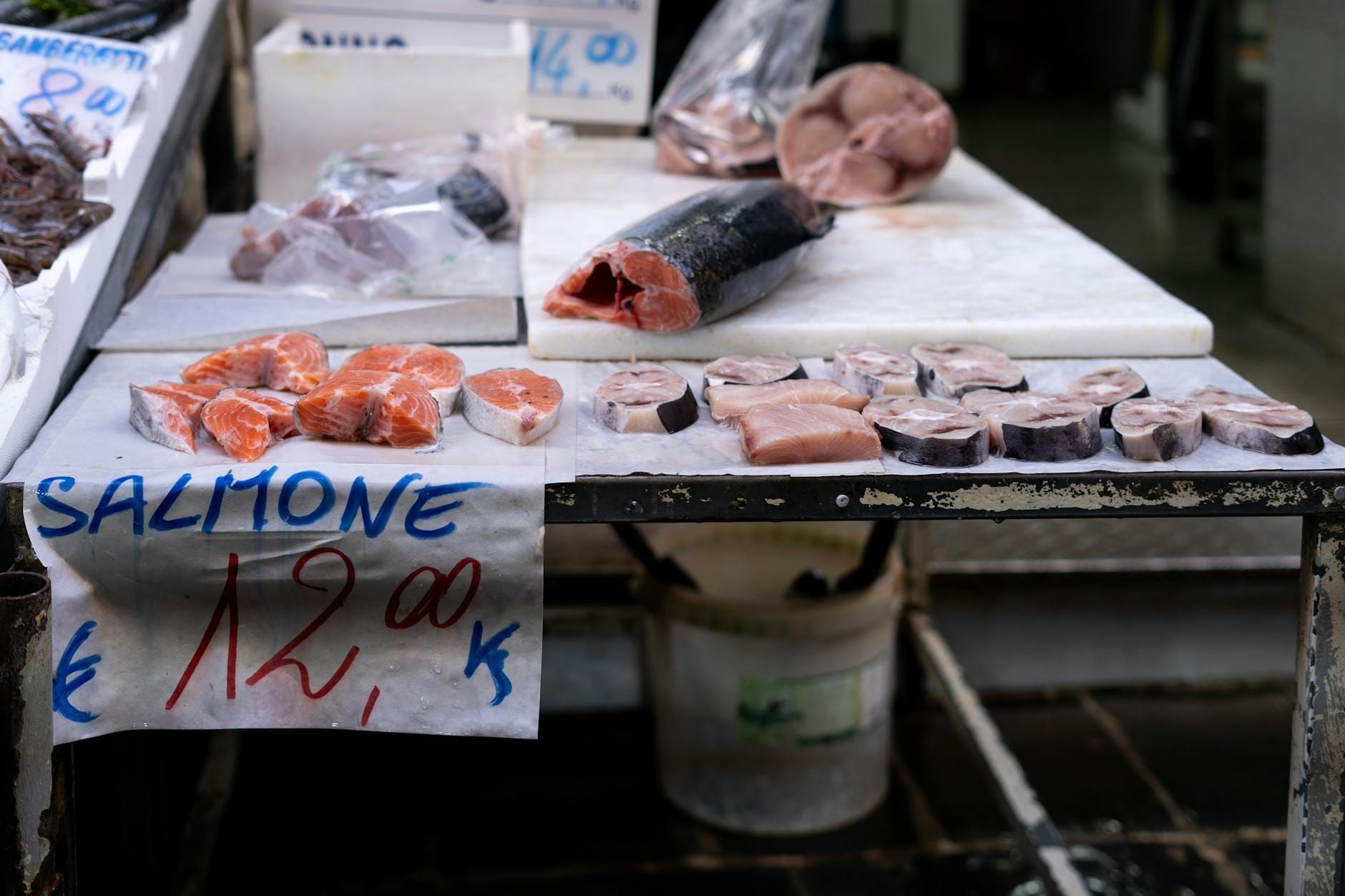
Tickets & tours
Live prices and dates from our booking partner. If you book, we may earn a commission at no extra cost to you.
TL;DR
- Naples is the birthplace of pizza, but the food scene runs far deeper: fried street food, slow-cooked ragù, offal dishes, and extraordinary seafood all deserve equal attention. See our full Naples pizza guide for everything pizza-specific.
- The best street food is in the Centro Storico and along the waterfront: budget around €4-8 per snack, €8-14 for a sit-down pizza.
- Friarielli (turnip inflorescences, not broccoli rabe) with Neapolitan sausage is a winter dish that most visitors miss entirely.
- Buffalo mozzarella DOP comes from Campania and is available year-round, but pairing it with late-summer tomatoes is a different experience entirely.
- For a structured tasting route, a guided food tour covers more ground in less time than going solo.
Pizza: What Sets Naples Apart
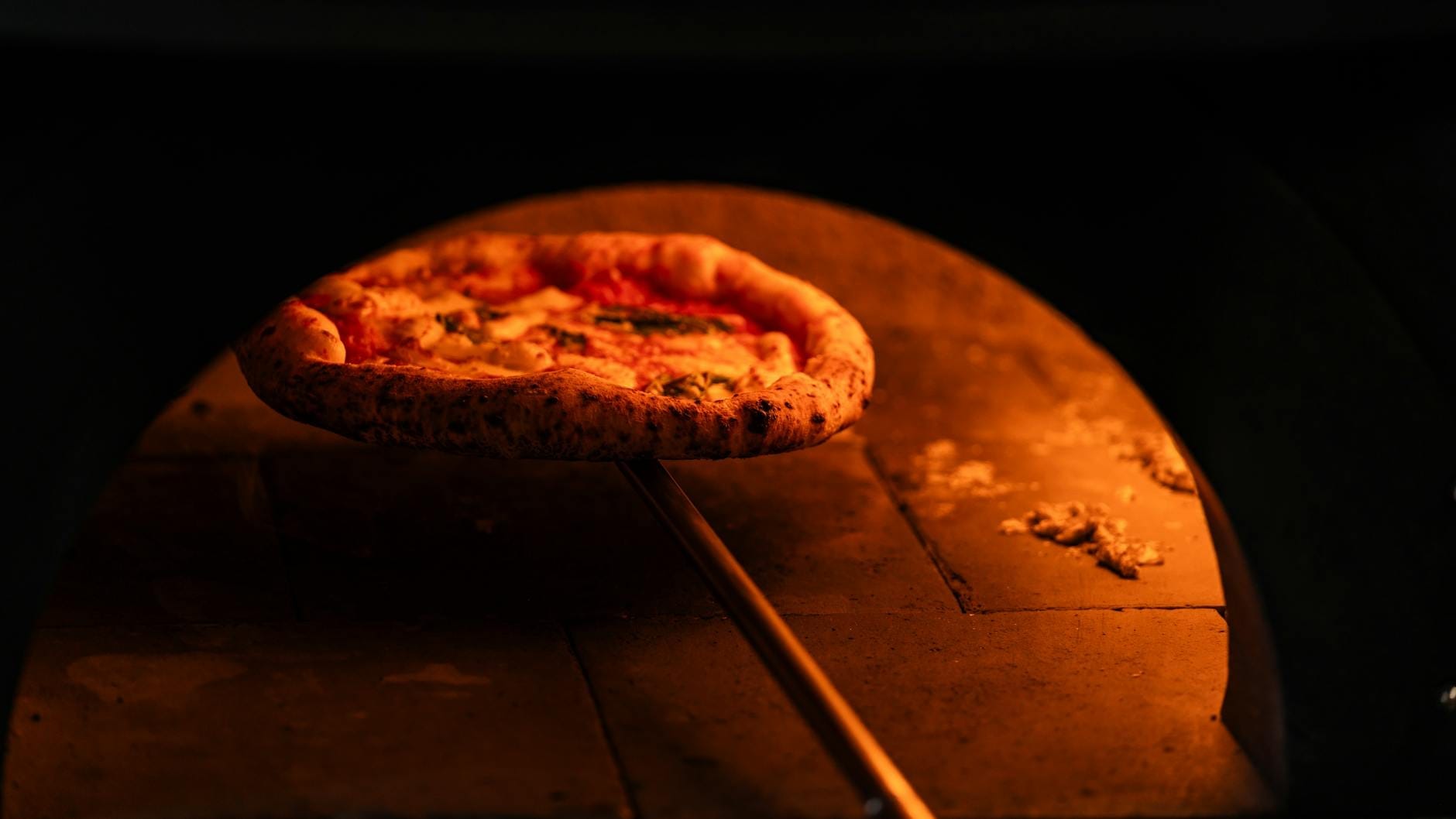
Neapolitan pizza is a protected culinary tradition, regulated by the Associazione Verace Pizza Napoletana (AVPN). The dough rests for at least 8 hours, the base is stretched by hand, and it cooks in a wood-fired oven at around 480-500°C for no more than 90 seconds. The result is a soft, slightly charred crust with a raised, blistered cornicione — nothing like the crunchy bases found elsewhere in Italy or abroad.
There are two canonical versions: the margherita (San Marzano DOP tomatoes, fior di latte or buffalo mozzarella, fresh basil, extra virgin olive oil) and the marinara (tomatoes, garlic, oregano, no cheese). Both are around €6-9 at most traditional pizzerias. The marinara is often underordered by tourists, which is a mistake: it showcases the dough and sauce without distraction. Order it once.
💡 Local tip
At serious Neapolitan pizzerias, the pizza arrives slightly wet in the centre. This is intentional and correct, not underdone. Use a fork and knife, let it rest 60 seconds, or fold it 'a libretto' (like a book) for street-style eating.
The Centro Storico neighbourhood is home to some of the oldest pizzerias in the world, and the lines at the most famous spots can stretch 30-60 minutes on weekend evenings. Pre-booking or arriving at opening time (typically 12:30pm or 7:30pm) avoids the worst waits. Avoid anywhere advertising 'authentic Neapolitan pizza' in English on a laminated sign out front — the real places rarely need to advertise their credentials.
Street Food: The Real Reason to Eat in Naples
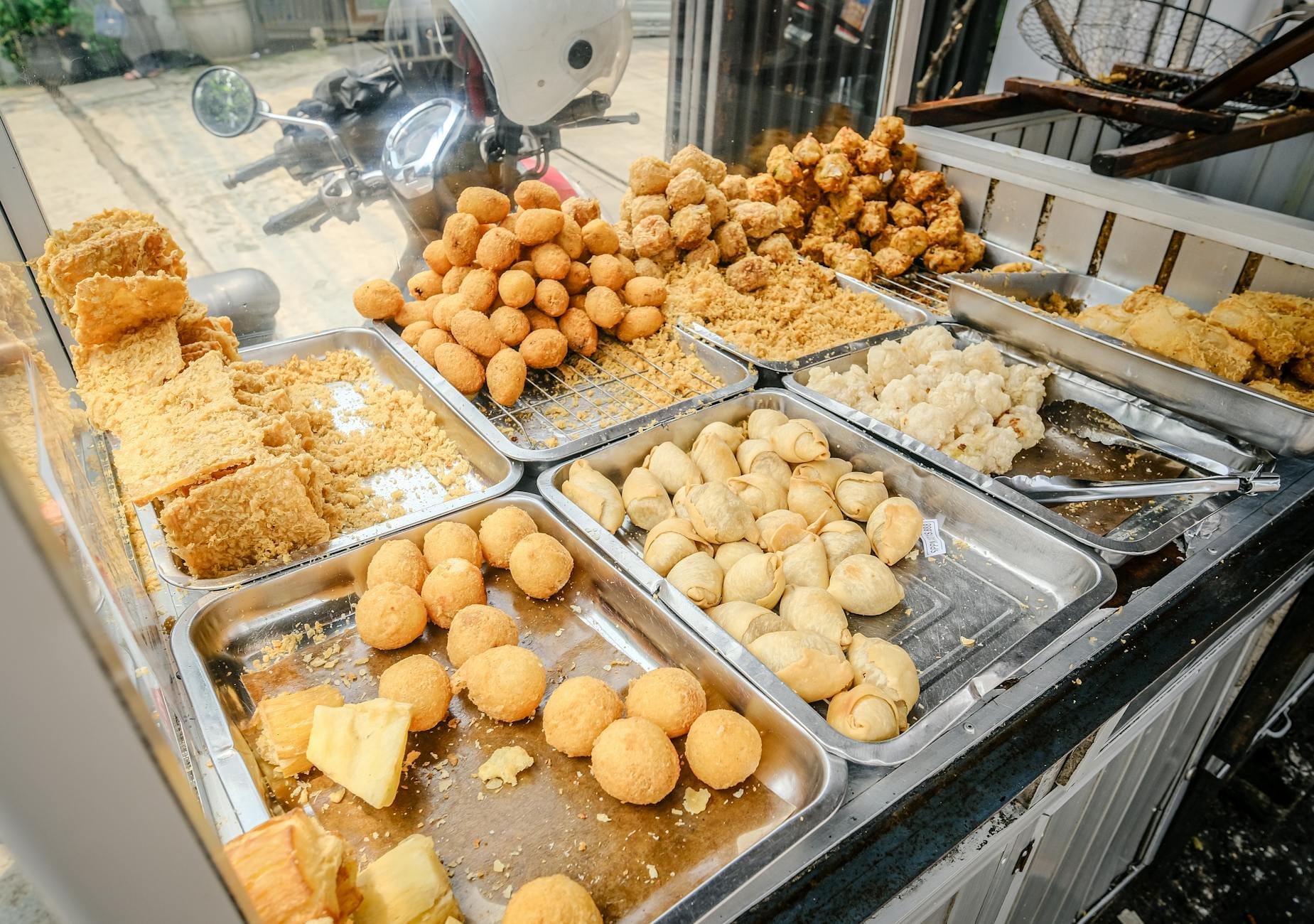
If pizza is Naples' most famous export, street food is its daily heartbeat. The tradition of eating while walking, known locally as cibo di strada, is older than restaurants here. Fried food shops called friggitorie operate from the morning through late evening, and the Centro Storico is dense with them.
- Cuoppo A paper cone filled with mixed fried seafood: shrimp, squid rings, small fish, sometimes vegetables. Priced around €4-7 depending on size and what's inside. Order the 'misto mare' version near the waterfront for the freshest catch.
- Frittatina di pasta A fried disc of pasta (usually bucatini or rigatoni) bound with béchamel, peas, and diced ham, then coated in breadcrumbs and deep-fried. One of the more unusual Neapolitan inventions and completely addictive. Usually €1.50-2.50 each.
- Polpette al ragù Meatballs slow-cooked in Neapolitan ragù, sold from trattorie and some street stalls. O'Cuzzeteillo Panineria Take Away on Via Rimini 51 serves them stuffed into bread as a sandwich — a practical, excellent lunch for under €5.
- 'O pere e 'o musso Calf's foot and pig's snout, boiled and served with lemon and salt from street carts. An acquired taste, and genuinely not for everyone, but it's centuries old and represents the Neapolitan offal tradition honestly.
- Pizza fritta Deep-fried calzone stuffed with ricotta, salami, and cicoli (rendered pork fat). Filling, cheap (around €3-4), and the street food most locals reach for on a cold winter afternoon.
⚠️ What to skip
Street food near major tourist sites like Piazza del Plebiscito or Castel Nuovo tends to be overpriced and lower quality. Walk 3-5 minutes into the Quartieri Spagnoli or Centro Storico backstreets for the same food at half the price and twice the quality.
Pasta, Seafood, and Dishes Beyond Pizza
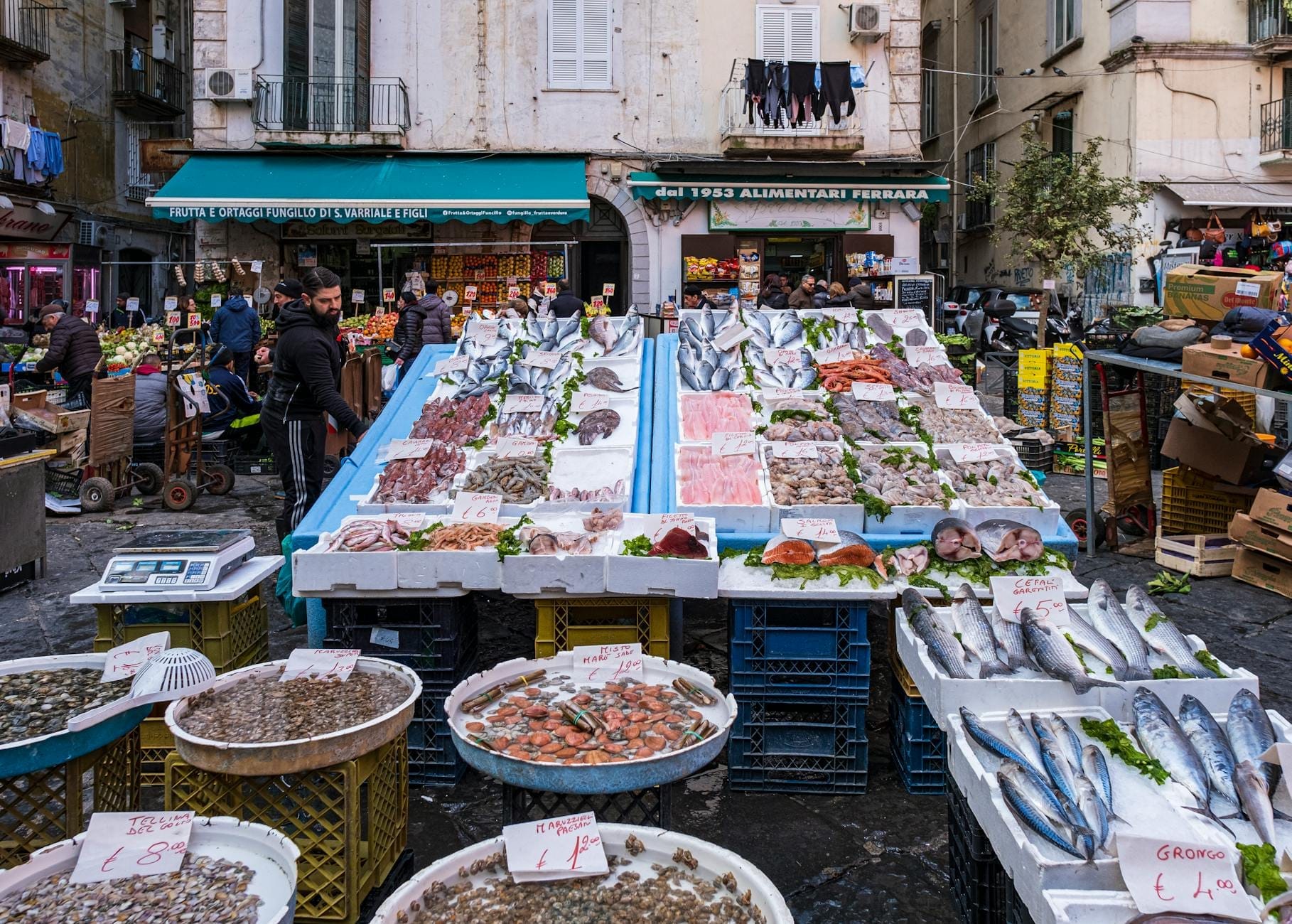
Naples is a maritime city with a strong Roman-era agricultural hinterland, and the non-pizza dishes reflect both influences. The cooking is peasant-derived: cheap ingredients made extraordinary through technique and time.
Pasta e fagioli (pasta and beans) and pasta e piselli (pasta with peas and onion) are both cooked as thick, stew-like dishes rather than light soups. They're found at lunch in traditional trattorie and are the kind of food that costs €7-9 and takes 90 minutes to prepare properly. Spaghetti alla puttanesca, with olives, capers, anchovies, and tomatoes, originates from the Naples area and is served throughout the city, though quality varies significantly. Avoid the version that arrives in 5 minutes.
Seafood is central to Neapolitan cuisine, particularly along the waterfront and in Chiaia and the Mergellina area. Impepata di cozze (mussels cooked with black pepper, white wine, and sometimes tomatoes) is the signature preparation: simple, briny, and best eaten with bread to soak up the broth. Trattoria Da Patrizia at Borgo Marinari 58, in the shadow of Castel dell'Ovo, serves a reliable version. Expect to pay around €12-18 for a full portion of mussels.
Friarielli with Neapolitan sausage is a combination that almost every restaurant serves in winter. Friarielli are the immature flower shoots of a turnip variety grown in the volcanic soil around Vesuvius. They are bitter, slightly peppery, and nothing like broccoli rabe despite what many menus claim in translation. The bitterness is the point: it cuts through the fat of the sausage. Available October through March, this is the most distinctly Neapolitan seasonal dish to seek out.
✨ Pro tip
Buffalo mozzarella DOP from Campania is sold at its freshest from specialist cheese shops (caseifici) rather than supermarkets or tourist delis. Look for mozzarella swimming in its own whey liquid, produced that morning. It should tear like bread, not slice cleanly. The difference between day-old and same-day mozzarella is significant.
Where to Eat by Neighbourhood
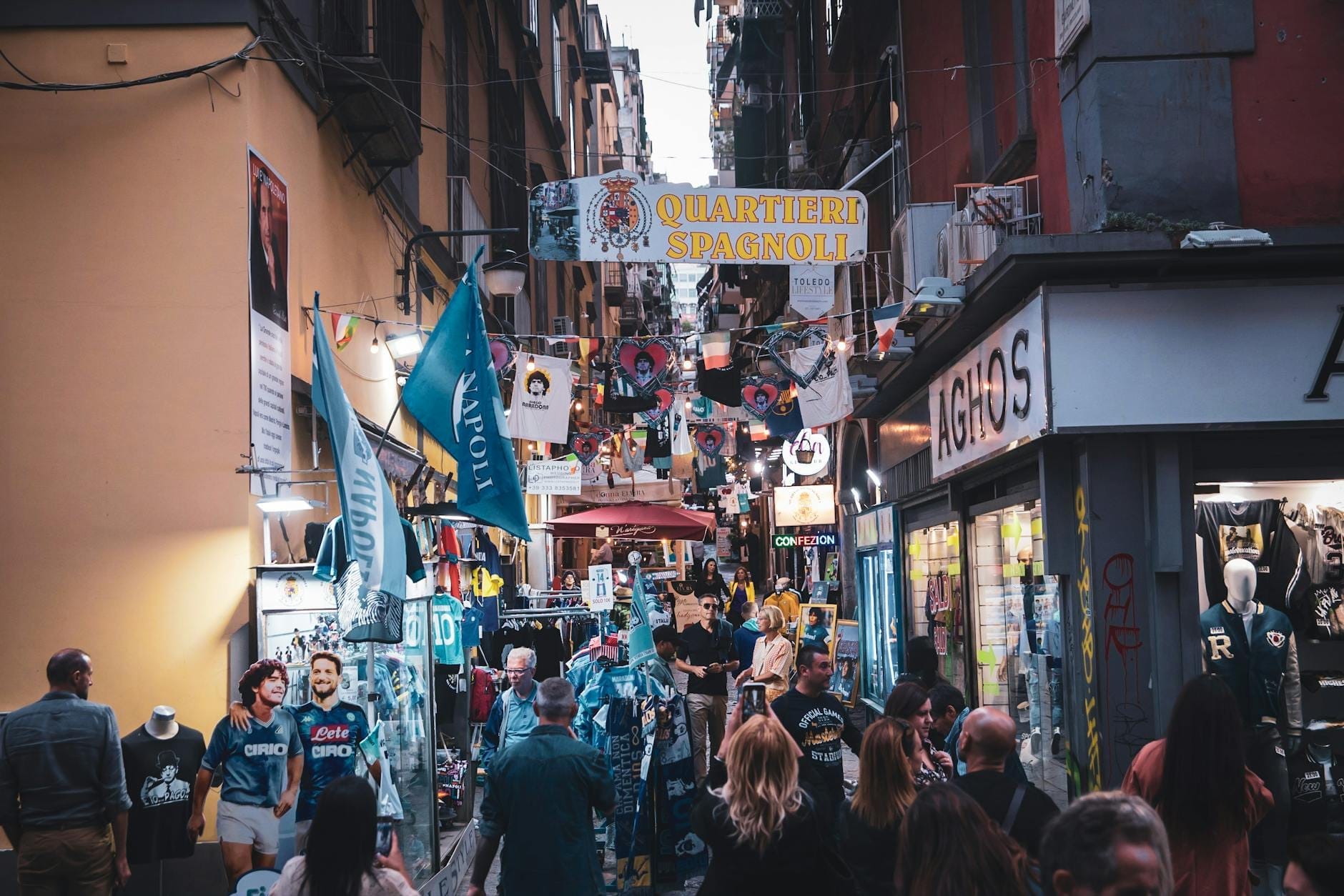
The Centro Storico is the most concentrated eating district in the city. Via dei Tribunali and Via Spaccanapoli are lined with pizzerias, fritture, and pastry shops. This is where to eat if you want maximum density of traditional options within walking distance. It gets crowded on weekend evenings, particularly between 7pm and 9pm.
The Quartieri Spagnoli (Spanish Quarter) sits uphill from Via Toledo and is where many locals actually eat. Fewer tourists, lower prices, and a higher proportion of family-run trattorie serving the kind of daily specials that don't appear on permanent menus. If the chalkboard outside has three things on it and they're all sold out by 1:30pm, you're in the right place.
Chiaia and the Mergellina waterfront are better for seafood restaurants and aperitivo culture than for traditional street food. Prices are noticeably higher here, but the settings are calmer and the seafood sourcing tends to be fresher given the proximity to the working port. Good for a dinner splurge rather than a quick lunch.
Sweets, Coffee, and What to Drink
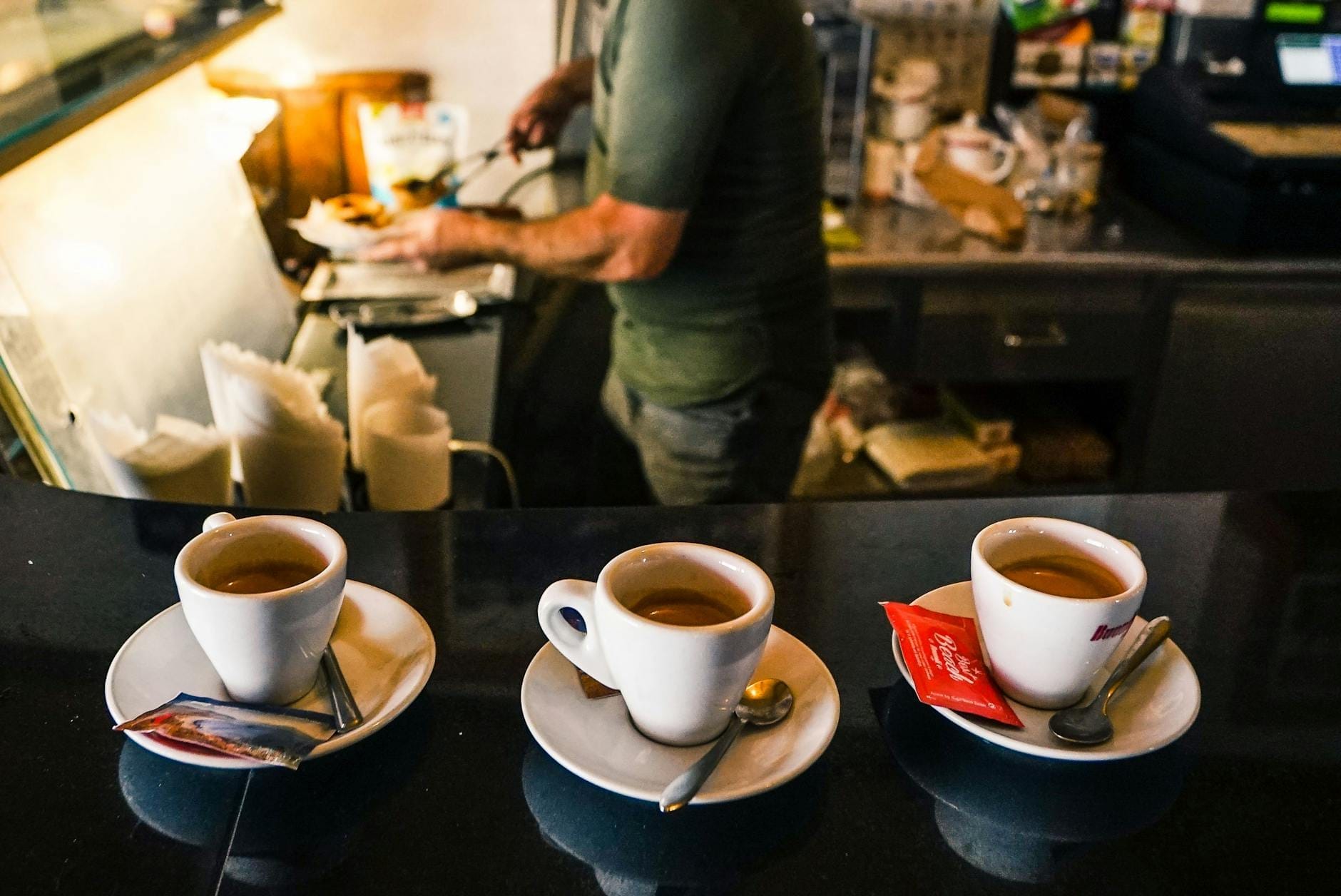
Neapolitan coffee culture is serious. Espresso is served short, strong, and often pre-sweetened at older bars (ask before you add sugar). A caffè at a traditional bar costs around €1-1.20 standing at the counter; sitting down can double or triple the price. The coffee at the counter is identical to what's served seated — you're paying for the table, not a better product.
Sfogliatella is the pastry Naples is most known for and comes in two forms: riccia (the ridged, layered shell pastry filled with ricotta and candied orange) and frolla (a smoother shortcrust version). Both are eaten warm, ideally in the morning. Pastiera, a ricotta and wheat grain tart flavoured with orange blossom water, is technically an Easter dessert but sold year-round at most traditional pasticcerie. Babà al rum, a yeast cake soaked in rum syrup, is the third pillar of the Neapolitan pastry canon and found everywhere.
- Espresso at the counter: €1-1.20
- Sfogliatella (riccia or frolla): €1.50-2.50 each
- Babà al rum: €2-4 depending on size
- Limoncello: made from Amalfi or Sorrento lemons, served ice-cold as a digestivo, usually complimentary at traditional trattorias after dinner
- Local wine: Campania produces excellent reds (Aglianico, Taurasi) and whites (Falanghina, Greco di Tufo) — house wine in a trattoria runs €8-14 for half a litre
Practical Tips for Eating Well in Naples
For the full picture on where to eat across every budget and neighbourhood, the complete Naples restaurant guide covers specific venues in more depth. For a budget-focused approach, eating well in Naples without overspending is very achievable: most of the best food here is cheap by design.
- Eat lunch like a local The midday meal (pranzo) is when trattorie serve their best daily specials. A two-course lunch with wine at a neighbourhood place runs €12-18 per person and is often better value than dinner at the same restaurant.
- Avoid tourist menus The 'menù turistico' (fixed price tourist menu) is a reliable indicator of low-effort cooking. Restaurants targeting locals rarely offer them. If the menu has photos, look elsewhere.
- Check the coperto Most sit-down restaurants charge a coperto (cover charge) of €1.50-3.50 per person. This is normal and legal, but it should appear on the menu. If it doesn't and appears on your bill, query it.
- Markets for self-catering Porta Nolana market near the train station and the Pignasecca market in the Centro Storico sell fresh produce, cheese, and fish at local prices. Both run mornings until around 1-2pm.
- Seasonal timing Spring (March-May) brings fresh peas and broad beans into pasta dishes. Summer means tomatoes at peak quality. Winter is for friarielli, chestnuts, and heavier ragù dishes. The food changes meaningfully with the season.
ℹ️ Good to know
Tipping in Naples: a 5-10% tip is appreciated but not automatic. Many locals leave small change or round up the bill rather than calculating a percentage. Service charge (servizio) is sometimes included in tourist areas — check the bill before adding more.
If you want to combine eating with sightseeing, the Naples walking tour routes through the Centro Storico pass through the highest concentration of food stops. The stretch from Piazza Dante to San Gregorio Armeno alone covers pizzerias, fritture, pastry shops, and espresso bars within a single 20-minute walk.
FAQ
What is the most famous food in Naples Italy?
Pizza Napoletana is the most internationally recognized dish, but locals would argue that the street food tradition, particularly cuoppo (fried seafood cone) and frittatina di pasta, is equally central to Neapolitan food culture. The city also claims the sfogliatella pastry and a strong espresso culture that predates most of Europe's coffee traditions.
How much does food cost in Naples?
Street food runs €2-8 per item. A pizza at a traditional pizzeria costs €6-12. A full sit-down lunch with wine costs €12-20 per person at a neighbourhood trattoria, more like €25-40 at a better restaurant in Chiaia. Breakfast (espresso and pastry at a bar) is €2-3 if you stand at the counter.
Is Naples street food safe to eat?
Yes. The fried food is cooked at high temperatures and sold fresh throughout the day. Markets for produce and fish are well-established and regulated. Apply the same common sense as anywhere: avoid stalls where food has been sitting out for hours and choose places with obvious turnover of customers.
Where should I eat pizza in Naples?
The most famous pizzerias are concentrated along Via dei Tribunali and Via Spaccanapoli in the Centro Storico. These draw long queues, particularly on weekends. If you want shorter waits, arrive at opening time (noon or 7pm), or choose pizzerias in the Quartieri Spagnoli that serve equally good pizza to a more local crowd.
What food should I avoid in Naples?
Skip any restaurant near major tourist sites that displays photos on the menu, offers a discounted tourist set menu, or employs someone to hand out flyers outside. These almost universally serve mediocre food at inflated prices. Also avoid pre-packaged sfogliatelle from airport shops: they are refrigerated and bear no resemblance to the warm, freshly made versions from a proper pasticceria.
Tickets & tours
Live prices and dates from our booking partner. If you book, we may earn a commission at no extra cost to you.
Planning a trip? Discover personalized activities with the Nomado app.