Naples Pizza Guide: Best Pizzerias, What to Order & Local Secrets
Naples is the birthplace of pizza, and eating it here is nothing like eating it anywhere else. This guide covers the best pizzerias across the city, from legendary institutions to neighbourhood favourites, with honest rankings, practical logistics, and advice on what actually separates great Neapolitan pizza from a tourist-trap imitation.
Tickets & tours
Live prices and dates from our booking partner. If you book, we may earn a commission at no extra cost to you.
TL;DR
- Neapolitan pizza is a protected food tradition (STG certification) — high heat, soft cornicione, San Marzano tomatoes, and fior di latte mozzarella are non-negotiable hallmarks.
- L'Antica Pizzeria da Michele (est. 1870) serves only Margherita and Marinara — two pizzas, done perfectly, from around €6-8 each.
- Via dei Tribunali in the Centro Storico is the city's pizza heartland — Sorbillo, Di Matteo, and several other classics are all within a short walk.
- Queues at the famous spots are real — arrive before noon or after 9pm, or explore the excellent alternatives covered below.
- A full dinner with drinks should cost €8-15 per person at most traditional pizzerias — significantly more at modernist spots like Concettina ai Tre Santi.
Why Naples Pizza Is Different
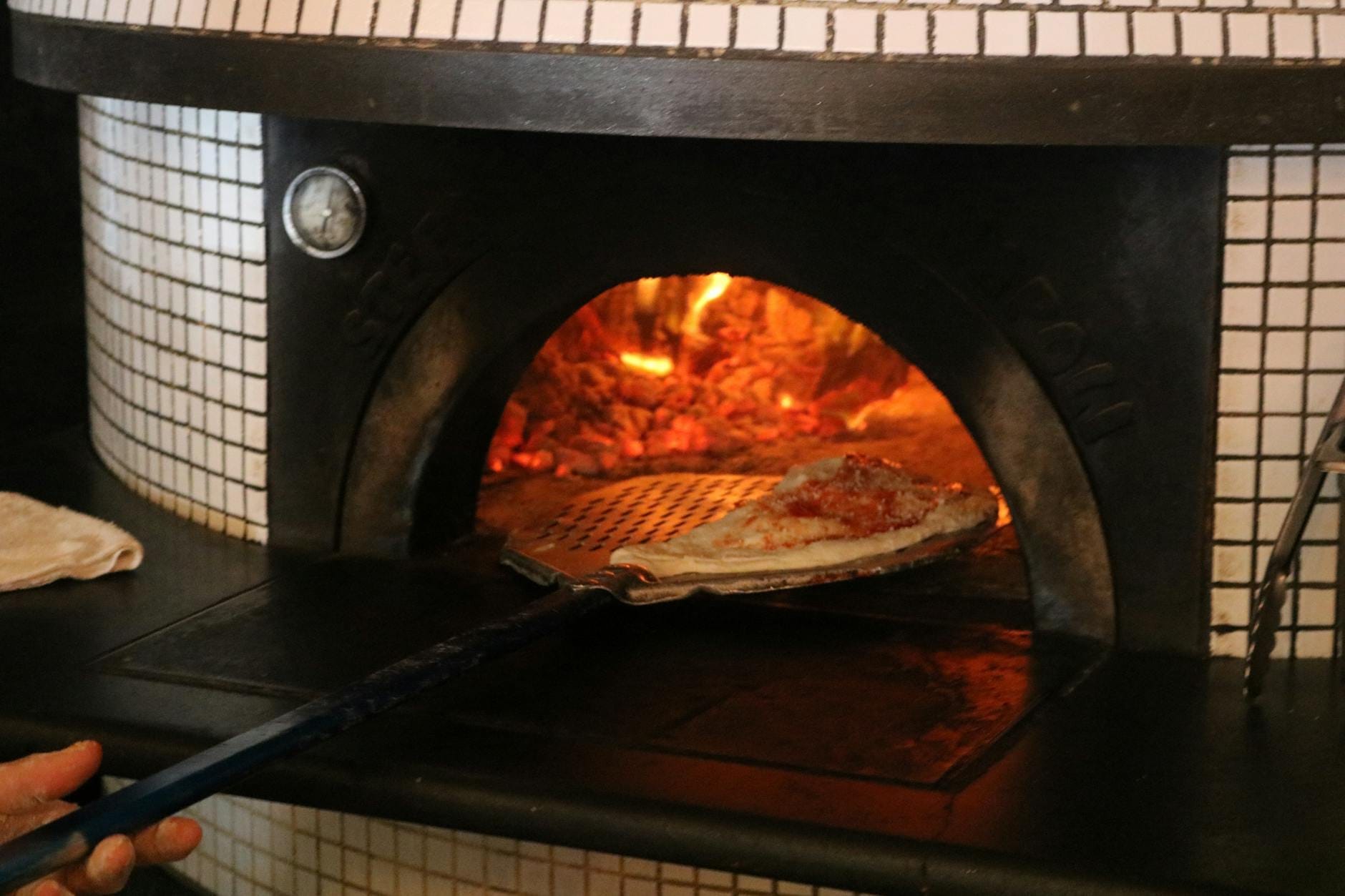
Pizza napoletana is not simply pizza made in Naples. It is a codified tradition with legal standing. The Associazione Verace Pizza Napoletana (AVPN), founded in 1984, sets strict rules: the dough must be hand-stretched (never rolled with a pin), cooked in a wood-fired oven at 430-480°C for 60-90 seconds, and made with specific ingredients including San Marzano DOP tomatoes and either fior di latte or buffalo mozzarella. In 2017, the art of Neapolitan pizza-making was inscribed on UNESCO's Intangible Cultural Heritage list.
The result is a pizza that is soft and slightly charred at the crust (the cornicione), with a wet, collapsing centre. If you are used to crispy American-style or Roman-style pizza, the first bite can be surprising. The base practically folds in on itself. That is not a flaw — it is the point. Locals fold their slice in four (libretto style) and eat it standing or walking. The flavours are clean and direct: tomato, cheese, basil, olive oil.
ℹ️ Good to know
Pizza napoletana received STG (Specialità Tradizionale Garantita) certification from the EU, meaning the name and production method are legally protected. Restaurants displaying the AVPN plaque adhere to the full set of traditional standards.
The Legendary Pizzerias: Honest Assessments
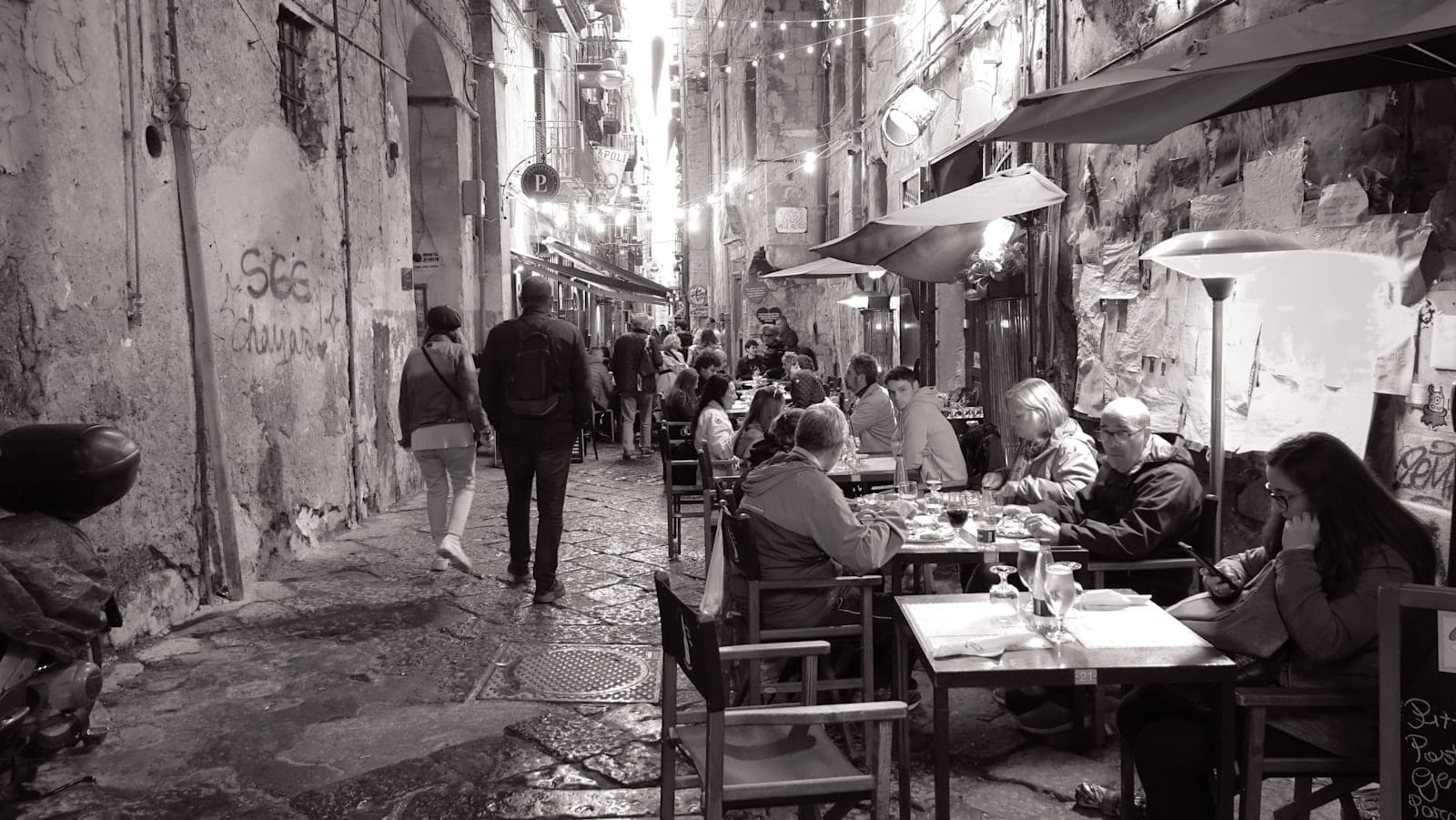
The most-cited names in Naples pizza are famous for good reasons, but fame and queue length do not always correlate with a perfect experience. Here is a practical breakdown of the biggest institutions, with honest notes on what to expect.
- L'Antica Pizzeria da Michele (Via Cesare Sersale 1) Founded in 1870, this is the most historically significant pizzeria in the city. The menu has exactly two options: Margherita and Marinara. Prices hover around €6-8 per pizza. The room is simple, service is functional, and the pizza is exceptional when fresh out of the oven. Entry is managed through numbered tickets — arrive early. Open 11am-11pm daily. Note: some visitors prefer Trianon da Ciro, directly across the street, for a broader menu and shorter waits.
- Gino e Toto Sorbillo (Via dei Tribunali 32) The most photographed pizzeria in Naples, with over 12,000 online reviews. The Margherita is well-executed and the cornicione is consistently excellent. Open Mon-Sat 12pm-11:30pm (closes 4pm Sundays). Queues form by noon and grow by early evening. Arrive at opening or after 9pm for the shortest waits. The fame does mean prices are slightly higher than anonymous neighbourhood spots.
- Pizzeria Di Matteo (Via dei Tribunali 94) Famous for fried pizza (pizza fritta) sold from a street-facing window — this is where you grab a folded fried calzone for under €3 while exploring the Centro Storico. Sit-down pizza inside runs under €15 for a full meal with drinks. Open Mon-Fri 10am-11pm, closed Sundays. One of the best value propositions on the street.
- Pizzeria Da Attilio (Via Pignasecca 17) A favourite with locals rather than tourists. Da Attilio is known for a distinctive star-shaped pizza with ricotta-filled points around the crust — visually striking and genuinely delicious. Located near the Pignasecca market. Closed Sundays and Mondays.
- Concettina ai Tre Santi (Via Arena della Sanità 7) Located in the Rione Sanità neighbourhood, this is Naples' most prominent modernist pizzeria. Chef Ciro Oliva experiments with non-traditional toppings and presentations. The quality is high, but so are the prices relative to traditional spots — expect to pay more and to book in advance. Open daily 10:30am-11:30pm. Worth it if you want to see where Neapolitan pizza is heading creatively.
⚠️ What to skip
Da Michele is not universally considered the best in the city — it is the most historically significant. Long waits, a stripped-back experience, and a two-item menu mean it suits some travellers perfectly and frustrates others. If you want more choice or a shorter queue, Trianon da Ciro (across the street) and several other Via dei Tribunali spots offer comparable quality with less waiting.
What to Order: A Practical Menu Guide
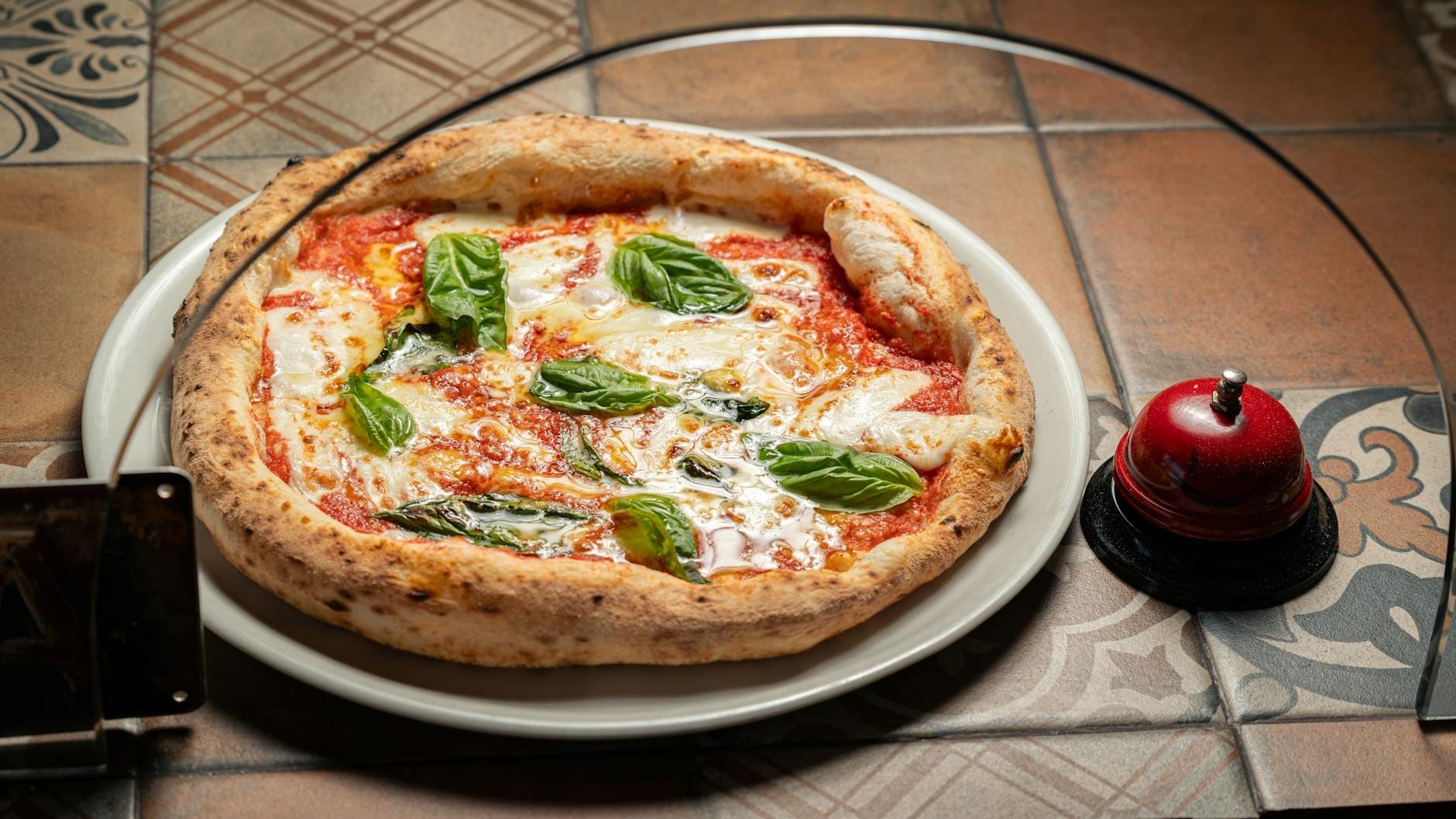
The Neapolitan pizza menu is intentionally short at most traditional pizzerias. Understanding the key varieties means you can order confidently without defaulting to the most obvious choice.
- Marinara The oldest pizza on the Neapolitan menu: tomato, garlic, oregano, olive oil — no cheese. Named for the fishermen (marinai) whose wives made it, not because it contains seafood. At Da Michele, it is the sharper, more intense of the two options.
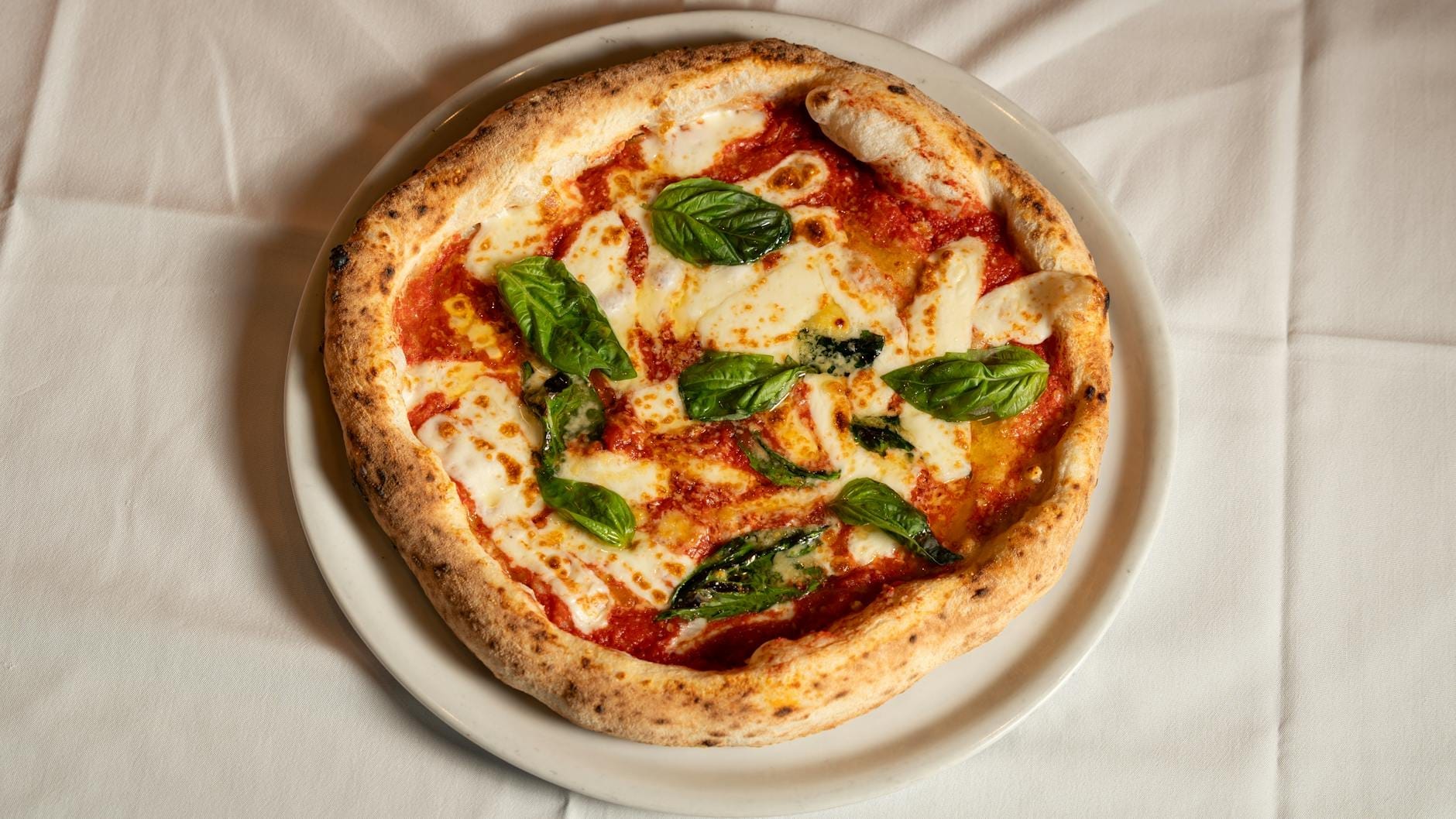
- Margherita The standard: tomato, fior di latte mozzarella, fresh basil, olive oil. Ask for Margherita con buffalo if you want buffalo mozzarella — creamier and richer, though it releases more water into the base.
- Pizza Fritta Fried pizza, not baked. A folded calzone-style dough filled with ricotta, cicoli (pork crackling), or tomato and cheese, then deep-fried. Street food at its best — grab one from Di Matteo's window for under €3.
- DOC or STG Specials Many restaurants offer a DOC (Denominazione di Origine Controllata) pizza featuring buffalo mozzarella from Campania, cherry tomatoes, and fresh basil. Slightly pricier but ingredient quality is guaranteed.
- Montanara A smaller fried dough disc topped after frying with tomato and cheese — a less common but worthwhile variation. Some pizzerias offer it as a starter.
If you want to combine a tasting route through the city's pizza scene with broader exploration, a structured Naples pizza tour with a local guide covers multiple stops in a single session, including fried options, traditional sit-down pizzas, and context about the city's food culture. Useful if this is your first time in Napoli.
Neighbourhood by Neighbourhood: Where to Eat Pizza
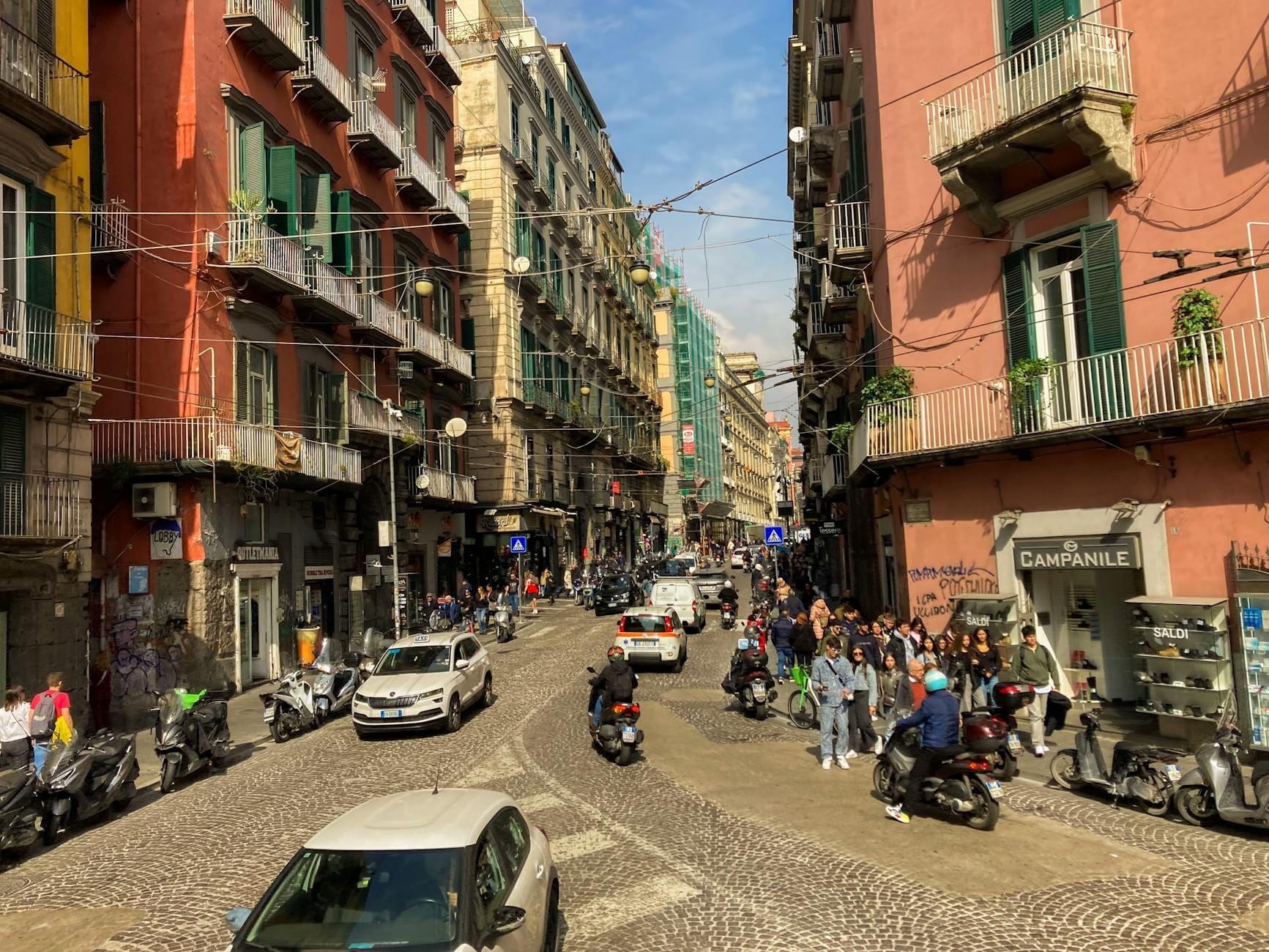
Most of Naples' famous pizzerias cluster in the Centro Storico along Via dei Tribunali and Spaccanapoli. But limiting yourself to that corridor means missing quality spots in other parts of the city.
Centro Storico (Via dei Tribunali): The highest concentration of traditional pizzerias in the world, arguably. Within 500 metres you have Sorbillo, Di Matteo, Pizzeria Brandi (which claims to have invented the Margherita in 1889), and several others. The street is pedestrianised in sections and crowded at all hours. Avoid weekday lunchtimes if you want a table without a wait.
Rione Sanità: A short walk north of the historic centre, this neighbourhood has more locals than tourists and Concettina ai Tre Santi anchors its food reputation. Worth visiting alongside the Cimitero delle Fontanelle for a more authentic neighbourhood experience. Fewer queues than the historic strip.
Pignasecca and Quartieri Spagnoli: The Pignasecca market area near Quartieri Spagnoli is where Da Attilio operates and where you will find some of the most neighbourhood-oriented eating in the city. Less curated, more genuine. Pair a pizza lunch here with a walk through the Spanish Quarter's narrow streets.
Chiaia and Vomero: The upscale Chiaia district and hilltop Vomero have good pizzerias that cater to a local residential crowd. Expect slightly higher prices and a more relaxed atmosphere. These areas are better for dinner with locals than for seeking out historic institutions.
Practical Logistics: Queues, Hours, and Getting There
Queue management is the biggest practical challenge at Naples' most famous pizzerias. Sorbillo, Da Michele, and Di Matteo all draw long lines, particularly between 1-3pm and 7-9pm on weekends. The best strategies are simple: arrive at opening (most open around 11am-12pm), or go late, after 9pm when tourists have eaten and locals are still arriving. Weekday visits in spring and autumn are considerably easier than summer weekends.
Da Michele uses a numbered ticket system — collect your number at the door and wait nearby. Do not wander too far. Sorbillo accepts reservations for dinner service, which is worth doing if your schedule is tight. Concettina ai Tre Santi at Rione Sanità should be booked in advance, particularly on weekends.
✨ Pro tip
Tuesday through Thursday lunch is consistently the lowest-queue time at Centro Storico pizzerias. If you are visiting in July or August, prioritise an early dinner (before 7:30pm) at any of the famous spots — heat and tourist volume make later timings uncomfortable and queues longer.
Most of the key pizzerias are within a 15-20 minute walk of each other in the historic centre. If you are arriving from elsewhere in the city, Metro Line 1 stops at Università station (a short walk from Via dei Tribunali) or Dante station. Full details on navigating the city are in our guide to getting around Naples.
Budget, Tipping, and What to Drink
Neapolitan pizza is one of the great affordable foods in Europe. At traditional pizzerias, expect to pay €5-9 for a single pizza. Add a beer or a glass of local wine (Falanghina from Campania is an excellent pairing) and a bottle of water, and a full dinner rarely exceeds €12-15 per person. Modernist spots like Concettina ai Tre Santi charge considerably more, sometimes €15-20 for a single pizza with premium toppings.
Tipping is not mandatory at pizzerias, but rounding up or leaving a euro or two is standard practice if service was attentive. At table-service restaurants, 5-10% is appropriate if a service charge (coperto) is not already included on the bill. Check your receipt: the coperto is a per-person cover charge (usually €1-2.50) that is standard across Naples dining.
For a broader sense of what to eat beyond pizza — sfogliatelle, ragù, fried foods at the mercato — see the full Naples food guide and the dedicated Naples street food guide for market-based eating in the city.
FAQ
What is the best pizzeria in Naples?
There is no single correct answer, but the most historically significant is L'Antica Pizzeria da Michele (est. 1870), serving only Margherita and Marinara since 1870. For a broader menu with consistently high quality, Gino e Toto Sorbillo on Via dei Tribunali is the most popular choice. For local favourites with shorter queues, try Pizzeria Da Attilio near Pignasecca. 'Best' depends heavily on what you value: tradition, innovation, or value.
How much does pizza cost in Naples?
At traditional pizzerias, a single pizza costs €5-9. A full meal with a drink and water typically comes to €10-15 per person. Modernist or upscale spots like Concettina ai Tre Santi charge €15-20 or more for a single pizza. Fried pizza from a street window (like Di Matteo) costs under €3.
Do I need to book in advance at Naples pizzerias?
For Concettina ai Tre Santi, yes — book ahead, especially for weekends. Sorbillo takes dinner reservations and it is worth using them. Da Michele does not take reservations; they use a numbered ticket system at the door. Most other traditional pizzerias are walk-in only.
What is the difference between pizza napoletana and regular pizza?
Pizza napoletana is made with hand-stretched dough, cooked in a wood-fired oven at very high temperatures (430-480°C) for 60-90 seconds. This produces a soft, slightly charred crust with a wet, collapsing centre. It is notably different from crispy Roman-style pizza or thicker Sicilian-style pizza. The tradition is UNESCO-listed and EU-certified (STG).
Where should I eat pizza in Naples if I want to avoid tourist crowds?
Head to Pizzeria Da Attilio in the Pignasecca area, or explore the Rione Sanità neighbourhood. Both have strong local reputations and significantly fewer tourists than Via dei Tribunali. Going at off-peak hours (before 12:30pm or after 9pm) at any pizzeria also reduces tourist density considerably.
Tickets & tours
Live prices and dates from our booking partner. If you book, we may earn a commission at no extra cost to you.
Planning a trip? Discover personalized activities with the Nomado app.