Eating Neapolitan Pizza in Naples: Where Tradition Meets the Real Thing
Naples is the birthplace of pizza, and eating here is nothing like anywhere else on earth. This guide covers the history, the rules of authenticity, the best-known pizzerias in the historic centre, and exactly how to navigate the experience without wasting a meal.
Quick Facts
- Location
- Centro Storico, Naples (Campania, Italy)
- Getting There
- Metro Line 1 – Università or Dante; Piazza Garibaldi (Line 2)
- Time Needed
- 1–3 hours depending on whether you join a guided pizza experience or visit independently
- Cost
- Pizza from approx. €4–6 at traditional spots; guided pizza experiences vary — verify prices on-site or with operators
- Best for
- Food lovers, first-time Naples visitors, couples, families, and anyone serious about understanding where pizza actually comes from
- Official website
- www.pizzanapoletana.org/
Why Naples Pizza Is Different From Every Other Pizza on Earth
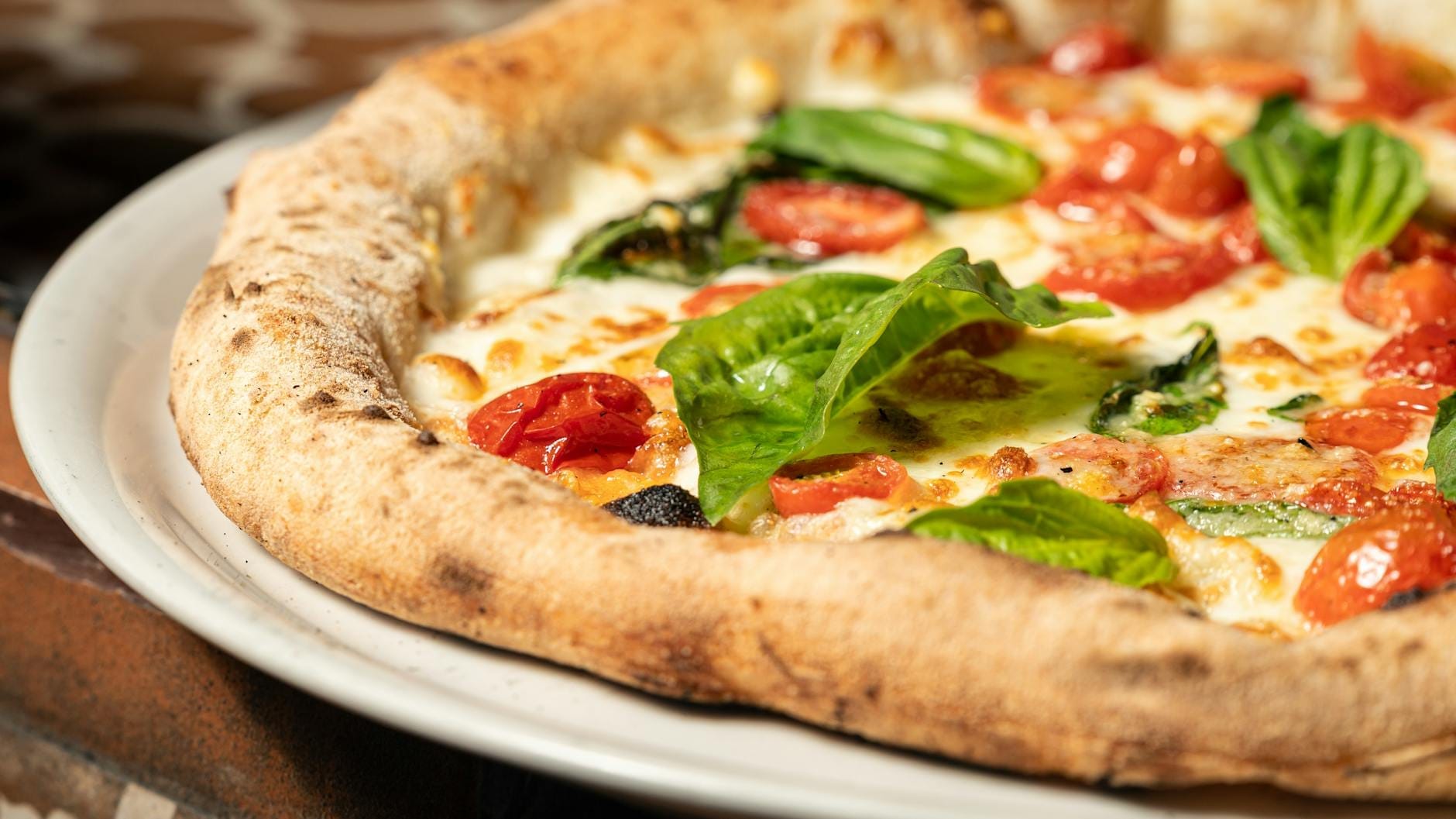
Pizza Napoletana is not a style. It is a product with a protected identity, a specific set of production rules, and a governing body — the Associazione Verace Pizza Napoletana (AVPN), founded in 1984 — dedicated to maintaining exactly what makes it distinct. The dough uses specific flour types, rises for a minimum period, and is stretched by hand. The oven is wood-fired and reaches temperatures of around 430–480°C, cooking a pizza in 60 to 90 seconds. The result has a soft, charred, slightly blistered cornicione (the raised edge), a wet centre that may feel undercooked to the uninitiated, and a flavour that comes entirely from quality ingredients and fire.
The two canonical variants are the Marinara (San Marzano tomato, garlic, oregano, olive oil) and the Margherita (San Marzano tomato, fior di latte or buffalo mozzarella, basil). The Margherita has a specific origin story: in 1889, pizzaiolo Raffaele Esposito reportedly prepared it for Queen Margherita of Savoy during a royal visit to Naples, topping it in the colours of the Italian flag. Whether or not every detail of that story is precise, the pizza itself has been central to Neapolitan identity ever since.
ℹ️ Good to know
The AVPN certifies pizzerias worldwide. In Naples, look for the official AVPN plaque at the entrance — it indicates the pizzeria meets strict dough, ingredient, and oven standards. That said, some of the city's most beloved historic pizzerias predate the organisation and operate with their own long-standing traditions.
L'Antica Pizzeria da Michele: The Pilgrimage Spot
No serious account of Neapolitan pizza omits L'Antica Pizzeria da Michele. Founded in 1870 at Via Cesare Sersale 7 in the heart of the historic centre, it serves only two pizzas: the Marinara and the Margherita. That's it. No variations, no extra toppings, no appetisers beyond what arrives on the table. The philosophy is intentional: perfecting two things over 150 years rather than expanding endlessly.
The interior is plain, almost spartan. Long communal tables, plain tiles, the constant heat and smoke of the wood-fired ovens, and a queue that, depending on the time of day, can stretch out onto the narrow street. Da Michele does not take reservations for most visitors. Numbered tickets are issued at the door, and you wait until your number is called. At peak lunch hours (roughly 12:30 to 2pm) and early dinner (7pm to 8:30pm), the wait can easily reach 45 minutes. Arriving before noon or after 2:30pm on a weekday significantly shortens the process.
The pizza itself arrives fast once you are seated. The cornicione is slightly charred and airy, the tomato sauce bright and acidic, the mozzarella molten and pooled toward the centre. Eating it requires commitment: fold it in four (the classic 'a portafoglio' method) or tackle it with a knife and fork, but accept that the centre will be soft and wet. That is correct. That is the point. Anyone expecting a firm, drier base is expecting a different pizza.
💡 Local tip
Da Michele is extremely popular with international visitors after a well-known book and film brought it global attention. Go early on a weekday morning when the ovens are just hitting temperature — the first pizzas of the day have a particular quality that the lunchtime rush can't always sustain.
Tickets & tours
Live prices and dates from our booking partner. If you book, we may earn a commission at no extra cost to you.
Naples pizza and food tour
From 71 €Instant confirmationFree cancellationNaples small-group two-hour pizza making class
From 69 €Instant confirmationFree cancellationDiego Maradona tour with football, culture and pizza in Naples
From 160 €Instant confirmationFree cancellationNaples pizza making lesson in traditional restaurant
From 38 €Instant confirmationFree cancellation
The Historic Centre as Pizza Territory
Da Michele is one landmark, but the Centro Storico is dense with pizzerias of serious standing. The neighbourhood is a UNESCO World Heritage Site, and its grid of Greek and Roman streets — the decumani — contains several pizzerias that have operated for generations. Sorbillo on Via dei Tribunali is another frequently cited name, drawing long queues and offering a wider menu than Da Michele. Starita a Materdei, slightly northwest of the centre, is favoured by locals for its fried pizza (pizza fritta) as well as the wood-fired variety.
Walking along Via dei Tribunali or Via Spaccanapoli at any hour between noon and midnight, the smell of scorched dough and charred tomato is constant. Pizzerias here do not compete on decor or ambience — the dining rooms are functional, the turnover fast, and the prices low by any European standard. This is working-class food that happens to be among the best in the world.
For those who want to understand the context of what they are eating, the area surrounding these pizzerias is also rich in other food culture. The Naples street food scene extends well beyond pizza: fried cuoppo, sfogliatella, and espresso are woven into the same neighbourhood experience. Eating here is not a single-attraction visit — it is a whole afternoon in the streets.
Guided Pizza Experiences: When Independent Visits Aren't Enough
Operators like Withlocals offer guided Neapolitan pizza experiences where a local host walks you through the pizza-making process hands-on, usually in a working kitchen. These vary in quality and format: some focus on making your own pizza under instruction, others include a tour of the historic centre before settling into a pizzeria. Most offer pick-up points across the city and last two to three hours. Prices and availability should be confirmed directly with operators, as these change seasonally.
The advantage of a guided experience over eating independently is context. A good local guide will explain the difference between AVPN-certified pizza and broader Neapolitan pizza traditions, why certain flour types matter, and what separates the dough fermentation time at da Michele from what happens in a tourist-facing venue on the waterfront. For a first-time visitor who wants to leave Naples with actual knowledge rather than just a meal, this can be worthwhile.
A note on quality: not every operator offering a 'pizza experience' in Naples is equally rigorous. Look for operators who work with AVPN-affiliated pizzerias or who are explicit about using the traditional double-zero flour, San Marzano tomatoes, and wood-fired cooking. If an operator doesn't mention the AVPN or can't explain why a Neapolitan pizza has a wet centre, that tells you something.
How the Experience Changes by Time of Day
Morning in the centro storico is about coffee, not pizza. Pizzerias open for lunch at around 11:30am to noon, and the first rush hits quickly. Eating pizza at noon in Naples is entirely normal and the light quality through the narrow streets at this hour is good for photography. The pizzaiolos are also at their sharpest: the ovens are at optimal temperature and the dough has been rising since the early hours.
Midday is peak crowd time at the famous spots. If you are set on da Michele specifically and want a shorter wait, the window from about 2:30pm to 5pm is typically calmer, though not always quiet. Evening brings a second wave: Neapolitans eat pizza for dinner, often after 8pm, which means the pizzerias fill up again from around 7:30pm onward. Late-night pizza, past 10pm, is possible at some spots and the atmosphere shifts to something more local and social.
⚠️ What to skip
Some of the most famous pizzerias in Naples close on Sundays or have reduced hours on weekends. Always check current opening hours before building your itinerary around a specific venue. Hours also shift between summer and winter.
Practical Details for Getting There and Eating Well
Da Michele and most historic centre pizzerias are walkable from Toledo Metro Station (Line 1, about 15 minutes on foot) or reachable within 10 minutes from Piazza Garibaldi (Line 2/Metro). The historic centre streets are narrow and often pedestrian-only, making taxis or rideshares difficult beyond the main arterials. Walking is genuinely the best approach, and the route along Via dei Tribunali passes multiple pizzerias, allowing you to compare queues and make a real-time decision.
Accessibility is limited at many traditional pizzerias. The entrances are narrow, interiors are tight, and seating is communal rather than spacious. There are no specific mobility accommodations noted at da Michele or most historic spots. Those with significant mobility challenges may find guided experiences that control the environment more practical.
Pizza prices in Naples are genuinely low: at traditional spots, a full pizza (not a slice) runs approximately €4–6. This is not a budget trick — it reflects the working-class origins of the food and a culture that has not inflated the price because the product became famous internationally. For context on eating more broadly in the city, the Naples food guide covers where to eat beyond pizza, from seafood to pastry to espresso.
What to bring: cash is strongly preferred at traditional pizzerias, some of which do not accept cards. A small amount of euros in low denominations is practical. Dress code is entirely casual — this is not a fine-dining context. The dining rooms can get hot from the oven heat in summer, so light clothing makes sense.
Who Should Reconsider This Experience
If you are expecting refined service, a quiet table, or a long leisurely meal, the most famous Neapolitan pizzerias will disappoint you. The experience is communal, fast, and sometimes loud. The famous spots in particular operate with efficiency rather than comfort in mind. There are more relaxed pizzerias in the city where you can sit for an hour with a glass of wine, but they are generally not the ones with the longest histories or most serious reputations.
Those who are deeply committed to a specific dietary need beyond vegetarian (the Marinara is vegan-friendly) should check carefully: traditional Neapolitan pizza is not a flexible format. Gluten-free versions exist in some pizzerias but are not part of the traditional canon. If the pizza itself is not your main interest, the broader Naples food culture offers rich alternatives in the same neighbourhood.
Insider Tips
- At da Michele, the Marinara is the older pizza and the one the pizzaiolos have been making the longest. If you can only eat one, the Marinara — no cheese, just tomato, garlic, and oregano — shows the dough more clearly and is the truest test of the craft.
- The term 'pizza a portafoglio' refers to folding the pizza in quarters and eating it standing up or walking. This is how Neapolitans have eaten street pizza for generations and it's still possible at some spots in the centro storico, where a pizza fold costs around €2–3.
- Not all AVPN-certified pizzerias are equally good, and some very good pizzerias are not AVPN-certified. The certification indicates adherence to a standard; it does not automatically indicate the best meal in the city. Use it as a floor, not a ceiling.
- Arriving just before opening time (typically around 11:30am) and being among the first seated means the oven is at peak temperature and the pizzaiolo is not yet fatigued by service. The first 20 to 30 pizzas of the day at any serious spot often reflect the craft most clearly.
- Pizza fritta — fried pizza — is a Neapolitan tradition that emerged during postwar scarcity when wood for ovens was expensive. Try it at a spot that specialises in it (Starita a Materdei is a well-known option) to understand the full breadth of Neapolitan pizza culture beyond the baked version.
Who Is Neapolitan Pizza Experience For?
- First-time visitors to Naples who want to understand why the city's food reputation is legitimate
- Food-focused travellers willing to queue and eat without ceremony in exchange for something genuinely excellent
- Couples looking for a low-cost, high-quality shared experience in the historic centre
- Parents with older children who can handle communal dining and a bit of waiting
- Anyone interested in the history of food: pizza Napoletana is one of the few street foods with a documented institutional history stretching back to the 19th century
Nearby Attractions
Other things to see while in Centro Storico:
- Cappella Sansevero
Cappella Sansevero is a small baroque chapel in Naples' historic centre that contains one of the most technically staggering sculptures in the world: the Veiled Christ, a life-sized marble figure so realistically carved it appears draped in real fabric. The chapel is compact, deeply atmospheric, and almost certainly unlike anything else you will see in Italy.
- Naples Cathedral (Duomo di Napoli)
The Cattedrale di Santa Maria Assunta, known to locals simply as the Duomo, is Naples' most historically layered religious site. Built over Greek temples, Roman structures, and early Christian basilicas, it has been the spiritual center of the city for seven centuries. It is also where the famous liquefaction of San Gennaro's blood draws thousands of pilgrims three times a year.
- Naples Botanical Garden (Orto Botanico)
The Orto Botanico di Napoli is one of southern Italy's most significant botanical institutions, covering 12 hectares in the heart of Naples with around 9,000 plant species. Free to enter and largely overlooked by tourists, it offers a genuinely quiet counterpoint to the city's sensory intensity.
- Catacombs of San Gennaro
Carved into the volcanic tuff beneath Rione Sanità, the Catacombs of San Gennaro form one of Southern Italy's most significant early Christian sites. Spanning roughly 5,600 square metres across two levels, they preserve underground basilicas, bishop tombs, and some of the oldest Christian frescoes in the Mediterranean world.
Planning a trip? Discover personalized activities with the Nomado app.