Naples to Pompeii: How to Get There and What to Know Before You Go
Pompeii is 25 kilometers from Naples and one of the most visited archaeological sites in the world. This guide breaks down every transport option, the exact station you need, what tickets cost, and how to make the most of the trip without the usual tourist pitfalls.
Tickets & tours
Live prices and dates from our booking partner. If you book, we may earn a commission at no extra cost to you.
TL;DR
- The Circumvesuviana train is the best way to get from Naples to Pompeii: around €3-4 each way, departing every 20-30 minutes from Napoli Piazza Garibaldi, 35-40 minutes to the ruins.
- Always board to the station called Pompei Scavi-Villa dei Misteri, not Pompei — the regular Pompei stop is 2-3 km from the archaeological site.
- Book your Pompeii site tickets in advance — queues at the gate can cost you over an hour, especially from April through October. See our guide to skip-the-line tickets in Naples for more detail.
- Go early: arrive at the site by 9am if possible. By midday in summer, the ruins are extremely hot and crowded.
- Pompeii pairs well with other day trips from Naples like Herculaneum, which is smaller, less crowded, and often more impressive up close.
The Circumvesuviana: The Best Way to Get There

The Circumvesuviana is a regional rail line operated by EAV (Ente Autonomo Volturno) that runs from Naples along the base of Mount Vesuvius toward Sorrento. For Pompeii, it is by far the most practical option: cheap, frequent, and it drops you directly in front of the main excavation entrance.
Trains depart from Napoli Piazza Garibaldi station, which sits directly below Napoli Centrale (the main rail hub). Follow signs underground to the Circumvesuviana platforms — they are separate from the national Trenitalia network. The journey to Pompei Scavi-Villa dei Misteri takes 35 to 40 minutes. Trains run approximately every 20 to 30 minutes during daytime hours. A one-way ticket costs around €2.90 to €4, depending on fare category. No advance purchase is needed — buy at the kiosks or ticket windows in the station, and validate your ticket before boarding.
⚠️ What to skip
Do not confuse the stations. You want Pompei Scavi-Villa dei Misteri, not Pompei. The latter is the modern town station, located 2 to 3 km from the ruins. Many first-time visitors exit at the wrong stop and lose significant time. Check the destination board on the train before boarding.
The Circumvesuviana has a reputation for delays and crowding, particularly during summer. Trains on the Naples-Sorrento line serve a lot of commuter traffic alongside tourists. Pickpocketing has been reported on crowded departures, so keep bags in front of you and avoid placing valuables in easy-reach pockets. These are manageable issues, not reasons to avoid the train — but go in with realistic expectations.
The Campania Express: Is the Upgrade Worth It?
EAV also runs a tourist service called the Campania Express on the same Circumvesuviana tracks. It operates around four times per day in each direction, costs €15 one-way, and offers reserved seating and air conditioning. The journey time is the same — around 35 minutes. It also stops at Herculaneum, which makes it convenient if you are combining both sites.
The honest assessment: the Campania Express is comfortable, but it is not consistently more reliable than the regular Circumvesuviana. The premium is mostly paying for a guaranteed seat and cooler conditions. If you are traveling in July or August and dislike crowded trains, the upgrade makes sense. If you are visiting in spring or autumn, the standard service is perfectly adequate and saves you €11 per person each way.
✨ Pro tip
Check the EAV website (eavsrl.it) before your visit to confirm the Campania Express schedule for your travel dates. It does not run year-round and has limited daily departures, so missing one means waiting several hours or switching to the regular train anyway.
Other Transport Options: Bus, Car, and Taxi

There are alternatives, though none are as practical as the train for most travelers.
- By Bus Flixbus and SITA operate routes between Naples and Pompeii, but schedules are infrequent and not all services stop at the archaeological site entrance. The price is low (sometimes under €5), but the timing is unpredictable and not suitable for a tight day-trip schedule. Check current routes on flixbus.com before considering this option.
- By Car Driving via the A3 motorway takes about 30 minutes in normal traffic. There is paid parking near the site. This is a reasonable option if you are already renting a car for wider Campania exploration — say, combining Pompeii with Paestum or the Amalfi Coast. For a single day trip from Naples, the train is simpler.
- By Taxi or Private Transfer A round-trip taxi between Naples and Pompeii costs roughly €70 to €95, depending on negotiation and the operator. Private transfers cost more but include flexibility on timing. This suits travelers with limited mobility or those sharing costs across a group of four or more.
- Organized Day Tours Guided tours departing from Naples are widely available and typically include transport, skip-the-line entry, and a licensed guide. They cost considerably more than going independently but add genuine context — Pompeii is large enough (44 hectares) that knowing what you are looking at makes a real difference.
At the Site: What to Know Before You Arrive
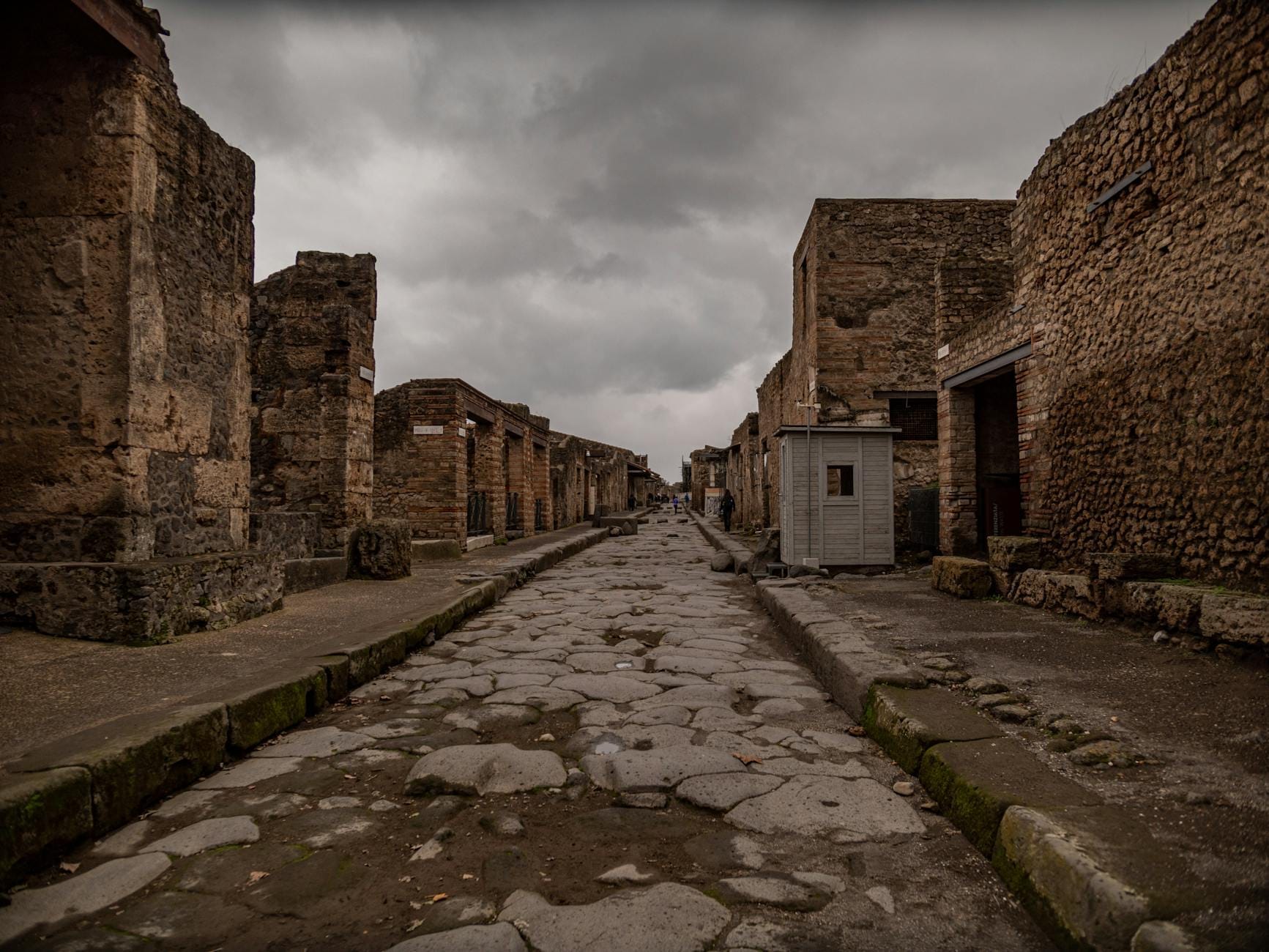
Pompeii is one of Italy's most-visited attractions, drawing millions of visitors annually. The site covers 44 hectares and you could spend anywhere from two hours to a full day depending on your interest level. The main entrance for visitors arriving by Circumvesuviana is the Porta Marina entrance, directly across from the Pompei Scavi-Villa dei Misteri station. There is a second entrance at Piazza Anfiteatro — useful to know if you want to exit from the opposite side of the site. For context on how Pompeii compares to the nearby alternative, read our comparison of Pompeii vs Herculaneum.
Standard adult admission to the Pompeii archaeological park is €18 depending on the season and any combined ticket options. Children under 18 from EU countries enter free. Combined tickets with Herculaneum, Oplontis, and other nearby sites offer better value if you plan to visit more than one. Tickets can be purchased at the entrance, but the queues in high season can be brutal. Booking online via the official Pompeii ticketing portal or a reputable third-party platform is strongly recommended from April through October.
💡 Local tip
Bring water and sun protection. The ruins offer almost no shade, and the stone surfaces retain heat. In July and August, midday temperatures regularly exceed 35°C. A hat, sunscreen, and at least 1.5 liters of water per person are not optional — they are essential.
An audio guide or app is worth the small rental fee if you are visiting independently. The site labels are minimal and the ruins can feel disorienting without orientation. The official Pompeii app provides good maps and contextual information. Alternatively, a licensed guide hired at the entrance adds significant depth. If you plan to visit Herculaneum on the same day, budget your time carefully: Herculaneum is smaller but denser with intact detail, and most visitors underestimate how long they want to spend there.
Seasonal Timing and Crowd Strategy

The difference between visiting Pompeii in October and visiting in August is not a matter of preference — it fundamentally changes the experience. In peak summer, the Circumvesuviana trains are packed, the ruins are swamped by midday, and the heat is genuinely oppressive. In late September or October, the same train is manageable, the site is quieter by noon, and the temperatures are pleasant enough to walk for four or five hours without distress.
April through early June and mid-September through October are the best windows for this trip. If you are visiting in summer, arrive at the site when it opens (typically 9am, though hours vary seasonally — check the official site before going) and plan to leave by 1pm before the heat and crowds peak. For broader advice on timing your Naples visit, the guide on the best time to visit Naples covers seasonal trade-offs in detail.
- April to early June: Mild temperatures, some school groups but manageable crowds, flowers in bloom across the site
- July to August: Peak season, very hot, trains crowded, site overwhelmed by midday — go at opening or skip entirely
- September to October: Often the best overall conditions, lower humidity, fewer tourists than summer, full site open
- November to March: Fewer visitors, cooler temperatures, some areas of the site may be under restoration or closed
Combining Pompeii with the Rest of Your Naples Itinerary

Pompeii works well as a standalone day trip, but it also fits naturally into a broader Campania itinerary. If you are spending multiple days in Naples, pairing Pompeii with a visit to the Naples National Archaeological Museum makes particular sense: many of Pompeii's most important artifacts, including the Alexander Mosaic and the Secret Cabinet, are housed there rather than at the site itself. Seeing the museum either before or after Pompeii significantly deepens what you take from both.
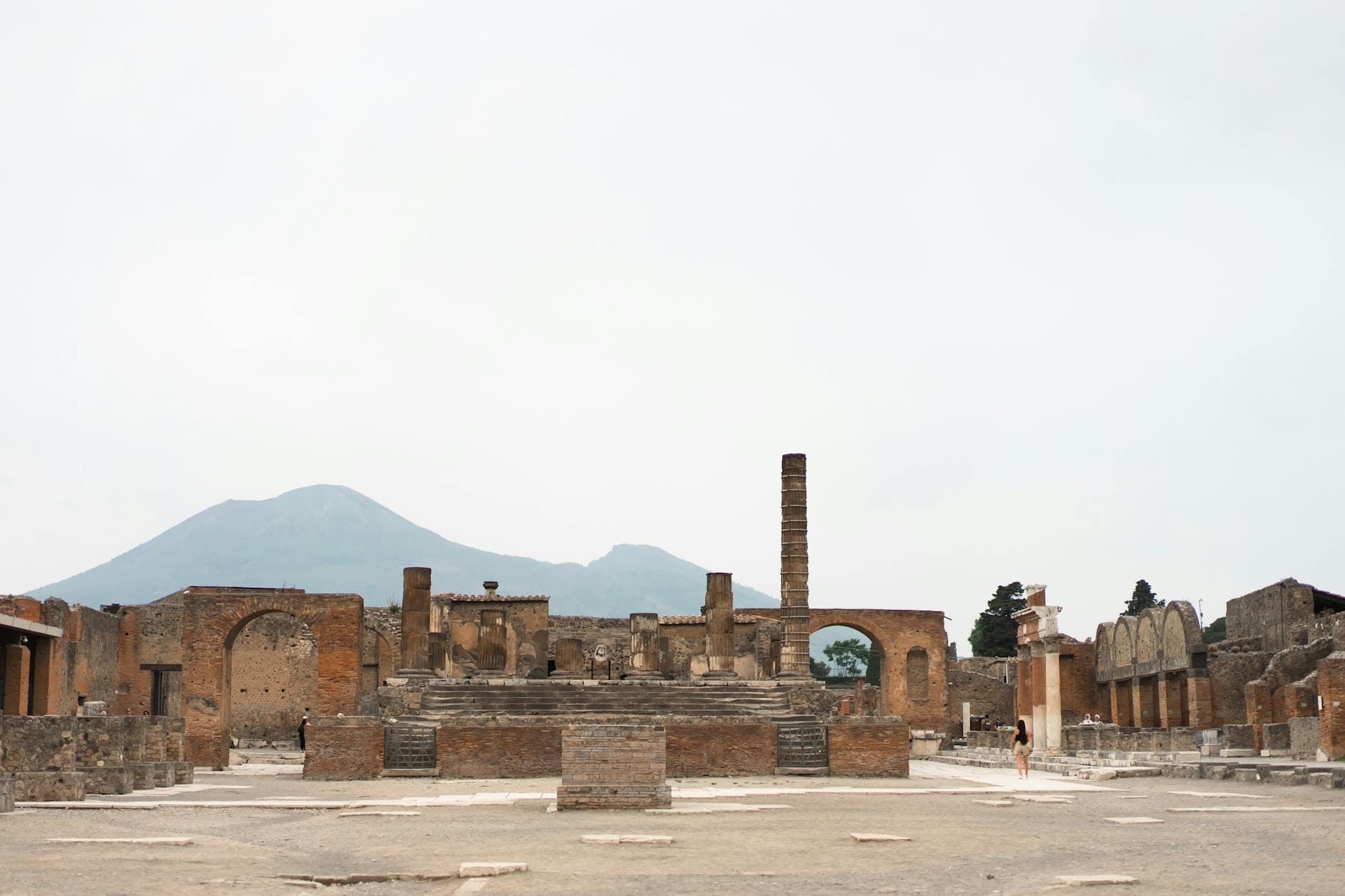
If you have three or more days in the city, a visit to Mount Vesuvius combines logistically well with Pompeii on the same day, though it requires careful timing. Vesuvius is accessible by shuttle bus from the Pompeii area and the summit hike takes around 45 minutes each way. Do Vesuvius in the morning and Pompeii in the afternoon, or vice versa, but build in at least 5 to 6 hours total. For a structured approach to your full Naples visit, see our 3-day Naples itinerary.
Those who find themselves energized after Pompeii and looking for contrast can continue the Circumvesuviana line down to Sorrento, a scenic coastal town about 45 minutes beyond Pompeii Scavi. From Sorrento, the Amalfi Coast is accessible by SITA bus. This turns the Pompeii day trip into a fuller southern Campania loop.
FAQ
Which train goes from Naples to Pompeii?
The Circumvesuviana, operated by EAV, is the standard route. Take the Naples-Sorrento line from Napoli Piazza Garibaldi station (below Napoli Centrale) and ride to Pompei Scavi-Villa dei Misteri. Trains run every 20 to 30 minutes during the day and the journey takes 35 to 40 minutes. A tourist alternative called the Campania Express runs 4 times per day for €15 with reserved seating.
How much does it cost to get from Naples to Pompeii by train?
The regular Circumvesuviana costs around €2.90 to €4 one-way. The Campania Express tourist service costs €15 one-way. No advance booking is required for the standard service — buy tickets at the station kiosks and validate before boarding.
How long does it take to get from Naples to Pompeii?
By Circumvesuviana train, the journey is 35 to 40 minutes. By car via the A3, it takes around 30 minutes in normal traffic. Buses are slower and less predictable. Add transit time within Naples to reach the Piazza Garibaldi station.
Do I need to book Pompeii tickets in advance?
Not strictly required, but strongly recommended from April through October. Queues at the gate can exceed one hour during peak season. Tickets are available online through the official Pompeii ticketing portal or authorized resellers. Standard adult admission runs around €16 to €22 depending on season.
Is Pompeii worth visiting as a day trip from Naples?
Yes, without qualification — the scale and preservation of the site is unlike anything else in Europe. Plan to spend at least three hours, bring water and sun protection, arrive early in summer, and consider booking a guided tour or audio guide since the on-site labeling is minimal. If you only have time for one ancient site near Naples, Pompeii is the right choice; if you can manage two, add Herculaneum for its contrast.
Tickets & tours
Live prices and dates from our booking partner. If you book, we may earn a commission at no extra cost to you.
Planning a trip? Discover personalized activities with the Nomado app.