Best Churches in Naples: Gothic Cathedrals, Baroque Gems & Sacred Art
Naples has more historic churches per square kilometer than almost any city in Europe. This guide covers the finest: from the Duomo's blood relic ceremony to Caravaggio's most important altarpiece, and the majolica-tiled cloister that stops every visitor cold.
Tickets & tours
Live prices and dates from our booking partner. If you book, we may earn a commission at no extra cost to you.
Naples is one of the great church cities of Europe, with over 400 sacred buildings scattered across its historic center and neighborhoods. The density is staggering, and the quality is extraordinary: Gothic structures raised by Angevin kings, Baroque interiors dripping with frescoes, and small oratories hiding world-class paintings behind unassuming facades. Exploring them is one of the defining experiences of any serious visit to the city. If you are planning your itinerary, our 3-day Naples itinerary builds a logical route through many of these sites. For travelers focusing on art, the Naples Caravaggio guide is essential reading, since the city holds more of his works than any other outside Rome. Most churches in Naples are free to enter, though major complexes like Santa Chiara and San Martino charge admission. Dress codes apply everywhere: cover your shoulders and knees.
💡 Local tip
Many Naples churches close between 12:30 and 16:00 for afternoon hours. Plan morning visits for the best access, especially to smaller churches without fixed tourist schedules.
The Big Three: Naples' Most Important Churches
These three churches represent the spiritual, artistic, and architectural heart of Naples. Each is on Spaccanapoli or close to it, and they can be visited in a single focused morning. Together they span Gothic, Baroque, and Counter-Reformation styles and tell the full story of Naples' religious history.
1. Witness Naples' Defining Ritual at the Duomo
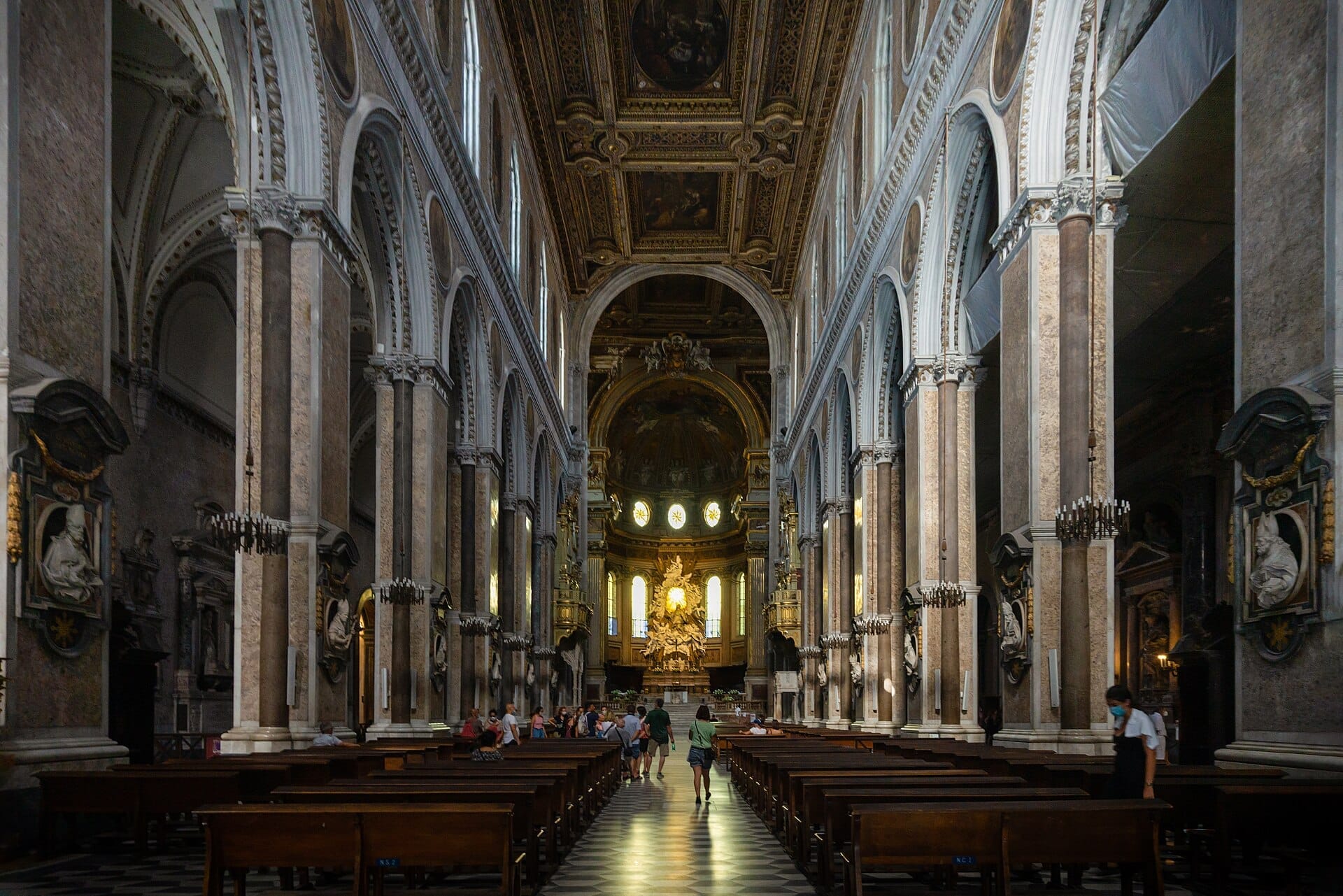
The city's spiritual center, built in 1200 on an ancient Apollo temple, blends Gothic, Baroque, and neo-Gothic styles. The blood relic of San Gennaro liquefies here three times a year, drawing enormous crowds. The Baptistery of Santa Restituta is among the oldest Christian buildings in the West.
Explore1. Witness Naples' Defining Ritual at the Duomo
The city's spiritual center, built in 1200 on an ancient Apollo temple, blends Gothic, Baroque, and neo-Gothic styles. The blood relic of San Gennaro liquefies here three times a year, drawing enormous crowds. The Baptistery of Santa Restituta is among the oldest Christian buildings in the West.
Explore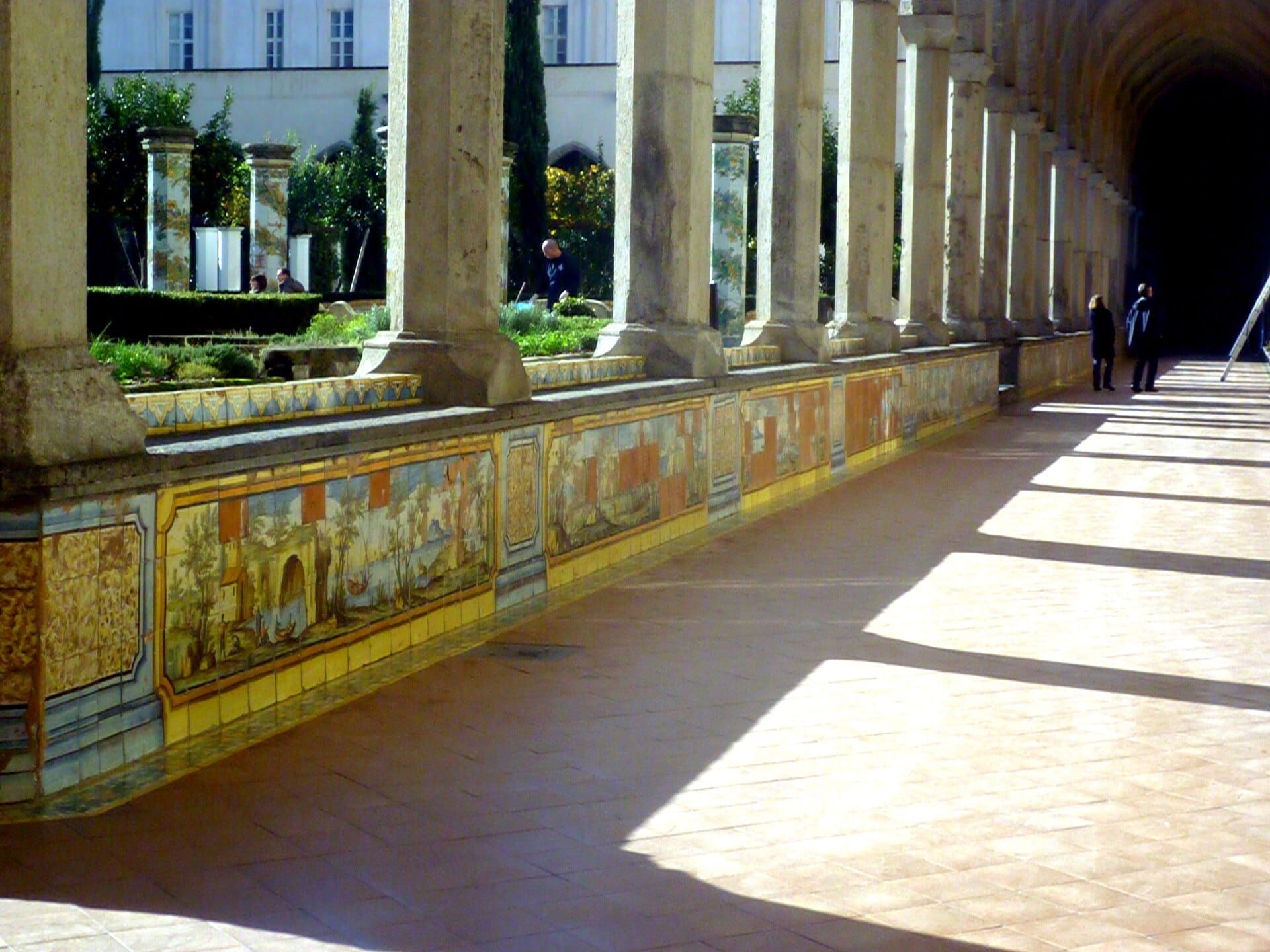
2. Walk Through the Majolica Cloister of Santa Chiara
Built 1310-1340 by the Angevin kings, this Gothic complex survived WWII bombing and retains its extraordinary tiled cloister, decorated floor-to-ceiling with 18th-century majolica scenes. It is one of the most photographed spaces in Naples, and rightly so. Budget 45-60 minutes for the full complex.
Explore2. Walk Through the Majolica Cloister of Santa Chiara
Built 1310-1340 by the Angevin kings, this Gothic complex survived WWII bombing and retains its extraordinary tiled cloister, decorated floor-to-ceiling with 18th-century majolica scenes. It is one of the most photographed spaces in Naples, and rightly so. Budget 45-60 minutes for the full complex.
Explore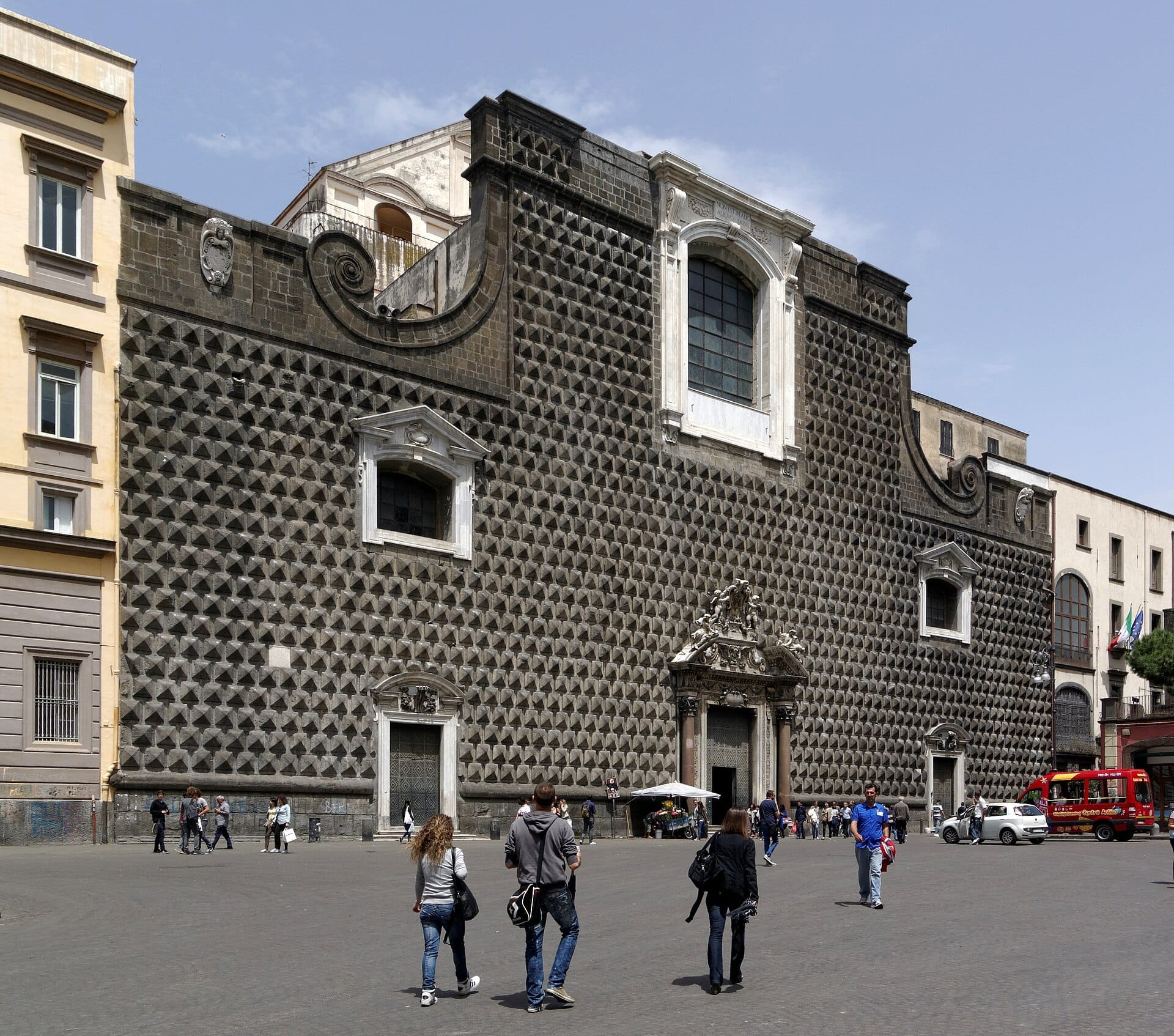
3. Decode the Diamond-Stone Facade of Gesù Nuovo
Originally a 1470 palace converted by the Jesuits in 1597, its diamond-pointed rusticated facade is unique in Naples. Inside, works by Ribera, Fanzago, and Giordano pack every surface. The shrine of San Giuseppe Moscati draws steady local devotion, giving it an authentic feel alongside tourist visits.
Explore3. Decode the Diamond-Stone Facade of Gesù Nuovo
Originally a 1470 palace converted by the Jesuits in 1597, its diamond-pointed rusticated facade is unique in Naples. Inside, works by Ribera, Fanzago, and Giordano pack every surface. The shrine of San Giuseppe Moscati draws steady local devotion, giving it an authentic feel alongside tourist visits.
ExploreSacred Art: Churches Built Around a Masterpiece
Some of Naples' best churches are essentially purpose-built galleries, constructed or decorated around a single extraordinary work of art. These are the places serious art travelers prioritize, and they are covered in detail in the best museums in Naples guide. The Caravaggio works in particular are not reproductions or minor pieces; they are major commissions created specifically for their Neapolitan locations.
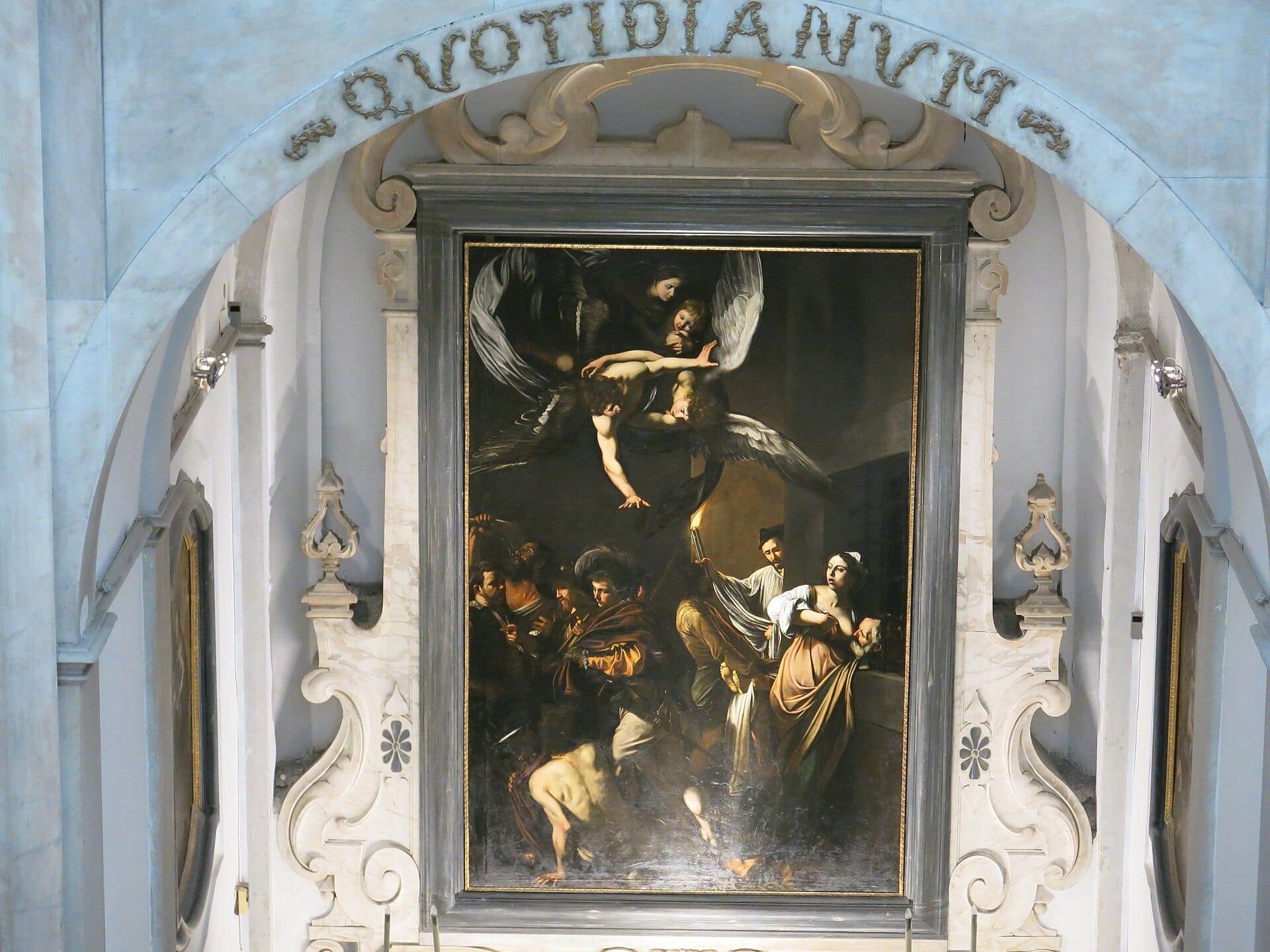
4. See Caravaggio's Seven Works of Mercy in Its Original Setting
This small 1601 oratory was built specifically to house charitable works, and Caravaggio painted his monumental altarpiece directly for this space in 1607. It remains here, above the altar, in its original context. The upper gallery holds additional Neapolitan Baroque paintings. Entry is inexpensive and rarely crowded.
Explore4. See Caravaggio's Seven Works of Mercy in Its Original Setting
This small 1601 oratory was built specifically to house charitable works, and Caravaggio painted his monumental altarpiece directly for this space in 1607. It remains here, above the altar, in its original context. The upper gallery holds additional Neapolitan Baroque paintings. Entry is inexpensive and rarely crowded.
Explore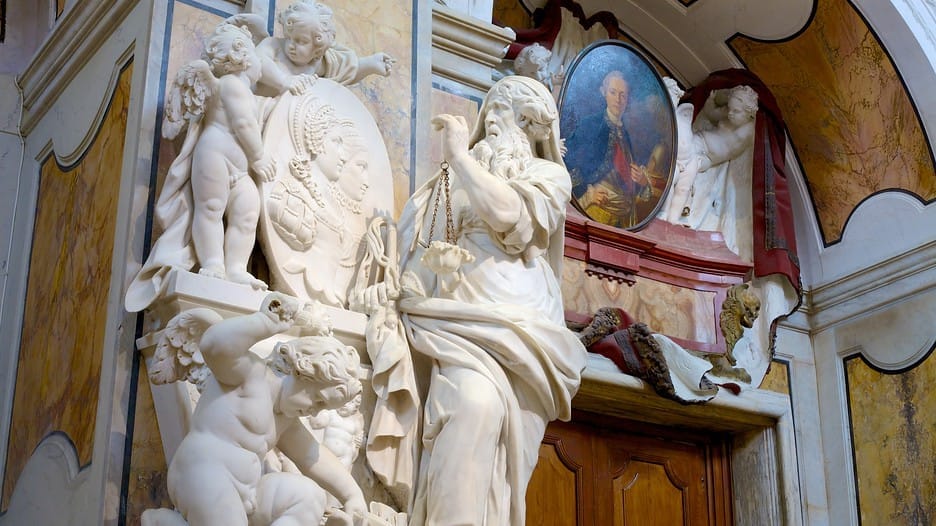
5. Stand Before the Veiled Christ at Cappella Sansevero
Technically a private chapel rather than a public church, the Sansevero is unmissable. Giuseppe Sammartino's 1753 marble Veiled Christ, with its impossibly thin carved veil, remains one of the most astonishing sculptures ever made. Book tickets in advance: queues are long and capacity is strictly limited.
Explore5. Stand Before the Veiled Christ at Cappella Sansevero
Technically a private chapel rather than a public church, the Sansevero is unmissable. Giuseppe Sammartino's 1753 marble Veiled Christ, with its impossibly thin carved veil, remains one of the most astonishing sculptures ever made. Book tickets in advance: queues are long and capacity is strictly limited.
Explore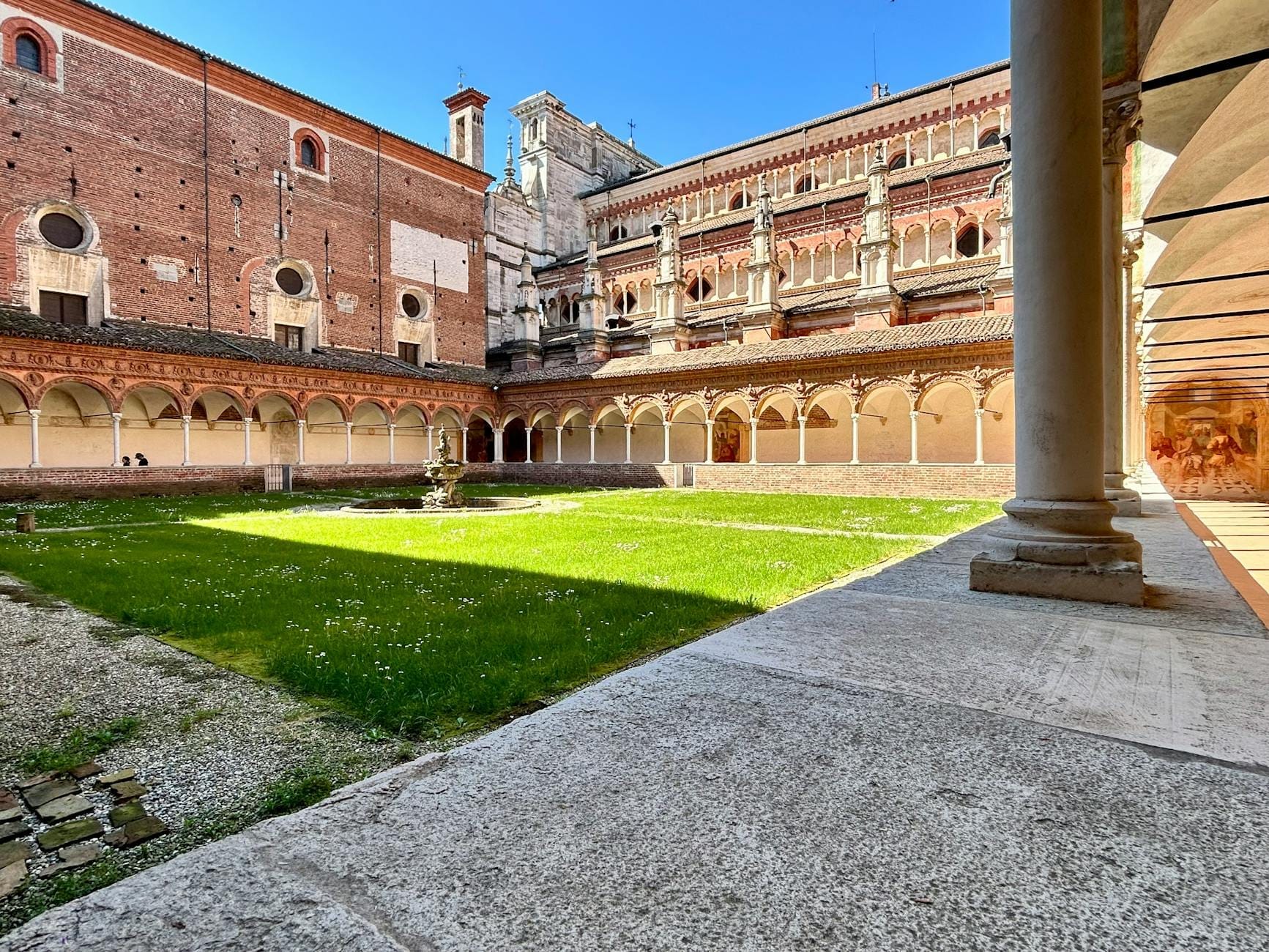
6. Explore the Baroque Monastery Church of San Martino
Founded in 1325 and radically remodeled in the 17th century, San Martino's church is one of the highest achievements of Neapolitan Baroque. Frescoes by Lanfranco, sculptures by Fanzago, and inlaid marble floors fill every surface. Entry includes the full Certosa museum complex and the best views in Naples.
Explore6. Explore the Baroque Monastery Church of San Martino
Founded in 1325 and radically remodeled in the 17th century, San Martino's church is one of the highest achievements of Neapolitan Baroque. Frescoes by Lanfranco, sculptures by Fanzago, and inlaid marble floors fill every surface. Entry includes the full Certosa museum complex and the best views in Naples.
ExploreHistoric Complexes: Churches With Underground Stories
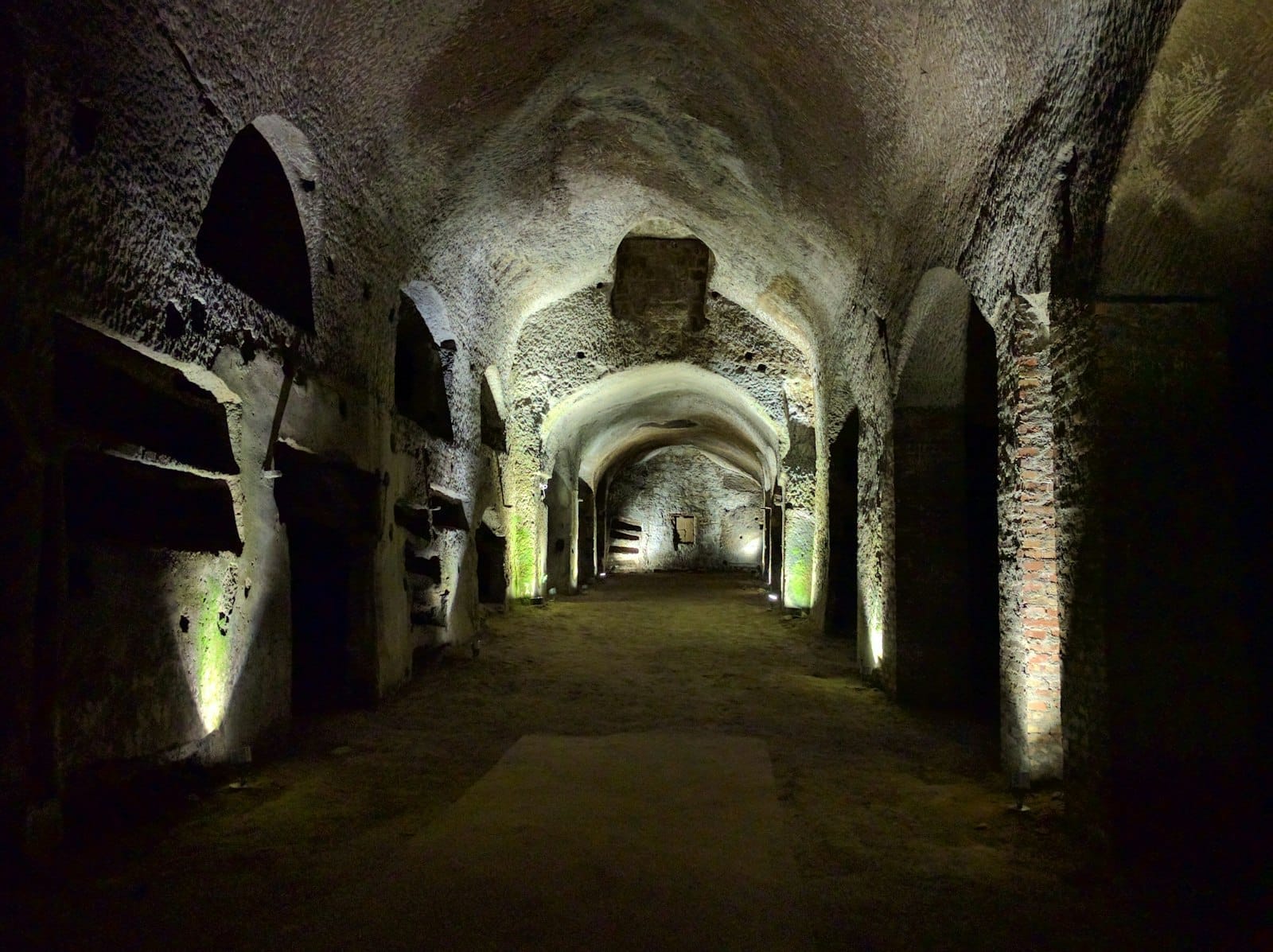
Naples is built on layers, and its churches often extend deep underground. The catacombs and burial chambers beneath several of the city's sacred buildings rank among the most important early Christian sites in southern Europe. For the full picture of Naples below ground, see our dedicated Naples underground guide.
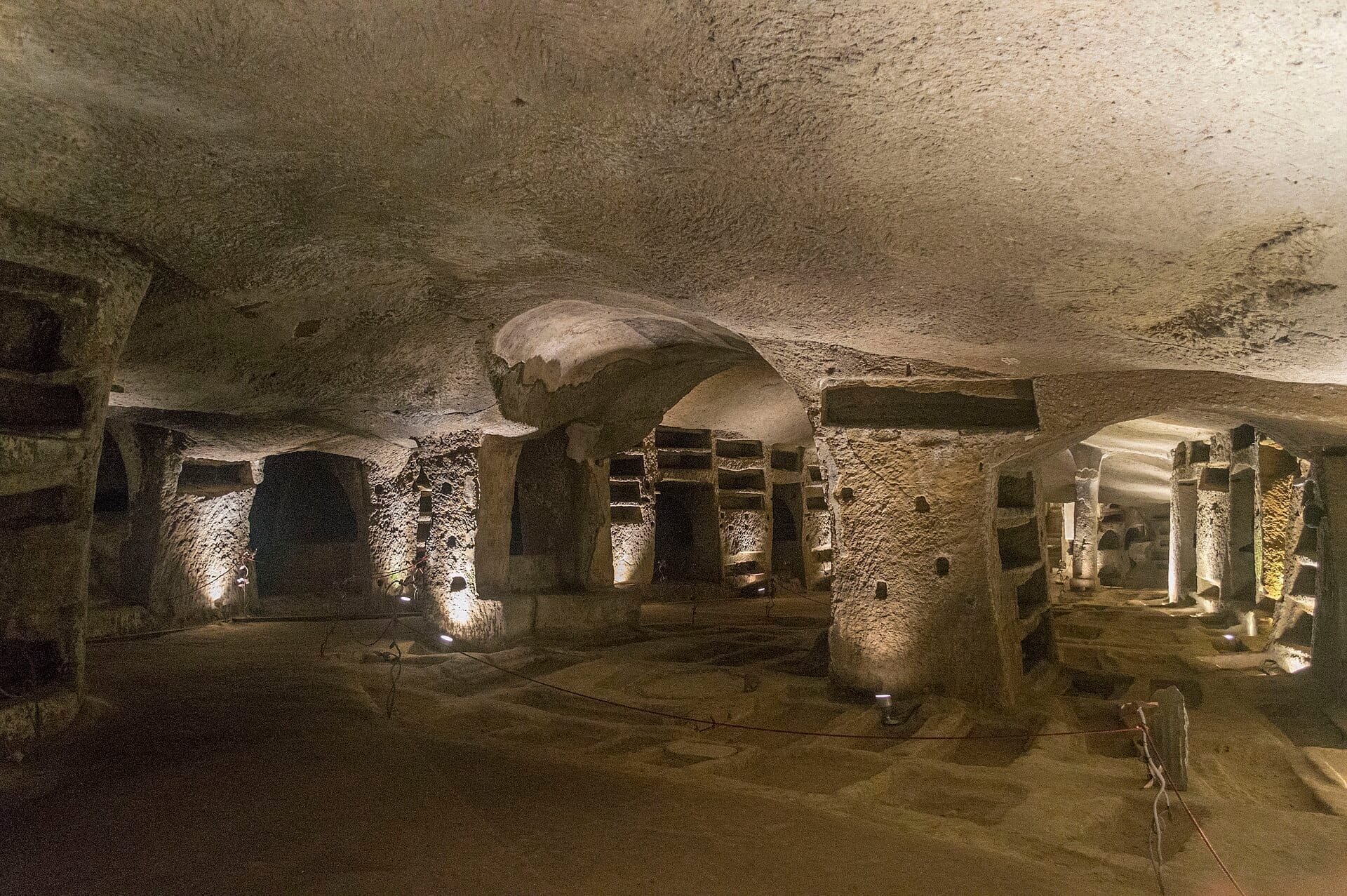
7. Descend Into the Early Christian Catacombs of San Gennaro
Dating to the 2nd century AD, these are among the most important early Christian burial chambers in the Mediterranean. Guided tours reveal frescoes, mosaics, and the original tomb of Naples' patron saint. The site is managed by a local cooperative; tours run regularly and last about 45 minutes.
Explore7. Descend Into the Early Christian Catacombs of San Gennaro
Dating to the 2nd century AD, these are among the most important early Christian burial chambers in the Mediterranean. Guided tours reveal frescoes, mosaics, and the original tomb of Naples' patron saint. The site is managed by a local cooperative; tours run regularly and last about 45 minutes.
Explore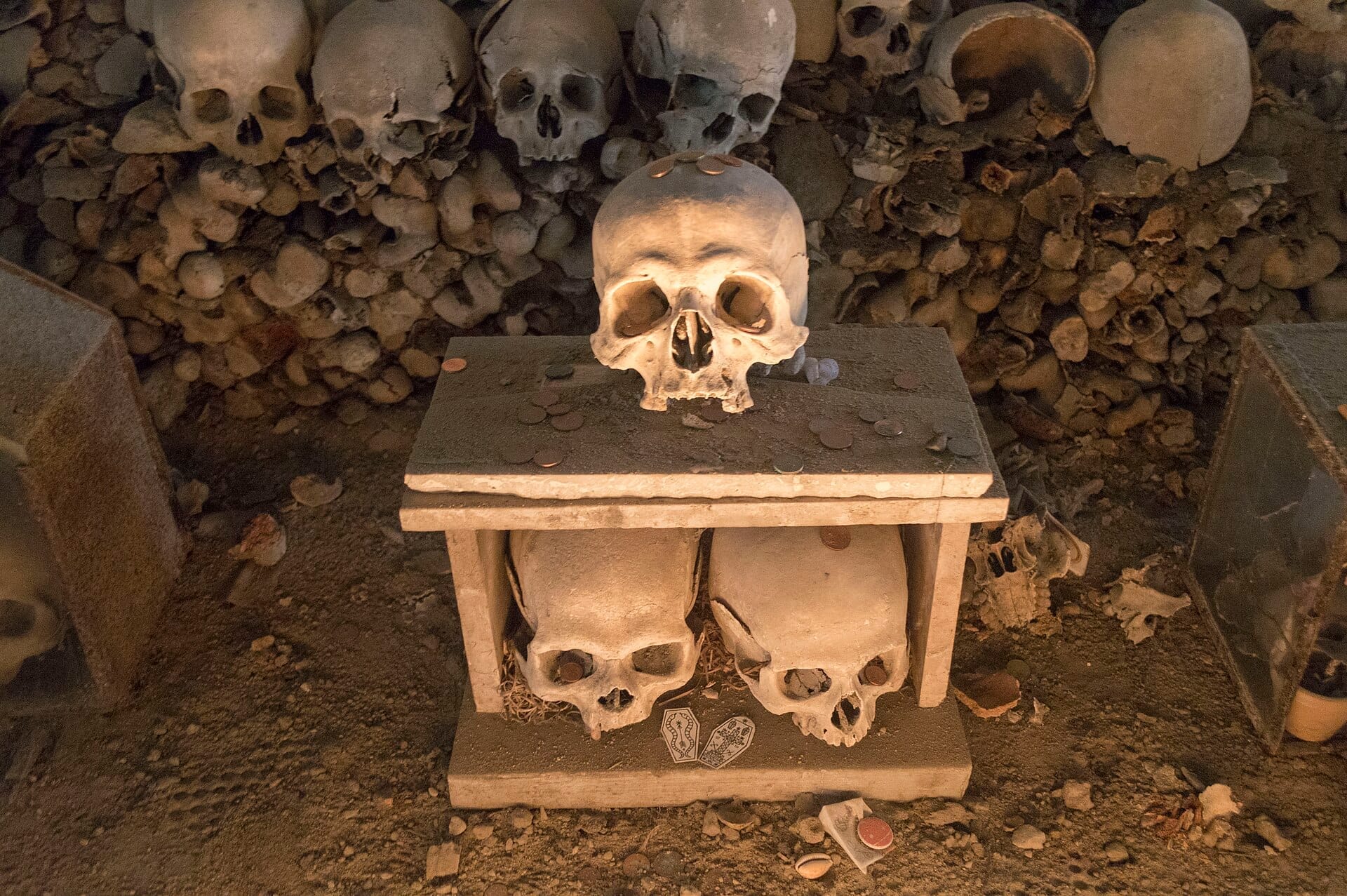
8. Visit the Fontanelle Cemetery, Naples' Cult of the Dead
Carved into the Sanità hillside, this ossuary holds thousands of skulls linked to Naples' unusual purgatorial devotion, where locals historically 'adopted' anonymous skulls and prayed for their souls. The practice was banned by the Catholic Church in 1969. Check current opening hours before visiting; access varies.
Explore8. Visit the Fontanelle Cemetery, Naples' Cult of the Dead
Carved into the Sanità hillside, this ossuary holds thousands of skulls linked to Naples' unusual purgatorial devotion, where locals historically 'adopted' anonymous skulls and prayed for their souls. The practice was banned by the Catholic Church in 1969. Check current opening hours before visiting; access varies.
ExploreGrand Facades: Churches Worth Stopping For on Any Walk
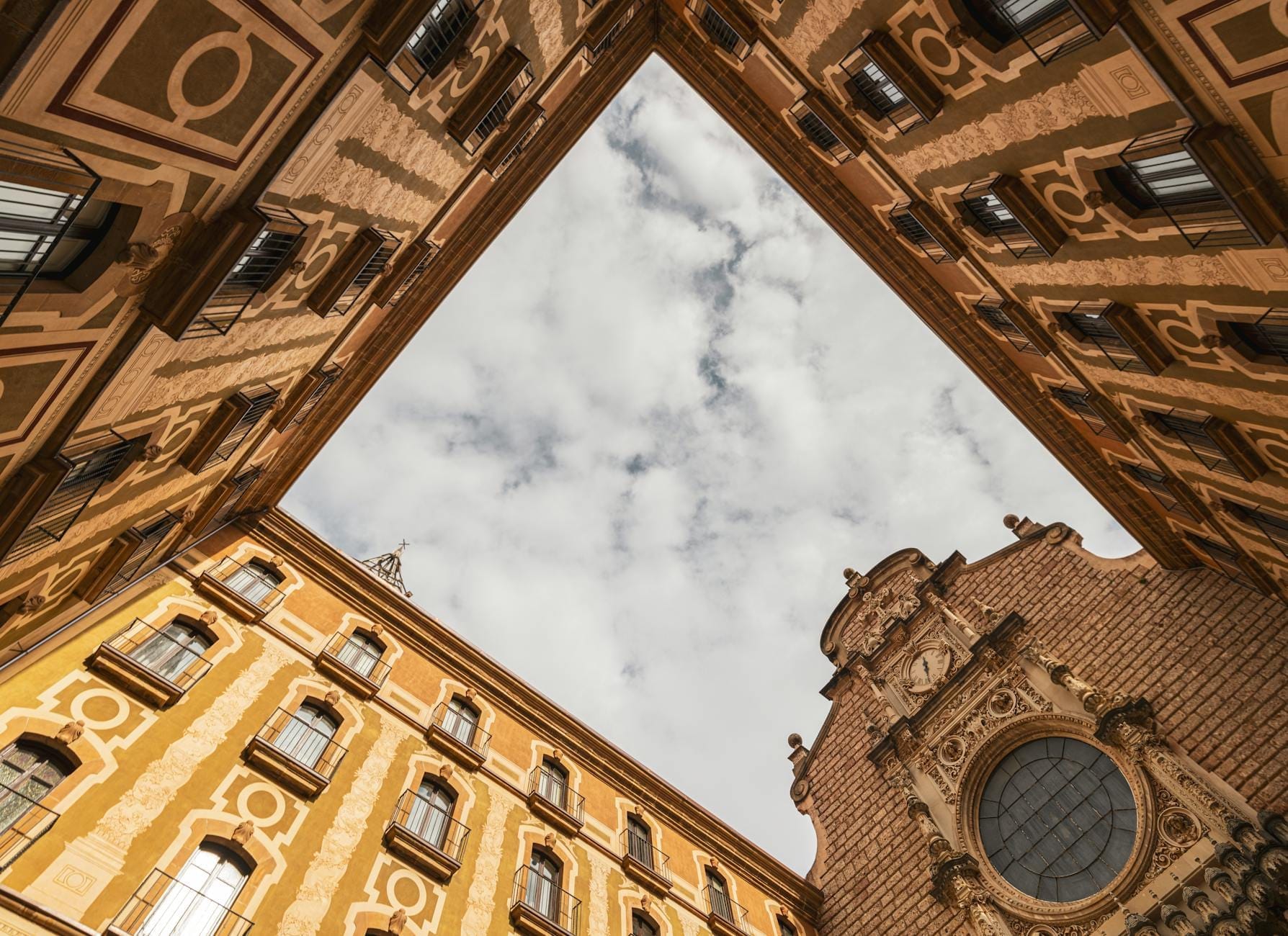
Not every great church in Naples requires a dedicated visit. Several of the most architecturally striking are best encountered as part of a broader walk through the centro storico or the waterfront. These churches reward even a ten-minute stop, and their exteriors alone make them worth seeking out.
9. Admire San Francesco di Paola Across the Grand Piazza
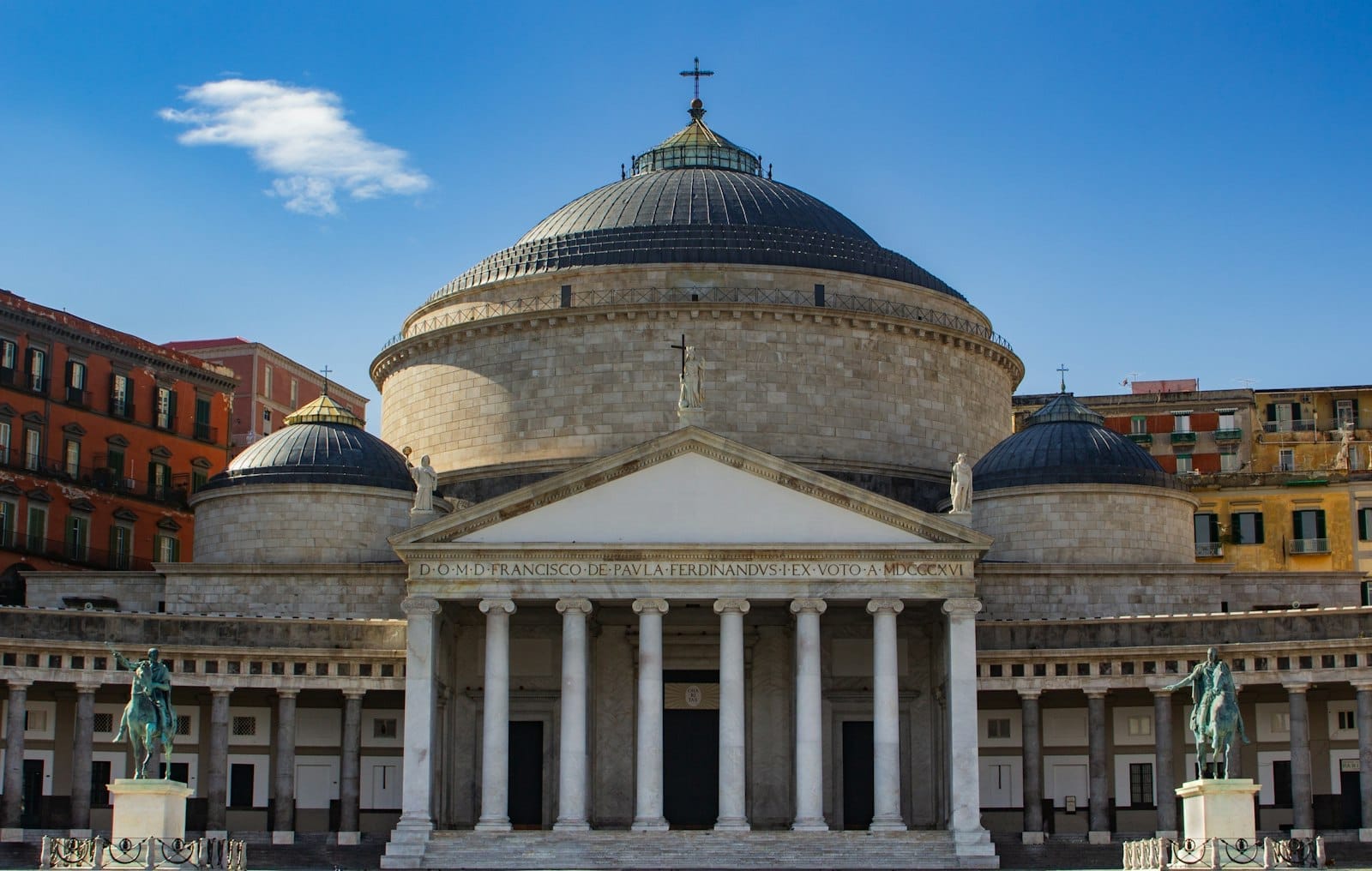
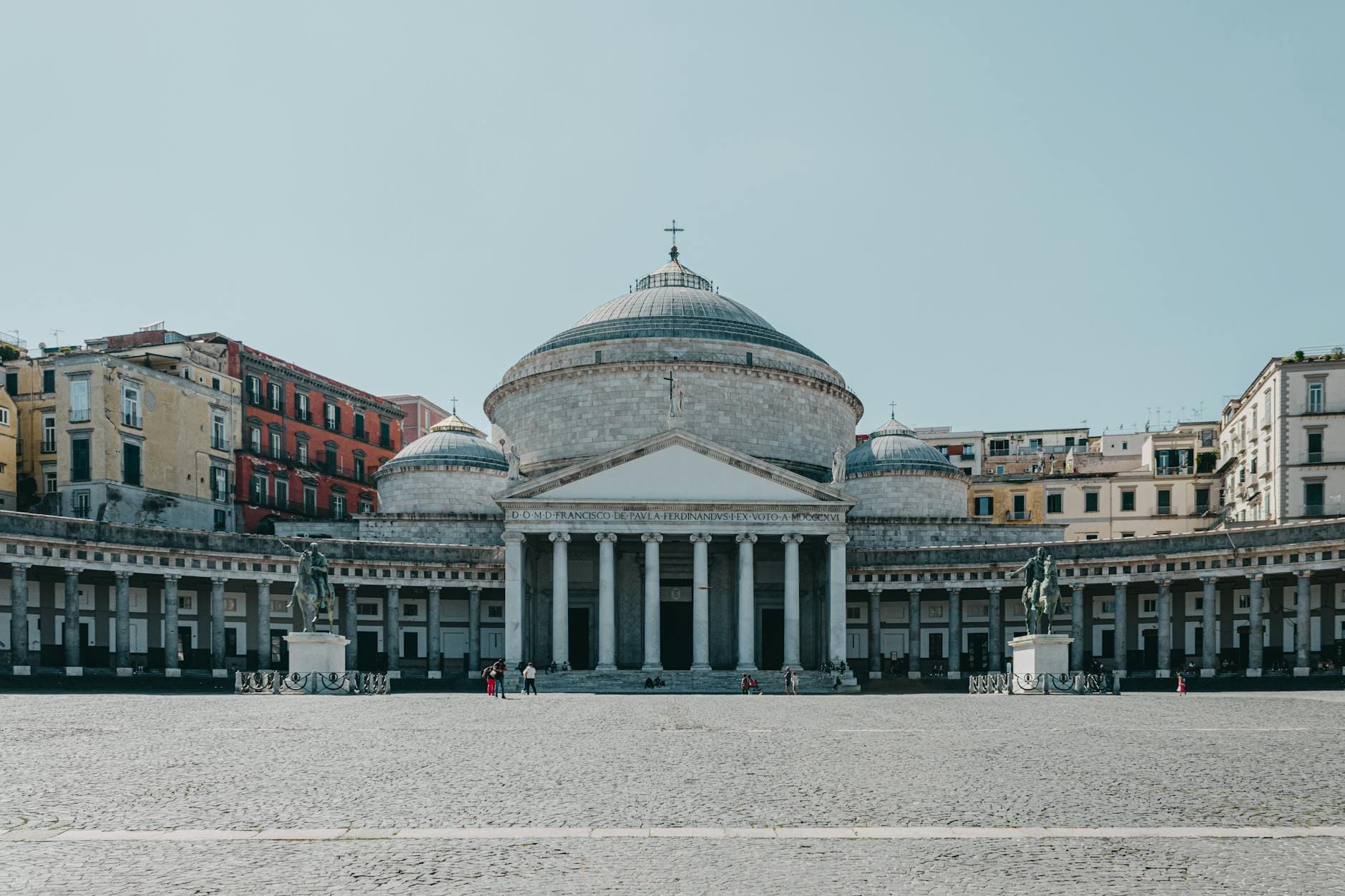
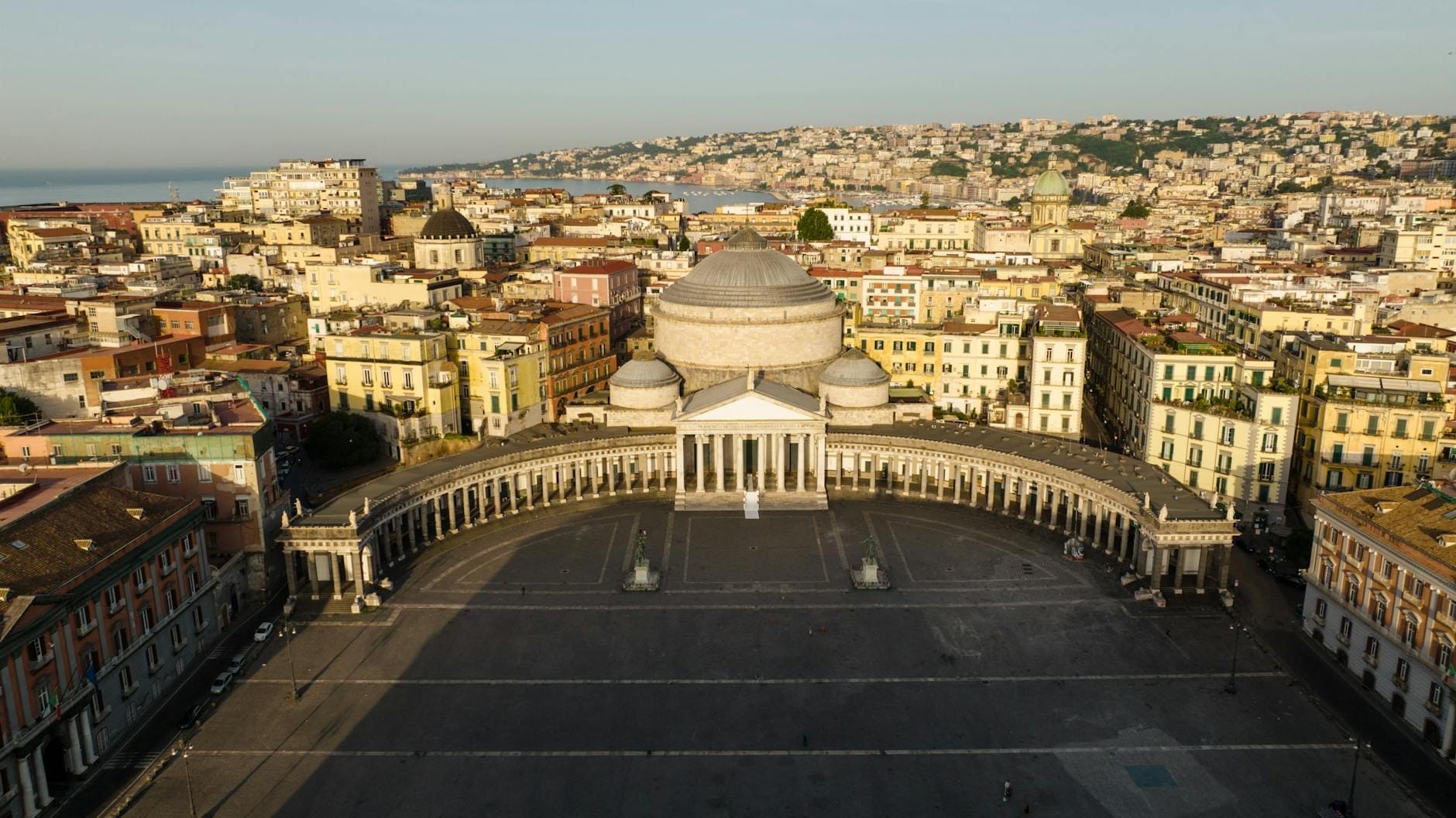
The neoclassical Basilica of San Francesco di Paola, completed in 1817 and modeled on Rome's Pantheon, closes the western end of Piazza del Plebiscito with a colonnade 294 meters wide. Entry is free. The interior is austere and grand. The square itself is Naples' symbolic heart and ideal for early morning visits.
Explore9. Admire San Francesco di Paola Across the Grand Piazza
The neoclassical Basilica of San Francesco di Paola, completed in 1817 and modeled on Rome's Pantheon, closes the western end of Piazza del Plebiscito with a colonnade 294 meters wide. Entry is free. The interior is austere and grand. The square itself is Naples' symbolic heart and ideal for early morning visits.
Explore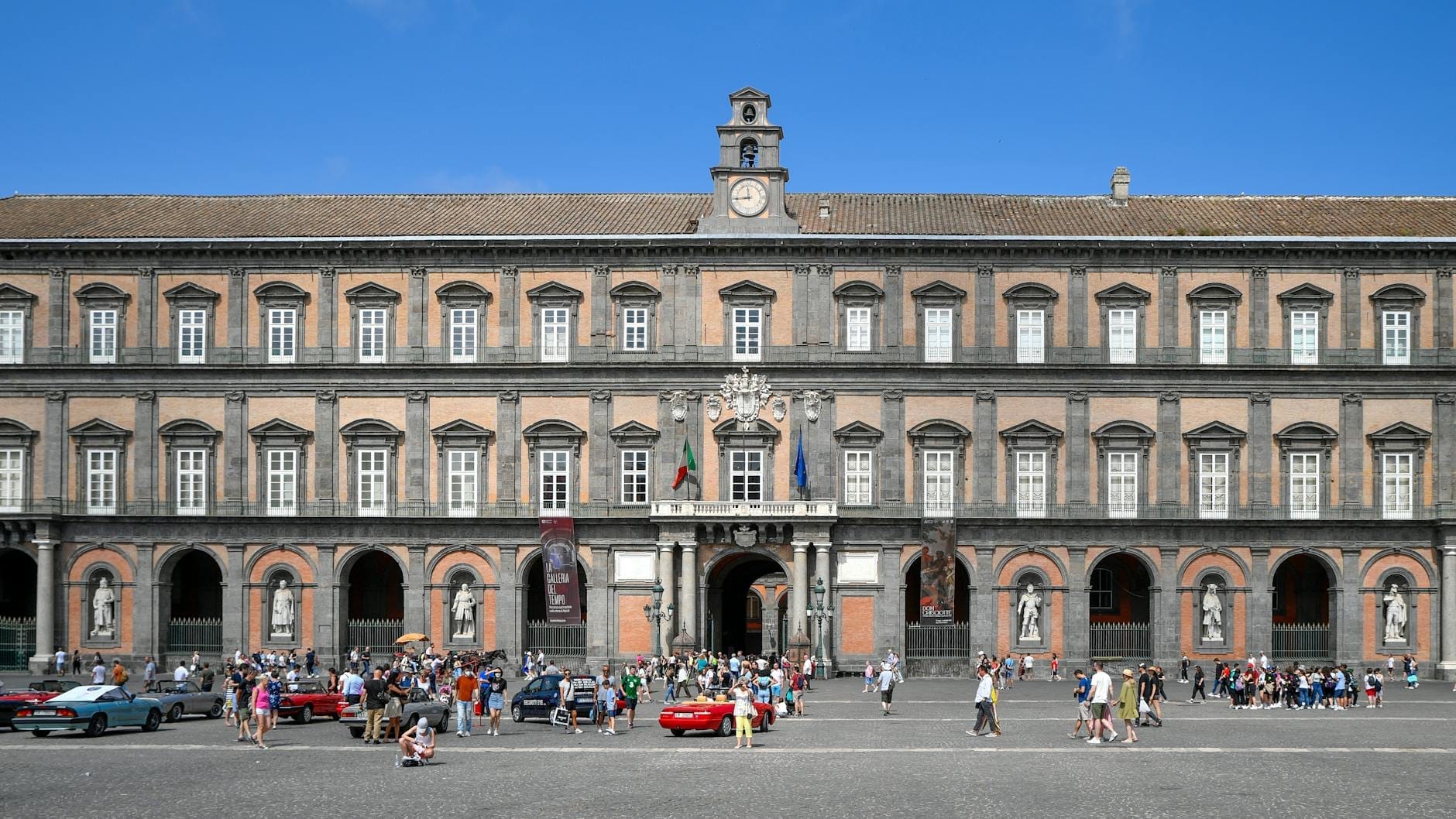
10. Pair the Royal Palace with Its Neighboring Churches
The Palazzo Reale faces directly onto Piazza del Plebiscito, and this entire monumental zone, including San Francesco di Paola and the royal chapel, represents the theatrical Bourbon vision of civic and sacred space. The Royal Palace interior gives crucial context for how religion and monarchy intertwined in Naples.
Explore10. Pair the Royal Palace with Its Neighboring Churches
The Palazzo Reale faces directly onto Piazza del Plebiscito, and this entire monumental zone, including San Francesco di Paola and the royal chapel, represents the theatrical Bourbon vision of civic and sacred space. The Royal Palace interior gives crucial context for how religion and monarchy intertwined in Naples.
Explore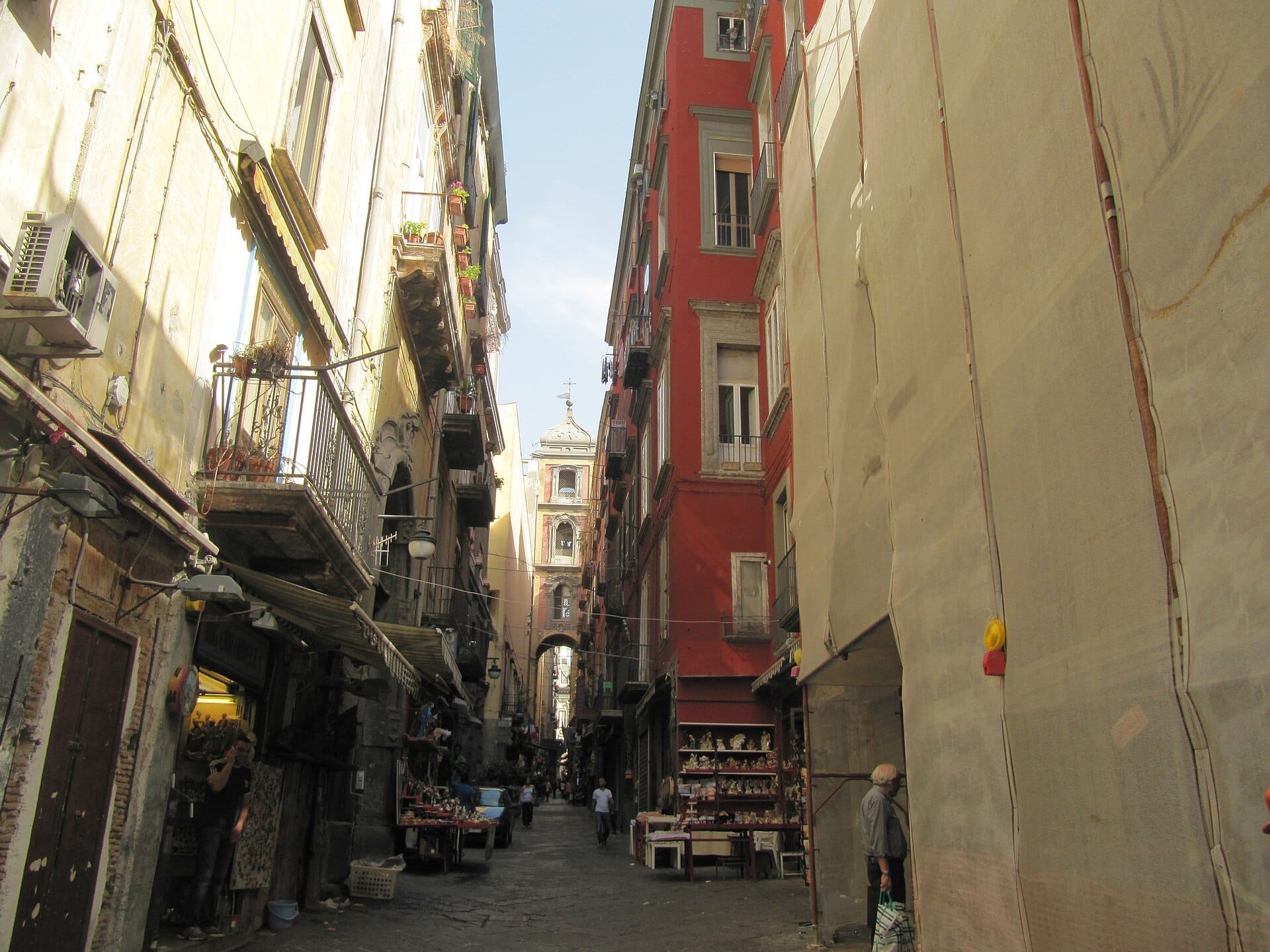
11. Walk Via San Gregorio Armeno Past Its Ancient Monastery
The street is famous for nativity-scene workshops, but the Baroque church and convent of San Gregorio Armeno at its heart is one of Naples' oldest monastic foundations, dating to the 8th century. The church interior, accessible when open, contains major paintings and one of the city's finest Baroque organ facades.
Explore11. Walk Via San Gregorio Armeno Past Its Ancient Monastery
The street is famous for nativity-scene workshops, but the Baroque church and convent of San Gregorio Armeno at its heart is one of Naples' oldest monastic foundations, dating to the 8th century. The church interior, accessible when open, contains major paintings and one of the city's finest Baroque organ facades.
Explore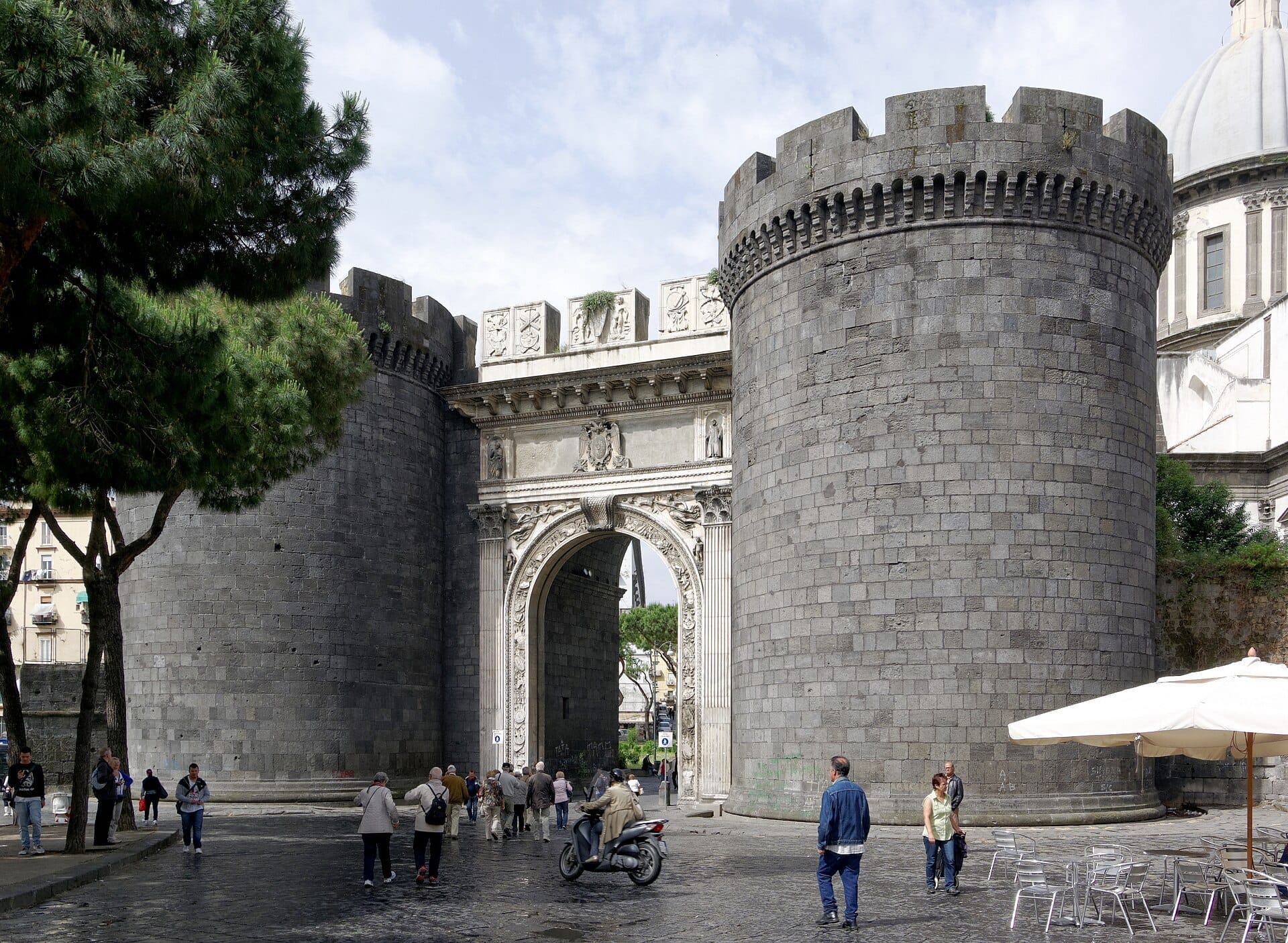
12. Find the Renaissance Gate Near the Quartiere's Old Churches
Porta Capuana itself is a triumphal arch rather than a church, but the surrounding area near Piazza Garibaldi contains some of Naples' oldest and least-visited sacred buildings. The gate makes a useful landmark for orienting a walk toward Sant'Eligio Maggiore, the oldest Gothic church in the city, built in 1270.
Explore12. Find the Renaissance Gate Near the Quartiere's Old Churches
Porta Capuana itself is a triumphal arch rather than a church, but the surrounding area near Piazza Garibaldi contains some of Naples' oldest and least-visited sacred buildings. The gate makes a useful landmark for orienting a walk toward Sant'Eligio Maggiore, the oldest Gothic church in the city, built in 1270.
ExploreArt Palaces With Sacred Collections
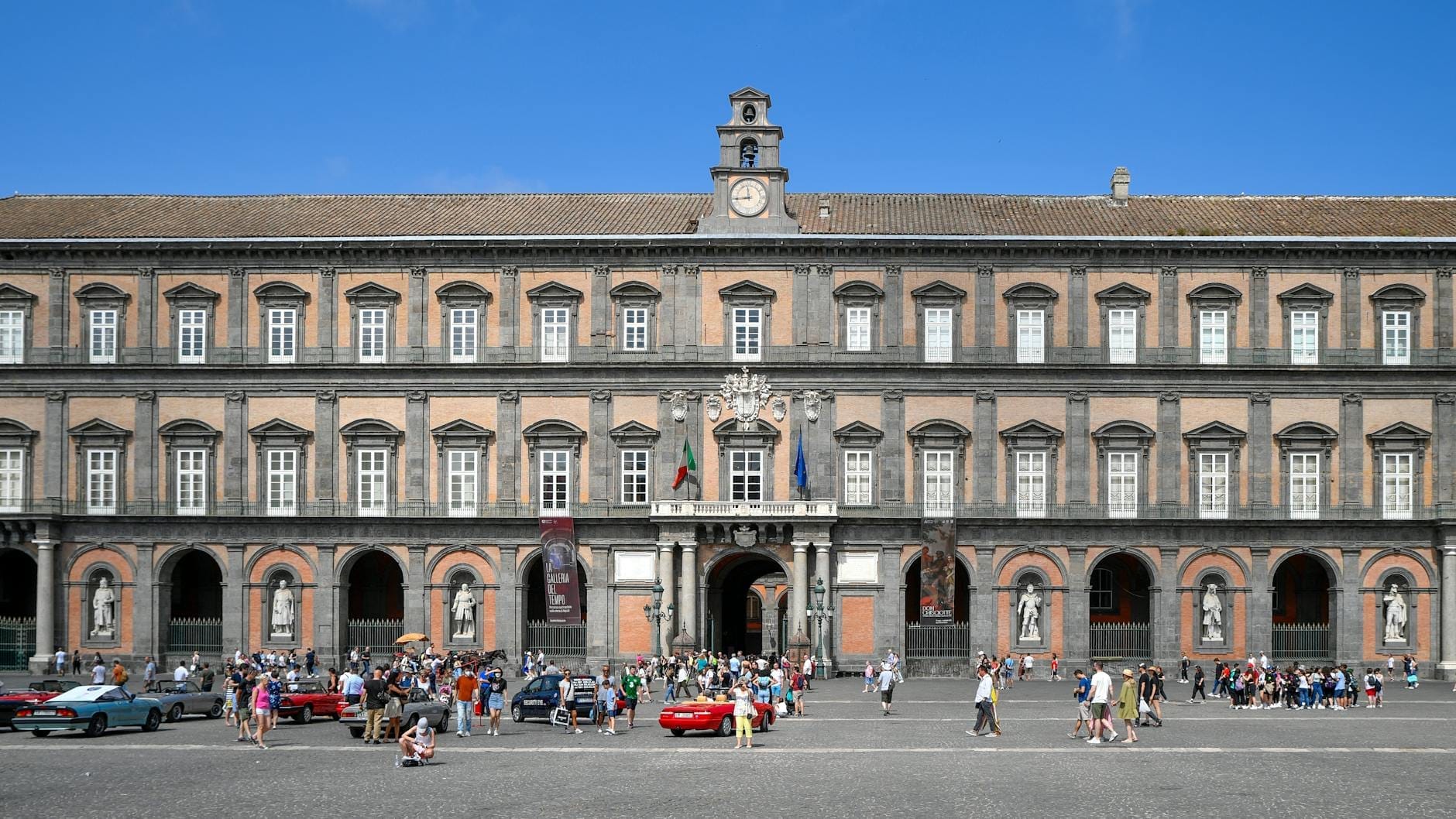
The line between church and museum blurs in Naples, where private chapels, royal oratories, and monastic galleries now function as art institutions. These sites combine the atmosphere of sacred spaces with the depth of major collections, and several are covered in the Caravaggio in Naples guide.
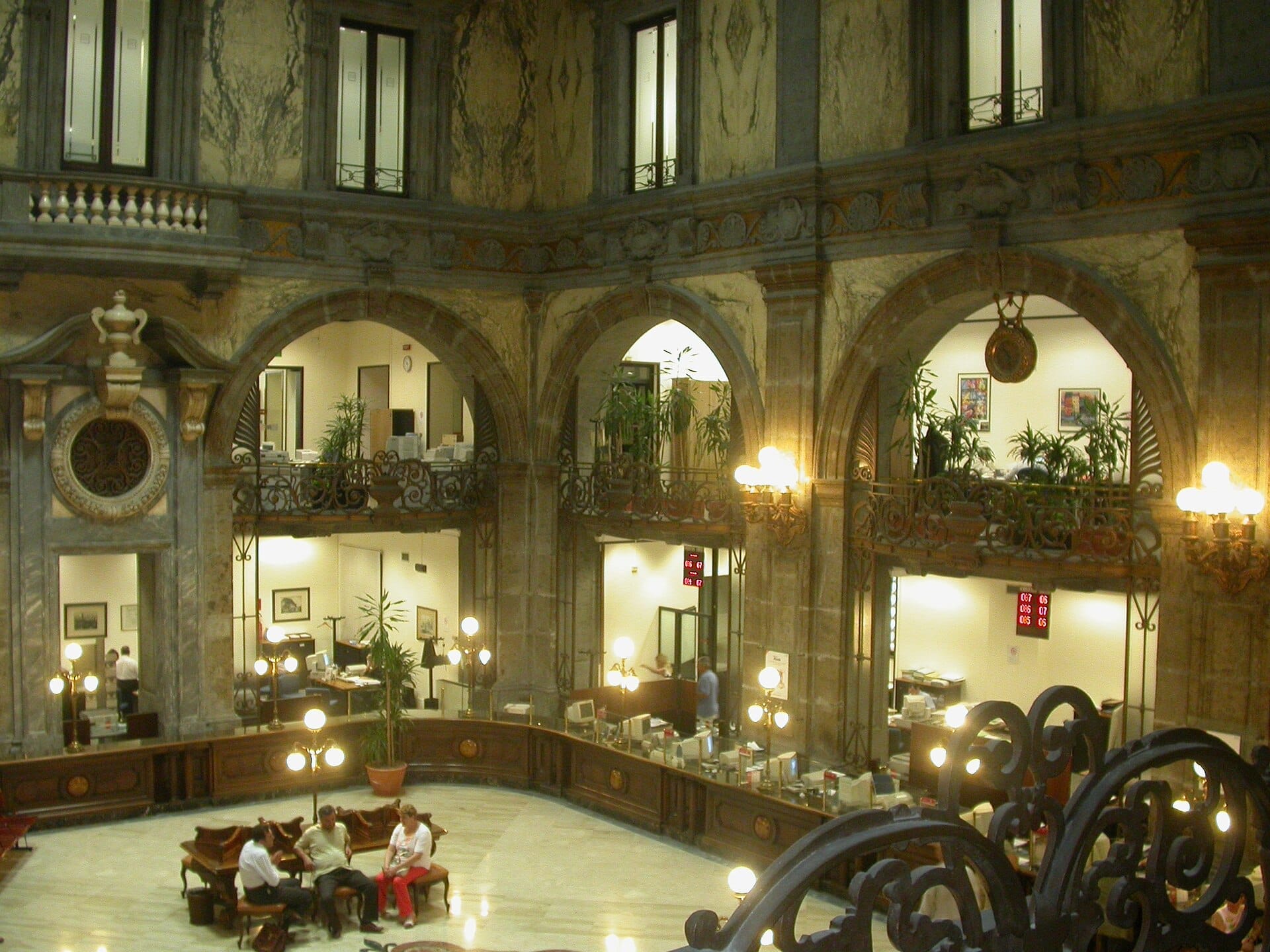
13. See Caravaggio's Final Painting at Palazzo Zevallos
This restored 17th-century palazzo on Via Toledo houses a small gallery centered on one work: Caravaggio's Martyrdom of Saint Ursula, painted in 1610, weeks before his death. It is his last confirmed painting. The setting is intimate and the work is viscerally moving. Entry is inexpensive and it rarely gets crowded.
Explore13. See Caravaggio's Final Painting at Palazzo Zevallos
This restored 17th-century palazzo on Via Toledo houses a small gallery centered on one work: Caravaggio's Martyrdom of Saint Ursula, painted in 1610, weeks before his death. It is his last confirmed painting. The setting is intimate and the work is viscerally moving. Entry is inexpensive and it rarely gets crowded.
Explore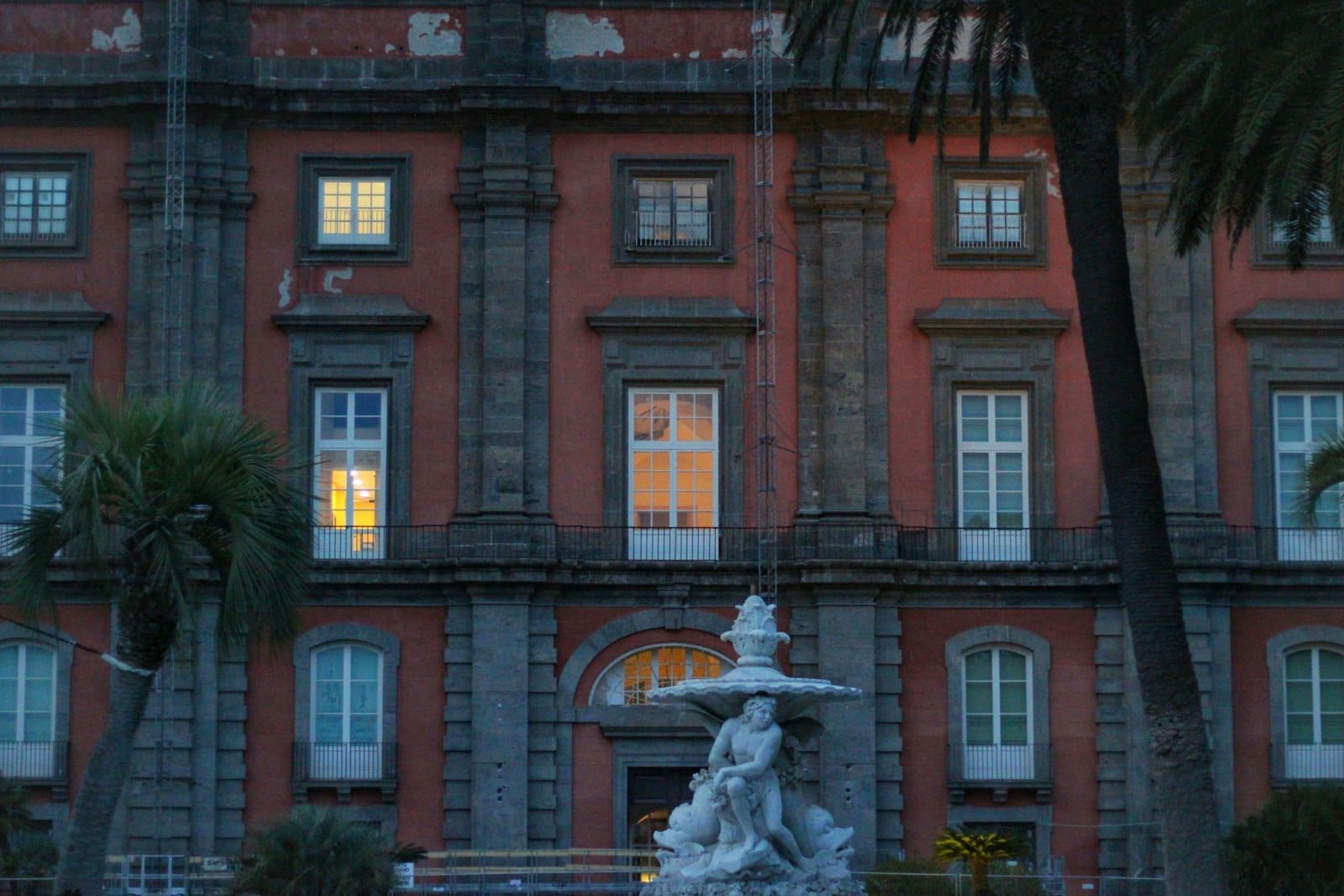
14. Find the Royal Chapel Inside the Capodimonte Palace
The Bourbon palace at Capodimonte holds major religious paintings by Caravaggio, Titian, and Raphael alongside the royal apartments. The palace itself functioned as a sacred and civic complex. The park surrounding it is excellent for a long afternoon, combining the gallery with outdoor walking.
Explore14. Find the Royal Chapel Inside the Capodimonte Palace
The Bourbon palace at Capodimonte holds major religious paintings by Caravaggio, Titian, and Raphael alongside the royal apartments. The palace itself functioned as a sacred and civic complex. The park surrounding it is excellent for a long afternoon, combining the gallery with outdoor walking.
Explore✨ Pro tip
The Campania Arte Card gives access to state museums including Capodimonte and discounts on other sites. If you're visiting multiple churches and museums over several days, it pays for itself quickly.
FAQ
Are Naples' churches free to enter?
Many churches in Naples are free, including the Duomo, Gesù Nuovo, and San Francesco di Paola. However, major complexes like Santa Chiara, Certosa di San Martino, and Cappella Sansevero charge admission (roughly €6-10). The Catacombs of San Gennaro also require a ticket for the guided tour.
What should I wear to visit churches in Naples?
Cover your shoulders and knees. Many churches enforce this strictly and will turn you away or ask you to cover up with a provided shawl. Carry a light scarf or layer if visiting in summer. This applies to all churches regardless of how touristy they are.
What is the best time to visit Naples churches?
Morning visits (9:00-12:00) work best for most churches. Many close between 12:30 and 16:00 for afternoon hours, particularly smaller and less touristy ones. The Duomo and major tourist churches tend to stay open longer, but confirming hours before visiting smaller oratories is worthwhile.
Which Naples church has the Caravaggio painting?
Naples has multiple Caravaggio works in religious settings. The most important is The Seven Works of Mercy at Pio Monte della Misericordia, still above the altar for which it was painted in 1607. His final painting, The Martyrdom of Saint Ursula, is at Palazzo Zevallos Stigliano (Galleria d'Italia) on Via Toledo.
Can I attend Mass at the Naples Duomo?
Yes, the Cathedral of Naples holds regular Masses throughout the week. As a working church, visitors attending services are expected to participate respectfully rather than treat it as a tourist experience. The most significant ceremony is the liquefaction of San Gennaro's blood, held on his feast day (September 19), the Saturday before the first Sunday in May, and December 16.
Tickets & tours
Live prices and dates from our booking partner. If you book, we may earn a commission at no extra cost to you.
Planning a trip? Discover personalized activities with the Nomado app.