Naples Underground: A Complete Guide to the City Beneath the City
Beneath the streets of Naples Italy lies one of Europe's most extraordinary subterranean worlds: 450 kilometers of Greek-carved tunnels, Roman aqueducts, and WWII shelters. This guide covers everything you need to visit Napoli Sotterranea, from ticket prices and tour logistics to what you'll actually see underground.
Tickets & tours
Live prices and dates from our booking partner. If you book, we may earn a commission at no extra cost to you.
TL;DR
- Napoli Sotterranea sits at Piazza San Gaetano 68, in the historic center. Tours depart hourly from 10 AM to 6 PM and last 90 minutes.
- Adult tickets cost €18. Book online to skip the queue, especially on weekends and in summer.
- The underground network spans 450 km and reaches 40 meters below street level, passing through Greek quarries, Roman aqueducts, and WWII shelters. It connects directly to the Napoli Sotterranea attraction in the heart of the UNESCO-listed historic center.
- Bring a light jacket regardless of season. The temperature underground holds steady around 15°C year-round.
- The tunnels are one part of a broader underground Naples experience. Pair the visit with the Catacombs of San Gennaro and the Galleria Borbonica for a full underground day.
Why Naples Has an Underground City at All
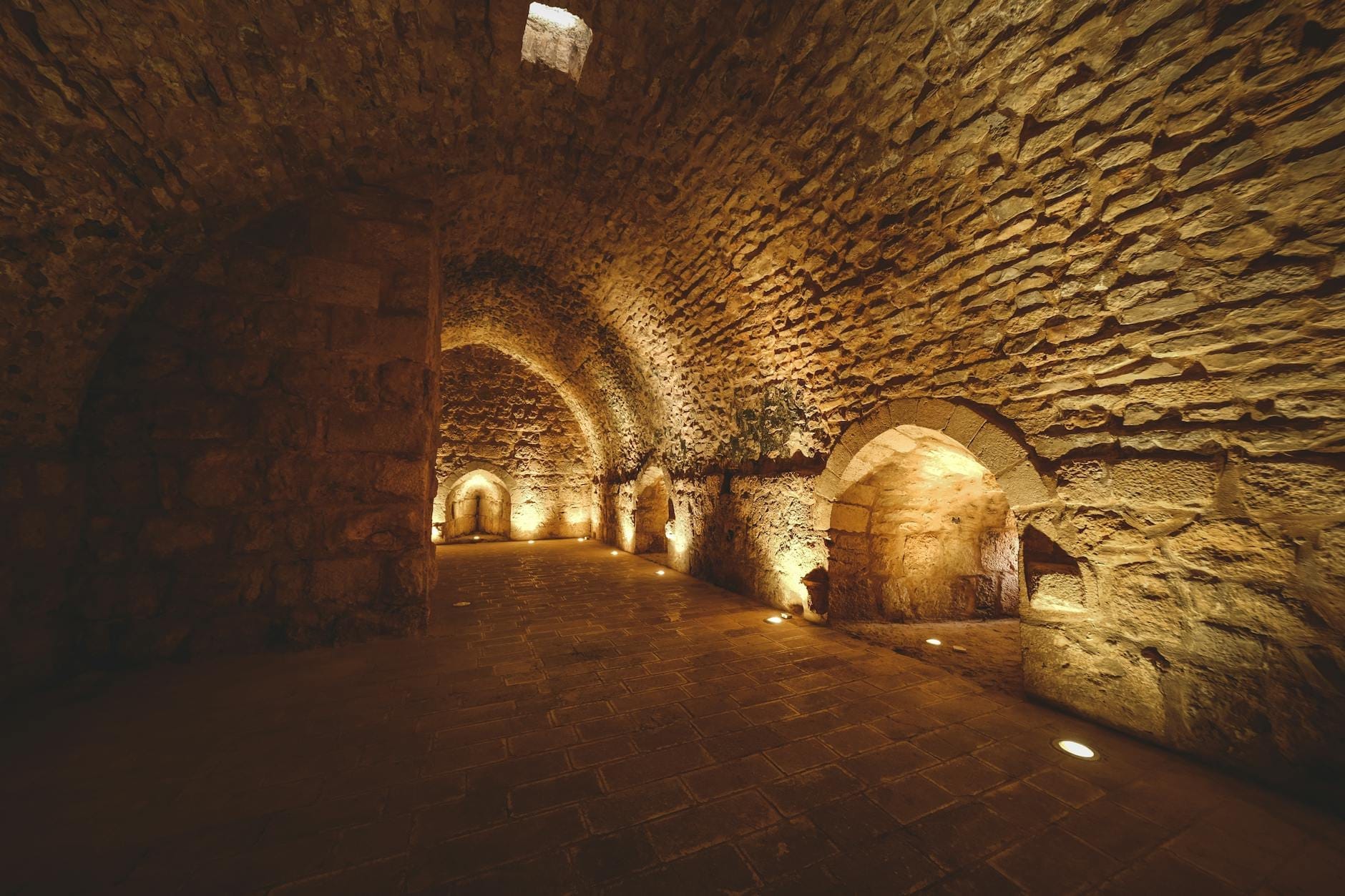
The story starts with geology. Naples sits on a thick layer of tufa, a soft volcanic stone that ancient builders could cut quickly and use immediately as construction material. When Greek settlers founded Neapolis in the 4th century BC, they did not just build on the land. They excavated beneath it, carving out massive quarries to extract material for the city above. The result was an expanding labyrinth of caverns, shafts, and corridors that would be repurposed, extended, and forgotten across more than two millennia.
The Romans inherited the tunnels and transformed much of the network into a functioning aqueduct system, channeling water from sources up to 70 kilometers away. This infrastructure supplied the city until the 19th century, when a catastrophic cholera epidemic prompted city authorities to seal most of the tunnels and switch to a modern water supply. The underground was left to accumulate centuries of silt and debris until archaeologists and volunteers began the painstaking process of excavation around 30 years ago. Today, what you visit at Napoli Sotterranea represents only a fraction of a network that stretches an estimated 450 kilometers beneath the city.
ℹ️ Good to know
Naples was the most heavily bombed Italian city during World War II. When Allied air raids intensified, the existing tunnel network was pressed back into service as civil shelters. Over 200,000 Neapolitans took refuge underground between 1940 and 1944. The tunnels were not built for this purpose — that is a common misconception — but they served it remarkably well.
What You Actually See on the Tour
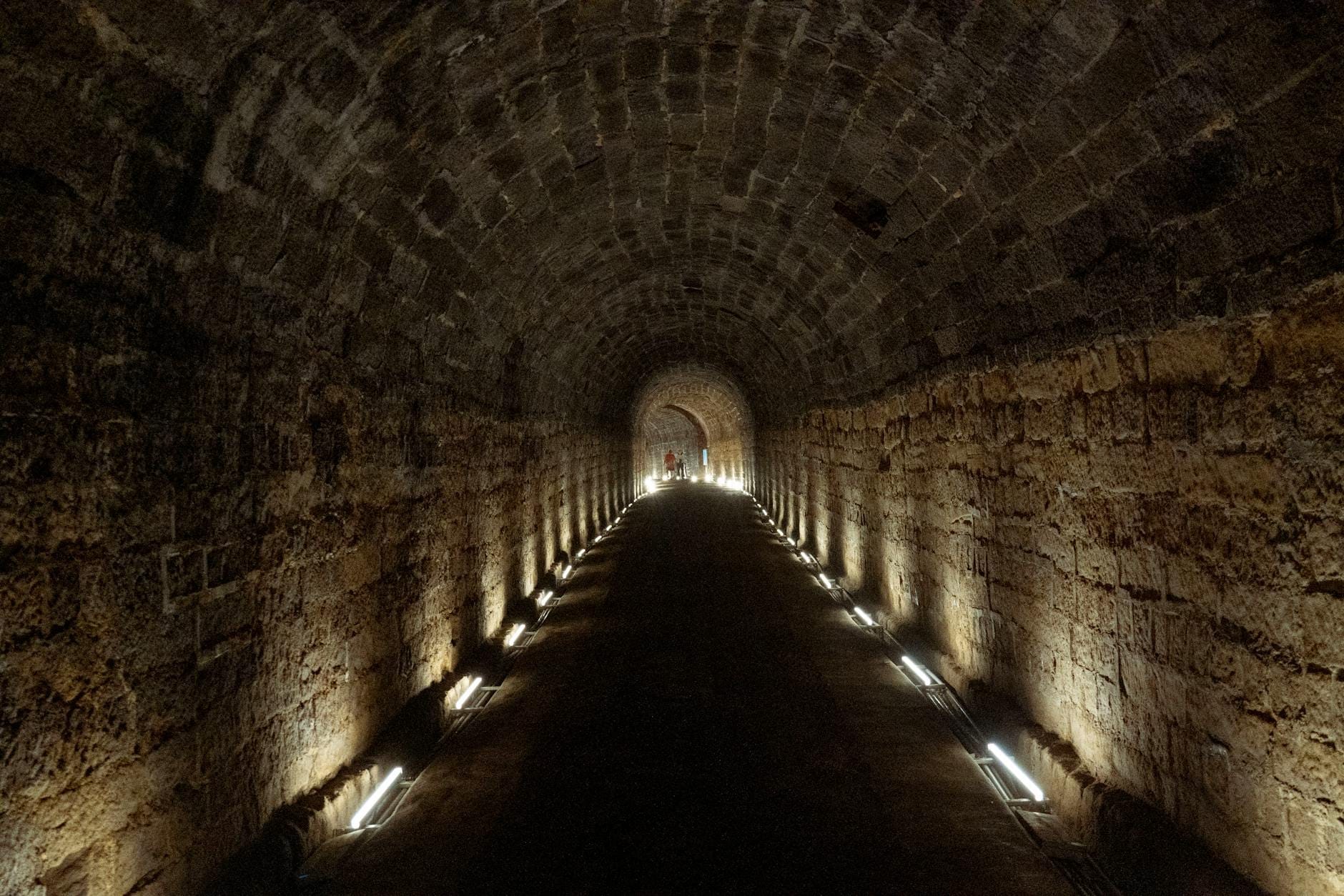
The main Napoli Sotterranea tour descends 136 steps to a depth of roughly 40 meters below the street. What greets you is not a dark damp corridor but a structured archaeological site with clear lighting, explanatory signage in multiple languages, and genuinely impressive spaces. The scale surprises most visitors. The Greek quarry chambers are enormous, their walls still bearing the chisel marks of workers from the 4th century BC.
- Greco-Roman Theater Remains The underground preserves sections of the ancient theater where Emperor Nero performed. Renaissance-era buildings were constructed directly on top of it, and you can see how later foundations cut through earlier structures.
- Emperor Nero's Private Dressing Room A small chamber identified through historical records as the backstage area used by Nero during his time in Neapolis. One of the more unusual historical footnotes in an already unusual place.
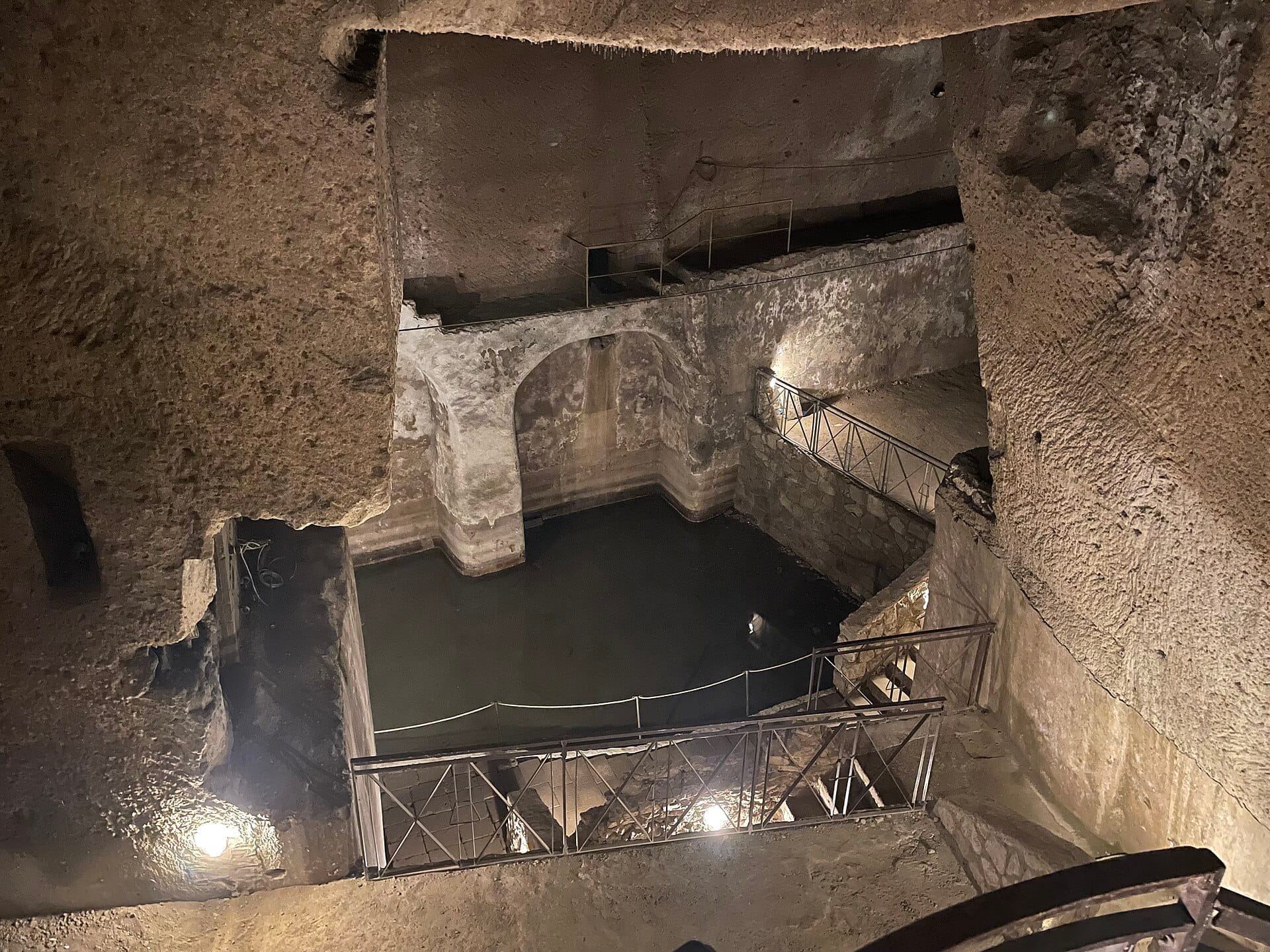
- Roman Aqueducts and Cisterns Some cisterns still hold water. The torch-lit passages through narrow aqueduct channels are among the most atmospheric sections of the tour.
- WWII Bomb Shelters Preserved with striking detail: original bunk beds, propaganda posters, medical equipment, and military machinery left largely in place. This section tends to have the most emotional impact on visitors.
- The Hypogeum Gardens A genuinely unusual feature: an underground botanical garden growing under artificial light. Described as the world's first hypogeum garden, it serves as both an aesthetic curiosity and an ongoing scientific experiment.
- Co.R.E. Gallery Contemporary art installations placed within the ancient chambers. The contrast works better than you might expect.
⚠️ What to skip
One section of the tour passes through a narrow aqueduct channel approximately 50 centimeters wide. Visitors with claustrophobia or larger builds may find this section challenging. The guides are accustomed to this and can usually suggest alternatives, but ask ahead if you are concerned. The rest of the tour is fully accessible to most people.
Tickets, Hours, and Booking
The main entrance to Napoli Sotterranea is at Piazza San Gaetano 68, on Via dei Tribunali in the historic center. Guided tours depart every hour between 10 AM and 6 PM, seven days a week. All tours are guided rather than self-directed, which matters practically: you cannot enter independently, and if you miss your allocated slot, you will need to wait for the next departure.
- Adult tickets: €15
- Reduced tickets: available for visitors up to age 17 (exact rate varies, confirm at booking)
- Tour duration: 90 minutes
- Languages: Italian and English tours run daily; other languages available for private groups
- Booking: walk-in is possible but online reservation is strongly recommended on weekends, public holidays, and throughout July and August
Demand peaks significantly between June and September and during the Christmas period. If you are visiting Naples in peak season, consider using skip-the-line tickets to lock in your preferred time slot. Walk-in visitors on a busy Saturday in July can face waits of two hours or more.
How to Plan Your Underground Naples Day

Napoli Sotterranea sits in the middle of the Centro Storico, which means it pairs naturally with a morning or afternoon walk through one of the densest concentrations of historic churches, street food, and urban character in Italy. Via dei Tribunali, the street directly above the tunnels, is one of the best in Naples for a pre-tour walk.
For a full underground-focused day, combine Napoli Sotterranea with two other sites that are distinct enough to avoid repetition. The Galleria Borbonica in the Chiaia district covers 19th-century Bourbon escape tunnels and is atmospherically different from the Greek quarry network. The Catacombs of San Gennaro in the Sanità district focus on early Christian burial practices and feature remarkable frescoes and mosaics. All three together require a full day and different entry tickets, but they build a genuinely layered understanding of what lies beneath this city.
✨ Pro tip
Book the 10 AM slot at Napoli Sotterranea. Tour groups tend to fill up through midday, and the first departure of the day is typically the quietest. You will finish before noon and still have time to walk Spaccanapoli, grab lunch, and continue to a second site in the afternoon.
While you are in the neighborhood, San Gregorio Armeno is only a few minutes walk and worth a look even outside the Christmas season. The nearby Cappella Sansevero is one of Naples' most technically impressive baroque spaces and tends to sell out days in advance, so book that one separately well before your trip.
Practical Details: What to Know Before You Go
The underground maintains a constant temperature of around 15°C regardless of what is happening above ground. In summer, this feels refreshing at first and then genuinely cold by the end of the 90 minutes. In winter, it is not significantly colder than the street, but the damp air feels sharper. A light jacket or an extra layer in your bag solves this regardless of season.
Footwear matters more than most visitors expect. Parts of the tour involve uneven stone surfaces, shallow water in the aqueduct sections, and low ceilings. Trainers or solid walking shoes are appropriate. Sandals, heels, or dress shoes are all poor choices and will make sections of the tour physically uncomfortable.
- Wear a light jacket or layer — 15°C underground feels colder than it sounds after 90 minutes
- Closed-toe shoes with grip are strongly preferred over sandals
- Photography is generally permitted without flash
- The tour is not suitable for visitors with severe claustrophobia due to the narrow aqueduct passage
- Children are welcome; the WWII section is detailed enough that some parents prefer to preview the content
- Arrive 10-15 minutes before your booked slot to check in and collect your guide
- The site is not wheelchair accessible due to the 136 steps and narrow passages
Getting to Piazza San Gaetano is straightforward on foot from most central neighborhoods. From Via Toledo, it is roughly a 15-minute walk east through the historic center. From Piazza Garibaldi, allow 20 minutes on foot or take the metro to Dante station. The Naples public transport network covers the area well, and taxis are readily available at the adjacent Piazza Bellini.
Is Napoli Sotterranea Worth It?
For most visitors to Naples, yes, straightforwardly. The combination of Greek archaeology, Roman engineering, and WWII history in a single 90-minute tour is unusual anywhere in the world, and the quality of the guided experience is consistently high. At €18 per adult, it is also priced reasonably for what it delivers.
That said, it is worth being honest about limitations. If you are visiting Naples for only one or two days and must choose between this and the National Archaeological Museum, the museum's depth and breadth make it a stronger single option. The underground works best as part of a broader itinerary rather than as the centrepiece of a very short trip. For visitors with three or more days in the city, it belongs near the top of the list.
If the underground experience genuinely interests you, consider pairing the tour with a broader 3-day Naples itinerary that builds in time for the catacombs and Galleria Borbonica. The combination gives a much fuller picture of how this city has used, abandoned, and rediscovered what lies beneath it.
FAQ
How deep is the Naples Underground?
The main Napoli Sotterranea tour descends approximately 40 meters below street level, accessed via 136 steps. The wider tunnel network beneath Naples reaches similar depths in various locations across the city.
Do I need to book Naples Underground tickets in advance?
Booking in advance is strongly recommended, especially between June and August and during Italian public holidays. Walk-ins are accepted when space is available, but busy days can mean a wait of two hours or more. Online booking secures your preferred time slot and typically includes a small booking fee.
How long is the Napoli Sotterranea tour?
The standard guided tour lasts 90 minutes. Tours depart every hour between 10 AM and 6 PM in both Italian and English. Private tours in other languages can be arranged separately.
Is the Naples Underground suitable for children?
Generally yes, though it depends on the child. The WWII section contains preserved weapons, bunk beds, and wartime imagery that some parents prefer to preview. The narrow aqueduct passage can also unsettle younger or anxious children. Reduced-price tickets are available for visitors up to age 17.
What is the difference between Napoli Sotterranea and the Galleria Borbonica?
Napoli Sotterranea focuses on the ancient Greek and Roman tunnel network, plus WWII shelters, beneath the historic center. The Galleria Borbonica is a separate site in the Chiaia district covering a different set of tunnels built in the 19th century by the Bourbon monarchy. Both are worth visiting, but they are distinct experiences with separate tickets and different operators.
Tickets & tours
Live prices and dates from our booking partner. If you book, we may earn a commission at no extra cost to you.
Planning a trip? Discover personalized activities with the Nomado app.