Christmas in Naples: Nativity Scenes, Markets & Traditions
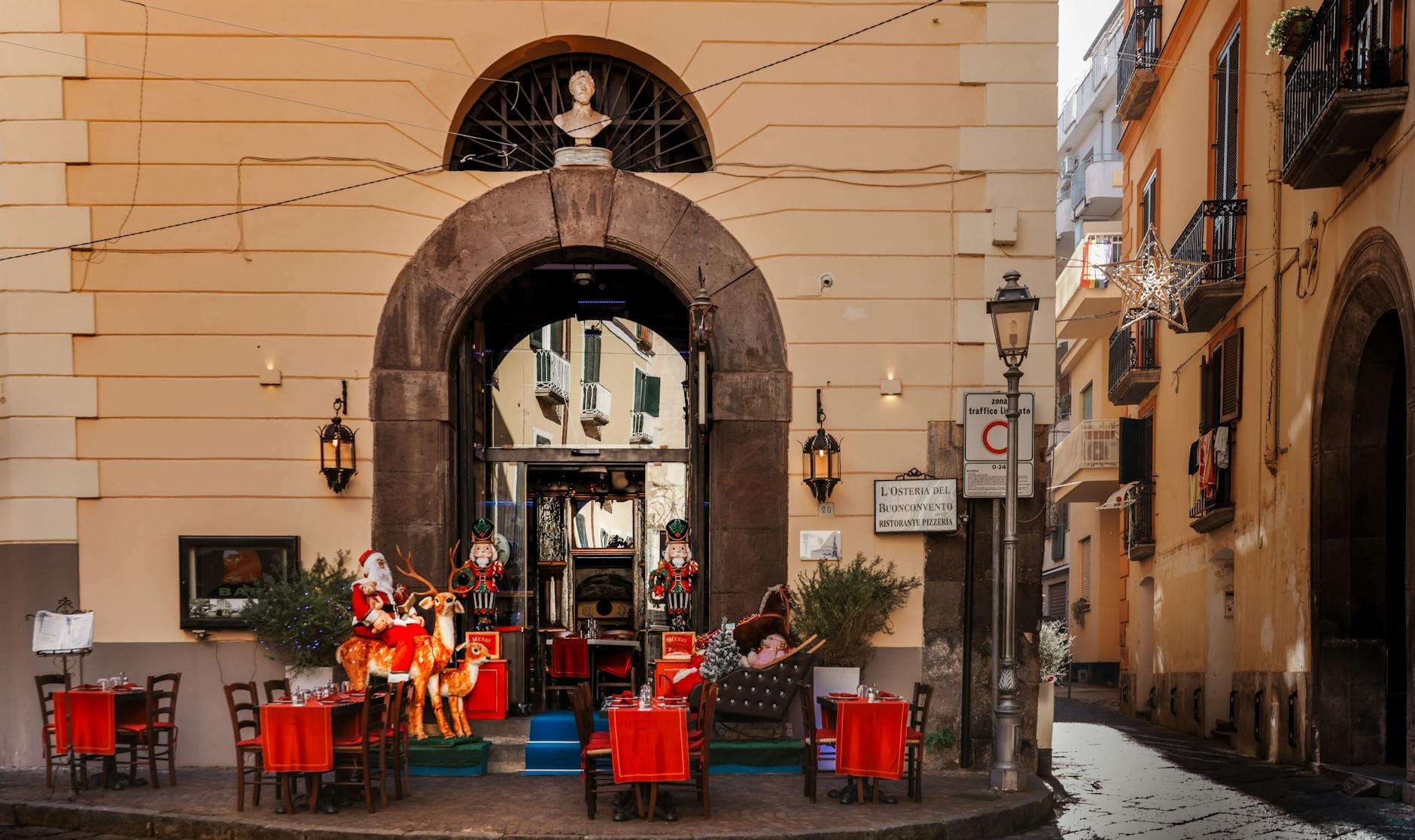
Naples at Christmas is unlike anywhere else in Italy. From the centuries-old presepe workshops of Via San Gregorio Armeno to candlelit piazzas and December markets at Castel dell'Ovo, this guide covers everything you need to experience the city's most theatrical season.
Tickets & tours
Live prices and dates from our booking partner. If you book, we may earn a commission at no extra cost to you.
TL;DR
- Via San Gregorio Armeno is the spiritual heart of Christmas in Naples — visit on weekday mornings to avoid extreme crowds. See our guide to San Gregorio Armeno for context.
- The Cuciniello Nativity Scene at San Martino National Museum is arguably the finest 18th-century presepe in the world, with over 800 statuettes.
- Christmas markets run from late November through January 6 (Epiphany), which Neapolitans treat as the true end of the festive season.
- December temperatures hover around 8-14°C — pack layers and rain gear. Check Naples weather by month for full seasonal details.
- Nativity figurines make excellent souvenirs, but quality varies widely — know what to look for before you buy.
Why Naples Does Christmas Differently
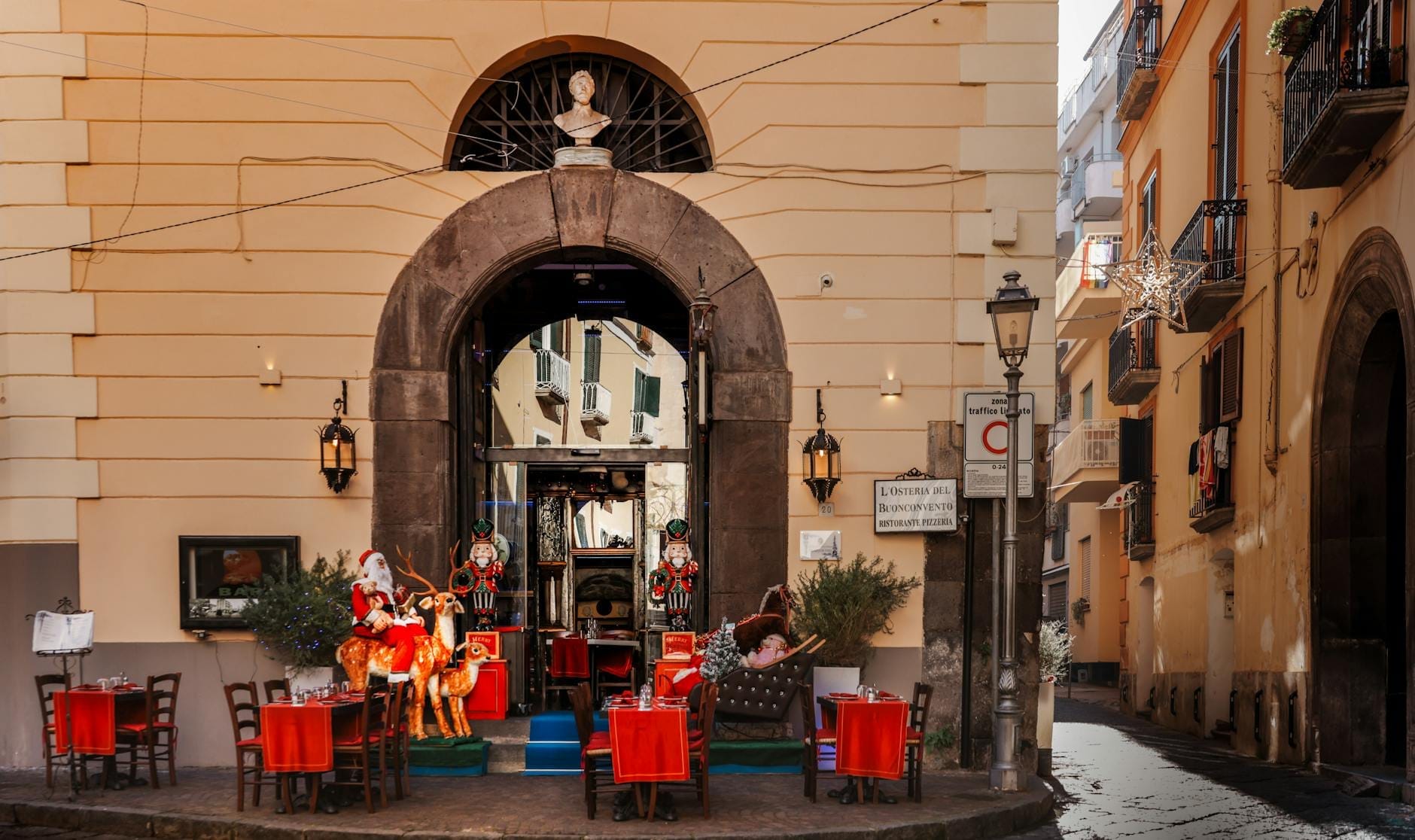
Christmas in Naples (Natale a Napoli) is not a single event but a full season that begins in earnest in late November and doesn't officially close until January 6, the Feast of the Epiphany. For Neapolitans, the Epiphany — when the Befana, a gift-bearing witch-like figure from folklore, arrives — often carries more weight than Christmas Day itself. The city's relationship with nativity scenes (presepi, singular presepe) stretches back to the 13th century, with the tradition evolving from simple church displays into an elaborate Neapolitan art form that blends biblical narrative with vivid street life. These aren't solemn religious tableaux: expect fishmongers, tavern keepers, fortune tellers, and politicians rendered in terracotta alongside the Holy Family.
The Neapolitan presepe tradition was formalized under the Bourbon kings in the 18th century, when aristocratic families competed to create the most elaborate scenes. Craftsmen — called presepisti — became highly sought artisans, and their workshops concentrated in the streets around the church of San Gregorio Armeno in the historic center. That tradition is unbroken today. The workshops are open 365 days a year, but from late November onward the street transforms into something genuinely extraordinary.
ℹ️ Good to know
The first documented nativity scene in the broader Naples region dates to 1324 in Amalfi. The Neapolitan presepe tradition as a distinct art form solidified in the 17th and 18th centuries under Spanish and Bourbon patronage, making Naples the global capital of nativity craftsmanship.
Via San Gregorio Armeno: The Street That Never Stops
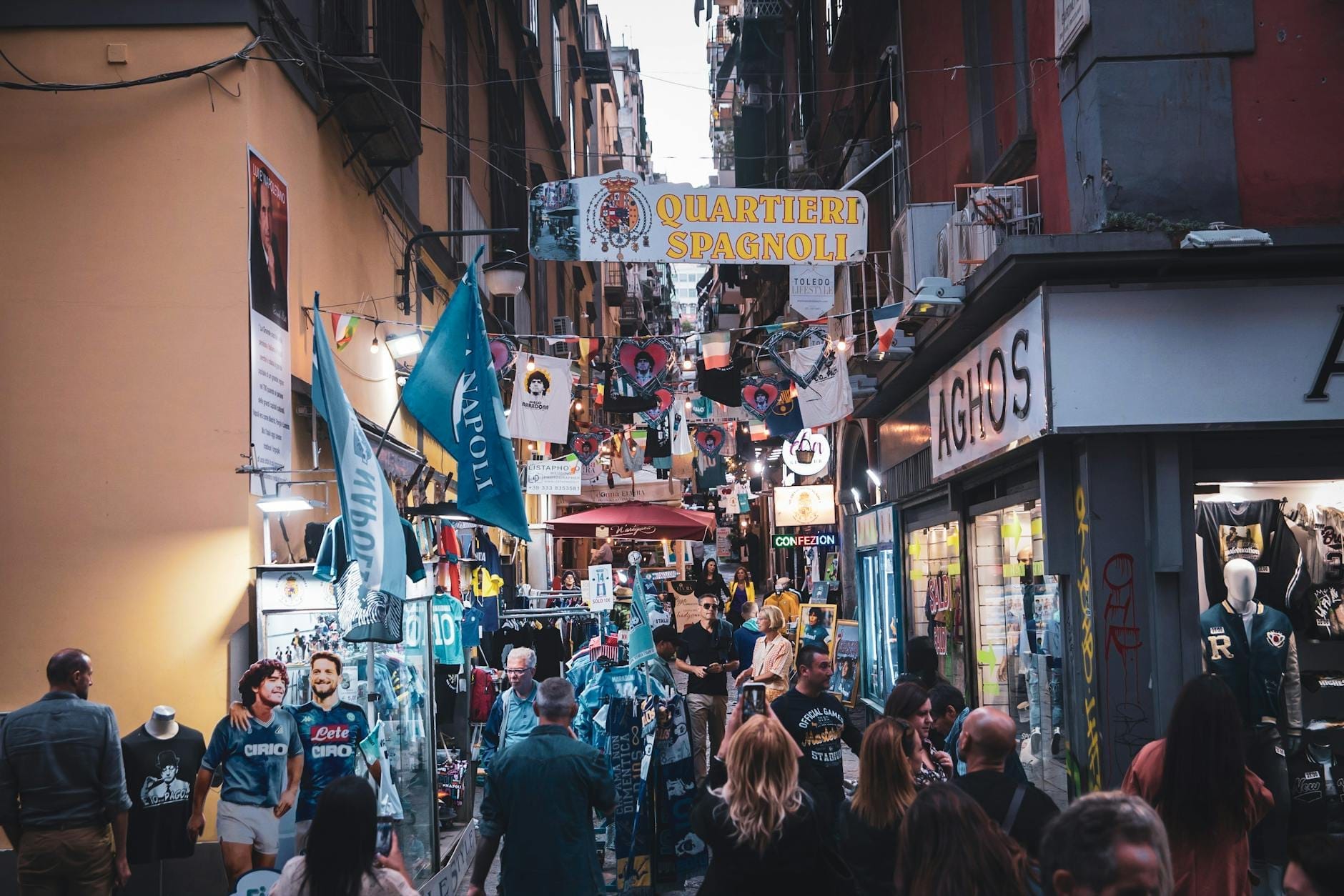
No single street in Italy is more associated with Christmas than Via San Gregorio Armeno, a narrow lane cutting through the historic center near Spaccanapoli. During December, it's crowded from mid-morning until evening — and on weekends before Christmas, the foot traffic reaches a density that makes it difficult to stop and look properly. If you want to actually browse, arrive before 10am on a Tuesday or Wednesday.
The figurines sold here range from traditional 18th-century-style terracotta shepherds (around €10-30 for smaller pieces) to elaborate hand-painted characters that can run into hundreds of euros. High-end workshops produce museum-quality figures where a single shepherd in period dress can cost €80-150 or more. At the cheaper end, many stalls sell mass-produced resin pieces imported from Asia — they look similar at first glance but lack the hand-finishing and detail of genuine Neapolitan craft. A useful rule: if the paint looks uniformly perfect and the price is suspiciously low, it's probably not handmade locally.
One genuinely distinctive feature of Neapolitan presepi is the inclusion of contemporary figures alongside the biblical cast. Each year, presepisti release new figurines satirizing current events: Italian politicians, football stars, TV personalities, and international figures regularly appear in the manger scene. Diego Maradona figurines remain perennial bestsellers, often placed reverently near the Christ child. This irreverent blending of the sacred and secular is thoroughly Neapolitan and not considered disrespectful locally.
💡 Local tip
Ask workshop owners to show you the production process — many will take you to a back room where painters work on individual figures. This also gives you a clearer sense of whether a piece is genuinely handcrafted. The best artisans are proud to demonstrate their technique.
The Cuciniello Nativity Scene and Museum Displays
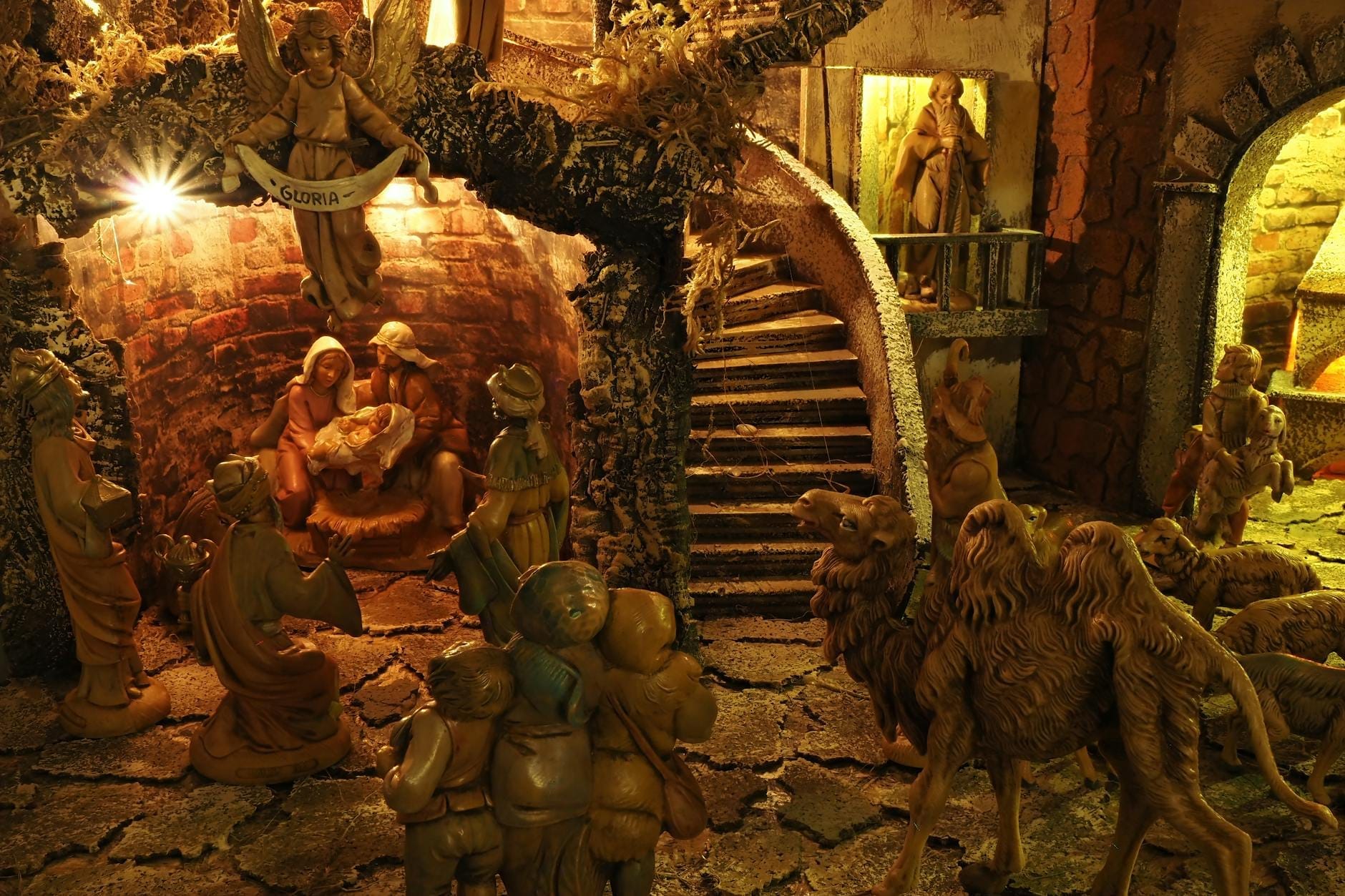
For the definitive museum-quality presepe experience, head to the Certosa di San Martino on the Vomero hill. The Cuciniello Nativity Scene, donated to the museum in the 19th century, features over 800 statuettes dating primarily from the 18th century. The scene is set within an elaborate landscape that includes miniature taverns, markets, crumbling ruins, and a full night sky above the central nativity — the kind of work where you could spend 20 minutes looking at a single corner and keep finding new details.
The museum itself is worth visiting regardless of season, but at Christmas the nativity wing takes on particular resonance. Admission to the Certosa di San Martino is around €12 for adults (verify current prices on the official Campania cultural heritage website before visiting). The views from the terrace over the Bay of Naples are exceptional, and the hilltop location means you avoid the congestion of the centro storico.
Several churches across the city also display significant presepi during December. The Gesù Nuovo church and Santa Chiara both host seasonal displays worth seeing, and entry to the churches themselves is typically free. The Naples Duomo also sets up a nativity display in the lead-up to Christmas.
Christmas Markets: What to Expect and Where to Go
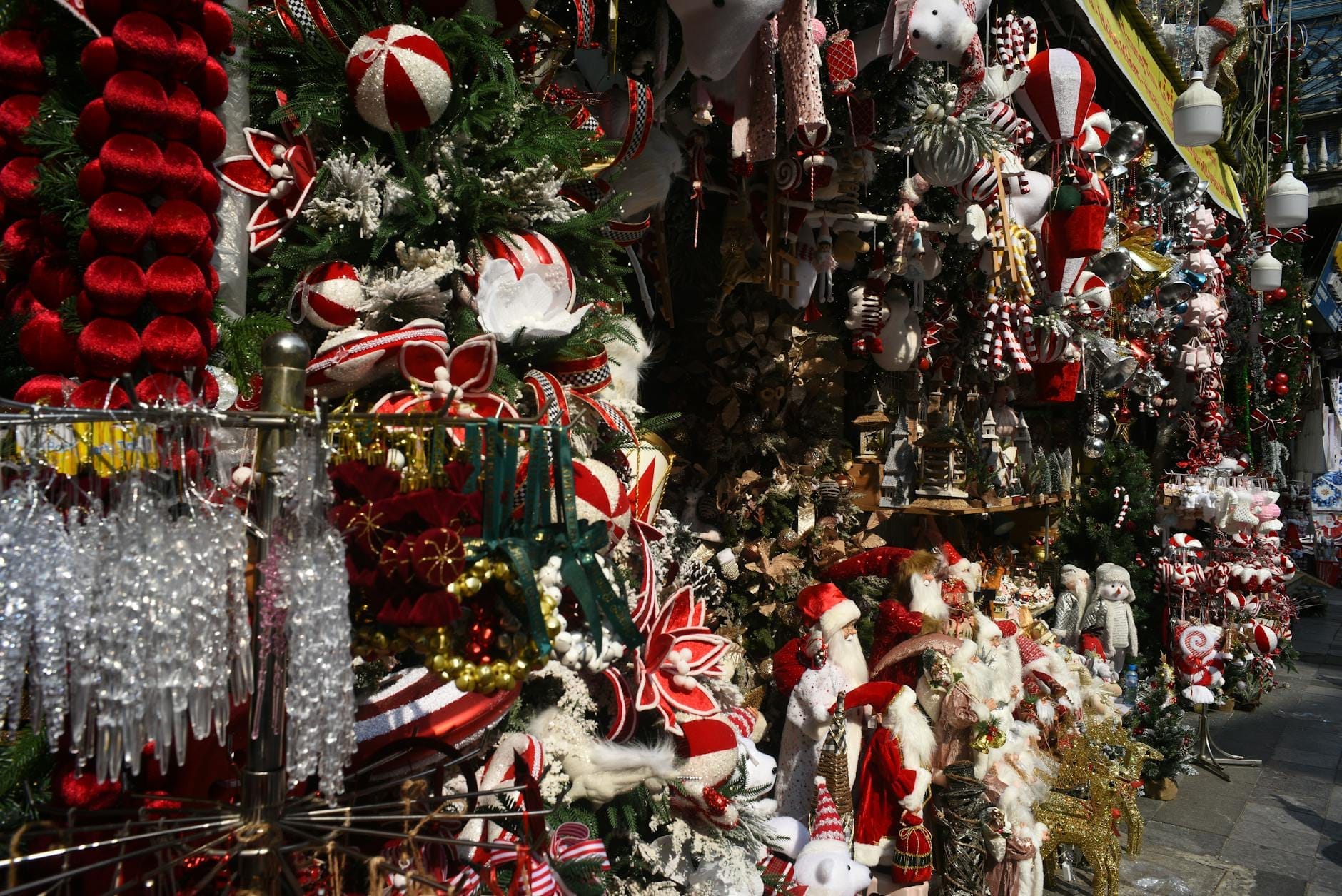
Naples is not a city of traditional Alpine-style Christmas markets with rows of identical wooden chalets selling mulled wine. The markets here are more eclectic and less polished, which is either a charm or a drawback depending on your expectations. The most significant annual market is held at the Pietrarsa National Railway Museum in Portici, just outside the city along the coast. In recent years, it has run from late November through January 6, with ticketed entry required — book online in advance as popular weekend slots sell out.
- Pietrarsa Railway Museum Market (Portici) The largest and most organized Christmas market in the Naples area. Artisan stalls, food producers, live events, and entertainment for children. Accessible by Circumvesuviana train from Naples Centrale. Book tickets online.
- Piazza Dante A central square market with a mix of artisan crafts and food stalls. More low-key than Pietrarsa, no ticket required, and easy to combine with a walk through the historic center.
- Castel dell'Ovo The waterfront castle hosts seasonal stalls in the weeks before Christmas. The setting against the Bay of Naples is the main draw — the market itself is modest but the atmosphere is strong, particularly at dusk.
- Via San Gregorio Armeno (street market) Technically operating year-round but fully transformed from late November onward. This is less a formal market and more a street entirely given over to nativity commerce, with dozens of competing workshops and stalls.
⚠️ What to skip
Pickpocketing increases in crowded areas during the Christmas season, particularly on Via San Gregorio Armeno and around major market sites. Keep bags in front, avoid dangling cameras, and be especially alert when the crowds are at their thickest on weekend afternoons. This is standard urban caution, not a reason to avoid the area.
Neapolitan Christmas Food: What to Eat in December
Christmas food in Naples is inseparable from the broader Neapolitan culinary culture, but December brings specific seasonal items worth seeking out. Struffoli — tiny fried dough balls coated in honey and decorated with colored sprinkles — appear in every pasticceria from early December. They are traditionally prepared for Christmas Eve and Christmas Day, though most bakeries sell them throughout the month. For a deeper look at what to eat year-round, see our Naples food guide.
- Struffoli: honey-glazed fried dough balls, the quintessential Neapolitan Christmas sweet
- Roccocò: hard, ring-shaped spiced biscuits made with almonds and candied fruit — best dunked in wine
- Mostaccioli: soft chocolate-glazed spiced cookies, often diamond-shaped
- Capitone (Christmas Eve): eel traditionally eaten on December 24, a Catholic fast-day meal; still sold at markets like Porta Nolana
- Insalata di rinforzo: pickled cauliflower and vegetables, a Christmas table staple
- Pizza fritta: fried pizza available year-round but particularly satisfying eaten standing up in cold December air
The Porta Nolana market near the train station is the place to see Christmas Eve fish preparations in action — Neapolitan tradition calls for the Feast of Seven Fishes on December 24, and the market fills with live eels, clams, and seafood from early morning. It's a vivid, crowded scene and worth seeing even if you're not cooking yourself.
Practical Tips for Visiting Naples at Christmas
December is not peak tourist season in Naples, which means accommodation prices are generally lower than in summer and the major attractions are less crowded. The tradeoff is weather: December averages 8-14°C with meaningful rainfall, particularly in early and mid-December. The light on clear days is beautiful and the city looks its best illuminated for Christmas, but plan indoor alternatives for rainy afternoons.
Getting around the city is straightforward on public transport. ANM operates metro Line 1 and Line 6, plus funiculars connecting Vomero to the center. Single tickets cost around €1.50-€2 and are valid across modes for 90 minutes. The Naples funicular is the easiest way to reach the Certosa di San Martino and Vomero for the Cuciniello scene. For arrival logistics from Naples airport (Capodichino, approximately 6km from the center), the Alibus shuttle to Piazza Garibaldi costs around €5-€6, or a fixed-rate taxi costs approximately €28.
Most major churches and attractions maintain regular hours in December, though some close on Christmas Day and January 1. The Naples National Archaeological Museum and Certosa di San Martino are typically open through the holiday period with minor schedule adjustments — check official websites before visiting. The skip-the-line tickets become less necessary in December but are still worth booking for the archaeological museum on weekends.
✨ Pro tip
If you're visiting for the Epiphany (January 6), check local listings for the Befana processions and events in Piazza del Plebiscito. The square hosts public celebrations that draw large crowds and mark the official close of the Neapolitan Christmas season — it's a far more authentically local experience than the Christmas Day crowds.
FAQ
When is the best time to visit Naples for Christmas?
The period from December 8 (Feast of the Immaculate Conception, a national holiday) through January 6 is when the city is fully in Christmas mode. If you want to see Via San Gregorio Armeno at peak intensity without the worst crowds, aim for a weekday in the second or third week of December. Avoid the weekend before Christmas and December 26-28, when domestic tourism peaks.
Is Via San Gregorio Armeno open year-round?
Yes. The workshops and many stalls on Via San Gregorio Armeno operate 365 days a year. December is the most atmospheric time to visit, but you can buy nativity figurines in July just as easily. The street is far less crowded outside the November-January window, which actually makes it easier to talk to artisans and examine pieces properly.
How much do handmade nativity figurines cost in Naples?
Prices vary enormously by quality and maker. Simple terracotta shepherds start around €10-15. Mid-range hand-painted figures from established workshops typically run €30-80. Museum-quality pieces from top presepisti can exceed €150 per figure. Be cautious of very cheap pieces on street stalls, which are often mass-produced imports rather than locally handcrafted work.
Do I need to book tickets for Naples Christmas markets in advance?
For the Pietrarsa Railway Museum market, yes — popular weekend dates sell out and tickets are required for entry. For open-air markets like Piazza Dante or the stalls around Castel dell'Ovo, no booking is needed. Check the Pietrarsa Museum's official website for current season dates and ticket links.
Is Naples worth visiting at Christmas if I'm not particularly religious?
Absolutely. The presepe tradition in Naples is as much a folk art and social phenomenon as a religious one — the figurines include politicians, footballers, and satirical characters alongside biblical scenes. The markets, food, street atmosphere, and reduced tourist crowds make December a genuinely rewarding time to visit, regardless of whether the religious dimension resonates with you.
Tickets & tours
Live prices and dates from our booking partner. If you book, we may earn a commission at no extra cost to you.
Planning a trip? Discover personalized activities with the Nomado app.