Feast of San Gennaro: Naples' Most Important Festival
The Feast of San Gennaro is the spiritual and cultural heartbeat of Naples, drawing tens of thousands to witness a ritual that has defined the city for over 1,700 years. This guide covers all three annual dates, the blood liquefaction ceremony, crowd logistics, and what the festival reveals about Neapolitan identity.
Tickets & tours
Live prices and dates from our booking partner. If you book, we may earn a commission at no extra cost to you.
TL;DR
- San Gennaro (Saint Januarius) is Naples' patron saint, martyred around 305 AD, with his feast day on September 19 at the Naples Cathedral (Duomo).
- The centerpiece is the blood liquefaction miracle, which occurs three times a year, not once: May (Saturday before the first Sunday), September 19, and December 16.
- Entry to the Duomo ceremonies is free, but arrive well before 9 AM on September 19 to secure a position near the front.
- This is a living religious event, not a tourist spectacle. Treat it with the same respect you would any major Catholic ceremony. For context on the wider festival season in Naples, see the Naples Christmas guide which covers the December 16 observance in detail.
- The New York 'Feast of San Gennaro' in Little Italy is a completely separate event with no connection to the Naples original beyond the name.
Who Is San Gennaro, and Why Does Naples Care So Much?
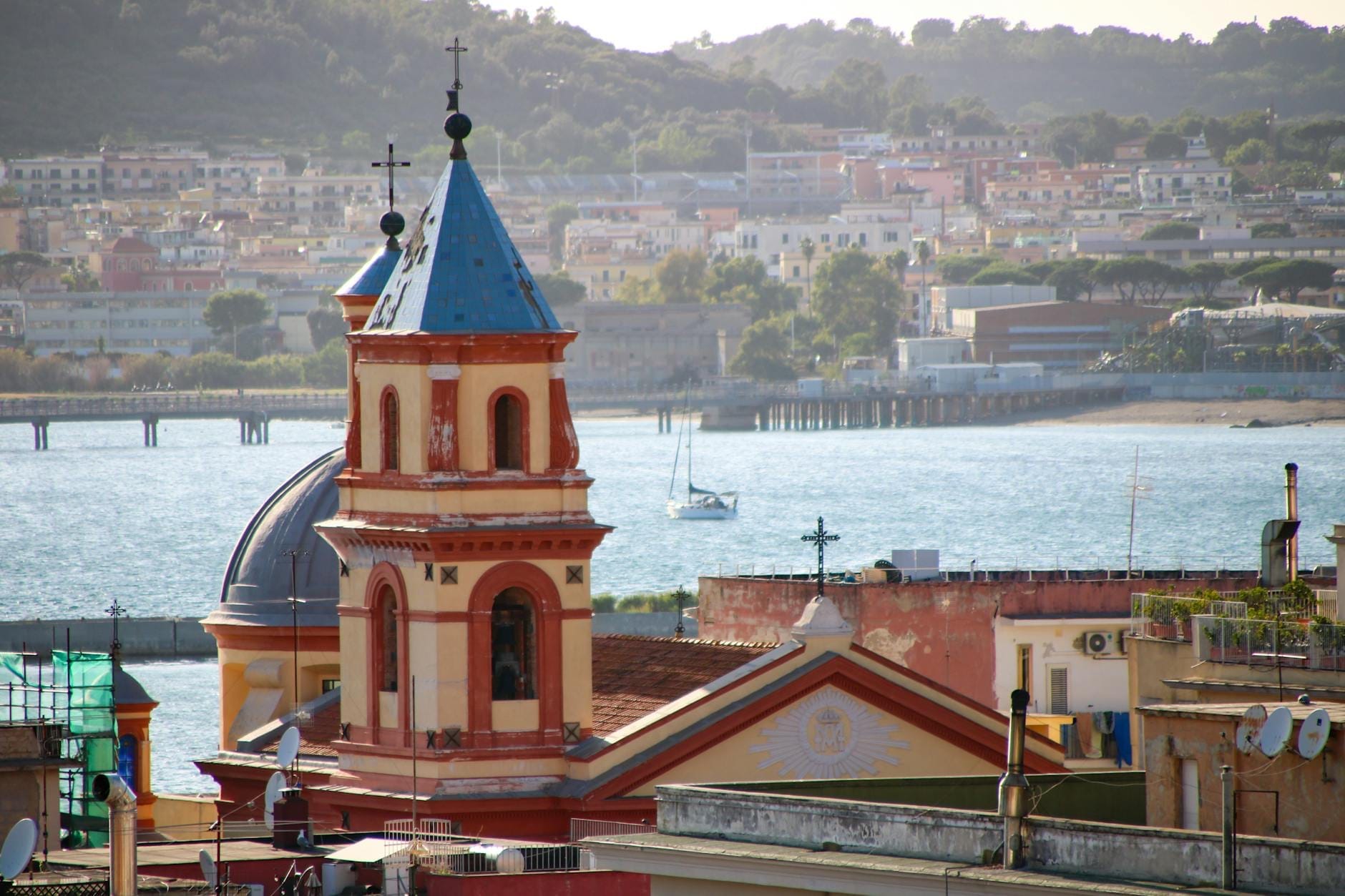
San Gennaro, known in Latin as Januarius, was the Bishop of Benevento who was martyred around 305 AD during the persecutions of Emperor Diocletian. He was beheaded near the Solfatara volcano in Pozzuoli, just west of Naples, and his remains were eventually transferred to the city that would claim him as its own. For Neapolitans, he is not merely a historical religious figure. He is the city's protector, intercessor, and in a very real social sense, its emotional anchor.
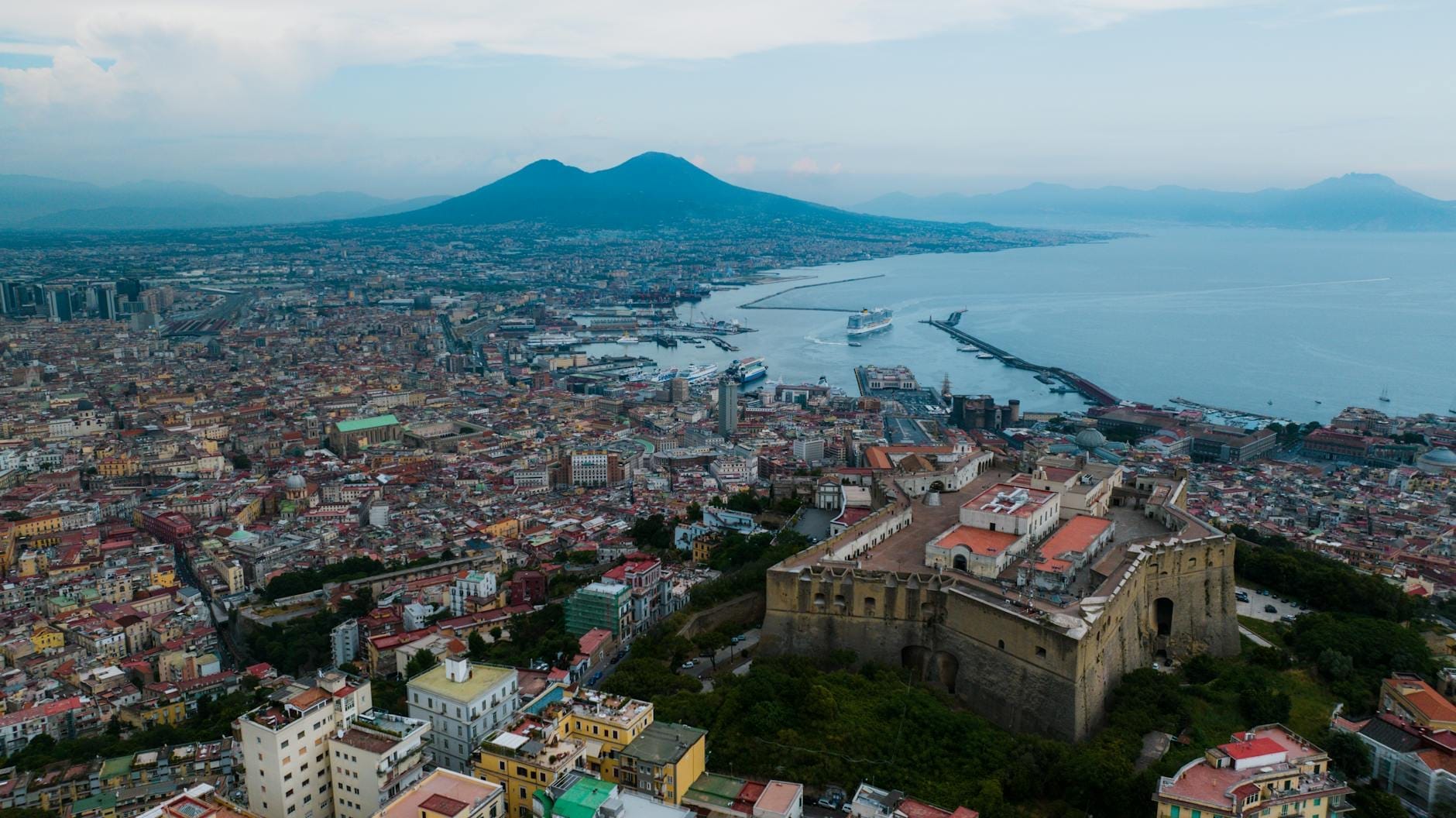
The relationship between Naples and San Gennaro runs deeper than civic pride. When the blood fails to liquefy, the city takes it seriously. Historical records associate failed liquefactions with the eruption of Vesuvius in 1631, the plague of 1973, and various wartime calamities. Whether you believe in the miracle or not, understanding this gravity is essential before attending. You are stepping into one of the most emotionally charged public rituals in southern Europe.
The saint's relics, including the famous ampoule of dried blood and a skull, are kept in the Cathedral of Naples (Duomo) on Via Duomo in the historic centre. The Cappella del Tesoro di San Gennaro, built in the 17th century specifically to house these relics, is considered one of the finest Baroque interiors in Naples.
The Three Annual Feast Dates: What Happens and When
Most visitors know September 19 as the principal feast day, but the blood liquefaction ceremony actually happens three times a year. Each has a distinct character and a different level of public intensity.
- Saturday before the first Sunday in May This is the 'Translation' feast, commemorating the transfer of San Gennaro's relics to Naples in the 5th century. A solemn procession carries the relics from the Duomo to the Basilica of Santa Chiara. Crowds are large but the atmosphere is more devotional than festive. Considered the most purely religious of the three ceremonies.
- September 19: The Principal Feast Day The main event. The Cardinal of Naples retrieves the ampoule from the chapel vault around 9-10 AM and holds it up before the congregation. The ceremony includes prayers, hymns, the Te Deum, and veneration of the bust relic. Fireworks follow in the evening. The Duomo opens early and stays open until around 9 PM. This is when crowds peak.
- December 16: The Vesuvius Anniversary The least-touristed of the three dates, this ceremony marks the date in 1631 when an eruption of Vesuvius was reportedly halted through the saint's intercession. A quieter, more intimate ceremony. For visitors already in Naples in mid-December, this is the one to attend for a more authentic, less crowded experience.
ℹ️ Good to know
The liquefaction is described by church officials as occurring 'with very few exceptions.' When it does not happen, or takes a very long time, Neapolitan anxiety is palpable and genuine. This is not theatre. Plan your visit with cultural sensitivity in mind.
The Blood Miracle: What Actually Happens
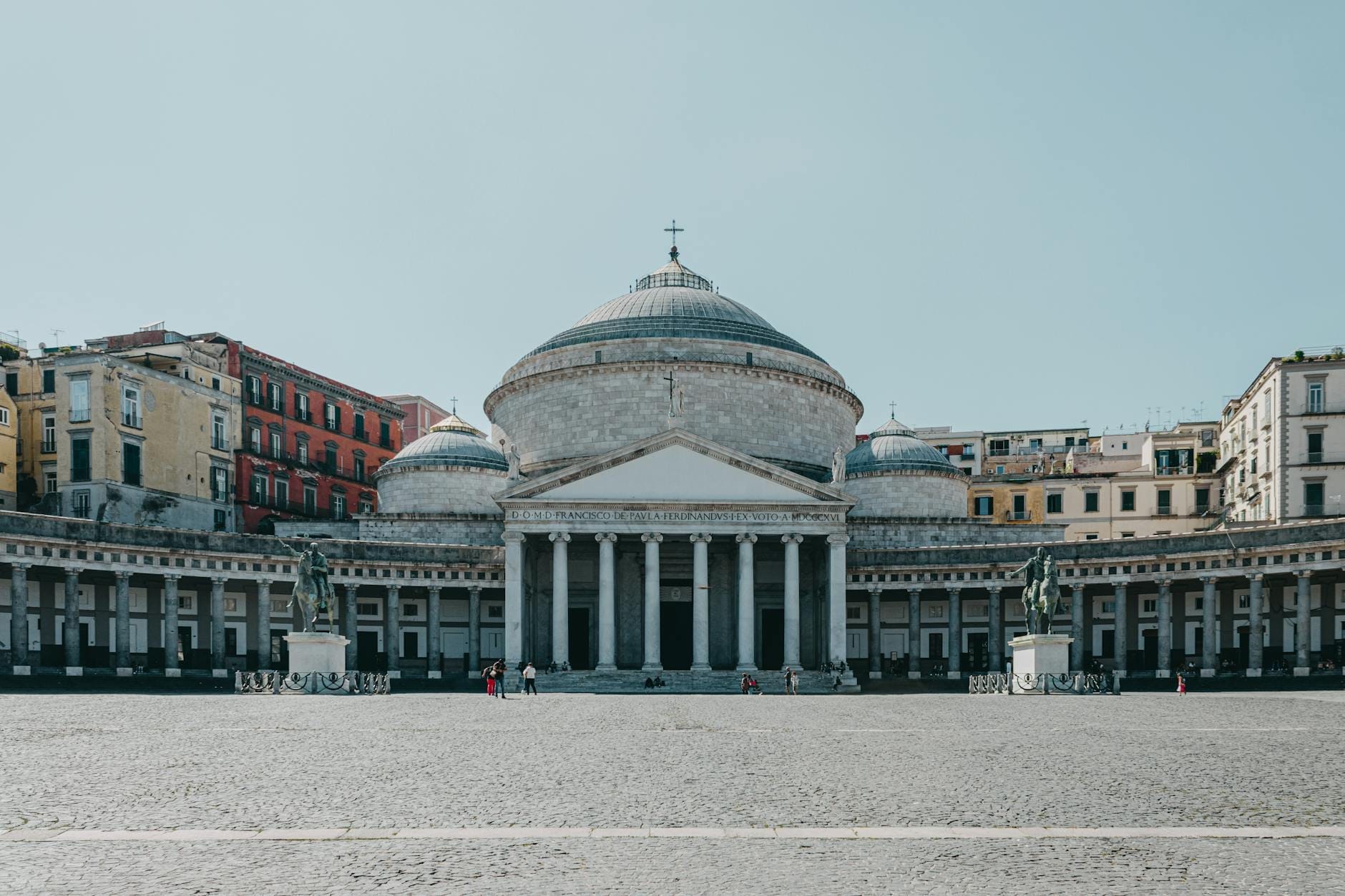
The centerpiece of every ceremony is the liquefaction of San Gennaro's blood. The relic consists of two sealed glass ampoules believed to contain dried blood from the saint's martyrdom, set inside a silver reliquary. During the ceremony, the Cardinal holds the reliquary and rotates it slowly. When the dried dark matter inside liquefies into a red liquid, the congregation erupts. If it liquefies quickly, the omen is favorable. If it takes a long time, unease spreads through the crowd.
Scientists have proposed various explanations over the decades, including thixotropy (certain substances liquefy under agitation), but no definitive scientific consensus has been accepted by either skeptics or the Church. The Vatican classifies it as a religious phenomenon rather than an officially declared miracle, which is a nuance many accounts overlook. For the faithful in attendance, the classification matters less than the outcome.
💡 Local tip
If you want to actually see the reliquary up close, arrive at the Duomo before 8 AM on September 19. By 9 AM the cathedral is packed. Late arrivals will likely be standing at the back with no view of the ceremony. The ceremony itself can last one to two hours depending on how quickly the liquefaction occurs.
Attending the Festival: Practical Logistics
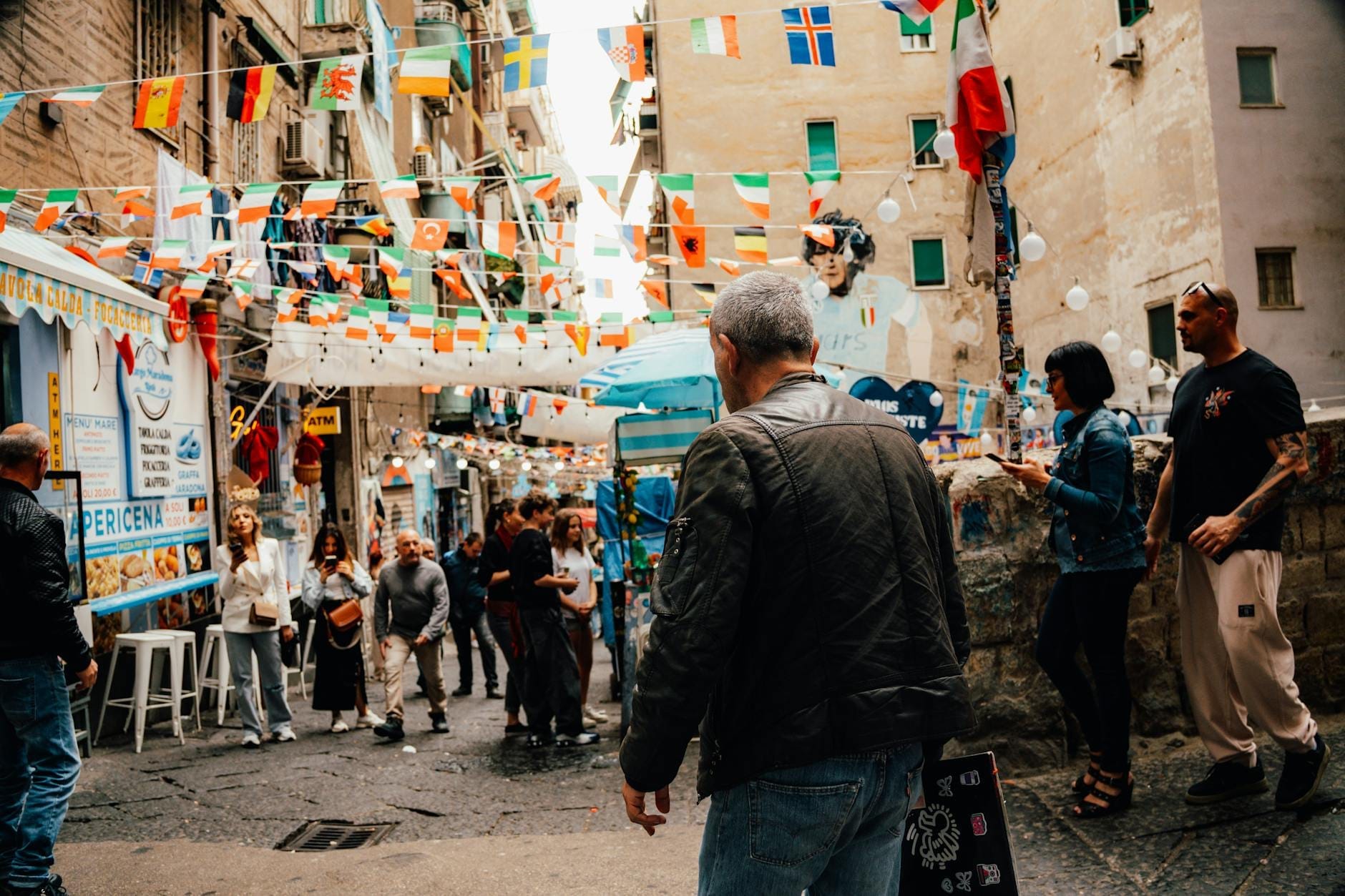
The Duomo di Napoli sits at Via Duomo 147 in the historic centre. The nearest metro stop is Duomo on Line 1, though the station can become overwhelmingly crowded on September 19. Walking from Piazza Garibaldi takes about 10-15 minutes through Spaccanapoli and is often faster than waiting for public transport.
- Admission: Free. No ticket required for the public ceremony.
- Dress code: Shoulders and knees must be covered to enter the Duomo. Scarves available at entrance in some cases, but bring your own.
- Photography: Generally permitted, but follow the lead of those around you during the most solemn moments of the liquefaction ceremony.
- Language: The ceremony is conducted in Italian and Latin. No English translation provided.
- Crowds: September 19 draws tens of thousands. Piazza del Duomo and Via Duomo are closed to traffic. Expect tight crowds from 8 AM onward.
- Evening fireworks: Traditional after the September 19 ceremony. The waterfront and elevated areas like Vomero offer the best views.
- Security: Bag checks are standard. Leave large backpacks at your accommodation.
If you are planning a broader trip around the festival, September in Naples offers excellent weather, typically 20-25°C, and the city is in full swing before the autumn shoulder season. Pair the feast with a visit to the Cappella Sansevero and the Naples National Archaeological Museum for a full immersion in the city's spiritual and historical depth.
The Festival in Context: What It Reveals About Naples
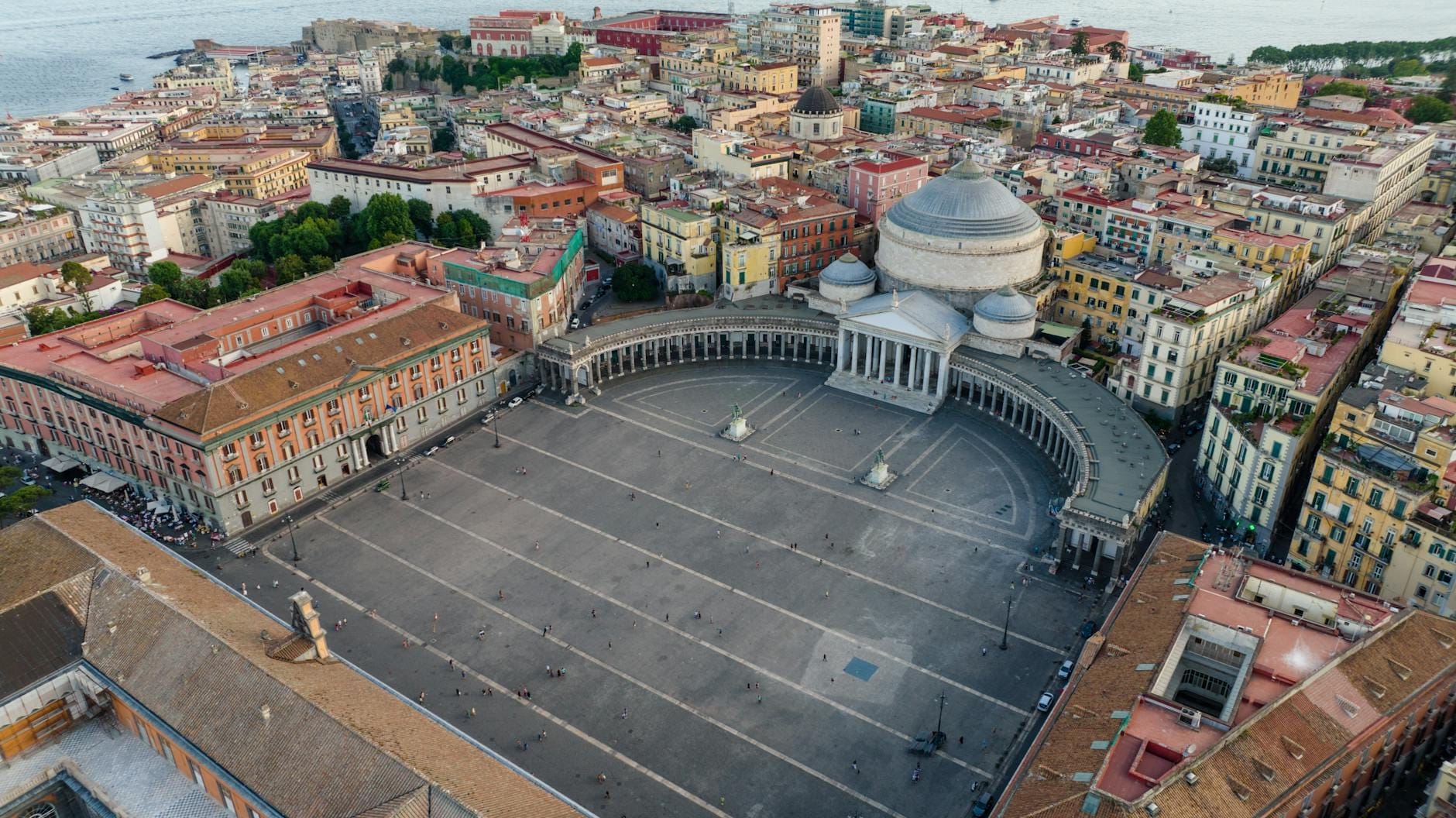
The Feast of San Gennaro is not a reconstructed folk tradition kept alive for tourism. It has continued without interruption for centuries, including through wars, foreign occupations, and epidemics. When Allied forces entered Naples in 1943, the blood reportedly liquefied within minutes, and General Mark Clark attended the ceremony. This level of historical continuity is extraordinary even by Italian standards.
Understanding the feast also helps explain why Naples feels different from other Italian cities. The city has a specific relationship with fate, the supernatural, and collective anxiety that shows up in everything from its street shrines to the devotion around Diego Maradona. Speaking of which, the Maradona murals scattered across the city are a secular expression of the same Neapolitan impulse: the need for a protector who delivers. The parallel is not coincidental. Neapolitans made it explicitly themselves.
For travellers, this context transforms the festival from a colourful spectacle into something genuinely moving. You are watching a city collectively hold its breath, waiting for a sign that things will be alright. That is a human experience that transcends religion, and it is specific to this place.
⚠️ What to skip
Do not confuse this festival with the Feast of San Gennaro held annually on Mulberry Street in New York City's Little Italy. The New York version is a multi-day street fair with food stalls and carnival rides, established by Italian immigrants in 1926. It shares the name and the saint, but has no ceremonial or spiritual connection to the Naples original.
Beyond the Duomo: How Naples Celebrates Around the Feast
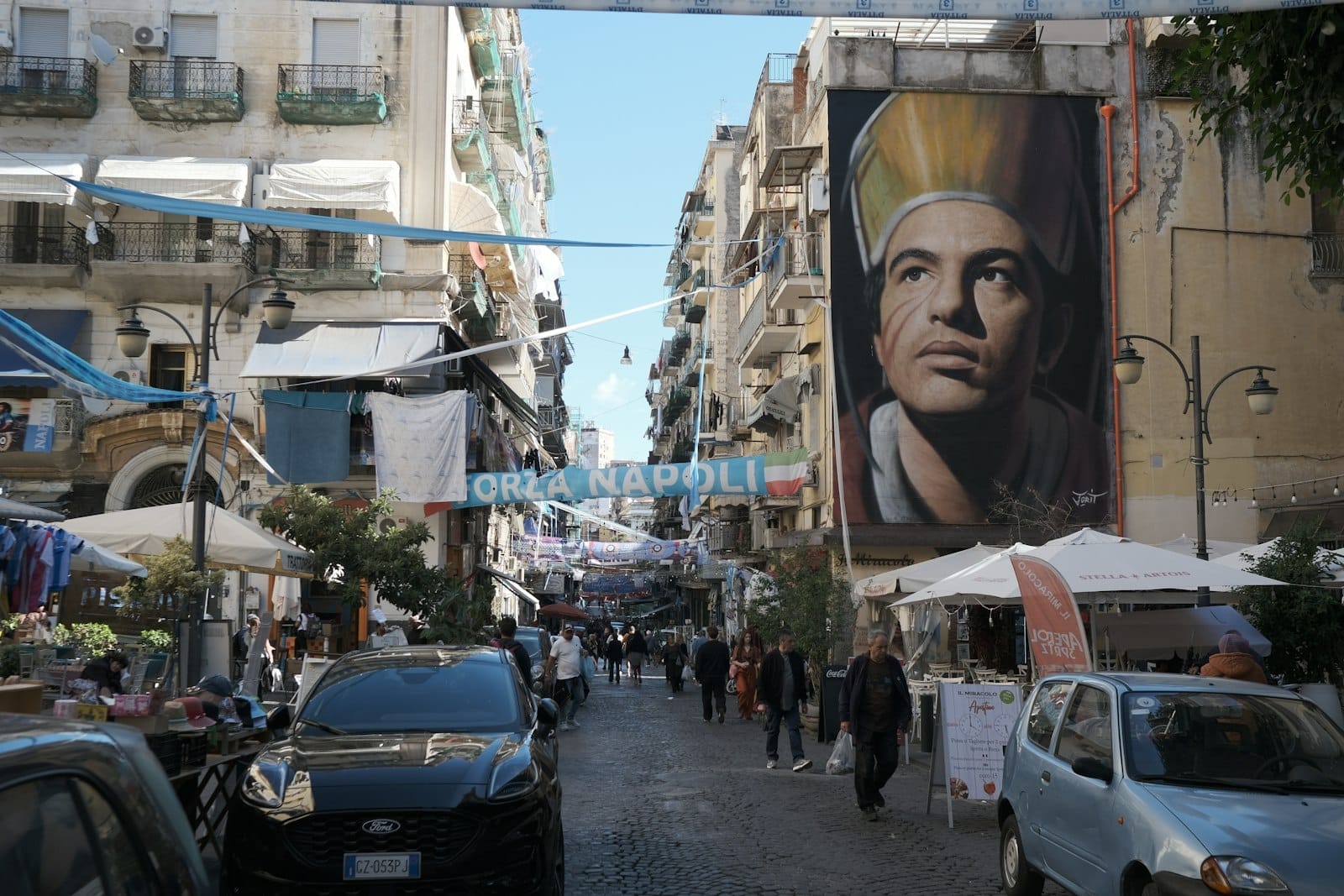
The religious ceremony is concentrated at the Duomo, but the wider neighbourhood comes alive around it. Via Duomo and the surrounding streets of the centro storico fill with street vendors, flowers, and the smell of fried food. The San Gregorio Armeno street, known for its nativity craftsmen, is a few minutes' walk away and worth a visit before or after the ceremony. Workshops here produce San Gennaro figurines alongside the more famous presepe characters.
In the evening of September 19, celebrations move outward. Bars and restaurants around the centro storico stay open late, and the atmosphere shifts from reverent to festive. If you are looking to understand Neapolitan food culture in this context, the feast is an excellent occasion to try street food: sfogliatelle, pizza fritta, and cuoppo (fried seafood cone) are all available from vendors near the Duomo.
For visitors who want a more structured introduction to the neighbourhood and the saint's legacy, a walking tour that includes the Duomo, the underground archaeological layers, and the nearby Catacombs of San Gennaro provides essential context. The catacombs are located in the Rione Sanità district, about a 20-minute walk north of the Duomo, and were the original burial site of the saint before the relics were moved.
FAQ
When exactly are the blood liquefaction ceremonies of San Gennaro in Naples?
The principal feast day is September 19 each year. There are also two additional ceremonies: the first Saturday in May (the Translation feast), and December 16 (the Vesuvius anniversary). All three involve the blood liquefaction ceremony at the Naples Cathedral.
Is the Feast of San Gennaro in Naples free to attend?
Yes. Entry to the Duomo and the public ceremonies is free. No tickets or reservations are required. Simply arrive early, especially on September 19, as the cathedral fills up quickly from around 8 AM.
What happens if the blood does not liquefy?
A failure to liquefy is considered a bad omen by Neapolitans and is taken very seriously. It is rare, occurring with very few exceptions over the centuries, but it has happened. The congregation reacts with distress, and the news spreads quickly through the city. There is no official religious consequence, but the cultural weight is significant.
How crowded does the Duomo get on September 19?
Extremely crowded. Tens of thousands attend and the surrounding streets are closed to traffic. To get a position with a clear view of the ceremony, aim to arrive by 7:30-8 AM. The ceremony begins around 9-10 AM when the Cardinal retrieves the ampoule.
Is Naples worth visiting outside of the feast dates?
Absolutely. The Duomo, the Cappella del Tesoro, and the wider historic centre are open year-round. September and October are ideal months for visiting Naples overall, combining pleasant weather with a full cultural calendar. The December 16 ceremony is also significantly less crowded than September 19 and offers a more intimate atmosphere.
Tickets & tours
Live prices and dates from our booking partner. If you book, we may earn a commission at no extra cost to you.
Planning a trip? Discover personalized activities with the Nomado app.