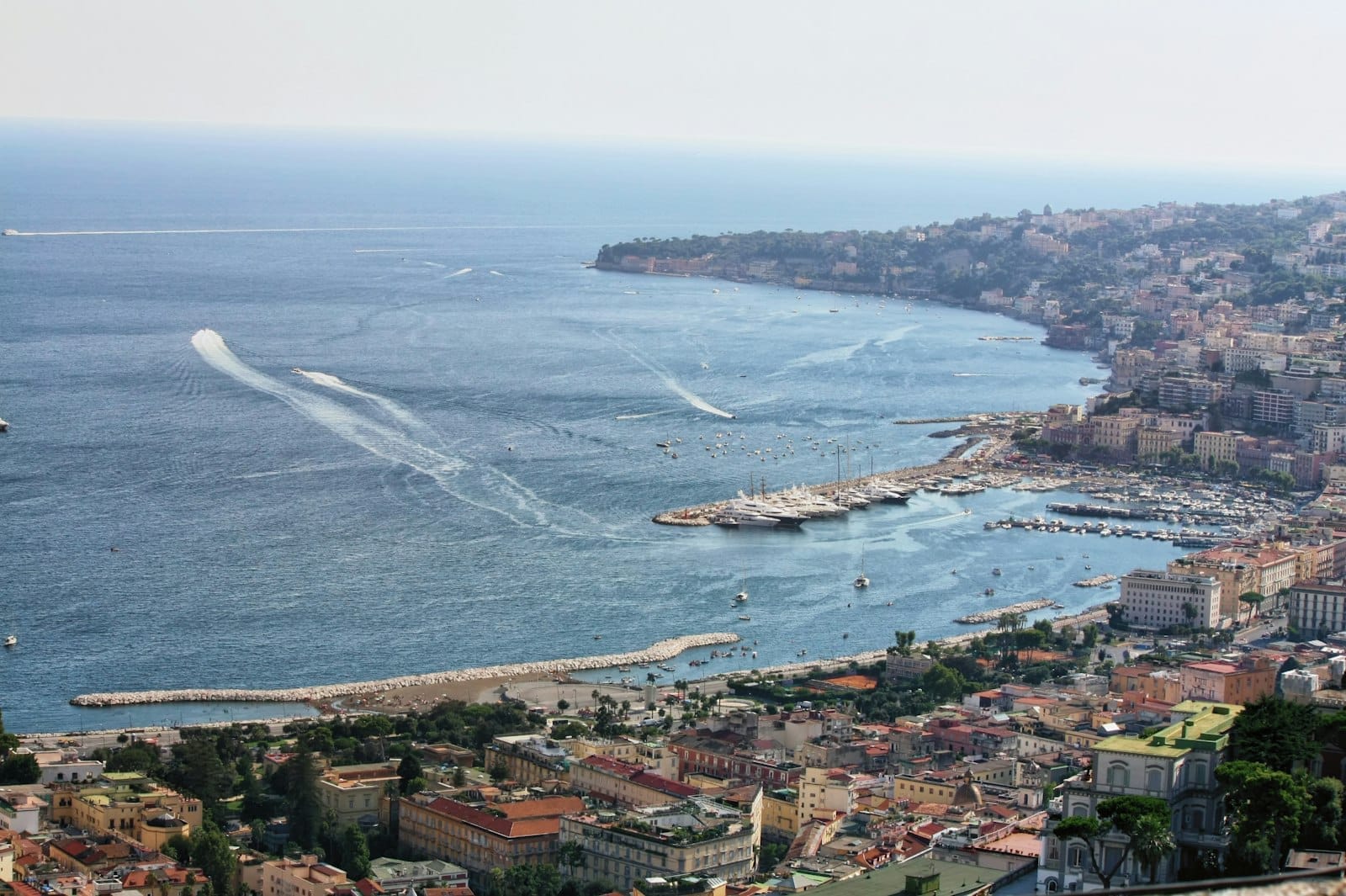
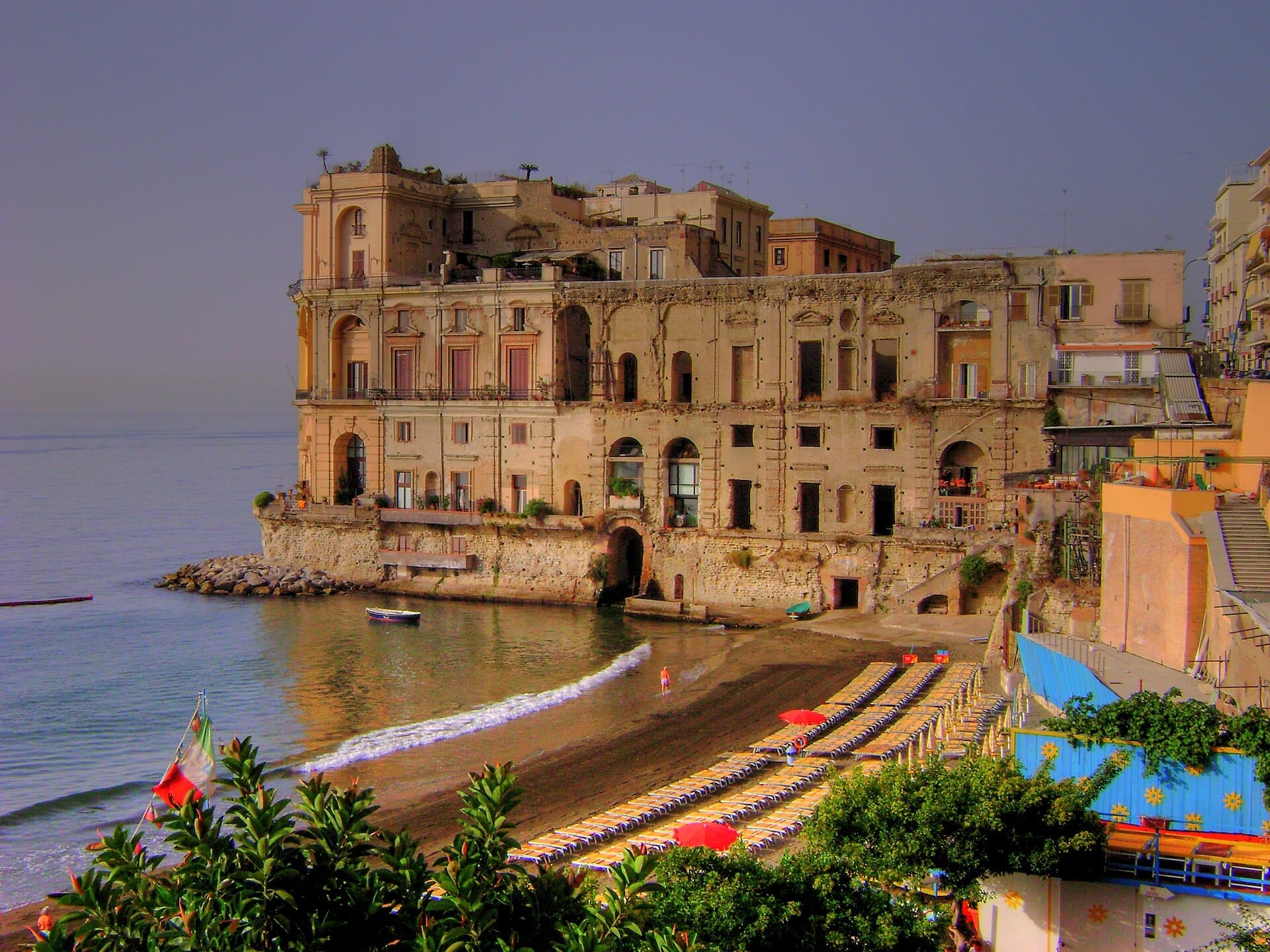
Posillipo stretches along the western arc of the Gulf of Naples, rising on limestone cliffs above the water west of Mergellina. It is the city's most exclusive residential district, defined by panoramic parks, ancient ruins, and a laid-back waterfront village atmosphere that feels worlds apart from the noise of central Naples.
Posillipo sits on a dramatic limestone promontory above the Gulf of Naples, combining clifftop villas, ancient ruins, and one of the finest natural outlooks in southern Italy. It is quieter, wealthier, and greener than almost anywhere else in the city, and that contrast is precisely what makes it worth the trip.
Orientation
Posillipo occupies the western horn of the Bay of Naples, a long limestone ridge that curves south from Mergellina harbour toward the Pausilypon headland. The neighbourhood belongs to Municipalità 1, the same administrative unit as the city centre, but in character it feels like a separate town. Its spine is Via Posillipo, a road built between 1812 and 1824 during the Napoleonic-era reign of Joachim Murat. That road climbs and winds for several kilometres above the sea, connecting the Mergellina end of the neighbourhood to the cape at its western tip.
To the east, Posillipo begins where the Via Francesco Caracciolo promenade ends and the coast road starts climbing. To the north, it borders the Chiaia district, Naples' upscale shopping and café quarter. To the south and west, the cliffs drop directly into the gulf, with small rocky inlets below. The area is effectively a peninsula within the city, which explains both its character and its slight geographic inconvenience for visitors based downtown.
It helps to think of Posillipo in three sections: the lower Mergellina end, where the harbour and promenade create a transitional zone; the middle stretch along Via Posillipo, where villas, gardens, and occasional sea-view terraces line the road; and the cape itself, where Parco Virgiliano and the Pausilypon archaeological site occupy the final headland. The small waterfront settlement of Marechiaro sits below the ridge at roughly the midpoint, accessible by a steep lane from the main road.
Character & Atmosphere
Posillipo has around 22,900 residents, and the neighbourhood moves at their pace, not a tourist's. In the morning, the road along the ridge carries school runs and deliveries, while the smaller lanes down to the water are almost empty. The light at this hour cuts across the gulf at a low angle, turning the water silver and picking out the silhouettes of Capri and Ischia on the horizon. There are no grand piazzas here, no tourist information offices, no tour groups waiting for buses. The sounds are domestic: shutters opening, a motorino engine climbing the hill, the occasional bark from behind a garden wall.
By midday the mood shifts slightly, particularly at Marechiaro. This small inlet of flat-calm water, whose name translates roughly as 'clear sea' in Neapolitan, has a cluster of restaurants and fishing platforms built directly over the rocks. Tables fill with Neapolitan families and a scattering of visitors who made the effort to come out this far. The water here is noticeably calmer than the open bay, and in summer people swim from the rocks below the restaurant terraces. It has the atmosphere of a lunch spot that locals feel they own, which in a sense they do.
Afternoons in Posillipo, especially in summer, belong to the long drift toward evening. The heat on the ridge can be intense from July through August, and the shade inside the parks becomes valuable. By 6pm the light is extraordinary: the sun descends toward the islands and the sea takes on colours that explain why this exact landscape produced an entire school of landscape painting in the nineteenth century. The School of Posillipo, active from the 1820s, included Dutch and Italian painters who settled here specifically to capture the luminous quality of the gulf at this hour.
After dark, Posillipo is quiet by Naples' standards. There are good restaurants, but no nightlife scene to speak of. The main road carries traffic until late, but the residential lanes are still. This is emphatically a neighbourhood for day visits, sunset excursions, or lunch rather than an evening out.
💡 Local tip
The best time to visit Posillipo is late afternoon on a clear day, when the light over the gulf is at its most dramatic and the temperature has dropped enough to make the walk through Parco Virgiliano comfortable.
What to See & Do
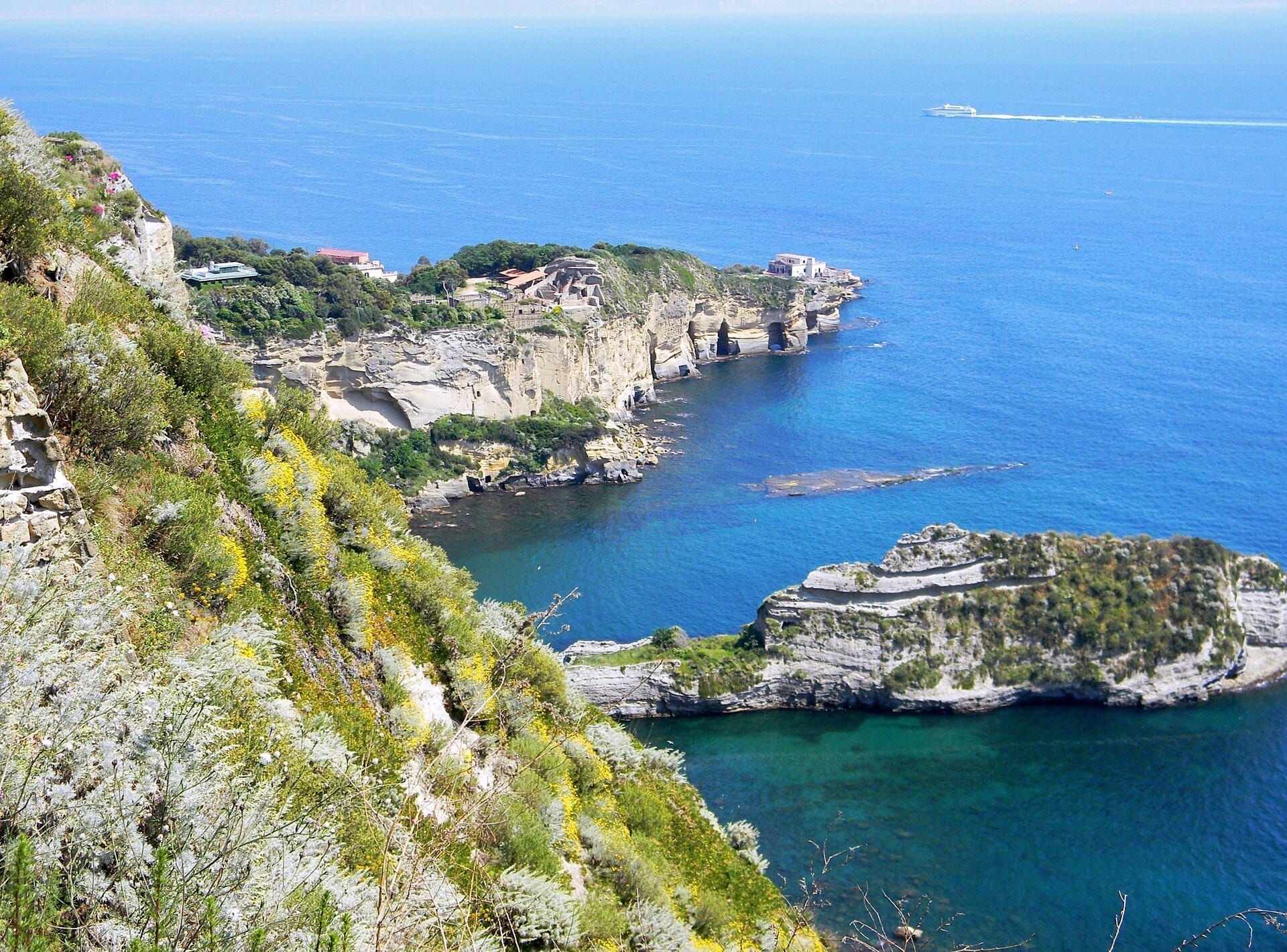
The single most rewarding stop in Posillipo is Parco Virgiliano, the terraced public park at the tip of the promontory. From its upper terraces, on a clear day, the panorama takes in the entire gulf: Vesuvius to the east, Capri directly south, Ischia and Procida to the west. The park is large, green, and free to enter. It has walking paths, benches, and picnic areas, and it attracts a genuine cross-section of Neapolitans: elderly couples, teenagers, joggers, and parents with young children. It is one of the few places in Naples where the city feels genuinely relaxed.
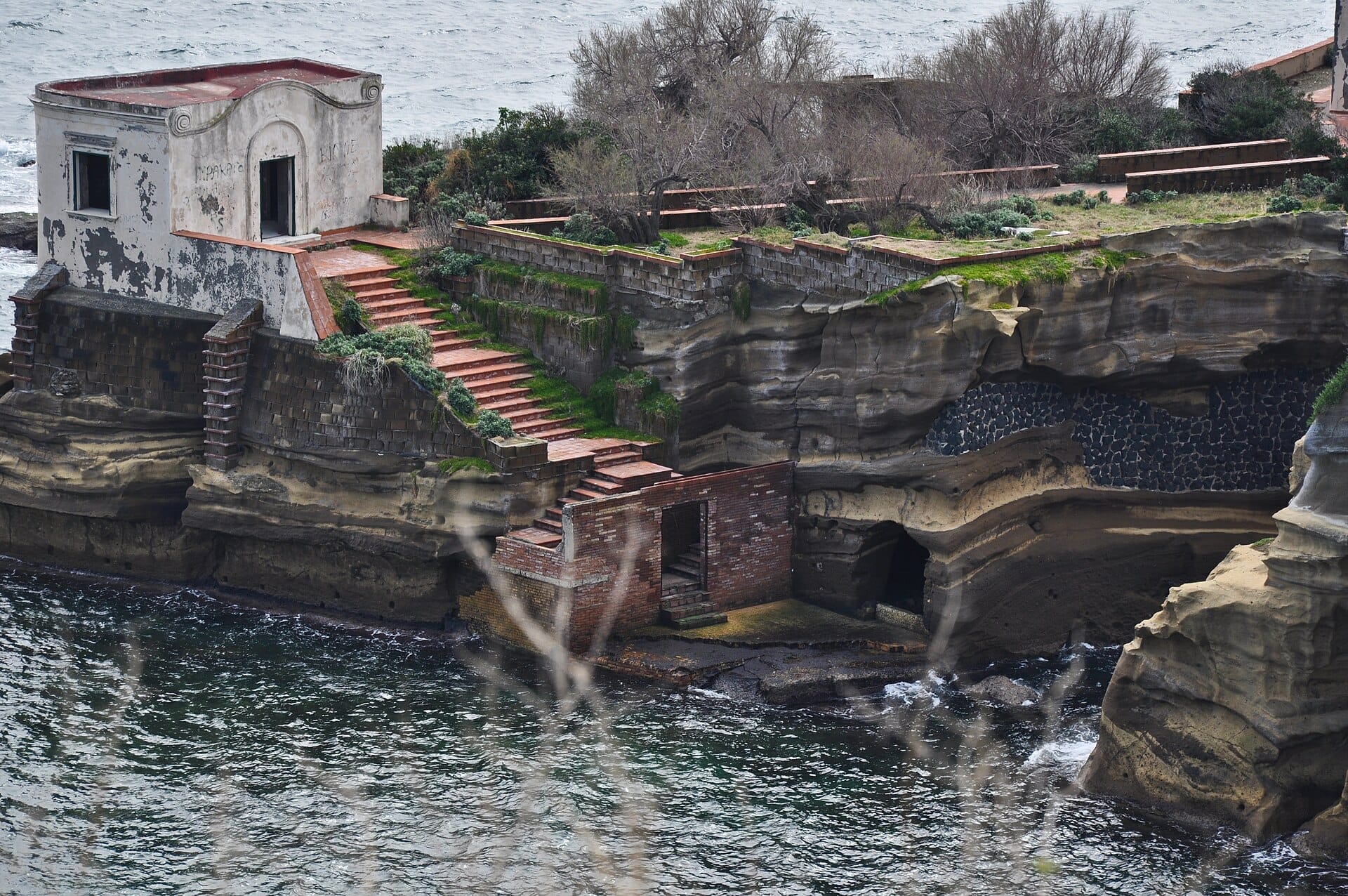
At the base of the Posillipo headland, reached by a path that descends from near the park, lies the Pausilypon Archaeological Park and the entrance to the Seiano Grotto, a Roman-era tunnel cut through the rock to connect the ancient villa complex on the cape to the city. The site includes the ruins of the imperial villa of Vedius Pollio, later taken over by Augustus. Access to the tunnel requires a guided visit and advance booking, but the setting alone, a ruined Roman theatre above the sea, is remarkable. The attraction is listed as Pausilypon and Gaiola and can be combined with a visit to the submerged archaeological park at Gaiola, where underwater ruins of Roman villas are visible through the clear water.
Marechiaro, the fishing hamlet below the ridge, rewards a slow hour on foot. The lane down from Via Posillipo is steep and narrow, and at the bottom a small harbour, a few boats, and the flat rocks that give the cove its name greet visitors. There is not much to do here beyond sit, eat, and watch the water, but that is entirely the point.
Parco Virgiliano: free entry, panoramic terraces with views of Capri, Ischia, Procida, and Vesuvius
Pausilypon Archaeological Park: Roman villa ruins and the Seiano Grotto tunnel, bookable guided visits
Gaiola Underwater Park: snorkelling and glass-bottom boat views of submerged Roman ruins
Marechiaro waterfront: swimming from the rocks, fishing boats, seafood lunch
Villa Rosebery: one of three official Italian presidential residences, visible from the road during open-day events
Mausoleo Schilizzi: nineteenth-century funerary monument visible from the water
ℹ️ Good to know
The Gaiola Underwater Park requires advance booking through the park authority and is seasonal. Check current opening periods before planning your visit, as access depends on sea conditions and staffing.
Eating & Drinking
Posillipo's food scene is built around seafood and sea views, and it does not apologise for its prices. The restaurants at Marechiaro are among the most atmospheric in the city for a long fish lunch, with tables set on platforms over the water and menus centred on whatever came off the boats that morning. Expect grilled catch, pasta with clams or sea urchin, and fried small fish in the Neapolitan tradition. Prices are higher than in the historic centre, and the experience is unhurried by design.
Along Via Posillipo itself, there are a handful of upscale restaurants with terrace seating above the cliff, trading on views as much as cuisine. These suit a special dinner more than a casual stop. The neighbourhood is not the right place to look for cheap street food: for that, the Naples street food scene is concentrated in the historic centre and around Piazza Garibaldi, not out here on the western cape.
Coffee and pastries are available at local bars along Via Posillipo catering to residents rather than visitors. These bars are cheaper and less theatrical than the famous historic-centre cafés, but the espresso is no worse. For a light lunch outside Marechiaro, a few small alimentari and pizzerias in the residential sections of the ridge can fill the gap.
⚠️ What to skip
Restaurants at Marechiaro can be expensive and are busiest on weekend lunchtimes. If you arrive without a reservation on a Saturday or Sunday, you may wait a considerable time or be turned away entirely. Book ahead for anything other than a weekday visit.
Getting There & Around
Posillipo has no metro station. The most straightforward public transport connection is Bus 140 or Bus 151 from the Mergellina end of the Chiaia waterfront, heading along Via Posillipo toward the cape. These services run along the main road but do not descend to Marechiaro or the park entrances, so some walking on steep lanes is always involved. From the city centre, it is also practical to walk or take a taxi to Mergellina and begin from there, covering the first section of Posillipo on foot along the road above the sea.
Taxis are reliable and straightforward from Posillipo back into central Naples, and given the hilly terrain and limited bus frequency, they are worth using for the return journey, particularly if you have spent a long afternoon at the park. Ride-hailing apps including Free Now and itTaxi operate in Naples. Walking distances should not be underestimated: from Mergellina to Parco Virgiliano along Via Posillipo is around 4 kilometres with significant elevation change. For context on navigating the wider city, the Naples transport guide covers all public options in detail.
Arriving by sea is another option. Ferries and hydrofoils from Capri and Ischia dock at Mergellina harbour rather than the main Molo Beverello terminal, putting you directly at the eastern entrance to the Posillipo coastal road. If you are combining a day trip to the islands with an evening in Posillipo, this routing makes natural sense.
Where to Stay
Posillipo is not a typical base for first-time visitors to Naples. The distance from the main sights, the limited public transport, and the absence of budget accommodation make it impractical for most short stays. That said, it suits a specific type of traveller: those who want quiet, sea air, and easy access to the gulf rather than proximity to the Duomo or the historic centre. A handful of boutique hotels, villa rentals, and upscale B&Bs occupy converted properties along Via Posillipo and the lanes off it, most with private parking, which matters here.
Couples, honeymooners, and visitors on longer stays who plan to day-trip to Pompeii, Capri, and the Amalfi Coast rather than spend their mornings walking between churches will find Posillipo rewarding. If you are trying to see central Naples intensively, staying here adds daily taxi costs and time that add up quickly. For a broader comparison of where to base yourself, see the Naples neighbourhood accommodation guide.
Posillipo in Context: Day Trips and Wider Exploration
One of the practical advantages of Posillipo's position is its proximity to the ferry terminals at Mergellina, making it a convenient launch point for day trips to the islands. Capri and Procida are both reachable by hydrofoil in under 40 minutes from Mergellina, and Ischia in around an hour. For visitors based in Posillipo, this means the islands are genuinely quick to reach rather than requiring a trek to the main port.
The neighbourhood also fits naturally into a wider coastal exploration of western Naples. Walking east from Posillipo leads through Mergellina and along the Via Caracciolo seafront toward Castel dell'Ovo and the best vantage points in the city. The clifftop road going west continues past Villa Rosebery and eventually reaches the Campi Flegrei area. A circuit combining Posillipo, Mergellina, and a return along the waterfront promenade takes most of a half-day at a comfortable pace.
TL;DR
Posillipo is Naples' most upscale and scenic coastal quarter, built on limestone cliffs above the Gulf of Naples with views stretching to Capri, Ischia, and Vesuvius.
Best suited to travellers who want quiet, sea-facing surroundings, a long seafood lunch at Marechiaro, and access to the gulf rather than intensive city sightseeing.
Key attractions are Parco Virgiliano, the Pausilypon archaeological site, the Gaiola underwater park, and the Marechiaro waterfront cove.
Getting here requires a bus or taxi from the Chiaia waterfront or Mergellina; there is no metro access, and the hilly terrain means walking distances are substantial.
Not the right base for visitors on a short trip focused on museums, churches, and street food: those travellers are better served by the historic centre or Chiaia.
Naples has more historic churches per square kilometer than almost any city in Europe. This guide covers the finest: from the Duomo's blood relic ceremony to Caravaggio's most important altarpiece, and the majolica-tiled cloister that stops every visitor cold.
Naples holds more great art per square kilometer than almost any city in Europe. This guide covers the 14 best museums in Naples, from world-class archaeological collections to intimate chapels hiding the most technically astonishing sculptures ever carved.
Planning a trip to Naples, Italy? This guide breaks down every season honestly — temperatures, crowd levels, prices, and local events — so you can choose the right time for your trip, whether you're chasing warm weather, cultural festivals, or the lowest hotel rates.
Naples is one of Italy's most dramatic cities to look at, and where you stand changes everything. This guide covers the finest viewpoints in the city, from Vomero hilltop fortresses to waterfront promenades, boat trips, and volcanic summits.
Naples sits at the center of one of Italy's richest travel regions. Within two hours you can stand inside a Roman city frozen in time, swim off a glamorous island, or walk past 2,500-year-old Greek temples. These are the best day trips from Naples, organized by type.
Naples is one of Europe's most rewarding cities for budget travelers. From UNESCO-listed streets and free castle ramparts to extraordinary public art in metro stations and chaotic street markets, here's how to experience the best of Napoli without opening your wallet.
Naples has a surprisingly functional public transport network once you know how it works. This guide covers metro lines, funiculars, buses, taxis, the airport Alibus, and everything in between, with current fares, schedules, and honest advice on what to skip.
Naples rewards every traveler differently depending on how much time they give it. This guide breaks down the ideal number of days in Naples based on your pace, interests, and whether you plan day trips to Pompeii, Capri, or the Amalfi Coast.
Naples is one of Italy's most debated destinations: raw, overwhelming, and unlike anywhere else in the country. This guide cuts through the clichés to give you a clear-eyed look at what Naples actually offers, who it suits, and whether it deserves a place on your itinerary.
Naples International Airport (Capodichino, NAP) sits just 6 km from the city center, but knowing which transfer option to take can save you time, money, and frustration. This guide breaks down every option from the €5 Alibus to fixed-rate taxis and private door-to-door transfers, with honest advice on what actually works.
Caravaggio spent two turbulent periods in Naples and left behind three surviving masterpieces that transformed Baroque painting in southern Italy. This guide locates every work, gives you current admission prices, practical visiting tips, and the context to understand why these paintings still matter.
Naples at Christmas is unlike anywhere else in Italy. From the centuries-old presepe workshops of Via San Gregorio Armeno to candlelit piazzas and December markets at Castel dell'Ovo, this guide covers everything you need to experience the city's most theatrical season.
Naples is one of the world's great eating cities, and knowing what to order makes all the difference. This guide covers every dish worth tracking down, from the perfect margherita to street food you won't find anywhere else in Italy, with practical tips on where to eat, what to pay, and what to avoid.
Naples, Italy surprises couples at every turn: candlelit trattorias in the historic centre, golden sunsets over Vesuvius from the waterfront, and ferry rides to islands that feel like a world away. This guide covers the city's most romantic spots, experiences, and seasonal tips so you can plan the perfect couples trip to Napoli.
Naples rewards those who look beyond the obvious. This guide uncovers the city's most overlooked sites, from an ossuary filled with skulls to a metro station voted the most beautiful in Europe. These are the places that make Naples genuinely unlike anywhere else.
Napoli is not a city you can absorb from a single vantage point. This guide breaks down every major neighborhood, plots the key attractions on a logical mental map, and tells you exactly how to move between them, whether on foot, by metro, or by funicular.
Naples frames some of the most dramatic sunsets in Europe, with Vesuvius, the Bay of Naples, and the islands of Capri and Ischia providing a backdrop that few cities can match. Whether you want a hilltop panorama, a waterfront stroll, or a boat ride into the golden hour, this guide covers the best spots.
Three days is enough time to get a real feel for Naples, Italy — one of Europe's oldest, most layered cities. This itinerary covers the UNESCO-listed historic centre, the seafront, the underground city beneath your feet, and the hilltop views that put it all in perspective. No filler, no tourist traps — just a practical day-by-day plan that works.
Naples, Italy rewards luxury travelers with a combination few European cities can match: grand historic hotels overlooking the Bay of Naples, world-class fine dining rooted in one of Italy's most serious food cultures, and private experiences ranging from underground archaeological tours to boat charters beneath Vesuvius. This guide cuts through the noise to identify what genuinely delivers at the top end of Napoli.
Naples, Italy comes alive after dark in ways that few Italian cities can match. From the elegant cocktail bars of Chiaia to the packed dance floors of Bagnoli, this guide breaks down exactly where to go, when to go, and what to expect from Neapolitan nightlife.
Naples is the cheapest major city in Italy to visit, with €1 espressos, €3 street pizza, and a UNESCO historic centre you can explore for free. This guide breaks down real daily costs, the best free attractions, smart transport choices, and exactly how to stretch your euros further in Napoli.
Choosing between Naples and Sorrento as your southern Italy base shapes your entire trip. This guide breaks down the real differences in cost, atmosphere, transport access, and day-trip logistics so you can make the right call for your travel style.
Naples is the birthplace of pizza, and eating it here is nothing like eating it anywhere else. This guide covers the best pizzerias across the city, from legendary institutions to neighbourhood favourites, with honest rankings, practical logistics, and advice on what actually separates great Neapolitan pizza from a tourist-trap imitation.
Naples Italy has a reputation that outpaces its reality. Petty crime exists, but with the right awareness you can explore freely. This guide covers the neighborhoods to know, the scams actually targeting tourists, and the practical habits that make the difference.
The Feast of San Gennaro is the spiritual and cultural heartbeat of Naples, drawing tens of thousands to witness a ritual that has defined the city for over 1,700 years. This guide covers all three annual dates, the blood liquefaction ceremony, crowd logistics, and what the festival reveals about Neapolitan identity.
Naples rewards shoppers who go beyond the tourist trinket stalls. This guide covers the city's best shopping streets by district, its most authentic markets, and the foods and crafts worth carrying home — with honest advice on where not to waste your time or money.
Queues at Naples' top attractions can cost you hours of your trip. This guide breaks down exactly which sites offer genuine skip-the-line access, where to book, what it costs, and which 'skip-the-line' products are misleading marketing.
Naples has one of the great street food cultures in Europe, built on centuries of feeding dock workers, market sellers, and anyone who needed a meal without a table. This guide covers the essential dishes, the best neighborhoods to eat them, and the practical details that separate a great food walk from a disappointing tourist detour.
Getting from Naples to the Amalfi Coast involves more choices than most guides admit. This breakdown covers every realistic option, from the cheapest bus combination to the fastest ferry, with honest assessments of what works in different seasons.
Getting from Naples to Capri is simpler than most visitors expect, but the details matter: which port, which operator, how early to book, and what to do once you arrive. This guide covers all of it, from ferry prices and schedules to practical day trip planning.
Pompeii is 25 kilometers from Naples and one of the most visited archaeological sites in the world. This guide breaks down every transport option, the exact station you need, what tickets cost, and how to make the most of the trip without the usual tourist pitfalls.
Beneath the streets of Naples Italy lies one of Europe's most extraordinary subterranean worlds: 450 kilometers of Greek-carved tunnels, Roman aqueducts, and WWII shelters. This guide covers everything you need to visit Napoli Sotterranea, from ticket prices and tour logistics to what you'll actually see underground.
Choosing between Naples and Rome is one of the most common dilemmas for Italy first-timers. This guide breaks down both cities across food, cost, culture, day trips, and logistics so you can make the right call for your itinerary.
Naples rewards walkers more than almost any city in Italy. This guide covers the best self-guided walking routes through the historic center, royal quarter, and waterfront, with practical details on timing, distances, costs, and what to skip.
Naples, Italy has a Mediterranean climate that rewards visitors who time their trip carefully. This guide breaks down what the weather actually looks like each month, which seasons to avoid, and what to throw in your bag depending on when you arrive.
Naples is a far better family destination than its reputation suggests. From hands-on science museums and underground Roman tunnels to pizza-making workshops and boat trips on the Bay of Naples, this guide covers the best activities for families traveling to Napoli, with honest advice on what works for different ages and how to plan your visit.
Both sites were buried by Mount Vesuvius in 79 AD, but they offer very different experiences. This guide breaks down the key differences in size, preservation, visitor experience, and logistics so you can choose the right one — or make a case for visiting both.
Naples rewards curious travelers with layers of history, art, street food, and coastal scenery that few Italian cities can match. This guide covers the essential experiences, practical logistics, honest advice on what to skip, and how to structure your time in Napoli.
Naples is one of the great eating cities of Italy, and knowing where to go separates a memorable meal from a mediocre tourist trap. This guide covers the best neighborhoods for dining, top restaurant picks across every budget, essential dishes to order, and practical tips for eating like a local.
Choosing where to stay in Naples Italy can make or break your trip. This guide breaks down every major neighbourhood by vibe, price, location, and who it actually suits, so you can book with confidence.