Hidden Gems in Naples: Off the Beaten Path
Naples rewards those who look beyond the obvious. This guide uncovers the city's most overlooked sites, from an ossuary filled with skulls to a metro station voted the most beautiful in Europe. These are the places that make Naples genuinely unlike anywhere else.
Tickets & tours
Live prices and dates from our booking partner. If you book, we may earn a commission at no extra cost to you.
Most visitors to Naples tick off Pompeii, eat a margherita, and leave thinking they've seen it all. They haven't. Beneath the streets, behind unmarked doors, and up staircases that tourists never climb, the city keeps its most fascinating secrets. This guide is built for travelers who want the real Naples: strange, atmospheric, historically layered, and entirely unsanitized. Whether you're spending three days or three weeks, our Naples 3-day itinerary can help you structure your time, but the places listed here deserve a category of their own. They're not advertised on billboards. They don't have queues around the block. And they'll almost certainly be the stories you tell when you get home.
💡 Local tip
Shoulder seasons (April-June and September-October) are ideal for exploring these sites. Summer heat makes underground venues like the Bourbon Tunnel a relief, but outdoor spots like Parco Virgiliano are best enjoyed in cooler months.
Underground Naples: Beneath the Streets
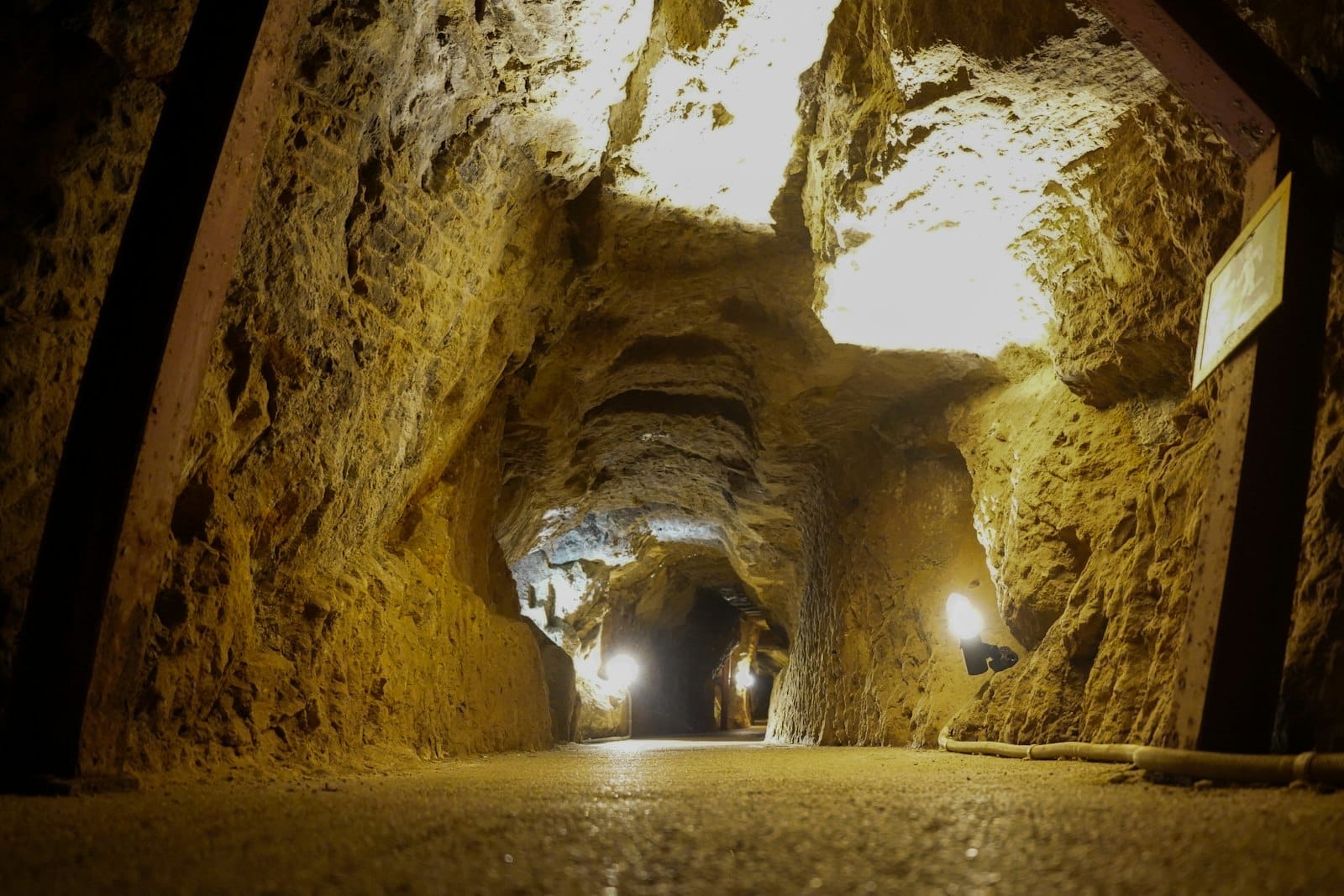
Naples sits on a vast network of tunnels, cisterns, catacombs, and bunkers carved through volcanic tuff over 2,400 years. This subterranean city is one of the most compelling reasons to visit, and our dedicated Naples underground guide covers it in full depth. The three sites below represent different eras and different moods, but all reward visitors who descend.
1. Explore 2,400 Years of History Below the City Streets
Guided tours descend through Greek aqueducts, Roman cisterns, and WWII air-raid shelters carved into tuff. The narrow passages and wartime artifacts make this one of the most atmospheric underground experiences in Italy. Book ahead.
Explore1. Explore 2,400 Years of History Below the City Streets
Guided tours descend through Greek aqueducts, Roman cisterns, and WWII air-raid shelters carved into tuff. The narrow passages and wartime artifacts make this one of the most atmospheric underground experiences in Italy. Book ahead.
Explore
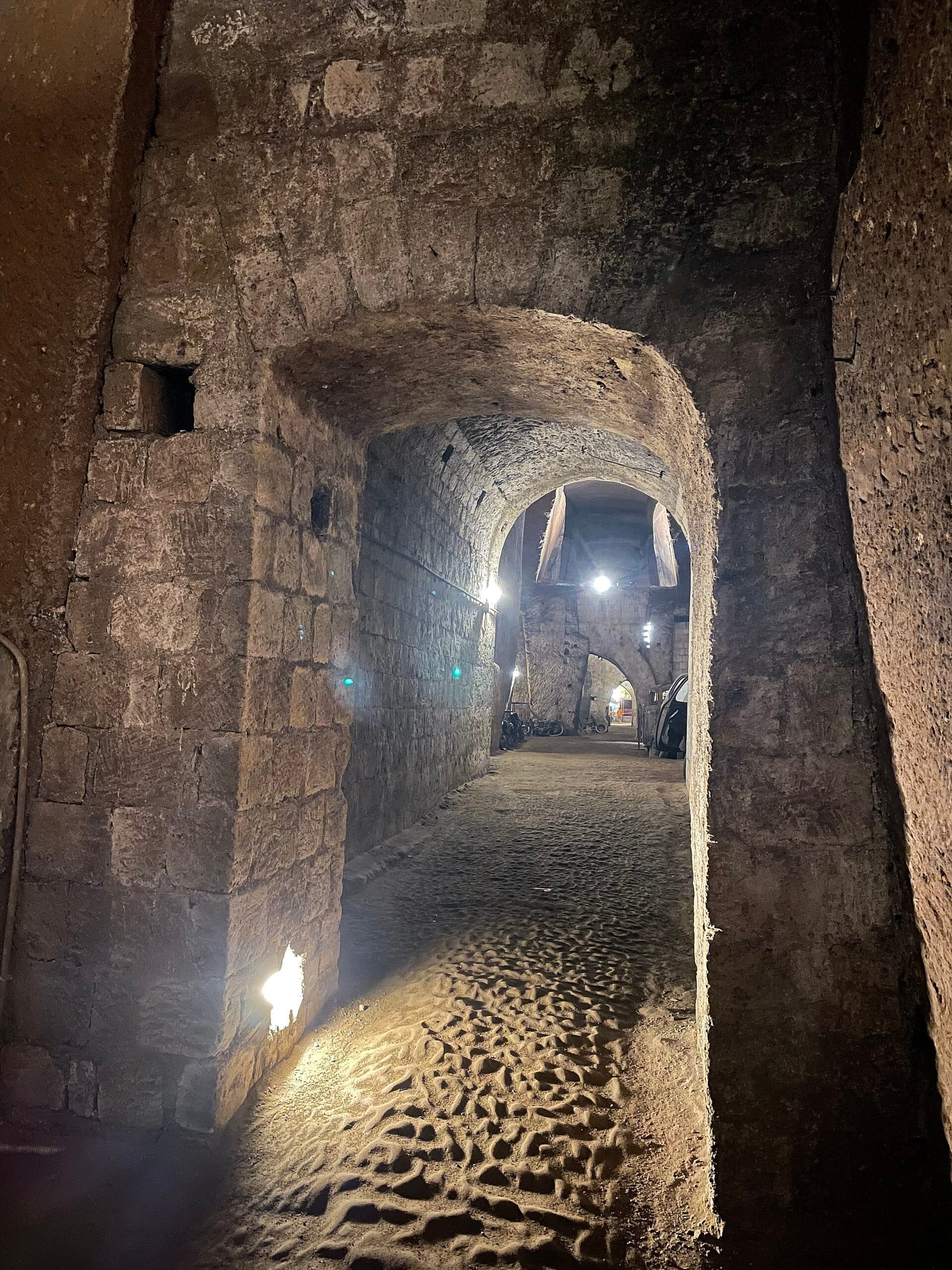
2. Walk Through the Bourbon Kings' Secret Escape Tunnel
A 19th-century royal escape route turned wartime shelter, now packed with abandoned WWII vehicles and military relics. Tours run daily and cover dry, well-lit passages. The adventure route involves crawling and rafting for the bold.
Explore2. Walk Through the Bourbon Kings' Secret Escape Tunnel
A 19th-century royal escape route turned wartime shelter, now packed with abandoned WWII vehicles and military relics. Tours run daily and cover dry, well-lit passages. The adventure route involves crawling and rafting for the bold.
Explore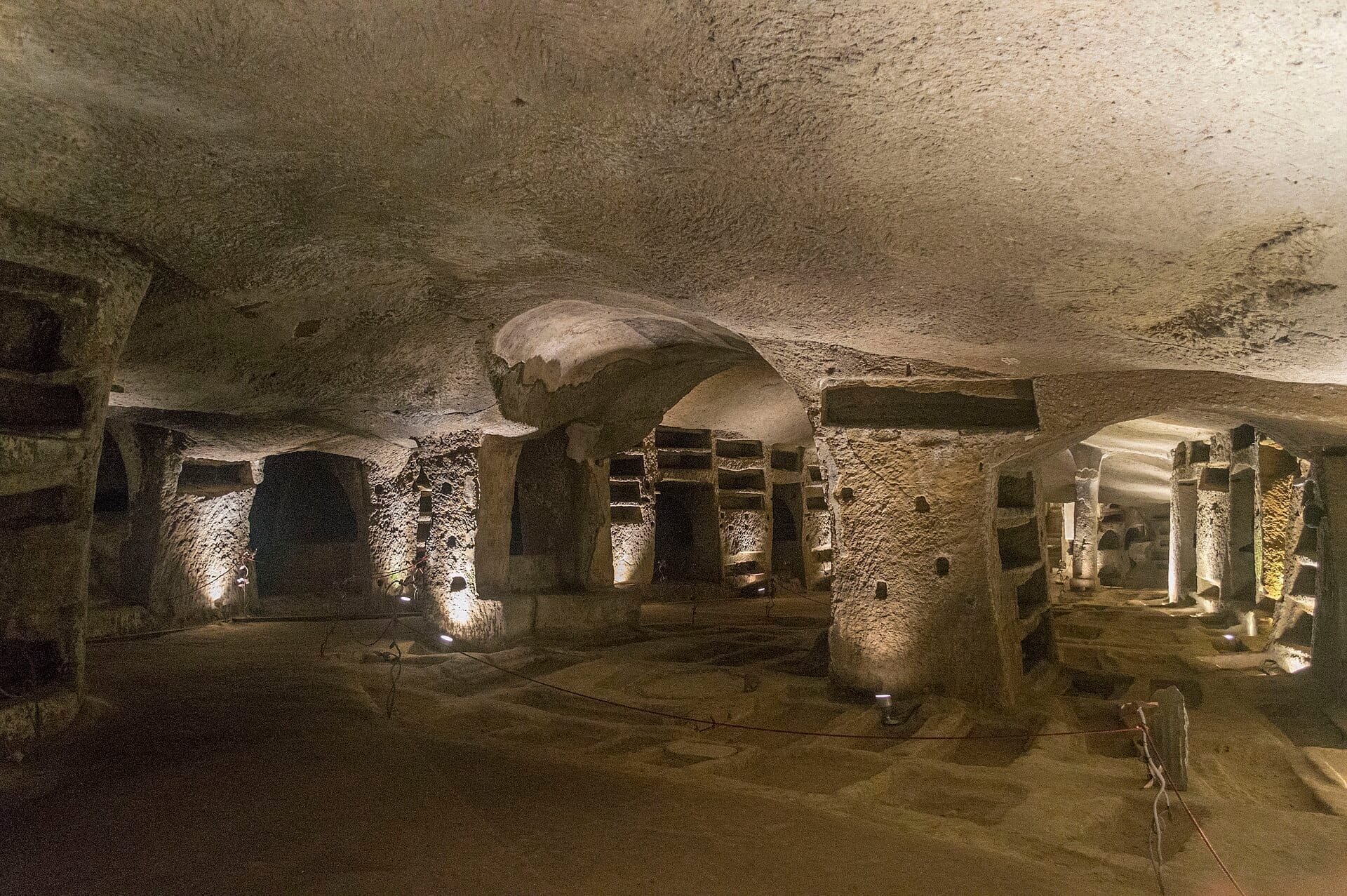
3. Descend Into Naples' Oldest Christian Underground Burial Site
Dating to the 2nd century AD, these catacombs contain vivid early Christian frescoes and mosaics rarely seen outside Rome. The guided tour runs about an hour and stays cool even in August. Distinct from Napoli Sotterranea entirely.
Explore3. Descend Into Naples' Oldest Christian Underground Burial Site
Dating to the 2nd century AD, these catacombs contain vivid early Christian frescoes and mosaics rarely seen outside Rome. The guided tour runs about an hour and stays cool even in August. Distinct from Napoli Sotterranea entirely.
Explore
4. Come Face to Face with Naples' Cult of the Dead
Thousands of skulls line the cavern walls of this Sanità district ossuary, linked to Naples' unique tradition of 'adopting' anonymous bones and praying for the dead. Unsettling, moving, and unlike anything else in the city. Verify opening hours before visiting.
Explore4. Come Face to Face with Naples' Cult of the Dead
Thousands of skulls line the cavern walls of this Sanità district ossuary, linked to Naples' unique tradition of 'adopting' anonymous bones and praying for the dead. Unsettling, moving, and unlike anything else in the city. Verify opening hours before visiting.
ExploreArt & Architecture the Crowds Miss

Naples has more churches than almost any city in Europe, and many of its finest artworks sit in buildings that draw a fraction of the attention given to the big museums. The Naples Caravaggio guide is essential reading before visiting Palazzo Zevallos and Pio Monte, as both houses hold masterpieces the painter made during his fugitive years in the city. These are intimate spaces where you can stand close to world-class art without a crowd in sight.
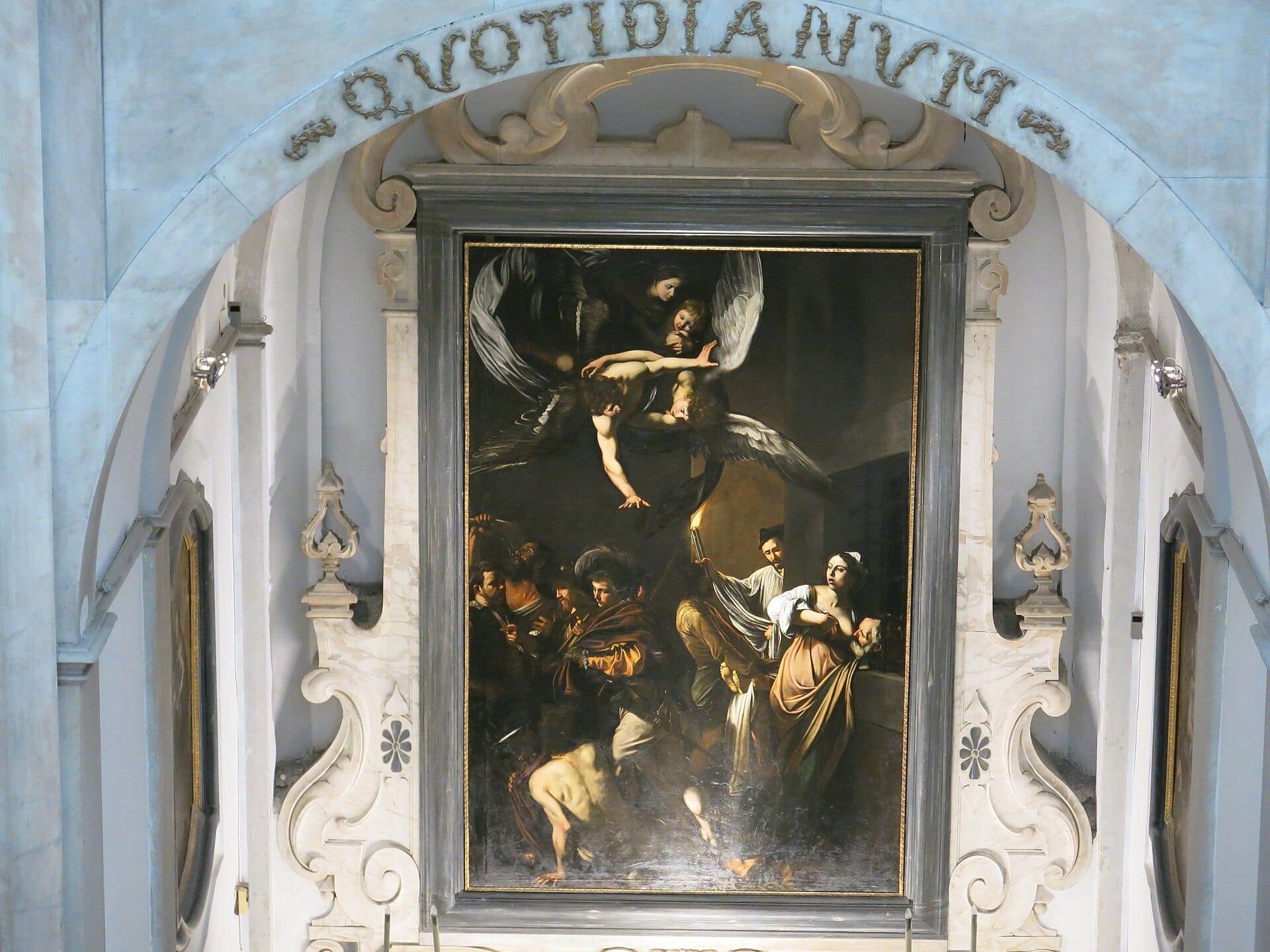
5. Stand Beneath Caravaggio's Most Ambitious Painting
The Seven Works of Mercy fills the entire altar wall of this tiny 17th-century church and is considered one of the most important Baroque paintings in existence. The small museum upstairs holds further masterworks. Entry is affordable and rarely crowded.
Explore5. Stand Beneath Caravaggio's Most Ambitious Painting
The Seven Works of Mercy fills the entire altar wall of this tiny 17th-century church and is considered one of the most important Baroque paintings in existence. The small museum upstairs holds further masterworks. Entry is affordable and rarely crowded.
Explore
6. Find Caravaggio's Final Painting in a Forgotten Palace
The Martyrdom of Saint Ursula, painted weeks before Caravaggio's death, hangs in a beautifully restored palazzo on Via Toledo. The gallery is small and often empty, making it one of the most intimate encounters with a major artwork in Naples.
Explore6. Find Caravaggio's Final Painting in a Forgotten Palace
The Martyrdom of Saint Ursula, painted weeks before Caravaggio's death, hangs in a beautifully restored palazzo on Via Toledo. The gallery is small and often empty, making it one of the most intimate encounters with a major artwork in Naples.
Explore
7. Ride Down Into the Most Beautiful Metro Station in Europe
Toledo station descends into a deep-blue world of light, mosaics, and contemporary art, with the atmosphere shifting from gold to sea tones as you go underground. Take Line 1 and exit slowly. Most visitors pass through without stopping to look up.
Explore7. Ride Down Into the Most Beautiful Metro Station in Europe
Toledo station descends into a deep-blue world of light, mosaics, and contemporary art, with the atmosphere shifting from gold to sea tones as you go underground. Take Line 1 and exit slowly. Most visitors pass through without stopping to look up.
Explore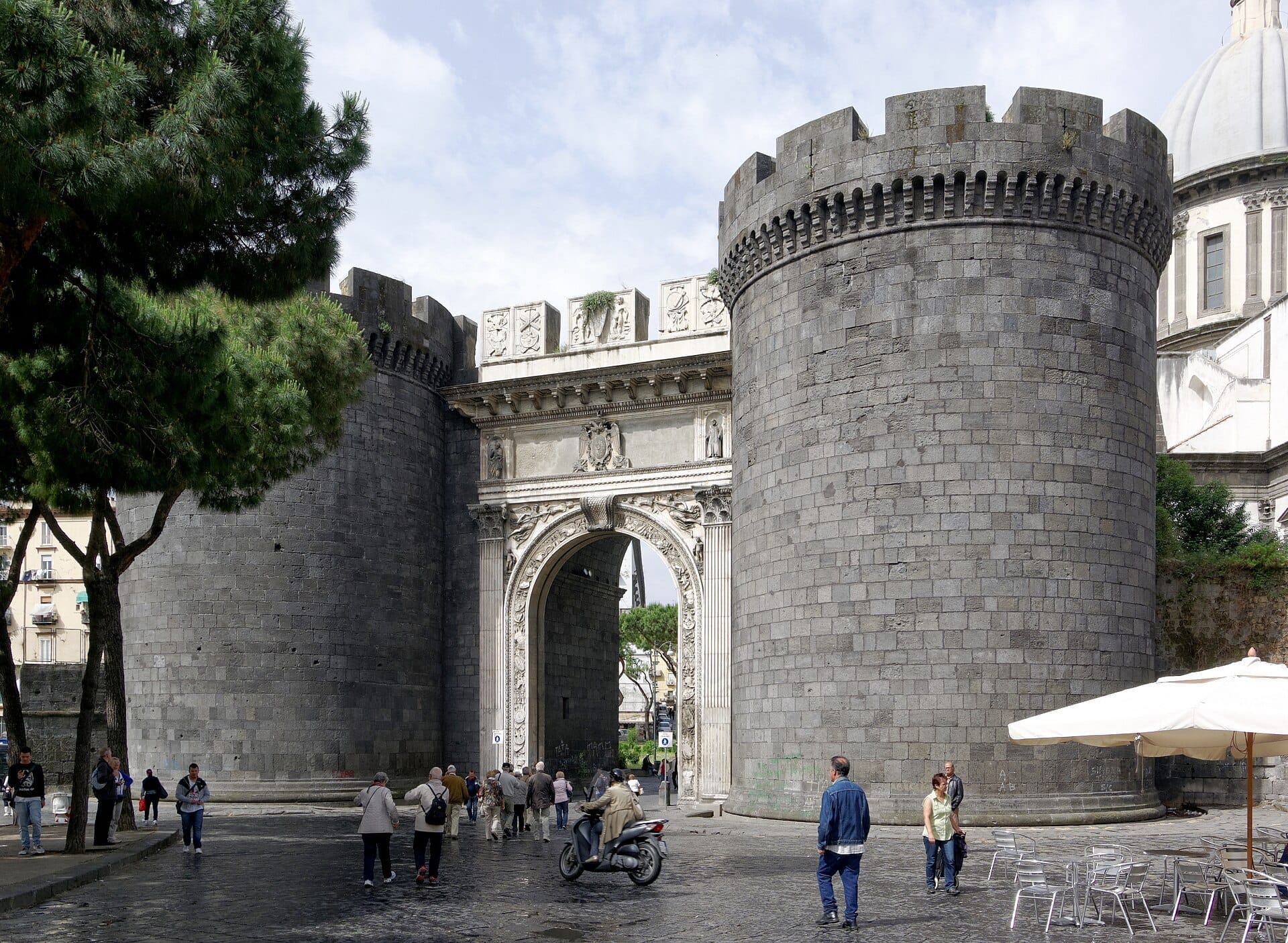
8. Admire the Most Overlooked Renaissance Gate in Italy
Built in 1484 and flanked by two cylindrical towers, Porta Capuana is among the finest Renaissance city gates in Italy. It sits minutes from Piazza Garibaldi and is walked past daily by thousands who never pause to read its carved marble reliefs.
Explore8. Admire the Most Overlooked Renaissance Gate in Italy
Built in 1484 and flanked by two cylindrical towers, Porta Capuana is among the finest Renaissance city gates in Italy. It sits minutes from Piazza Garibaldi and is walked past daily by thousands who never pause to read its carved marble reliefs.
Explore
9. Discover a Ceramic Museum Inside Secret Vomero Gardens
This neoclassical villa on the Vomero hill sits in English-style gardens most tourists never find. Inside, the Duca di Martina museum holds one of Italy's finest collections of European and Asian decorative ceramics. The park alone is worth the funicular ride.
Explore9. Discover a Ceramic Museum Inside Secret Vomero Gardens
This neoclassical villa on the Vomero hill sits in English-style gardens most tourists never find. Inside, the Duca di Martina museum holds one of Italy's finest collections of European and Asian decorative ceramics. The park alone is worth the funicular ride.
Explore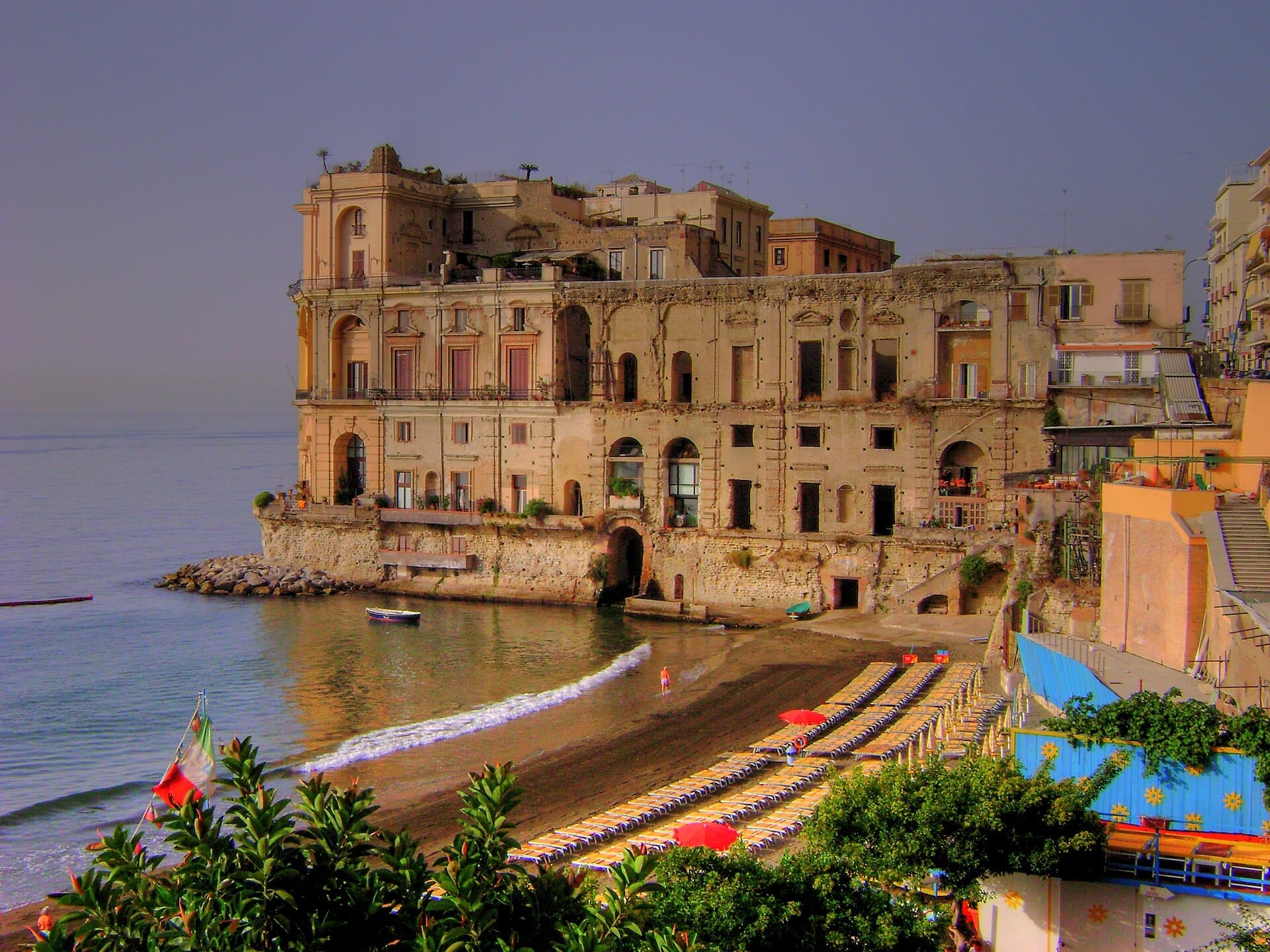
10. Spot the Mysterious Ruin Rising from the Sea at Posillipo
This 17th-century palazzo was never finished and now emerges dramatically from the water along the Posillipo coast. It's best viewed from a boat or the coastal road. The legends attached to it, involving a Spanish viceroy's widow, are as striking as the building itself.
Explore10. Spot the Mysterious Ruin Rising from the Sea at Posillipo
This 17th-century palazzo was never finished and now emerges dramatically from the water along the Posillipo coast. It's best viewed from a boat or the coastal road. The legends attached to it, involving a Spanish viceroy's widow, are as striking as the building itself.
ExploreNeighborhoods & Streets Worth Wandering

Some of Naples' best discoveries happen at street level, in neighborhoods where the tourist map runs out. The Quartieri Spagnoli is one of the most densely atmospheric areas in the city, layered with shrines, street food, laundry lines, and history. Pair any of these walks with our Naples street food guide for a complete sensory experience.

11. Pay Respects at the World's Most Famous Football Shrine
The Maradona altar in the Spanish Quarter has grown into a full pilgrimage site since his 2020 death, with candles, jerseys, and murals covering an entire alley. It captures Neapolitan devotion, humor, and grief all at once. Visit on a weekday morning for quiet reflection.
Explore11. Pay Respects at the World's Most Famous Football Shrine
The Maradona altar in the Spanish Quarter has grown into a full pilgrimage site since his 2020 death, with candles, jerseys, and murals covering an entire alley. It captures Neapolitan devotion, humor, and grief all at once. Visit on a weekday morning for quiet reflection.
Explore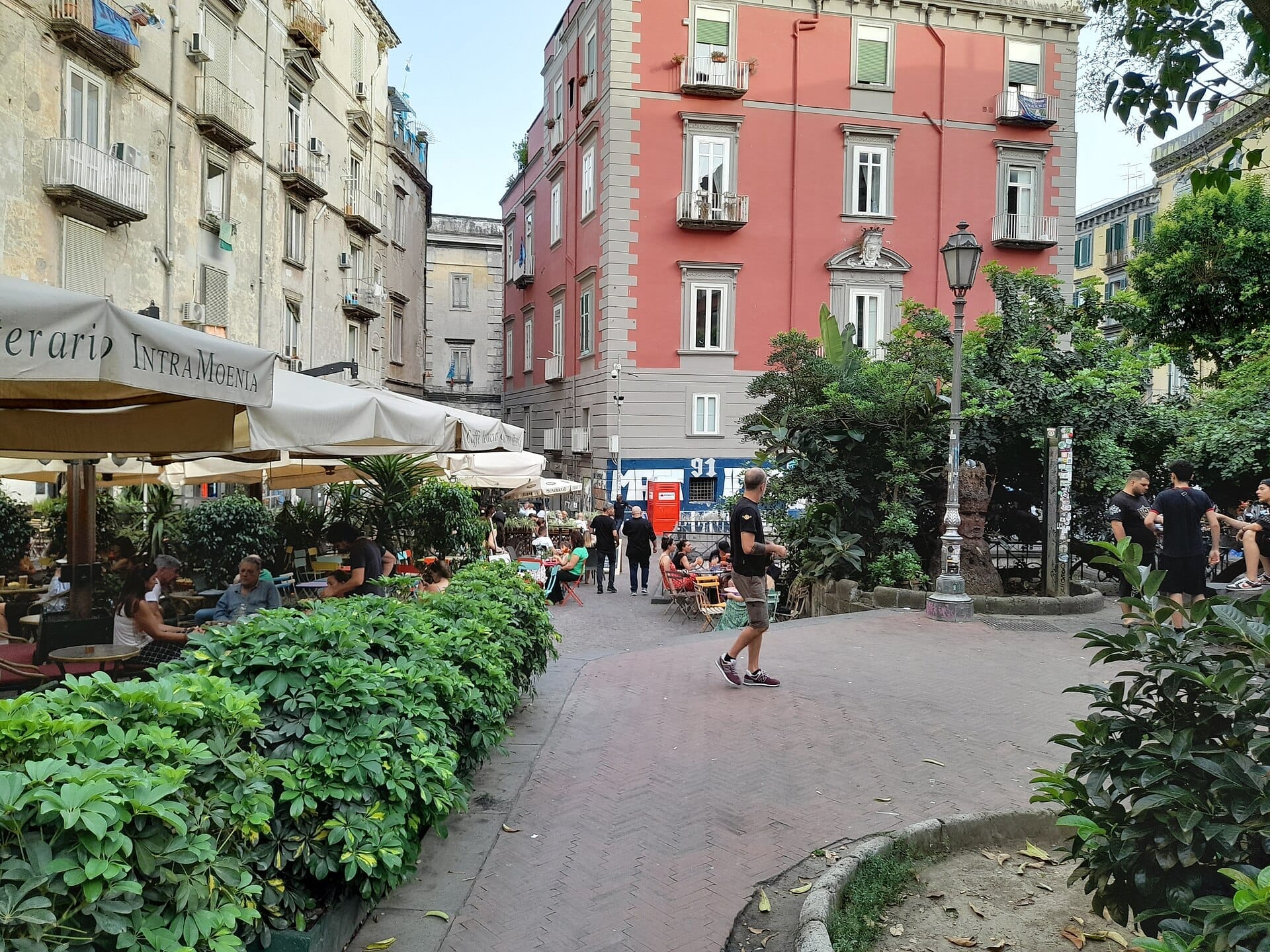
12. Sit at a Cafe Above 2,500-Year-Old Greek City Walls
Piazza Bellini is the centro storico's intellectual heart, ringed with bookshops and outdoor bars. At its center, excavated ancient Greek walls are visible below street level. Pull up a chair in the evening and you're surrounded by students, poets, and musicians.
Explore12. Sit at a Cafe Above 2,500-Year-Old Greek City Walls
Piazza Bellini is the centro storico's intellectual heart, ringed with bookshops and outdoor bars. At its center, excavated ancient Greek walls are visible below street level. Pull up a chair in the evening and you're surrounded by students, poets, and musicians.
Explore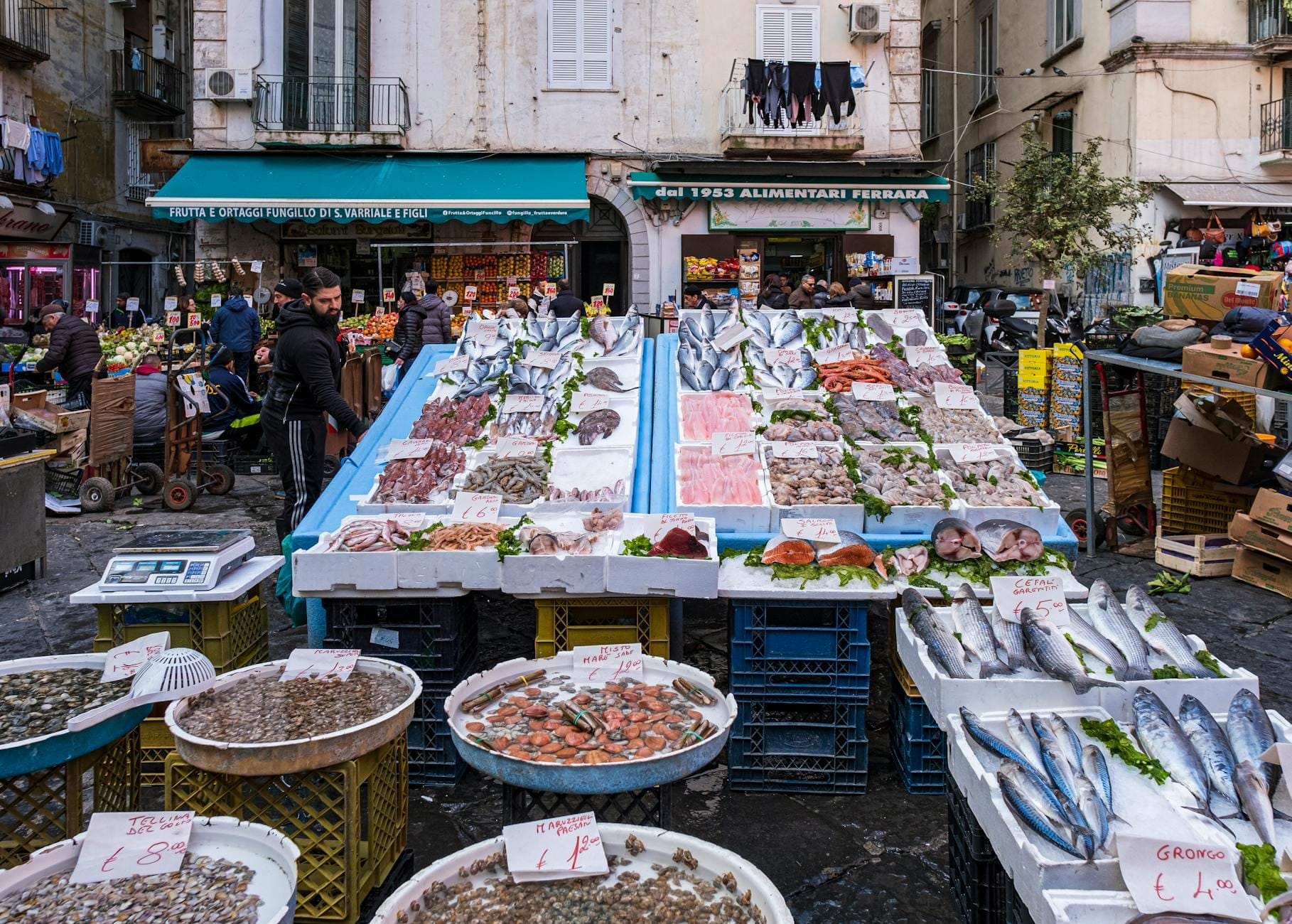
13. Plunge Into the Most Chaotic Fish Market in Southern Italy
The Porta Nolana market near the train station is where Neapolitans actually shop. Fishmongers gut their catch on the street, vendors shout over each other, and the aromas are intense. Go before 9am on a weekday for the full experience, and bring cash.
Explore13. Plunge Into the Most Chaotic Fish Market in Southern Italy
The Porta Nolana market near the train station is where Neapolitans actually shop. Fishmongers gut their catch on the street, vendors shout over each other, and the aromas are intense. Go before 9am on a weekday for the full experience, and bring cash.
Explore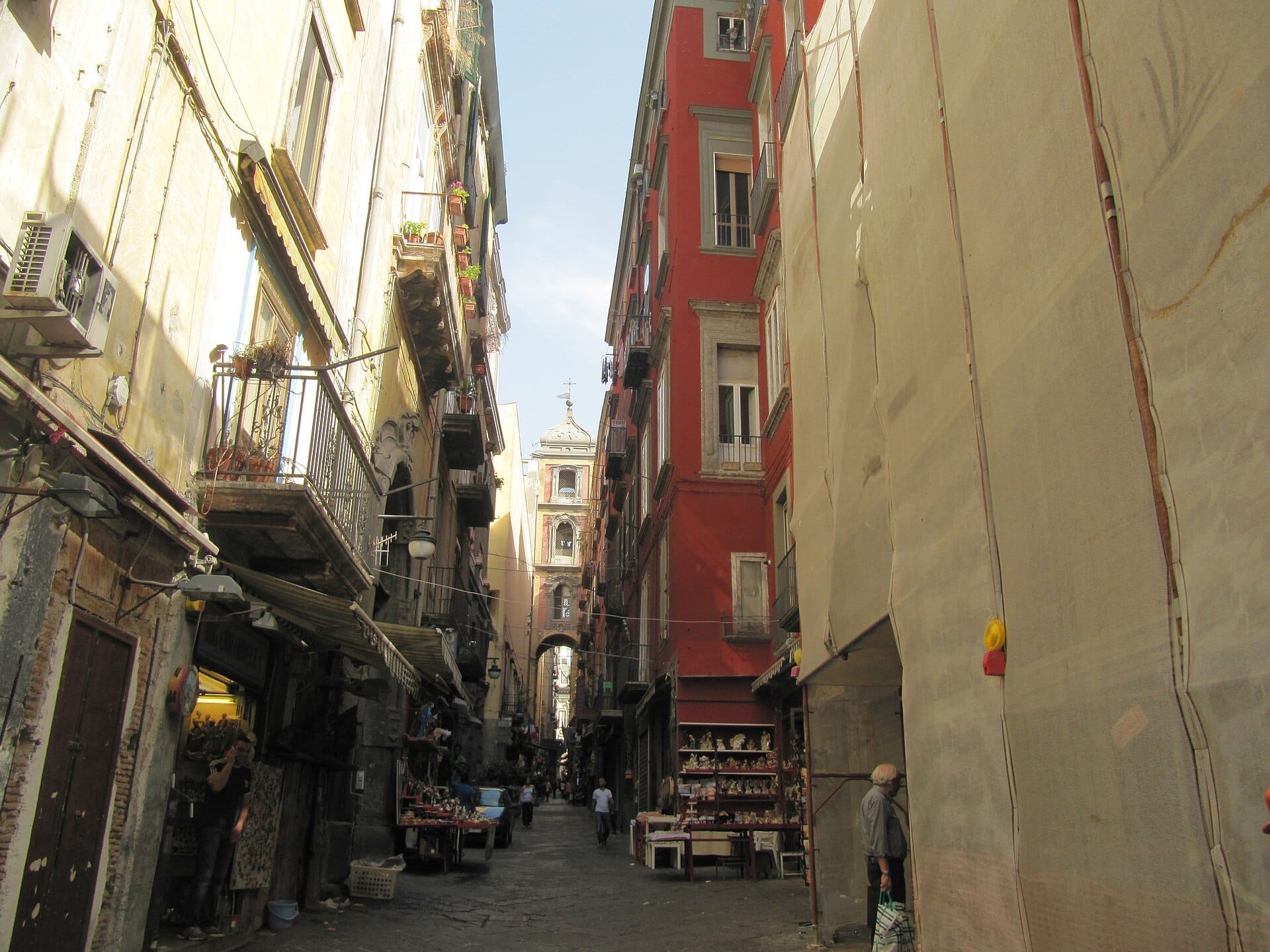
14. Watch Artisans Craft Nativity Scenes on Naples' Most Unique Street
Via San Gregorio Armeno's workshops produce elaborate presepi figures year-round, from traditional shepherds to miniature politicians. Watching craftsmen paint and carve is as compelling as buying anything. Mornings on weekdays mean fewer tour groups blocking the lanes.
Explore14. Watch Artisans Craft Nativity Scenes on Naples' Most Unique Street
Via San Gregorio Armeno's workshops produce elaborate presepi figures year-round, from traditional shepherds to miniature politicians. Watching craftsmen paint and carve is as compelling as buying anything. Mornings on weekdays mean fewer tour groups blocking the lanes.
Explore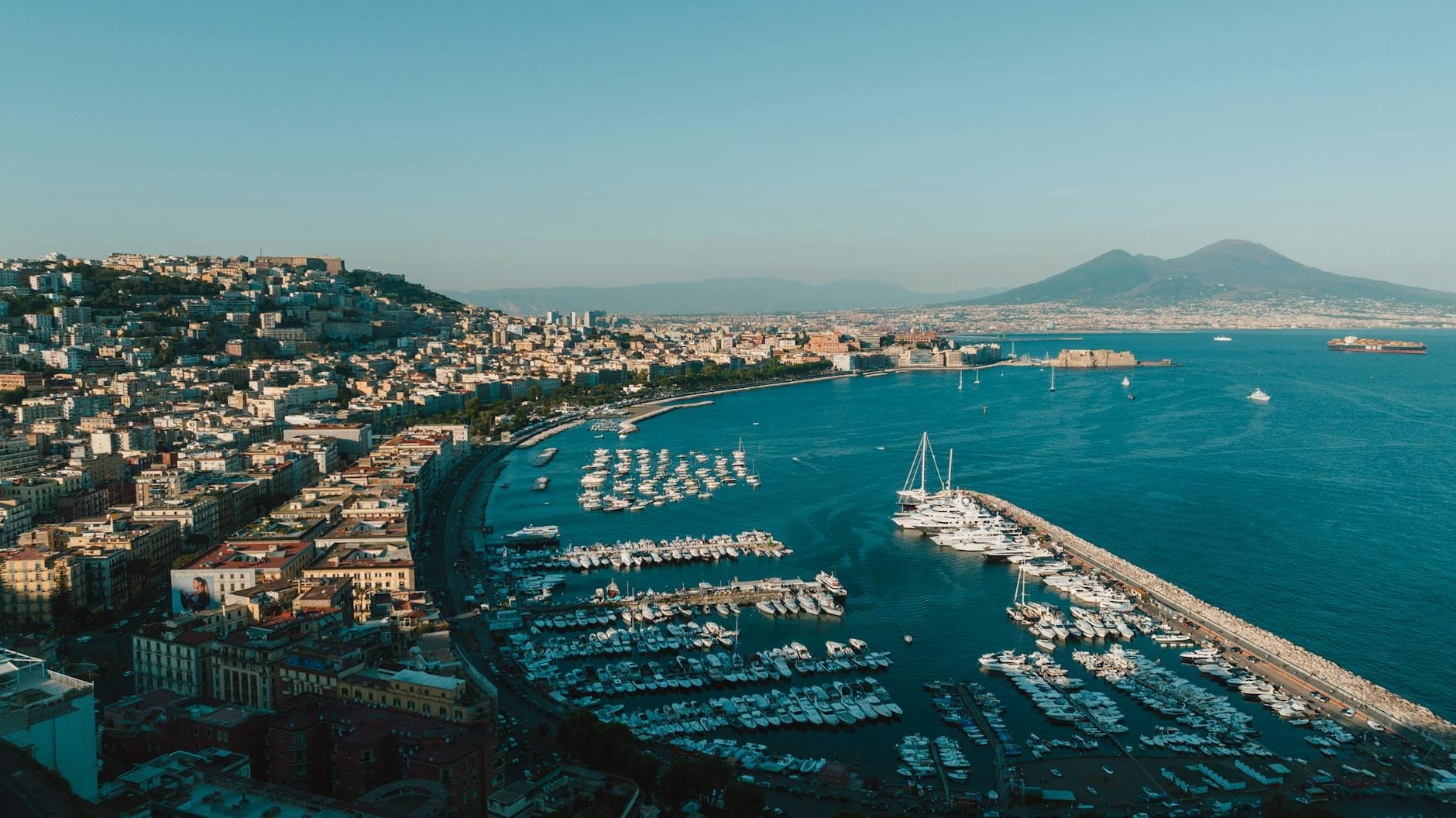
15. Find the Naples Locals Actually Love at Mergellina Harbor
Mergellina's small fishing harbor at the western end of the Lungomare is where Neapolitans eat gelato, drink coffee, and watch the boats on Sunday mornings. The seafood restaurants here are more honest and less theatrical than those near Piazza del Plebiscito.
Explore15. Find the Naples Locals Actually Love at Mergellina Harbor
Mergellina's small fishing harbor at the western end of the Lungomare is where Neapolitans eat gelato, drink coffee, and watch the boats on Sunday mornings. The seafood restaurants here are more honest and less theatrical than those near Piazza del Plebiscito.
ExploreHidden Panoramas & Natural Escapes
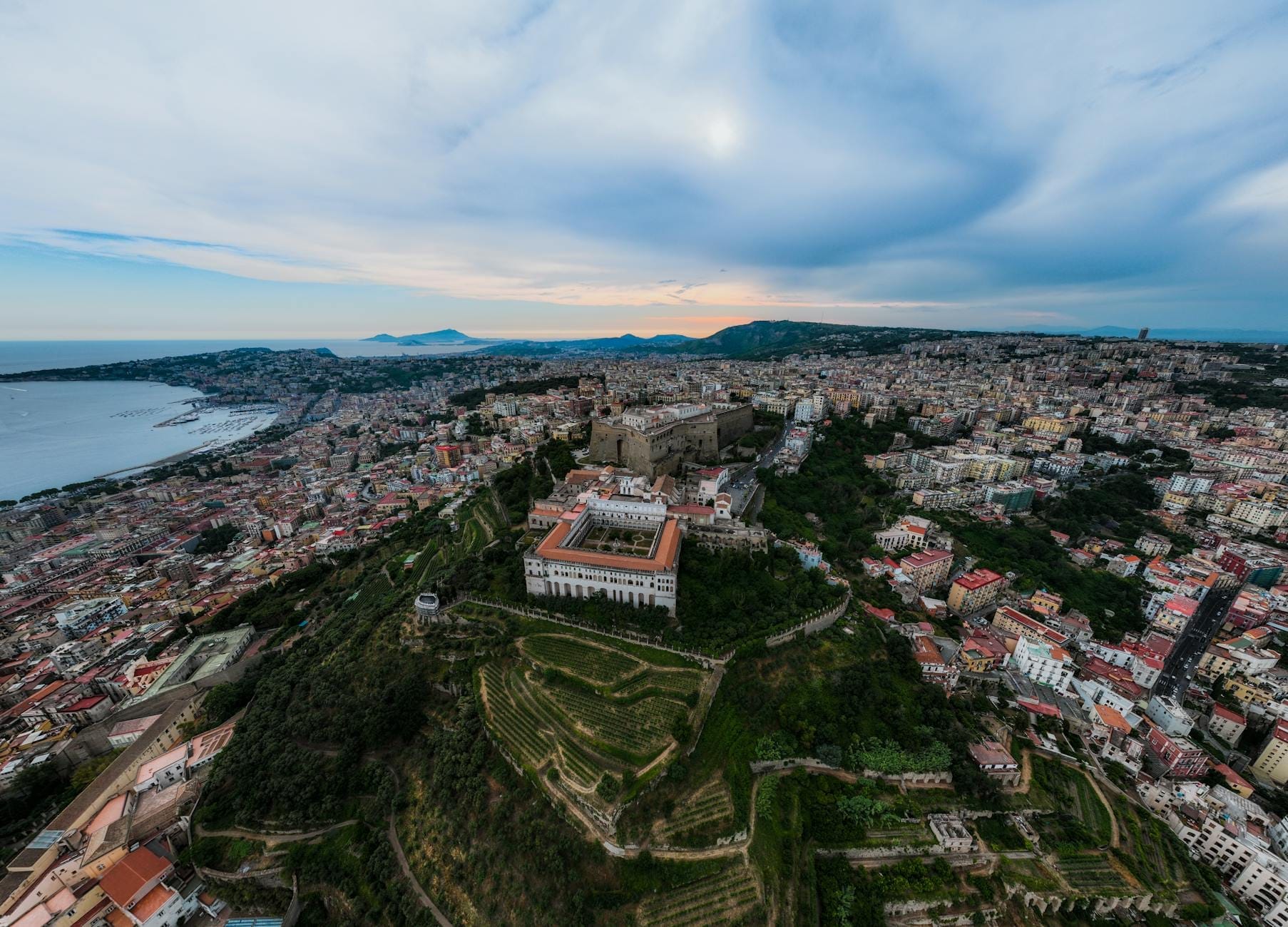
Naples has no shortage of famous viewpoints, but the best views are often found where the signage runs out. For a full survey of the city's panoramas, our best views in Naples guide covers everything from rooftop bars to castle ramparts. The spots below skew toward the lesser-known, where you're more likely to share the horizon with a local dog walker than a tour group.
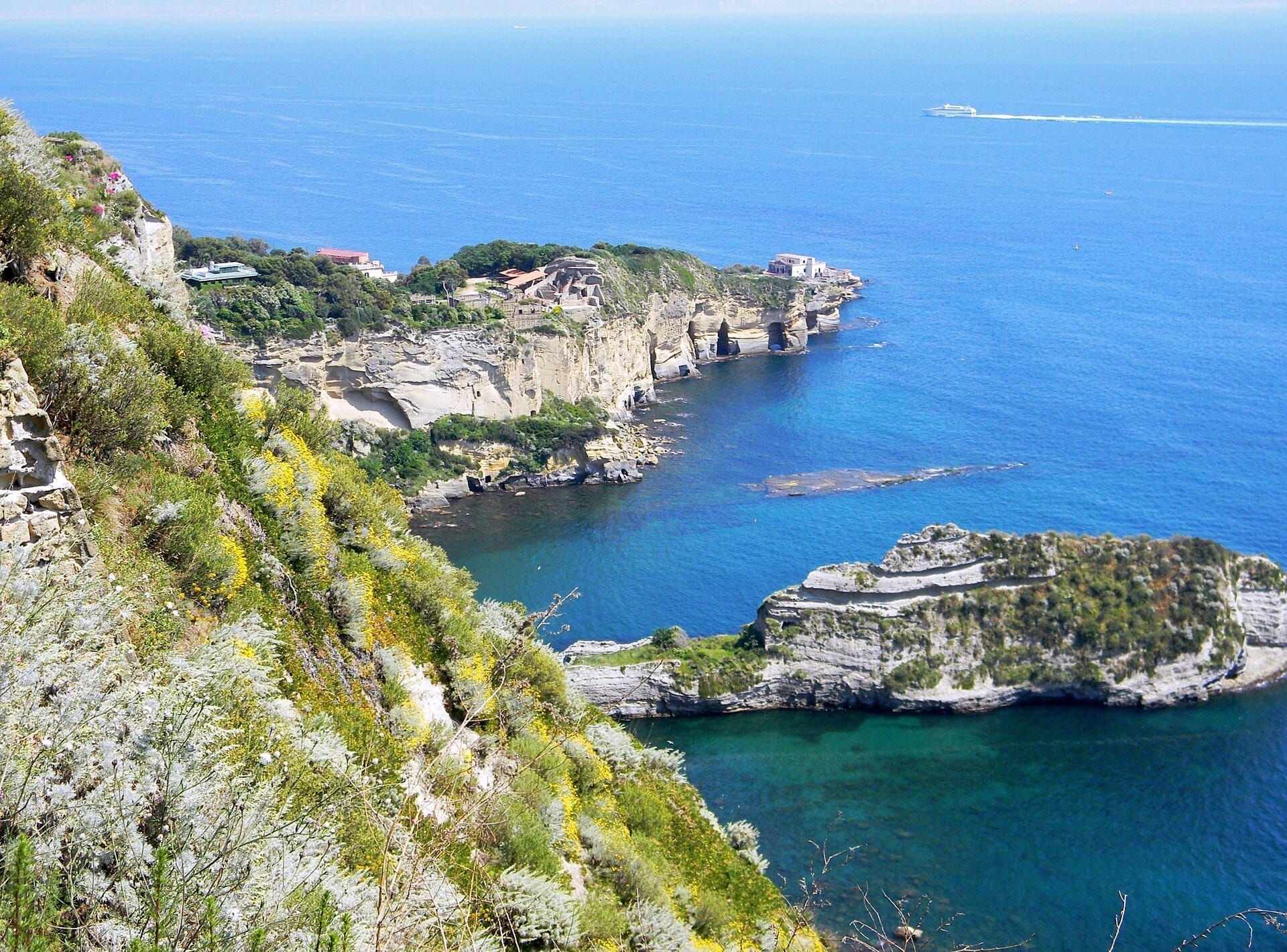
16. Take in a 270-Degree Bay View from Naples' Quietest Park
Parco Virgiliano sits at the tip of the Posillipo promontory and offers one of the widest panoramas in the city: Vesuvius, Capri, Ischia, and the entire bay arc in front of you. It's free, open from dawn, and almost entirely free of tourists.
Explore16. Take in a 270-Degree Bay View from Naples' Quietest Park
Parco Virgiliano sits at the tip of the Posillipo promontory and offers one of the widest panoramas in the city: Vesuvius, Capri, Ischia, and the entire bay arc in front of you. It's free, open from dawn, and almost entirely free of tourists.
Explore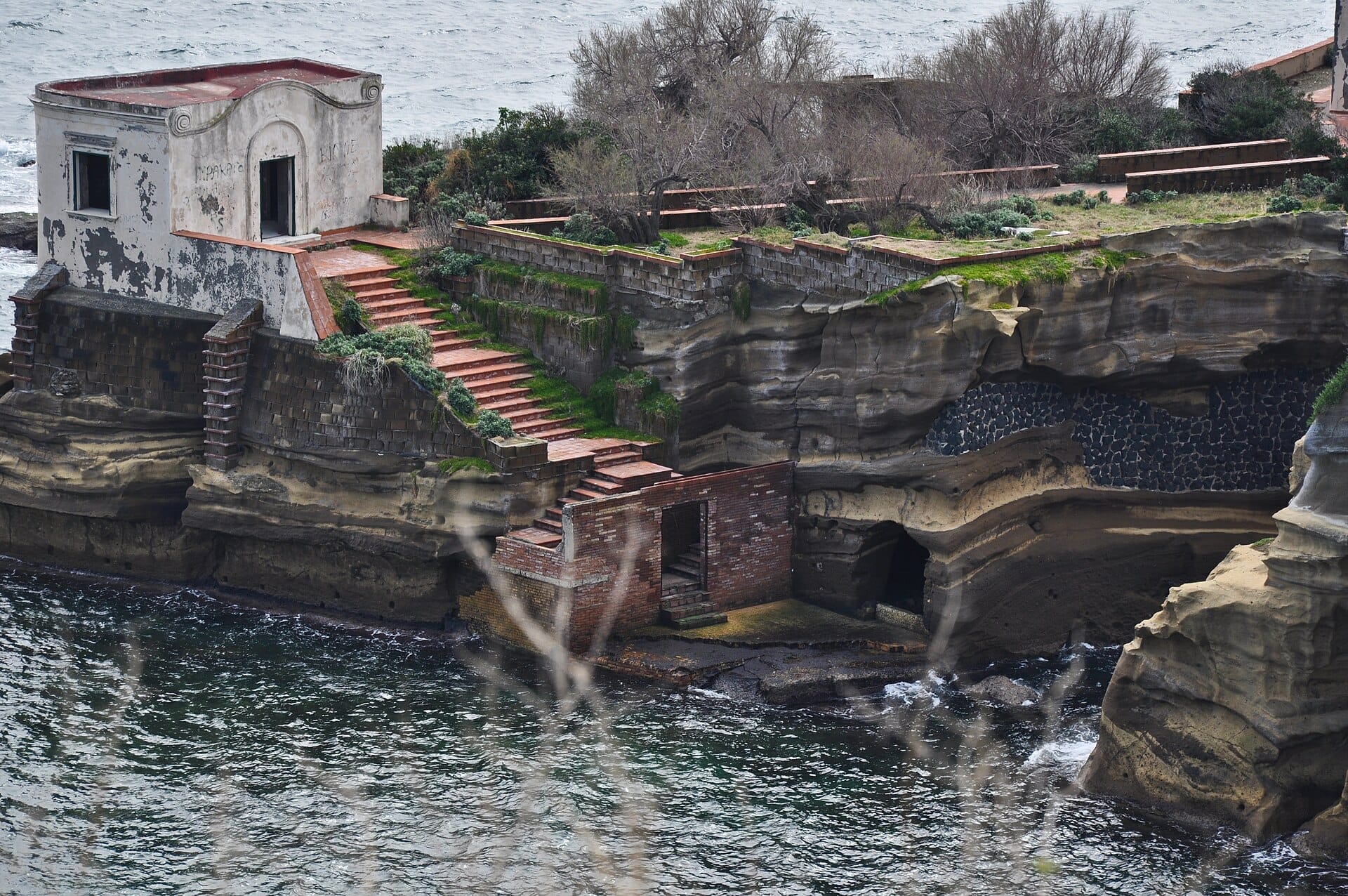
17. Explore Roman Ruins and Crystal Water at Posillipo's Secret Shore
The Parco Archeologico del Pausilypon combines Roman theater ruins, sea caves, and protected marine waters around Gaiola island into one remarkable coastal visit. Tours run on weekends and must be booked in advance. The snorkeling around Gaiola is exceptional.
Explore17. Explore Roman Ruins and Crystal Water at Posillipo's Secret Shore
The Parco Archeologico del Pausilypon combines Roman theater ruins, sea caves, and protected marine waters around Gaiola island into one remarkable coastal visit. Tours run on weekends and must be booked in advance. The snorkeling around Gaiola is exceptional.
Explore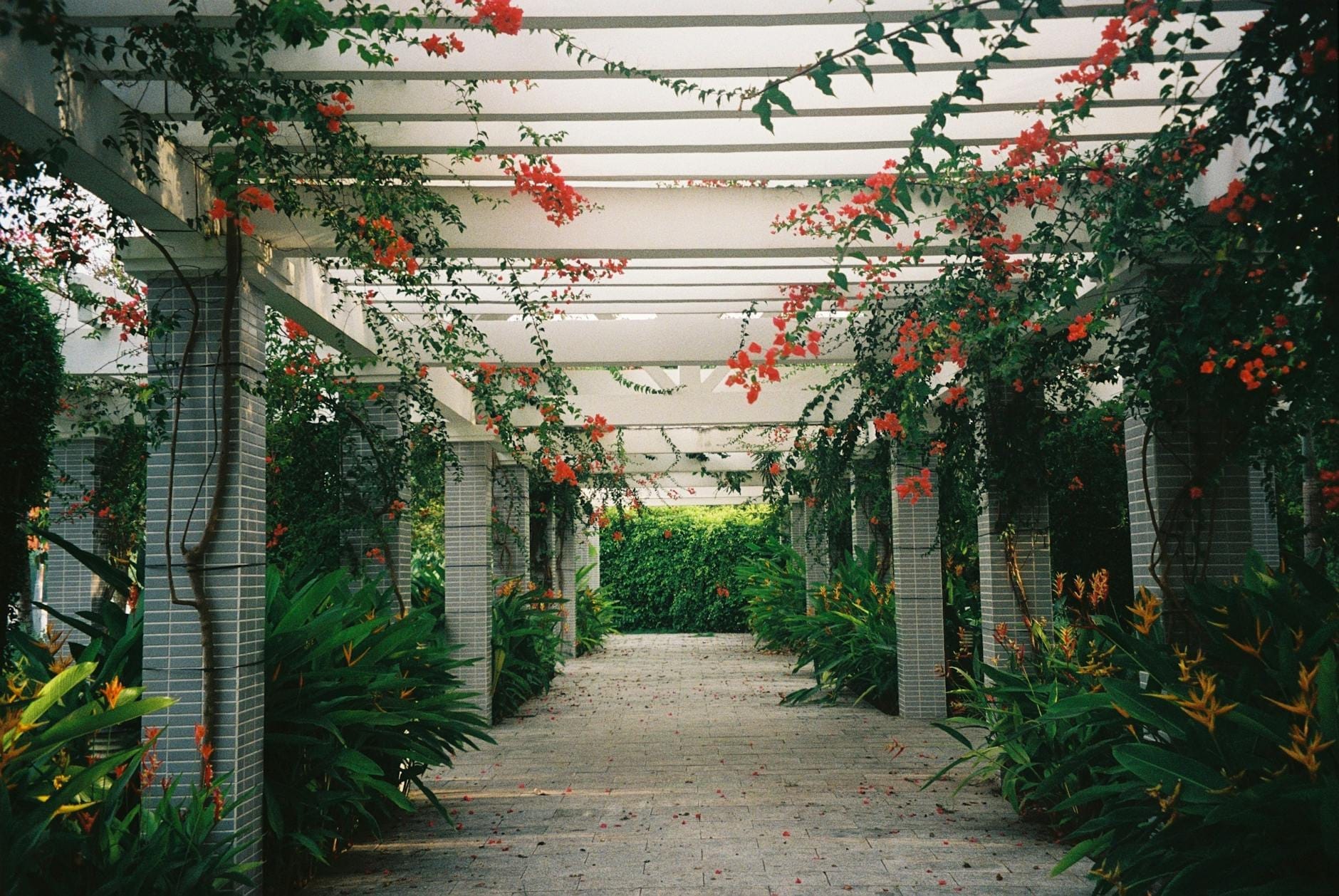
18. Escape the City Noise Inside a 15-Hectare Botanical Garden
Founded in 1807, Naples' Orto Botanico holds over 9,000 plant species and sits just north of the historic centre. On weekday mornings it's nearly empty. The contrast with the streets outside, which are some of the most intense in Europe, is startling and welcome.
Explore18. Escape the City Noise Inside a 15-Hectare Botanical Garden
Founded in 1807, Naples' Orto Botanico holds over 9,000 plant species and sits just north of the historic centre. On weekday mornings it's nearly empty. The contrast with the streets outside, which are some of the most intense in Europe, is startling and welcome.
Explore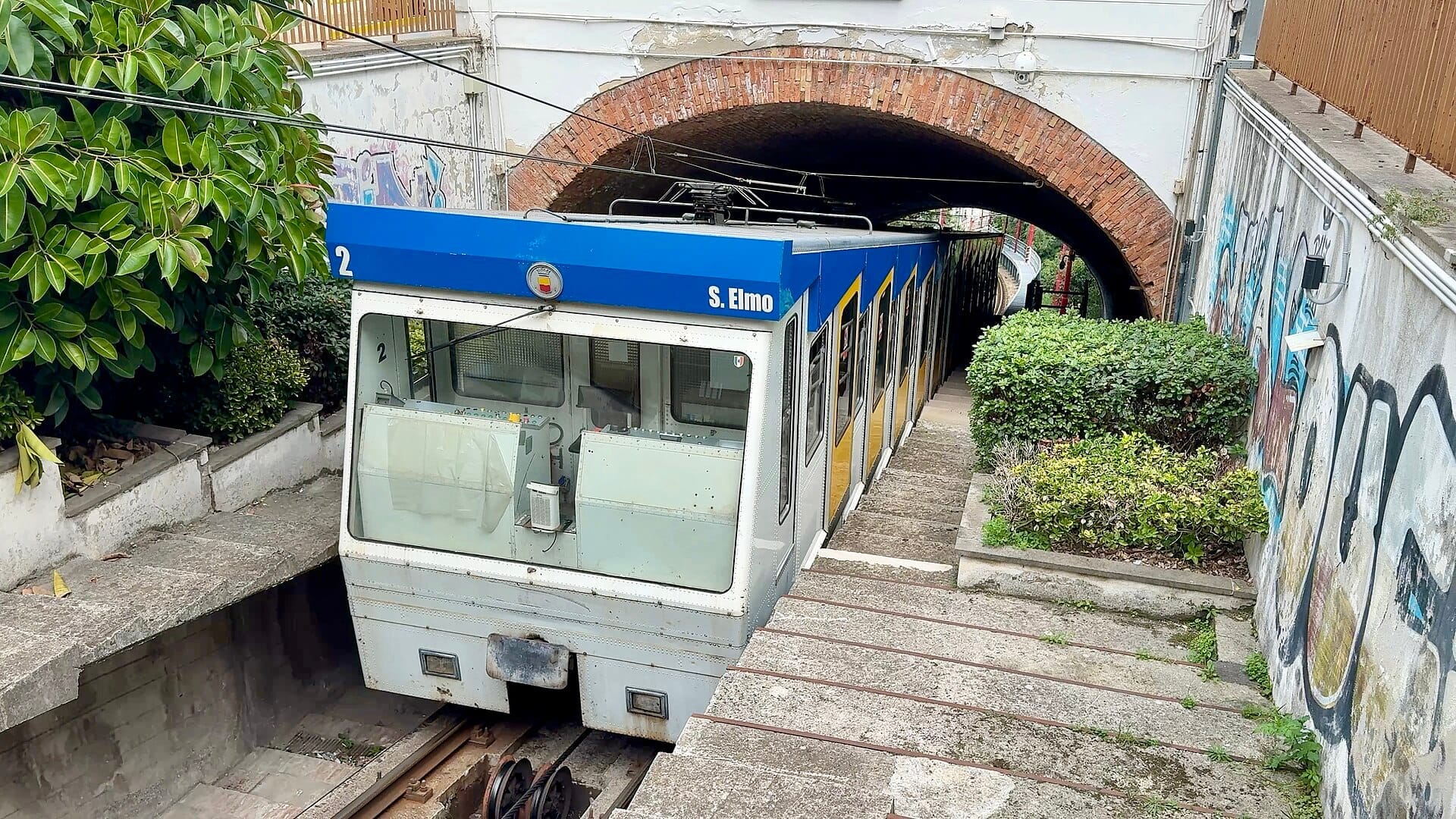
19. Ride a Historic Funicular Like a Neapolitan Commuter
Four funicular lines connect the lower city to the Vomero hill. Most tourists take them to reach Castel Sant'Elmo, but the ride itself is the experience: packed with schoolchildren, pensioners, and market shoppers. Use a regular transit ticket and just travel.
Explore19. Ride a Historic Funicular Like a Neapolitan Commuter
Four funicular lines connect the lower city to the Vomero hill. Most tourists take them to reach Castel Sant'Elmo, but the ride itself is the experience: packed with schoolchildren, pensioners, and market shoppers. Use a regular transit ticket and just travel.
ExploreOverlooked Institutions Worth Your Time

Naples has world-class institutions that consistently play second fiddle to bigger names. The Capodimonte museum, for instance, rivals any gallery in Rome but sees a fraction of the visitors. For a full breakdown of what the city's collections hold, our best museums in Naples guide is the place to start. The entries below focus on places that even regular Naples visitors often skip.
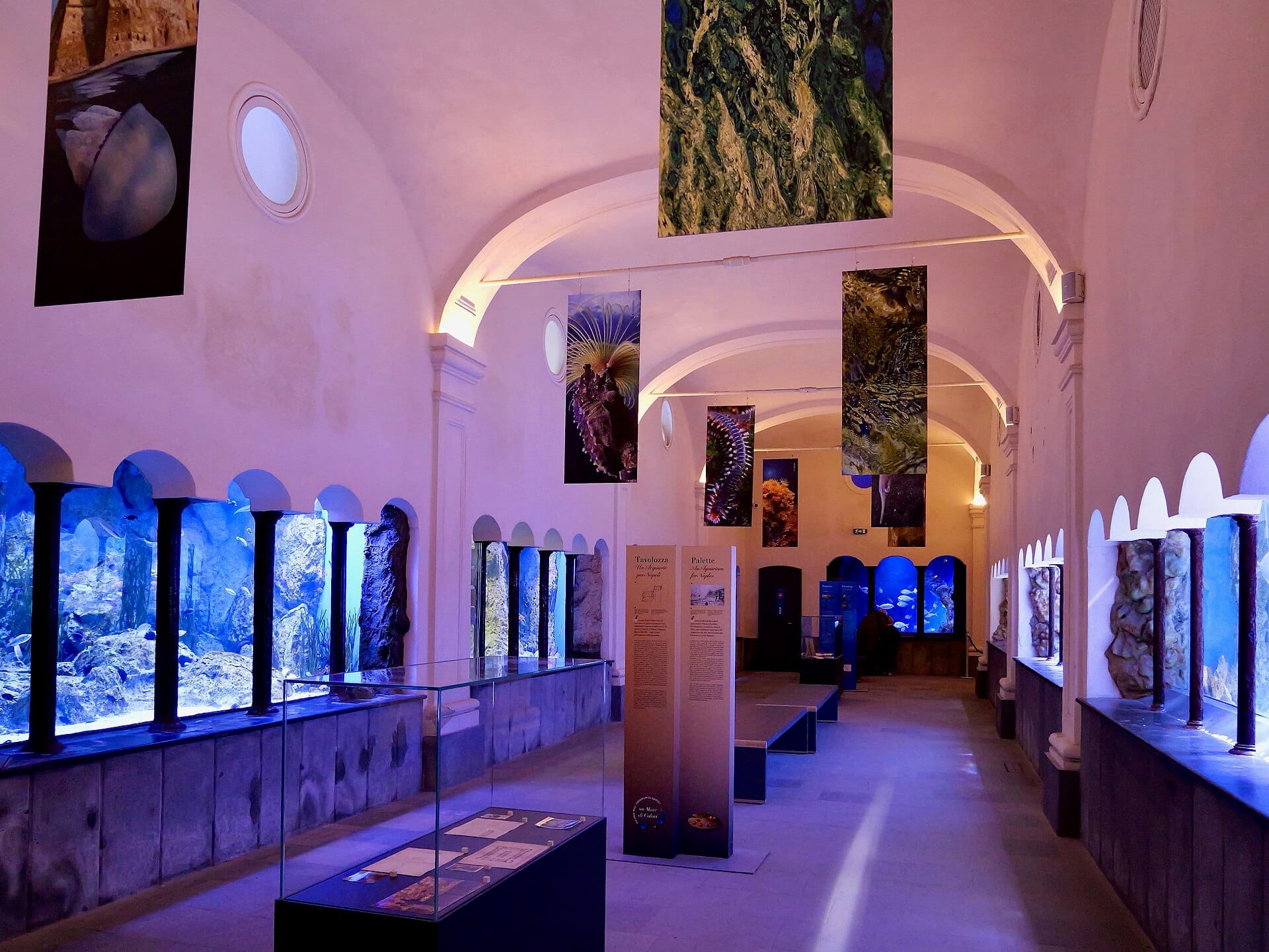
20. Visit Europe's Oldest Public Aquarium Inside a Victorian Villa
Founded in 1872 inside the Villa Comunale gardens, this aquarium displays Mediterranean marine life in beautiful antique tanks. The building itself is as interesting as the fish. It's a genuinely unusual experience that most travelers walk past on their Chiaia stroll.
Explore20. Visit Europe's Oldest Public Aquarium Inside a Victorian Villa
Founded in 1872 inside the Villa Comunale gardens, this aquarium displays Mediterranean marine life in beautiful antique tanks. The building itself is as interesting as the fish. It's a genuinely unusual experience that most travelers walk past on their Chiaia stroll.
Explore
21. See Caravaggio and Titian in an Empty Royal Palace Gallery
Capodimonte houses one of southern Italy's greatest art collections including major Caravaggios, Titians, and Raphaels, yet it draws only a fraction of the crowds that Rome's galleries face. The royal park surrounding it is free to enter and perfect for a picnic after.
Explore21. See Caravaggio and Titian in an Empty Royal Palace Gallery
Capodimonte houses one of southern Italy's greatest art collections including major Caravaggios, Titians, and Raphaels, yet it draws only a fraction of the crowds that Rome's galleries face. The royal park surrounding it is free to enter and perfect for a picnic after.
Explore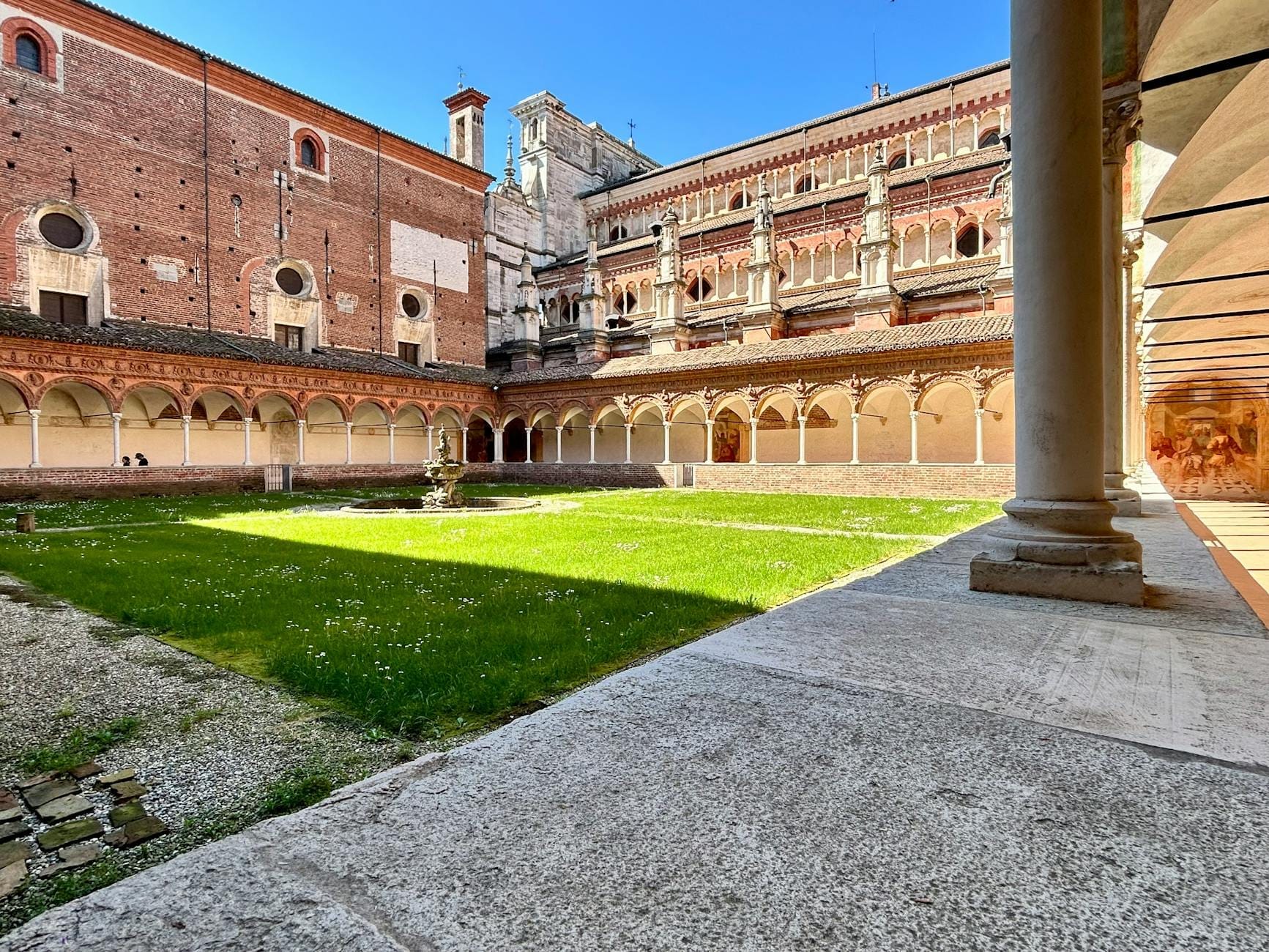
22. Explore a Baroque Monastery That Rivals Any Museum in Italy
San Martino's Carthusian monastery holds extraordinary Neapolitan paintings, the finest collection of presepi in existence, and sweeping city views from its terraces. It sits next to Castel Sant'Elmo but gets far fewer visitors. Budget at least two hours inside.
Explore22. Explore a Baroque Monastery That Rivals Any Museum in Italy
San Martino's Carthusian monastery holds extraordinary Neapolitan paintings, the finest collection of presepi in existence, and sweeping city views from its terraces. It sits next to Castel Sant'Elmo but gets far fewer visitors. Budget at least two hours inside.
ExploreFAQ
What are the most underrated things to do in Naples?
The Galleria Borbonica, Cimitero delle Fontanelle, Palazzo Zevallos Stigliano (for Caravaggio's final painting), and Parco Virgiliano in Posillipo consistently reward visitors who make the effort. All are central, affordable, and rarely overcrowded.
Is the Cimitero delle Fontanelle free to visit?
The Fontanelle Cemetery reopened with controlled access and mandatory booking after its long renovation closure. Current visiting hours are generally daytime only, with Wednesday closures and last entry before closing, but the safest approach is to reserve through the official site before building your Sanità itinerary around it.
How do I get to the hidden gems in the Posillipo area?
Posillipo is best reached by taxi, the 140 bus from Piazza Vittoria in Chiaia, or by boat from the Mergellina harbor. Parco Virgiliano and Palazzo Donn'Anna are both accessible without a car, though the Gaiola archaeological park requires a booked guided tour.
Are Naples' underground attractions suitable for claustrophobic visitors?
Napoli Sotterranea has some very narrow passages but offers a standard route. The Galleria Borbonica has a wide-path tour option that avoids tight spaces. The Catacombs of San Gennaro are spacious and comfortable for most visitors. Mention any concerns when booking.
When is the best time to visit Naples' hidden gems to avoid crowds?
Weekday mornings between April and June, or September and October, are ideal. July and August bring heat and more visitors, though underground sites stay cool year-round. The Fontanelle Cemetery and botanical garden are quietest outside of weekend afternoons.
Tickets & tours
Live prices and dates from our booking partner. If you book, we may earn a commission at no extra cost to you.
Planning a trip? Discover personalized activities with the Nomado app.