Villa Floridiana & Duca di Martina Museum: Naples' Quiet Hilltop Escape
Perched on the Vomero hill above Naples, Villa Floridiana combines a free neoclassical park with a world-class ceramics museum housing over 6,000 pieces. It's one of the few attractions in the city where you can sit on a bench overlooking the Bay of Naples without fighting a crowd.
Quick Facts
- Location
- Via Cimarosa 77, Vomero, Naples
- Getting There
- Funicolare Centrale or Chiaia to Vomero; bus lines to Via Cimarosa
- Time Needed
- 1.5 to 3 hours (park + museum)
- Cost
- Park free; Museum €2.50 (€1.25 reduced)
- Best for
- Culture lovers, families, photography, a peaceful afternoon
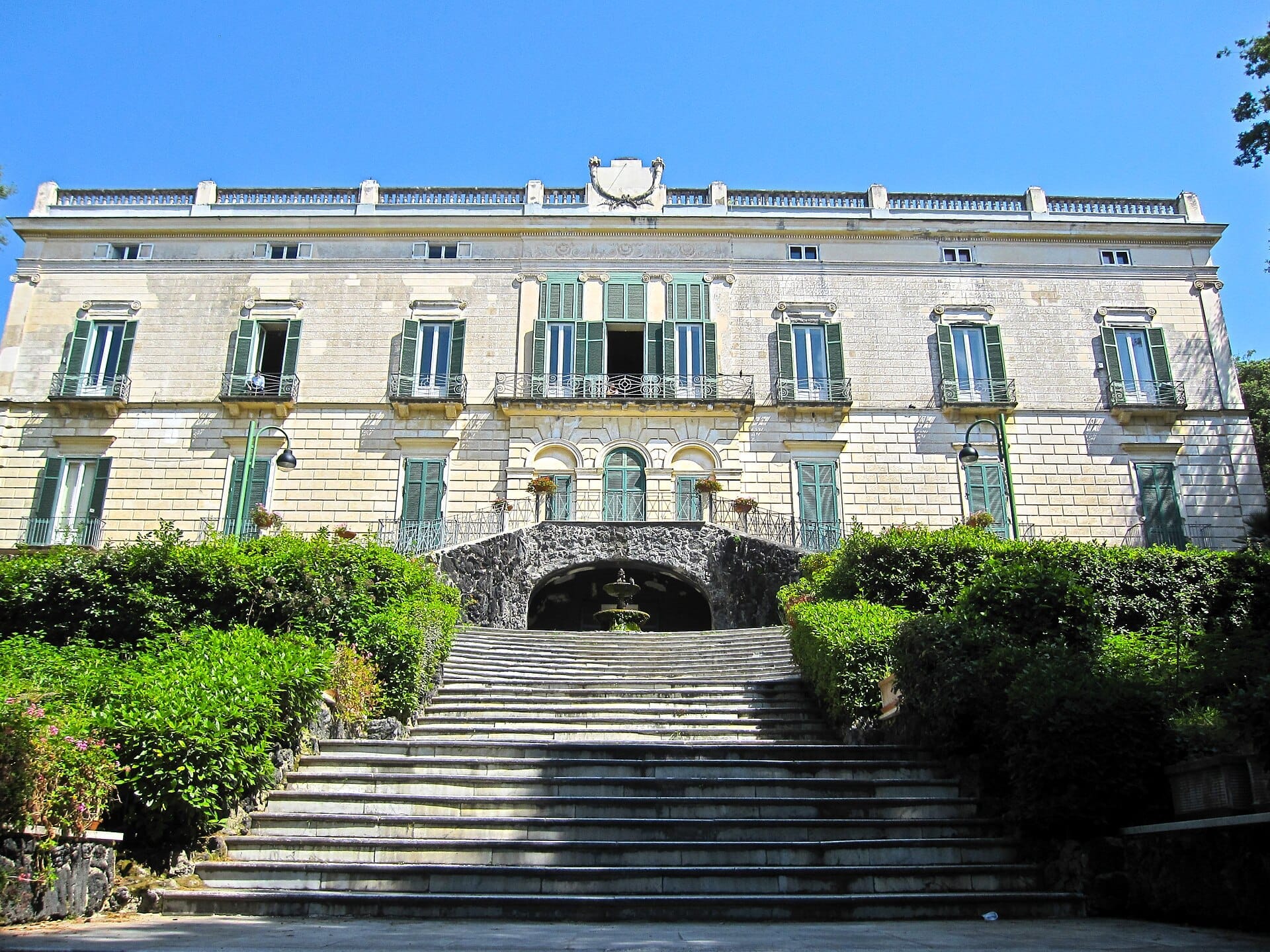
What Villa Floridiana Actually Is
The Museo Nazionale della Ceramica Duca di Martina sits inside Villa Floridiana, a neoclassical summer residence on the western slope of the Vomero hill. The surrounding park is free to enter, beautifully maintained, and offers some of the most quietly spectacular views of the Bay of Naples and the Castel dell'Ovo that you'll find anywhere in the city. The museum itself is a different kind of reward: a deep, specialist collection of more than 6,000 ceramic pieces spanning the 12th to 19th centuries, with a particular strength in European porcelain and East Asian export ware.
This is not a grand, overwhelming attraction. There are no hour-long queues, no souvenir stands blocking the entrance, no audio crowds competing with your thoughts. What it offers instead is a combination of green space, architectural elegance, and genuine cultural substance that most visitors to Naples miss entirely. That gap in awareness is its main advantage.
💡 Local tip
The park and museum have separate entrances and separate hours. The park opens at 8:30 am year-round. The museum opens at 8:30 am and closes at 2:00 pm, so plan the museum for the morning and the park for the afternoon.
The History Behind the Villa
The estate dates to the mid-18th century, but its defining chapter began in 1817 when Ferdinand I of Bourbon purchased it as a gift for his morganatic wife, Lucia Migliaccio, the Duchess of Floridia. It is from her title that the name 'Floridiana' derives. Ferdinand commissioned architect Antonio Niccolini to transform the property into a neoclassical complex between 1817 and 1826. Niccolini, who also designed the façade of the Teatro San Carlo, reshaped the villa with an English-style landscaped park and a refined white stucco exterior that still defines the property today.
After Lucia Migliaccio's death, the estate passed through various hands before the Italian state purchased it in 1919. The museum opened in the late 1920s and early 1930s with a collection donated by Placido de Sangro, Duke of Martina, whose name the institution still carries. De Sangro was a serious collector: his holdings included Meissen porcelain, Capodimonte pieces, Chinese and Japanese export ceramics, ivories, enamels, and Venetian glass. The collection is, by any measure, one of the most significant of its kind in southern Italy.
For broader context on Naples' museum landscape, the best museums in Naples guide places Villa Floridiana alongside the city's other major collections.
Tickets & tours
Live prices and dates from our booking partner. If you book, we may earn a commission at no extra cost to you.
Pompeii and Mount Vesuvius tour with transportation
From 110 €Instant confirmationFree cancellationOrigins and legends of Naples walking tour
From 28 €Instant confirmationFree cancellationGuided walking tour of Naples city and Naples underground
From 45 €Instant confirmationFree cancellationMount Vesuvius and Herculaneum tour with transportation
From 100 €Instant confirmationFree cancellation
The Park: What to Expect
The park covers several hectares of terraced gardens on a hillside, planted with mature trees, camellias, and lawns that slope toward open belvederes facing the sea. In the morning, the light comes from the east and catches the white villa façade directly. By early afternoon, the western exposure means the bay view from the upper terraces glows in full sun. Both are worth experiencing if you have the time.
On weekday mornings, the park is quiet enough that you'll hear birds and the occasional child on a school visit. On weekend afternoons, Neapolitan families treat it as a neighborhood garden: grandparents on benches, children running on the grass. Neither atmosphere is disruptive. The park has clear paths, well-maintained lawns, and benches placed at the better viewpoints. Comfortable shoes are sufficient; the terrain is sloped but not difficult.
Photography from the upper belvedere captures Posillipo to the left, the full arc of the bay, and on clear days, the profile of Vesuvius to the right. Early morning on weekdays is the best window for clean shots without other visitors in frame. The villa façade itself is best photographed from the lower lawn, where you get the full neoclassical composition against open sky.
The Vomero hill as a whole is worth exploring beyond this park. The nearby Certosa di San Martino and Castel Sant'Elmo are a short walk away and together make for a full day on the hilltop.
The Museum: A Specialist Collection Worth Your Time
The Duca di Martina Museum is housed inside the villa itself, across several rooms on the piano nobile. The lighting is traditional museum-style, the labeling is primarily in Italian, and the pace the collection demands is slow and attentive. This is not a museum for people who want to move quickly through a highlights reel. It rewards visitors who enjoy close looking.
The ceramics span an enormous geographic and chronological range. There are Chinese export pieces produced specifically for the European market, Japanese Arita and Imari ware, Meissen figurines, Sèvres porcelain, and a strong section of Italian production including Capodimonte. The ivories and enamels rooms are smaller but contain individually striking objects. Each room has a different character: some feel like a collector's cabinet, others have the orderly logic of a scholarly arrangement.
At €2.50 for a full ticket, the museum is not being adequately monetized, which means it also does not receive the visitor investment its quality deserves. The space is clean and properly maintained, but the interpretive experience is thin by international standards. Visitors who arrive with some background knowledge of European porcelain history will get more out of it. Those with none should not be discouraged: the visual quality of the objects carries itself.
⚠️ What to skip
Museum hours are limited. It opens 8:30 am to 2:00 pm daily, but hours can change seasonally or due to staffing. Verify current hours on the official site before visiting, especially on Mondays.
How to Get Here
The most practical route from central Naples is the funicular. The Funicolare Centrale departs from near Via Toledo and arrives at Piazza Fuga in Vomero; from there it is a short walk along Via Cimarosa to the villa entrance. The Funicolare di Chiaia, departing from near Piazza Amedeo, also terminates in Vomero and provides an alternative approach. Both run frequently and cost a standard ANM fare.
Several bus lines also serve Via Cimarosa directly. If you are already in Vomero visiting other sites, the villa is easily combined with Castel Sant'Elmo on foot. For a full guide to navigating the city's public transport, see getting around Naples.
The Vomero hill is considerably cooler than the historic centre in summer, which makes Villa Floridiana a sensible afternoon choice during July and August when lower Naples can feel oppressive. Bring water regardless of season, as there are no refreshment kiosks inside the park grounds.
Honest Assessment: Who This Suits and Who Should Move On
Villa Floridiana is an attraction with a narrow but devoted audience. If you enjoy decorative arts, European ceramic history, or peaceful garden walking with good views, this will feel like one of the better hours you spend in Naples. The combination of free park access and a low-cost specialist museum with almost no queuing is genuinely unusual.
If you are working through a tight itinerary with major sites still unchecked, this is probably not the right call. The archaeological museum, Cappella Sansevero, and Palazzo Reale all carry more immediate impact. Travelers with children will find the park space pleasant but the museum interiors too slow for young attention spans, unless children have a specific interest in objects and making.
Visitors on a restricted budget will appreciate that the park costs nothing. For more ideas at low or no cost across the city, the free things to do in Naples guide covers this well.
ℹ️ Good to know
Park hours: 8:30 am to 7:00 pm (April–October); 8:30 am to 5:15 pm (November–March). Museum admission: €2.50 standard, €1.25 reduced. Park entry is always free.
Insider Tips
- Arrive at the park shortly after 8:30 am on a weekday. The light on the bay is at its most photogenic, and you may have the upper belvedere entirely to yourself for the first hour.
- The museum's Japanese and Chinese ceramics rooms are consistently undervisited compared to the European porcelain sections. Spend extra time there if you want the quietest corners of the collection.
- Combine Villa Floridiana with Castel Sant'Elmo in a single Vomero morning. Both are within a ten-minute walk of each other and together represent the hill's best attractions without requiring a return trip.
- The camellias in the park bloom in late winter and early spring, typically February to March. The garden looks markedly different in this period compared to summer, and visitor numbers are at their lowest.
- The funicular is the most pleasant way up, but if you descend on foot via Via Morghen and the Petraio stairway, you get a rare view of the hillside's layered residential fabric that most visitors never see.
Who Is Villa Floridiana & Duca di Martina Museum For?
- Decorative arts and ceramics enthusiasts seeking a specialist collection without crowds
- Photographers looking for bay views with less competition than Posillipo or Castel Sant'Elmo terraces
- Travelers needing a slower-paced, shaded green space break from the historic centre
- Anyone combining a Vomero half-day with Certosa di San Martino and Castel Sant'Elmo
- Budget travelers wanting a genuine cultural experience at minimal cost
Nearby Attractions
Other things to see while in Vomero:
- Castel Sant'Elmo
Perched on Vomero Hill above the city, Castel Sant'Elmo is a star-shaped medieval fortress carved from volcanic tuff, offering some of the most complete panoramas in Naples. For a fraction of what most attractions charge, you get ancient ramparts, a contemporary art museum, and an unobstructed view of Vesuvius rising over the bay.
- Certosa di San Martino
Perched on the Vomero hill above Naples, the Certosa di San Martino is a 14th-century Carthusian monastery transformed into one of southern Italy's most rewarding museums. Between its gilded church, serene cloisters, and a terrace view that sweeps from Vesuvius to Capri, it earns far more attention than most visitors give it.
- Naples Funiculars
Naples operates four historic funiculars as part of its everyday public transport network, linking the seafront and historic centre to the hilltop neighbourhood of Vomero. Riding them costs the same as a bus ticket and delivers views that most visitors completely overlook.
Planning a trip? Discover personalized activities with the Nomado app.