Is Naples Safe? The Honest Guide to Safety Tips & Scams to Avoid
Naples Italy has a reputation that outpaces its reality. Petty crime exists, but with the right awareness you can explore freely. This guide covers the neighborhoods to know, the scams actually targeting tourists, and the practical habits that make the difference.
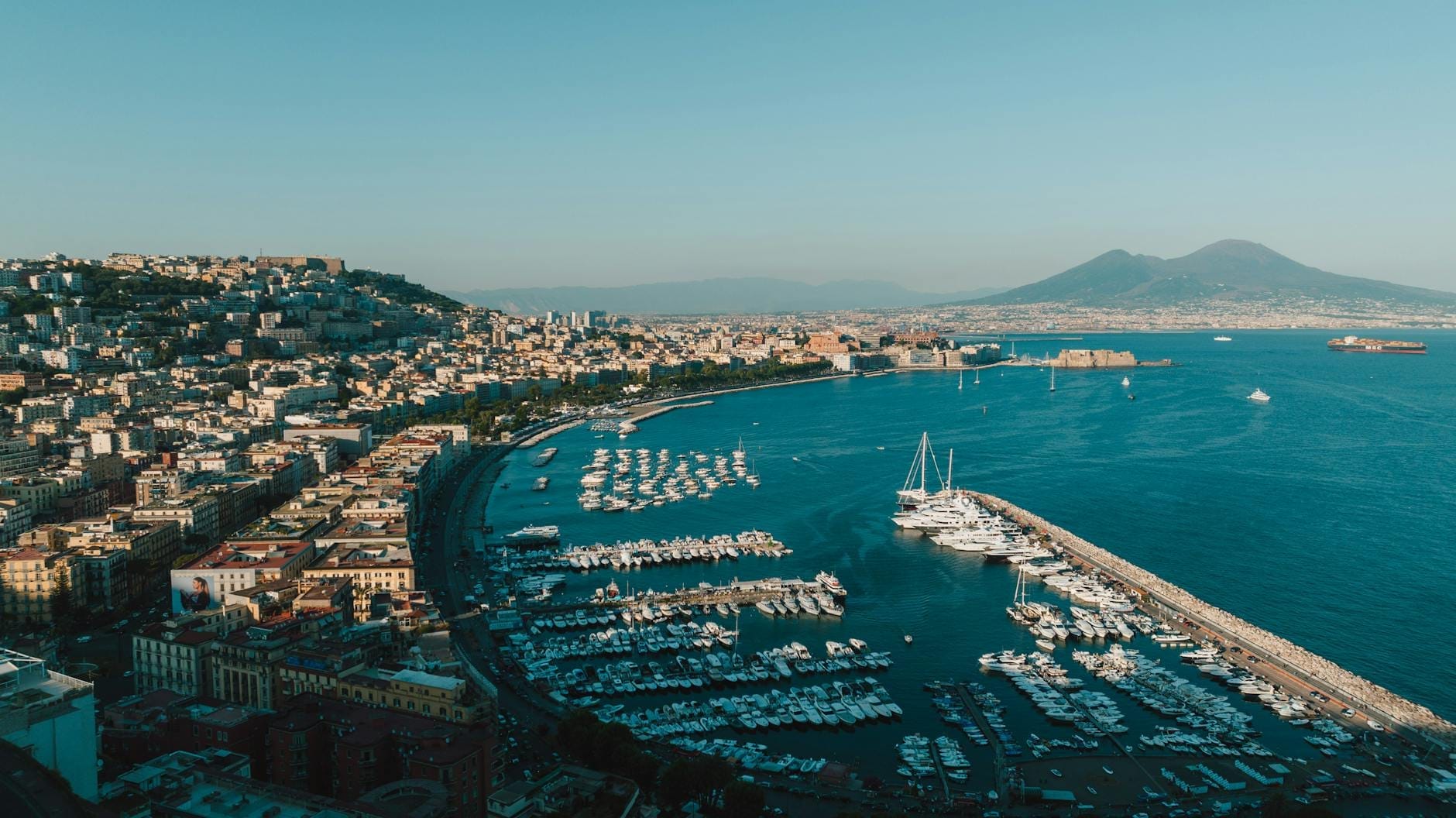
Tickets & tours
Live prices and dates from our booking partner. If you book, we may earn a commission at no extra cost to you.
TL;DR
- Naples is safe for tourists who stay alert. Violent crime against visitors is rare; pickpocketing is the main real risk.
- Stick to well-traveled districts like Chiaia, Vomero, and the central historic core during the day. Avoid Scampia, Secondigliano, and Forcella after dark.
- Common scams: bracelet sellers, clipboard petitions, overcharging taxis, and distraction theft. All are avoidable with simple habits.
- Carry minimal cash (around €50-60 max), use a front-worn crossbody bag, and buy transport tickets from machines, not strangers.
- Pickpocketing peaks in summer and during major festivals. Read the full San Gennaro Festival guide for crowd-specific tips.
The Real Safety Picture in Naples Italy
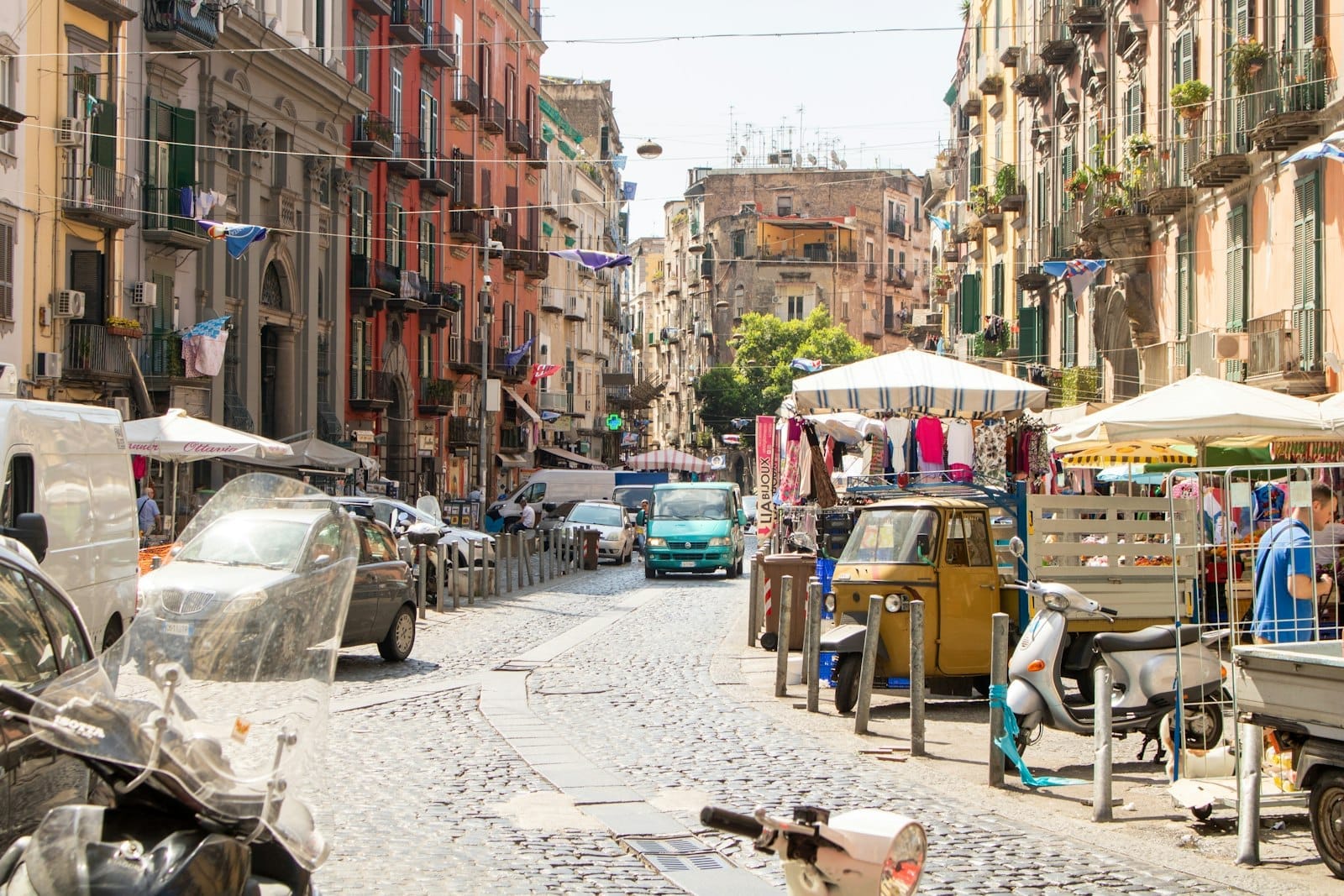
The question 'is Naples safe?' gets asked constantly, and it deserves a straight answer: yes, for the overwhelming majority of tourists, Naples is safe. The city's reputation for danger is decades old and was built largely on stories about the Camorra, the local organized crime network. What tourists actually encounter is a different category of risk entirely: opportunistic theft, not anything more sinister.
Violent crime targeting tourists is genuinely rare. The real concern is pickpocketing and bag snatching, which happen in crowded transit zones, markets, and the narrow alleys of the historic center. Understanding this distinction is useful: Naples is not a city where you need to fear confrontation, but it is one where you need to pay attention to your belongings in the same way you would in Barcelona, Rome, or Marseille.
Context matters here. Naples is a city of nearly one million people with deep poverty in certain outer districts. The historic center and waterfront areas see heavy tourist traffic and have visible police presence. The risks in those zones are manageable with basic precautions. It's when tourists wander without purpose into unfamiliar outer neighborhoods that situations can become uncomfortable.
ℹ️ Good to know
Emergency number in Italy: 112 (EU-wide, works from any phone). Country dialing code: +39. Naples police (Polizia di Stato) also operate a tourist assistance line. The Naples city authority website (comune.napoli.it) publishes official taxi rates.
Neighborhoods: Where to Go, Where to Be Careful
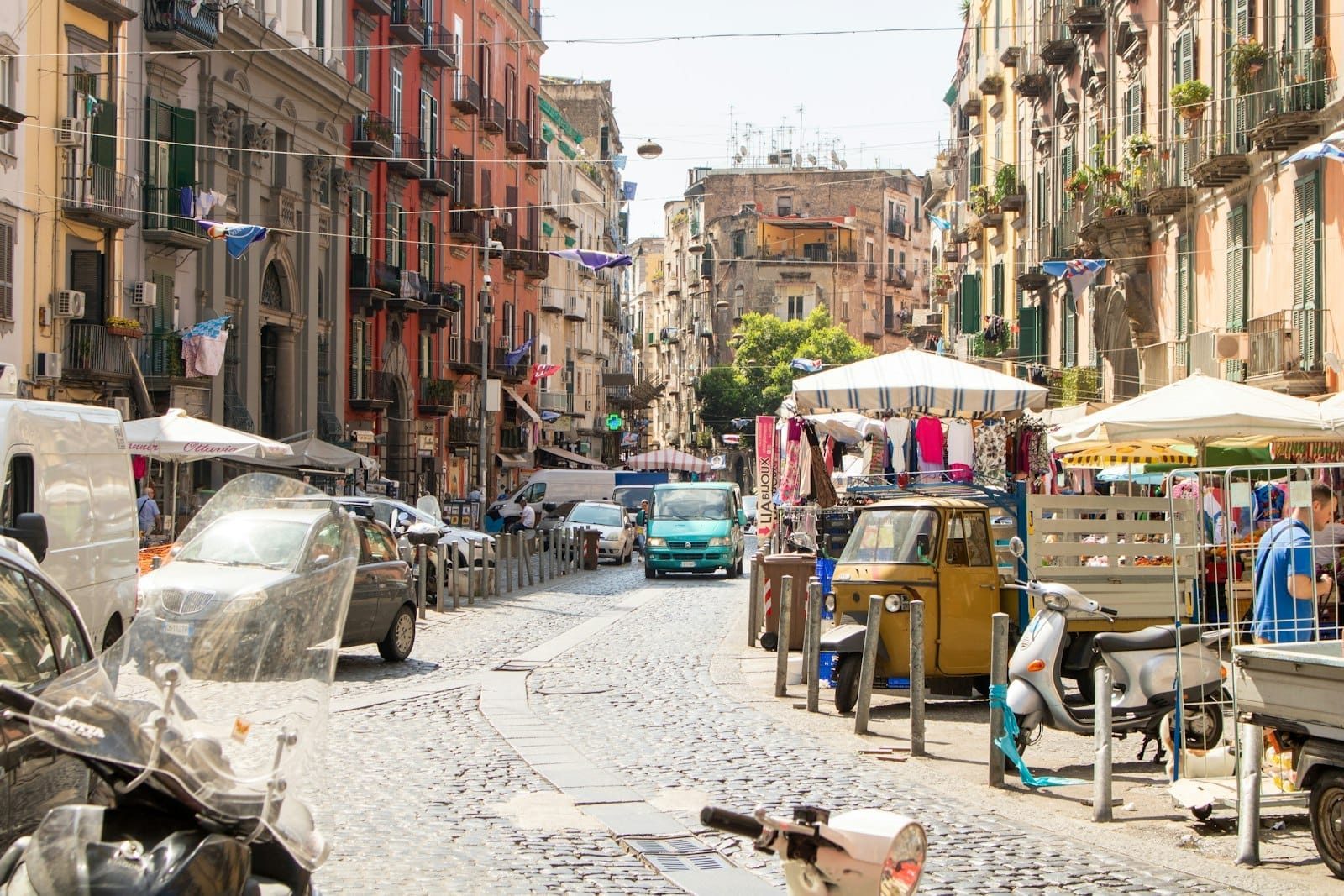
Not all of Naples operates at the same risk level. The tourist circuit, which covers roughly 80% of what visitors actually want to see, is generally fine during daylight and early evening. The trouble spots are mostly peripheral districts that have no particular draw for visitors.
- Chiaia and Posillipo Upscale waterfront districts. Very low risk at all hours. Good restaurants, the Villa Comunale gardens, and the seafront promenade. Comfortable for solo travelers at night.
- Vomero Hilltop residential area, calm and well-lit. Excellent for evening strolls around Castel Sant'Elmo and the Certosa di San Martino. Reached easily by funicular.
- Centro Storico and Spaccanapoli The main historic streets are safe during the day and lively early evenings. Stay alert to your pockets in market crowds and around the major church squares. After 11pm, the alleys thin out quickly.
- Piazza Garibaldi and Napoli Centrale Station The highest-risk zone tourists routinely pass through. The area around the main train station has concentrated pickpocket activity, especially on the platforms and the square itself. Do not linger; get where you're going.
- Quartieri Spagnoli (Spanish Quarter) Feels intimidating but is less dangerous than its reputation suggests, particularly around the well-traveled Maradona mural streets. Stick to main alleys and avoid deserted side streets after dark.
- Scampia, Secondigliano, Forcella (at night) These districts have the highest concentration of petty and organized crime. There is no tourist reason to visit Scampia or Secondigliano. Forcella, near the historic center, is fine during the day but genuinely uncomfortable at night.
⚠️ What to skip
The Pignasecca market area and streets immediately around Piazza Garibaldi see the highest concentration of pickpocket incidents reported by tourists. Keep bags zipped and in front of you whenever you're in these zones, regardless of the time of day.
Common Scams in Naples and How to Shut Them Down
Naples-specific scams are less elaborate than what you find in some other European capitals. Most rely on distraction or social pressure rather than technical deception. Knowing what to expect means you can dismiss them without anxiety.
- Bracelet and rose sellers Someone ties a bracelet on your wrist or hands you a rose before you can object, then demands payment. Solution: keep your hands in your pockets, say 'no grazie' firmly, and keep walking. If something gets placed on you, hand it back or drop it and leave. You owe nothing.
- Clipboard petition groups People approach with clipboards asking for signatures on petitions, sometimes accompanied by children. While you're distracted signing, an accomplice lifts your wallet or phone. Ignore completely. Do not slow down or make eye contact.
- Taxi overcharging The fixed fare from Capodichino Airport (Naples International Airport, IATA: NAP) to the city center is officially set at around €25 for up to four passengers. Some drivers will quote far higher if you don't ask upfront. Confirm the fixed rate before getting in, or use the Alibus shuttle (around €5 to Piazza Garibaldi) as an alternative.
- Distraction theft at street performances Street performers in busy piazzas draw crowds, and pickpockets work the edges of those crowds. You are not being scammed by the performer, but your attention is being harvested. Keep a hand on your bag whenever you stop to watch anything.
- Unofficial tour guides Around major attractions, individuals will offer to guide you in, claim tickets are sold out, or say the entrance has moved. Always go directly to the official entrance. Book tickets in advance for popular sites where queues genuinely form.
- Restaurant menu switching Less common than in Rome, but it happens: a laminated menu shows one price and the bill reflects another. Check prices before ordering, particularly for seafood dishes sold by weight. If you see 'prezzo da stabilire' (price to be agreed), ask for clarification.
One important clarification: most people who approach you on the street are not scammers. Neapolitans are genuinely sociable, and unsolicited conversation is part of the culture. The distinction is usually clear: legitimate interactions don't involve pressure, physical contact, or requests for money. For a broader read on how to use the city smartly, the getting around Naples guide covers transport options including which ticket types to buy and where.
Practical Safety Habits That Actually Make a Difference
Most tourists who have problems in Naples did one of three things: carried an open bag, used a phone conspicuously in crowded spaces, or wandered without a plan in unfamiliar areas after midnight. These are not complicated mistakes, which means they're easy to avoid.
- Use a crossbody bag worn in front, or a money belt. Back pockets and open-top totes are the easiest targets.
- Carry around €50-60 in cash maximum. Keep one card separately from your wallet in case of theft.
- You are legally required to carry ID in Italy. A passport photocopy usually satisfies this requirement for daily use; keep the original secured at your accommodation.
- Buy metro and bus tickets from vending machines at stations, not from individuals on the street or at the platform. Fake transport tickets circulate occasionally.
- Use metered or app-based taxis (Free Now, Uber, and IT Taxi all operate in Naples). Avoid unmarked cars offering rides outside the airport or station.
- If you're using Google Maps while walking, pull over to a doorway or a cafe. Standing at an intersection with a phone out is an invitation.
- At restaurants with outdoor seating, loop your bag strap around a chair leg rather than hanging it from the back.
✨ Pro tip
Motorcycle bag snatching ('scippo') is less common than it was 20 years ago but still occurs on quieter streets. If you're carrying a shoulder bag, keep it on the wall side of the pavement rather than the road side. This alone eliminates the most common mechanism of this type of theft.
Seasonal Safety Considerations
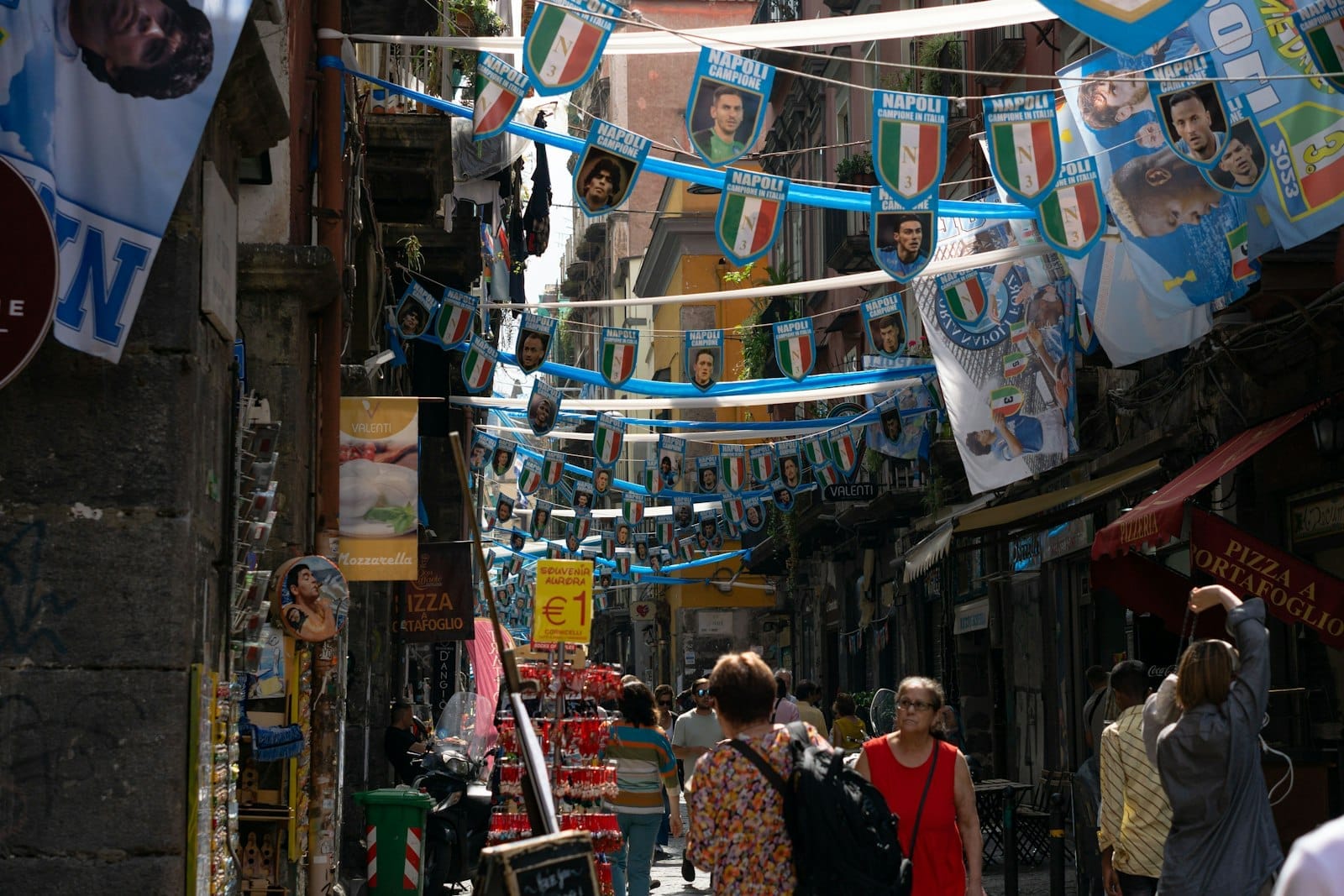
Pickpocket risk in Naples tracks directly with crowd density, which means summer months (June through August) and major festival periods carry higher risk. The city hosts several large street events throughout the year: the Feast of San Gennaro in September draws enormous crowds through the historic center, Carnevale in February packs the piazzas, and the summer period brings sustained tourist saturation. According to security data, pickpocketing peaks between 1 and 3 in the morning in specific high-risk zones.
On busy public transport, particularly Line 1 of the metro and the buses connecting the station to the waterfront, pickpockets work in teams. One person blocks the door, another lifts wallets or belongings during the confusion of boarding. The tactic is old and effective. If a packed bus feels deliberately chaotic at the door, step back and wait for the next one. For timing your visit to balance weather, crowds, and safety, the best time to visit Naples guide breaks down each month in detail.
Winter months (November through February) see far fewer tourists and correspondingly less opportunistic crime in the main tourist zones. The historic center is quieter, the transport less crowded, and the overall atmosphere more relaxed. If safety is a genuine concern for you, late autumn or late winter is when Naples is at its most low-key.
💡 Local tip
Naples's best-traveled neighborhoods are genuinely safer earlier in the evening than late at night. Aim to be back in your accommodation or in a restaurant by midnight if you're unfamiliar with the local geography. The city's nightlife does extend later, but it concentrates in specific areas like Chiaia and Piazza Bellini, which are easy to navigate once you know them.
Correcting the Misconceptions
The Camorra is real. It is Naples's version of organized crime, and it has a documented history in the city. However, it does not target tourists. Its activities are economic and territorial, focused on local business, construction, and narcotics distribution. Tourists are not a relevant variable in its operations. Conflating organized crime with tourist safety is a category error that distorts the actual risk picture.
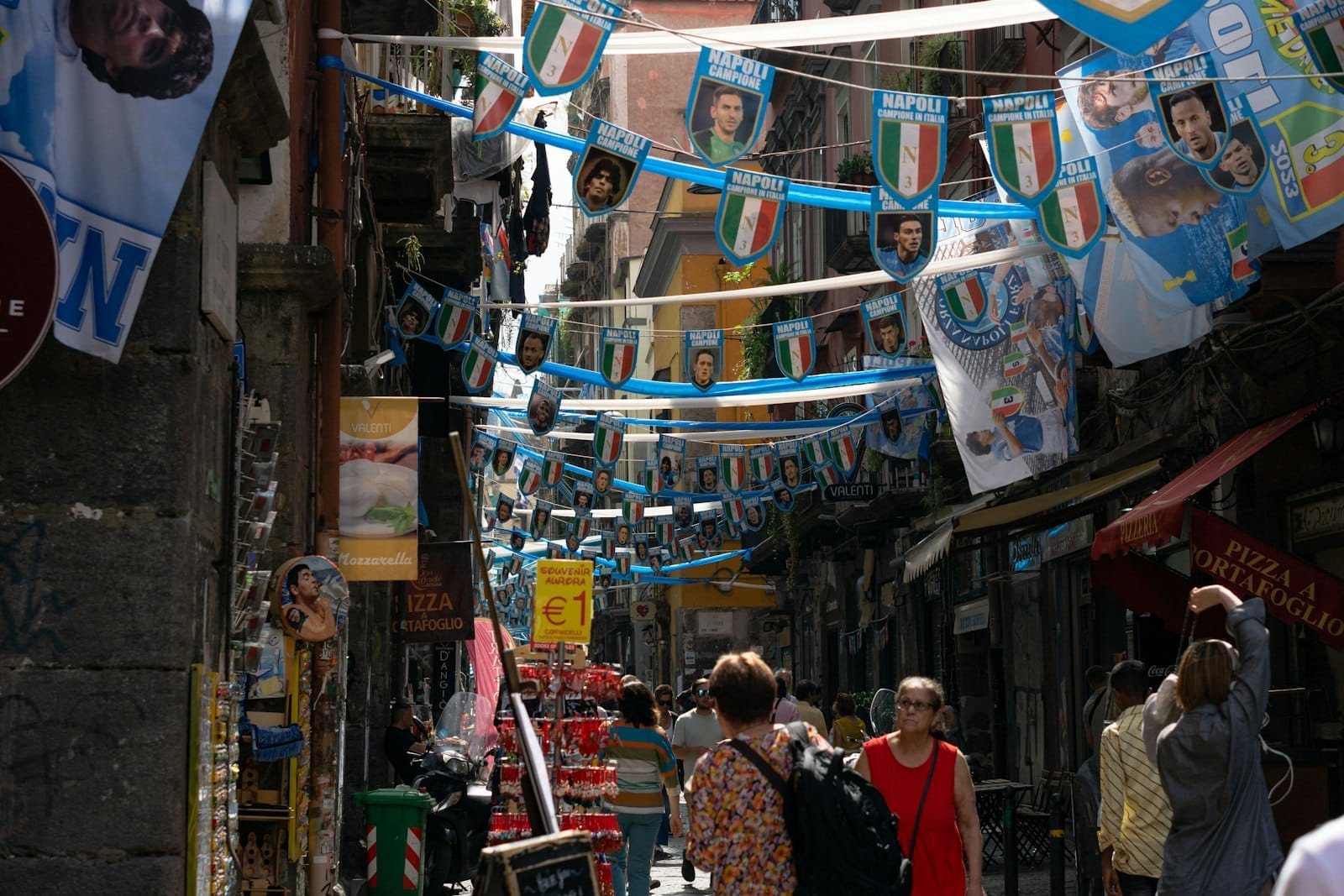
Similarly, the Quartieri Spagnoli, the Spanish Quarter, looks intimidating on first impression: narrow alleys, laundry strung between buildings, scooters threading through crowds. But it's also home to some of the city's best trattorias, the famous Maradona murals, and residents who largely get on with their lives. Treating it as a no-go zone means missing one of the most characterful parts of the city for no real reason.
The overall consensus on traveler forums and from experienced Naples visitors is consistent: the city's danger is significantly overstated, and the specific risks that do exist are manageable. Travelers who approach Naples with the same attentiveness they'd bring to any large southern European city, and take time to explore its lesser-known corners, come away with the opposite of the experience they feared.
FAQ
Is Naples Italy safe for solo female travelers?
Yes, with the same precautions that apply everywhere in southern Italy. Catcalling can occur, particularly in the historic center and around the station, and is best handled by ignoring it completely. Stick to well-lit, populated streets after dark, especially in unfamiliar neighborhoods. Chiaia, Vomero, and the main historic streets are comfortable for solo women in the evening. Forcella and the Piazza Garibaldi area are better avoided alone at night.
What is the most common crime against tourists in Naples?
Pickpocketing is by far the most frequently reported crime against tourists. It concentrates around Piazza Garibaldi, Napoli Centrale station, crowded metro and bus routes, and major tourist attractions in the historic center. Bag snatching from motorcycles is less common than historically but still occurs on quieter streets.
Is the Naples metro safe to use?
The metro is safe and is the recommended way to travel between major areas. Line 1 connects the historic center, the waterfront, and Vomero. The stations themselves are clean and well-staffed. The main risk is pickpocketing on crowded trains during peak hours. Keep bags in front and avoid displaying phones or cameras in crowded carriages.
Should I avoid the Spanish Quarter in Naples?
No. The Quartieri Spagnoli is safe for tourists during daylight and early evening. Its reputation is more atmospheric than genuinely dangerous. Stick to the main alleys (Via Toledo runs along its edge and is always busy), avoid very narrow unlighted side streets late at night, and you will have no problems. Some of the city's most authentic food and street life is concentrated there.
What is the fixed taxi fare from Naples airport to the city center?
The officially fixed rate from Capodichino Airport (Naples International Airport, code NAP) to the city center is around €25 for up to four passengers with standard luggage. Always confirm the fixed-rate fare before entering the vehicle. Alternatively, the Alibus shuttle runs directly to Piazza Garibaldi for around €5, with a journey time of roughly 15-30 minutes depending on traffic.
Tickets & tours
Live prices and dates from our booking partner. If you book, we may earn a commission at no extra cost to you.
Planning a trip? Discover personalized activities with the Nomado app.