Is Naples Worth Visiting? An Honest Assessment for 2026
Naples is one of Italy's most debated destinations: raw, overwhelming, and unlike anywhere else in the country. This guide cuts through the clichés to give you a clear-eyed look at what Naples actually offers, who it suits, and whether it deserves a place on your itinerary.
Tickets & tours
Live prices and dates from our booking partner. If you book, we may earn a commission at no extra cost to you.
TL;DR
- Yes, Naples is worth visiting — but it rewards travelers who come prepared rather than those expecting a polished tourist circuit.
- The historic centre is a UNESCO World Heritage site with hundreds of historic churches, world-class museums, and the best pizza on the planet — see what to do in Naples for a full breakdown.
- Petty theft exists, but crime is widely overstated. Milan and Rome have comparable or worse pickpocket statistics in tourist areas.
- Spring (April-May) and early autumn (September-October) are the best times to visit for manageable heat and thinner crowds.
- Naples is the ideal base for day trips to Pompeii, Herculaneum, and the Amalfi Coast — few cities in southern Europe offer this range within 90 minutes.
What Naples Actually Looks Like on the Ground
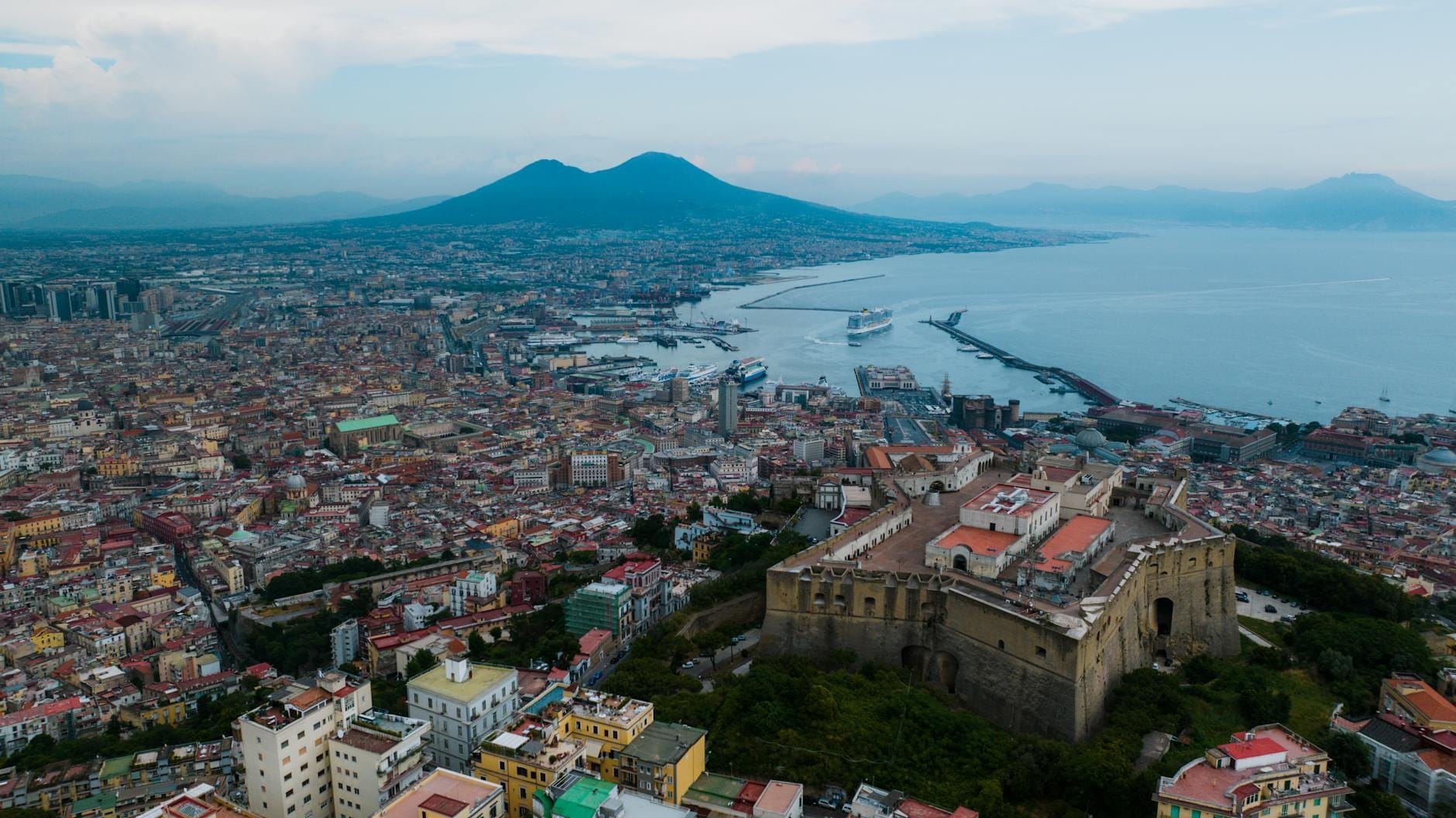
Naples (Napoli in Italian) is the regional capital of Campania and the third-largest city in Italy, with roughly 908,000 people in the city proper and over 3 million in the metropolitan area. It sits on the Bay of Naples, pinched between Mount Vesuvius to the east and the volcanic Campi Flegrei caldera to the northwest — a geography that shaped everything from its history to its cuisine.
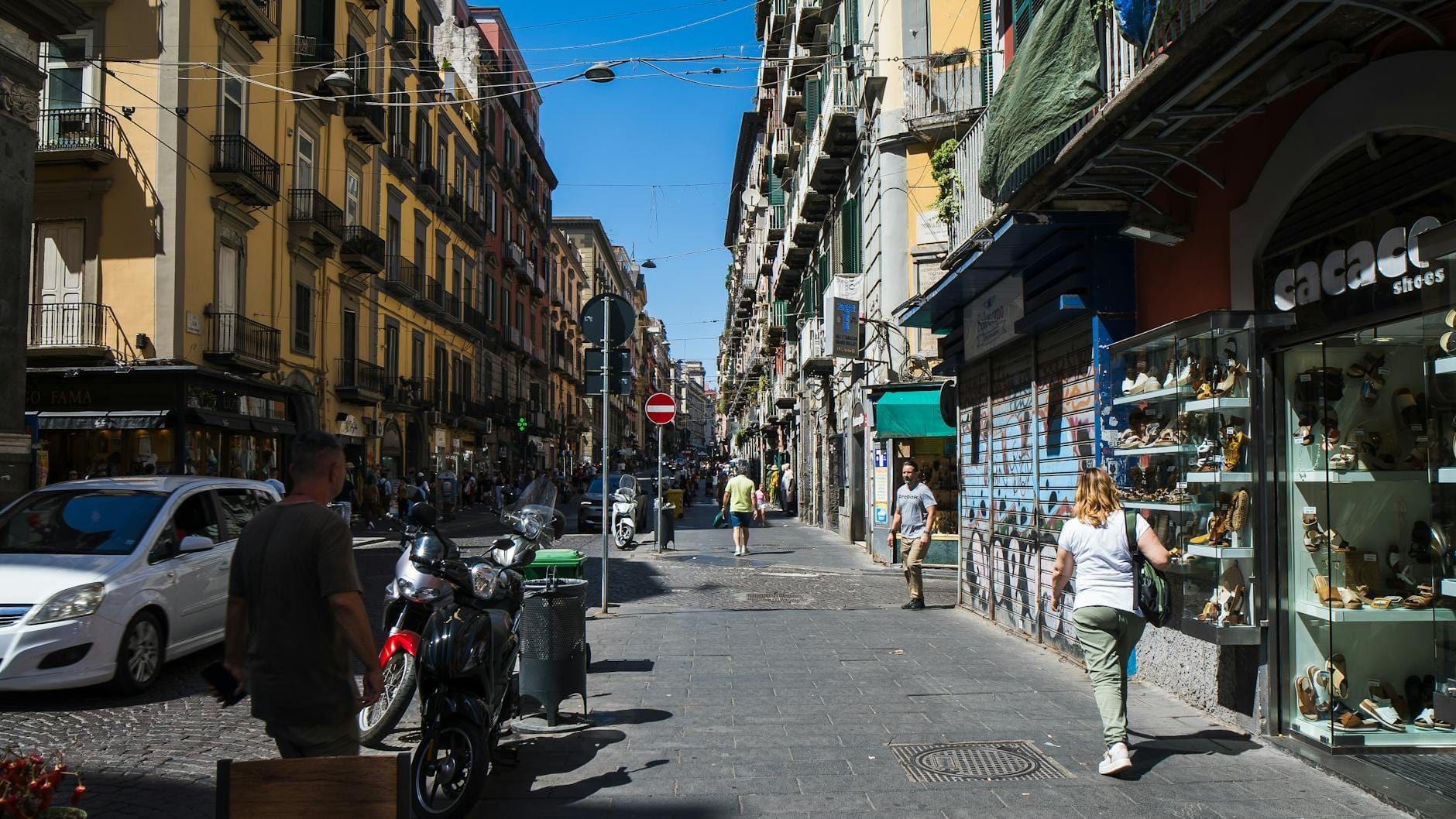
The city is loud, densely layered, and does not try to impress you with cleanliness or order. The historic centre follows a Greek street grid laid down by the city of Neapolis in the 4th century BC — still visible today in the tight parallel lanes of Spaccanapoli. This is not Rome, with its grand piazzas and tourist-friendly signage. Naples is a working city that happens to contain extraordinary things.
First-time visitors often arrive expecting something between Rome and Sorrento, then get a jolt of scooters on the pavement, laundry strung between palazzi, and street food vendors operating out of unmarked doorways. That reaction — somewhere between delight and mild panic — is normal. Give it 24 hours and most people are converted.
ℹ️ Good to know
Naples has a Mediterranean climate: summers average 25-30°C and can feel significantly hotter in the narrow streets of the centro storico. Winters are mild at 8-14°C, rarely requiring more than a jacket. Rain peaks between November and February.
The Case For: Why Naples Is Worth Your Time

The strongest argument for Naples is density. Within the UNESCO-listed historic centre, you have more significant monuments per block than almost any city in Italy. The city has hundreds of historic churches, from vast Gothic basilicas to tiny chapels hidden behind ordinary street fronts. The Duomo houses what is claimed to be the liquefied blood of San Gennaro, patron saint of the city. The Cappella Sansevero contains Giuseppe Sanmartino's Veiled Christ, a marble sculpture so technically precise that tour guides still have to reassure visitors it is not actual cloth.
The Naples National Archaeological Museum holds the largest collection of Greco-Roman artefacts in the world, including mosaics and frescoes excavated directly from Pompeii. The Museo di Capodimonte contains Titian, Caravaggio, and Raphael in a royal palace surrounded by a public park — yet it sees a fraction of the queues you'd face at the Uffizi.
Then there is the food. Naples is the city that invented pizza as we know it, and the version you get here — thin, charred, slightly soupy in the centre from San Marzano tomatoes and fior di latte — is objectively different from what is sold under the same name everywhere else. A margherita at a solid local pizzeria costs around €5-8. Street food includes fried pizza, cuoppo (paper cone of fried seafood or vegetables), and sfogliatella pastry — all available for under €3.
- World-class art at low queue cost Cappella Sansevero, the Archaeological Museum, and Capodimonte are genuine masterpiece collections. Admission ranges from free (first Sunday of the month at state museums) to around €15-20.
- Unmatched day-trip access Pompeii is 40 minutes by Circumvesuviana train from Naples Centrale (around €3 each way). Herculaneum is 20 minutes. The Amalfi Coast, Capri, and Ischia are reachable by ferry from the port.
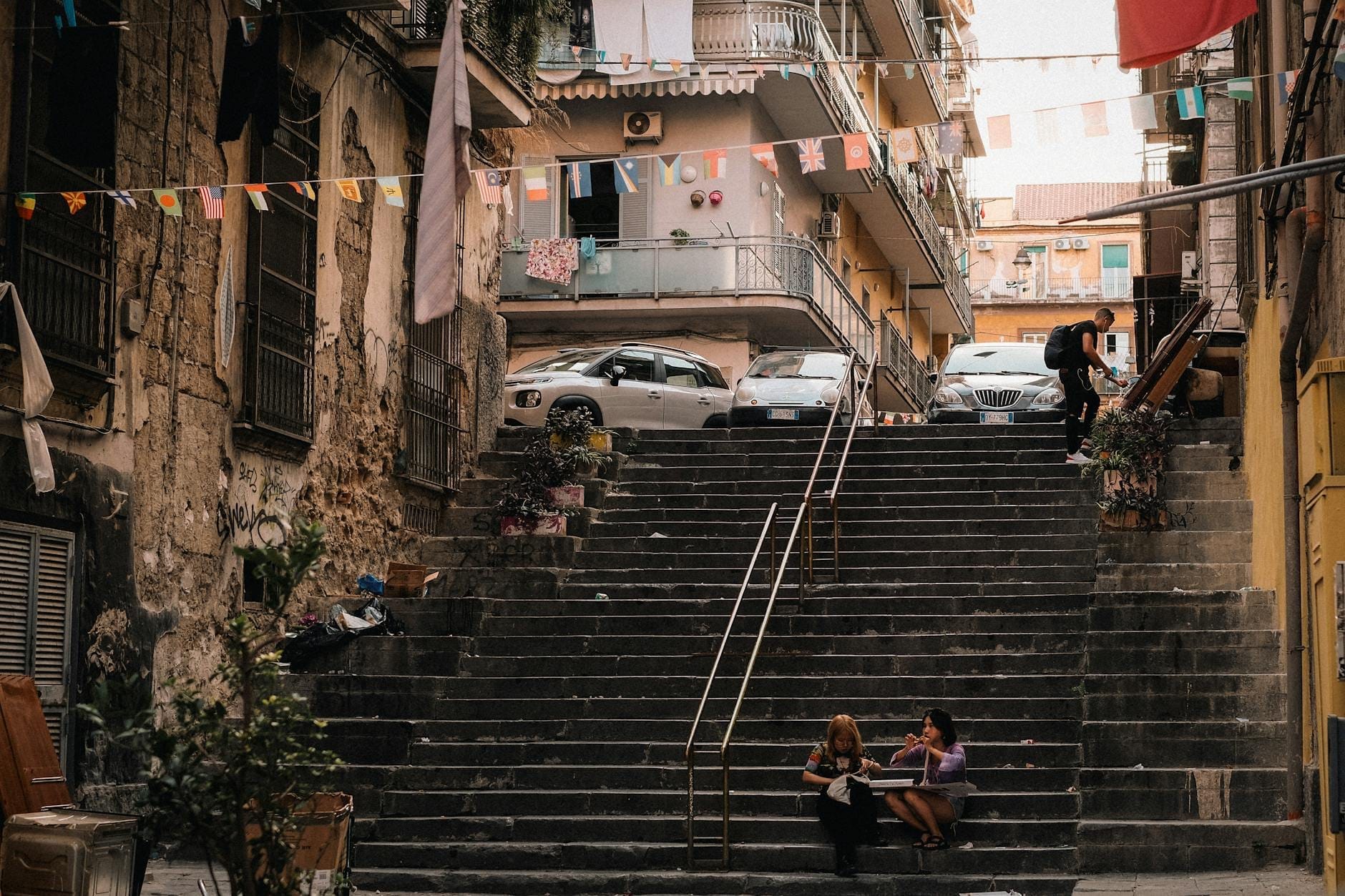
- Authentic urban culture Naples has not been gentrified into a museum of itself. The Quartieri Spagnoli and Piazza Bellini areas have a genuine local scene — bars, street art, Maradona murals, neighbourhood life that does not perform for tourists.
- Affordable compared to northern Italy Accommodation, food, and entrance fees consistently run lower than Rome, Florence, or Venice. A solid trattoria lunch with wine rarely exceeds €20 per person.
The Honest Drawbacks: What Trips People Up

Naples rewards the flexible and penalises the rigid. Public transport is genuine but uneven: the metro and urban rail lines are useful on key corridors, the funiculars are excellent for reaching Vomero, and buses can feel more approximate. If you need to be somewhere at a fixed time, book a taxi in advance or use a ride-hailing app like Free Now.
Petty theft is real but persistently overstated. Pickpocketing happens, primarily in crowded areas around Piazza Garibaldi and on packed public transport. The precautions are identical to any European city: use a crossbody bag, keep your phone in your pocket, do not leave valuables in rental cars. The Camorra (local organised crime) exists as a social and economic reality, but it has no meaningful interaction with tourists.
⚠️ What to skip
Piazza Garibaldi, the main transport hub around Naples Centrale station, is the area most visitors find overwhelming. It is not dangerous in daylight but is chaotic, has aggressive taxi touts, and is not representative of the city. Do not judge Naples by what you see in your first 15 minutes after arriving by train.
Traffic is another reality check. Scooters treat red lights as advisory, pedestrian crossings as a negotiation, and pavements as an overflow lane. This is not hyperbole — it is how the city functions. Most visitors adapt within a day, but it can be stressful if you are travelling with young children or have mobility concerns.
The city is also physically demanding in ways Rome is not. The Vomero hill district and the climb to Castel Sant'Elmo involve real gradient. The Naples funicular solves most of this, but the narrow centro storico streets are uneven and occasionally blocked by parked scooters or market stalls.
Who Naples Is (and Is Not) Right For
Naples works brilliantly for travellers who prioritise culture, food, and authentic urban experience over comfort and predictability. It is also the obvious choice for anyone planning day trips to the archaeological sites around Vesuvius, or using southern Italy as a base for exploring the coast.
It is genuinely not for everyone. Travellers who found Rome too chaotic will find Naples more so. Those who prefer orderly, clean cities with clear tourist infrastructure — think Bologna or Verona — may struggle here. Luxury travellers can find high-end options in the Chiaia and Posillipo districts, but the city as a whole does not cater to that experience the way Capri or Positano does.
- Go if: you love urban history, world-class museums, serious food culture, and don't mind some friction in your travel experience.
- Go if: you want the best possible base for Pompeii, Herculaneum, the Amalfi Coast, Capri, or Ischia.
- Go if: you are travelling on a budget and want to stretch your euros further than Rome or Florence.
- Skip or limit to a day trip if: you have significant mobility challenges, are travelling with very young children who need predictable routines, or find large, loud cities genuinely stressful.
- Consider Sorrento instead if: you want southern Italy's scenery and day-trip access but prefer a more manageable, tourist-friendly base.
✨ Pro tip
If you are unsure whether Naples is for you, commit to at least two nights rather than a day trip. The city takes half a day to stop feeling overwhelming and another half day to start feeling rewarding. One-day visitors almost always leave with a skewed impression.
Practical Essentials Before You Arrive

Flights arrive at Naples International Airport (Capodichino, IATA: NAP), roughly 6 km from the city centre. The Alibus shuttle runs directly to Piazza Garibaldi for around €5 and takes 15-20 minutes outside of traffic. A metered taxi costs a fixed €25 to the city centre. The metro is possible via a transfer but adds complexity with luggage. For a full breakdown, see the Naples airport guide.
Within the city, the ANM network covers metro Lines 1 and 6, four funicular lines, buses, and trams. A single ticket costs around €1.50 and is valid for 90 minutes across all modes. Day passes and tourist cards offer better value if you plan to move around a lot. The city is also walkable across its central districts — Chiaia, the historic centre, and the waterfront can all be covered on foot if you are staying centrally. Read the full guide to getting around Naples before you go.
Dress code matters for churches, which make up a significant part of what you will visit: cover shoulders and knees, or carry a scarf. Most churches are free to enter; some charge €2-5 for specific chapels or museums within. Tipping is not obligatory but rounding up is appreciated in restaurants and for taxis. Tap water is technically drinkable but heavily chlorinated — most locals drink bottled.
How to Get the Most Out of Naples
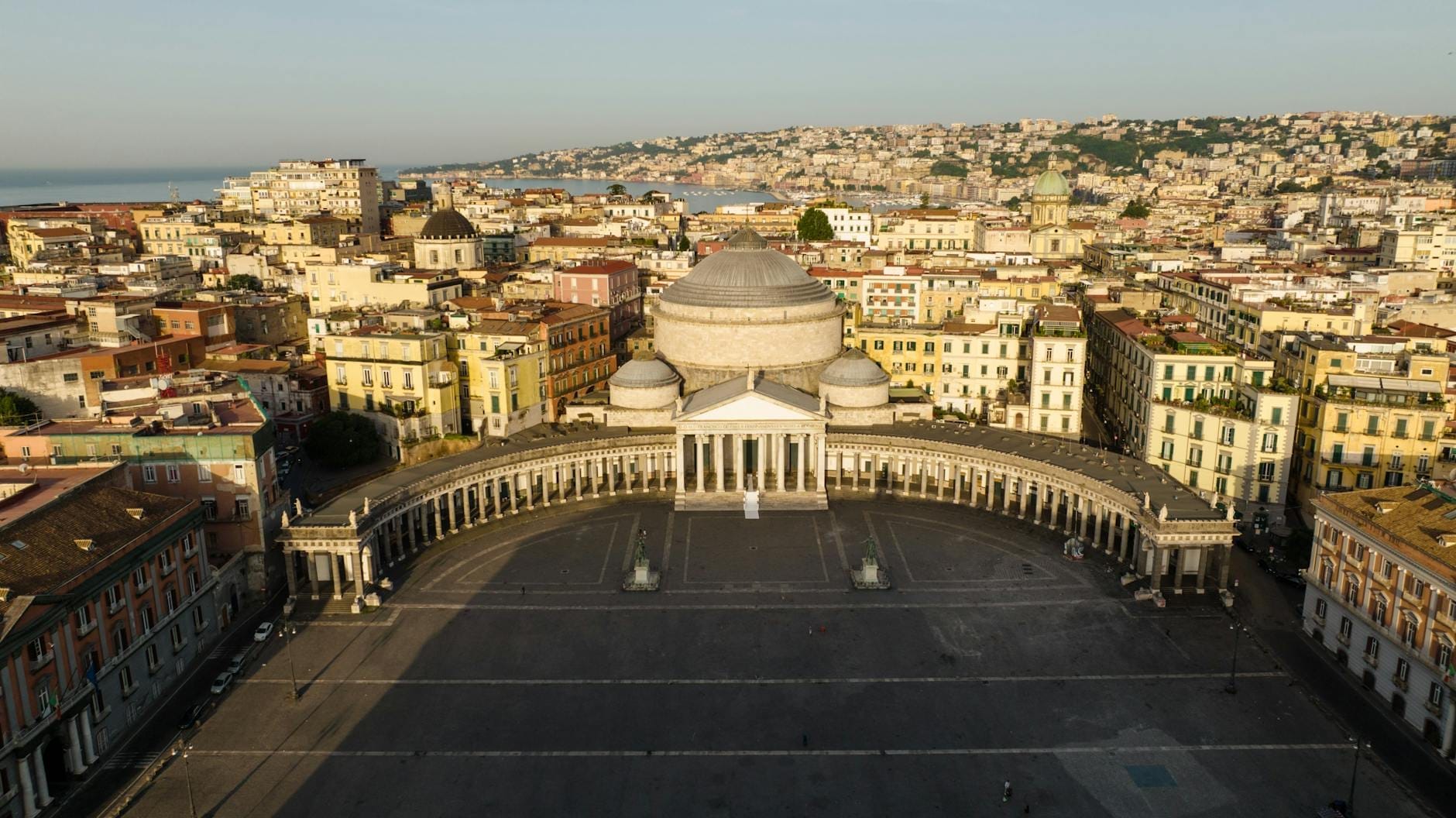
Three days is the sweet spot for Naples itself — enough for the main museums, a focused walk through the historic centre, a pizza pilgrimage, and one evening in Quartieri Spagnoli. If you are adding day trips, budget five to seven days total. A three-day structure works well: day one for the archaeological museum and historic centre, day two for Pompeii or Herculaneum, day three for Vomero and the waterfront. See the full 3-day Naples itinerary for a tested route.
April through June and September through October give you the best combination of weather and crowd levels. July and August are hot and heavy with Italian domestic tourism; the streets are loud and accommodation prices rise. December through February is quiet, affordable, and atmospheric — Naples takes Christmas very seriously, with elaborate presepe (nativity scene) displays along San Gregorio Armeno that draw visitors from across Italy.
💡 Local tip
Book tickets for the Cappella Sansevero and the Naples National Archaeological Museum in advance, especially in summer. Both have limited daily capacity and sell out. The first Sunday of each month, state-run museums including the Archaeological Museum are free — arrive early.
For safety, use common sense rather than paranoia. Keep valuables secure, avoid displaying expensive cameras in crowded markets, and trust your instincts in unfamiliar streets after dark. The Naples safety guide covers the specifics in detail, but the short version is: Naples is not dangerous for tourists who stay aware.
FAQ
Is Naples safe for tourists?
Yes, with standard urban precautions. Petty theft (pickpocketing) is the main risk, concentrated around busy transport hubs like Piazza Garibaldi and crowded markets. Violent crime targeting tourists is rare. Naples is statistically comparable to other large Italian cities for tourist-facing crime, and less risky than some areas of Rome or Milan in this regard. Stay aware, use a secure bag, and avoid flashing expensive gear in markets.
How many days do you need in Naples?
Two full days is the minimum for a meaningful visit — enough for the historic centre, a museum, and the essential food experiences. Three days is the recommended amount for Naples alone. If you plan day trips to Pompeii, Herculaneum, or the Amalfi Coast, allow five to seven days total in the area.
Is Naples better than Rome for a first trip to Italy?
They serve very different purposes. Rome is more accessible, better organised for tourists, and covers different historical ground (imperial rather than Greek and Bourbon). Naples is rawer, more affordable, and offers the best access to southern Italy's archaeological sites. For a first trip with limited time, Rome is easier. For a traveller who has already done Rome, Naples delivers something genuinely different.
What is Naples best known for?
Naples is internationally known for pizza (it originated here), its UNESCO-listed historic centre, and its position near Pompeii and Mount Vesuvius. Locally, it is known for its baroque churches, the Neapolitan dialect, and a food culture that extends from street fried pizza to elaborate pastry traditions. The city also has a strong association with Diego Maradona, who played for SSC Napoli from 1984 to 1991 and remains a local icon.
When is the best time to visit Naples, Italy?
April to June and September to October. Temperatures are 18-25°C, rain is infrequent, and the city has not yet hit peak summer volume. July and August are very hot (30°C+) and significantly more crowded. Winter (December to February) is quiet and cheap, with mild temperatures around 10-14°C — a good option if you want the museums without the queues and do not mind occasional rain.
Tickets & tours
Live prices and dates from our booking partner. If you book, we may earn a commission at no extra cost to you.
Planning a trip? Discover personalized activities with the Nomado app.