Naples vs Rome: Which Italian City Should You Visit?
Choosing between Naples and Rome is one of the most common dilemmas for Italy first-timers. This guide breaks down both cities across food, cost, culture, day trips, and logistics so you can make the right call for your itinerary.
Tickets & tours
Live prices and dates from our booking partner. If you book, we may earn a commission at no extra cost to you.
TL;DR
- Rome wins on sheer density of world-famous landmarks; Naples wins on authenticity, affordability, and proximity to extraordinary day trips.
- Naples is the better base if your plans revolve around day trips from Naples like Pompeii, the Amalfi Coast, Capri, or Ischia.
- Budget travelers consistently find Naples cheaper: lower museum fees, cheaper public transport, and better value restaurants.
- High-speed trains connect the two cities in as little as 55-70 minutes, so you do not have to choose one or the other if your schedule allows.
- If you are planning 3 days or fewer in Italy, Rome's concentration of iconic sites gives it the edge. For longer trips, how many days in Naples often means giving the city and its surroundings a full week.
The Core Difference: What Each City Actually Offers
Rome and Naples are both historically layered Italian cities, but they feel radically different on the ground. Rome is monumental, self-aware, and organized around the experience of visiting it. The Colosseum, the Vatican, the Pantheon: these are institutions designed, at this point, to be seen by millions of people per year. That infrastructure brings convenience, but also crowds, queuing, and prices calibrated to international tourism.
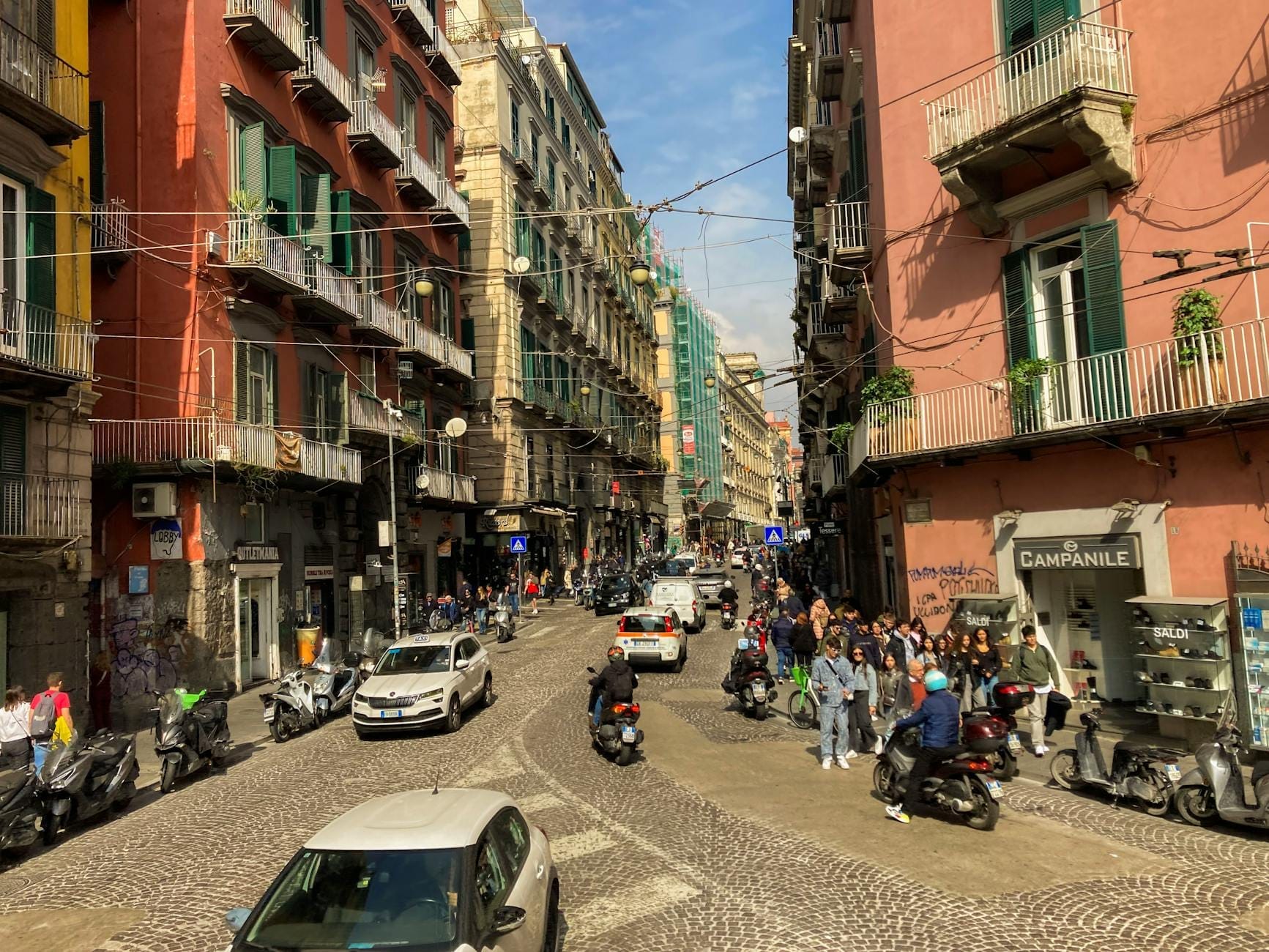
Naples operates on a different frequency. The historic center, a UNESCO World Heritage Site, is genuinely lived-in: laundry over narrow streets, scooters threading through pedestrians, Spaccanapoli cutting straight through 2,500 years of accumulated urban life. The city's Greek and Roman layers are not behind glass in the same way. You walk through them.
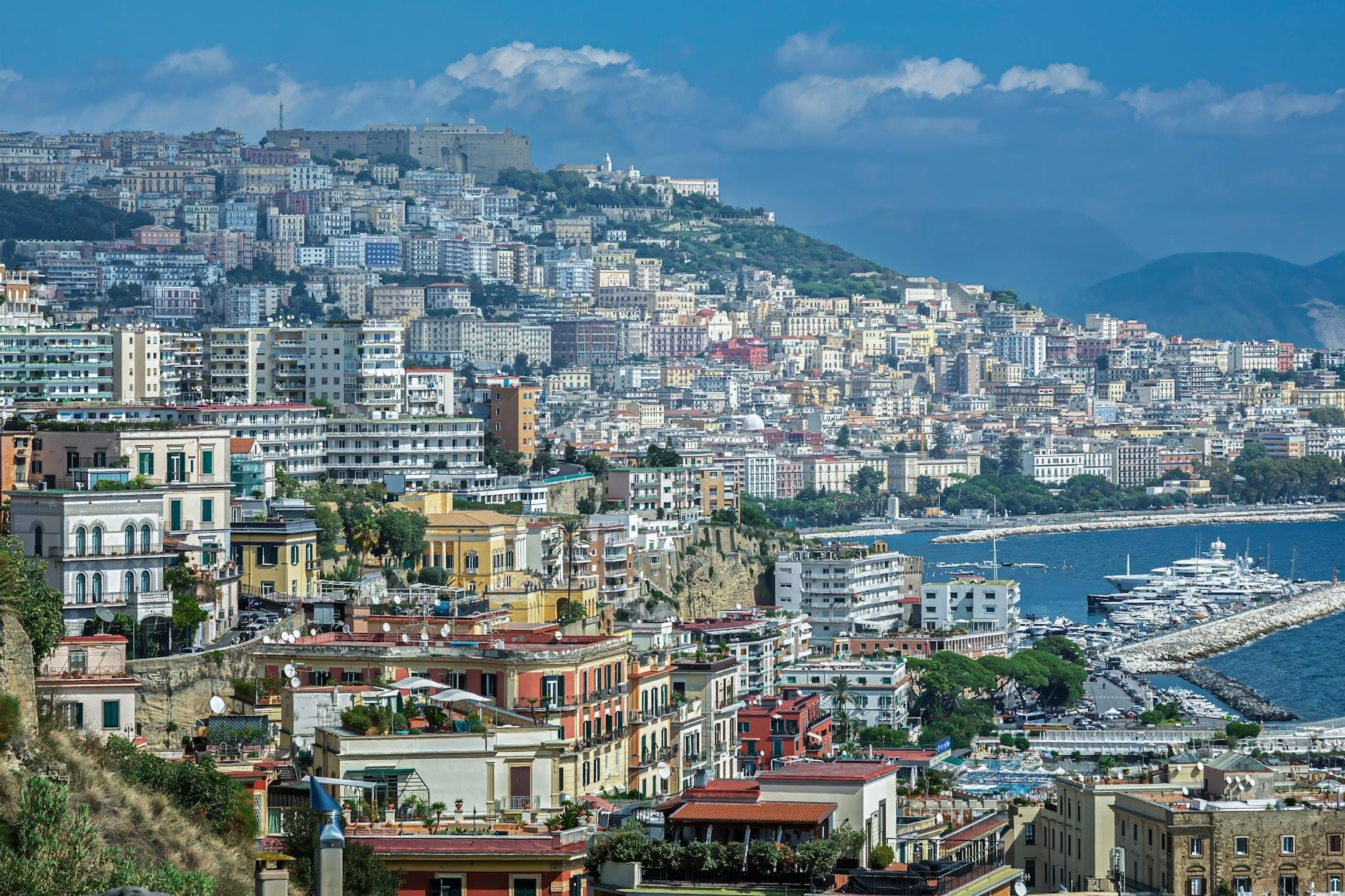
Geographically, the contrast is stark too. Rome sits on seven hills with the Tiber River bisecting it, sprawling across a large footprint that requires significant planning to navigate efficiently. Naples is physically dominated by Mount Vesuvius rising to the east over the Gulf of Naples, a constant presence that shapes the city's identity and opens up a set of excursions that Rome simply cannot match.
Culture and Sightseeing: An Honest Comparison
Rome has the Vatican Museums, the Sistine Chapel, the Colosseum, the Roman Forum, the Trevi Fountain, the Borghese Gallery, and several dozen other world-class sites. If your priority is ticking off the main things to do in Rome, Rome is the obvious choice. Nothing in Naples competes with the Colosseum for sheer scale or name recognition.
That said, Naples has cultural assets that are genuinely underappreciated by international visitors. The National Archaeological Museum of Naples holds the most important collection of Greco-Roman antiquities in the world, including treasures recovered from Pompeii and Herculaneum. The Cappella Sansevero contains sculpture so technically extraordinary that visitors regularly refuse to believe the Veiled Christ is made of marble. These are not consolation prizes — they are world-class.
- Rome's strongest suits The Vatican (Sistine Chapel, St. Peter's Basilica), the Colosseum and Roman Forum, the Pantheon, Piazza Navona, and the Trevi Fountain. Extraordinary breadth of iconic, instantly recognizable sites.
- Naples's strongest suits The National Archaeological Museum, Cappella Sansevero, the underground tunnels of Napoli Sotterranea, the Certosa di San Martino, and the city's extraordinary Baroque churches — all with far shorter queues than Rome equivalents.
- The wildcard: Naples churches Naples has hundreds of historic churches. Several are among the finest examples of Baroque architecture in Europe. Gesu Nuovo and Santa Chiara, facing each other on the same piazza, are remarkable — and free to enter.
✨ Pro tip
If you are serious about Roman history, prioritize Naples. The National Archaeological Museum of Naples holds artifacts that Rome's museums often cannot match, including the original frescoes, mosaics, and bronze statues that once filled Pompeii. Rome gives you the ruins; Naples gives you what was inside them.
Food: The Case for Naples
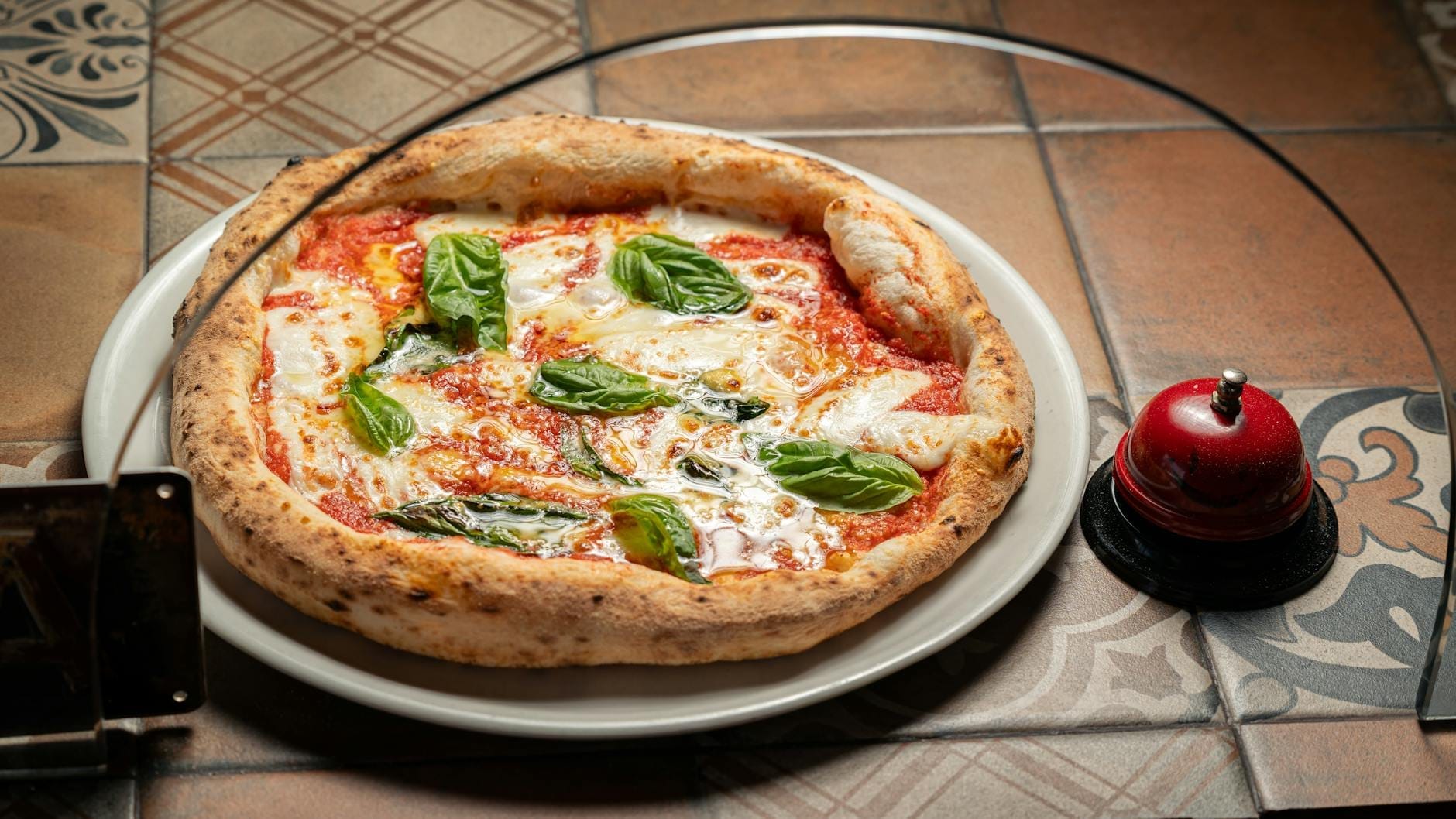
This is where Naples pulls decisively ahead for many travelers. Neapolitan cuisine is not a regional variation on Italian cooking — it is the origin point for several of the dishes the world now calls Italian. Pizza was invented here, and the difference between Neapolitan pizza and what you get almost anywhere else is significant enough to justify the trip on its own.
Beyond pizza, Naples has one of Italy's great street food traditions. Cuoppo (fried seafood in a paper cone), sfogliatella (layered pastry with ricotta), fried pizza, and ragù slow-cooked for hours are all part of daily life here, not tourist theater. The Naples street food scene is genuinely unmatched by Rome's equivalent, which tends toward suppli (fried rice balls) and pizza al taglio — good, but not on the same level.
Rome has excellent food too, particularly its pasta traditions: cacio e pepe, carbonara, amatriciana. If pasta is your priority, Rome has the edge. But for the overall depth and street-level accessibility of culinary culture, Naples is the stronger destination.
💡 Local tip
In Naples, eat where locals eat. If a restaurant has a translated menu displayed outside and a host encouraging you to come in, walk past it. The best food in Naples is in places with handwritten menus, no English signage, and a clientele that is entirely Neapolitan.
Day Trips: Naples Has No Competition
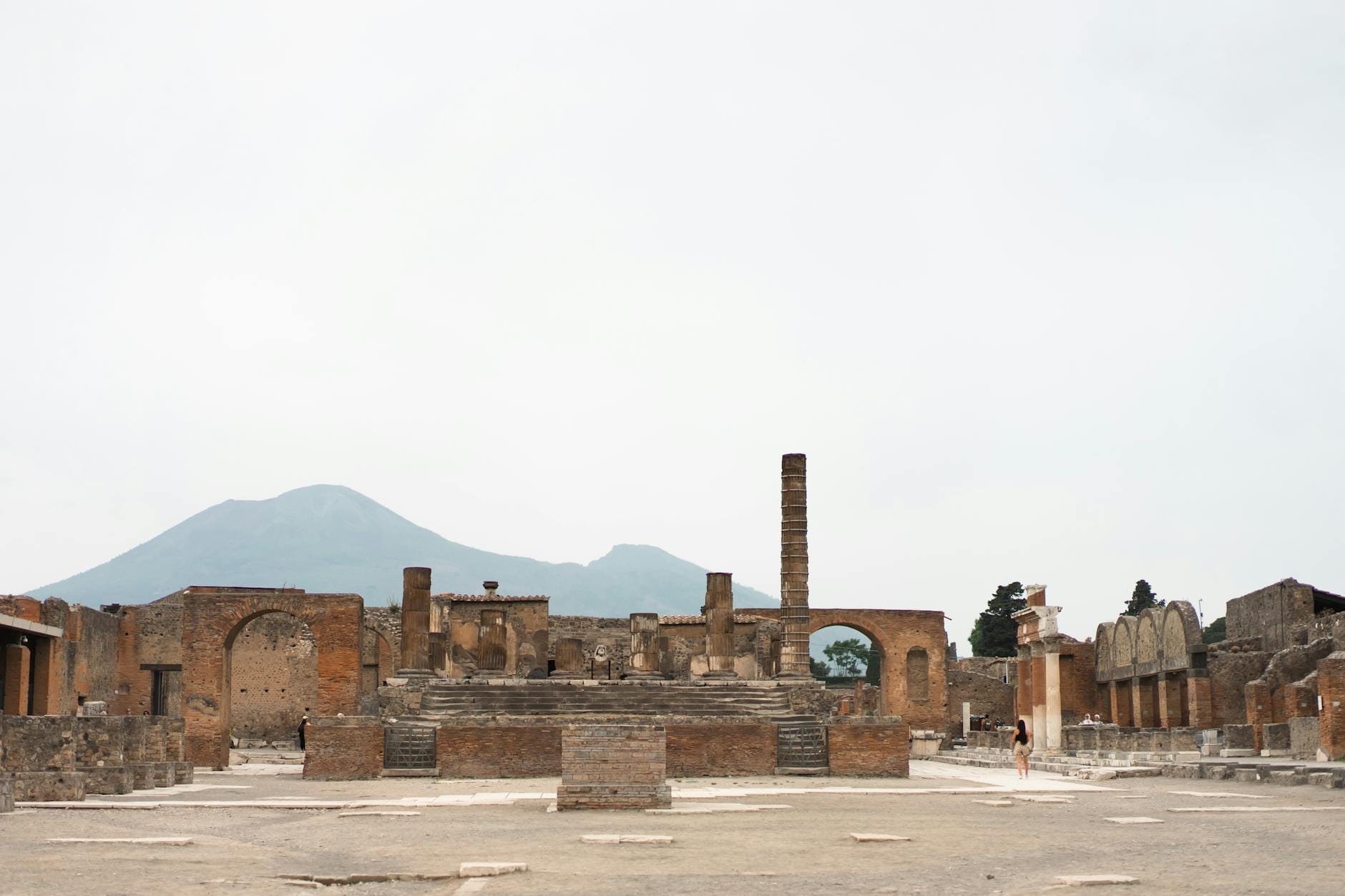
This is the most decisive category. Naples sits at the center of one of Europe's greatest concentrations of extraordinary excursion destinations. Pompeii is 30-40 minutes by Circumvesuviana train from Naples central station. Herculaneum is even closer, smaller, and arguably better preserved. Mount Vesuvius can be climbed in a half-day excursion.
From the Port of Naples, ferries run regularly to Capri (around 50 minutes by hydrofoil), Ischia (about 90 minutes by ferry), and Procida. The Amalfi Coast is reachable in under two hours by road or ferry combination. Rome's day trip roster is considerably thinner: Tivoli and its gardens are the most common recommendation, and while worthwhile, it is not in the same league.
ℹ️ Good to know
Naples and Rome are connected by high-speed Frecciarossa and Italo trains running roughly every 30-60 minutes throughout the day. Journey time is as little as 55-70 minutes, with tickets bookable from around €20-50 depending on how far in advance you book. This means a dual-city itinerary is entirely practical for trips of five days or more.
Cost: What Your Money Gets You in Each City
Naples is consistently cheaper than Rome across almost every category. Museum admission, accommodation, restaurant meals, and public transport all trend lower. A sit-down lunch with a glass of wine in a non-tourist trattoria in Naples can come to €12-18 per person. The equivalent in central Rome will typically run €20-30 or more, and where to stay in Rome matters because lodging prices vary sharply by neighborhood.
Public transport in Naples is managed by ANM and costs around €1.50 per single ticket, with metro, bus, funicular, and tram connections covering the main areas. The city center is compact enough that many key sites are walkable. The Naples metro system also has some of the most architecturally striking stations in Europe, including the Toledo station, which doubles as an art installation. Rome's public transport network is more extensive but also more expensive and notoriously unreliable.
- Museum entry: Rome's major sites (Vatican Museums, Colosseum) typically cost €17-26 per person; Naples equivalents run €10-15 for comparable quality.
- Accommodation: Mid-range hotels in central Rome average €150-250 per night; central Naples comes in at €80-150 for similar quality.
- Pizza: A Neapolitan pizza at a serious Naples pizzeria costs €5-10. You will not find that quality-to-price ratio anywhere in Rome.
- City hotel tax: Rome charges a higher per-person nightly tourist tax than Naples.
- Free experiences: Walking Naples historic center, its churches, street art, and waterfront cost nothing. Rome has more free outdoor sites (Pantheon exterior, Trevi Fountain), but Naples has more free interior access to significant churches.
Logistics, Safety, and Practicalities
Both cities are manageable for most travelers. Naples International Airport (Capodichino, IATA: NAP) is approximately 6 km from the city center. The Alibus shuttle runs directly to Piazza Garibaldi for around €5; a licensed taxi is around €23-25 from the airport to the city center.
On safety: Naples has a reputation that no longer accurately reflects the experience of most visitors. Both cities carry similar risks for tourists, primarily pickpocketing in crowded areas and at transport hubs. Piazza Garibaldi in Naples and Termini in Rome are both areas where bag-snatching occurs; basic awareness reduces this risk significantly. The kinds of criminal activity that shape Naples' reputation rarely touch ordinary visitors directly. Treat both cities with the same common-sense precautions you would apply in any major European city.
Navigation is easier in Naples than most visitors expect. The historic center is compact, and the funiculars handle the hills efficiently. Rome, by contrast, is a large and sprawling city where getting around Rome can absorb significant time between neighborhoods. For a short trip, this matters more than it sounds.
⚠️ What to skip
Watch for mopeds and scooters in both cities, but especially in Naples. Traffic laws are treated as approximate guidelines. Cross at pedestrian crossings, make eye contact with drivers before stepping out, and keep your bag on the side away from the road to reduce snatch-and-ride risk.
FAQ
Is Naples or Rome better for a first visit to Italy?
Rome is typically the safer first choice for Italy newcomers because its major landmarks are internationally recognizable and easy to organize into a classic first-time itinerary. That said, travelers who prioritize food, authenticity, and value often find Naples more rewarding. If you only have three or four days total, Rome packs in more canonical experiences. For five days or more, combining both cities via high-speed train (as little as 55-70 minutes apart) is the best answer.
Which city is cheaper: Naples or Rome?
Naples is cheaper across nearly every category: accommodation, restaurants, museum entry, and public transport. Budget travelers can eat extremely well in Naples for €15-20 per day on food alone. Rome's central accommodation regularly runs 40-60% higher than Naples equivalents.
Is it safe to visit Naples compared to Rome?
Both cities are safe for tourists who take standard precautions. Naples's reputation for danger is largely outdated. The primary risk in both cities is pickpocketing in crowded tourist areas and on public transport. Avoid displaying expensive gear openly, keep bags closed and in front of you, and stay aware around transit hubs like Piazza Garibaldi or Rome Termini.
Can you do a day trip from Rome to Naples or vice versa?
Yes. The high-speed train takes as little as 55-70 minutes and runs frequently throughout the day. A day trip from Rome to Naples to visit Pompeii and eat pizza is entirely feasible. Going the other direction, a day trip from Naples to Rome is possible but less efficient, as Rome needs at least two full days to see its main sites properly.
Which city has better day trips: Naples or Rome?
Naples is substantially better positioned for day trips. Pompeii and Herculaneum are 30-40 minutes away by local train. Capri, Ischia, and Procida are accessible by ferry. The Amalfi Coast is reachable in under two hours. Rome's main day trip option is Tivoli. If excursions matter to your trip, Naples wins decisively.
Tickets & tours
Live prices and dates from our booking partner. If you book, we may earn a commission at no extra cost to you.
Planning a trip? Discover personalized activities with the Nomado app.