Shopping in Naples: Best Streets, Markets & What to Buy
Naples rewards shoppers who go beyond the tourist trinket stalls. This guide covers the city's best shopping streets by district, its most authentic markets, and the foods and crafts worth carrying home — with honest advice on where not to waste your time or money.
Tickets & tours
Live prices and dates from our booking partner. If you book, we may earn a commission at no extra cost to you.
TL;DR
- Via Toledo is the main pedestrian shopping artery — ideal for everyday fashion, chains, and pastry shops. The Chiaia district is for luxury. See the Chiaia neighborhood guide for context.
- The Pignasecca market (Montesanto) is Naples' oldest and liveliest — arrive before 11am for the best experience.
- San Gregorio Armeno sells handmade presepe figurines year-round, not just at Christmas, though the atmosphere peaks in December.
- The best edible souvenirs: limoncello, dried pasta, sfogliatelle pastry kits, and canned San Marzano tomatoes. Check the Naples food guide before you buy.
- Avoid generic souvenir shops near Piazza del Plebiscito — the prices are inflated and the goods are mass-produced.
How Naples Shops: Understanding the City's Retail Geography
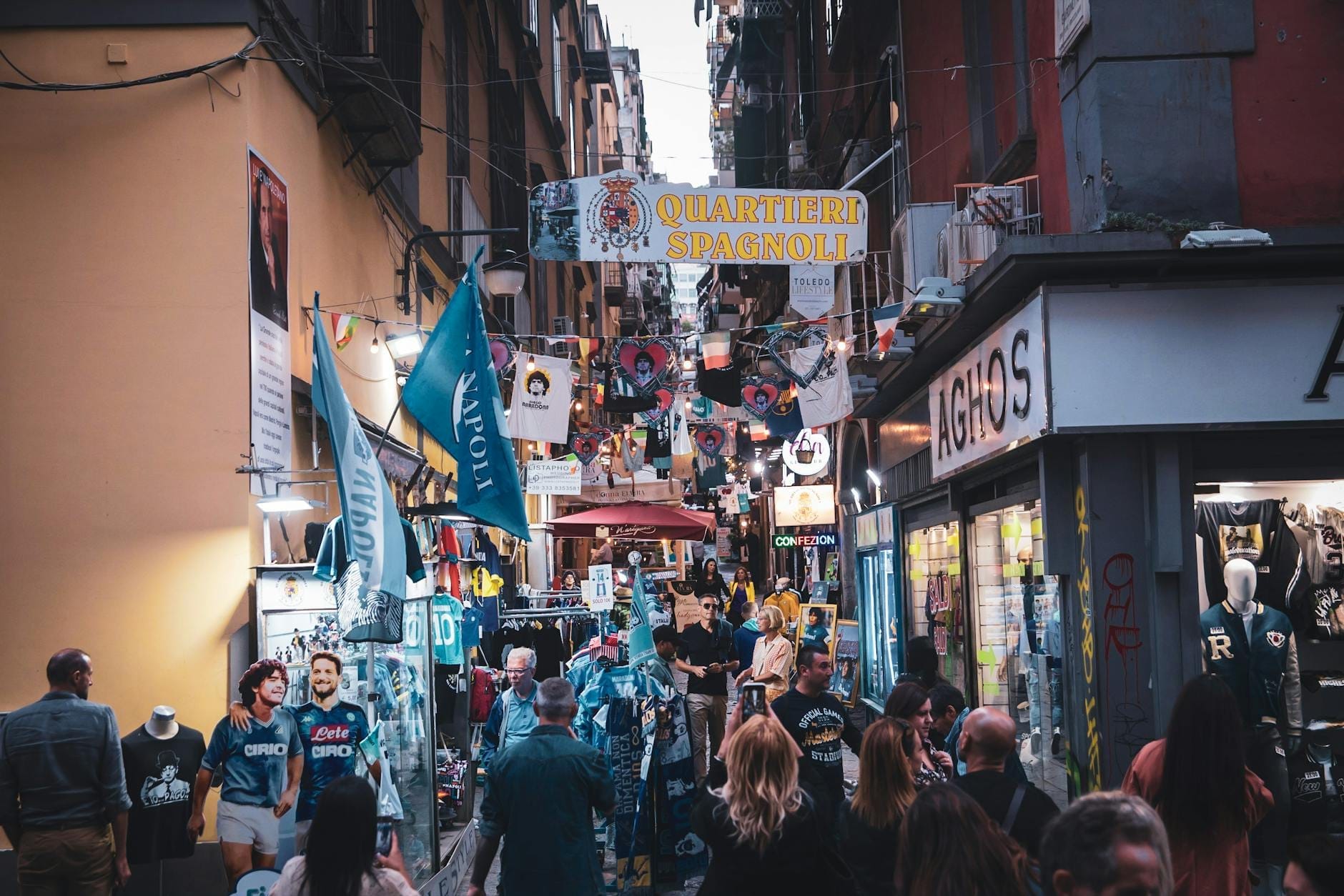
Shopping in Naples Italy is intensely local. The city does not have a single central shopping district the way Milan or Rome does. Instead, each neighborhood has its own retail character, its own price range, and its own relationship with the street market tradition that dates back centuries. Understanding this geography before you arrive saves both time and money.
Broadly, the city breaks into three shopping zones. The historic centre Centro Storico offers artisan workshops, craft streets, and chaotic markets. The upscale waterfront district of Chiaia hosts designer boutiques and concept stores. And the hilltop neighborhood of Vomero combines elegant mid-range retail with a local market that most tourists never reach.
ℹ️ Good to know
Most Naples shops observe a midday closure (pausa pranzo) between roughly 13:30 and 16:30, especially outside the major pedestrian streets. Markets typically wind down by early afternoon regardless. Plan morning visits for markets, afternoon for boutiques in Chiaia.
The Best Shopping Streets in Naples by District
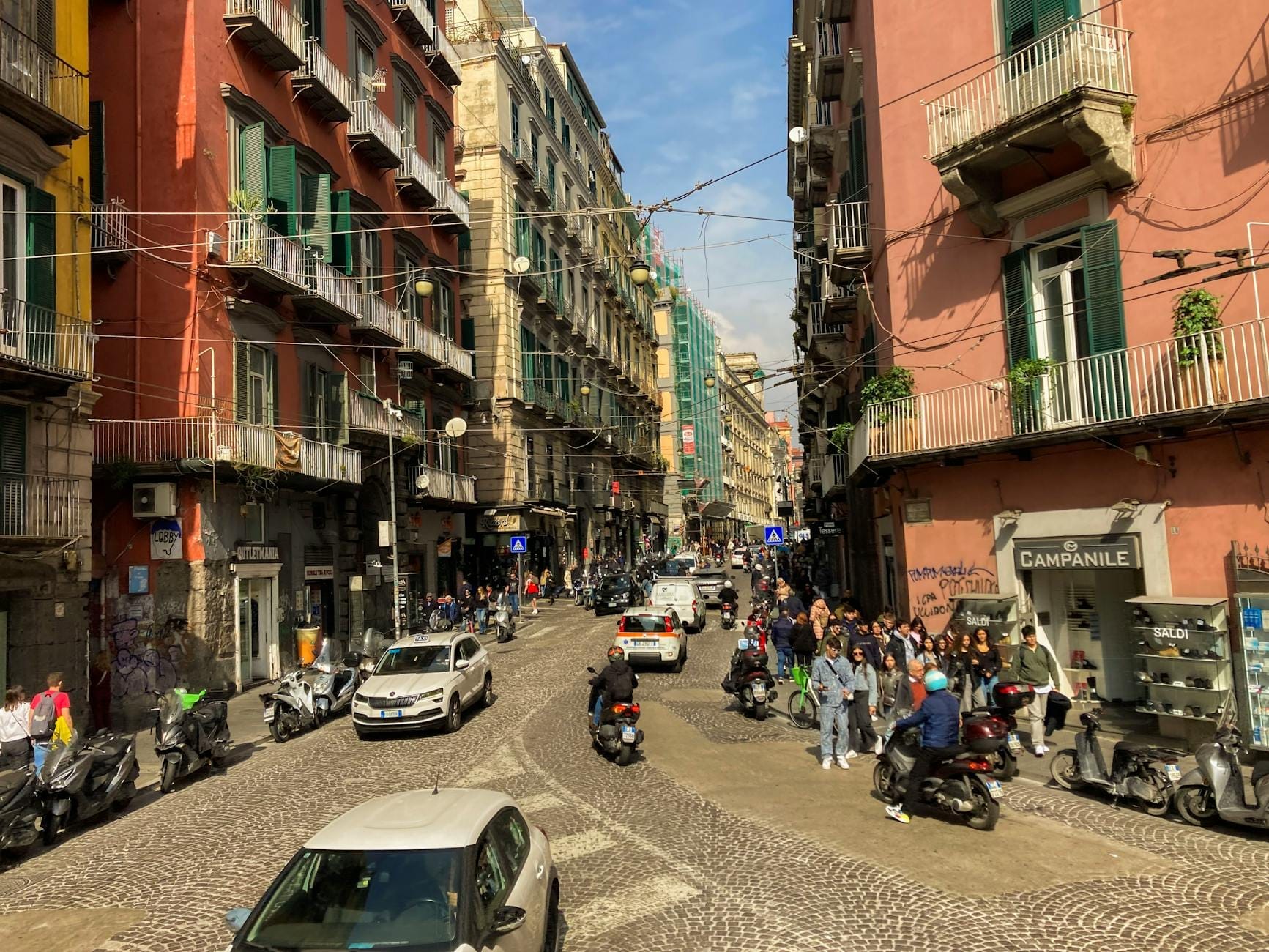
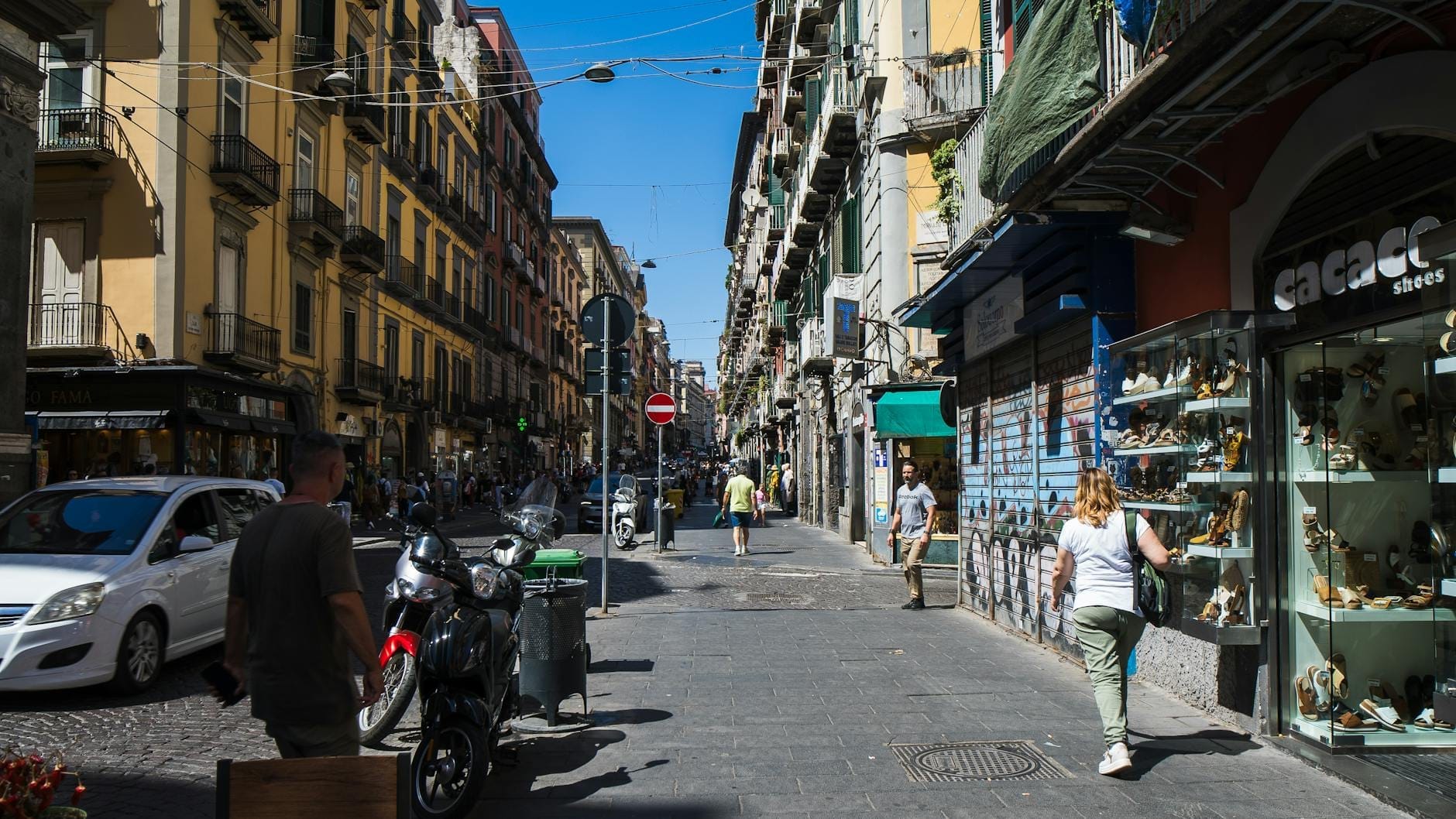
Via Toledo is where most visitors start, and for good reason. This pedestrianized artery runs from Piazza Dante down to Piazza Trieste e Trento near Piazza del Plebiscito, covering roughly 1.2 km of continuous shops. You will find international clothing chains, footwear stores, cosmetics brands, electronics, and a few historic pastry shops that have survived the commercial pressure. It gets crowded on weekends and Saturday afternoons are especially busy. Accessible directly from the Toledo metro station, which is worth visiting for its architecture alone.
For luxury shopping, head to the trio of streets in Chiaia: Via Chiaia itself, Via Calabritto, and Via dei Mille. These are the Naples equivalents of Via Montenapoleone in Milan — designer labels, high-end leather goods, and tailored menswear. Via dei Mille carries the highest price points and the most exclusive boutiques. This is where Neapolitan professionals shop, not tourists, which means service is serious and expectations are high. Browsing without buying is fine, but note that these are not discount-hunting streets.
In Vomero, Via Scarlatti is the main commercial strip — elegant without being extravagant, dominated by independent shoe stores and mid-range fashion boutiques. It sits near the Vanvitelli metro stop and is adjacent to the Antignano market. If you are making the trip to see Certosa di San Martino or the Castel Sant'Elmo, build in time to walk Via Scarlatti on the way back down.
Then there is San Gregorio Armeno, the narrow street in the historic centre dedicated entirely to Neapolitan presepe (nativity scene) craft. The workshops here produce handmade figurines ranging from traditional religious characters to satirical renditions of politicians and football stars. Prices vary significantly: a basic terracotta shepherd might cost €5-10, while detailed artisan pieces with hand-painted faces and fabric clothing can run €80-200 or more. The street operates year-round, though December brings extra stalls and serious crowds. Come on a weekday morning in spring or autumn for the best combination of atmosphere and access.
- Via Toledo Main pedestrian artery, 1.2 km, chains and mid-range retail, very busy on weekends. Best for everyday shopping and people-watching.
- Via Chiaia / Via Calabritto / Via dei Mille (Chiaia) Luxury and designer boutiques. Via dei Mille has the highest prices. Serious shopping, not browsing territory.
- Via Scarlatti (Vomero) Elegant mid-range strip near Vanvitelli metro. Strong on independent shoe stores and fashion boutiques.
- San Gregorio Armeno (Centro Storico) Dedicated artisan craft street for handmade presepe figurines. Year-round, peaks in December. Quality varies — inspect carefully before buying.
- Via Toledo / Galleria Umberto I The 19th-century covered arcade off Via Toledo offers a mix of shops and a spectacular iron-and-glass ceiling. Worth a detour even if you do not buy anything.
Naples' Best Markets: Where Locals Actually Shop
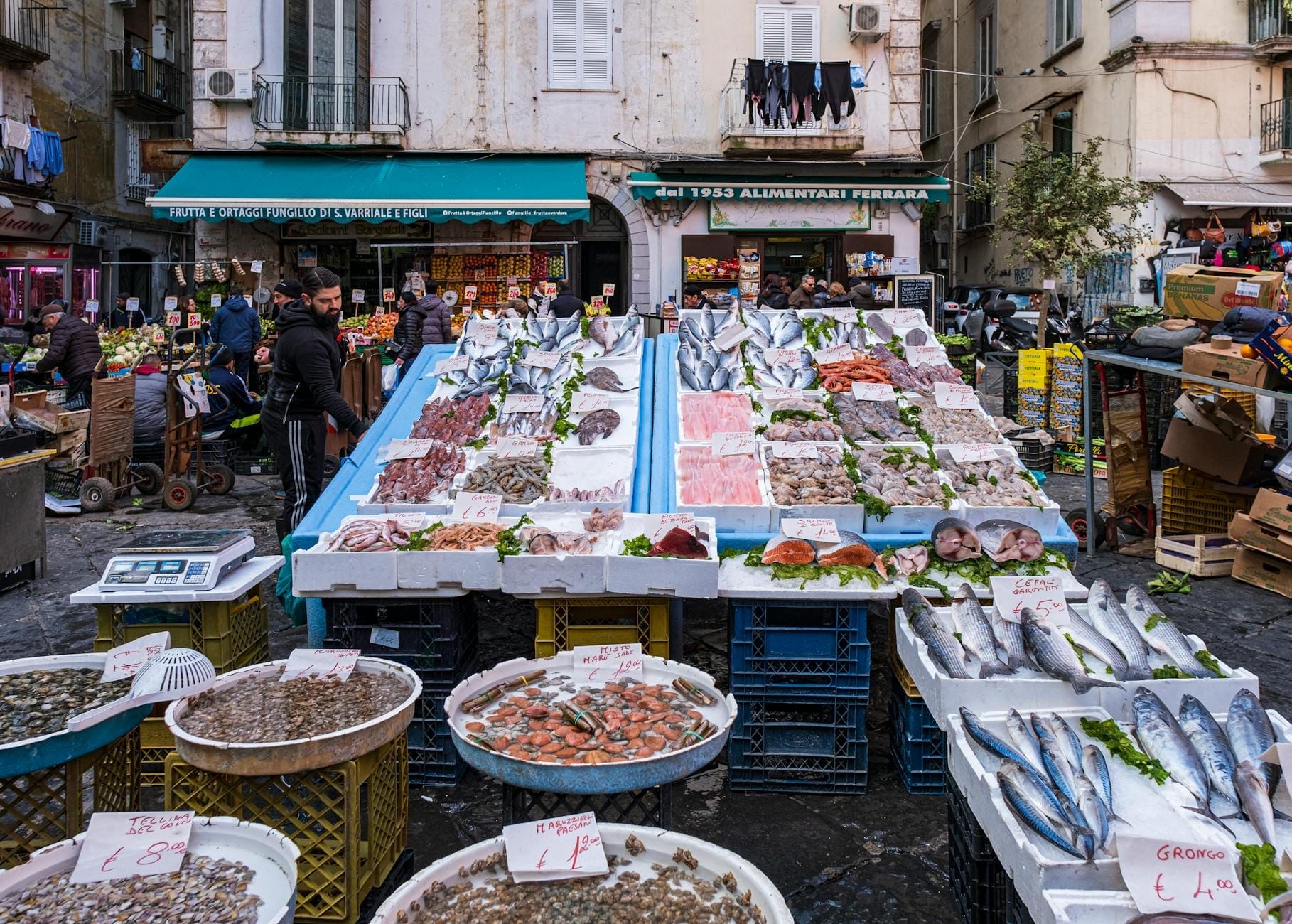
The Mercato della Pignasecca, near the Montesanto funicular station at the edge of the Quartieri Spagnoli, is the oldest food market in Naples, with roots going back to the 17th century. It covers fresh produce, fish (the whole fish counter is a spectacle in itself), aged cheeses, olives, spices, and street food stalls where you can eat fried pasta or a panino con polpette for under €3. It is loud, compact, and unpolished — nothing is staged for visitors. Hours are not formally fixed, but the market peaks between 8:00am and 12:30pm. By early afternoon most of the prime stalls are packing up.
⚠️ What to skip
At the Pignasecca and other open-air markets, watch your belongings. Keep bags in front of you and avoid stopping to check your phone in crowded aisles. Pickpocketing is opportunistic rather than organized, but it does happen in tight crowds. Naples is not uniquely dangerous, but standard city awareness applies.
The Mercato di Antignano in Vomero is far less visited by tourists but covers an impressive range: fresh produce, clothing, lace, household goods, and seasonal specialties. It runs Monday to Friday, approximately 8:00am to 2:00pm. Despite being in the relatively upscale Vomero district, prices here are decidedly local. Around Christmas, stalls selling gift items and decorations appear alongside the regulars. It is a more comfortable market experience than Pignasecca — less compressed, slightly quieter — which makes it a good first market for those unaccustomed to Italian mercato culture.
The Mercato La Torretta in Chiaia (via Ferdinando Galiani) is a covered market, which makes it practical in summer when the heat makes outdoor browsing miserable. It runs Monday to Saturday, roughly 9:00am to 7:00pm, selling groceries, shoes, and clothing. Being covered and in Chiaia, it skews slightly more middle-class in its offerings. For vintage clothing, the Mercato Resina in nearby Ercolano (via Pugliano, daily 8:00am to 1:00pm) is the serious destination — piles of second-hand and vintage garments sorted loosely by type, with pricing that depends on your negotiating patience.
- Mercato della Pignasecca (Montesanto) Oldest market in Naples. Food, fish, cheese, street food. Best before 12:00. Loud and real.
- Mercato di Antignano (Vomero) Mon-Fri approx. 8:00-14:00. Clothing, produce, lace. Tourist-light and good value.
- Mercato de la Torretta (Chiaia) Covered, Mon-Sat approx. 9:00-19:00. Groceries, shoes, clothing. Best in summer heat.
- Mercato di Poggioreale Fri-Mon approx. 8:00-15:00. Large market for clothing and food. Peripheral location, requires effort to reach.
- Mercato Resina (Ercolano) Daily approx. 8:00-13:00. The best vintage clothing market in the greater Naples area. Just outside the city near Herculaneum.
What to Buy in Naples: The Definitive List
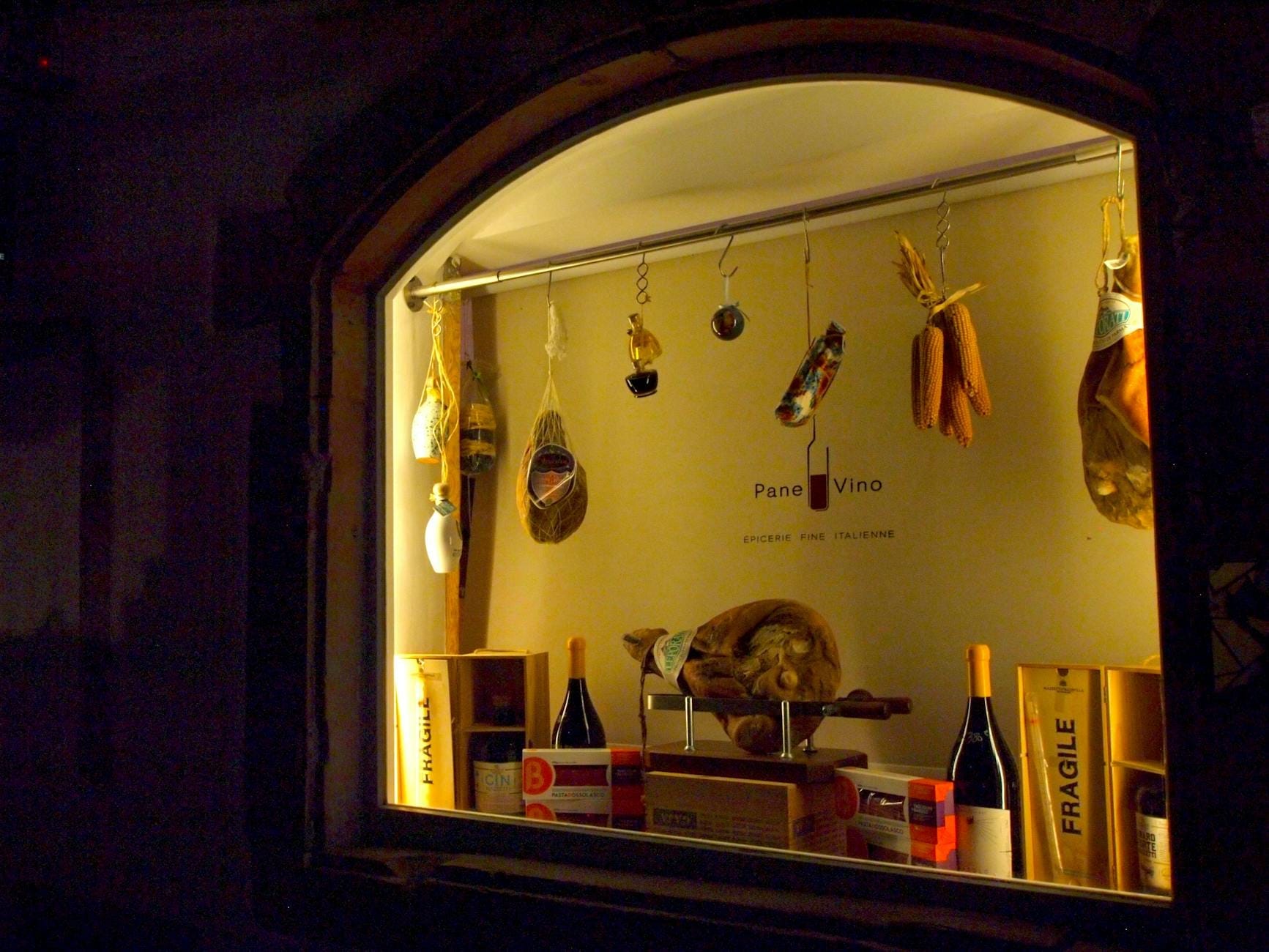
Food is the single best category. Look for: limoncello made with Campanian lemons (buy from a deli or delicatessen, not a souvenir shop), dried pasta from Gragnano (a town southeast of Naples that holds PGI status for its pasta-making tradition), canned San Marzano tomatoes (again, check for DOP certification on the label), and taralli — small savoury ring crackers that travel well. For the serious food lover, the Naples street food guide covers what to eat on the spot, while delis around the Pignasecca market are good sources for packaged goods to take home.
Presepe figurines from San Gregorio Armeno are the most distinctive craft souvenir. The quality spectrum is wide: tourist-grade resin figures mass-produced outside Naples sit alongside genuine handmade artisan pieces that take days to complete. Ask whether a piece is fatto a mano (handmade) and look for hand-painted facial details and individually stitched fabric clothing as signs of authentic craft. Price alone is not a reliable indicator of quality on this street.
Neapolitan tailoring and leather goods are worth considering if your budget allows. The city has a genuine tradition in bespoke menswear, concentrated around the historic centre and Chiaia. Several ateliers accept walk-in consultations, though made-to-measure requires either a longer stay or a return trip for fittings. Off-the-peg Neapolitan-style jackets (the so-called 'spalla camicia' or shirt shoulder construction) are also available in the Chiaia boutiques at prices below comparable Milan offerings.
✨ Pro tip
The Galleria Umberto I, the grand 19th-century arcade just off Via Toledo, contains a mix of shops, cafes, and occasional pop-up stalls. It is a useful rain shelter and worth visiting architecturally. For serious shopping, it is more atmosphere than substance — but the combination of the arcade and adjacent Via Toledo covers a lot of ground efficiently.
Seasonal Shopping: When to Go and What Changes
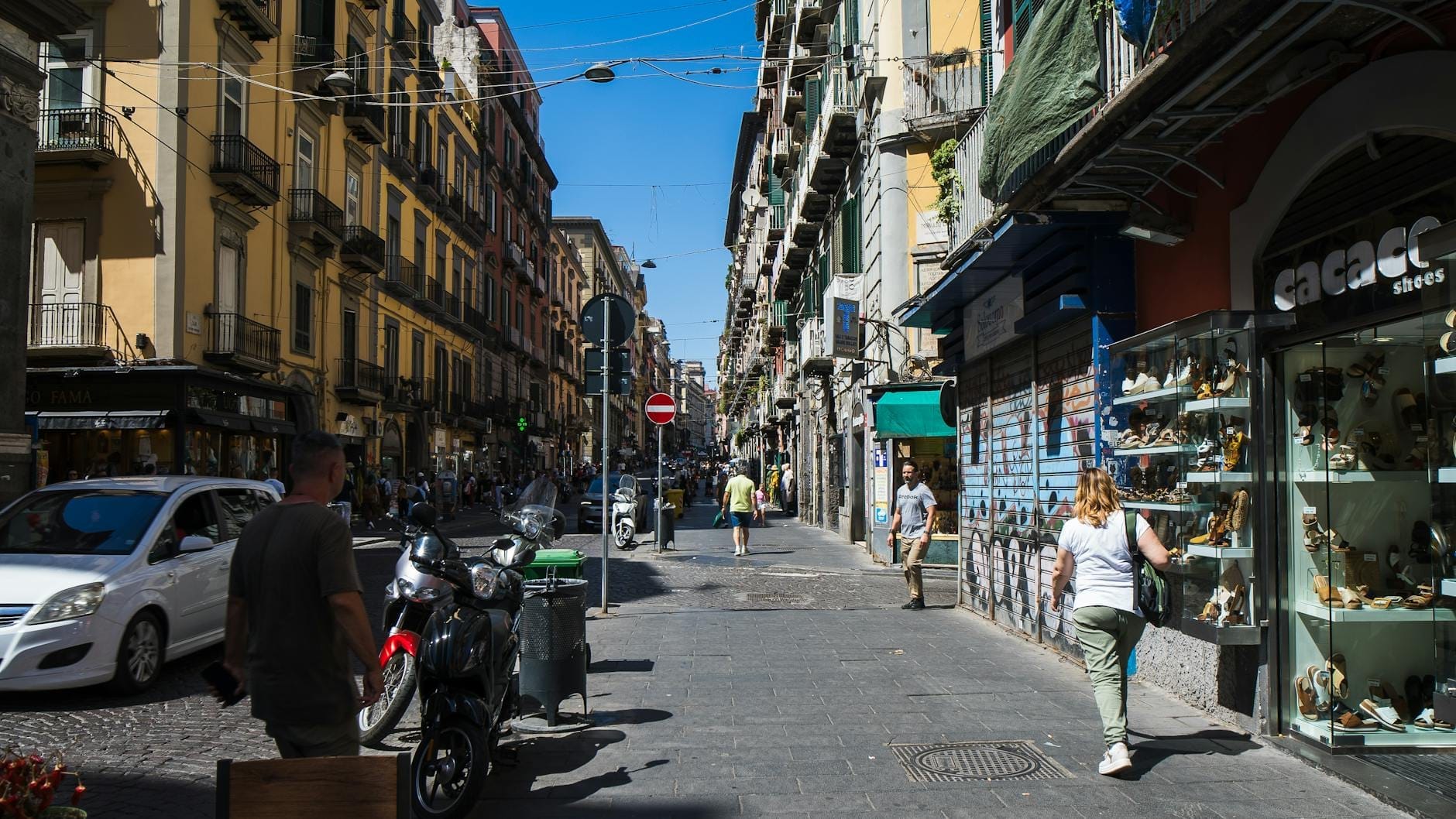
The best months for comfortable shopping in Naples are April to June and September to October — mild temperatures make it possible to move between outdoor markets, pedestrian streets, and covered arcades without discomfort. July and August are doable but demanding: the Pignasecca is noticeably more intense in the heat, and many boutiques operate reduced summer hours or close for part of August (Ferragosto). If you are visiting in summer, the covered Mercato de la Torretta in Chiaia is the most practical market option. For broader seasonal context, the best time to visit Naples guide breaks down crowd patterns and weather month by month.
December is the peak season for craft shopping. San Gregorio Armeno becomes genuinely extraordinary in the weeks before Christmas, with additional stalls filling the street and artisans working in their open doorways. The Antignano market also expands with Christmas gift stalls. If you can manage the crowds (it is genuinely packed on weekends), the atmosphere is unlike anywhere else in Italy. Weekday visits in December, particularly mornings, offer a much calmer experience.
Practical Tips: Avoiding Tourist Traps and Shopping Smart
The area immediately around Piazza del Plebiscito and the main tourist sights is lined with souvenir shops selling the same set of items at inflated prices: ceramic Naples plates, Vesuvius magnets, miniature San Gennaro figurines. Most of this merchandise is not produced locally. If you want a ceramic piece, the area around the historic centre has independent ceramics shops with more interesting work. If you want an authentic Neapolitan souvenir, food products or a handmade presepe figure from San Gregorio Armeno are both more honest choices.
Bargaining is not standard practice in Naples shops and boutiques — fixed prices are the norm. At outdoor markets, particularly for non-food items like clothing or vintage goods, some negotiation is possible if you are buying multiple items, but aggressive haggling is not culturally appropriate and rarely produces significant results. The Mercato Resina in Ercolano is the environment where a polite 'mi fa uno sconto?' (can you give me a discount?) is most likely to be received well. For logistics on getting around between these neighborhoods, the getting around Naples guide covers metro, funicular, and bus options.
💡 Local tip
Bring cash to markets. While most boutiques and chain stores on Via Toledo accept cards, market stalls and smaller artisan workshops often prefer or require cash (contanti). ATMs are widely available near major shopping areas, including at the Toledo metro station.
On Sunday, most Naples shops are closed, including many boutiques in Chiaia and along Via Toledo. Markets either do not run or operate reduced hours. Sunday is better used for sightseeing than shopping — the main attractions and restaurants remain open. Monday mornings can also see some shops opening late. Build your shopping days around Tuesday through Saturday for the most reliable access to the full range of options.
FAQ
What is the main shopping street in Naples?
Via Toledo is the primary pedestrian shopping street, running about 1.2 km through the city centre with a mix of international chains, footwear stores, and a few historic pastry shops. For luxury fashion, Via dei Mille and Via Calabritto in the Chiaia district are the top addresses.
When is the best time to visit the Pignasecca market in Naples?
Arrive between 8:00am and 11:00am for the best selection and energy. The market peaks in the morning and winds down significantly after midday. Hours are not formally fixed, so earlier is always safer. Avoid it in peak summer heat if you are sensitive to crowded, warm environments.
What are the best souvenirs to buy in Naples?
The most authentic options are: handmade presepe figurines from San Gregorio Armeno, food products like Gragnano pasta, DOP San Marzano tomatoes, and locally produced limoncello. Avoid mass-produced ceramic and souvenir items near the main tourist squares, which are typically not locally made.
Are the presepe shops on San Gregorio Armeno open all year?
Yes. The artisan workshops and craft shops on San Gregorio Armeno are open year-round, not just at Christmas. December brings additional stalls and significantly larger crowds. For a calmer, more focused visit where you can actually speak with the artisans, a weekday morning in spring or autumn is ideal.
Is bargaining acceptable in Naples markets?
In shops and boutiques, no — fixed prices are standard. At outdoor markets, particularly for clothing or vintage goods, a polite request for a small discount when buying multiple items is sometimes possible. The Mercato Resina in Ercolano is the context where this is most accepted. Do not bargain at food stalls.
Tickets & tours
Live prices and dates from our booking partner. If you book, we may earn a commission at no extra cost to you.
Planning a trip? Discover personalized activities with the Nomado app.