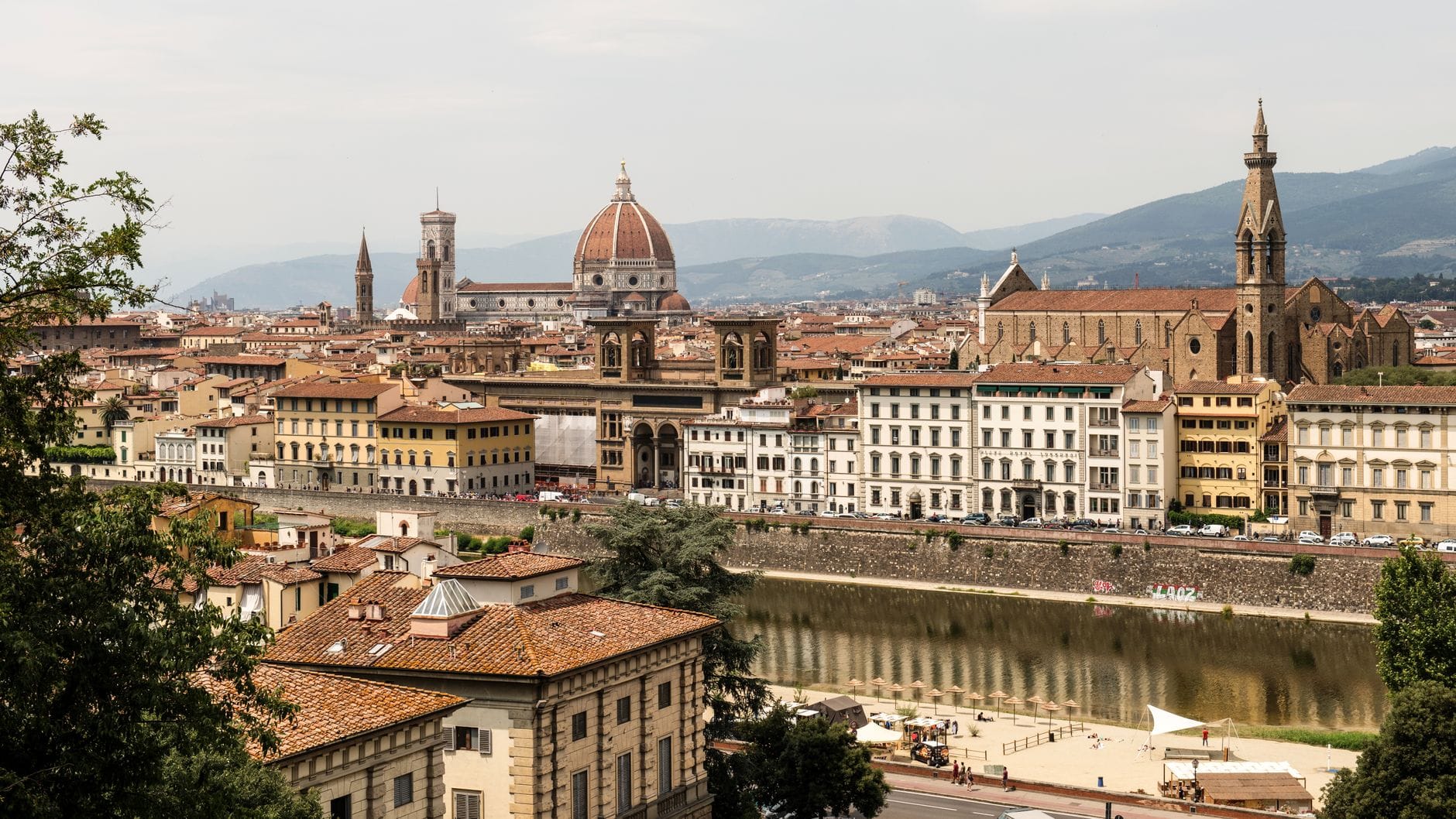
Florence's Centro Storico is the UNESCO-listed historic core of the city, covering 505 hectares within the line of the former 14th-century walls. It contains the Duomo, the Uffizi, Piazza della Signoria, Ponte Vecchio, and one of the highest concentrations of Renaissance art and architecture anywhere on earth. Staying or spending serious time here puts you at the center of everything — at a price, in terms of crowds, noise, and cost.
Florence's Centro Storico is not just the city's most visited district — it is, by any reasonable measure, one of the most significant urban ensembles in the world. Inscribed as a UNESCO World Heritage Site in 1982, this compact core of 505 hectares contains an unbroken thread of history running from Etruscan and Roman foundations through medieval merchant power, Medici patronage, and the full flowering of the Italian Renaissance. Walking from the Baptistery to the Uffizi to Ponte Vecchio, you cover ground that Brunelleschi, Botticelli, and Michelangelo all knew well.
Orientation: Where the Centro Storico Sits
The Centro Storico occupies the heart of Florence, bounded roughly by the ring roads (the viali) that trace the line of the demolished 14th-century city walls. Think of it as a dense, walkable oval sitting on the north bank of the Arno, with the river forming its southern edge before crossing into Oltrarno. The entire area is car-restricted for most visitors, which means the streets inside belong primarily to pedestrians, cyclists, and the occasional delivery van.
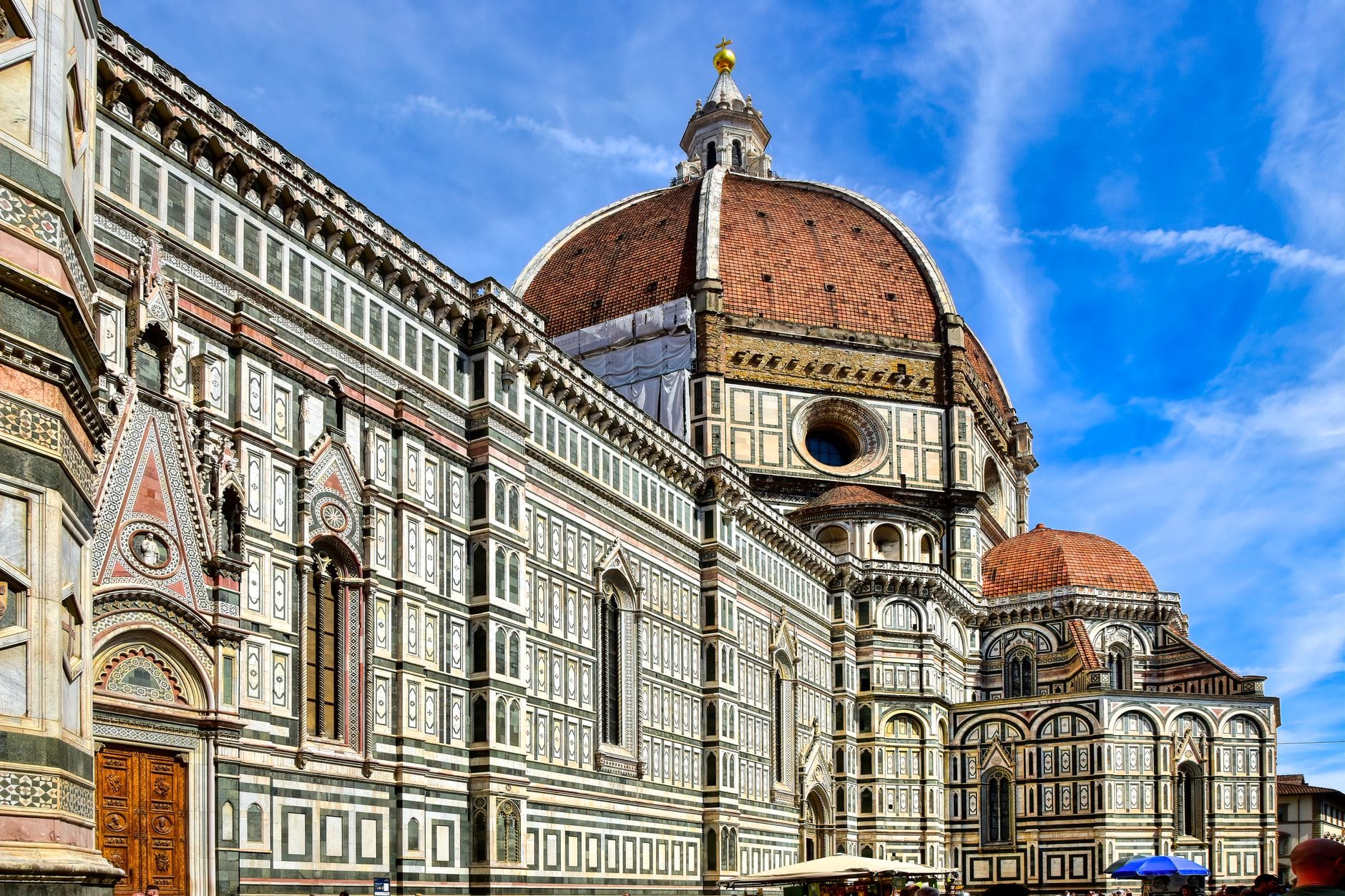
For practical navigation, the four compass points of the historic centre are anchored by recognizable landmarks: Piazza San Marco to the north, the Santa Maria Novella railway station to the west, Piazza Santa Croce to the east, and the Arno riverfront — with Ponte Vecchio at its most famous crossing — to the south. The Duomo sits almost dead center, and nearly every visitor instinctively orients themselves relative to Brunelleschi's terracotta dome, visible from much of the city.
The historic centre overlaps with several named sub-districts that Florentines and travel guides treat as their own neighborhoods:San Marco in the north, San Lorenzo near the market, Santa Croce to the east, and Santa Maria Novella around the station. South of the Arno,Oltrarno is technically within the UNESCO boundary but has its own distinct character — quieter, more residential, with a stronger artisan identity. This page covers the full Centro Storico as a whole, with pointers to those sub-districts where the character genuinely differs.
ℹ️ Good to know
Florence has no metro system and relies instead on buses and trams. The entire Centro Storico is walkable from Firenze Santa Maria Novella station, the city's main rail hub, in under 20 minutes on foot to most major sights.
Character and Atmosphere: What It Feels Like on the Ground
The Centro Storico works on multiple registers simultaneously, and which one dominates depends heavily on when and where you are. At 7am on a weekday in October, the streets between the Bargello and Piazza della Signoria feel like a different city entirely: pale morning light falls across the stone facades at a low angle, the piazzas are quiet enough to hear pigeons, and the city belongs to street sweepers, bakery deliveries, and the occasional local heading to a bar for espresso. By 10am, the tour groups arrive. By noon on a summer day, the Piazza del Duomo becomes one of the most crowded squares in Europe.
The streets themselves vary enormously within a short walk. Via dei Calzaiuoli, the broad pedestrian artery linking the Duomo to Piazza della Signoria, is relentlessly touristy and lined with chain stores. Step one block east or west and the mood shifts: narrower lanes, shuttered ground-floor workshops, the smell of aged stone and occasionally leather, fewer selfie sticks. The medieval street grid is tight enough that genuine quiet is always just a turn away from the main flows.
After dark, the historic centre splits into zones. Around Piazza della Repubblica and the main restaurant strips, the evening is lively through to midnight. Streets closer to the Arno, particularly around Borgo Santi Apostoli and the lanes west of Ponte Vecchio, are atmospheric and relatively calm. The area empties noticeably after 11pm outside of summer, when much of the after-hours energy shifts south across the river to Oltrarno's bars and piazzas.
Honest assessment: the Centro Storico is one of the most intensely visited urban cores in Italy. In July and August, the main arteries can feel genuinely oppressive in the midday heat, with slow-moving crowds, queues at every major entrance, and a level of commercial tourism pressure that makes it hard to feel any connection to the place. Spring (April to early June) and autumn (September to October) are significantly better for actually experiencing the neighborhood rather than simply surviving it.
What to See and Do
The sheer density of world-class monuments within the Centro Storico is genuinely difficult to convey. Within a 20-minute walk, you can cover more significant art and architecture than most cities contain in their entirety. The challenge is not finding things to do, but building an itinerary that doesn't collapse under its own weight.
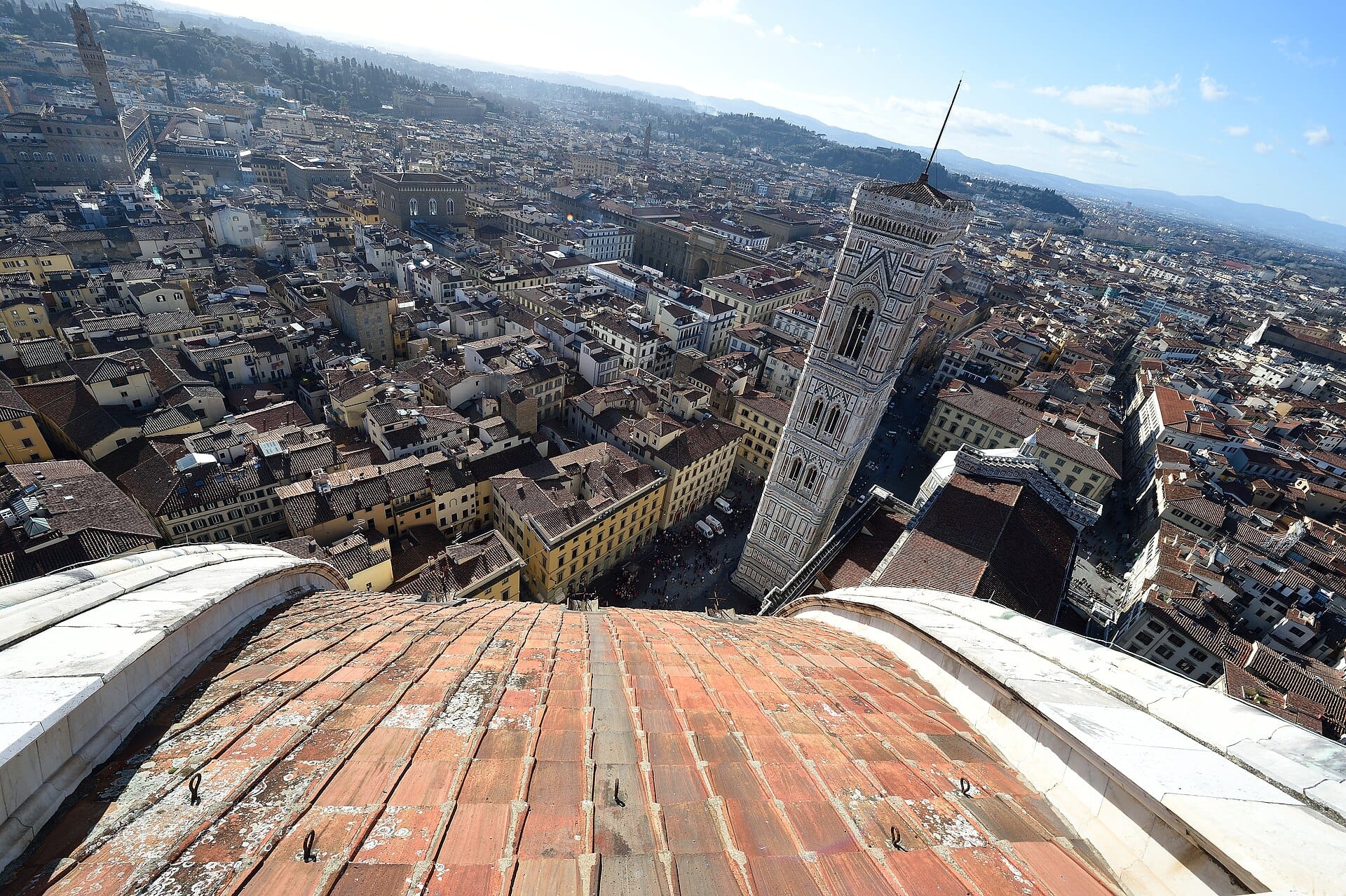
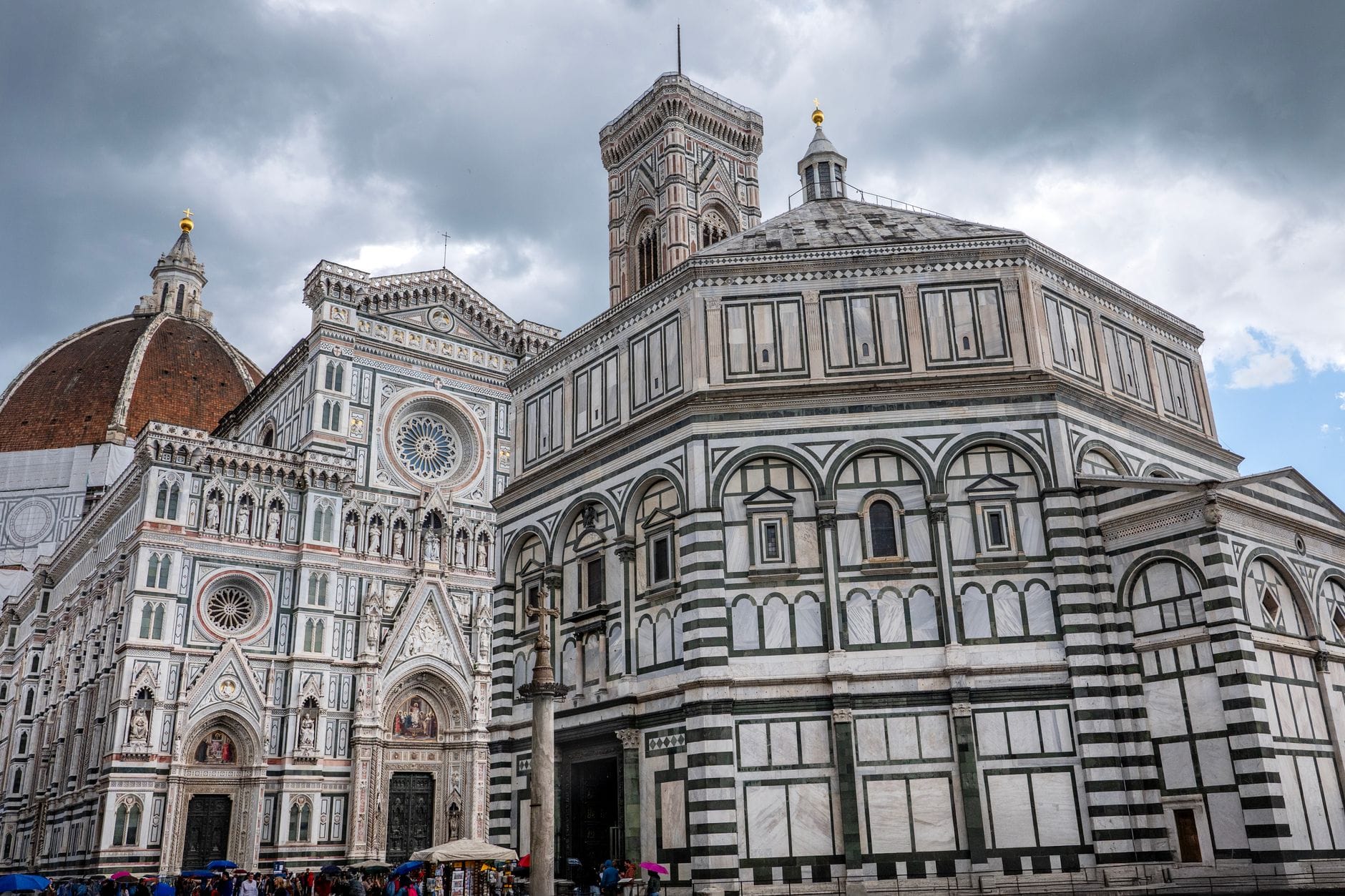
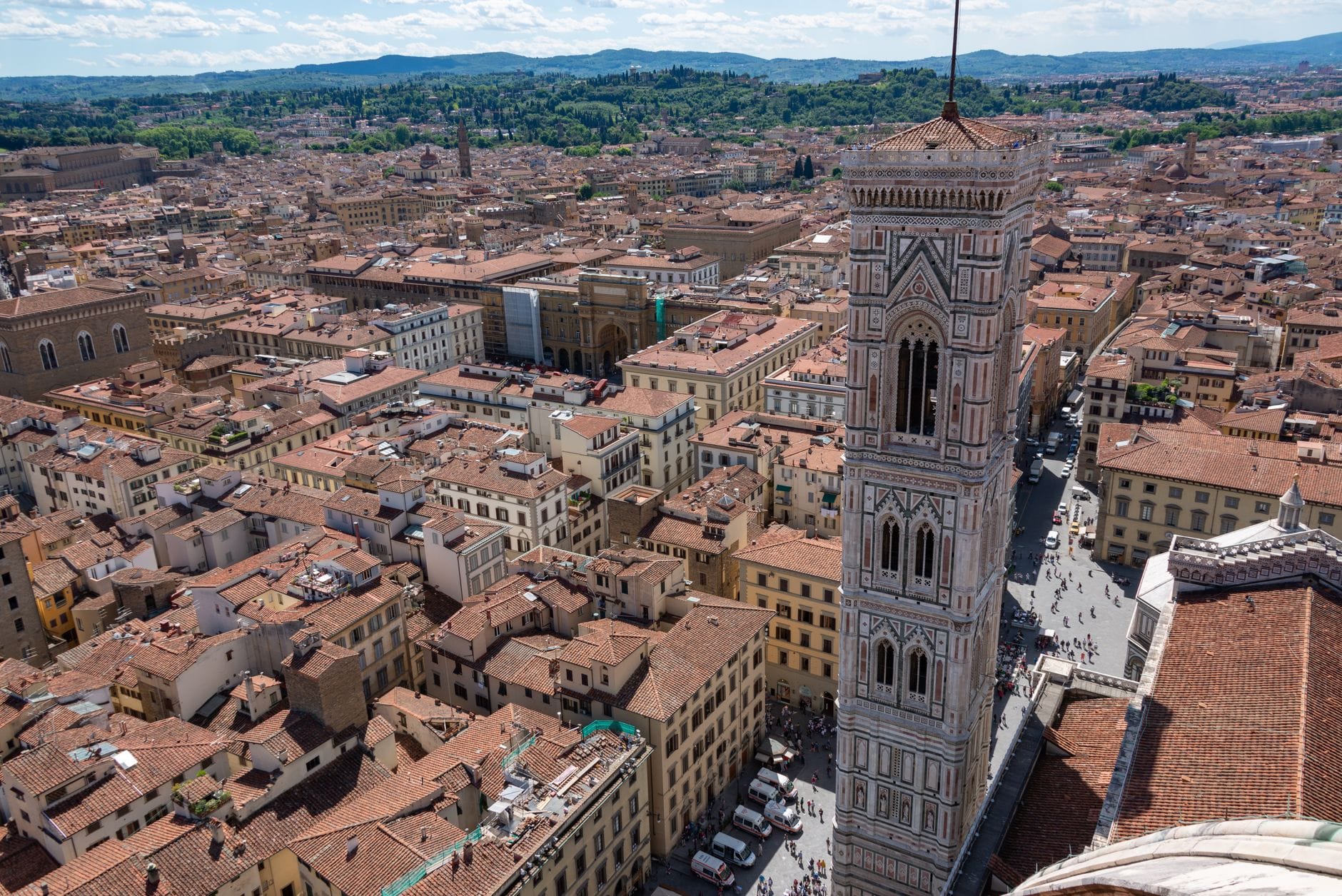
The logical anchor for any visit is the Piazza del Duomo complex. TheCathedral of Santa Maria del Fiore and Brunelleschi's dome are the defining image of Florence, andclimbing the dome rewards the effort with a close-up of the frescoed interior and views over the terracotta cityscape that no hilltop viewpoint quite replicates. Alongside the cathedral, theBaptistery of San Giovanni and Giotto's Campanile complete a trio that took centuries to build and still anchors the entire district visually.
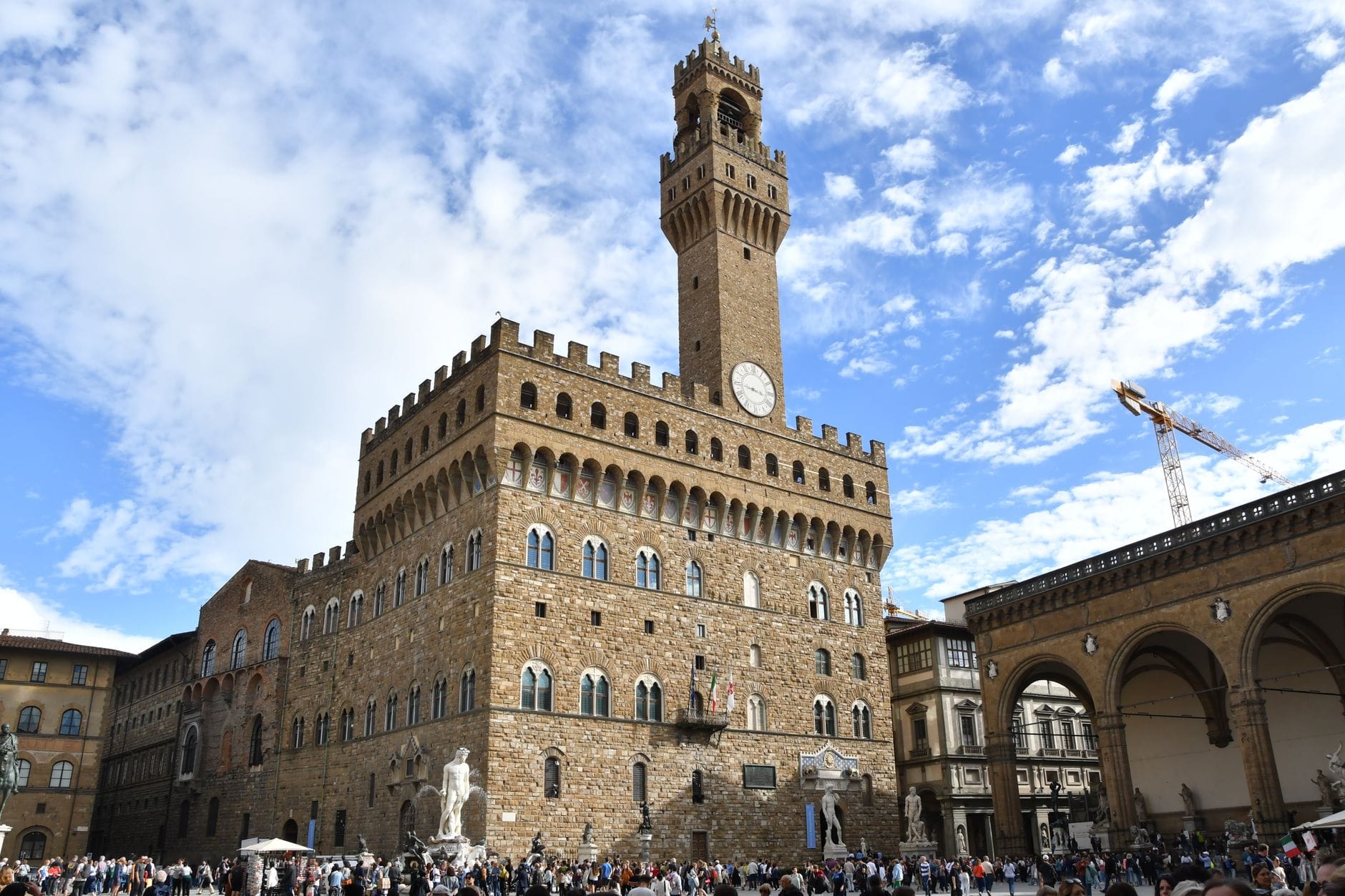
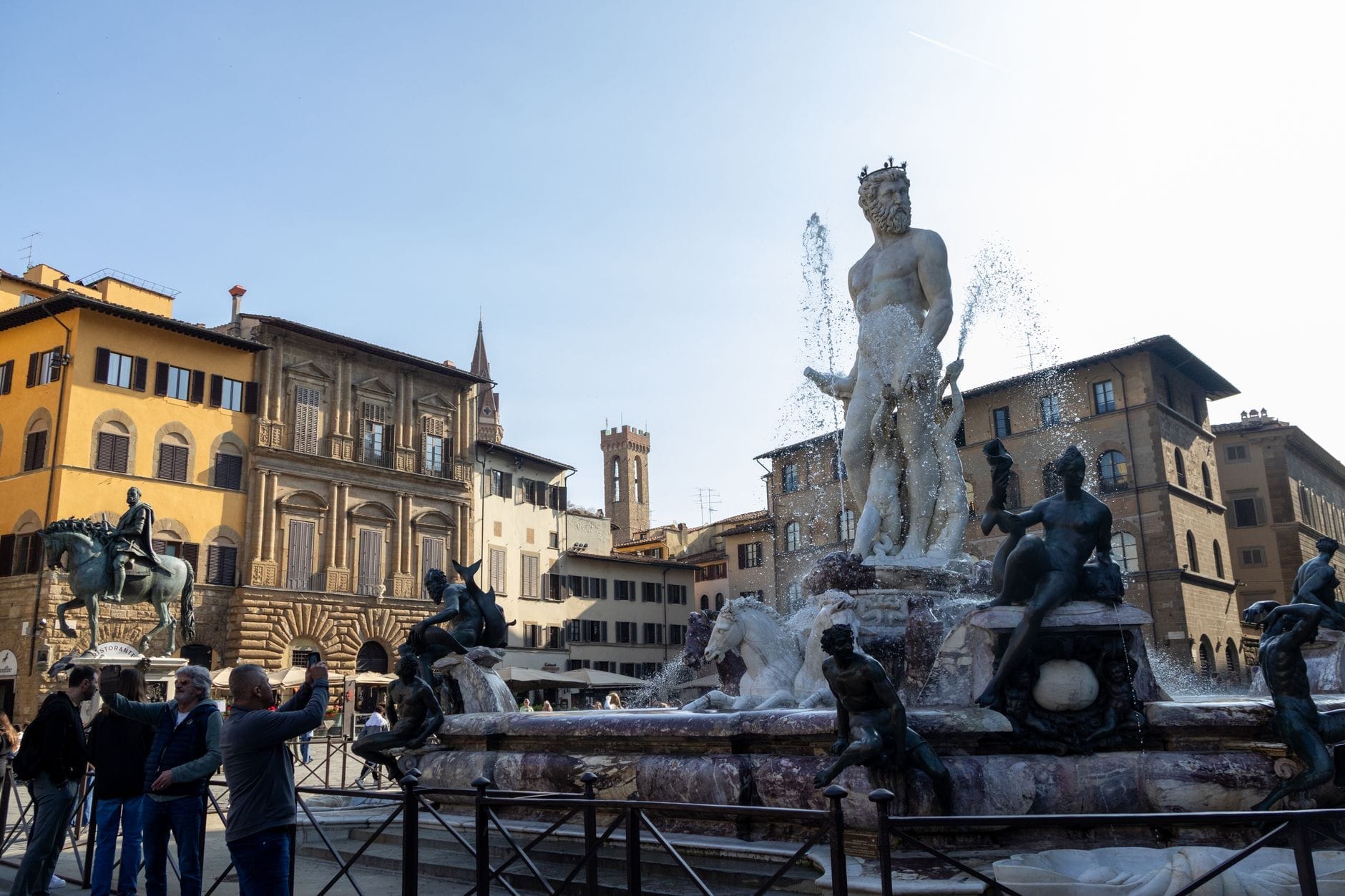
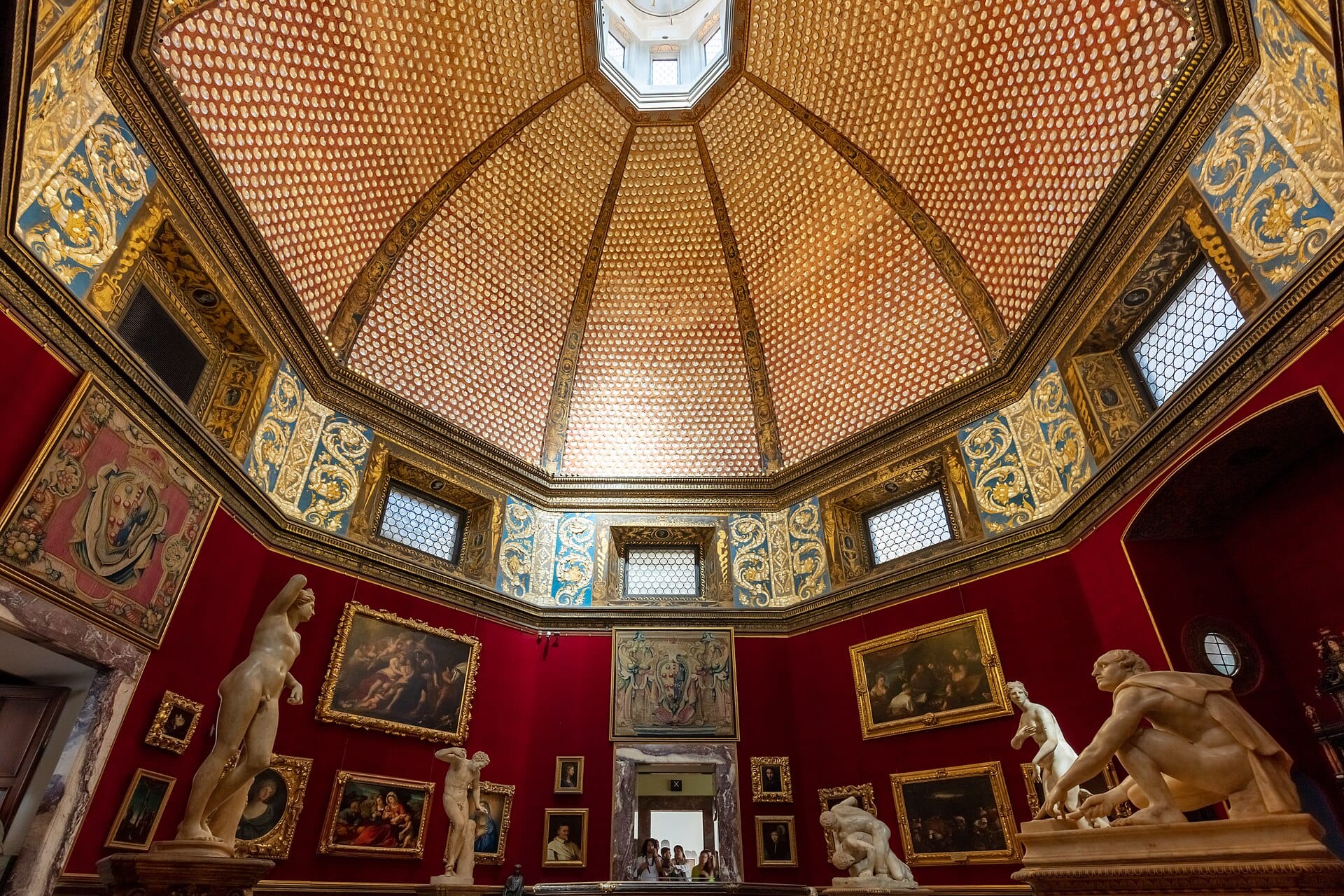
Walking south from the Duomo along Via dei Calzaiuoli brings you toPiazza della Signoria, Florence's great civic square, with the crenellated bulk ofPalazzo Vecchio on one side and the open-air sculpture gallery of the Loggia dei Lanzi on another. TheUffizi Gallery stretches south from the square toward the river, housing the most important collection of Italian Renaissance painting in the world. Pre-booking entry is not optional in high season — it is essential.
Museo del Bargello: the city's foremost sculpture museum, with works by Donatello and Michelangelo, in a medieval fortress on Via del Proconsolo
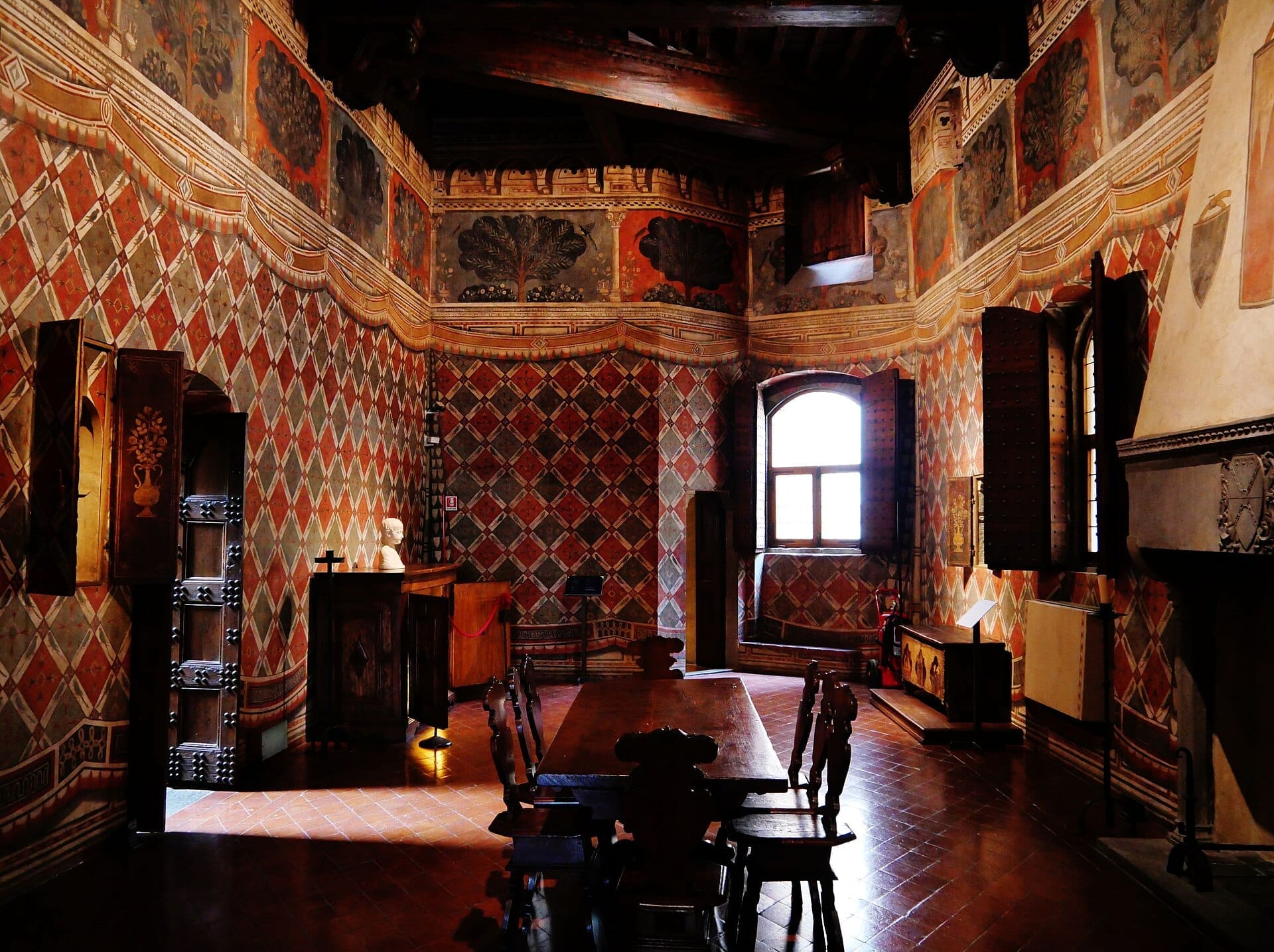
Palazzo Davanzati: a rare intact medieval merchant townhouse, little-visited and genuinely atmospheric
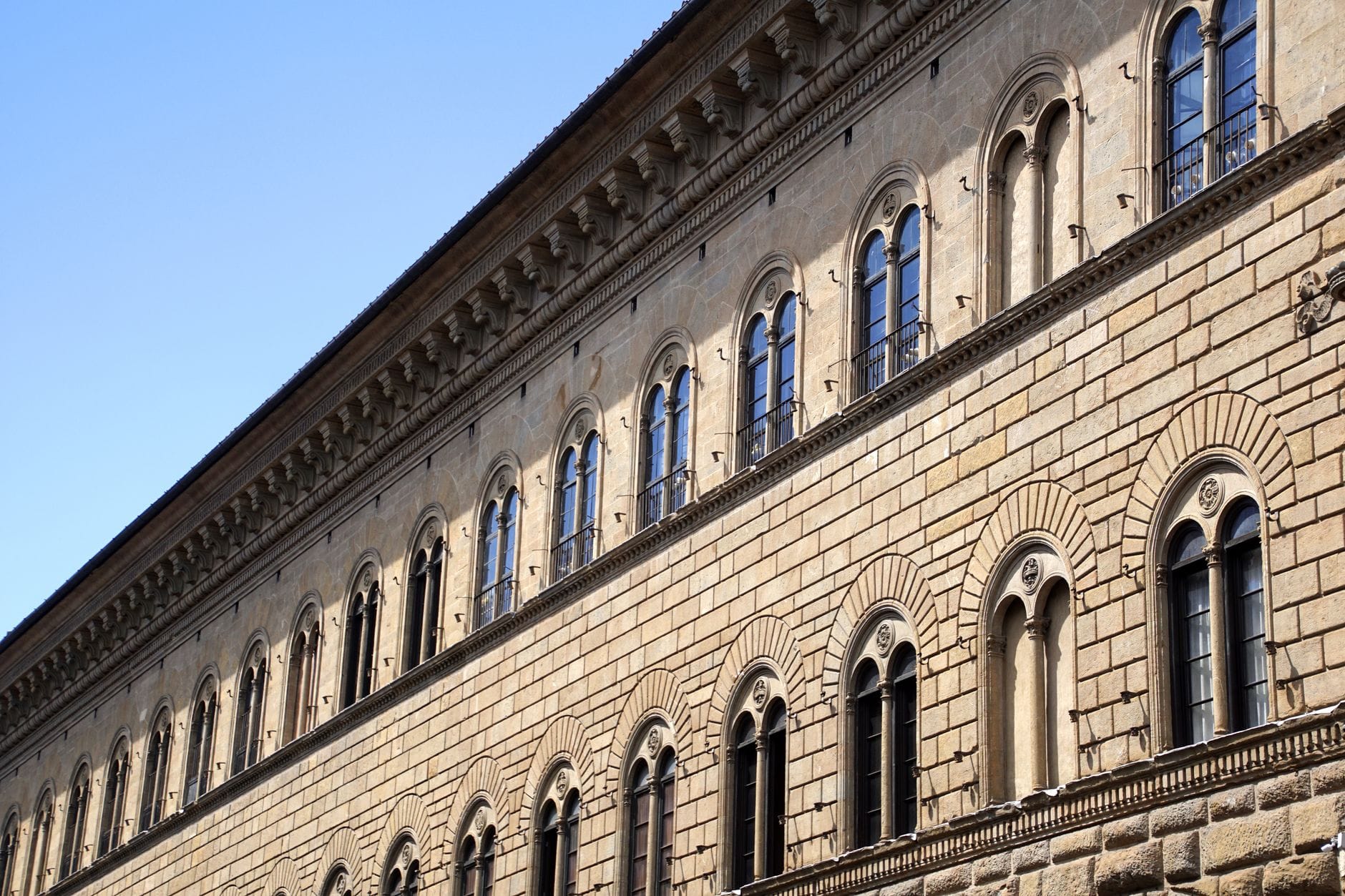
Palazzo Strozzi: the main venue for major contemporary and Renaissance art exhibitions in Florence
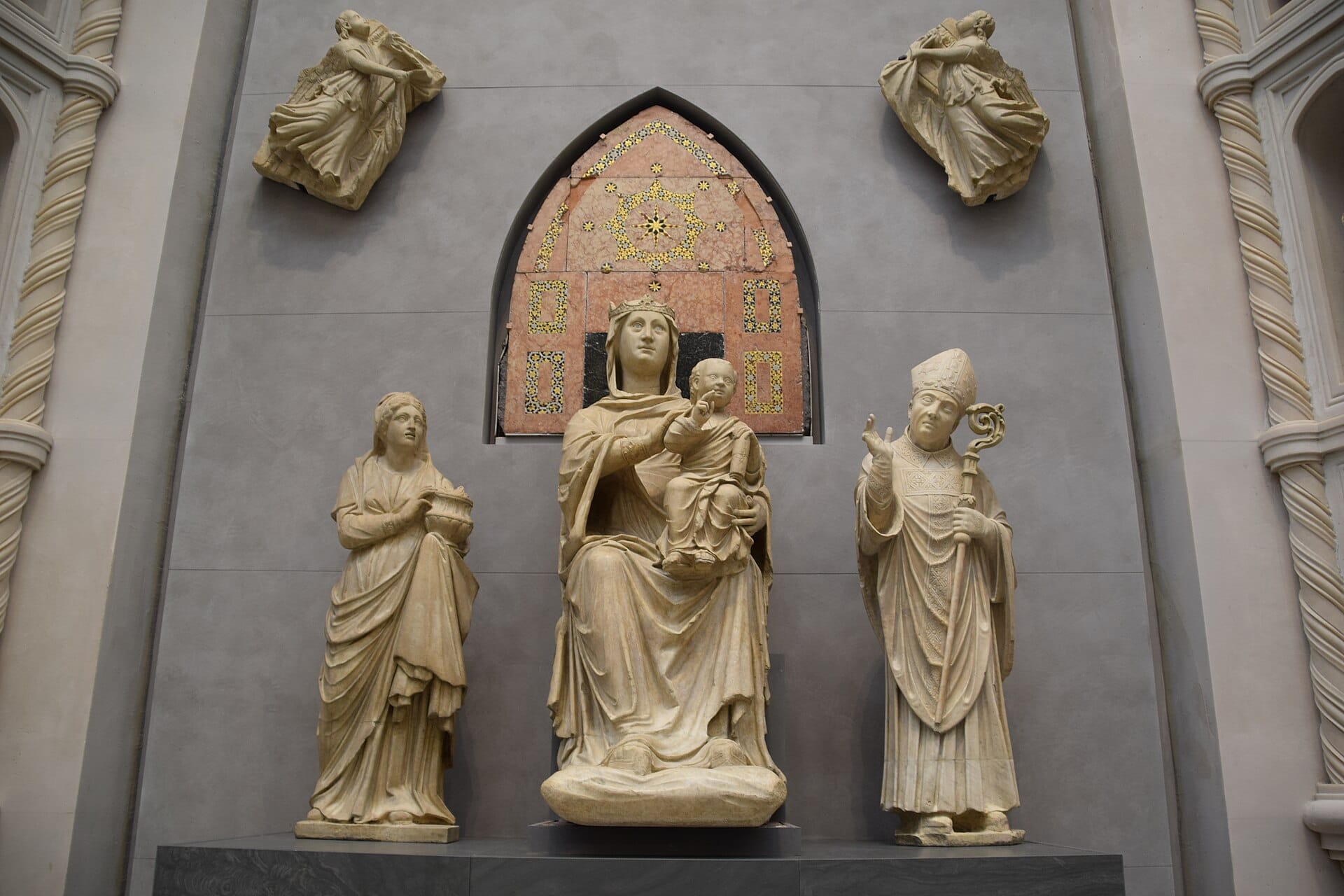
Museo dell'Opera del Duomo: the museum holding the original panels from the Baptistery doors and Michelangelo's Pietà Bandini
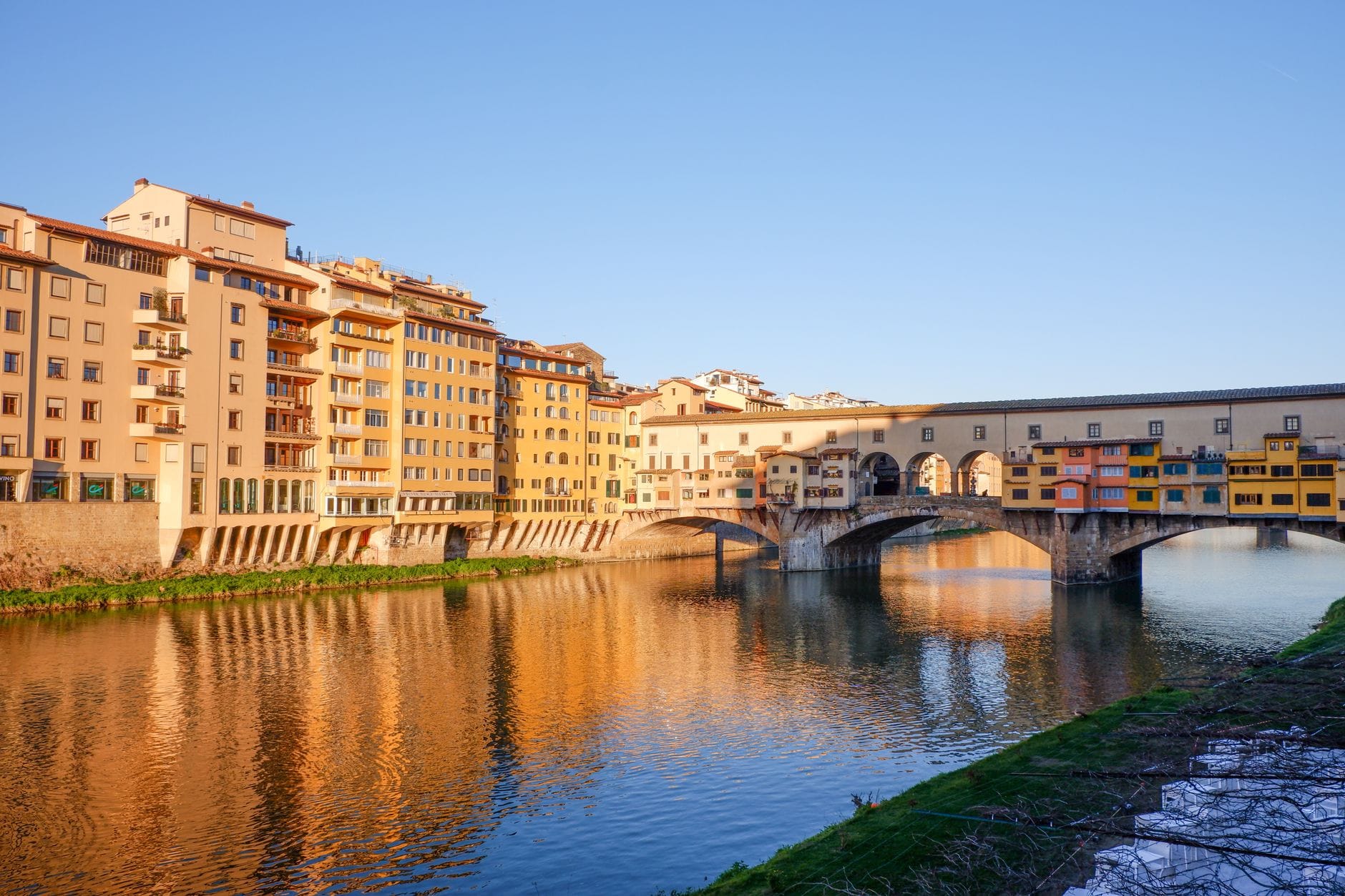
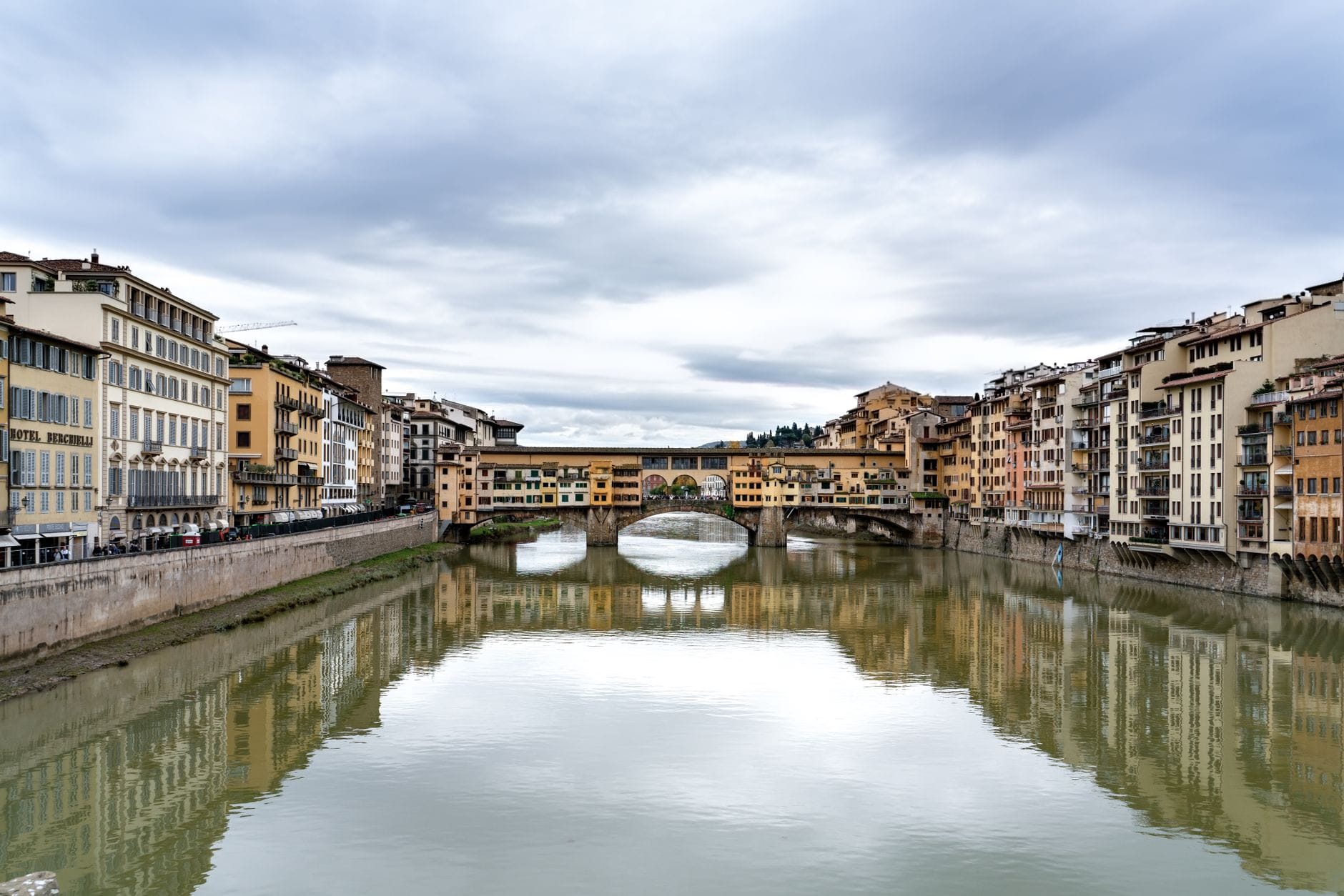
Ponte Vecchio: Florence's oldest bridge, lined with goldsmiths' shops since the 16th century
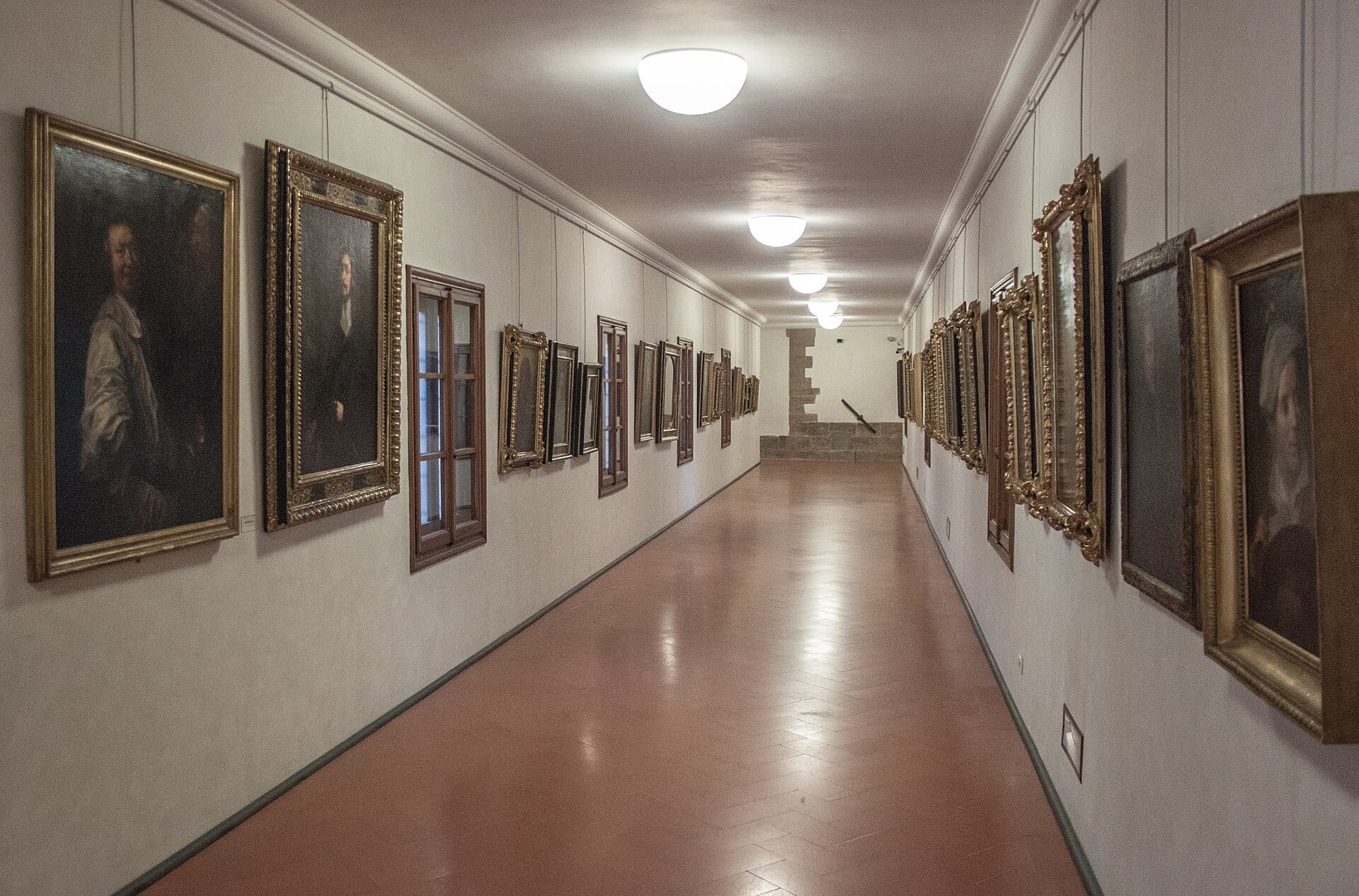
The Vasari Corridor (currently closed for renovation — check current status before visiting)
Across the Arno, within the UNESCO boundary, thePitti Palace and Boboli Gardens represent the Medici at their most lavish. The palace now houses several separate museums; the gardens behind it are one of the finest examples of Italian formal garden design in existence and a welcome escape from the stone-paved streets below.
💡 Local tip
Book the Uffizi, Accademia, and Duomo dome climb well in advance, especially between April and October. Walk-up queues for popular sites can run to two hours or more in peak season. Arriving at opening time on a weekday is the single most effective strategy for the major museums.
Eating and Drinking
The Centro Storico's food scene is uneven in a way that rewards a little navigation. The streets immediately around Piazza del Duomo and Piazza della Signoria are densely populated with tourist-facing restaurants offering mediocre bistecca at elevated prices. The food does not necessarily get worse here — but the value does, reliably. Moving two or three blocks away from the main pedestrian arteries changes the calculus considerably.
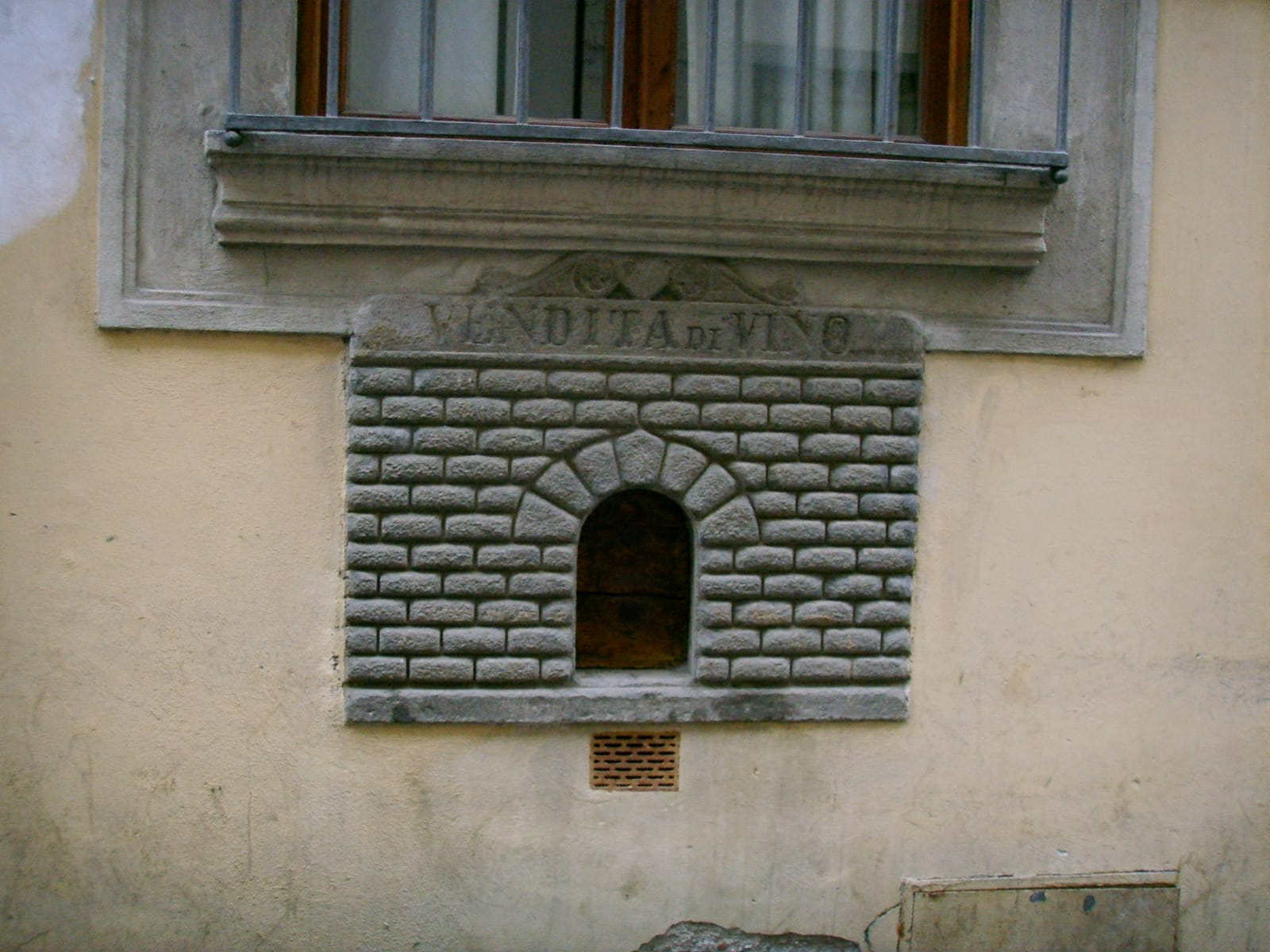
Street food is one area where the historic centre genuinely delivers. Lampredotto (tripe) sandwiches from market stalls nearMercato Centrale— just north of the formal Centro Storico boundary but easily walkable — and schiacciata (flat salted bread) from bakeries throughout the district are both legitimately Florentine and inexpensive. The tradition of thewine windows (buchette del vino), small hatches in palace walls once used to sell wine directly to the street, has seen a modest revival in parts of the historic centre.
For a broader sense of what Florentine food actually looks like, the guide towhat to eat in Florence covers the local specialties worth seeking out, from ribollita to crostini di fegatini. Cafés in the historic centre range from grand 19th-century establishments on Piazza della Repubblica to tiny neighborhood bars on side streets where locals stand at the counter for espresso at 60-80 cents. The counter price and the table price at many Florentine bars are significantly different — sitting down triggers a service charge.
Aperitivo culture is present but the real bar scene in Florence tends to concentrate south of the Arno after dark. Within the Centro Storico, the area around Piazza della Repubblica and the lanes between Via dei Servi and Piazza Santa Croce has the most concentrated evening drinking options. Enotecas (wine bars) scattered through the district offer Tuscan wines by the glass in settings that range from vaulted medieval cellars to modern counters.
Getting There and Around
Firenze Santa Maria Novella station, on the western edge of the Centro Storico, is Florence's main rail hub and the arrival point for high-speed trains from Rome (around 1.5 hours), Milan, and Venice, as well as regional connections across Tuscany. From the station, Piazza del Duomo is roughly a 15-minute walk east along Via dei Cerretani. Virtually every major sight in the Centro Storico is reachable on foot from the station in under 25 minutes.
Florence Airport (Amerigo Vespucci, IATA: FLR) lies northwest of the city, a few kilometers from the center. The T2 tram line connects the airport to Santa Maria Novella station in about 20 minutes. Taxis from the airport operate on a regulated fare system — verify current rates with the airport or municipality before travel, as these are subject to periodic adjustment. For those arriving via Pisa's Galileo Galilei Airport (PSA), direct train services connect Pisa Centrale to Florence Santa Maria Novella.
Within the historic centre, walking is essentially the only viable option for most movement. The ZTL (Zona a Traffico Limitato) restricts private vehicle access to the central streets during most of the day, and even permitted vehicles navigate a medieval street plan not designed for cars. City buses run along the ring roads (the viali) on the perimeter, and several routes stop at key squares including Piazza San Marco, Piazza Santa Croce, and Piazza Santa Maria Novella. Trams run outside the ZTL boundary.
For a full breakdown of transport options in Florence, the guide togetting around Florence covers buses, trams, taxis, and cycling in detail. Cycling within the historic centre is technically permitted on many streets but practically difficult given the narrow lanes and pedestrian density in peak hours.
⚠️ What to skip
Driving into the Centro Storico without the correct ZTL permit results in automatic fines, often delivered to foreign visitors weeks after returning home via their rental company. Do not follow GPS directions that route you through the restricted zone unless you have confirmed authorization.
Where to Stay
Staying inside the Centro Storico puts you within walking distance of virtually everything Florence is known for, and this convenience comes with trade-offs worth understanding before booking. For a full overview of accommodation across all neighborhoods, theguide to where to stay in Florence provides a district-by-district comparison. The short version: the Centro Storico suits first-time visitors who want to maximize sightseeing time and don't mind paying a premium for central location.
Accommodation ranges from grand historic hotels with internal courtyards and frescoed ceilings to small B&Bs tucked into upper floors of Renaissance palaces. Prices are generally higher here than in surrounding neighborhoods, and rooms tend to be smaller for the money. Noise is a real consideration: the streets around Piazza della Repubblica, Via dei Calzaiuoli, and the main tourist arteries are lively until late, and stone buildings with single-glazed windows transmit street sound efficiently. Rooms overlooking interior courtyards or quieter back streets make a meaningful difference.
The quieter pockets within the historic centre — particularly the blocks between the Bargello and Santa Croce, and the lanes west of Palazzo Strozzi — offer a more livable base than the high-traffic zones near the Duomo. Travelers who want evening life and a more local atmosphere at slightly lower prices consistently find Oltrarno and Santa Croce better value as bases, with the full Centro Storico still reachable on foot in under 20 minutes.
💡 Local tip
When booking accommodation in the historic centre, check whether the property is within the ZTL. If you're arriving by car or taxi with luggage, clarify drop-off access with the hotel in advance — many properties require timed entry or have specific loading protocols.
Practical Notes and Honest Drawbacks
The Centro Storico is, at its core, a functioning city neighborhood that has been under extreme visitor pressure for decades. UNESCO has flagged conservation concerns related to the volume of tourism and traffic, and the impacts are visible at street level: worn pavements, heavily scaffolded facades, over-commercialized frontages on prime streets. The experience of the historic center is genuinely better at non-peak times — early morning, off-season, or in the quieter sub-neighborhoods away from the main sightseeing axes.
Safety is generally not a serious concern in the Centro Storico. Petty theft (pickpocketing in crowded piazzas, around the Duomo, and on approaches to the Uffizi) is the realistic risk for visitors, particularly in peak season. The area is well-lit and populated throughout the evening. Basic precautions — no visible valuables, bags worn in front in crowded spaces — address most of the actual risk.
Dress codes apply at all major churches and religious sites. Covered shoulders and knees are required to enter the Duomo, Santa Croce, Santa Maria Novella, and other active churches. Some sites provide disposable coverings at the entrance, but arriving prepared avoids delays. Rules on eating, sitting on steps, and other behaviors in certain piazzas are subject to municipal ordinances that change; check current regulations if you plan extended time in specific squares.
For travelers visiting Florence for the first time and trying to build a coherent itinerary, the3-day Florence itinerary and the guide to things to do in Florence provide structured starting points for navigating the density of the historic centre without feeling overwhelmed.
TL;DR
The Centro Storico is Florence's UNESCO-listed historic core, containing the Duomo, Uffizi, Ponte Vecchio, Palazzo Vecchio, and dozens of major churches and museums within a compact, walkable area.
Best suited to first-time visitors who want to be within walking distance of the major sights, and to anyone traveling without a car who wants maximum access with minimum transit.
Peak summer (July-August) brings genuine crowd and heat pressure; spring (April to early June) and autumn (September to October) are meaningfully better for actually experiencing the neighborhood.
Accommodation is central and convenient but commands a premium, with noise being a real factor near the main tourist arteries — quieter rooms and side-street locations make a significant difference.
Advance booking is essential for the Uffizi, the Accademia, and the Duomo dome climb; walk-up queues in peak season are long enough to consume most of a day.
Top Attractions in Centro Storico (Historic Center)
Three days in Florence is enough to cover the iconic Duomo complex, the Uffizi Gallery, Michelangelo's David, and the atmospheric Oltrarno district south of the Arno. This itinerary is built around realistic timing, advance booking requirements, and genuine local insight — not just a list of landmarks.
Florence's churches are not mere places of worship — they are the greatest concentration of Renaissance art and architecture on earth. This guide covers the essential basilicas, chapels, and hilltop sanctuaries, with practical details on tickets, timing, and what makes each one worth your time.
Florence holds more masterpieces per square kilometer than almost anywhere on earth. This ranked guide covers the city's finest museums, from blockbuster galleries to intimate palaces, with practical advice on what each one is worth and how to book smart.
Florence rewards visitors differently depending on when you arrive. This guide breaks down every season by weather, crowd levels, and value so you can choose the right time for your trip, whether you're chasing quiet museums, grape harvest season, or budget flights in January.
Florence rewards those who look up, climb up, and cross the river. This guide covers the city's finest viewpoints, from the famous terraces of Piazzale Michelangelo to the quieter hilltop gardens and climbable towers that frame the Duomo from every angle.
The Chianti wine region sits less than an hour south of Florence, but reaching the best estates requires planning. This guide covers the SR222 route, the top wineries worth booking, guided tour prices, and the seasonal realities that most itineraries gloss over.
Florence sits at the heart of Tuscany, which makes it one of the best bases in all of Italy for exploring the surrounding region. This guide covers the top day trips from Florence, with real travel times, price ranges, and the practical take about which destinations deserve a full day and which are better as a quick half-day escape.
Cinque Terre is one of the most rewarding day trips from Florence, but the logistics trip up a surprising number of visitors. This guide covers every step: which trains to take, how much to budget, which villages to prioritize, and whether a day trip is actually worth the travel time.
The Florence to Venice train is a major intercity route, with direct high-speed services departing roughly every 10 minutes at peak times. This guide covers journey times, ticket prices, how to book, and whether a day trip from Florence is worth it.
Florence is one of the world's most walkable cities, with nearly every major landmark within a compact historic centre. This guide covers the best walking routes, clear pricing breakdowns, seasonal tips, and how to avoid the most common tour mistakes.
Florence rewards families who plan smart. From free museum entry for children under 18 to gelato-making classes and rooftop climbs, this guide covers everything you need: timing, logistics, money-saving tips, and practical advice on what actually works with kids in tow.
Florence is one of the most art-rich cities in the world, and a surprising amount of it costs nothing. From Renaissance churches and open-air sculpture to rooftop panoramas and local markets, this guide covers the best genuinely free experiences in the city.
Florence is one of Europe's most walkable cities, but knowing how its bus network, tram lines, ZTL restrictions, and airport connections work will save you time, money, and frustration. This guide covers everything from the €1.70 airport tram to navigating the historic center on foot.
Florence rewards those who look past the obvious. From Masaccio's revolutionary frescoes in a quiet Oltrarno chapel to a 14th-century merchant's house frozen in time, these are the experiences that make the city feel genuinely yours. This guide covers the art, gardens, markets, and viewpoints that most visitors never find.
Florence holds more Michelangelo originals than any other city on earth. This guide covers every sculpture, painting, and architectural work you can see in person — with exact locations, current ticket prices, booking advice, and the common mistakes that trip up first-time visitors.
Florence packs more world-class art and architecture into a single square mile than almost anywhere on earth. This guide gives you a realistic, expertly sequenced 24-hour itinerary with current prices, booking advice, seasonal tips, and honest trade-offs so you spend your time wisely.
The journey from Rome to Florence is one of Italy's most traveled routes, and getting it right saves you hours and money. This guide breaks down every realistic option — high-speed train, budget bus, and why flying rarely makes sense — with practical advice on booking, timing, and what to expect when you arrive.
Florence has been producing world-class leather and fashion for centuries. This guide covers every major shopping area, from artisan workshops near Santa Croce to the weekly Cascine market, with clear price breakdowns and practical advice on spotting quality goods.
Florence packs more world-class art, architecture, and history into a walkable city center than almost anywhere on earth. This guide cuts through the noise to tell you exactly what to do, when to do it, and what to skip, with practical advice on crowds, costs, and logistics.
Florence takes its food seriously, and the gap between eating well and eating badly is surprisingly wide. This guide covers the essential dishes, the best markets, realistic prices, and which neighborhoods to seek out for an honest Florentine meal.
Choosing where to stay in Florence shapes your entire trip. This guide breaks down every major neighborhood by location, price, atmosphere, and convenience so you can book with confidence, whether you're visiting for three days or two weeks.