Best Things To Do in Florence, Italy: The Definitive Guide
Florence packs more world-class art, architecture, and history into a walkable city center than almost anywhere on earth. This guide cuts through the noise to tell you exactly what to do, when to do it, and what to skip, with practical advice on crowds, costs, and logistics.
Tickets & tours
Live prices and dates from our booking partner. If you book, we may earn a commission at no extra cost to you.
TL;DR
- Florence's top attractions are concentrated in the UNESCO-listed Centro Storico, most within a 15-20 minute walk of each other.
- Book the Uffizi, Accademia, and Duomo dome climb well in advance — popular slots sell out weeks ahead, especially April through October. See our best time to visit Florence guide for crowd and pricing patterns by month.
- The Duomo cathedral nave is free, but the dome, bell tower, Baptistery, and Opera del Duomo Museum all require separate paid, timed tickets.
- Piazzale Michelangelo is walkable from the historic center and free — one of the best value experiences in the city.
- The Oltrarno neighborhood across the Arno offers a slower pace, genuine artisan workshops, and the Pitti Palace complex — worth at least half a day.
Why Florence Rewards Careful Planning
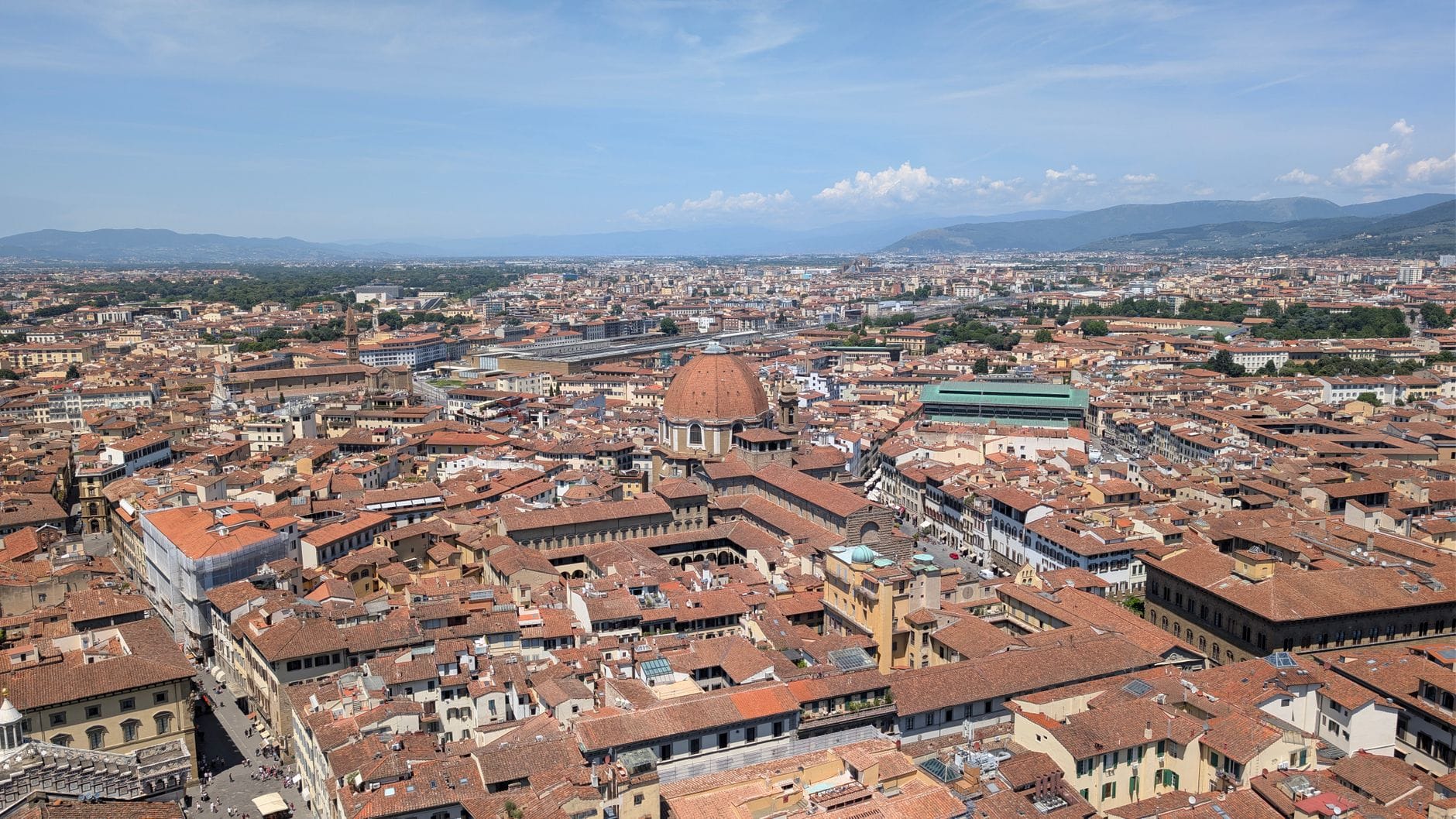
Florence (Firenze in Italian) is the capital of Tuscany and one of the most densely art-rich cities in the world. The entire historic center — roughly 5 square kilometers of the broader municipality — is a UNESCO World Heritage Site inscribed in 1982, and scholars widely regard the city as the cradle of the Italian Renaissance. That concentration of significance is both the appeal and the challenge. Do it wrong and you spend your time in queues and overpriced cafes near the Duomo. Do it right and Florence delivers experiences that stay with you for years.
The city sits in a basin on the Arno River at around 50 meters above sea level, ringed by gently rolling Tuscan hills. That geography matters practically: the flat center is very walkable, but nearby viewpoints likePiazzale Michelangelo and San Miniato al Monte require a short uphill walk that most visitors underestimate in summer heat. Spring (April to early June) and early autumn (September to October) offer the best balance of manageable crowds and comfortable temperatures. July and August are the hottest, most expensive, and most crowded months — not inherently bad, but you need to plan around them.
⚠️ What to skip
Do not assume you can walk up to the Uffizi, Accademia, or Duomo dome and buy a ticket on the day. During peak season, all three routinely sell out. Book as soon as your travel dates are confirmed. The Duomo dome climb uses timed-entry tickets through the Opera del Duomo official website. The Uffizi and Accademia have their own online reservation system with an additional booking fee.
The Duomo Complex: Florence's Most Iconic Landmark
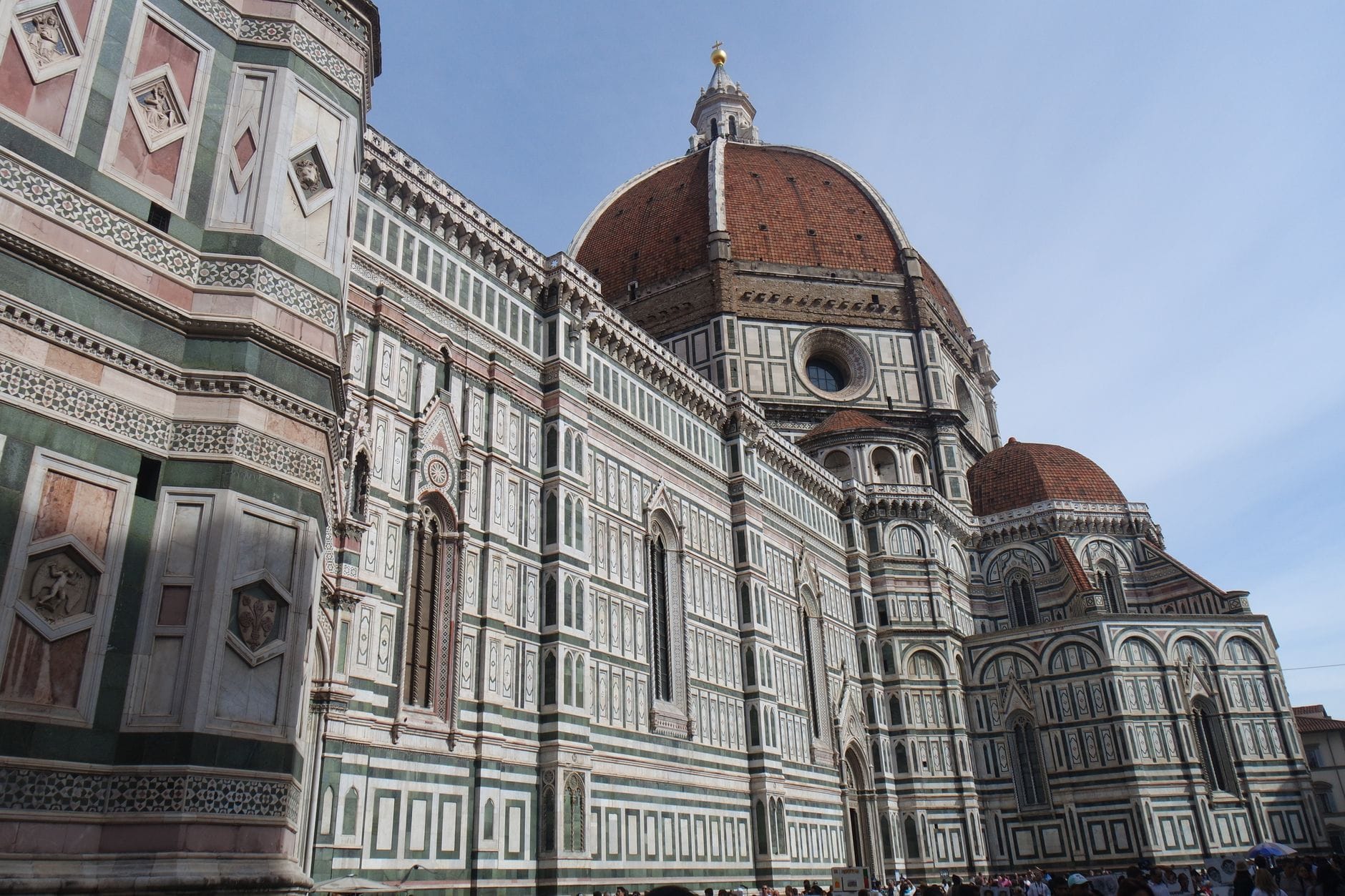
The Cathedral of Santa Maria del Fiore, universally known as the Duomo, is the visual anchor of Florence. Brunelleschi's dome, completed in 1436, was the largest in the world at the time and remains an extraordinary feat of engineering. Thedome climb takes you up 463 steps to a platform with unobstructed views over the terracotta rooftops and surrounding Tuscan hills. It is physically demanding and narrow in sections, but worth every step.
The Duomo complex includes five separate components, each requiring a paid ticket except the cathedral nave itself. TheFlorence Baptistery is renowned for Ghiberti's gilded bronze doors, which Michelangelo reportedly called the Gates of Paradise.Giotto's Campanile offers 414 steps to a slightly different vantage point from the dome and is often less crowded. TheMuseo dell'Opera del Duomo houses the original sculptural works from the cathedral facade, including a late Pieta by Michelangelo and the original Ghiberti doors. If you are only doing one paid component, the dome climb is the classic choice; if you want depth, the museum is the underrated pick.
💡 Local tip
A combined Duomo complex pass covers multiple monuments (for example, Brunelleschi, Giotto, or Ghiberti passes), but not all passes include every single component. Check current pass inclusions carefully when booking, and remember timed entry for the dome climb is mandatory regardless of which ticket you hold — book your dome time slot first and build the rest of your day around it.
The Must-See Museums: Where to Spend Your Time (and Money)
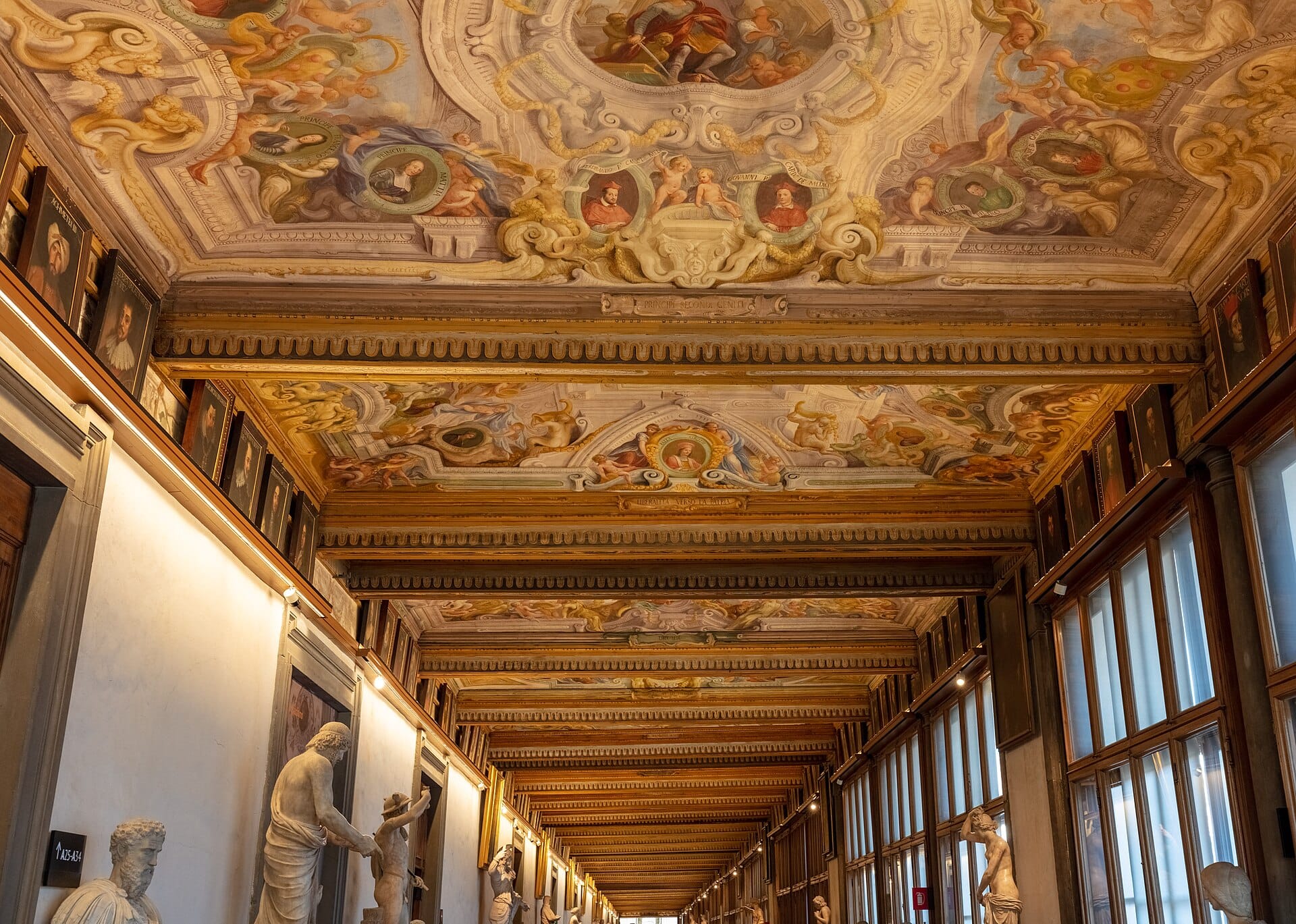
The Uffizi Gallery is non-negotiable for anyone interested in Renaissance art. The permanent collection includes Botticelli's Birth of Venus and Primavera, works by Leonardo da Vinci, Raphael, Titian, and Caravaggio — assembled largely by the Medici family over three centuries. Budget at least two to three hours; rushing through does the collection a disservice. The gallery can feel overwhelming, so many visitors benefit from having a rough mental map of the rooms they most want to see before arriving.
The Galleria dell'Accademia is smaller and more focused. Its central draw is Michelangelo's original David — 5.17 meters of marble that still produces a genuine shock in person. The surrounding gallery of Michelangelo's unfinished Prisoners (Slaves) is worth time too, as they give insight into the sculptor's working method. The Accademia is often quicker to visit than the Uffizi, making it a good morning anchor before exploring theSan Marco area and the Convent of San Marco, where Fra Angelico's frescoes cover the monks' cells in one of the city's most peaceful and undervisited spaces.
- Uffizi Gallery The definitive Renaissance painting collection. Book tickets weeks in advance during peak season. Allow 2-3 hours minimum.
- Galleria dell'Accademia Michelangelo's David plus important works by other Florentine masters. Faster to visit than the Uffizi — typically 1-2 hours.
- Museo del Bargello Florence's premier sculpture museum, housed in a 13th-century fortress. Donatello's David and works by Michelangelo. Frequently overlooked, rarely crowded.
- Palazzo Vecchio The medieval civic palace on Piazza della Signoria with lavish Medici-era interiors. Tickets around €19; check ticketsmuseums.comune.fi.it for closures due to civic events.
- Pitti Palace and Boboli Gardens A vast complex across the Arno with multiple museums and Italy's most famous formal garden. Half a day minimum to do it justice.
For a fuller picture of Florence's museum landscape, thebest museums in Florence guide breaks down every major collection with entry costs and honest assessments of what is worth your time.
Beyond the Obvious: Churches, Squares, and Free Sights
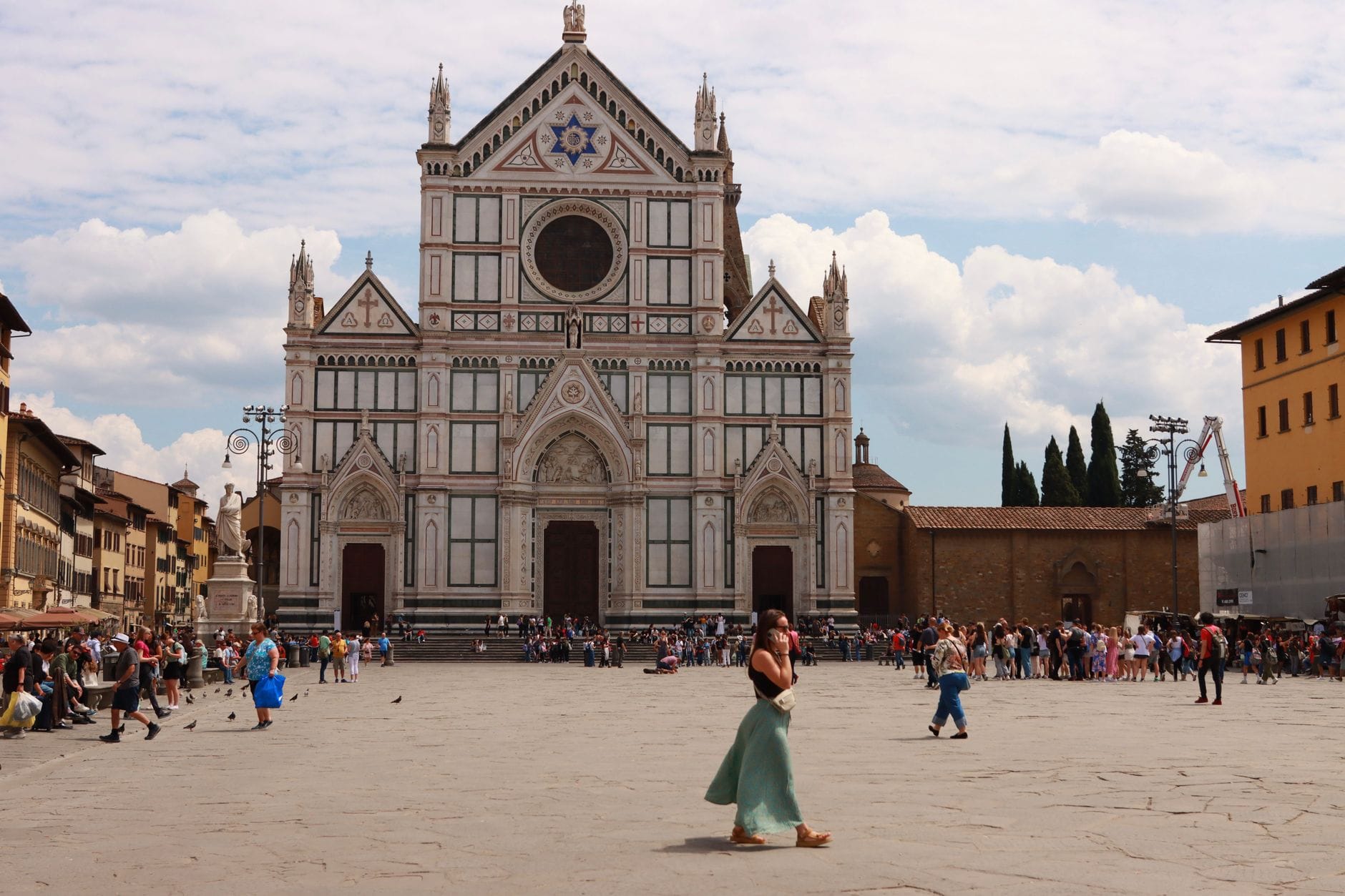
Florence's churches are often overshadowed by its paid museums, which is a mistake. TheBasilica di Santa Croce in the Santa Croce neighborhood is the burial place of Michelangelo, Galileo, Machiavelli, and Rossini, with frescoes by Giotto in the side chapels. There is an entry fee, but it is modest. TheBasilica di Santa Maria Novella, steps from the main train station, contains Masaccio's Trinity fresco, one of the first paintings to use mathematical perspective, and Ghirlandaio's celebrated cycle of frescoes in the Tornabuoni Chapel.
On the south side of the Arno, theCappella Brancacci inside Santa Maria del Carmine contains Masaccio and Masolino's cycle of frescoes depicting the life of Saint Peter. They are considered foundational works of the Renaissance and require advance booking due to strict visitor limits. Entry numbers are small, which paradoxically makes it one of the quietest and most contemplative art experiences in Florence. In the same Oltrarno district, theBasilica di Santo Spirito is Brunelleschi's restrained, beautiful design, far less visited than his more famous dome.
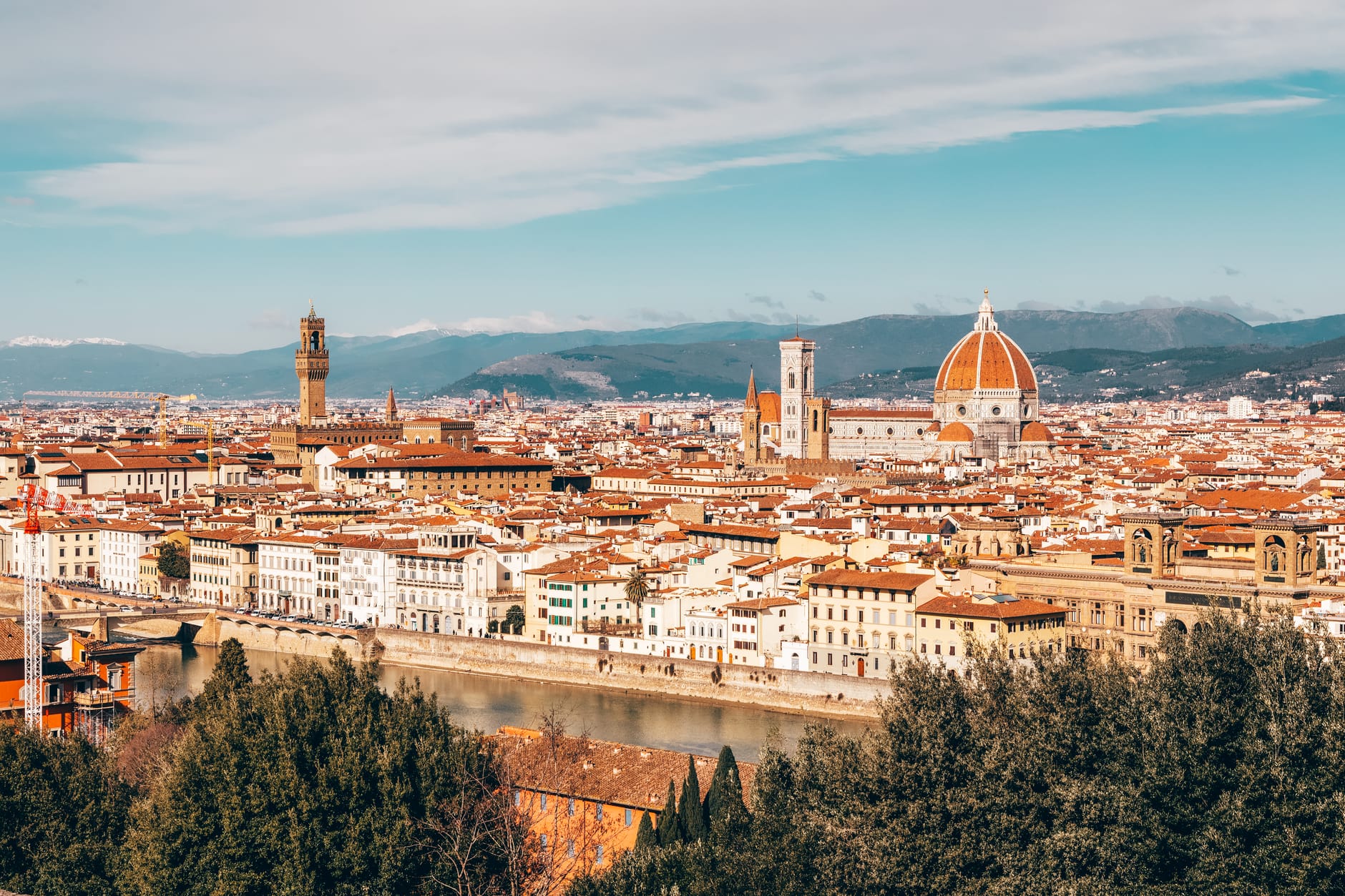
For free panoramic views,Piazzale Michelangelo is the most famous and popular, particularly at sunset. It is walkable from the historic center in about 20-25 minutes uphill, which most able-bodied visitors manage without public transport. Arrive at least 30 minutes before sunset in summer to secure a position at the wall. TheGiardino delle Rose just below it offers a quieter garden terrace with similar views and free entry. For the best views guide with additional alternatives, see our roundup of thebest views in Florence.
✨ Pro tip
The Forte di Belvedere, the star-shaped fortress above the Boboli Gardens, opens for temporary exhibitions and offers sweeping 360-degree views over Florence when accessible. Check current exhibition schedules before visiting, as it is not always open. When it is, crowds are a fraction of Piazzale Michelangelo.
Neighborhoods Worth Exploring on Foot
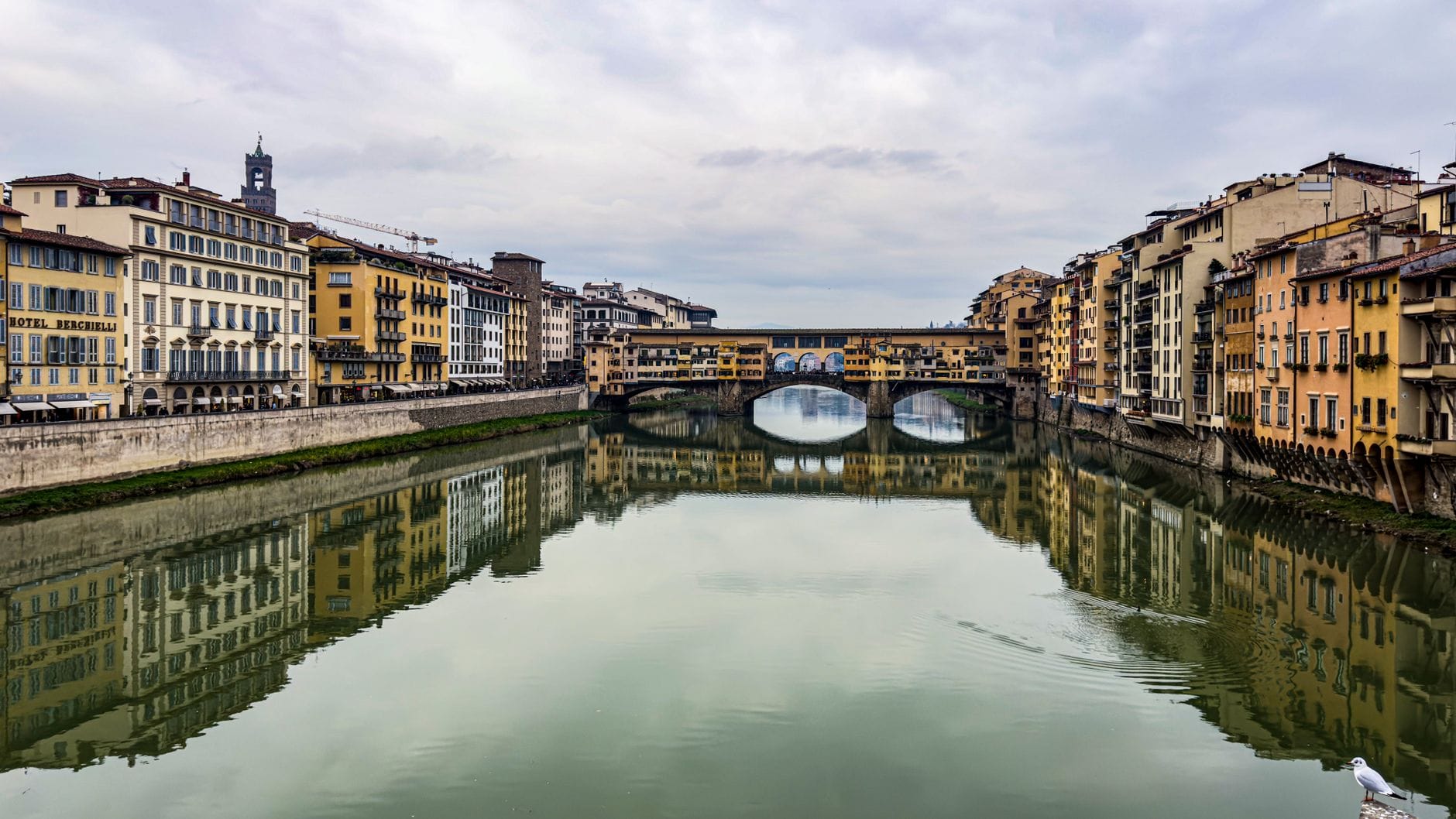
The Centro Storico is the obvious starting point, with the Duomo,Piazza della Signoria, and Ponte Vecchio all within easy walking distance of each other. The Ponte Vecchio — the medieval bridge lined with goldsmiths and jewelry shops — is best seen early in the morning before tour groups arrive. The bridge itself is free to cross; the shops are a different matter.
The San Lorenzo district north of the Duomo clusters around theMercato Centrale, an iron-and-glass 19th-century market hall with a ground floor of excellent food stalls and a first-floor food court. The outdoorSan Lorenzo market around it sells leather goods, scarves, and souvenirs of variable quality. Nearby, theBasilica di San Lorenzo and the Medici Chapels are two separate paid entrances, both essential for understanding the Medici dynasty's grip on Florence.
The Oltrarno— literally 'beyond the Arno' — has a different rhythm from the tourist-heavy north bank. The streets around Santo Spirito and San Niccolò contain working artisan workshops, independent restaurants, and bars that serve a local clientele. ThePitti Palace anchors the district's northern edge and feeds into theBoboli Gardens behind it. Plan to spend the better part of a day here — it is genuinely a different Florence from the one most visitors see.
Practical Logistics: Getting Around, Eating, and Staying Sane
Florence is one of Europe's most walkable historic centers. Most major sights in the Centro Storico are within a 15-20 minute walk of each other. The city's tram network and buses extend to the outer districts and the airport — the T2 tram line connects Amerigo Vespucci Airport (FLR) to the Piazza dell’Unità area next to Firenze Santa Maria Novella station in around 20 minutes. For more detail on moving around the city, thegetting around Florence guide covers tram, bus, taxi, and walking routes comprehensively.
If you are arriving fromRome, the high-speed Frecciarossa train from Roma Termini to Firenze Santa Maria Novella takes approximately 1.5 hours and is the most practical option. TheRome to Florence guide covers all transport options including train, bus, and car. For food, thewhat to eat in Florence guide is the best starting point — Florentine cuisine is distinctive within Italy, and eating well here does not require expensive restaurants.
- Dress codes apply at all major churches: covered shoulders and knees are required. Carry a light scarf in your bag year-round.
- The emergency number in Italy is 112. Country code is +39; Florence area code is 055.
- Tap water is generally safe to drink in Florence; public drinking fountains (nasoni) are found throughout the historic center.
- Tipping is not obligatory in Italy. Rounding up or leaving 1-2 euros for good table service is appreciated but not expected.
- Italy uses Type L plugs (also C and F compatible) at 230V/50Hz. US and UK visitors need adapters.
- Florence is in the Schengen Area. Most nationalities, including US, Canadian, and Australian citizens, can enter visa-free for stays up to 90 days within a 180-day period. Verify current requirements with the Italian Ministry of Foreign Affairs before travel.
- Some Florence museums and churches prohibit tripods, selfie sticks, and large bags. Check individual venue rules before visiting.
ℹ️ Good to know
Tourist information offices operate at several locations in Florence, including near the main train station (Piazza della Stazione), Via Cavour 1R, Piazza San Giovanni 1, and the airport arrivals area. Hours vary seasonally, so check the official Florence tourism portal for current opening times before visiting.
For accommodation decisions, thewhere to stay in Florence guide covers neighborhoods by budget, proximity to sights, and traveler type. If your time is limited, theone day in Florence itinerary and the 3 days in Florence plan both offer structured routes for making the most of your visit without museum fatigue.
FAQ
Is the Duomo in Florence free to visit?
The main cathedral nave of the Duomo (Cathedral of Santa Maria del Fiore) is free to enter. However, the dome climb, Giotto's Bell Tower, the Baptistery, the Crypt (Santa Reparata), and the Museo dell'Opera del Duomo all require paid, timed tickets purchased through the Opera del Duomo official booking system. Current passes (such as Brunelleschi, Giotto, and Ghiberti) cover different combinations of these components and generally represent better value than buying individually. Entry to the cathedral nave requires modest, appropriate dress — covered shoulders and knees.
How far in advance should I book Uffizi and Accademia tickets?
During high season (roughly April through October), book as soon as your dates are confirmed — ideally weeks in advance. Popular time slots at both galleries sell out well ahead. In the low season (November through February, excluding major holidays), last-minute availability is more likely, but booking ahead is still advisable to avoid disappointment. Both museums typically add a small booking fee for online reservations compared with base ticket prices.
What are the best free things to do in Florence?
Several excellent experiences in Florence cost nothing. Piazzale Michelangelo and the Giardino delle Rose below it both offer panoramic city views free of charge. The Arno river walk along both banks is one of the most pleasant stretches in the city. The main nave of the Duomo cathedral, the interior of Santo Spirito, and the cloisters of several churches are free. The San Lorenzo and Sant'Ambrogio markets are free to browse. For a full list, see our free things to do in Florence guide.
How many days do you need in Florence?
Two full days lets you cover the major attractions without feeling completely rushed. Three days is more comfortable and allows time to explore the Oltrarno and surroundings like Fiesole. Four or five days suits visitors who want to go deep into the museums, take a day trip into Chianti or Siena, or simply spend time in the city at a slower pace. One day is possible if you are very focused and have pre-booked tickets, but expect to make hard choices.
Is Florence walkable, or do you need public transport?
The historic center (Centro Storico) is highly walkable — the Duomo, Uffizi, Ponte Vecchio, and Piazza della Signoria are all within 15-20 minutes of each other on foot. The Oltrarno across the river is also walkable from the center. Piazzale Michelangelo involves a 20-25 minute uphill walk from the center; most visitors manage it, but buses do serve the route. Public transport (tram and bus) is useful for reaching the airport, the Santa Maria Novella train station area, and outer neighborhoods.
Tickets & tours
Live prices and dates from our booking partner. If you book, we may earn a commission at no extra cost to you.
Planning a trip? Discover personalized activities with the Nomado app.