Getting Around Florence: The Complete Transport & Navigation Guide
Florence is one of Europe's most walkable cities, but knowing how its bus network, tram lines, ZTL restrictions, and airport connections work will save you time, money, and frustration. This guide covers everything from the €1.70 airport tram to navigating the historic center on foot.
Tickets & tours
Live prices and dates from our booking partner. If you book, we may earn a commission at no extra cost to you.
TL;DR
- Florence has no metro. The city runs on buses and trams only, operated by Autolinee Toscane, using one integrated ticket.
- The T2 tram connects Florence Airport (FLR) to the city center in about 20 minutes for just €1.70 — the same price as any other urban ticket. See our best time to visit Florence guide to plan around crowds and seasonal transport pressure.
- A standard single ticket costs €1.70 and is valid for 90 minutes across all buses and trams. Day passes (€5.00) and multi-day passes are available.
- The ZTL (Zona a Traffico Limitato) bans most private cars from the historic center during peak hours. If you rent a car, this affects you significantly.
- For most visitors, walking covers the major sights. Buses and trams matter most for the airport, Oltrarno, Piazzale Michelangelo, and day trips.
Florence Airport: Arriving and Getting to the City Center
Florence's main airport is theAeroporto di Firenze-Peretola— officially named Amerigo Vespucci Airport, IATA code FLR. It sits roughly 4-6 km northwest of the city center, making it one of Europe's more conveniently located urban airports. A second option used by many visitors is Pisa International Airport (Galileo Galilei, IATA: PSA), about 80 km away, which handles more international and budget airline routes. From Pisa, a direct train to Firenze Santa Maria Novella takes around one hour.
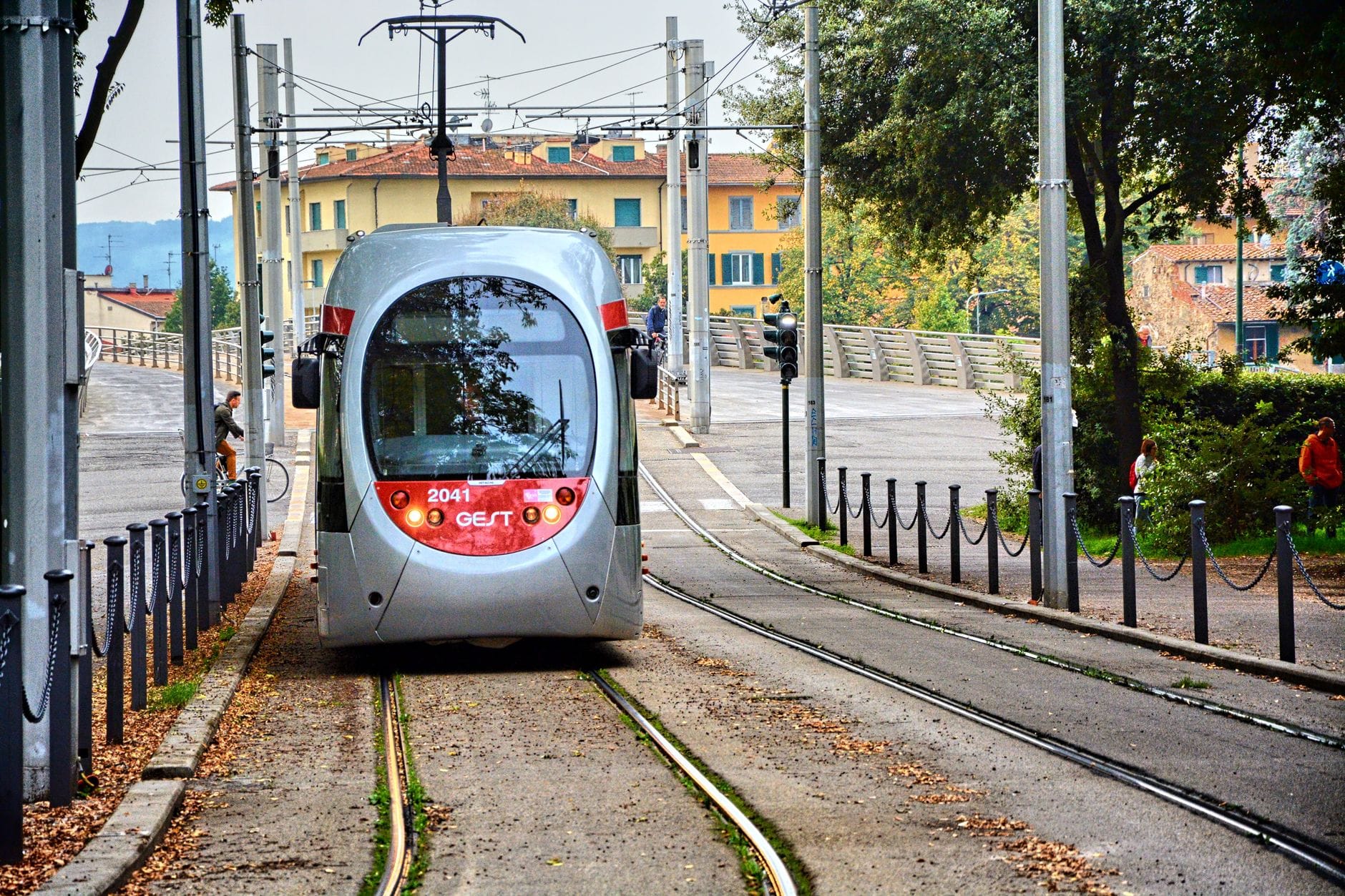
From Florence Airport, the fastest and cheapest option is Tram Line T2, nicknamed the 'Vespucci' line. Board at the 'Peretola Aeroporto' stop, which is a 2-minute walk from the arrivals hall. The tram runs to 'Alamanni-Stazione' for Santa Maria Novella railway station, or continue one stop to 'Unità' if you're heading toward the Duomo area. The journey takes about 20–23 minutes and uses the standard €1.70 urban ticket — no airport surcharge, no special pass required. Trams run from around 05:00 to 00:30 daily, with later service on Fridays and Saturdays.
💡 Local tip
Buy your T2 tram ticket from the vending machines inside the airport terminal before you exit to the tram platform. Validate it on the platform before boarding — not on the tram itself. An unvalidated ticket is treated as no ticket by inspectors, regardless of whether you paid for it.
Taxis from the airport operate on a standardized fare system to central Florence zones. The fare is fixed by the municipality, which helps avoid negotiation issues, but the exact figure is periodically adjusted — check the official rate posted in the taxi or on the airport website before you travel. Private transfer services are available through hotels and third-party operators if you're arriving late, have substantial luggage, or are traveling as a group where splitting the cost makes sense.
Florence's Public Transport Network: Buses, Trams, and Tickets
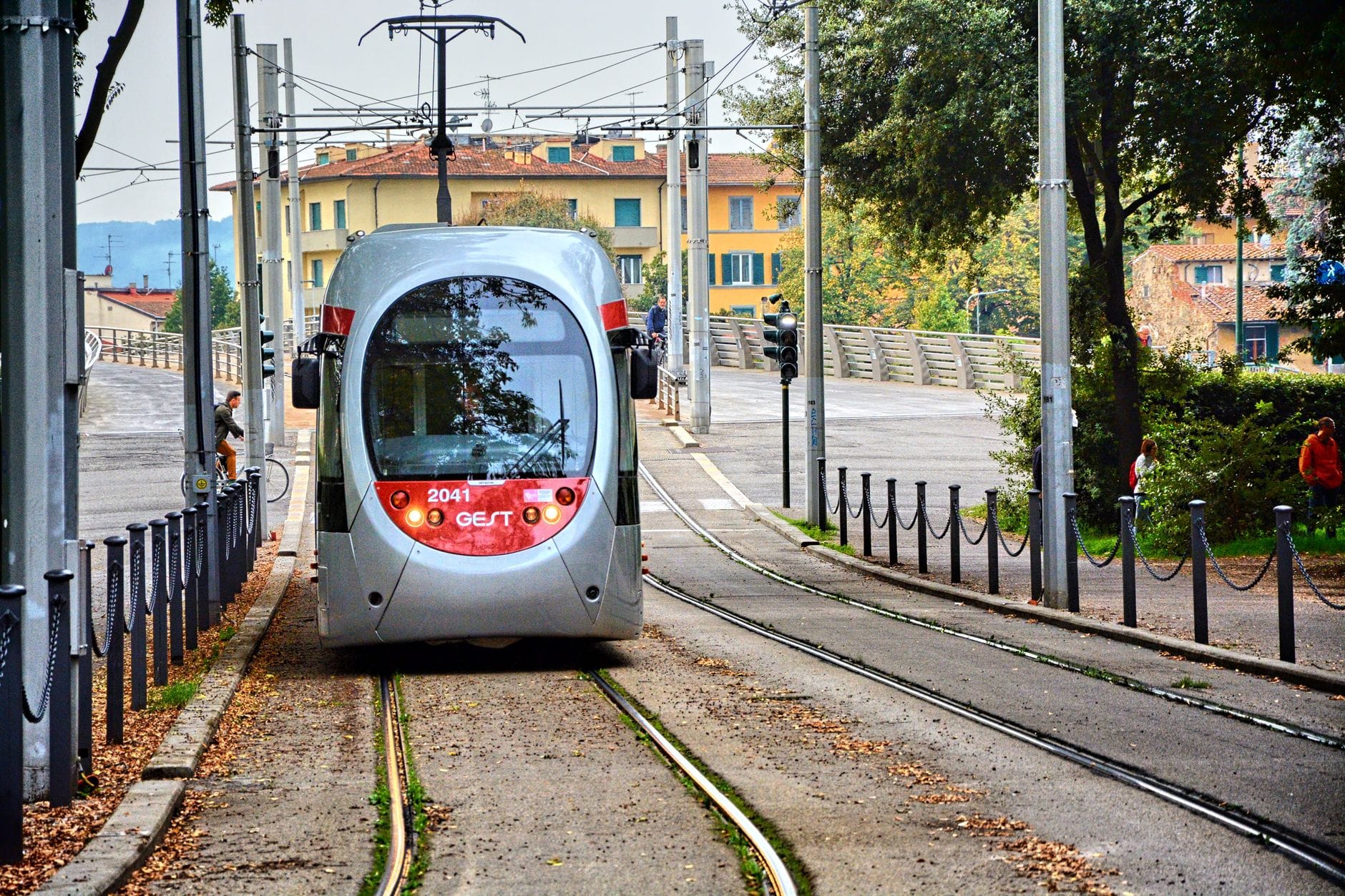
Florence operates no metro system. The entire urban public transport network runs on buses and trams, managed by Autolinee Toscane. Florence operates no metro system. The urban public transport network runs on buses and trams, managed by Autolinee Toscane. The network includes two tram lines (T1 connecting Santa Maria Novella to Scandicci in the southwest, and T2 connecting the airport to the city center). These C-line electric buses are genuinely useful if you're staying near Santo Spirito or Santa Croce and want to avoid a long walk in summer heat.
- Single ticket (90 minutes) €1.70 — covers unlimited transfers across buses and trams within the Florence urban area during the validity window. This is also the ticket for the T2 airport tram.
- 24-hour pass €5.00 — worthwhile if you plan three or more separate trips in a day, which is common during a full sightseeing day with an Oltrarno excursion.
- 3-day pass €12.00 — good value for a 3-night stay with moderate public transport use.
- 7-day pass €22.00 — aimed at longer stays or those using public transport daily.
- On-board ticket from driver Around €2.50 — more expensive and not available on all services. Pre-purchase is strongly recommended.
Tickets are sold at tabacchi shops (look for the blue 'T' sign), newsstands, larger supermarkets, and automated machines at tram stops. The official Autolinee Toscane app (AT Bus) provides route planning and digital tickets. Many buses and trams now accept contactless credit and debit card payment directly at the on-board reader — useful if you've run out of pre-purchased tickets. Paper tickets must be validated in the yellow or orange stamping machine on board or at the tram platform; the 90-minute window starts from that moment, not from purchase.
⚠️ What to skip
Ticket inspectors operate regularly on Florence's buses and trams, and fines for unvalidated tickets are significant — typically €50 or more on the spot. The fact that you have a ticket in your pocket but forgot to stamp it does not exempt you from the penalty. Validate every time, every ticket.
Walking Florence: The Most Practical Mode of Transport
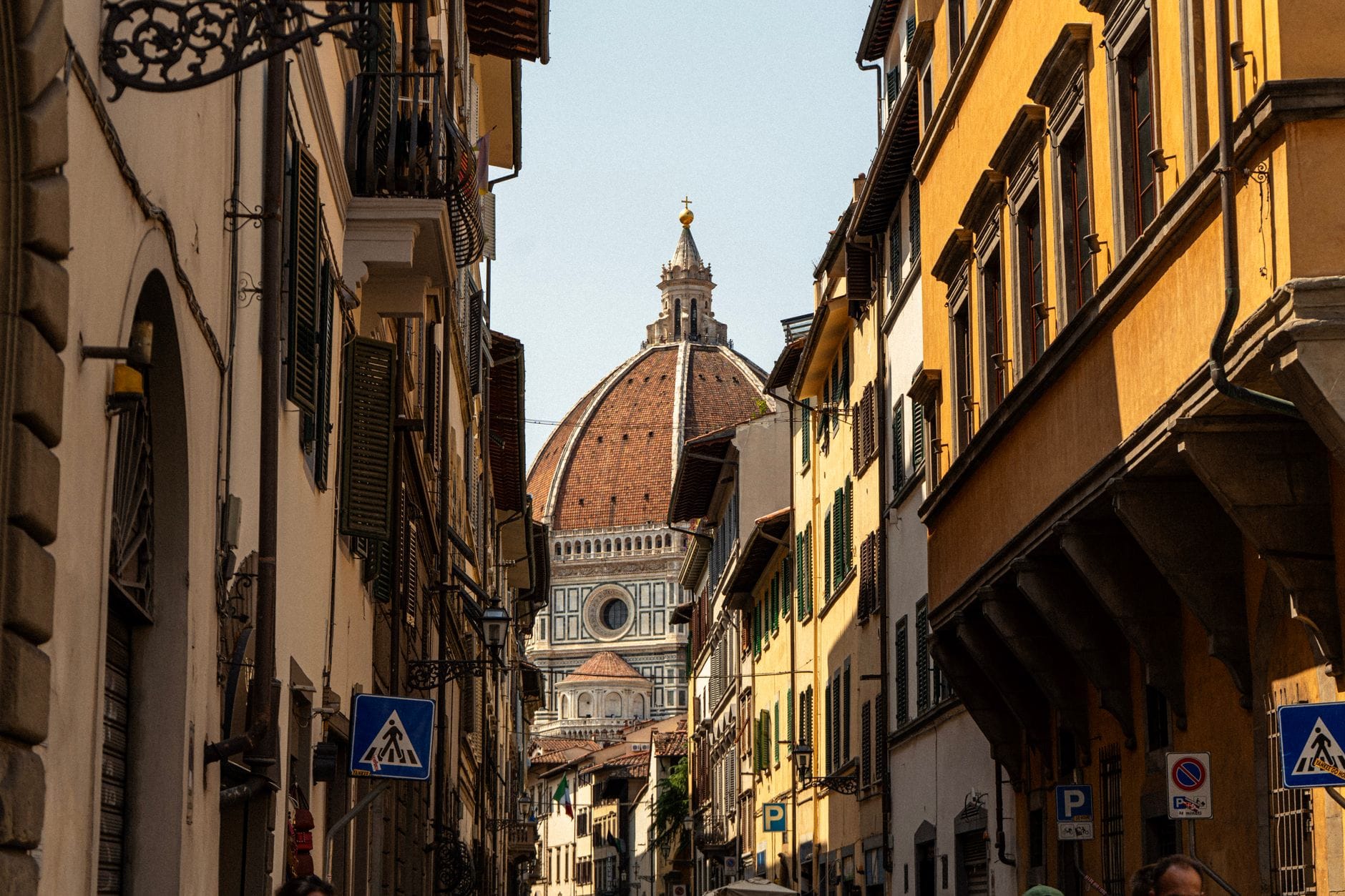
For the core sights of Florence, walking is not just practical — it's the best option. TheCentro Storicois compact. The walk from the Duomo to thePonte Vecchiotakes under 10 minutes on foot. From Ponte Vecchio to theUffizi Galleryis under 5 minutes. TheGalleria dell'Accademia(David) is about 15 minutes north of the Duomo. Most people who stay inside the historic center find they barely need public transport during the day.
The terrain is largely flat within the center, but several worthwhile destinations involve hills. Piazzale Michelangelo is a steep 20-minute walk from the Arno riverbank — manageable but uncomfortable in July heat with a full day already behind you. San Miniato al Monte is a further 10 minutes uphill from there. For these, either take bus line 12 or 13 from Piazza Ferrucci, or accept that the climb is part of the experience. The Bardini Garden and Forte di Belvedere also require uphill walking from the Oltrarno streets.
If you're planning to cover a lot of ground on foot in a single day, ourone day in Florenceitinerary is structured to minimize backtracking. For a 3-day visit, the3 days in Florenceguide organizes walks by neighborhood to reduce transit time.
The ZTL: What Every Visitor with a Car Must Know
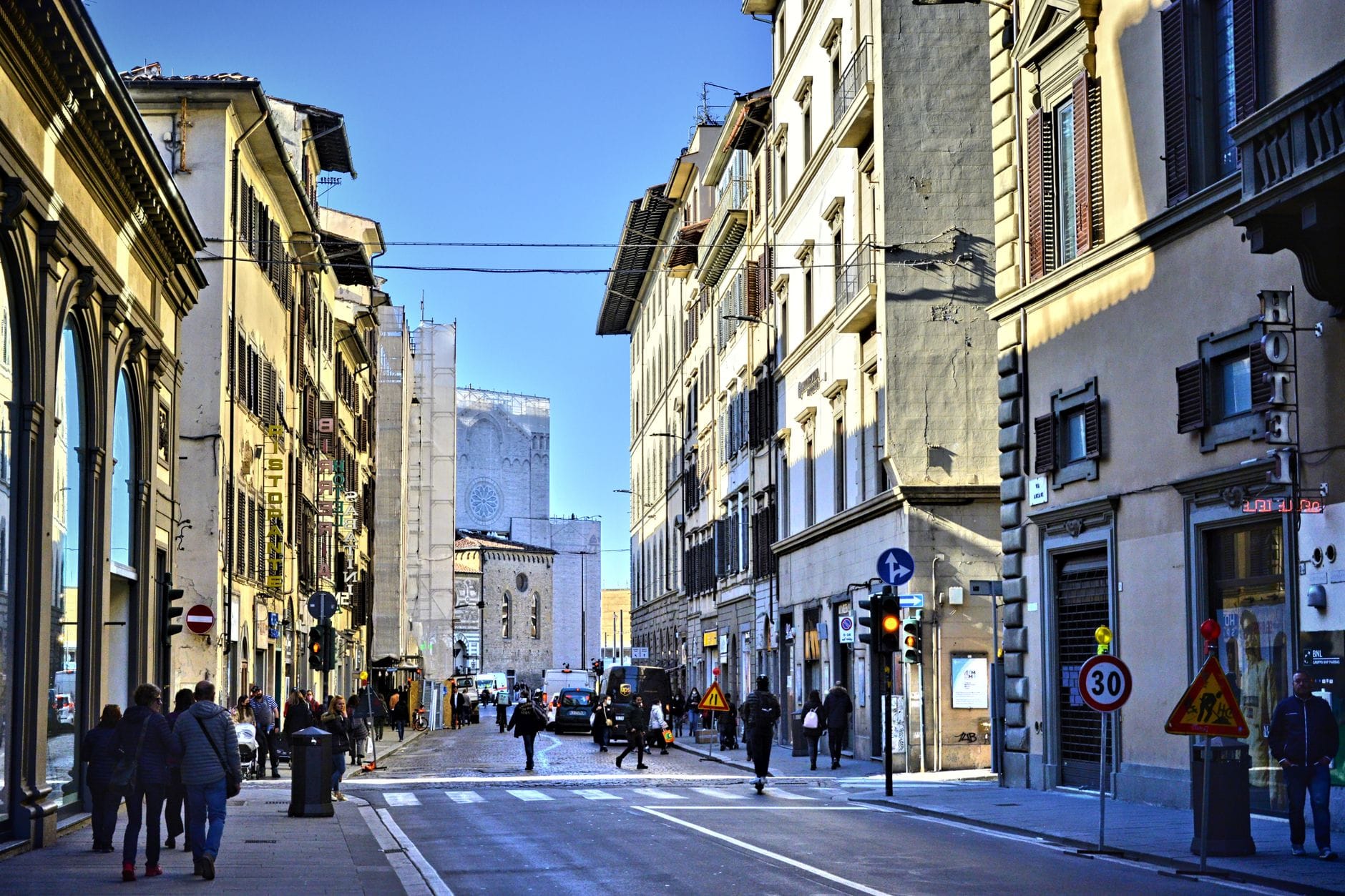
Florence's Zona a Traffico Limitato (ZTL) is one of the most strictly enforced restricted driving zones in Italy. The historic center is divided into multiple ZTL sectors, and cameras at every entry point photograph license plates automatically. Non-resident vehicles caught entering during restricted hours face fines that are issued by mail — sometimes weeks after you've returned home, forwarded through the rental car company with an added administration fee.
ZTL restrictions typically apply during peak daytime hours on weekdays, with different rules in the evenings and on weekends. The exact hours vary by zone and are updated periodically by the municipality. If your hotel is inside the ZTL, it can usually arrange a temporary permit for loading and unloading — contact them before you arrive. The practical advice for most visitors is simple: if you're arriving by car, park at one of the official car parks at the edge of the center (such as those near Piazza della Libertà or Fortezza da Basso) and switch to public transport or walking.
✨ Pro tip
If you're renting a car for a Tuscany road trip, pick it up on your last day in Florence or your first day departing — not when you arrive. Keeping a car in Florence for city sightseeing adds cost, ZTL risk, and parking stress with no practical benefit. Train and tram connections to Siena, San Gimignano, and the Chianti region are efficient enough for most itineraries.
Taxis, Ride-hailing, and Private Transfers
Licensed white taxis are the standard on-demand transport option in Florenceor book via the AppTaxi app. Taxis do not typically stop for hails on the street in Italian cities the way they do in London or New York — your best approach is a rank or a phone booking
Uber operates in a limited, legally restricted form in Florence compared to its service in northern Europe or North America. Standard UberX (unlicensed peer-to-peer rides) is not available; instead, what exists is closer to a licensed car hire with driver (NCC) service, which tends to be more expensive than taxis for short trips. For airport runs or intercity transfers, NCC operators can offer competitive fixed pricing worth comparing. For a short trip across the center, a licensed taxi is faster and easier.
Getting Between Florence and Other Cities
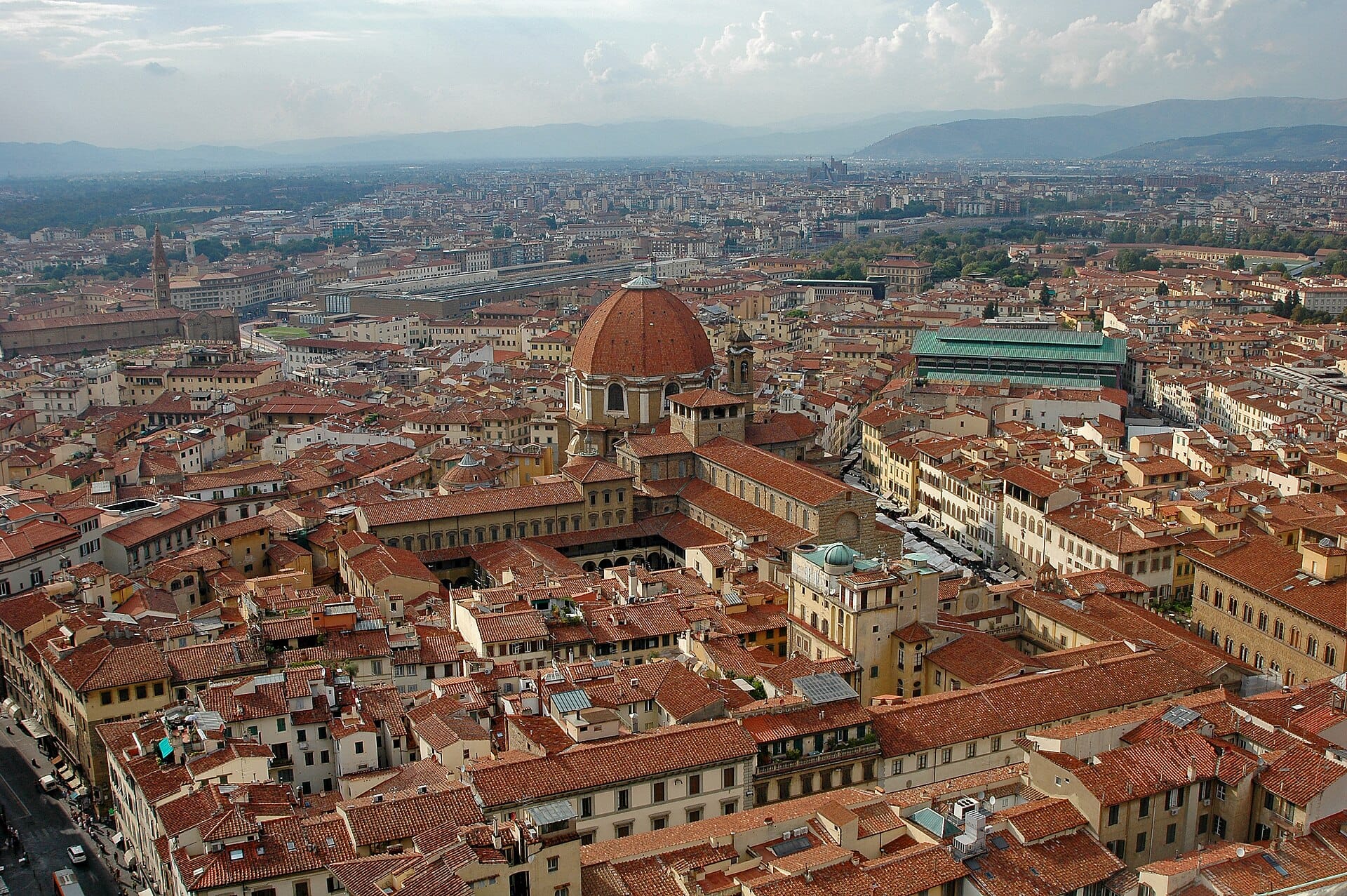
Florence is superbly connected by rail. Firenze Santa Maria Novella (SMN) is the main station and sits on the high-speed line connectingMilan, Bologna, Florence,Rome, and Naples. The journey from Rome to Florenceon the Frecciarossa takes as little as 1 hour 30 minutes. The connection from Florence to Venice runs around 2 hours on high-speed services. For anything along the main Italian rail spine, the train is faster, cheaper, and more convenient than flying.
For day trips into Tuscany, the picture is more mixed. Siena is best reached by bus (SENA/Tiemme services from the Autostazione bus terminal behind SMN station, around 75 minutes). The Chianti wine region between Florence and Siena is most practical by car or organized tour — public transport connectivity to individual villages is poor. OurChianti wine tour from Florenceguide covers the logistics in detail. For the coast and Cinque Terre, see theFlorence to Cinque Terre route guide.
- Rome: 1h30–2h by Frecciarossa high-speed train from SMN; book in advance for best prices
- Venice: around 2h by Frecciabianca or Frecciarossa; direct services available
- Pisa: 1h by regional train; useful as a day trip or for connecting to Pisa Airport
- Siena: around 75 minutes by bus from Autostazione; more frequent than train
- Bologna: around 37 minutes by Frecciarossa high-speed; excellent for a day trip
- Milan: around 2h by Frecciarossa; competitive with flying once airport time is factored in
ℹ️ Good to know
Trenitalia and Italo both operate high-speed services on the main Italian rail lines. Italo sometimes offers lower prices on the Florence-Rome and Florence-Milan routes, particularly if booked several weeks ahead. Comparing both before booking is worth the 5 minutes it takes.
Navigating Florence's Neighborhoods Without Getting Lost
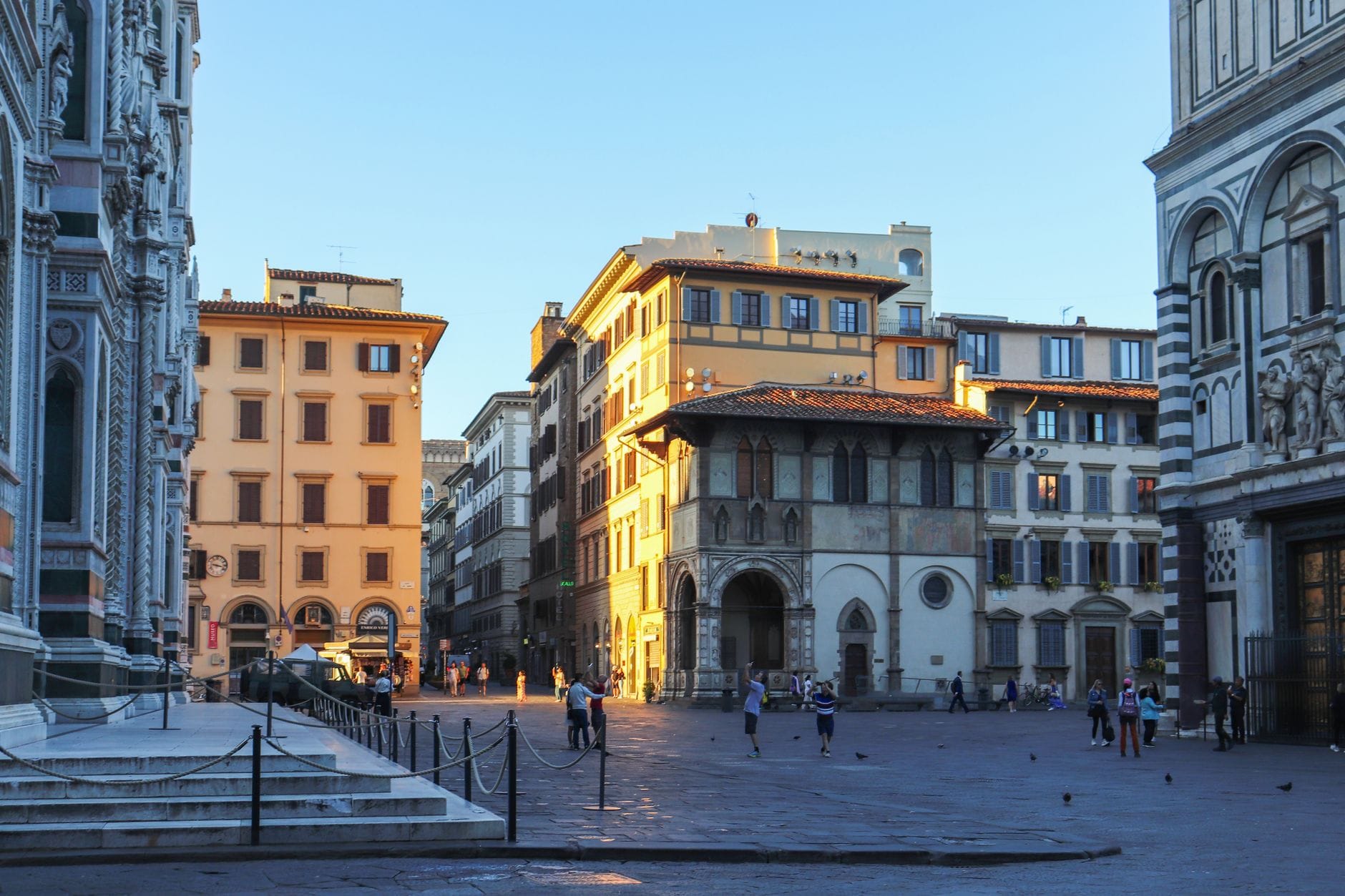
Florence's visitor-relevant areas cluster around two sides of the Arno River. North of the river, the historic center contains the Duomo, Piazza della Signoria, the Uffizi, and most major museums. TheSan Lorenzodistrict sits just north of the Duomo and is home to the Mercato Centrale and Medici Chapels. TheSan Marcoarea, slightly further north, includes the Accademia and the Convent of San Marco. East of center, theSanta Croceneighborhood surrounds its namesake basilica and is one of the less crowded residential corners of central Florence.
South of the Arno, theOltrarno(literally 'beyond the Arno') has a different character from the tourist-dense center. The streets around Santo Spirito and San Niccolò still function as a real neighborhood, with fewer souvenir shops and more trattorias serving locals. Palazzo Pitti, the Boboli Gardens, the Brancacci Chapel, and Piazzale Michelangelo all fall within or just above this district. The C3 and D buses connect Oltrarno to the main train station.
The city's address system uses a dual numbering convention that confuses almost every first-time visitor. Buildings have two separate number sequences: black numbers (nero) for residential and office addresses, and red numbers (rosso, often written with an 'r' suffix like '15r') for commercial premises including restaurants, shops, and hotels. The sequences run independently, so number 10 and number 10r on the same street can be on completely different parts of the block. When searching for a restaurant or shop, confirm whether the address uses the 'r' suffix.
FAQ
Does Florence have a metro or underground system?
No. Florence has no metro system. The city operates buses and two tram lines only, both run by Autolinee Toscane. The historic center is dense enough that a metro was never built, and the archaeological sensitivity of the ground makes construction extremely challenging. For most visitors, walking covers the main sights, with buses and trams useful for the airport, Oltrarno, and hillside destinations.
How much does the bus or tram cost in Florence?
A standard single ticket costs €1.70 and is valid for 90 minutes on all buses and trams within the Florence urban area, including the T2 airport tram. Buying a ticket on board from the driver can cost more. Always buy and validate before you board where possible.
What is the cheapest way to get from Florence Airport to the city center?
The T2 tram (Vespucci line) costs €1.70 — the same as any standard urban ticket —ext to Santa Maria Novella railway station. Buy your ticket from the vending machine in the arrivals hall and validate it on the tram platform before boarding. This is significantly cheaper than a taxi or private transfer
What is the ZTL in Florence and will it affect me?
The ZTL (Zona a Traffico Limitato) is a restricted driving zone covering most of Florence's historic center. Cameras at entry points record license plates automatically and fines are issued by mail — including to rental car drivers, forwarded by the rental company with extra fees. If you're arriving by car, park outside the ZTL boundary and use public transport or walk. If your hotel is inside the ZTL, contact them in advance to arrange a temporary access permit for check-in.
Is it easy to get from Florence to Rome by train?
Yes. Yes. The Frecciarossa high-speed train connects Florence Santa Maria Novella to Rome in as little as 1 hour 30 minutes. Both Trenitalia and Italo operate the route, and booking several weeks in advance can significantly reduce the price. The train departs frequently throughout the day and is faster and more convenient than flying once airport transit time is factored in
Tickets & tours
Live prices and dates from our booking partner. If you book, we may earn a commission at no extra cost to you.
Planning a trip? Discover personalized activities with the Nomado app.