One Day in Florence: The Perfect 24-Hour Itinerary
Florence packs more world-class art and architecture into a single square mile than almost anywhere on earth. This guide gives you a realistic, expertly sequenced 24-hour itinerary with current prices, booking advice, seasonal tips, and honest trade-offs so you spend your time wisely.
Tickets & tours
Live prices and dates from our booking partner. If you book, we may earn a commission at no extra cost to you.
TL;DR
- The core one-day route runs Duomo complex → one major art museum (Uffizi or Accademia, not both) → Piazza della Signoria → Ponte Vecchio → Oltrarno → Piazzale Michelangelo at sunset.
- Book the Brunelleschi Dome climb and your chosen museum in advance — walk-up tickets for the Uffizi Gallery and Galleria dell'Accademia regularly sell out days ahead in peak season.
- Budget roughly €90–150 per person for the Brunelleschi Pass (~€30), one major museum (€15–29), meals, and incidentals.
- Start by 8:30 AM to beat the worst crowds at the Duomo complex; adjust the indoor-outdoor sequence depending on season.
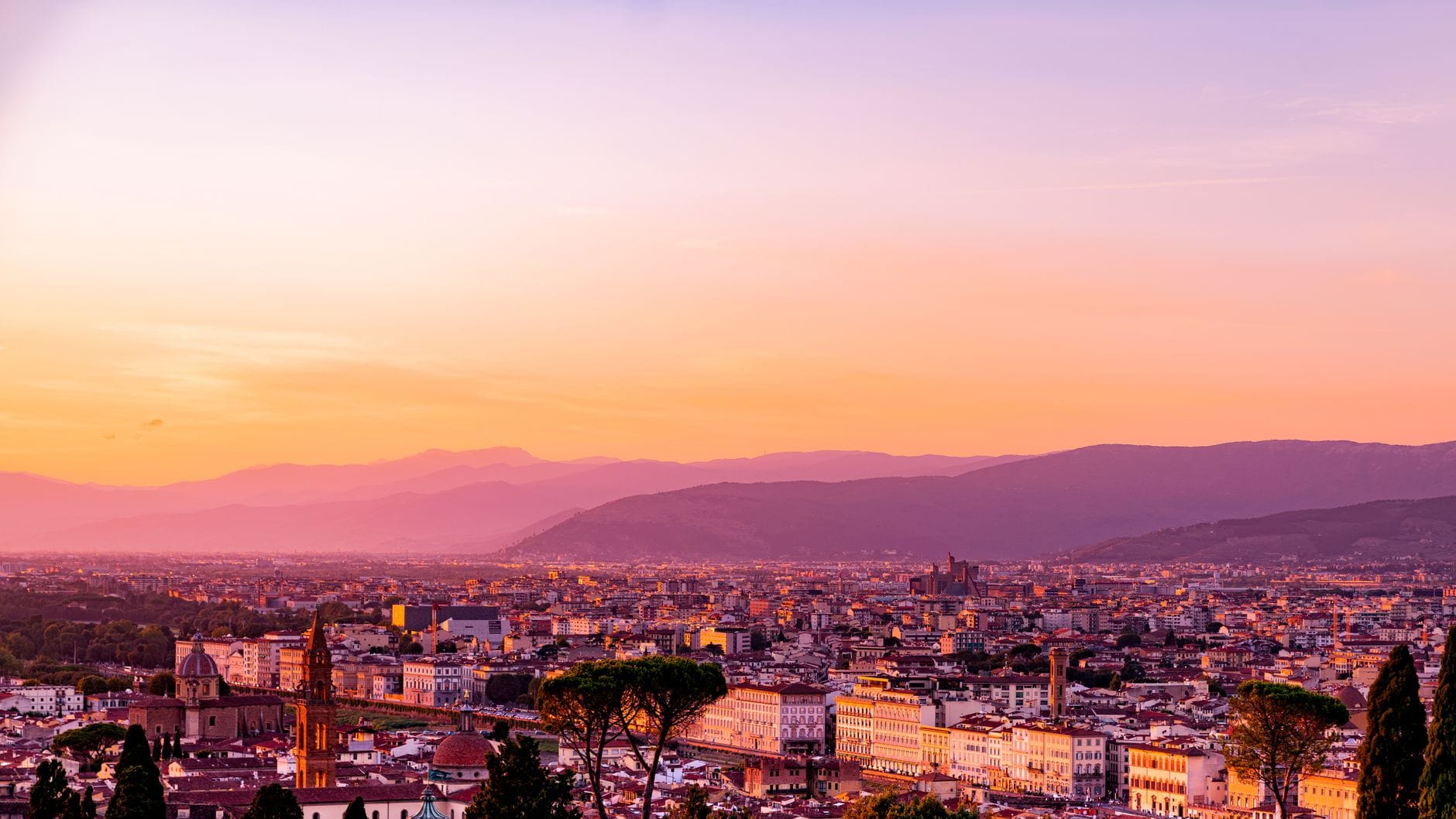
- Piazzale Michelangelo at sunset is free and non-negotiable — it is the best panoramic view in the city.
Why One Day in Florence Is Enough to Leave Stunned
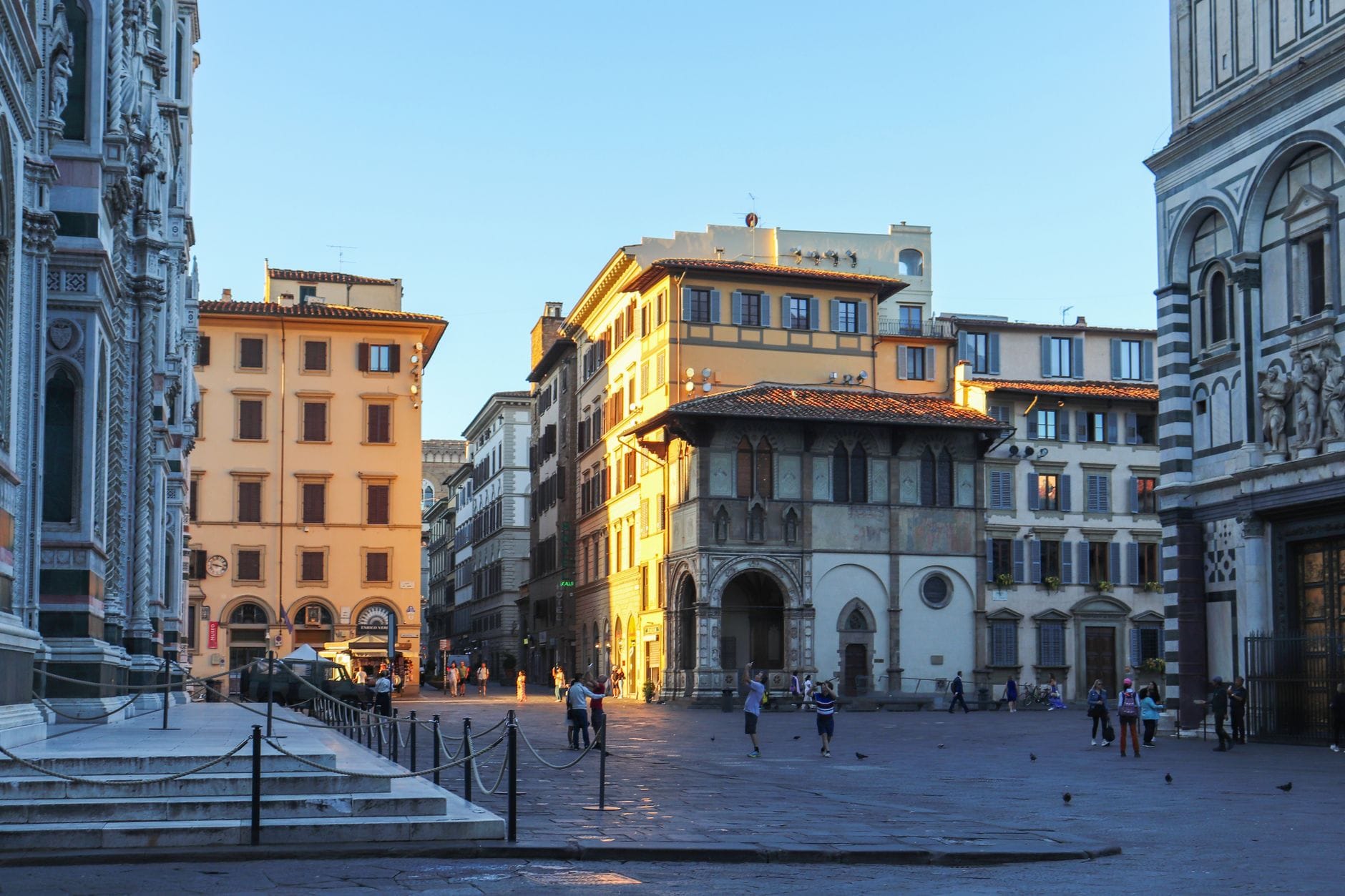
Florence (Firenze in Italian) is the capital of Tuscany and widely regarded by historians and UNESCO alike as the cradle of the Italian Renaissance. Its UNESCO-listed historic centre — inscribed in 1982 — covers roughly 5 km², but the sights that matter most to a first-time visitor are packed into a walkable core of less than two kilometres across. That compact geography is your greatest advantage when time is short. The route from theFlorence Cathedral to Ponte Vecchiois barely 700 metres on foot, and you pass Piazza della Signoria along the way.
The city sits in a basin on the Arno River, ringed by gentle hills. That topography produces the postcard view from Piazzale Michelangelo: the Duomo dome rising above a dense terracotta skyline, with cypress-covered hills behind. You do not need two or three days to see that view, eat well, walk the medieval streets, and stand inside rooms full of Botticelli and Michelangelo. You need one well-planned day.
⚠️ What to skip
Do not attempt both the Uffizi and the Accademia in depth on a single day. Each museum deserves at least two hours of focused attention. Rushing through both guarantees you will remember neither. Pick one, book it in advance, and give it your full morning or afternoon.
Morning: The Duomo Complex (8:30 AM – 12:30 PM)
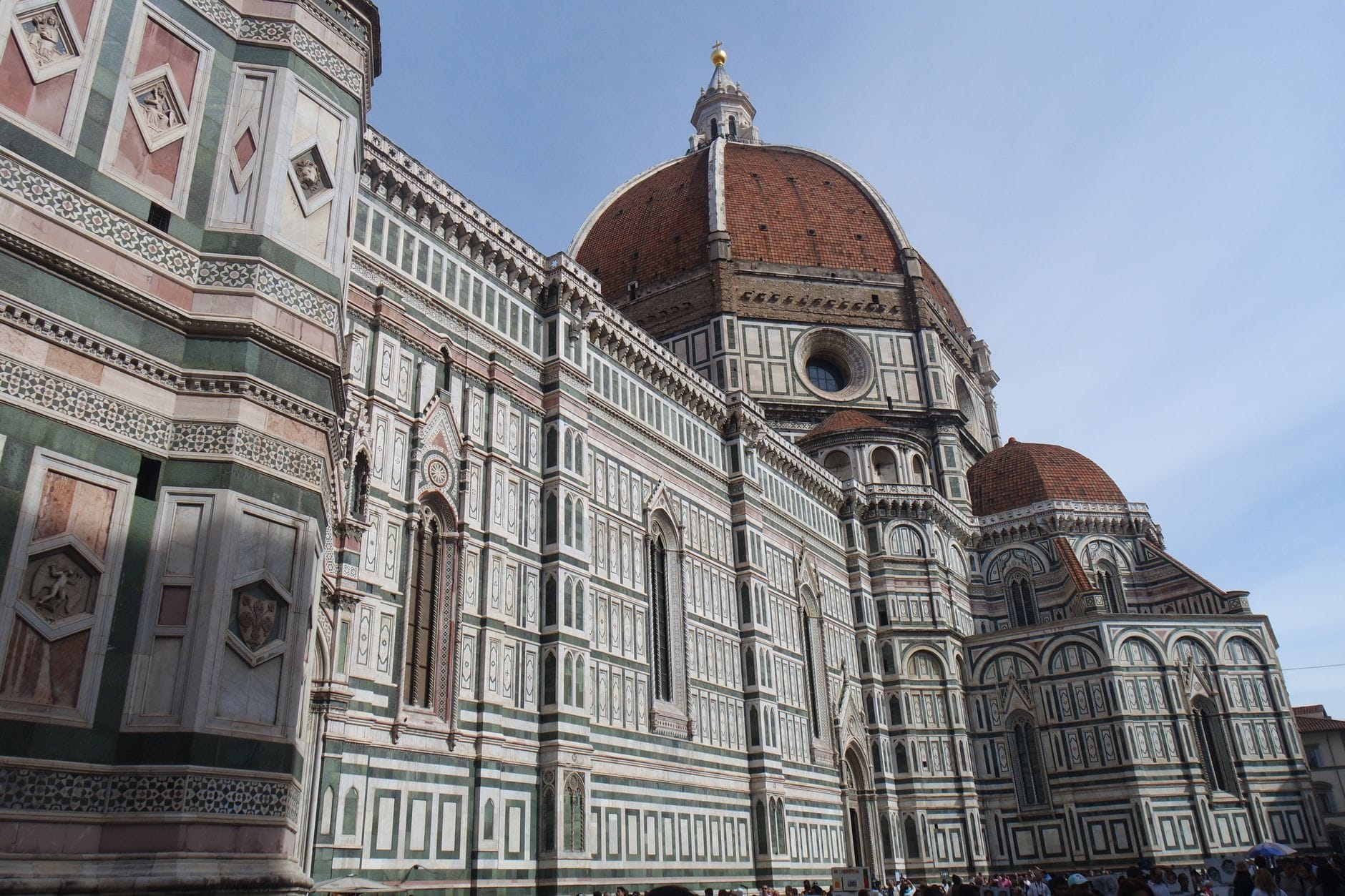
Arrive at the Piazza del Duomo by 8:30 AM. The Cathedral of Santa Maria del Fiore and Brunelleschi's dome are the defining images of Florence, and the complex rewards an early start before tour groups descend around 10 AM. The official pass for the full Duomo complex is the Brunelleschi Pass, priced at around €30 in 2026. It covers the dome climb, the cathedral interior, the Baptistery,Giotto's Campanile, and the Museo dell'Opera del Duomo. Book through the official Opera di Santa Maria del Fiore website (duomo.firenze.it) well before your visit — timed slots for the dome climb sell out days in advance during spring and summer.
The dome climb itself involves 463 steps up Brunelleschi's double-shell structure, with no elevator. The views from the top are exceptional: you look out over the full historic centre and into the surrounding Tuscan hills. If climbing is not realistic, theMuseo dell'Opera del Duomois an underrated substitute — it houses the original Gates of Paradise gilded panels and Michelangelo's Pietà Bandini, and it is included in the Brunelleschi Pass. The free option is to walk into the cathedral nave itself, which requires no ticket but does require covered shoulders and knees.
- Brunelleschi Pass (~€30) Dome climb, Cathedral, Baptistery, Campanile, Museo dell'Opera — best value for a morning at the complex.
- Florence Baptistery (included in pass) The bronze Ghiberti doors are among the most influential works of early Renaissance sculpture. The gold mosaic interior ceiling is equally worth pausing over.
- Cathedral nave (free) No ticket needed for basic access — useful if you are on a tight budget, but note that the famous frescoed dome interior is only visible from the climb itself.
✨ Pro tip
In summer, do the dome climb first thing in the morning before the stone heats up. In winter, consider reversing the order: visit the museum first to warm up, then climb during the clearest part of the day. Either way, allocate at least 2.5 to 3 hours for the full Duomo complex.
Late Morning: Uffizi or Accademia (Choose One)
After the Duomo, walk south roughly five minutes to begin your museum slot. This is the central decision of any one-day Florence itinerary. TheUffizi Galleryholds one of the world's great collections of Italian Renaissance painting: Botticelli's Birth of Venus and Primavera, Leonardo's Annunciation, Raphael, Titian, Caravaggio. Timed-entry tickets cost around €20–26 in 2026 and must be booked at uffizi.it. Plan for at least two hours, ideally three.
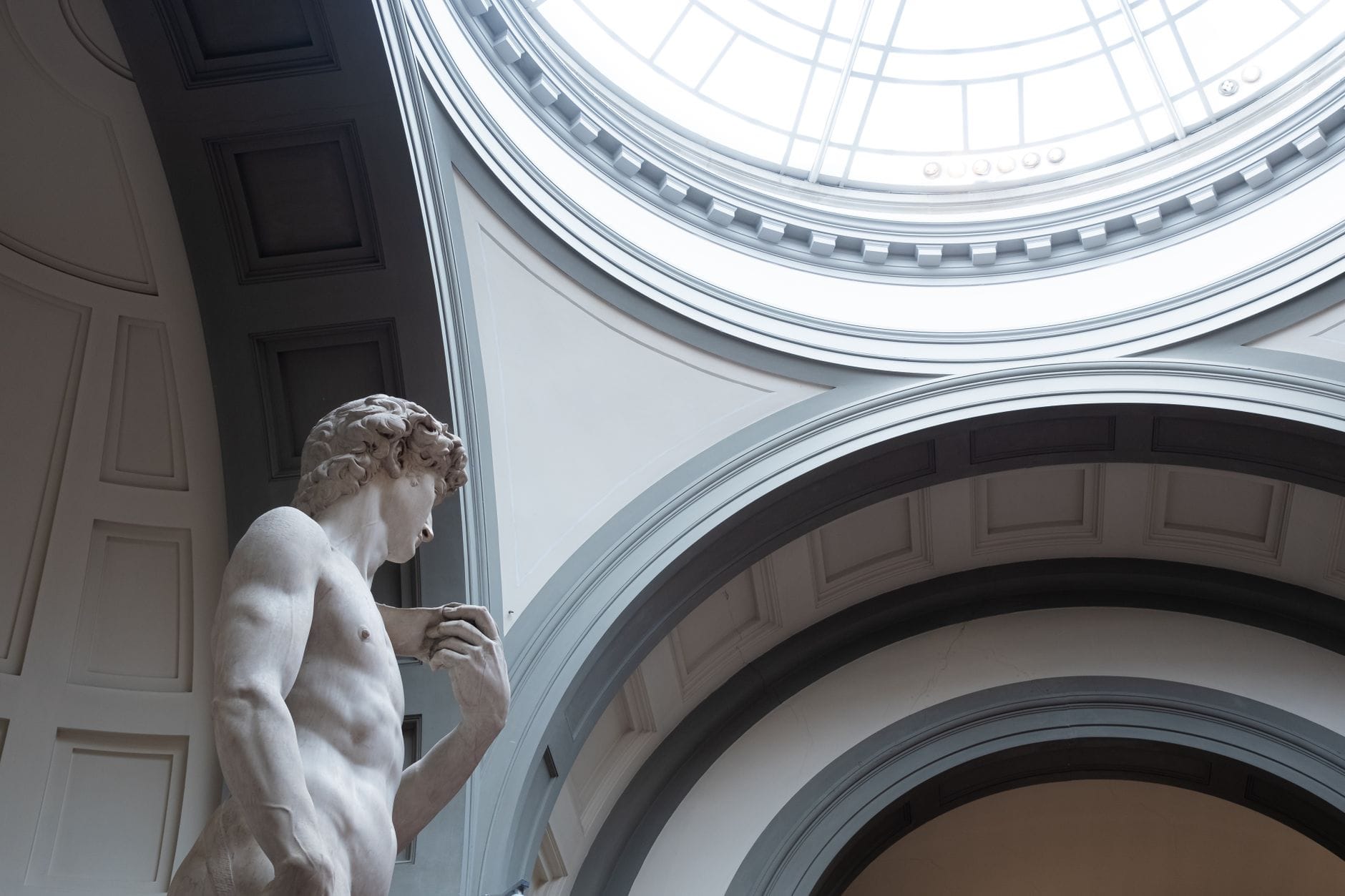
The Galleria dell'Accademiais a shorter walk north of the Duomo and offers a more focused experience. Its centerpiece is Michelangelo's original David — 5.17 metres of marble that has to be seen in person to understand its scale. The museum is smaller and faster to navigate than the Uffizi, typically requiring 1.5 to 2 hours. Standard tickets fall in the €12–20 range depending on the season. Book through the official Florence museum system in advance.
The honest comparison: the Uffizi is the more comprehensive experience and worth it for anyone with even a passing interest in Renaissance painting. The Accademia is the right choice if you have less time, prefer sculpture, or specifically want to see David without the sprawl of a major gallery. Both are legitimate choices for a one-day visit. Neither is a consolation prize.
Afternoon: Piazza della Signoria, Ponte Vecchio, and Oltrarno
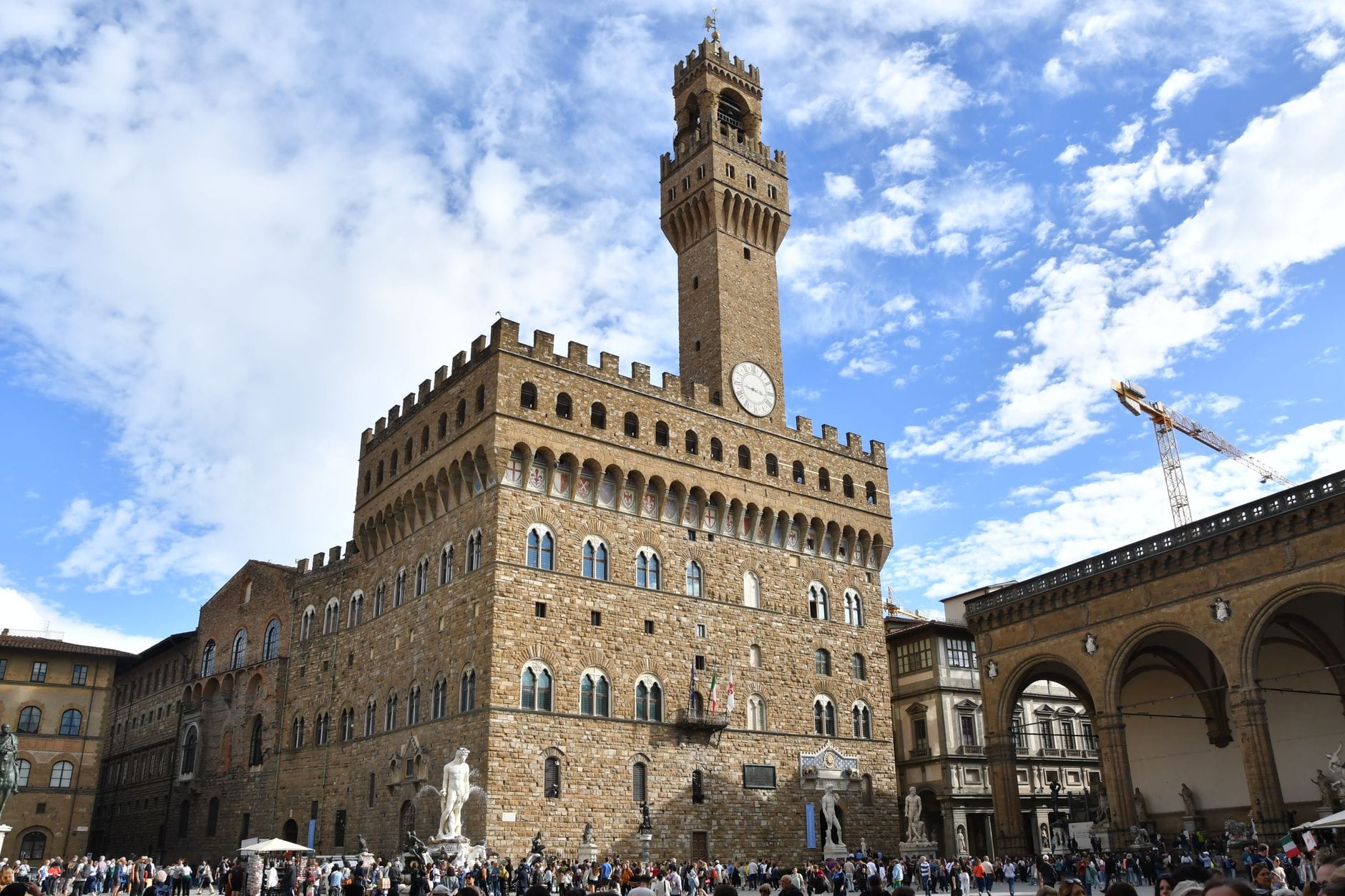
After your museum, walk toPiazza della Signoria— the political heart of Florence since the medieval period. The square is lined with open-air sculpture including a copy of Michelangelo's David, Cellini's Perseus with the Head of Medusa in the Loggia dei Lanzi, and Giambologna's Rape of the Sabine Women. Entry to the square and Loggia is free. The Palazzo Vecchio on the square can be visited separately (around €10–13 for entry) if your schedule allows, but the exterior and square themselves justify the stop regardless.
From the piazza, it is a short walk along the Arno to Ponte Vecchio. The bridge dates to around 1345 and is lined with goldsmithing and jewelry shops, a tradition dating to the 16th century when the Medici ordered merchants off the bridge in favour of goldsmiths. It is not a viewpoint only — the shops are active businesses, and the bridge itself is a functioning piece of medieval urban infrastructure. Cross it and you are inOltrarno, the neighbourhood south of the Arno that most day-trippers miss.
Oltrarno repays a 45-minute wander. The streets around Santo Spirito and theBasilica di Santo Spiritoare noticeably quieter than the centro storico, with neighbourhood bars, artisan leather workshops, and none of the souvenir shop density. Stop for lunch here: prices at trattorias in Oltrarno tend to run lower than in the tourist corridor between the Duomo and the Uffizi, and the quality is generally higher. Budget around €15–25 for a two-course lunch with wine.
💡 Local tip
Avoid eating lunch at restaurants directly on Piazza della Signoria or within 50 metres of Ponte Vecchio. These locations charge a significant premium for the view. Walk two streets back in any direction and the price drops noticeably, often with better food.
Evening: Piazzale Michelangelo at Sunset
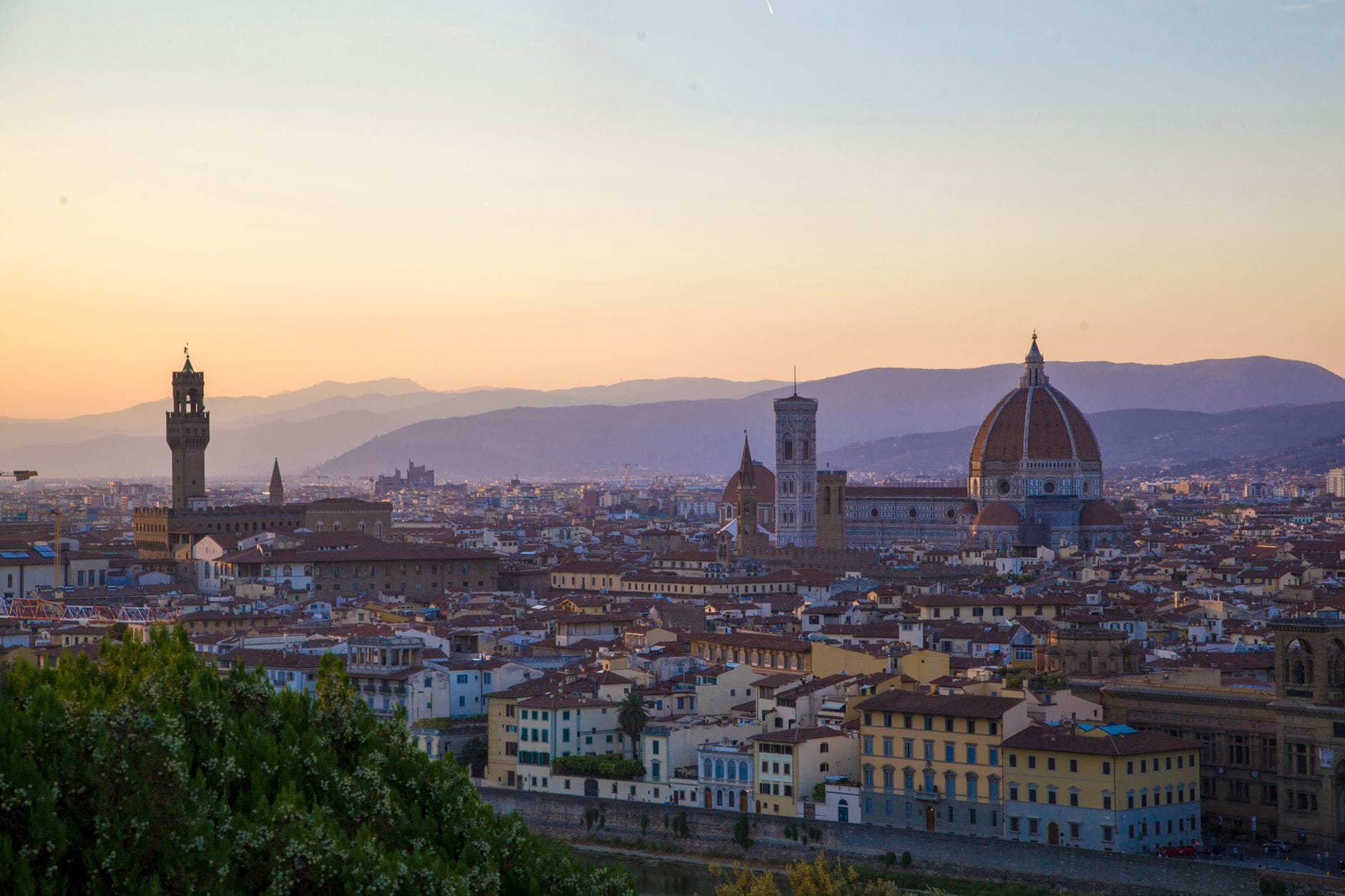
No one-day Florence itinerary is complete without the climb toPiazzale Michelangelo. The esplanade sits on the hill south-east of the city centre, roughly a 25-minute walk from Oltrarno or a short bus ride (line 13 from the Porta San Niccolò / Piazza Ferrucci area). The panoramic view takes in Brunelleschi's dome, the Palazzo Vecchio tower, the Arno, and the hills beyond — and it is entirely free. Arrive 30 to 45 minutes before sunset to get a position on the terrace wall before the crowds thicken.
If you have energy after sunset, consider walking a further 10 minutes uphill toSan Miniato al Monte, the Romanesque basilica above Piazzale Michelangelo. The church dates to the early 11th century and is one of the finest examples of Florentine Romanesque architecture. It is often open for evening vespers, which gives you a rare chance to experience a functioning religious community in one of the city's oldest buildings. Entry is free.
Practical Planning: Booking, Budget, and Logistics
Florence is served by Amerigo Vespucci Airport (IATA: FLR), located roughly 4–5 km northwest of the city centre. The T2 tram line connects the airport directly to Firenze Santa Maria Novella (SMN), the main railway station, in around 20 minutes. If you are arriving by train from Rome or Venice, SMN is also your arrival point — the station is well-positioned at the western edge of the historic centre, around a 15-minute walk from the Duomo.
Florence is compact enough that you will not need public transport within the historic centre itself. The full route described in this guide — Duomo to Piazzale Michelangelo — is walkable, though hilly at the end. Wear comfortable shoes with grip. Thegetting around Florencelogistics are straightforward: the centro storico is largely pedestrianised, taxis are metered, and the tram network handles the airport and outer suburbs.
- Brunelleschi Pass (~€30) Book at duomo.firenze.it. Select a timed entry for the dome climb when booking — these slots fill fast, especially in April–June and September–October.
- Uffizi Gallery (€25–29) Book at uffizi.it. Choose morning slots to avoid the afternoon rush. Allow a minimum of two hours inside.
- Galleria dell'Accademia (€15–30) Book through the official Florence museum system. A 90-minute slot is realistic for the David and the surrounding rooms.
- Total daily budget: €90–150 per person Covering the Brunelleschi Pass, one major museum, a sit-down lunch, gelato, and a light dinner. Add €20–30 if you include Palazzo Vecchio or other paid sites.
For travellers with more than 24 hours, the areas aroundSan Marco and Santa Croceeach contain significant sights that do not fit a one-day route. Thethree-day Florence itinerarycovers these neighbourhoods in the depth they deserve, including the Medici Chapels, Bargello, and the Convent of San Marco.
ℹ️ Good to know
Dress code applies at all churches in Florence, including the Cathedral and Santo Spirito: covered shoulders and knees are required. Lightweight scarves or a spare layer in your bag will save you from being turned away at the door, particularly in summer when visitors often arrive in sleeveless tops and shorts.
FAQ
Is one day enough to see Florence?
One day is enough to see the essential Florence: the Duomo complex, one major art museum, Piazza della Signoria, Ponte Vecchio, a section of Oltrarno, and the sunset view from Piazzale Michelangelo. You will not exhaust the city — Florence rewards multiple visits — but a well-planned single day gives you a genuine and memorable encounter with the city's core.
Should I visit the Uffizi or the Accademia on a one-day trip?
Choose based on your priorities. The Uffizi is the more comprehensive experience with a broader collection of Renaissance masterworks, including Botticelli's Primavera and Birth of Venus. The Accademia is smaller, faster to navigate, and contains Michelangelo's original David. Do not attempt both in a single day if you want to appreciate either properly.
Do I need to book Florence attractions in advance?
Yes, strongly. The Brunelleschi Dome climb, Uffizi Gallery, and Galleria dell'Accademia all operate on timed-entry systems and regularly sell out days or weeks ahead in peak season (April–June, September–October). Book as early as possible through the official websites. Walk-up availability exists in slower months but should not be relied upon.
What is the best time of day to visit Piazzale Michelangelo?
Sunset is the standard recommendation and for good reason: the warm light across the terracotta rooftops and Brunelleschi's dome makes for one of the most memorable urban views in Europe. Arrive 30–45 minutes before sunset to secure a spot along the terrace wall. The square is also pleasant early morning with almost no crowds, though the light is different.
How do I get from Rome or Venice to Florence for a day trip?
Both routes are very manageable. High-speed Frecciarossa trains connect Rome to Florence in approximately 1.5 hours and Venice to Florence in around 2 hours. All services arrive at Firenze Santa Maria Novella station, a 15-minute walk from the Duomo. Book Trenitalia or Italo tickets in advance for the best fares. A day trip from either city is logistically straightforward.
Tickets & tours
Live prices and dates from our booking partner. If you book, we may earn a commission at no extra cost to you.
Planning a trip? Discover personalized activities with the Nomado app.