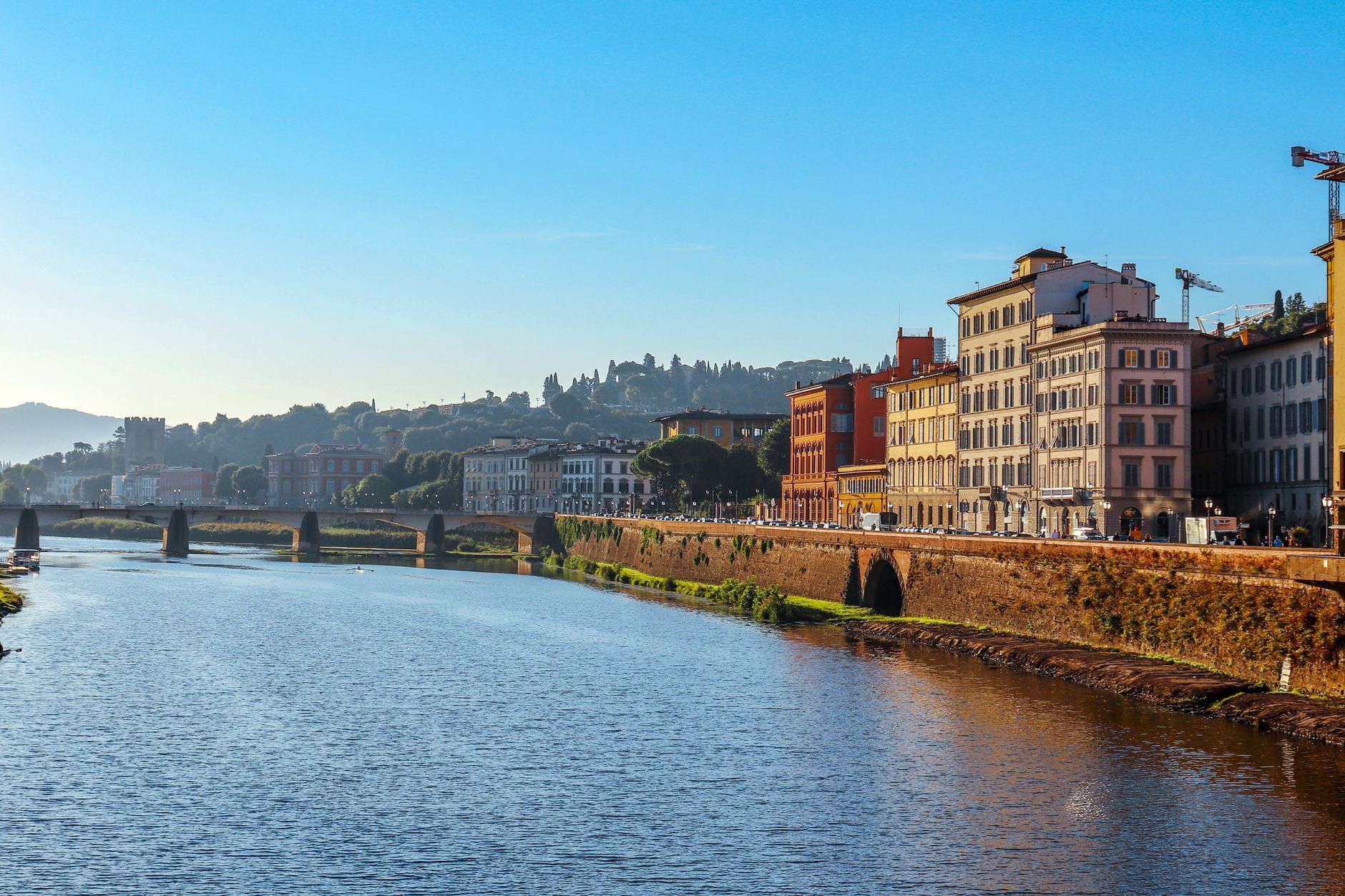
Oltrarno sits on the south bank of the Arno, separated from Florence's tourist-heavy center by the river but connected to it by some of the city's most iconic bridges. It encompasses the quarters of Santo Spirito, San Frediano, and San Niccolò, each with its own personality, and together they form the most genuinely residential corner of central Florence.
Oltrarno translates simply as 'beyond the Arno,' and that distance from the historic core is precisely what defines it. Where the north bank can feel like a continuous open-air museum, Oltrarno moves at the pace of a working neighborhood: woodworkers plane frames in doorway workshops, elderly residents collect groceries at neighborhood markets, and the evenings belong as much to locals as to visitors. The major landmarks here, Palazzo Pitti, the Boboli Gardens, the Cappella Brancacci, are world-class, but the streets between them feel lived-in in a way that much of central Florence no longer does.
Orientation: Where Oltrarno Sits
Oltrarno occupies the entire south bank of the Arno within Florence's historic center, running from the medieval Porta San Frediano in the west to Ponte alle Grazie and Via dei Renai in the east. Its northern edge is the river itself. To the south, the district is contained by the old city walls, now traced by the broad boulevards of Viale Francesco Petrarca and Viale Niccolò Machiavelli, with Porta Romana marking the southernmost gateway. The hillside above San Niccolò rises sharply toward Forte di Belvedere and, further east, Piazzale Michelangelo.
Within Oltrarno, three sub-quarters each have a distinct character. Santo Spirito, centered on its namesake piazza and basilica, is the social and intellectual heart: the square fills with students, artists, and tourists at all hours. San Frediano, stretching west toward the old gate, is the most working-class of the three, with fewer tourist shops and more genuine craft workshops along Via de' Serragli and Borgo San Frediano. San Niccolò climbs the hill to the east, quieter and residential, with the reward of elevated views over the terracotta rooftops of the city.
The north bank of the Arno, including theCentro Storico, is only a few minutes on foot across any of the bridges. The Ponte Vecchio connects Oltrarno directly to the Uffizi and Piazza della Signoria. Ponte Santa Trinità links it to Via de' Tornabuoni, the city's main luxury shopping street. This proximity is one of Oltrarno's great advantages: you are never more than a ten-minute walk from Florence's most famous monuments, yet you sleep and eat on the quieter, less-pressured side of the river.
Character and Atmosphere
The morning in Oltrarno belongs to locals. By eight o'clock, the bars along Borgo San Jacopo and around Piazza Santo Spirito are serving espresso to residents on their way to work. The shutters on the artisan workshops roll up to reveal woodworkers, gilders, bookbinders, and leather restorers already at their benches. The smell of sawdust and linseed oil drifts out onto the narrow streets. There is a sensory frankness to the neighborhood at this hour that the tourist-facing north bank rarely offers.
By midday, Piazza Santo Spirito becomes the neighborhood's central stage. The twice-weekly market sets up in the square, and the surrounding bars and restaurants put out tables. The afternoon light falls at a low angle through the streets running south from the river, catching the ochre and terracotta of the building facades in ways that make the whole neighborhood feel warmer than the more shaded lanes of the historic center. This is good walking light, and the streets between Santo Spirito and Palazzo Pitti reward slow exploration.
After dark, Oltrarno becomes one of the livelier parts of Florence, particularly around Piazza Santo Spirito and the streets radiating from it. The square has a reputation for staying animated late into the night, with young Florentines and students mixing with tourists on the steps of the basilica. This energy is genuine and enjoyable, but it is worth knowing that the piazza can be noisy well past midnight. The eastern end of Oltrarno, around San Niccolò and the Lungarno Serristori, is considerably more sedate after dark: wine bars and small restaurants close at a civilized hour, and the streets quiet down early.
⚠️ What to skip
Piazza Santo Spirito generates significant nighttime noise, especially on weekends and in summer. Travelers who are light sleepers should book accommodation a few streets away from the piazza, or check specifically that their hotel has effective soundproofing.
What Oltrarno is not, at least not fully, is a neighborhood untouched by tourism. Palazzo Pitti and the Boboli Gardens draw large crowds year-round, and the streets between Ponte Vecchio and the palace see heavy foot traffic most of the day. The closer you stay to those anchor attractions, the more tourist-oriented the restaurants and shops become. The neighborhood's genuinely local character is better found in San Frediano and the back streets of Santo Spirito than in the main corridor from the bridge to the palace.
What to See and Do
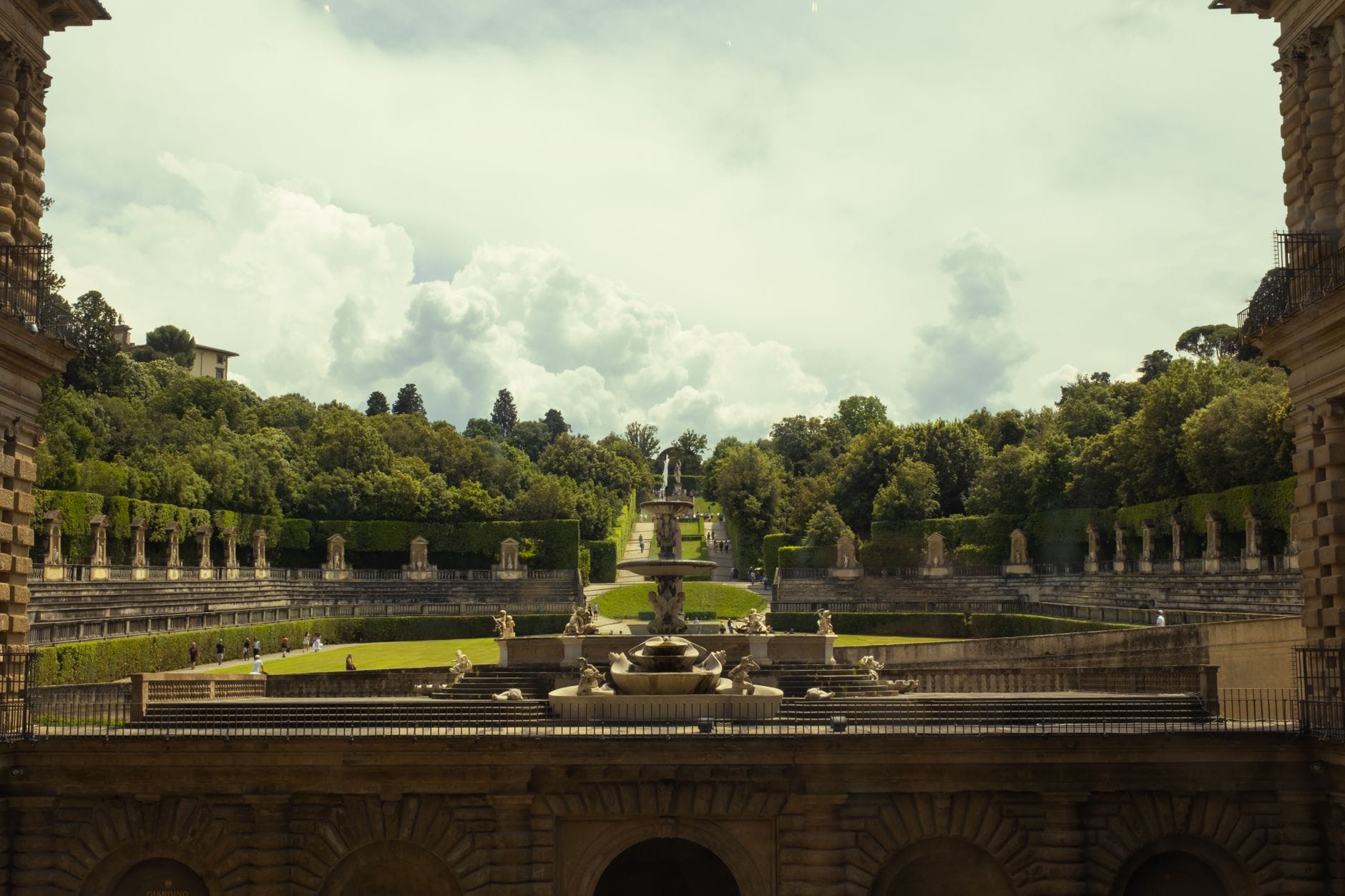
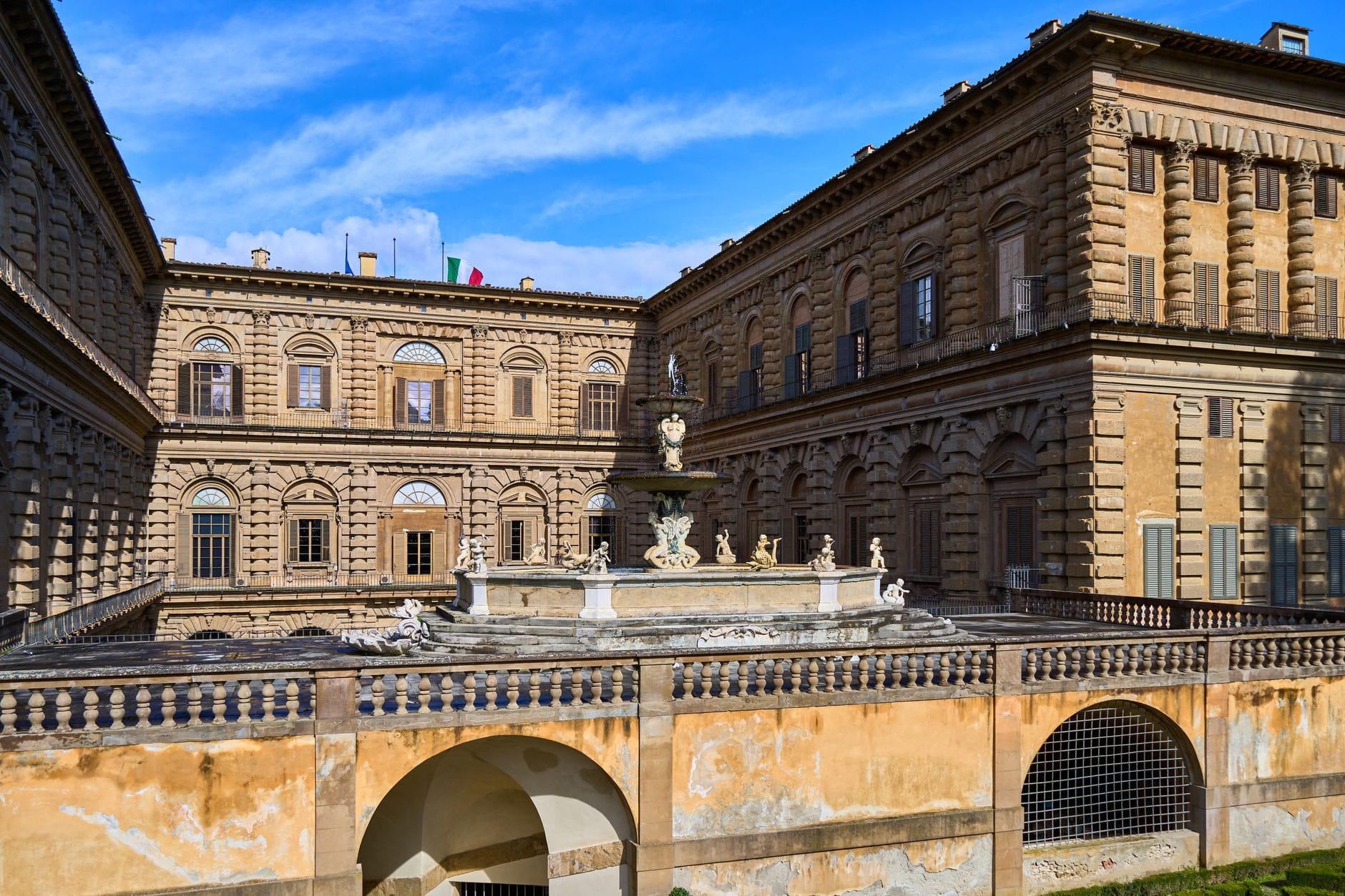
The dominant landmark isPalazzo Pitti, the former residence of the Medici grand dukes. The palace is enormous and contains multiple museums across its floors, including the Palatine Gallery, the Royal Apartments, and the Museum of Costume and Fashion. Plan realistically: trying to see everything in a single visit leads to exhaustion rather than appreciation. The palace faces a large cobbled forecourt that descends steeply from its facade, a useful visual reference point when navigating the neighborhood.
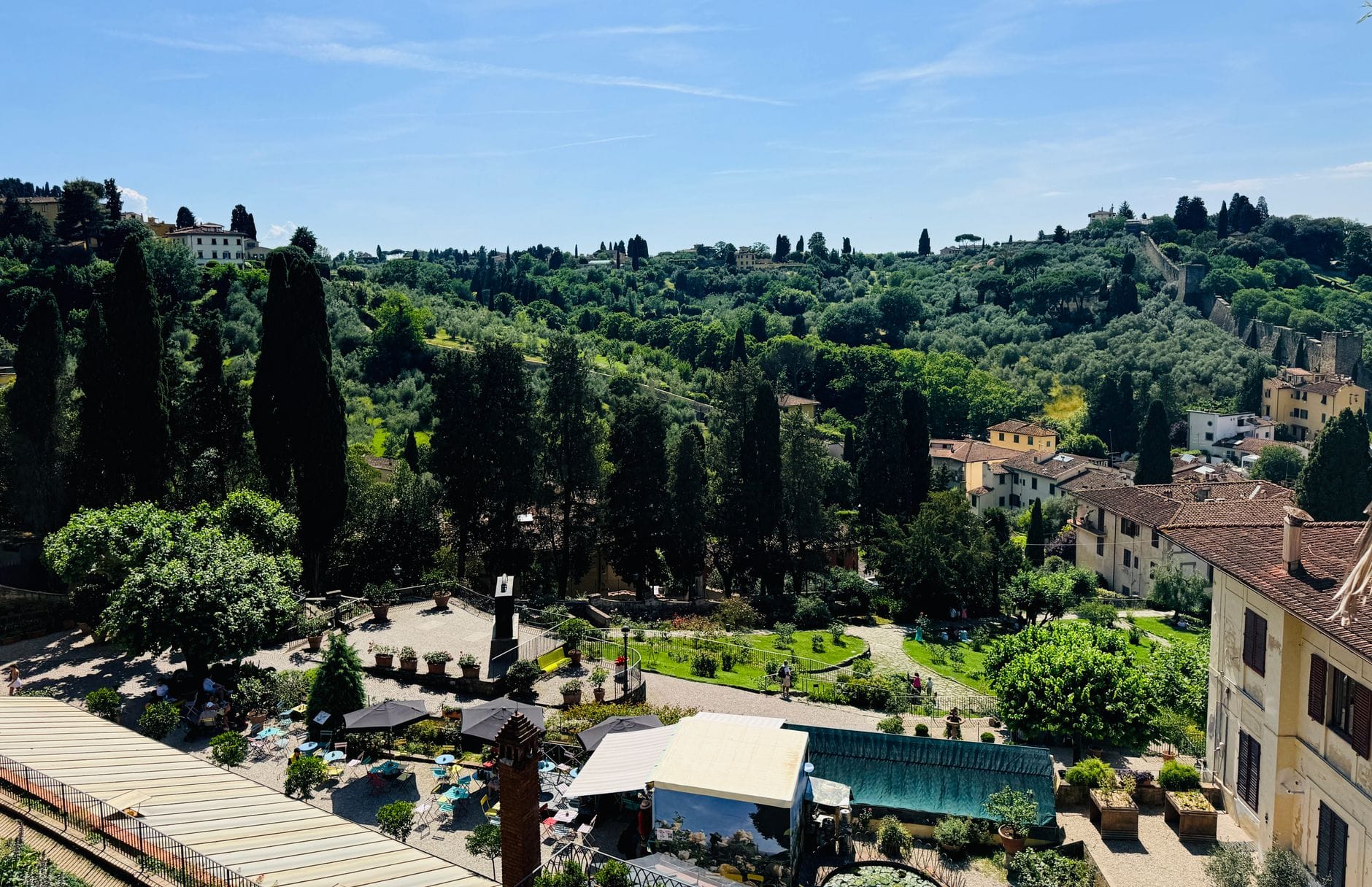
Behind and above the palace, theBoboli Gardens spread across the hillside in a series of formal terraces, grottos, and fountains. The gardens are large enough to absorb even summer crowds, and the upper terraces offer good views across the rooftops toward the Duomo. A combined ticket covers the palace museums and the gardens.
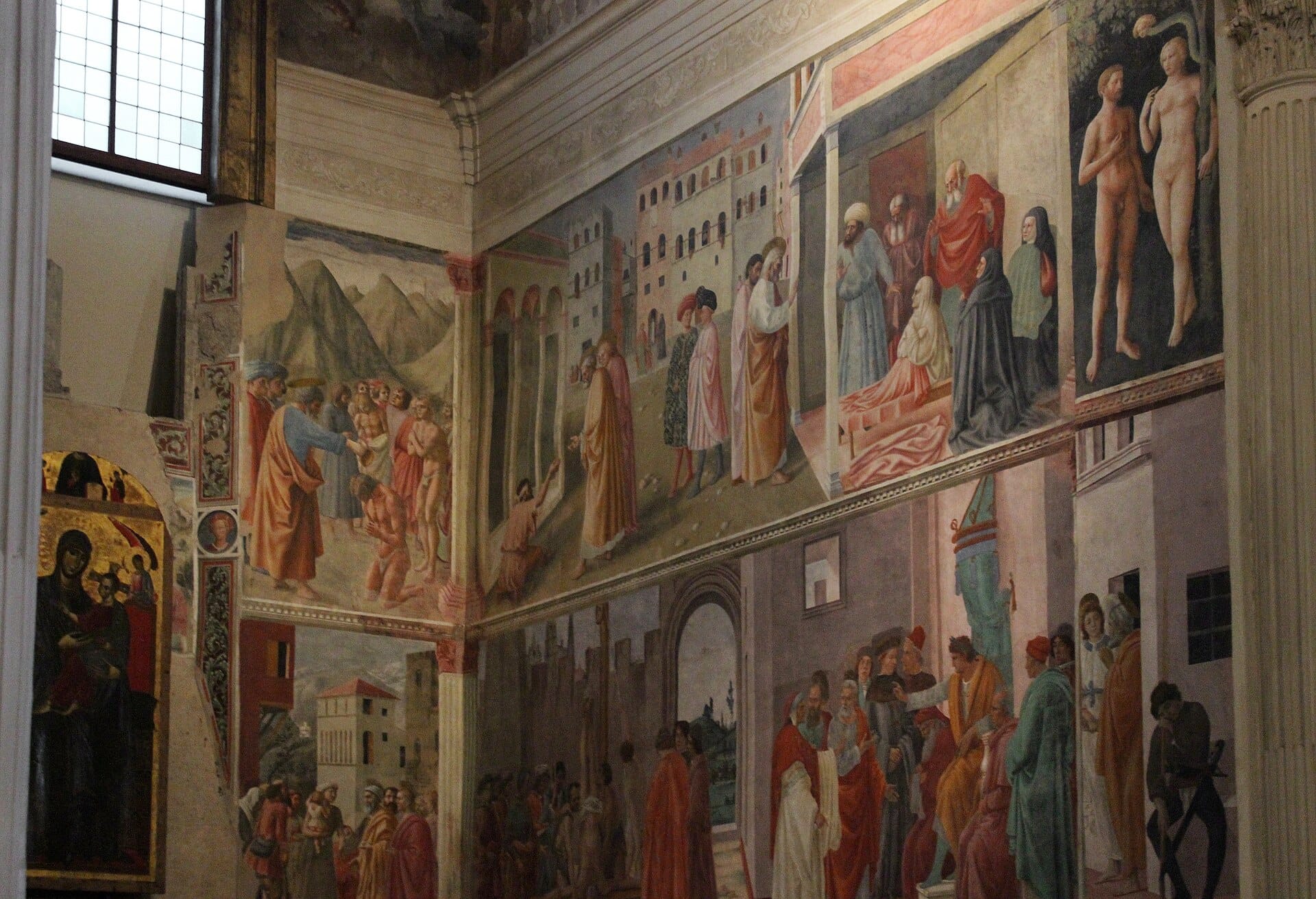
The Cappella Brancacci inside the church of Santa Maria del Carmine is one of the most significant fresco cycles in Western art. Masaccio and Masolino painted these walls in the mid-15th century, and Filippino Lippi completed the cycle later that century. The chapel is small and entry is timed, so booking ahead is strongly advisable. The works here influenced generations of Renaissance painters, including Michelangelo.
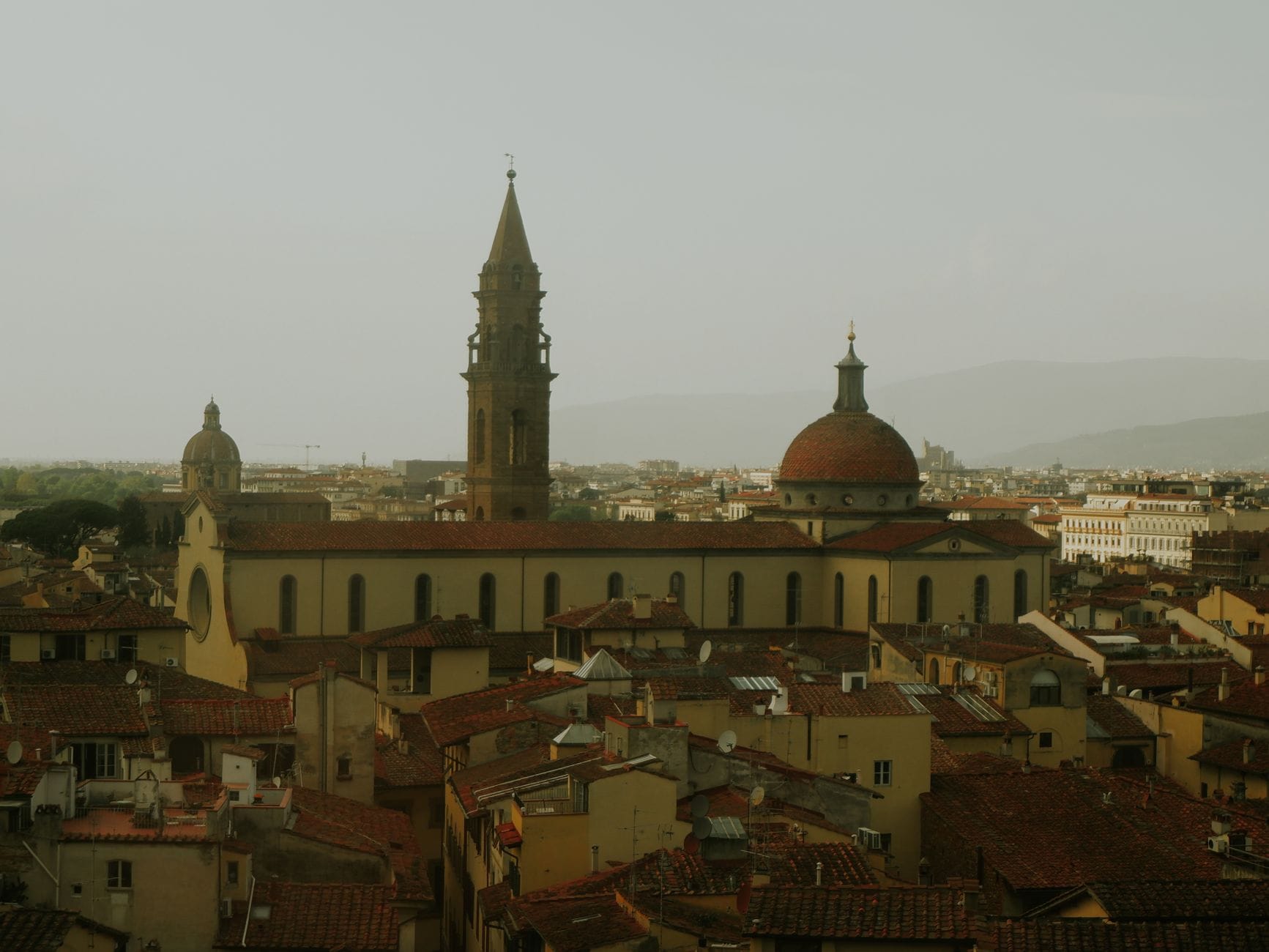
The Basilica di Santo Spirito is Brunelleschi's last great church, completed after his death in 1446. Its interior is a study in Renaissance proportion and calm: forty semicircular chapels line the nave and transepts, each containing altarpieces and sculptures of considerable quality. The church receives far fewer visitors than the Duomo or Santa Croce, which makes it possible to spend genuine time in a major Florentine monument without the pressure of crowds.
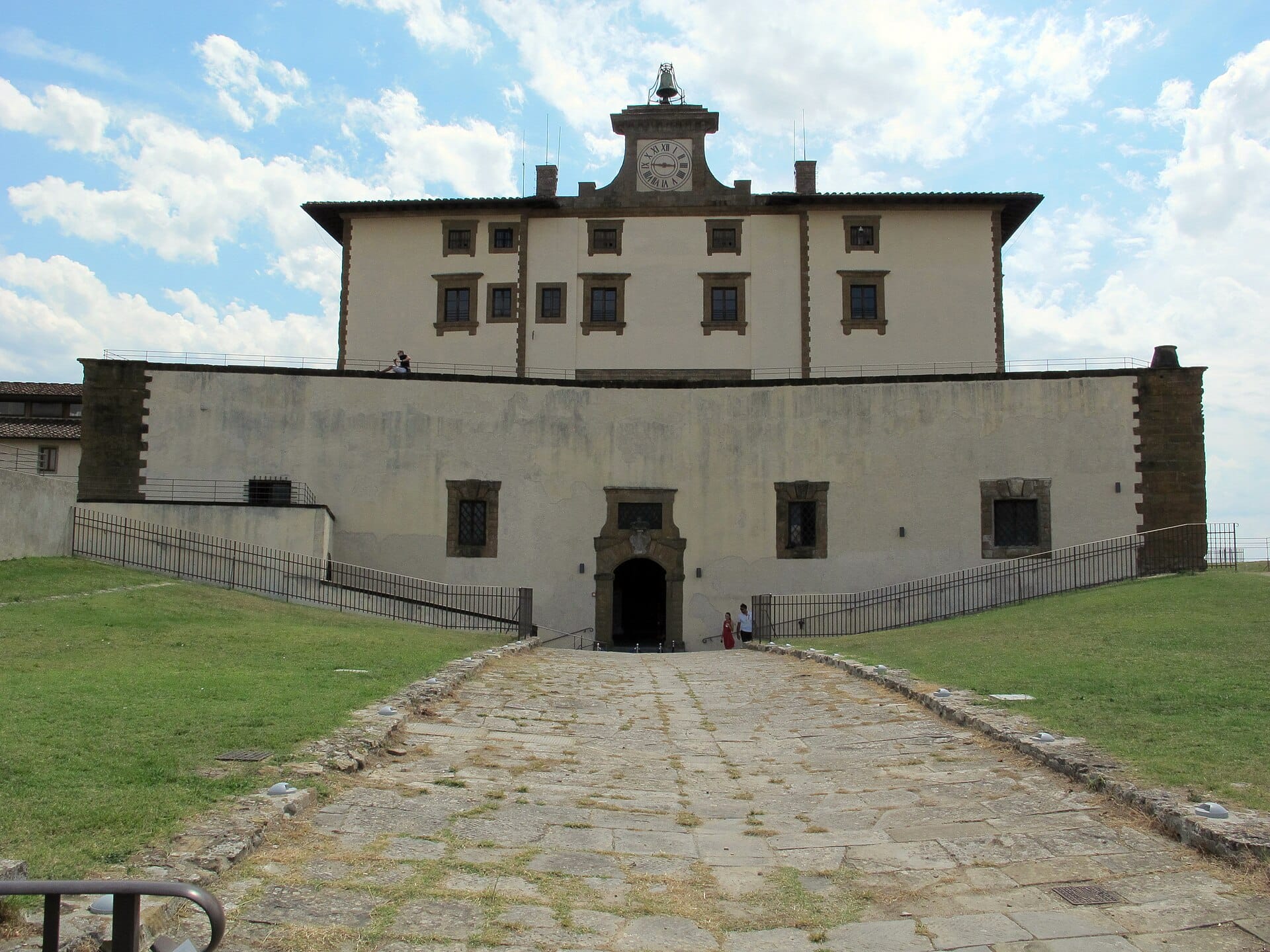
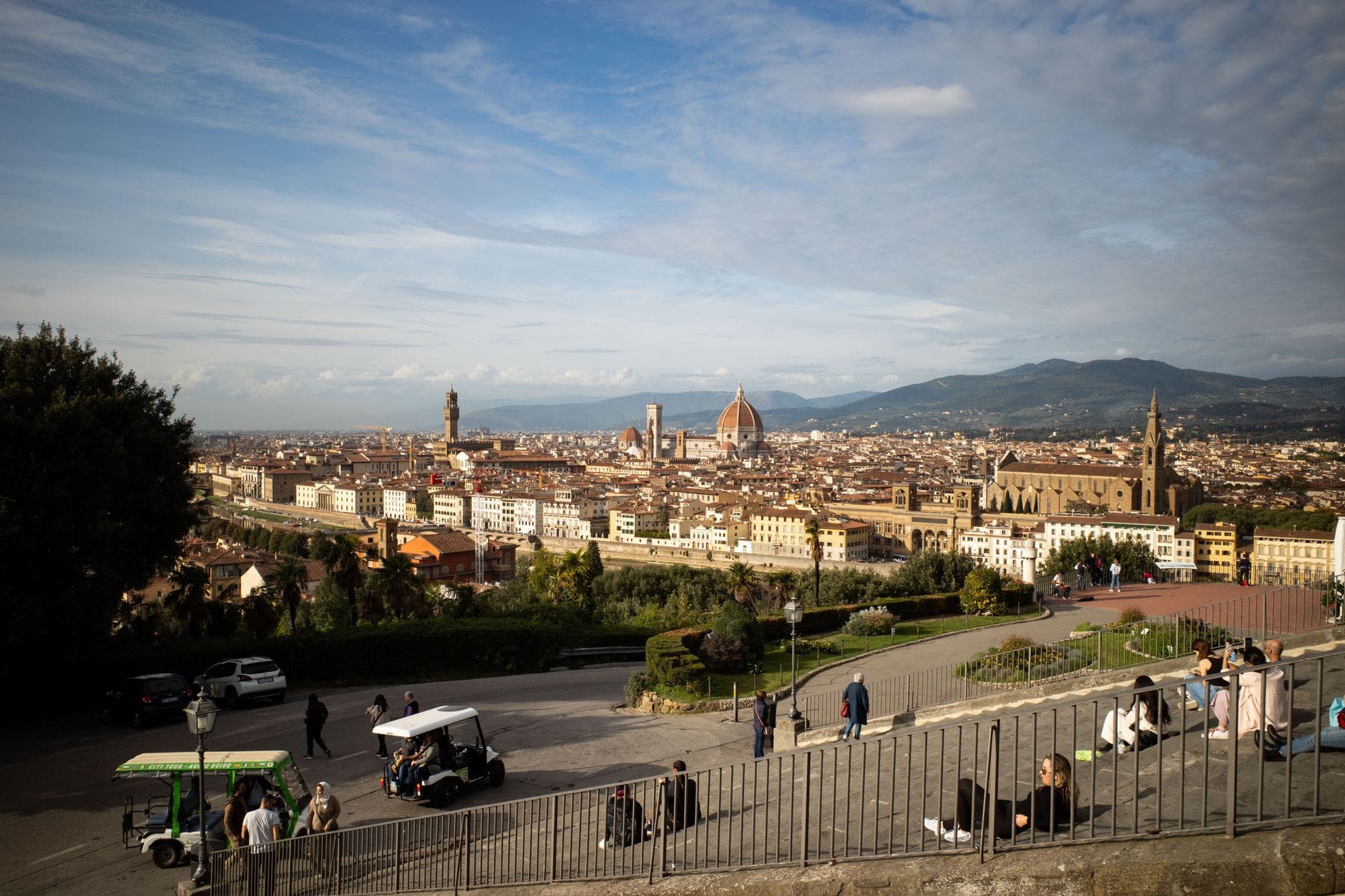
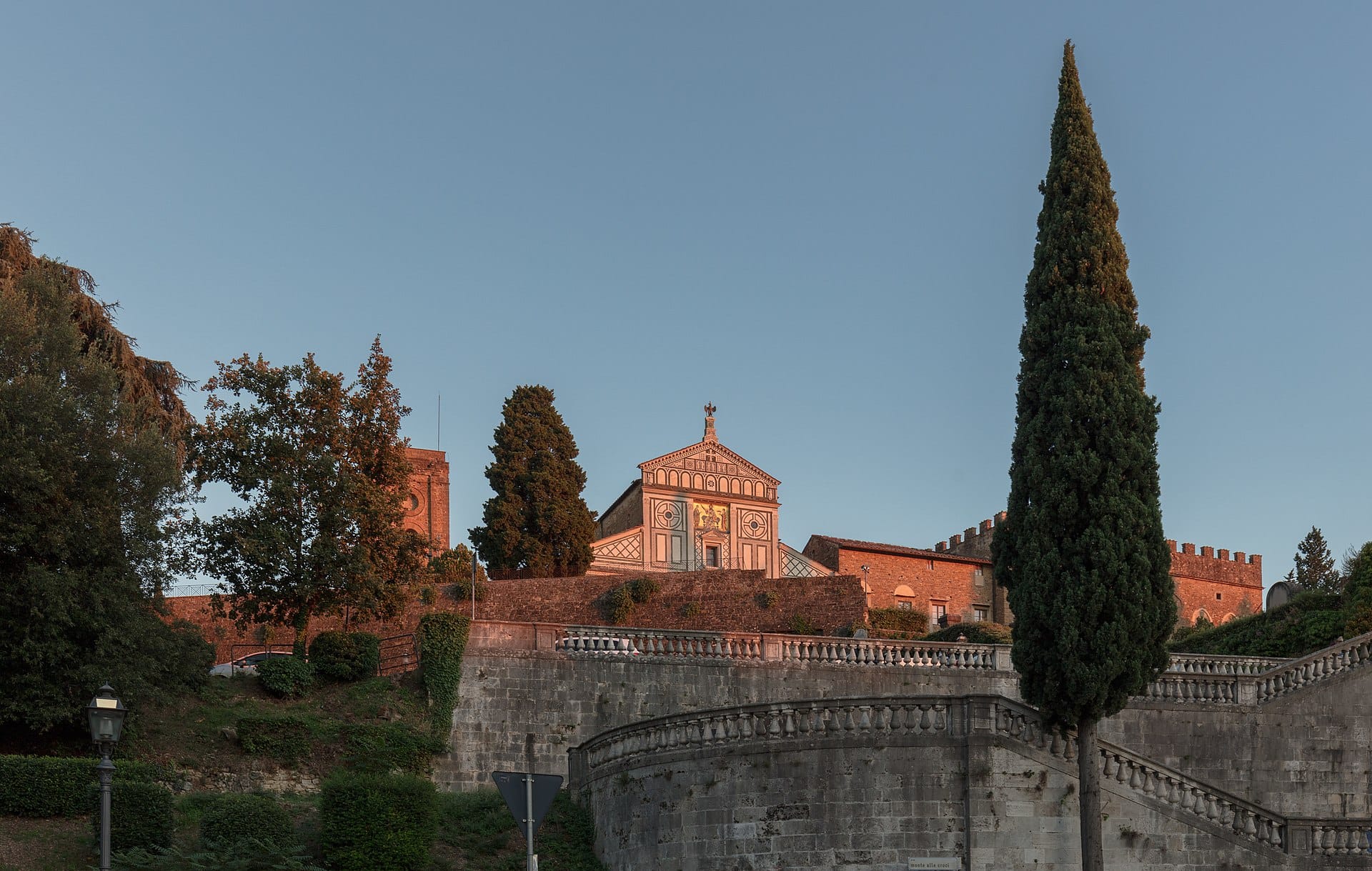
From the San Niccolò quarter, the climb toPiazzale Michelangelo takes roughly fifteen minutes on foot via the stepped path off Via San Miniato. The viewpoint itself is popular to the point of congestion, especially at sunset, butForte di Belvedere just above it is quieter and offers comparable panoramas over the city. The route up also passes the Romanesque facade of San Miniato al Monte, one of the finest examples of Florentine Romanesque architecture.
Palazzo Pitti and its multiple museums: allow at least half a day
Boboli Gardens: good for an hour or two of slow wandering
Cappella Brancacci at Santa Maria del Carmine: book timed entry in advance
Basilica di Santo Spirito: a calm, crowd-light alternative to the main churches
Piazzale Michelangelo and Forte di Belvedere: best in early morning before crowds arrive
San Miniato al Monte: a short detour above Piazzale Michelangelo, worth the extra steps
Bardini Garden: less visited than Boboli, with excellent city views from its terraces
💡 Local tip
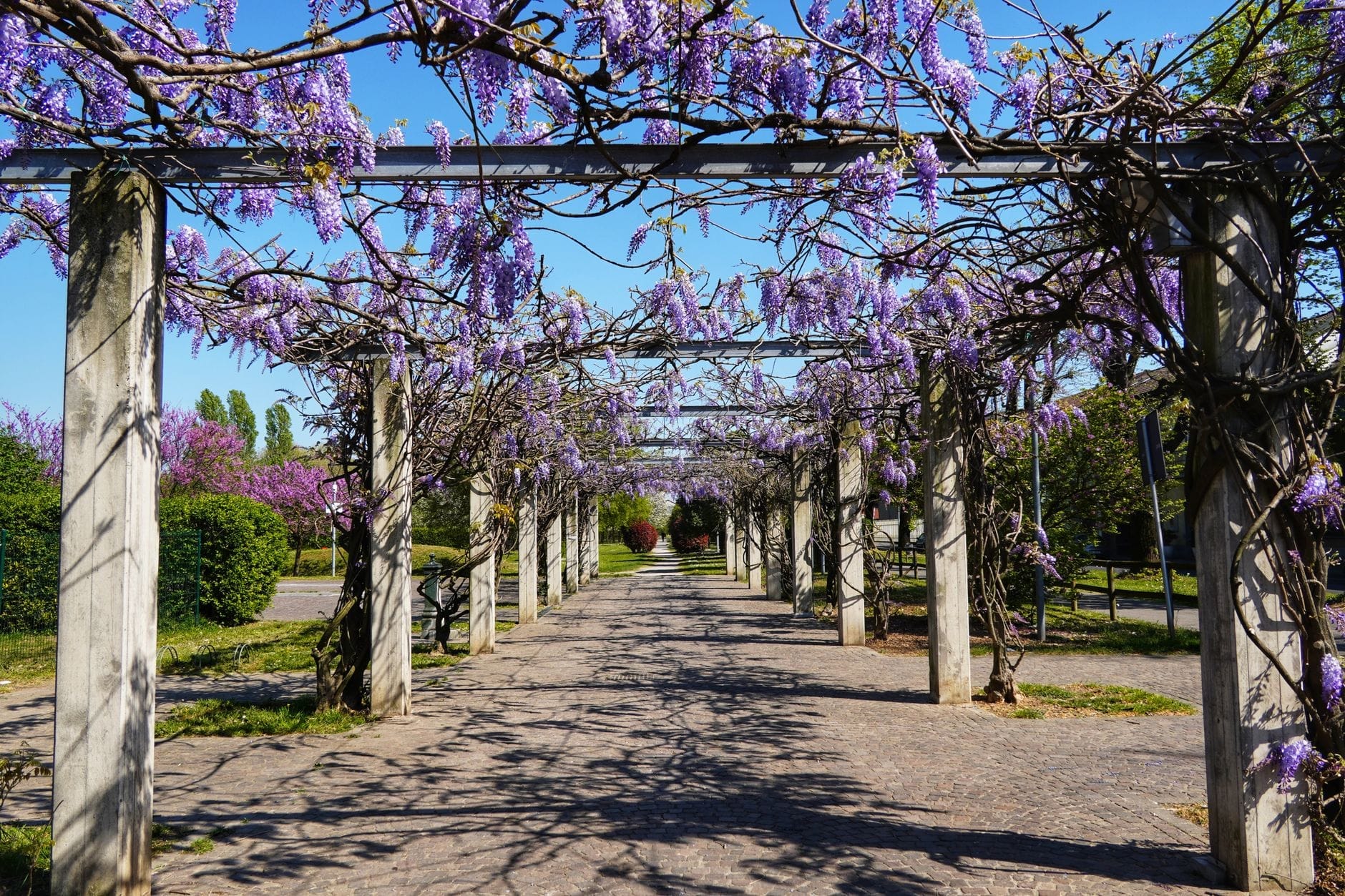
The Bardini Garden, accessible from Via de' Bardi, is often empty even when the larger Boboli Garden is crowded. Its wisteria pergola and hillside terraces offer some of the best unobstructed views of the Duomo available anywhere in Florence.
Eating and Drinking
Oltrarno's food scene is more diverse and better value than what you find in the immediate vicinity of the Duomo or Ponte Vecchio. The neighborhood has everything from quick sandwich counters to serious trattorias serving traditional Florentine cooking: ribollita, lampredotto, bistecca Fiorentina. For an overview of what to look for across the city, theguide to Florentine food is a useful starting point before you arrive.
The area around Piazza Santo Spirito has the highest concentration of bars and restaurants, ranging from inexpensive aperitivo spots to mid-range trattorias. Quality is variable this close to a tourist-facing piazza, so it pays to walk a block or two in any direction before committing to a table. Borgo San Jacopo along the river has a more expensive, restaurant-row character, with some well-regarded fish-forward options looking directly onto the Arno.
San Frediano is the right quarter for straightforward, no-ceremony trattoria eating. The streets around Via de' Serragli and Borgo San Frediano have places that operate without English menus, where the daily specials are written on a chalkboard and the house wine comes in a quarter-liter carafe. Prices are noticeably lower than in Santo Spirito. This is also the area to look for wine bars (enoteche) with serious Tuscan selections by the glass.
Coffee culture is strong throughout Oltrarno. The bars in this neighborhood operate the way Italian bars are supposed to: you stand at the counter, order a macchiato, drink it in two minutes, and leave. Prices at the bar are significantly lower than table service. If you are used to the tourist-inflated espresso prices near the Uffizi, the bars in San Frediano and around Piazza del Carmine will feel like a correction.
ℹ️ Good to know
Florence has a tradition of wine windows (buchette del vino), small stone hatches built into the facades of noble palaces where wine was sold directly to the street. Several are still active in Oltrarno. Look for them along Via de' Bardi and the streets around Palazzo Pitti.
Getting There and Around
The most direct and atmospheric way to enter Oltrarno from the city center is across thePonte Vecchio. The bridge deposits you on Via de' Guicciardini, which runs straight to the forecourt of Palazzo Pitti in about five minutes. Ponte Santa Trinità, a short walk west along the Lungarno, brings you out on Borgo San Jacopo and is the better approach if you are heading toward Santo Spirito or San Frediano. Ponte alle Grazie at the eastern end connects to Via dei Renai and the San Niccolò quarter.
Florence has no metro system, so public transport within the city relies on buses. Several ATAF lines serve Oltrarno, running along the main arteries including Via de' Serragli, Via Romana toward Porta Romana, and the Lungarno routes along the riverbank. Route numbers and stops change periodically, so check the current ATAF network map before relying on specific line numbers. The T1 and T2 tram lines do not directly serve Oltrarno, but both terminate near Firenze Santa Maria Novella station, from which Ponte Santa Trinità is a fifteen-minute walk.
For visitors staying north of the river, Oltrarno is entirely walkable. From Santa Maria Novella station, walking south through the historic center and across Ponte Santa Trinità takes about twenty minutes at a comfortable pace. From Piazza della Signoria, crossing via Ponte Vecchio takes under ten minutes. Theguide to getting around Florence has full details on bus passes, tram routes, and walking logistics across the city.
Within Oltrarno, everything is walkable. The distance from Ponte Vecchio to Piazzale Michelangelo on foot, including the hill climb, is about thirty minutes. From Santo Spirito to Porta Romana is fifteen minutes. The neighborhood has a few steep sections around San Niccolò and the hillside paths, but the main flat streets of San Frediano and Santo Spirito are easy going.
Where to Stay
Oltrarno is a serious alternative to staying in the Centro Storico, and for many travelers it is the better choice. Accommodation here tends to be slightly lower-priced than equivalent rooms near the Duomo, and you are close enough to everything that the walk across the river is a minor inconvenience rather than a genuine problem. For a full picture of options across the city, theFlorence accommodation guide covers all the main neighborhoods and price tiers.
The best locations within Oltrarno depend on your priorities. If you want the liveliest atmosphere and easy access to both the neighborhood's nightlife and the main sights, the streets around Piazza Santo Spirito are well positioned but, as noted, can be noisy at night. Via Maggio, running south from Ponte Santa Trinità, is a quieter alternative with several boutique hotels and B&Bs in historic palazzo buildings. The area around Via de' Bardi and the Lungarno Serristori is perhaps the most pleasant for a relaxed stay: close to the river, with easy access to both the Ponte Vecchio and the San Niccolò quarter, but removed from the piazza noise.
San Frediano suits travelers who want a genuinely local feel and do not mind being a few extra minutes from the Palazzo Pitti and the river bridges. The accommodation supply here is smaller and more varied: small guesthouses, apartments, and agriturismos-style B&Bs rather than large hotels. For families or longer stays, the neighborhood's residential character and proximity to daily markets make it practical as well as pleasant.
Honest Assessment: Is Oltrarno Right for You?
Oltrarno is not without its complications. The Palazzo Pitti corridor from Ponte Vecchio can feel as touristic as anything on the north bank during summer, with souvenir stalls and overpriced restaurants aimed at visitors who arrive, see the palace, and leave. The area around Piazzale Michelangelo is almost entirely oriented toward tourism at peak hours. And while Oltrarno is often described as the authentic, local alternative to the historic center, that authenticity is real but should not be overstated: it is still central Florence, and the neighborhood has been on the travel radar long enough that tourist pressures are present.
What Oltrarno genuinely offers is a different rhythm. The streets in San Frediano at nine in the morning feel different from the streets around the Duomo at the same hour. The evening at Piazza Santo Spirito, for all its occasional rowdiness, involves actual Florentines in a way that the area around Piazza della Repubblica does not. The artisan workshops, some of which have been in the same premises for generations, are real rather than staged. These qualities are worth seeking out, and staying or spending a half-day in Oltrarno will give most visitors a more complete picture of the city.
TL;DR
Oltrarno occupies the south bank of the Arno, encompassing Santo Spirito, San Frediano, and San Niccolò, all walkable from the historic center via multiple bridges.
Major draws include Palazzo Pitti, Boboli Gardens, the Cappella Brancacci, and the hilltop views from Piazzale Michelangelo and Forte di Belvedere.
Best suited to travelers who want a residential neighborhood feel, lower accommodation prices than the Centro Storico, and access to a food and bar scene with genuine local participation.
Not ideal for very light sleepers near Piazza Santo Spirito, or for anyone expecting the entire neighborhood to be tourist-free: the main Palazzo Pitti axis is heavily visited.
Completely walkable internally, and ten to twenty minutes on foot from the Duomo, Uffizi, and Santa Croce: the location is close to everything without placing you at the center of the tourist concentration.
Three days in Florence is enough to cover the iconic Duomo complex, the Uffizi Gallery, Michelangelo's David, and the atmospheric Oltrarno district south of the Arno. This itinerary is built around realistic timing, advance booking requirements, and genuine local insight — not just a list of landmarks.
Florence's churches are not mere places of worship — they are the greatest concentration of Renaissance art and architecture on earth. This guide covers the essential basilicas, chapels, and hilltop sanctuaries, with practical details on tickets, timing, and what makes each one worth your time.
Florence holds more masterpieces per square kilometer than almost anywhere on earth. This ranked guide covers the city's finest museums, from blockbuster galleries to intimate palaces, with practical advice on what each one is worth and how to book smart.
Florence rewards visitors differently depending on when you arrive. This guide breaks down every season by weather, crowd levels, and value so you can choose the right time for your trip, whether you're chasing quiet museums, grape harvest season, or budget flights in January.
Florence rewards those who look up, climb up, and cross the river. This guide covers the city's finest viewpoints, from the famous terraces of Piazzale Michelangelo to the quieter hilltop gardens and climbable towers that frame the Duomo from every angle.
The Chianti wine region sits less than an hour south of Florence, but reaching the best estates requires planning. This guide covers the SR222 route, the top wineries worth booking, guided tour prices, and the seasonal realities that most itineraries gloss over.
Florence sits at the heart of Tuscany, which makes it one of the best bases in all of Italy for exploring the surrounding region. This guide covers the top day trips from Florence, with real travel times, price ranges, and the practical take about which destinations deserve a full day and which are better as a quick half-day escape.
Cinque Terre is one of the most rewarding day trips from Florence, but the logistics trip up a surprising number of visitors. This guide covers every step: which trains to take, how much to budget, which villages to prioritize, and whether a day trip is actually worth the travel time.
The Florence to Venice train is a major intercity route, with direct high-speed services departing roughly every 10 minutes at peak times. This guide covers journey times, ticket prices, how to book, and whether a day trip from Florence is worth it.
Florence is one of the world's most walkable cities, with nearly every major landmark within a compact historic centre. This guide covers the best walking routes, clear pricing breakdowns, seasonal tips, and how to avoid the most common tour mistakes.
Florence rewards families who plan smart. From free museum entry for children under 18 to gelato-making classes and rooftop climbs, this guide covers everything you need: timing, logistics, money-saving tips, and practical advice on what actually works with kids in tow.
Florence is one of the most art-rich cities in the world, and a surprising amount of it costs nothing. From Renaissance churches and open-air sculpture to rooftop panoramas and local markets, this guide covers the best genuinely free experiences in the city.
Florence is one of Europe's most walkable cities, but knowing how its bus network, tram lines, ZTL restrictions, and airport connections work will save you time, money, and frustration. This guide covers everything from the €1.70 airport tram to navigating the historic center on foot.
Florence rewards those who look past the obvious. From Masaccio's revolutionary frescoes in a quiet Oltrarno chapel to a 14th-century merchant's house frozen in time, these are the experiences that make the city feel genuinely yours. This guide covers the art, gardens, markets, and viewpoints that most visitors never find.
Florence holds more Michelangelo originals than any other city on earth. This guide covers every sculpture, painting, and architectural work you can see in person — with exact locations, current ticket prices, booking advice, and the common mistakes that trip up first-time visitors.
Florence packs more world-class art and architecture into a single square mile than almost anywhere on earth. This guide gives you a realistic, expertly sequenced 24-hour itinerary with current prices, booking advice, seasonal tips, and honest trade-offs so you spend your time wisely.
The journey from Rome to Florence is one of Italy's most traveled routes, and getting it right saves you hours and money. This guide breaks down every realistic option — high-speed train, budget bus, and why flying rarely makes sense — with practical advice on booking, timing, and what to expect when you arrive.
Florence has been producing world-class leather and fashion for centuries. This guide covers every major shopping area, from artisan workshops near Santa Croce to the weekly Cascine market, with clear price breakdowns and practical advice on spotting quality goods.
Florence packs more world-class art, architecture, and history into a walkable city center than almost anywhere on earth. This guide cuts through the noise to tell you exactly what to do, when to do it, and what to skip, with practical advice on crowds, costs, and logistics.
Florence takes its food seriously, and the gap between eating well and eating badly is surprisingly wide. This guide covers the essential dishes, the best markets, realistic prices, and which neighborhoods to seek out for an honest Florentine meal.
Choosing where to stay in Florence shapes your entire trip. This guide breaks down every major neighborhood by location, price, atmosphere, and convenience so you can book with confidence, whether you're visiting for three days or two weeks.