Best Day Trips from Florence: Pisa, Siena, Chianti & Beyond
Florence sits at the heart of Tuscany, which makes it one of the best bases in all of Italy for exploring the surrounding region. This guide covers the top day trips from Florence, with real travel times, price ranges, and the practical take about which destinations deserve a full day and which are better as a quick half-day escape.
Tickets & tours
Live prices and dates from our booking partner. If you book, we may earn a commission at no extra cost to you.
TL;DR
- Pisa is the easiest day trip from Florence: about 1 hour by trainhe main sights take only 2-3 hours., and the main sights take only 2-3 hours.
- Siena and San Gimignano are best combined on a guided full-day tour (€65-105 per person); getting to both independently by public transport is slow and complicated.
- Cinque Terre requires a full day from Florence — treat anyone telling you it's a quick half-day with suspicion. See our Florence to Cinque Terre guide for the logistics.
- Chianti wine tours start around €29 per person for a tasting — one of the most affordable organized day trips from Florence.
- All trips depart from Firenze Santa Maria Novella (SMN), Florence's main rail hub. Plan around it. For help with timing your overall visit, check the best time to visit Florence.
Why Florence Is Such a Good Base for Day Trips
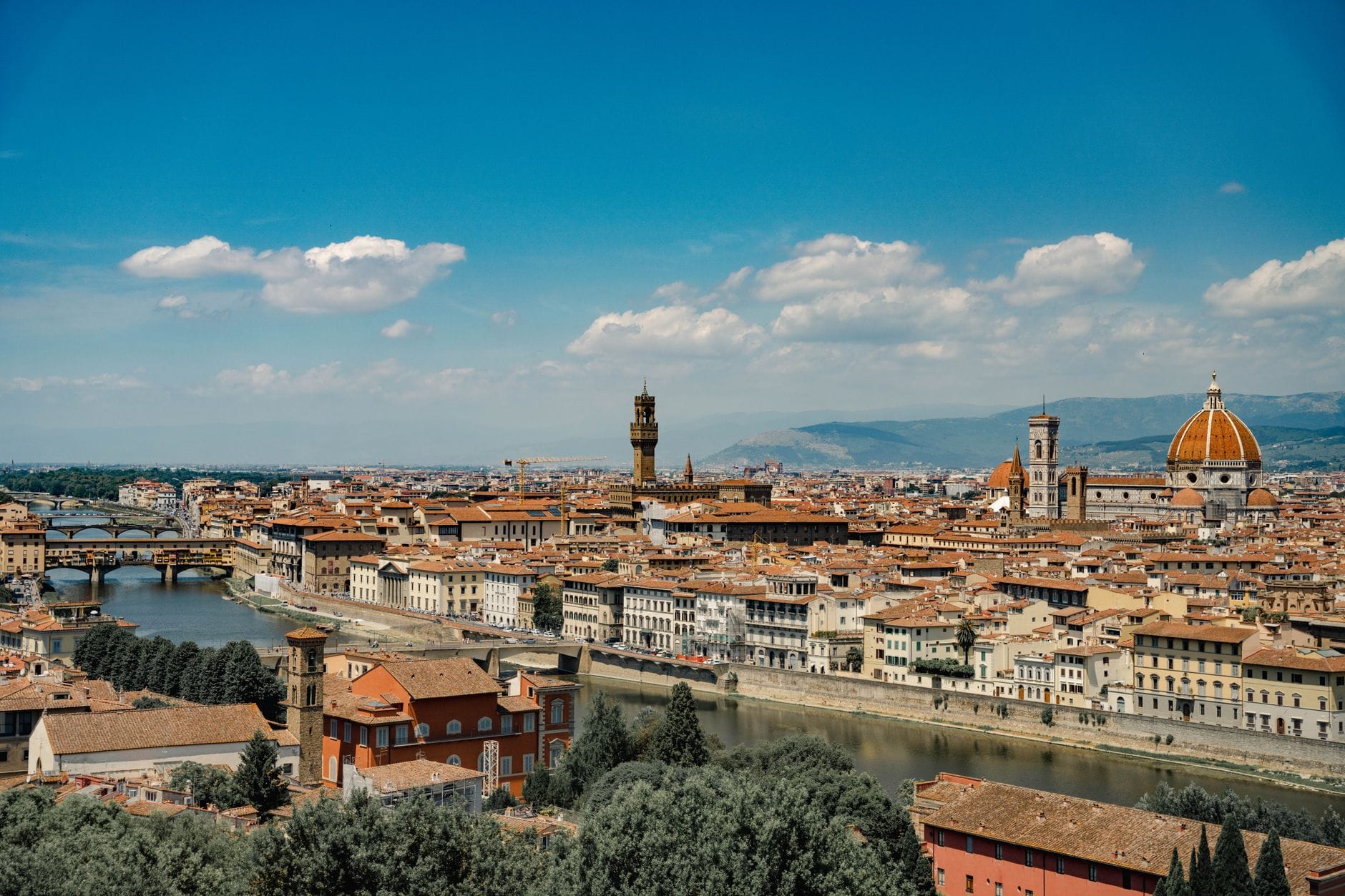
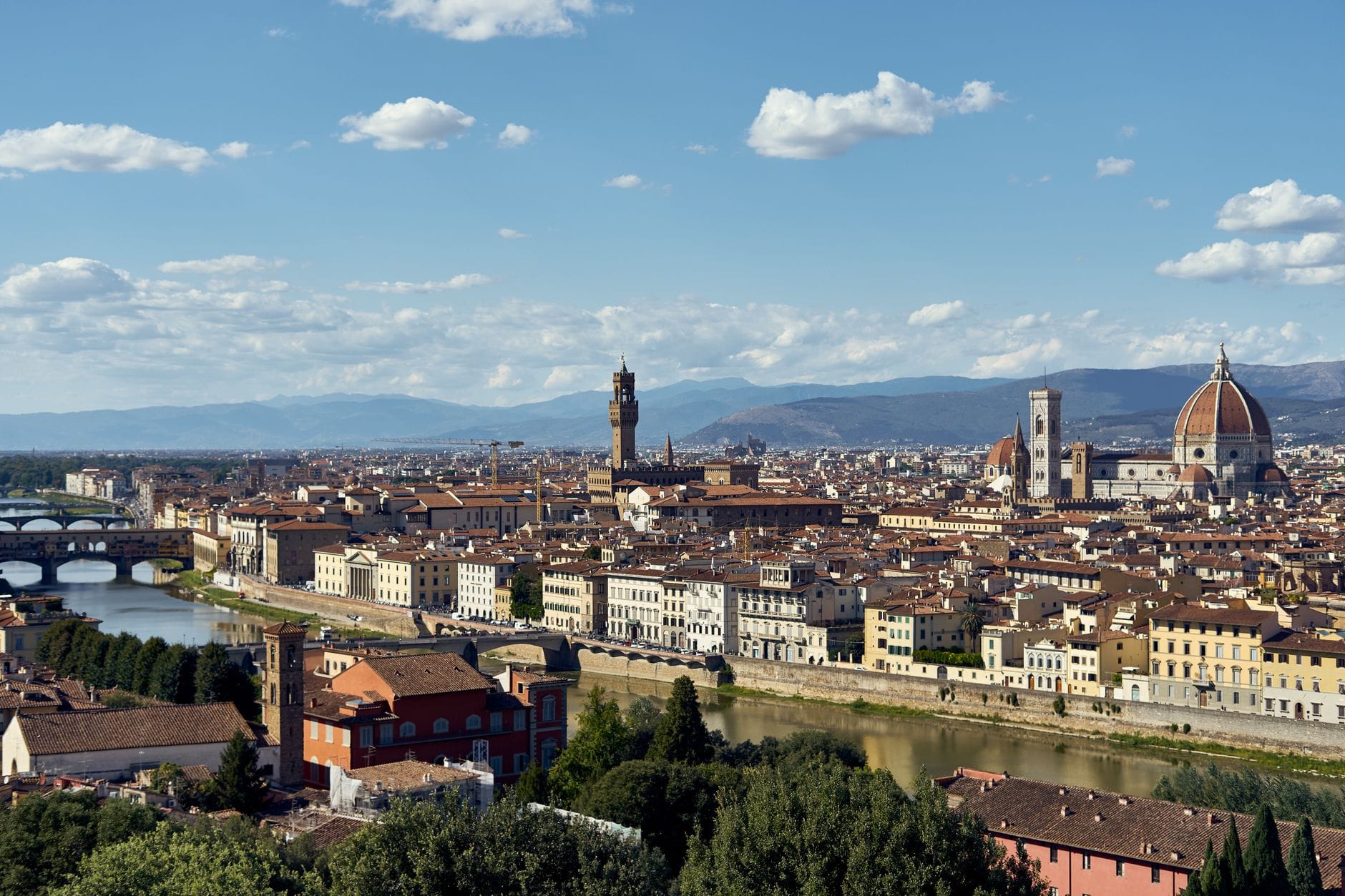
Florence (Firenze in Italian) sits in the northern part of Tuscany, roughly at the geographic centre of the Italian peninsula. That location is not accidental — it made the city a commercial and cultural powerhouse during the Renaissance, and it makes it an exceptional base for modern travelers today. Within a 90-minute radius by train or bus, you can reach medieval hill towns, coastal villages, wine country, and one of Italy's most iconic landmarks. Most visitors spending3 days in Florencecan comfortably build in at least one day trip without sacrificing the city itself.
The practical anchor for all of this is Firenze Santa Maria Novella station, commonly abbreviated as SMN. It handles both Trenitalia regional trains and high-speed Frecciarossa services, meaning you can reach Pisa in an hour or Venice in just over two. Bus connections for destinations like Siena and San Gimignano also depart from the area around SMN
💡 Local tip
Book train tickets in advance on the Trenitalia website for the best prices, especially for summer travel. Regional trains to Pisa and Siena do not require reservations, but it is still worth checking schedules ahead of time to avoid long waits.
Pisa: The Obvious Choice (and Still Worth It)
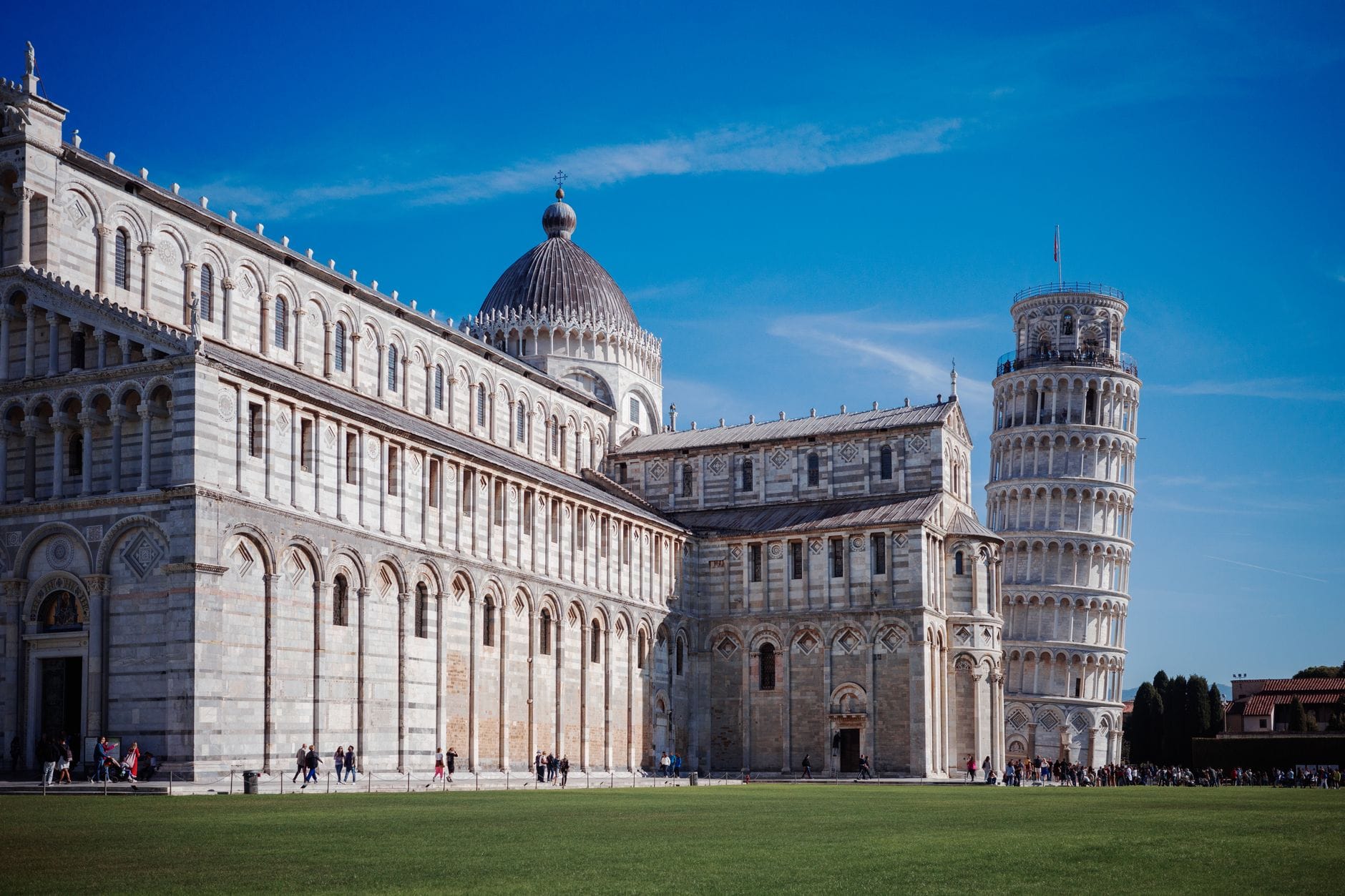
Pisa has a reputation problem. Because it is so easy to reach and so widely visited, seasoned travelers sometimes dismiss it as a tourist trap. That is unfair. The Piazza dei Miracoli — the square containing the Cathedral, the Baptistery, the Camposanto, and yes, the Leaning Tower — is genuinely extraordinary, and the concentration of Romanesque architecture in one place is unlike anything else in Tuscany. The tower's lean is more dramatic in person than in photographs.
The key thing to understand about Pisa as a day trip from Florence is the time math. The train takes around 1 hour from SMN, anded in advance. Most visitors need no more than 2-3 hours at the Piazza dei Miracolih a leisurely afternoon back in Florence or pair with a stop somewhere else along the route. If you want to climb the Leaning Tower itself, book tickets in advance through the Opera della Primaziale Pisana — entry is timed and slots sell out, especially in summer.
⚠️ What to skip
Pisa beyond the Piazza dei Miracoli is pleasant but not especially compelling for most visitors. If you have already seen the square and the tower, there is not a strong reason to extend your stay further into the city centre. Plan your time accordingly and consider an early train back.
Siena and San Gimignano: The Medieval Tuscany Double
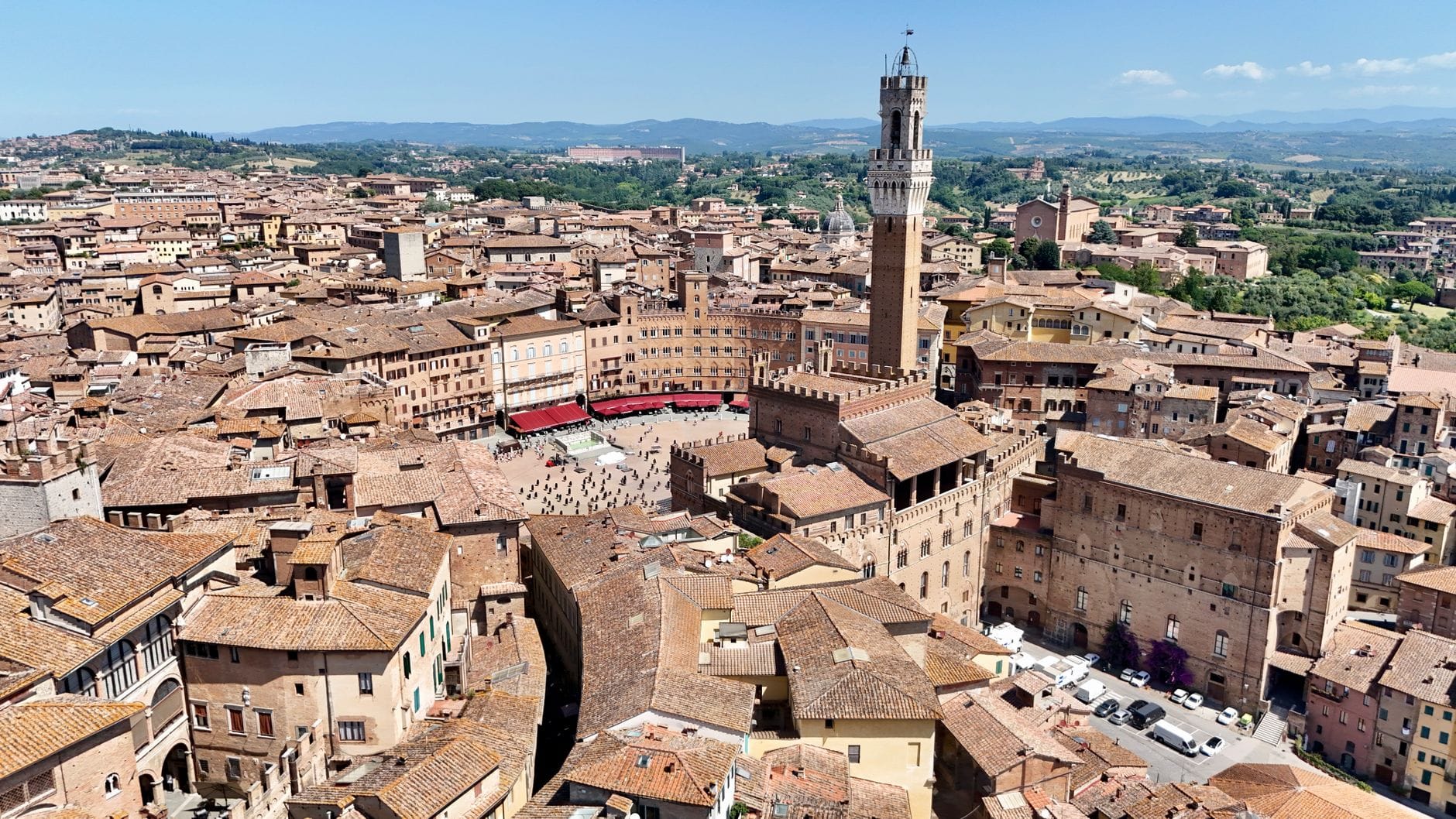
Siena is, by most measures, the most beautiful city in Tuscany after Florence itself. Its fan-shaped Piazza del Campo, the striped marble interior of the Duomo, and the medieval streetscape of the centro storico make for one of the most satisfying urban environments in Italy. San Gimignano, about 40 km northwest of Siena, is smaller but visually striking: its 14 surviving medieval towers give the skyline a distinctly Manhattan-before-Manhattan quality.
The practical challenge is transport. Siena is not on the main rail line, so direct trains from Florence are slow regional services that can take 90 minutes or more. Buses from SMN are often the most practical option. San Gimignano requires a connection in Poggibonsi and adds another 30-45 minutes. For this reason, the most efficient way to see both in a single day is on a guided tour a well-paced itinerary.
- Siena independently Best reached by direct bus from SMN (about 75 minutes). A full day is ideal. The Duomo and Piazza del Campo alone take 3-4 hours.
- San Gimignano independently Bus to Poggibonsi, then a connecting bus to San Gimignano. Allow half a day minimum, and plan connections carefully — services are not frequent.
- Siena + San Gimignano by guided tour The most time-efficient option. Most tours include a Chianti tasting and pick up from central Florence hotels. Costs €65-105 per person.
Chianti Wine Country: Tuscany Without the Crowds
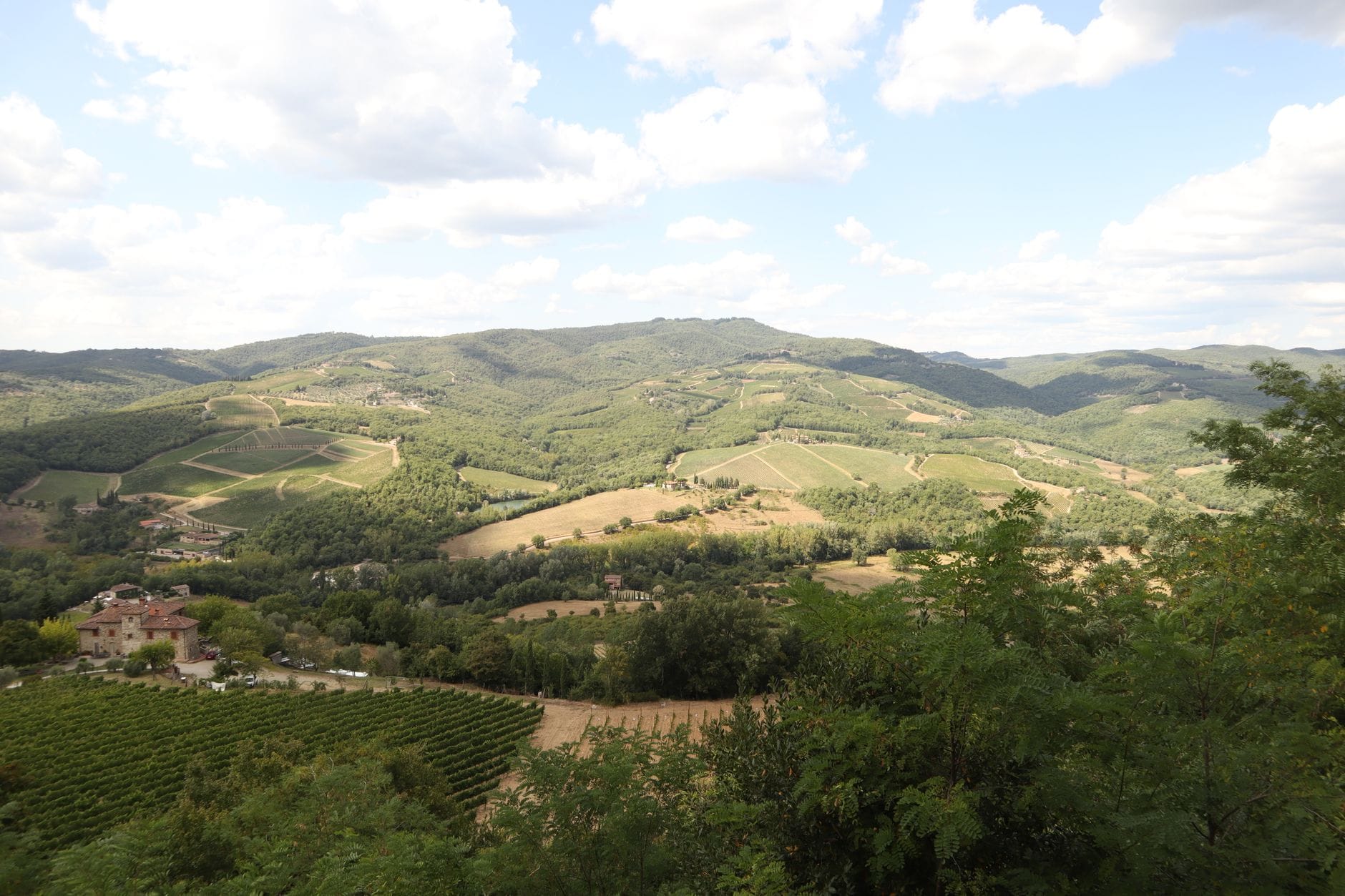
The Chianti Classico zone stretches between Florence and Siena across rolling hills of vineyards, olive groves, and cypress-lined roads. It is not easily reached without a car or organized tour, which is why many visitors miss it entirely. That is a real shame, because a morning or afternoon among the vineyards offers a completely different experience from the city. Check our dedicatedChianti wine tour from Florence guidefor a detailed breakdown of tour types and what to expect.
Organized Chianti tastings start around €29 per persontrips from Florence. At that price point you typically get a cellar tour and a tasting of three to five wines, sometimes with a snack. Full-day tours with lunch and visits to multiple estates run higher, often €70-100, but the quality of food and wine usually justifies it. Harvest season (late September through October) is the most atmospheric time to visit — you may see the grapes being picked and can taste wines that are just days from fermentation.
✨ Pro tip
If you are renting a car, the SR222 between Greve in Chianti and Siena is one of the great scenic drives in Italy. Allow a full day and stop in Greve, Panzano, and Castellina in Chianti. Wine shops and enoteca in each village sell bottles at cellar prices with no tour markup.
Cinque Terre: Spectacular but Demanding
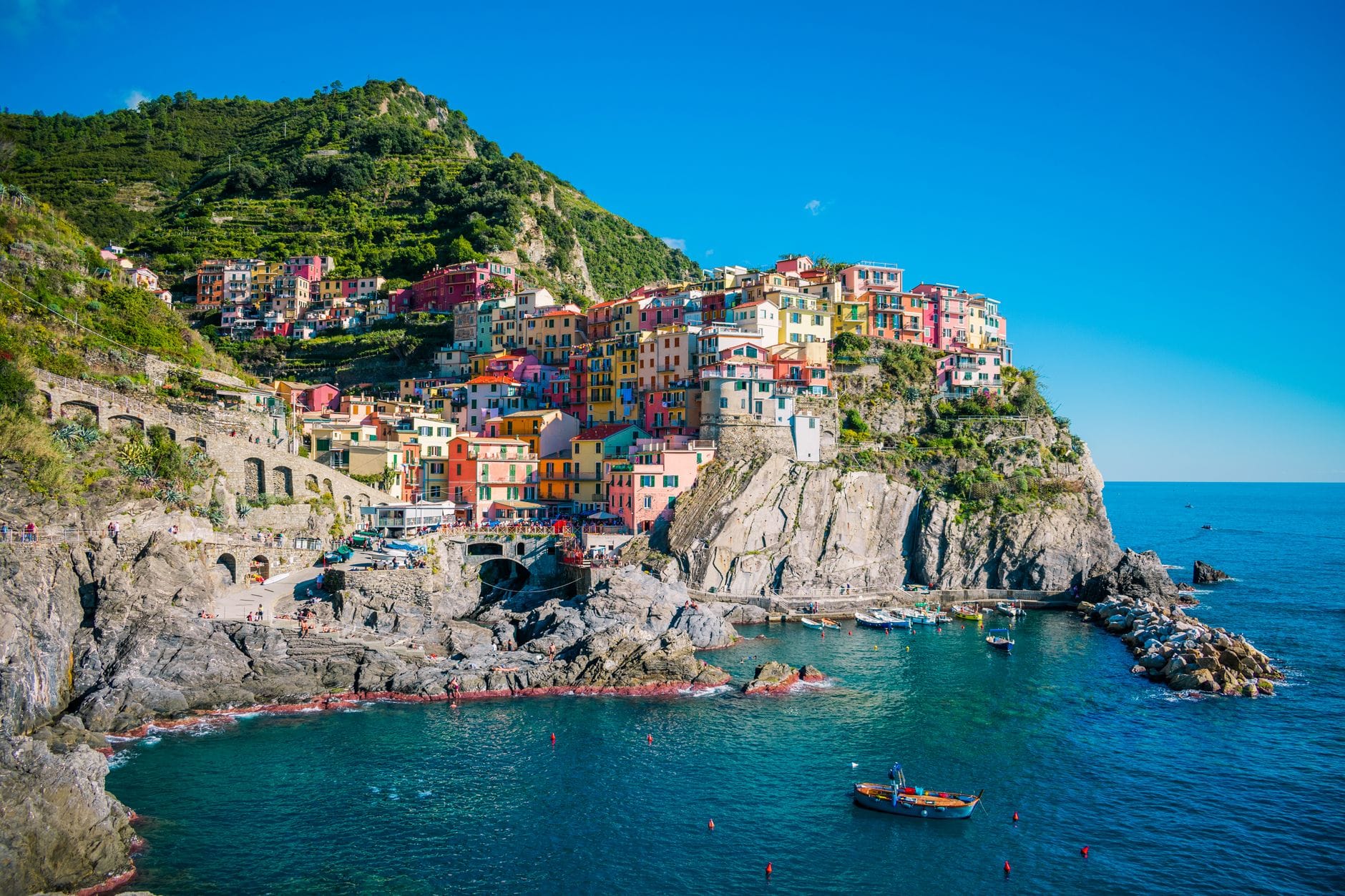
Cinque Terre is the most ambitious day trip from Florence, and the one most likely to feel rushed if you underestimate the logistics. The five villages of the Cinque Terre national park cling to steep cliffs on the Ligurian coast, and reaching them from Florence usually takes around 2.5 to 3 hours by train with at least one change (usually in La Spezia or Pisa). Factor in travel at both ends and you are looking at a long day of transit for a day trip. For full details on making this work, read the Florence to Cinque Terreguide before committing.
That said, the payoff is real. The views from the coastal trail, the colored houses of Manarola and Vernazza, and a plate of pesto pasta eaten above the sea are experiences that justify the effort. Guided group tours from Florence typically start around €52 per person for transport-only packagesns that include a boat ride between villages and lunch. The boat component is seasonal and weather-dependent — confirm availability when booking.
Summer brings extreme crowds to all five villages, especially Monterosso and Vernazza. Trails are sometimes closed after heavy rain. If you are visiting in July or August, either book a very early departure to beat the crowds or consider skipping Cinque Terre in favor of a more manageable destination. April, May, and September are far better months for this trip.
Other Worthwhile Day Trips Worth Considering
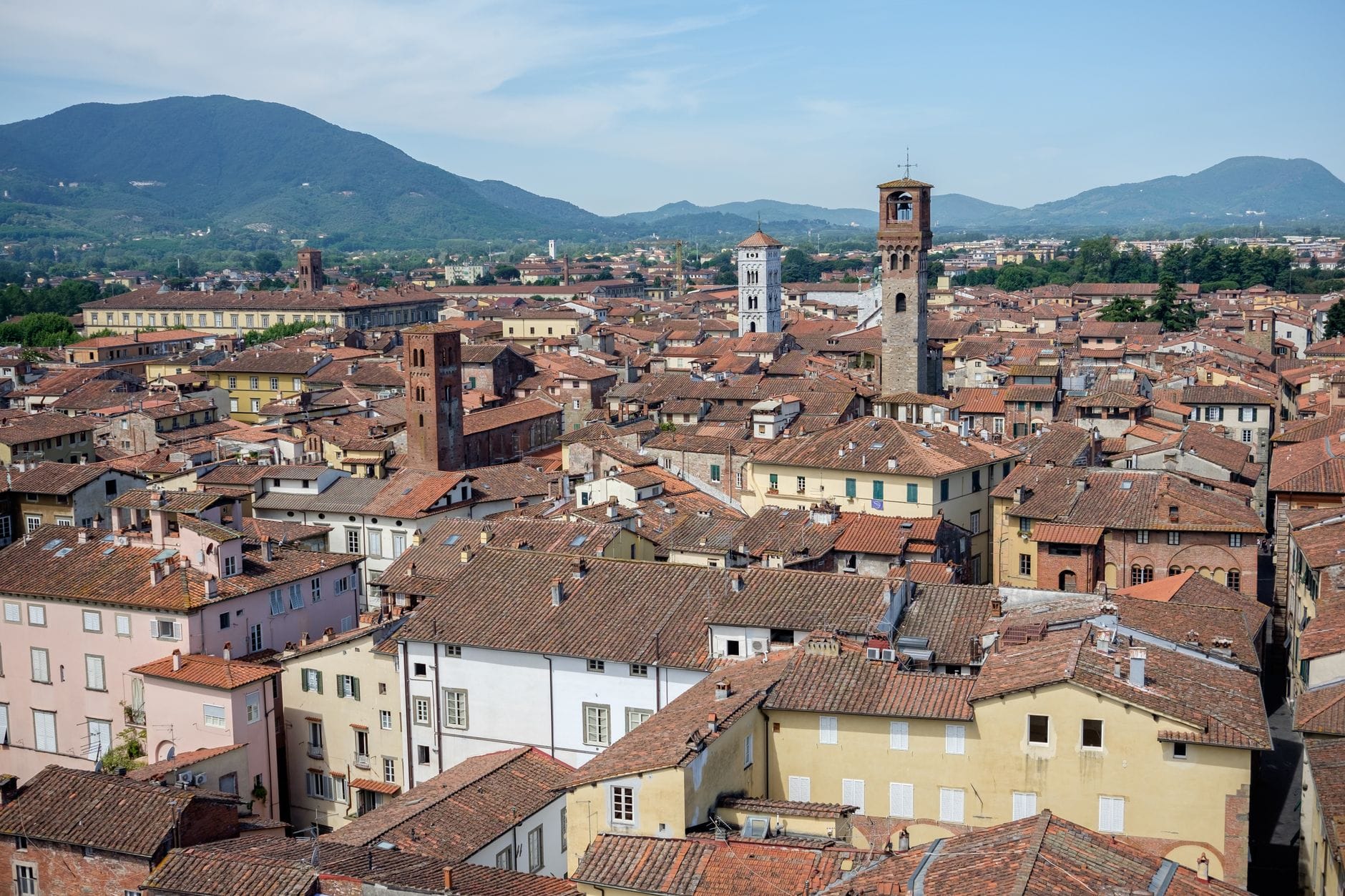
Beyond the big four, Florence's location opens up several less-visited options that reward those who have already covered the obvious ground. Lucca, about 80 minutes from SMN by train, is one of the most underrated cities in Italy: a walled Renaissance city where you can rent a bike and cycle the tree-lined ramparts. It rarely appears in mainstream day-trip roundups but consistently earns high praise from visitors who make the effort. Volterra, another hill town southwest of Florence, offers Etruscan ruins, alabaster workshops, and a dramatically perched medieval centre with far fewer visitors than San Gimignano. Getting there requires a car or complicated bus connections, which keeps the crowds down.
If you are traveling between Florence and Rome, both directions offer interesting stops. The Florence to Rome corridor by high-speed train takes about 90 minutes, and Orvieto (in Umbria) makes a logical halfway stop with its cliff-top cathedral and underground Etruscan tunnels. For those heading north, Florence to Venice by high-speed train takes just over two hours; see our Florence to Venice guide for practical advice.
- Lucca 80 min by train from SMN. Walkable walled city, bike rental on the ramparts, excellent food scene. Very manageable as a half-day trip.
- Volterra Best reached by car. Etruscan museum, alabaster crafts, much quieter than other Tuscan hill towns. Rewarding for those willing to plan the transport.
- Bologna 35 min by high-speed train. Italy's food capital, a great porticoed city, and often overlooked by Tuscany-focused itineraries. Easy half-day or full day.
- Orvieto On the Florence-Rome rail line. Dramatic clifftop setting, outstanding cathedral facade, Etruscan underground tours. Worth a 2-3 hour stop.
ℹ️ Good to know
Florence's position on Italy's main north-south high-speed rail corridor means that Rome, Bologna, and Venice are allas overnight stays or part of a multi-city itinerary.
Practical Tips for Planning Day Trips from Florence
The single most important logistical habit is leaving early. Most day trips from Florence work significantly better if you are on the first or second morning train rather than a mid-morning departure. You arrive before the day-tripper crowds peak, you have more time on site, and you avoid the bottleneck of everyone returning on the same late-afternoon trains. For guidance on how to structure your time in Florence itself before or after a day trip, theone day in Florenceguide provides a practical city framework.
- Book train tickets through Trenitalia's website or the Italo app, especially for high-speed services. Regional trains are usually walkup purchases.
- For Pisa, the Leaning Tower requires advance booking through the Opera della Primaziale Pisana website — slots for tower access sell out in high season.
- Guided tours for Siena, Chianti, and Cinque Terre can be found on Tripadvisor Experiences, Viator, and local Florence tour companies. Compare what is included (lunch, wine tasting, boat) before booking on price alone.
- Carry cash for smaller towns. Card acceptance is widespread but not universal at small trattorias, market stalls, and rural wine estates.
- Check weather before Cinque Terre trips — coastal fog and rain affect the coastal trail and boat services, particularly in spring and autumn.
FAQ
What is the easiest day trip from Florence?
Pisa is the easiest day trip from Florence by a clear margin. The train from Firenze Santa Maria Novella takes about 1 hour, return tickets are typically under €20, and the main sights at the Piazza dei Miracoli take 2-3 hours to see. You can do it as a half-day and still have time in Florence. Book Leaning Tower access in advance if you want to go inside.
Can you do Cinque Terre as a day trip from Florence?
Yes, but it takes planning. Travel time is roughly 2 to 2.5 hours each way, which means you are committing around 5 hours of your day to transit. Most operators run full-day guided tours starting around €52 per person. Avoid going in July or August when the villages are extremely crowded. Spring (April-May) and September are the best months for this trip.
Is it better to visit Siena independently or on a guided tour?
For Siena alone, going independently by bus (about 75 minutes from SMN) is a perfectly good option. If you want to combine Siena with San Gimignano and a Chianti tasting in a single day — which is the most popular approach — a guided tour makes far more sense. The logistics of connecting between those three points by public transport are time-consuming and the connections are infrequent.
How much does a Chianti wine tour from Florence cost?
Entry-level Chianti tastings start around €29 per person for a cellar visit and wine tasting. Full-day tours with a sit-down lunch and visits to multiple estates typically run €70-100. If you have access to a rental car, you can visit wine estates independently along the SR222 and buy bottles directly at cellar prices with no tour markup.
What is the best month for day trips from Florence?
April, May, and September offer the best combination of comfortable temperatures, manageable crowds, and full transport and tour availability. July and August are the peak months for visitors across all destinations, meaning longer queues and higher prices. The Chianti region runs tours year-round, though vineyard visits during harvest (late September to October) are particularly worth timing your trip around.
Tickets & tours
Live prices and dates from our booking partner. If you book, we may earn a commission at no extra cost to you.
Planning a trip? Discover personalized activities with the Nomado app.