Chianti Wine Tour from Florence: Best Wineries, Routes & Practical Tips
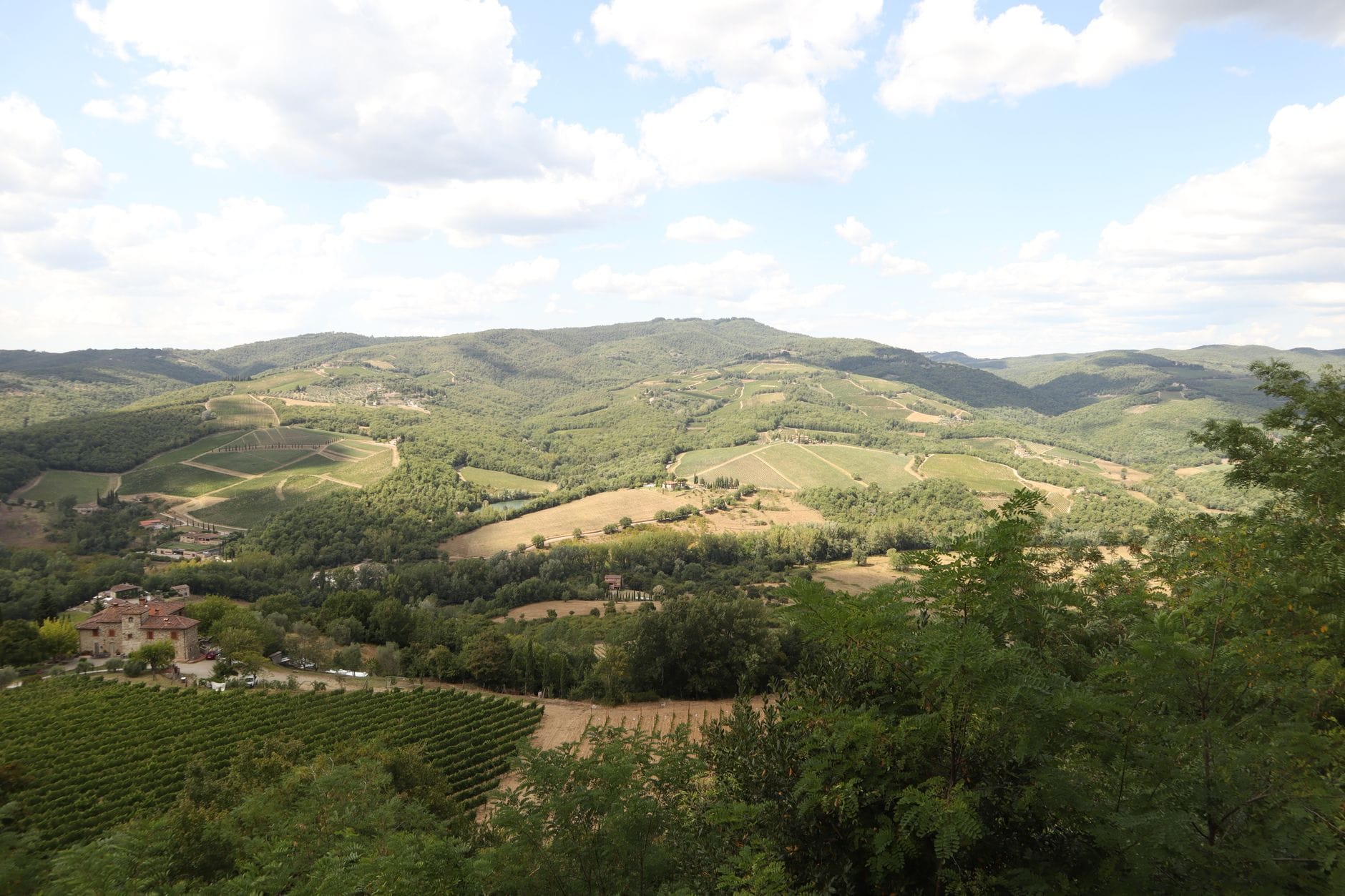
The Chianti wine region sits less than an hour south of Florence, but reaching the best estates requires planning. This guide covers the SR222 route, the top wineries worth booking, guided tour prices, and the seasonal realities that most itineraries gloss over.
Tickets & tours
Live prices and dates from our booking partner. If you book, we may earn a commission at no extra cost to you.
TL;DR
- There is no reliable train into the Chianti hills — you need a guided tour, rental car, or private driver to reach most wineries.
- The SR222 (Via Chiantigiana) is the classic route south from Florence through Greve and Castellina; pair it with the broader Florence itinerary if you have extra days.
- Half-day tours start around €55 per person; full-day tours with lunch at an estate run €80–120.
- Chianti Classico is the prestigious historic core — look for the Black Rooster (Gallo Nero) seal on bottles.
- April to June and September to October are the best months; harvest season (late September to October) raises demand and requires earlier booking.
Understanding the Chianti Region Before You Go
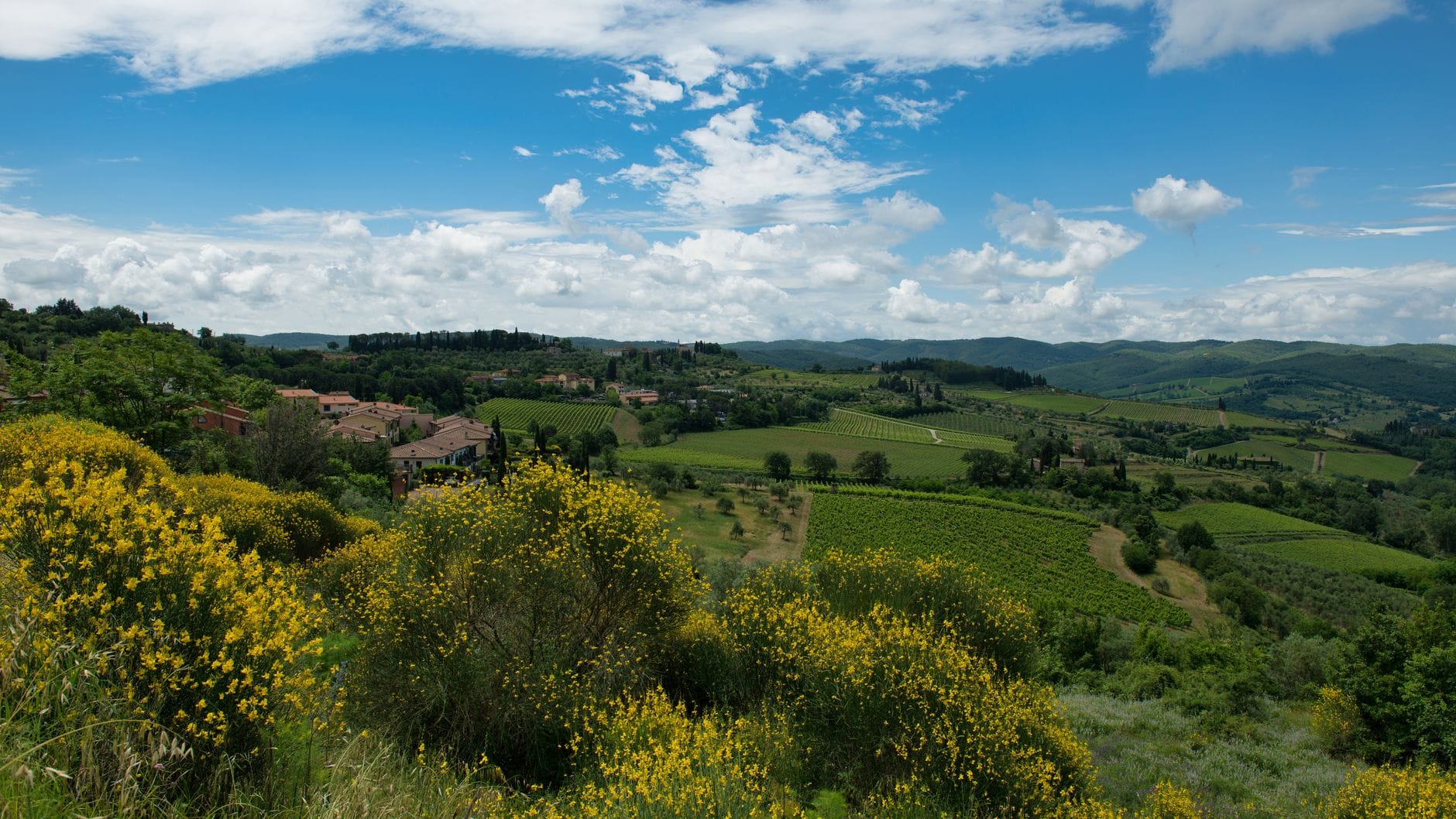
Chianti is not a village, a single estate, or even one road. It is a wine-producing zone that stretches roughly 70 kilometres between Florence and Siena, covering rolling hills planted with Sangiovese vines, olive groves, and medieval stone villages. The area is divided into several sub-zones, but the one that matters most to visitors is Chianti Classico: the historic core between Greve in Chianti and Castelnuovo Berardenga. Bottles from this zone carry the Gallo Nero (Black Rooster) seal, a mark of origin controlled by the Consorzio Vino Chianti Classico. If you see this on a bottle at a Florence enoteca, you know it came from the real heartland.
The broader Chianti DOCG includes sub-zones such as Chianti Colli Fiorentini (the Florentine hills) and Chianti Rufina further east, both of which produce serious wine but attract fewer tours. For a day trip from Florence, the Classico zone along the SR222 is where the infrastructure exists for visitors: tasting rooms, estate restaurants, and English-speaking staff. Expect the terrain to be hilly, narrow-roaded, and genuinely agricultural. This is not a theme park version of Tuscany.
ℹ️ Good to know
Chianti Classico DOCG requires wines to be made from at least 90% Sangiovese grapes. The Gran Selezione tier, introduced in 2014, represents single-vineyard or estate-selected wines with 30 months of aging — the top of the Classico pyramid and worth tasting if an estate offers it.
Getting There: Why You Can't Just Take the Train
This is the logistical reality that catches visitors off guard. Florence has excellent rail connections to Siena, Arezzo, and other Tuscan cities, but the Chianti wine estates sit in the hills between these endpoints, far from any train station. Regional buses do exist but run infrequently and stop in village centres, not winery driveways. Unless you have a very specific plan and a lot of patience, bus travel makes winery visits impractical.
Your realistic options are: a guided group tour departing from Florence (the most popular choice), a self-drive rental car, or a private driver or small-group private tour. Each has trade-offs. Guided tours handle logistics and include tastings in the price, but lock you to a fixed itinerary. A rental car gives freedom but means a designated non-drinking driver, which defeats the purpose for many travellers. A private driver costs more (typically €150–250 for a half day depending on group size) but lets you taste freely and customise stops. For solo travellers and couples, group tours offer the best value. For families or groups of four or more, private options become competitive on a per-person basis. Check thegetting around Florence guidefor car rental logistics and driving rules in the ZTL historic centre.
- Guided group tour Half-day from ~€55/person, full-day €80–120/person. Includes transport, guide, and tastings. Fixed route and schedule. Best for solo travellers and couples.
- Private driver or private tour Typically €150–250 for half a day (whole vehicle). Flexible stops, full tasting freedom. Best for groups of 3–5 splitting the cost.
- Self-drive rental car Maximum flexibility and cheapest if you have a designated driver. Wine tasting is limited for the driver. Watch for narrow gravel roads on smaller estates.
The SR222 Route: Florence to the Chianti Hills
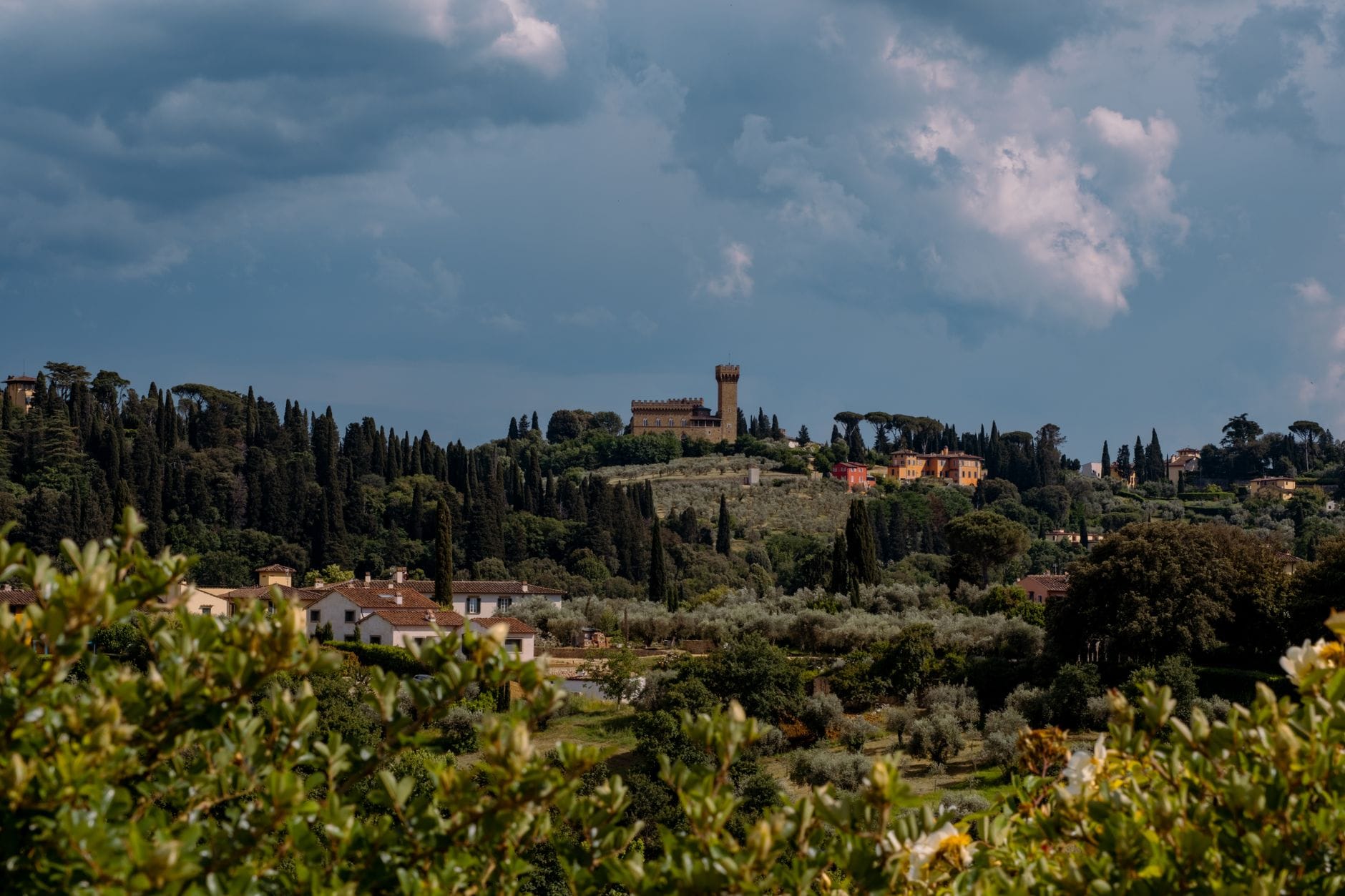
The SR222, known locally as the Via Chiantigiana, is the main artery through Chianti Classico. It runs south from Florence (pick it up near the Porta Romana gate in Oltrarno) through the town of Strada in Chianti, then into Greve in Chianti at around 27 kilometres from the city centre. From Greve, the road continues south through Panzano in Chianti and Castellina in Chianti before approaching Siena at around 65 kilometres total. This is not a motorway; it winds through the hills with tight bends and limited passing space. Allow at least 45 minutes from Florence to Greve, and longer if you are behind a truck or tractor.
Greve in Chianti is the logical first stop for most tours. Its central piazza is lined with wine shops and delis, and the enoteca Falorni has one of the best selections of Chianti Classico for tasting or buying by the bottle. From Greve, most itineraries branch off the SR222 onto smaller provincial roads to reach specific estates. Panzano, about 8 kilometres further south, is home to the famous butcher Dario Cecchini and several acclaimed smaller producers. Castellina, roughly 18 kilometres south of Greve, is a well-preserved hilltop town with Etruscan roots and a strong concentration of wine estates. For context on the wider region, theday trips from Florence guidecovers Siena and San Gimignano as extensions you can combine with a Chianti morning.
💡 Local tip
If you are driving, programme your GPS before you leave Florence. Estate addresses in Chianti often use 'SP' (strada provinciale) road numbers that do not match what Google Maps expects. Download offline maps for the area as mobile signal drops on many rural roads.
Top Wineries to Visit in Chianti Classico
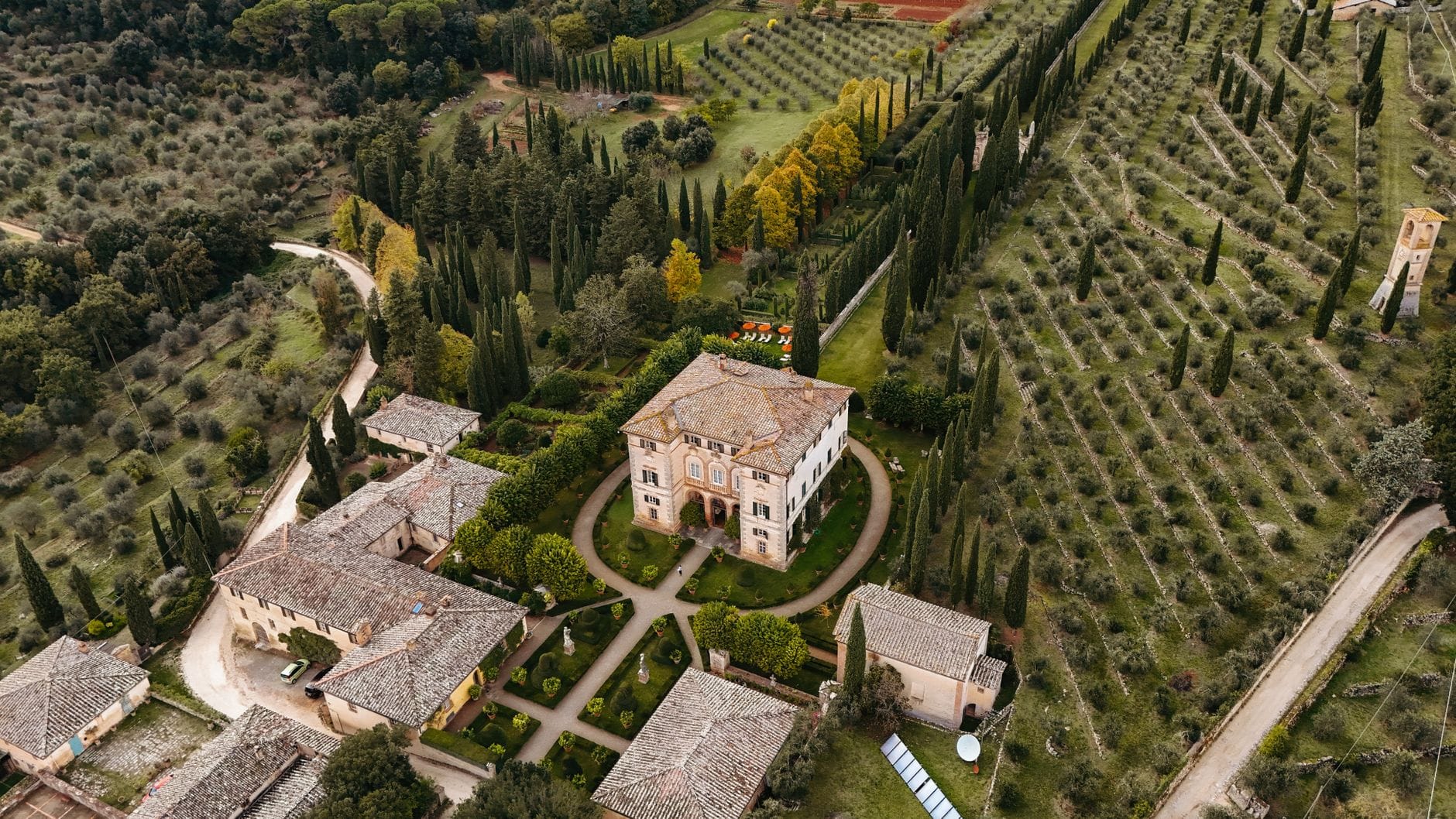
The following estates appear consistently in tour itineraries and have established visitor facilities. All require advance booking, particularly from May through October when demand is highest. Walk-in tastings are occasionally possible in the quieter months, but do not rely on it.
- Antinori nel Chianti Classico (Bargino) The most architecturally striking estate in the region, designed by architect Marco Casamonti and completed in 2012. The building appears to grow out of the hillside. Tastings are structured and well-organised, with a strong focus on Tignanello and the Antinori Chianti Classico range. Book online weeks in advance in peak season.
- Castello di Verrazzano (near Greve) One of the estates closest to Florence and regularly featured on guided tours. Named after explorer Giovanni da Verrazzano, whose family once owned it. Offers a range of tasting formats including a full estate tour with lunch. Good option for first-time visitors who want context alongside the wine.
- Castello di Volpaia (Volpaia village) A medieval hamlet turned winery, located on a hilltop near Radda in Chianti. The setting is exceptional and the wines are consistently rated among the best in the Classico zone. The access road is steep and narrow — not suitable for large coaches, which is actually what keeps it quieter than other estates.
- Castello di Brolio (near Gaiole) The historic seat of the Ricasoli family, who are credited with defining the original Chianti formula in the 19th century. The castle, gardens, and chapel can be visited alongside the wine cellars. It sits at the southern end of the Classico zone, making it better suited to full-day tours or visitors combining with Siena.
- Castello di Albola (Radda in Chianti) A large estate in the high hills above Radda, known for serious Chianti Classico Riserva and Gran Selezione. The tasting rooms are modern and the views from the property are among the most photogenic in the region.
⚠️ What to skip
Several estates advertise 'free tastings' on third-party booking sites, but many now charge a tasting fee (typically €15–40 per person) that may or may not be refunded against purchases. Confirm what is included before booking, and check whether food pairing or a full cellar tour requires an upgrade.
Guided Tours from Florence: What to Expect
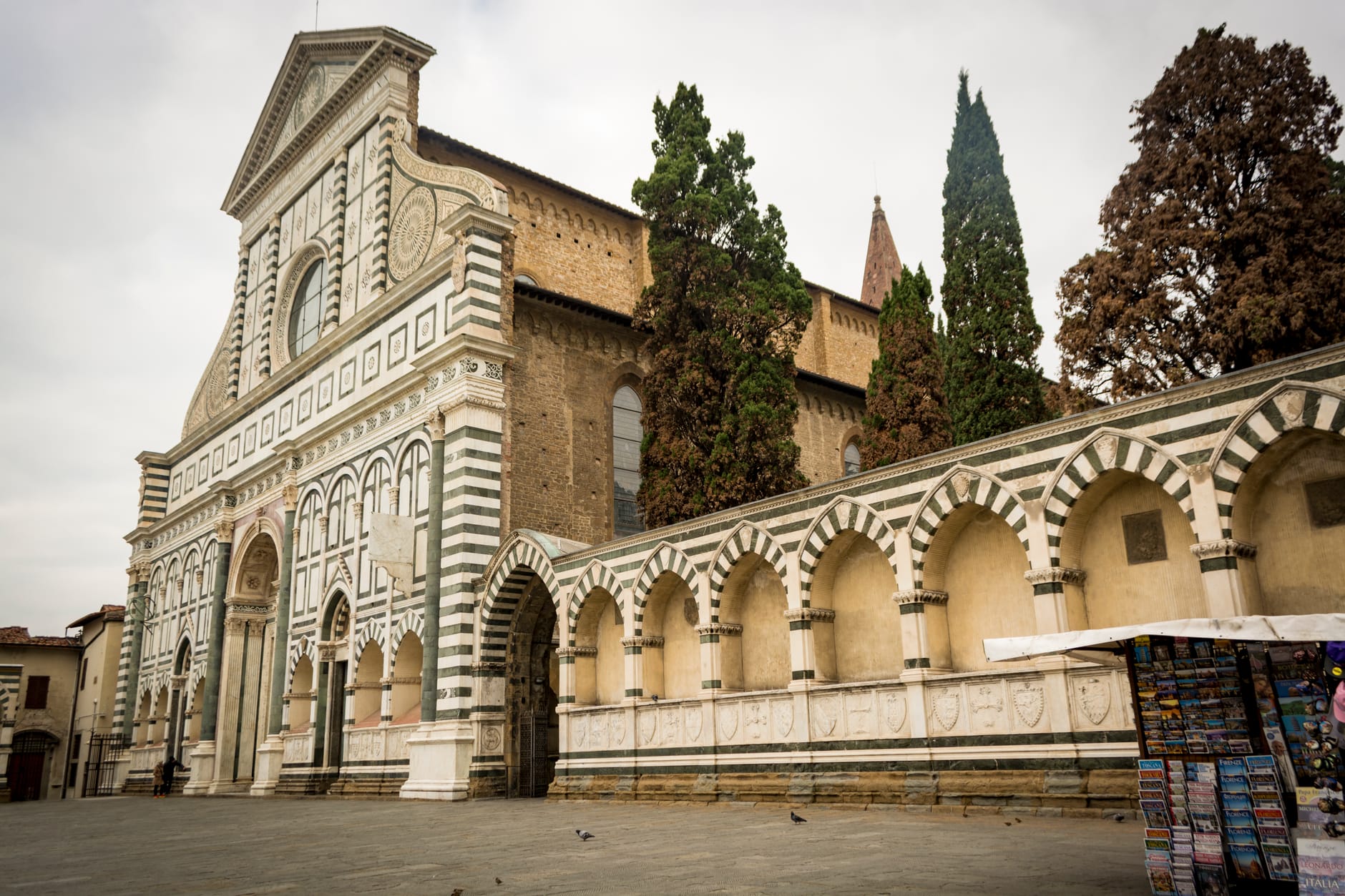
Most guided Chianti tours depart from central Florence, with common pickup points near Santa Maria Novella station (Piazzale Montelungo is one frequently used location). Half-day tours typically depart around 09:00 or 14:00 and run four to five hours, visiting one or two wineries with a structured tasting at each. Full-day tours run seven to eight hours, usually include lunch at an estate or in a village restaurant, and often add a stop in Greve or Siena. Prices for group tours range from around €55 per person for a half-day to €80–120 for a full day with lunch included. Premium small-group tours with deeper tasting sessions can reach €130–150.
Booking platforms like Viator and Winedering aggregate options and allow comparison across operators. For tours that go deeper into wine education rather than scenery, look for operators that specify which estates they visit rather than vague descriptions like 'authentic Chianti wineries.' The itinerary should name at least one specific Chianti Classico producer. If you are planning a longer stay in Tuscany, the3-day Florence itineraryshows how to slot a Chianti day trip alongside the city's major attractions without over-scheduling.
✨ Pro tip
Full-day tours that include lunch at the estate are worth the extra cost. An estate lunch in Chianti typically means two or three courses of local food paired with the estate's wines, served in a farmhouse dining room or outdoor terrace. This is not something you can easily replicate by eating in a village restaurant afterwards.
When to Go: Seasonal Realities for Chianti Wine Tours
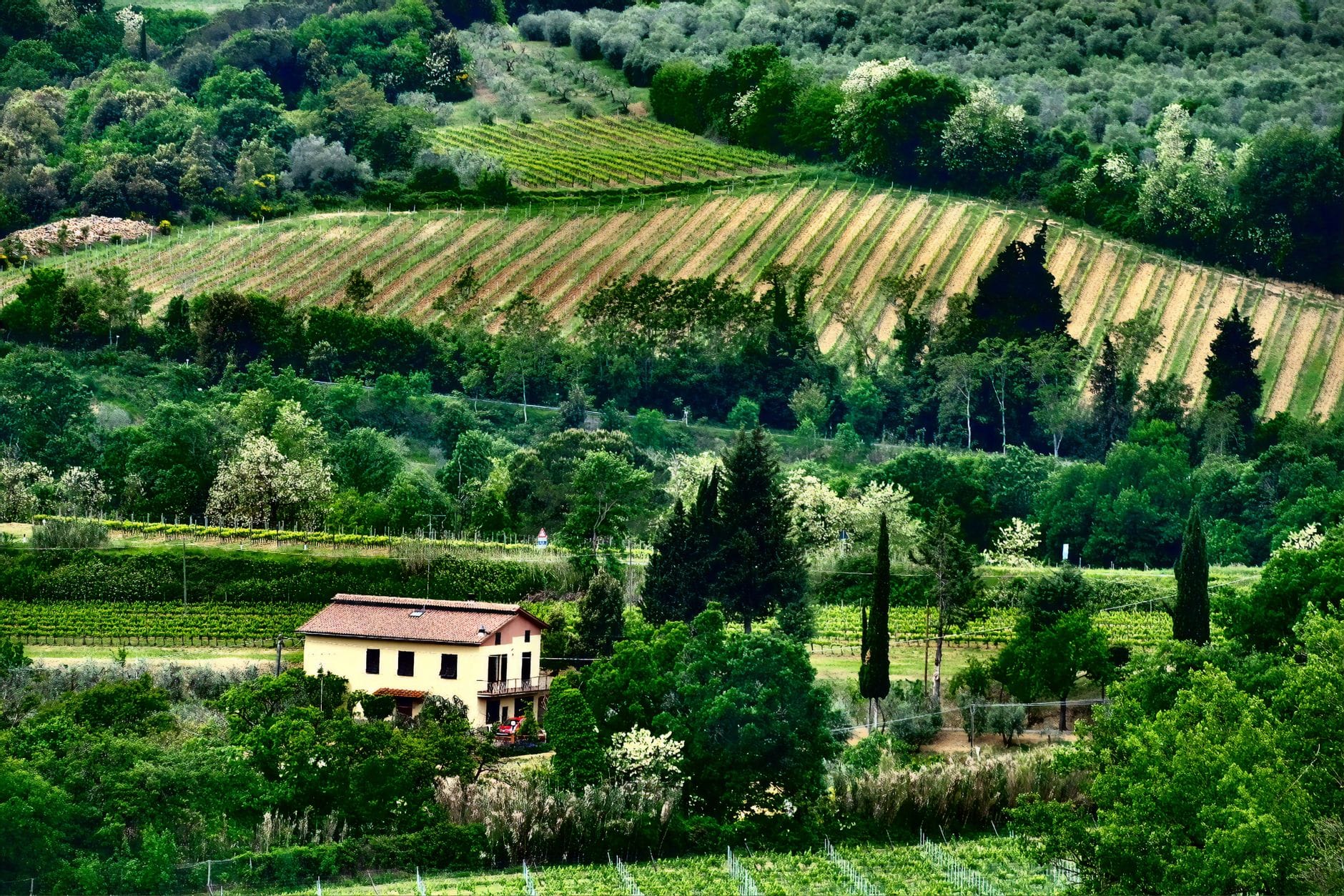
The most practical windows are April to June and mid-September to late October. Spring brings mild temperatures (roughly 15–22°C), wildflowers on the vine rows, and fewer visitors than summer. The vines are in early growth but the cellars are well-stocked from the previous harvest. Early autumn is considered the premium period: the vines are heavy with fruit, the light is exceptional for photography, and harvest (vendemmia) typically runs from mid-September into October depending on the vintage and estate. Harvest season increases demand significantly, so book winery visits and tours at least three to four weeks ahead.
July and August are hot, crowded, and expensive. Temperatures in Florence often exceed 30°C, and while the Chianti hills are slightly cooler, a long outdoor tasting in midsummer heat is less enjoyable than it sounds. Many estates are fully booked weeks in advance. November to February is the off-season: most estates still receive visitors but some close for periods, and some smaller producers switch to appointment-only visits. The landscape is austere but fog in the valleys can be genuinely atmospheric. Prices drop and you will often have tasting rooms to yourself.
For a full breakdown of when Florence itself is at its best for sightseeing and crowds, see thebest time to visit Florenceguide, which covers peak and shoulder season trade-offs across all major attractions.
FAQ
Can I do a Chianti wine tour from Florence without a car?
Yes, but only via guided tour or private driver. There is no practical train service into the Chianti hills, and public buses run infrequently and do not reach most wineries. Guided group tours departing from Florence are the easiest option, starting from around €55 per person for a half-day.
How far is Chianti from Florence?
The Chianti Classico zone starts roughly 20–25 kilometres south of Florence city centre. Greve in Chianti, the main gateway town, is about 27 kilometres from Florence via the SR222. Allow 40–50 minutes driving time depending on traffic and road conditions.
What is the difference between Chianti and Chianti Classico?
Chianti Classico is the historic core of the region, between roughly Greve and Castelnuovo Berardenga. Bottles carry the Black Rooster (Gallo Nero) seal. The broader Chianti DOCG covers a larger area with several sub-zones. Classico generally commands higher prices and stricter production rules, including a minimum of 90% Sangiovese and, for Riserva and Gran Selezione tiers, extended aging.
Do I need to book wineries in advance?
Yes, for almost all estates, especially from May through October. Many Chianti Classico producers are appointment-only and do not accept walk-ins during peak season. Book directly with the estate's website or through a tour operator. Same-week availability is rare during harvest season (mid-September to October).
How much should I budget for a Chianti wine tour from Florence?
A half-day group tour costs around €55–80 per person including transport and tastings. A full-day tour with lunch runs €80–130. Private tours or private drivers cost €150–250 for the vehicle (not per person), making them economical for groups of three or more. Buying bottles at the estate adds to the budget — expect to spend €15–50 per bottle for quality Chianti Classico.
Tickets & tours
Live prices and dates from our booking partner. If you book, we may earn a commission at no extra cost to you.
Planning a trip? Discover personalized activities with the Nomado app.