Best Time to Visit Florence, Italy: A Season-by-Season Guide
Florence rewards visitors differently depending on when you arrive. This guide breaks down every season by weather, crowd levels, and value so you can choose the right time for your trip, whether you're chasing quiet museums, grape harvest season, or budget flights in January.
Tickets & tours
Live prices and dates from our booking partner. If you book, we may earn a commission at no extra cost to you.
TL;DR
- April to June and September to October are consistently the best months: mild temperatures (15–25°C), manageable crowds, and the city at its most photogenic.
- July and August are the hottest, most crowded, and most expensive months. Average August temperatures sit around 25–30°C with high humidity. Most sources advise against visiting then unless you have no alternative.
- Winter (December to February) is Florence's best-kept secret for art lovers and budget travelers: fewer queues at the Uffizi Gallery and Accademia, and noticeably lower hotel rates.
- Pre-booking museum tickets is essential from March through October regardless of which week you travel.
- Check the things to do in Florence guide to align your itinerary with your chosen travel window.
Florence's Climate at a Glance
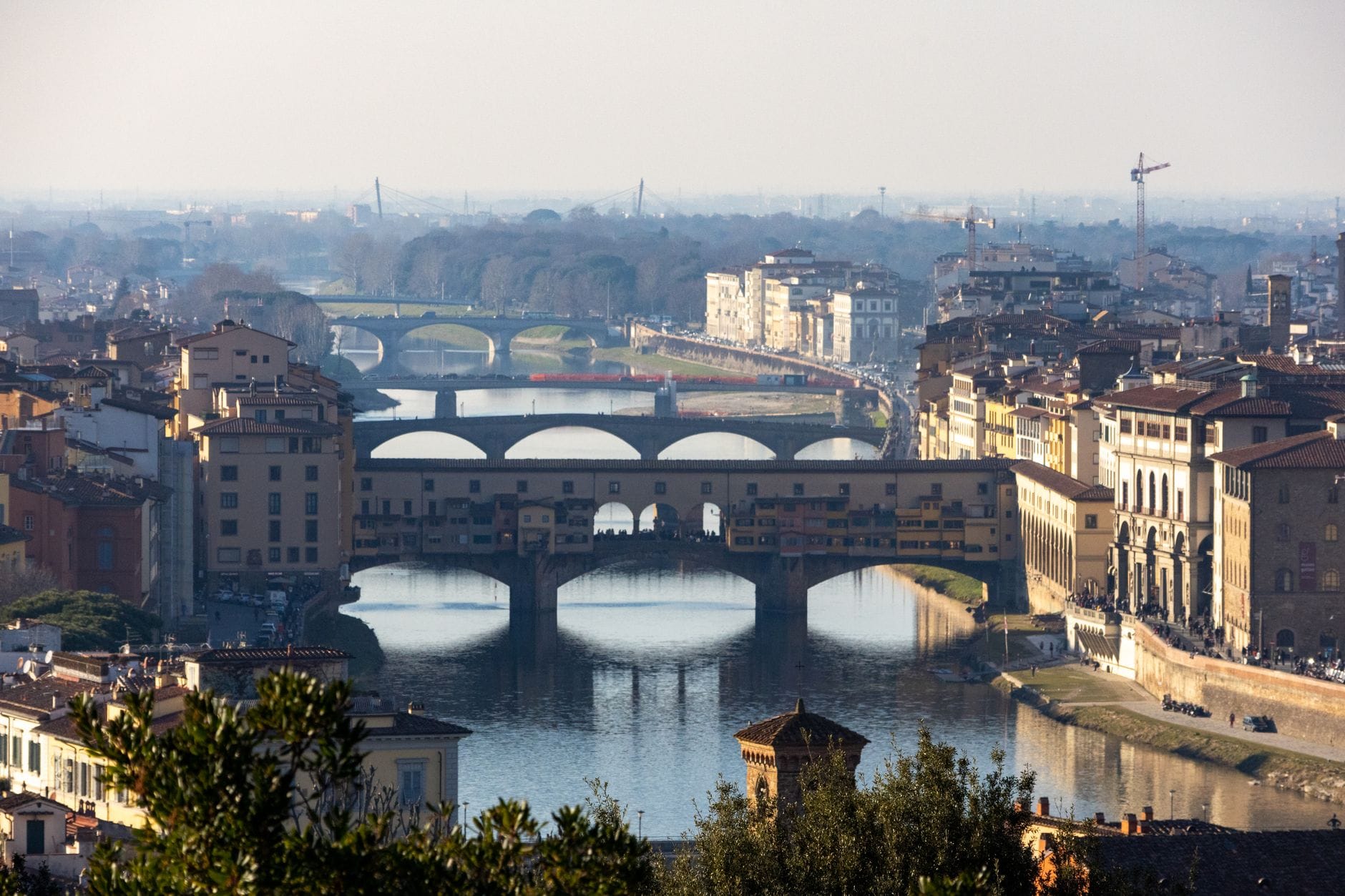
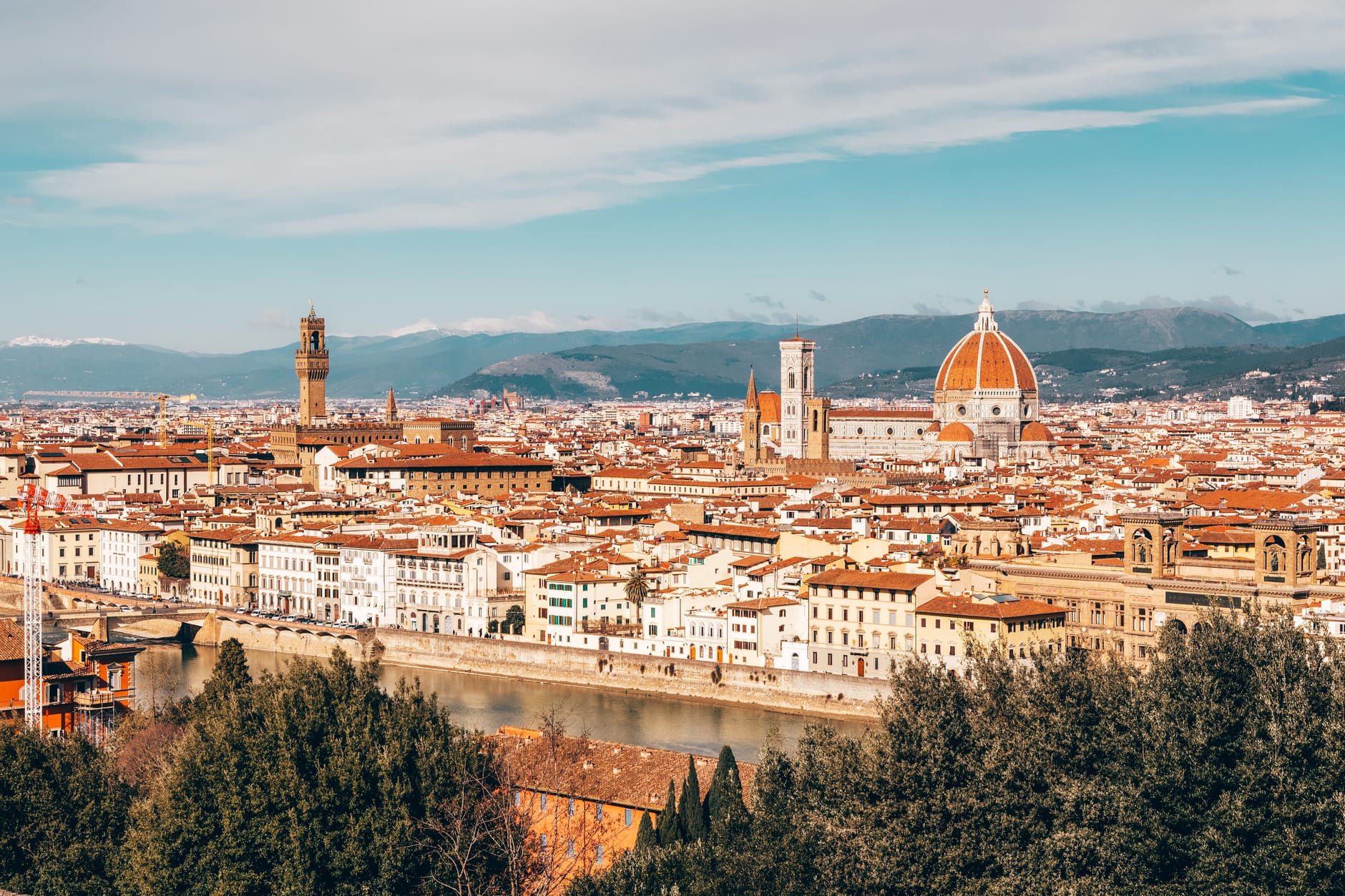
Florence sits in a shallow basin in northern Tuscany, surrounded by hills, with the Arno River running through its centre. That geography matters for visitors: the surrounding terrain traps heat in summer and cold air in winter, giving the city a hot-summer Mediterranean climate that feels more extreme than many Italian coastal destinations. Summers are genuinely hot and sticky, winters can be grey and damp, and the shoulder seasons hit a genuine sweet spot.
The city operates in Central European Time (CET, UTC+1), switching to CEST (UTC+2) during daylight saving months from the last Sunday in March to the last Sunday in October. Museum and attraction hours shift seasonally, so always confirm opening times directly with official sites before your visit, particularly for the Duomo complex and major galleries.
- Spring (March to May) Temperatures climb from around 10°C in early March to 22–25°C in late May. April and May are the standout months: warm enough to walk all day without discomfort, with long daylight hours. Some rain in March and April, but nothing that typically disrupts plans.
- Summer (June to August) Average highs in July and August regularly reach 30–33°C with noticeable humidity. The heat inside stone churches offers temporary relief, but museum queues outdoors are brutal. This is peak price and peak crowd season.
- Autumn (September to November) September often feels like a continuation of summer in the best sense: warm days (22–27°C), cooler evenings, and a slight drop in visitor numbers as European school holidays end. October cools further and brings more frequent rain. November is statistically the wettest month and one of the quietest.
- Winter (December to February) January averages around 6–8°C, sometimes dipping below freezing overnight. Fog is common in December and January. Hotels and flights are cheapest, museums are emptiest, and you can walk up to the Brunelleschi dome without a same-day wait.
Spring (April to June): The Overall Best Window
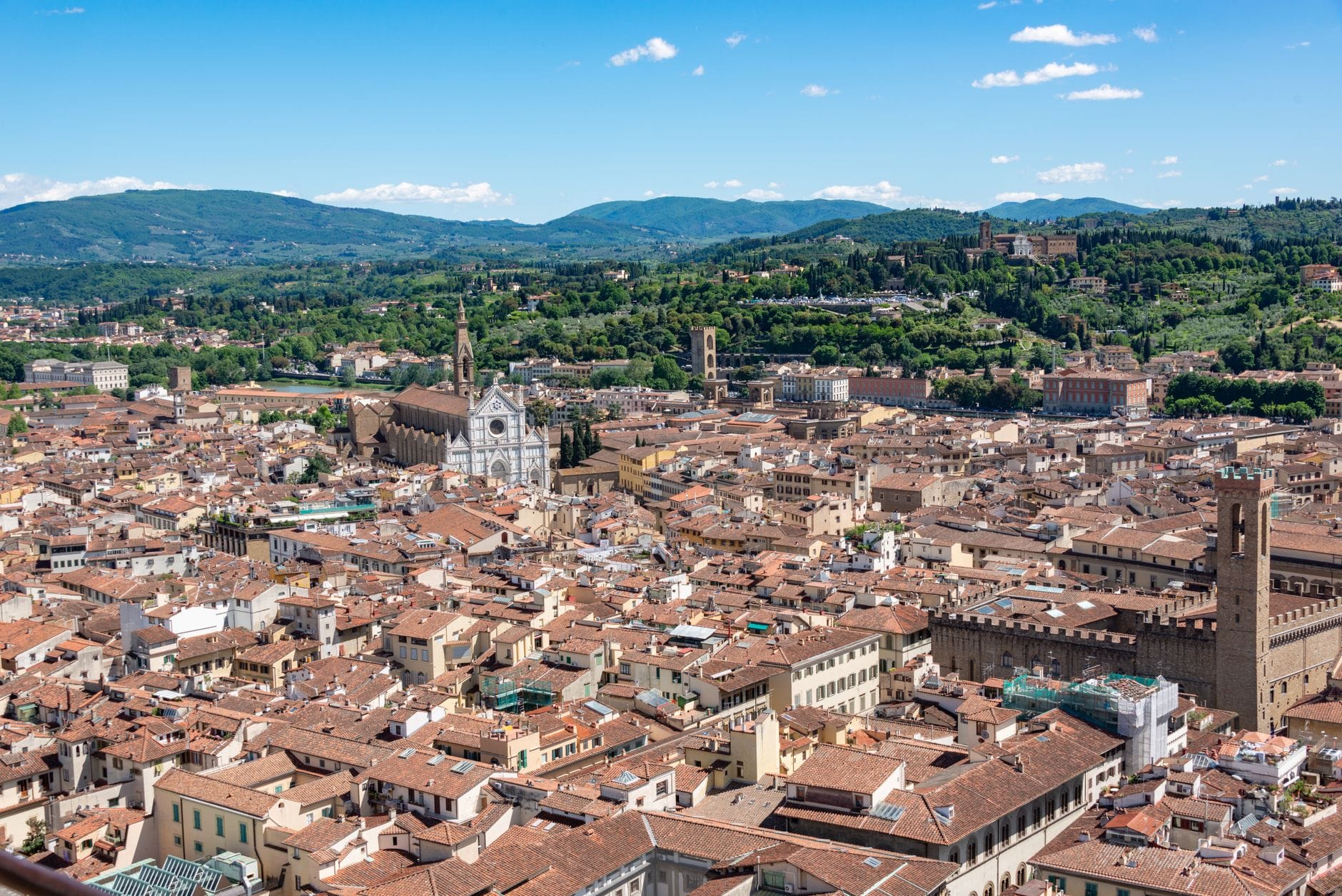
If you have flexibility, April and May are when Florence performs at its peak. Temperatures are warm but rarely oppressive, the Arno reflects long afternoon light, and the hills around the city are green before the summer dry spell sets in. The city is busy, but it hasn't yet reached the wall-to-wall congestion of August.
Late April and early May are particularly good for outdoor sightseeing: theBoboli Gardens are in bloom, the Bardini Gardenwisteria typically peaks in late April, and the walk up toPiazzale Michelangelorewards you with clear views before summer haze sets in.
June marks the transition into high season. The first half of June is excellent, with temperatures around 25–28°C and school groups tapering off after mid-month. By late June, the heat and crowd levels start to resemble July. If June is your only option, aim for the first three weeks.
⚠️ What to skip
Easter week is one of the busiest periods of the year in Florence. The Scoppio del Carro (Explosion of the Cart) ceremony outside the Duomo draws large crowds on Easter Sunday. Book accommodation and museum tickets at least 6–8 weeks in advance if visiting during Easter.
Summer (July to August): Hot, Crowded, and Expensive
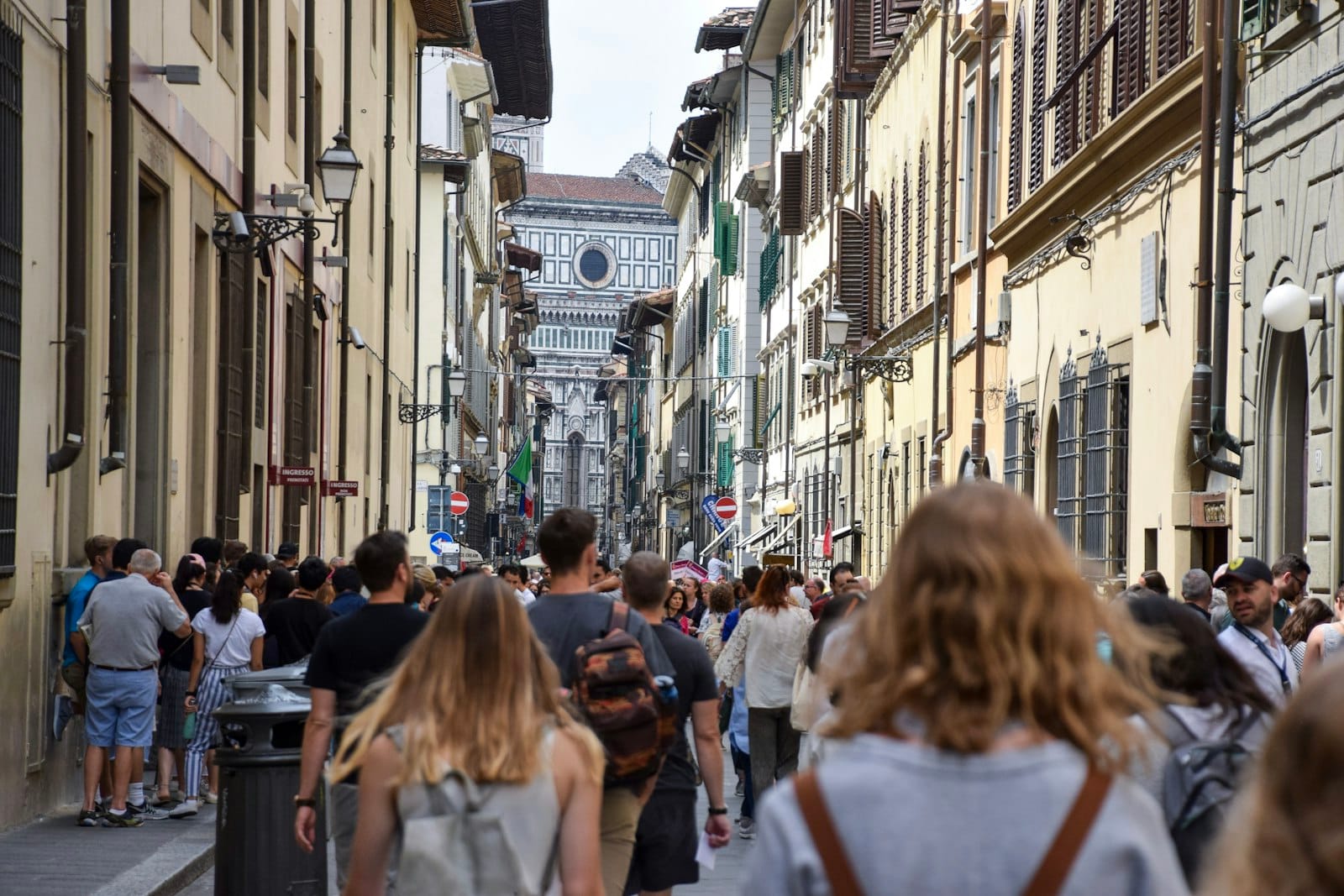
July and August are the most popular months by raw visitor numbers, but that popularity is driven largely by school holiday schedules rather than ideal conditions. The heat inside the Centro Storico, where streets are narrow and stone radiates warmth well into the evening, is genuinely taxing. Standing in line for the Brunelleschi dome climb in August sun is not a pleasant experience.
Hotel prices in peak summer are significantly higher than in November or January. TheUffizi Gallery and the Brunelleschi dome climbare among the most popular attractions in Europe and book out weeks in advance in July and August. Arriving without a timed ticket is an almost guaranteed disappointment.
That said, summer has some genuine upsides that deserve acknowledgment. Evening temperatures are warm enough for long outdoor dinners. The city runs outdoor film screenings, concerts, and events, particularly in June and July. Ferragosto (August 15th) is a national holiday when many locals leave for the coast, briefly thinning the tourist crowd, though also closing some neighborhood restaurants and shops.
💡 Local tip
If you're visiting in summer, start sightseeing before 9am and take a long midday break between 1pm and 4pm. Museums are air-conditioned and make ideal refuges from the midday heat. Plan your outdoor walking for early morning and early evening.
Autumn (September to October): The Locals' Favorite
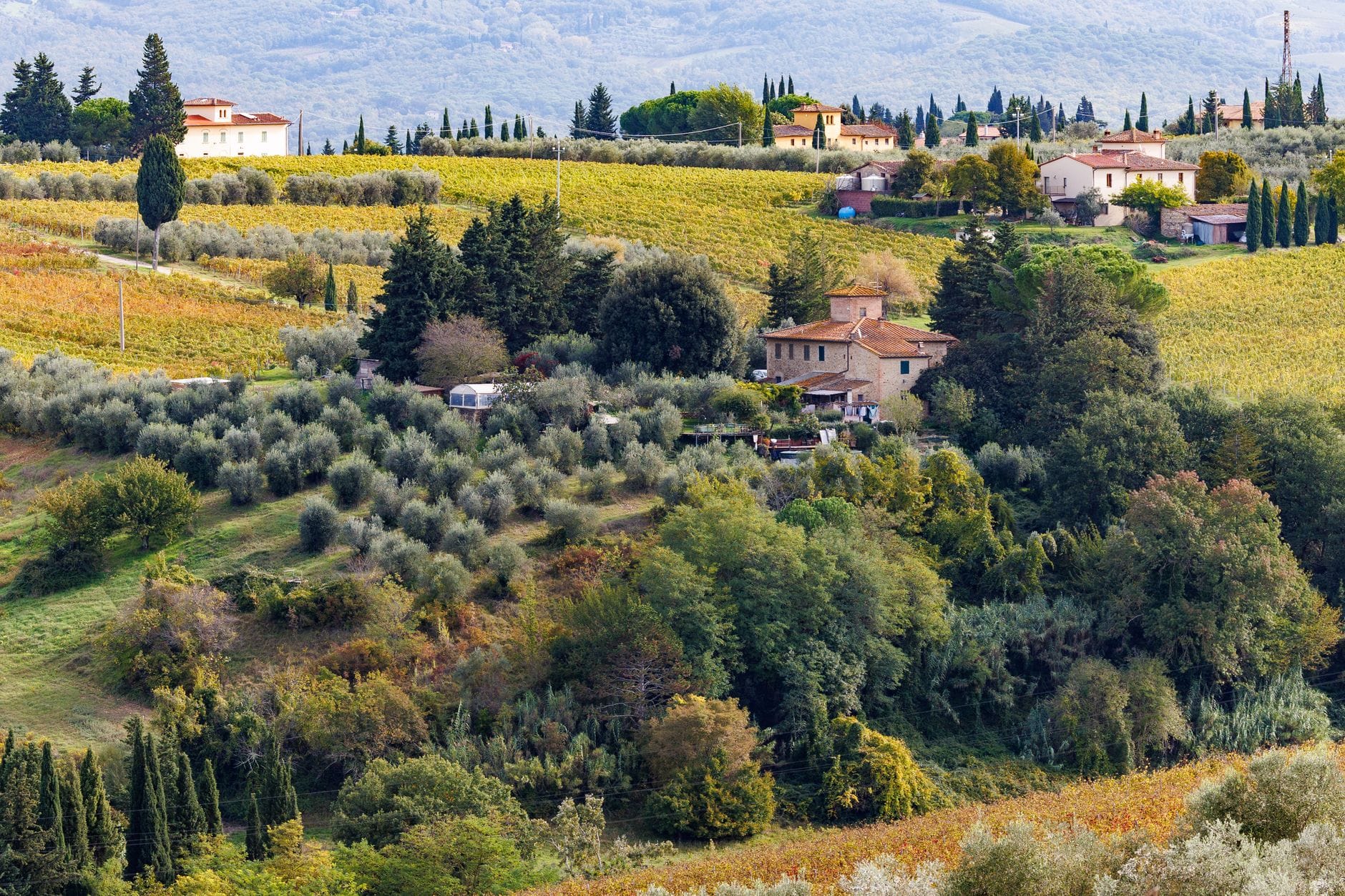
September is arguably the single best month to visit Florence. European summer holidays have ended, which noticeably reduces queues and lowers hotel rates compared to August, yet the weather is still warm and reliable, typically 22–27°C during the day. The Tuscan countryside enters harvest season, making this the best time for day trips into Chianti wine country.
October is cooler (averaging around 16–20°C) and sees more rain, but it's still very walkable and the light is particularly good for photography. TheChianti wine tour from Florenceis at its most rewarding in October when the harvest is in full swing. For art-focused travelers, October combines shorter queues with fully open museums and no summer heat penalty.
November marks a shift. It's statistically Florence's wettest month, and while it has its own appeal for budget travelers and those who prefer empty piazzas, you should pack waterproof layers and accept that some outdoor sightseeing will be interrupted by rain. The Arno can rise significantly in November; flooding, while not annual, has historically affected lower parts of the city.
Winter (December to February): Quiet, Cheap, and Underrated
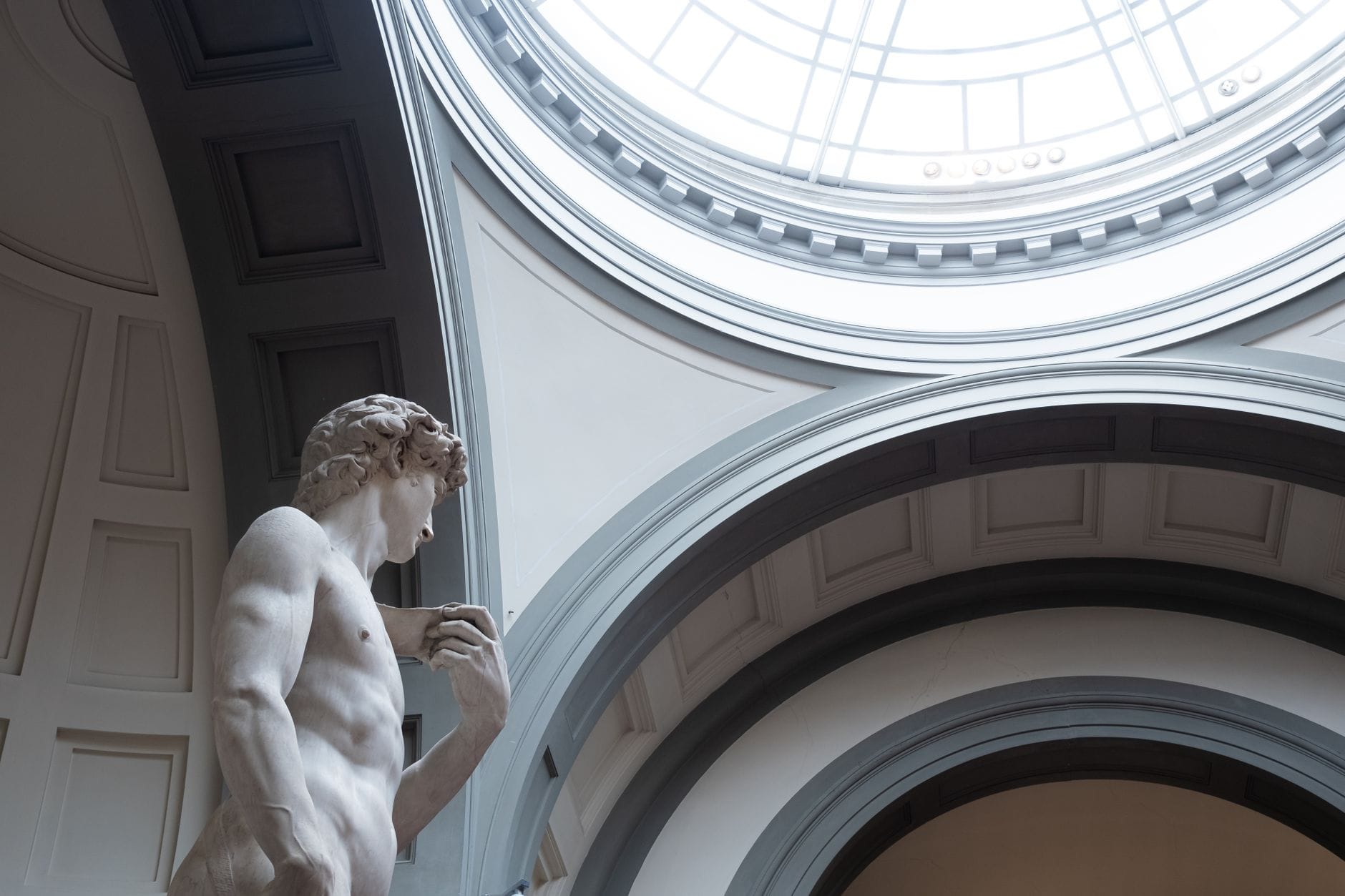
Winter in Florence is not for everyone, but it deserves serious consideration for two types of travelers: art enthusiasts who want unhurried time in front of Botticelli without tour groups, and budget-conscious visitors who want the same city for meaningfully less money. January average temperatures hover around 6–8°C, cold enough to require a proper coat but rarely extreme by northern European or North American standards.
The practical advantages are real. You can walk into theMuseo del Bargello or the Palazzo Vecchiowithout advance booking on a weekday in January. Hotel rates drop considerably compared to April or September. Flights are cheaper. Restaurant tables are easier to book. The city's neighborhood character is more visible when the streets aren't packed with visitors.
✨ Pro tip
December has two distinct phases. The first three weeks are quiet, cold, and excellent for budget travel. The week between Christmas and New Year's sees a significant surge in visitors and prices, comparable to shoulder-season levels. If you're visiting in December for value, aim for the first two weeks.
The main drawback in winter is the weather itself. Florence gets fog in December and January, which softens the light but also makes the open piazzas feel bleak. Some outdoor attractions, particularly the hilltop spots like Piazzale Michelangelo, are less rewarding under low cloud. A few smaller museums reduce their hours in winter, so confirm schedules in advance.
Crowds, Prices, and Booking Logistics
Florence receives millions of visitors annually, concentrated into a relatively small historic centre that UNESCO designated a World Heritage Site in 1982. The practical implication is that crowd management is a real concern for any traveler, not just those visiting in peak season.
- Book Uffizi and Accademia tickets at least 2–3 weeks in advance from March through October. In July and August, book 4–6 weeks out.
- The Brunelleschi dome climb has timed-entry slots that sell out faster than almost any other attraction; book as soon as your dates are confirmed.
- Hotel prices are broadly lowest from November through February (excluding the Christmas-New Year period), and highest in April, May, and September.
- Avoid the long queue at the Florence Baptistery by visiting early morning or late afternoon on weekdays.
- Many Florentine museums close on Mondays, including the Uffizi. Plan your week around this before you book accommodation.
For first-time visitors trying to fit the major sights into a compact trip, the3 days in Florenceitinerary maps out a realistic schedule. If time is tighter, theone day in Florenceguide prioritizes the non-negotiable stops.
ℹ️ Good to know
Florence's Centro Storico has municipal regulations restricting certain behaviors in public spaces, including rules about eating on monument steps and access restrictions in some streets. These rules are updated periodically. Check the Comune di Firenze website or the official Visit Florence tourism portal for current guidelines before your trip.
FAQ
What is the best month to visit Florence, Italy?
April, May, and September are the most consistently recommended months. They combine mild temperatures (15–27°C), reasonable crowd levels compared to summer, and full museum and attraction opening schedules. October is also excellent if you don't mind occasional rain and slightly cooler temperatures.
Is Florence worth visiting in winter?
Yes, particularly for art-focused travelers and those on tighter budgets. January and February offer the shortest museum queues of the year, the lowest hotel rates, and a quieter, more local atmosphere. The trade-off is cold, sometimes foggy weather and shorter daylight hours. It's not ideal for extensive outdoor sightseeing but it's excellent for gallery-heavy itineraries.
How hot does Florence get in July and August?
Average highs in July and August typically reach 30–33°C, with high humidity due to the city's basin geography. Evenings cool slightly but not dramatically. The heat combined with large crowds and peak prices is why most travel sources recommend avoiding July and August if your schedule allows flexibility.
When is Florence the least crowded?
November through February (excluding Christmas week and New Year) sees the lowest visitor numbers. January is typically the quietest month of the year. Weekday mornings in these months offer genuinely uncrowded museum experiences that are impossible to replicate in summer.
Do I need to book museum tickets in advance for Florence?
From March through October, advance booking is essential for the Uffizi, the Accademia (for Michelangelo's David), and the Brunelleschi dome climb. These attractions regularly sell out timed-entry slots days or weeks ahead during the busy season. In November through February, walk-in access is often possible on weekdays, but booking ahead still saves time.
Tickets & tours
Live prices and dates from our booking partner. If you book, we may earn a commission at no extra cost to you.
Planning a trip? Discover personalized activities with the Nomado app.