Hidden Gems in Florence: Beyond the Uffizi & Duomo
Florence rewards those who look past the obvious. From Masaccio's revolutionary frescoes in a quiet Oltrarno chapel to a 14th-century merchant's house frozen in time, these are the experiences that make the city feel genuinely yours. This guide covers the art, gardens, markets, and viewpoints that most visitors never find.
Tickets & tours
Live prices and dates from our booking partner. If you book, we may earn a commission at no extra cost to you.
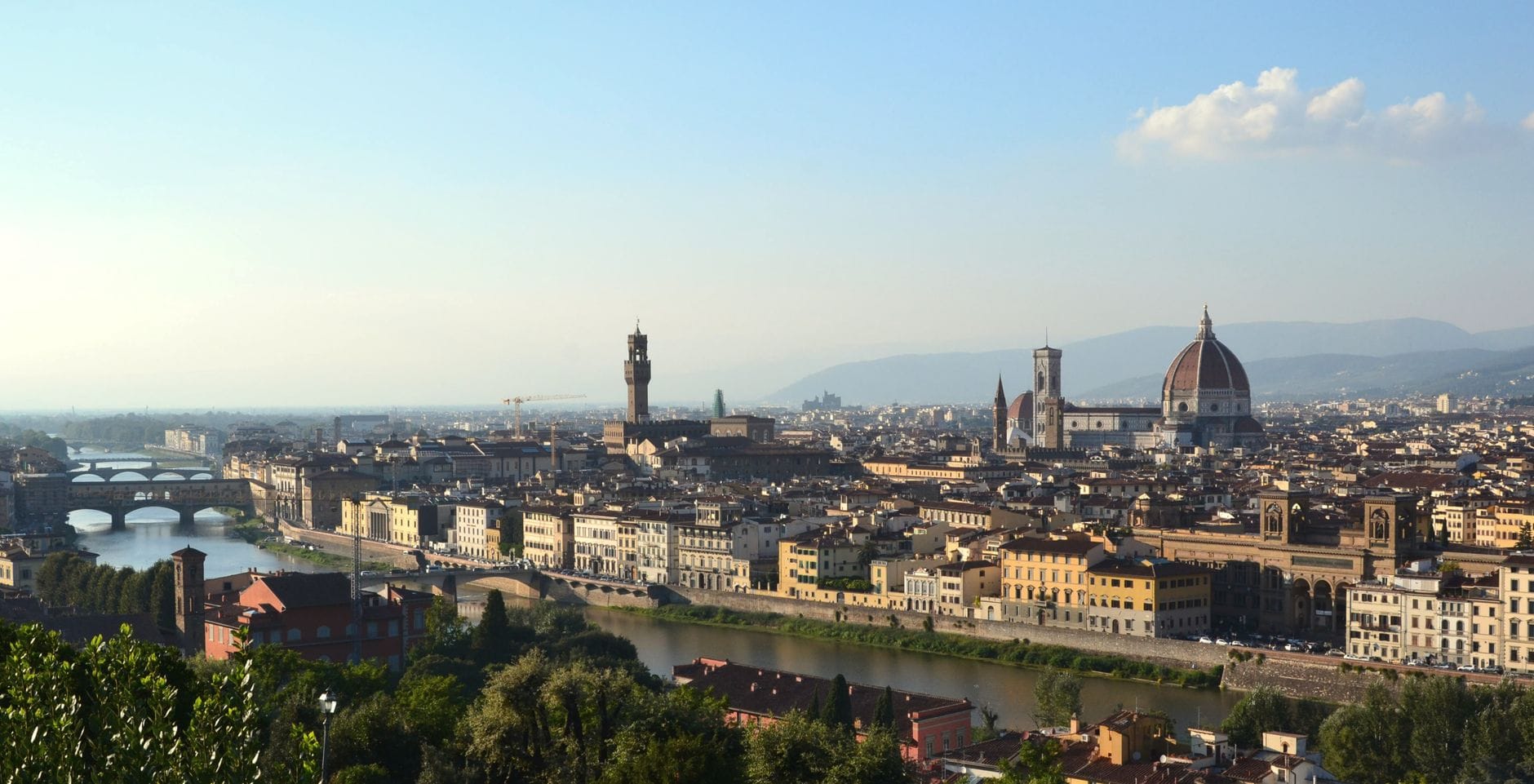
Most visitors to Florence spend their days queuing for the Uffizi and photographing the Duomo. Both are extraordinary, but the city has a parallel layer of world-class experiences that attract a fraction of the crowds. TheOltrarnoalone contains two of the most important fresco cycles in Western art history, a hillside garden with better Duomo views than Piazzale Michelangelo, and a Renaissance church that still feels like a neighborhood place of worship. Across the river, theSan Marcodistrict holds a convent where Fra Angelico painted an Annunciation so luminous that generations of artists made pilgrimages to study it. This guide is built around the principle that Florence's second tier is, in many ways, its best tier. If you're planning your time, our3-day Florence itineraryshows how to fit these gems alongside the essential stops.
Overlooked Masterpieces: Art Without the Crowds
Florence's most famous museums draw millions of visitors, but the city's sculpture and fresco collections are scattered across institutions that rarely have queues. TheSanta Crocedistrict is the best starting point, with the Bargello just minutes from the basilica. For a deeper look at where to focus your museum time, ourguide to the best museums in Florenceranks every major collection by what they offer and how long they take.
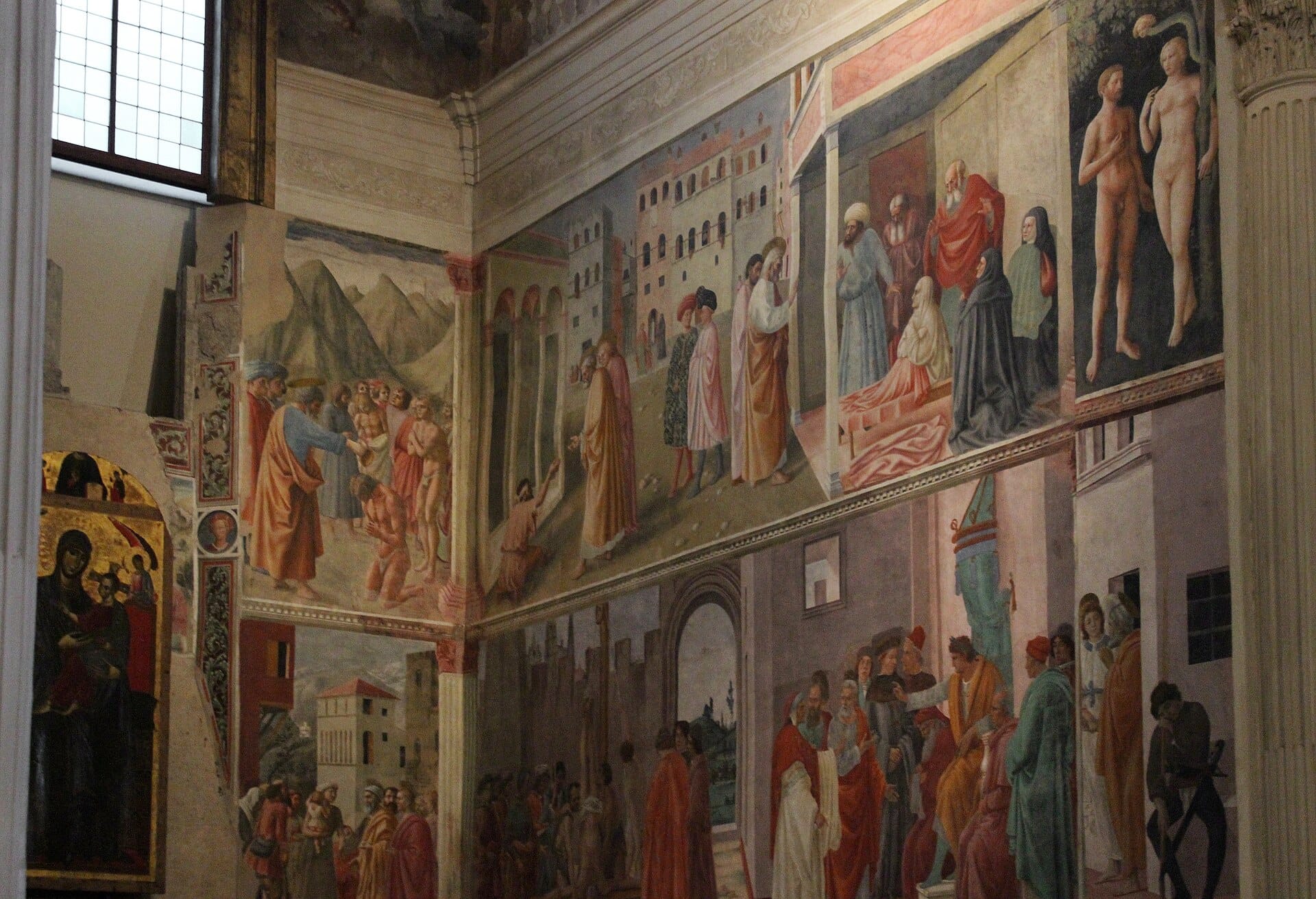
1. See the Frescoes That Taught Michelangelo to Paint
Masaccio's frescoes in this small Oltrarno chapel are as important as anything in the Uffizi. His use of light and human emotion was entirely new in 1425. Visit Tuesday to Sunday; timed entry keeps numbers low and the experience intimate.
Explore1. See the Frescoes That Taught Michelangelo to Paint
Masaccio's frescoes in this small Oltrarno chapel are as important as anything in the Uffizi. His use of light and human emotion was entirely new in 1425. Visit Tuesday to Sunday; timed entry keeps numbers low and the experience intimate.
Explore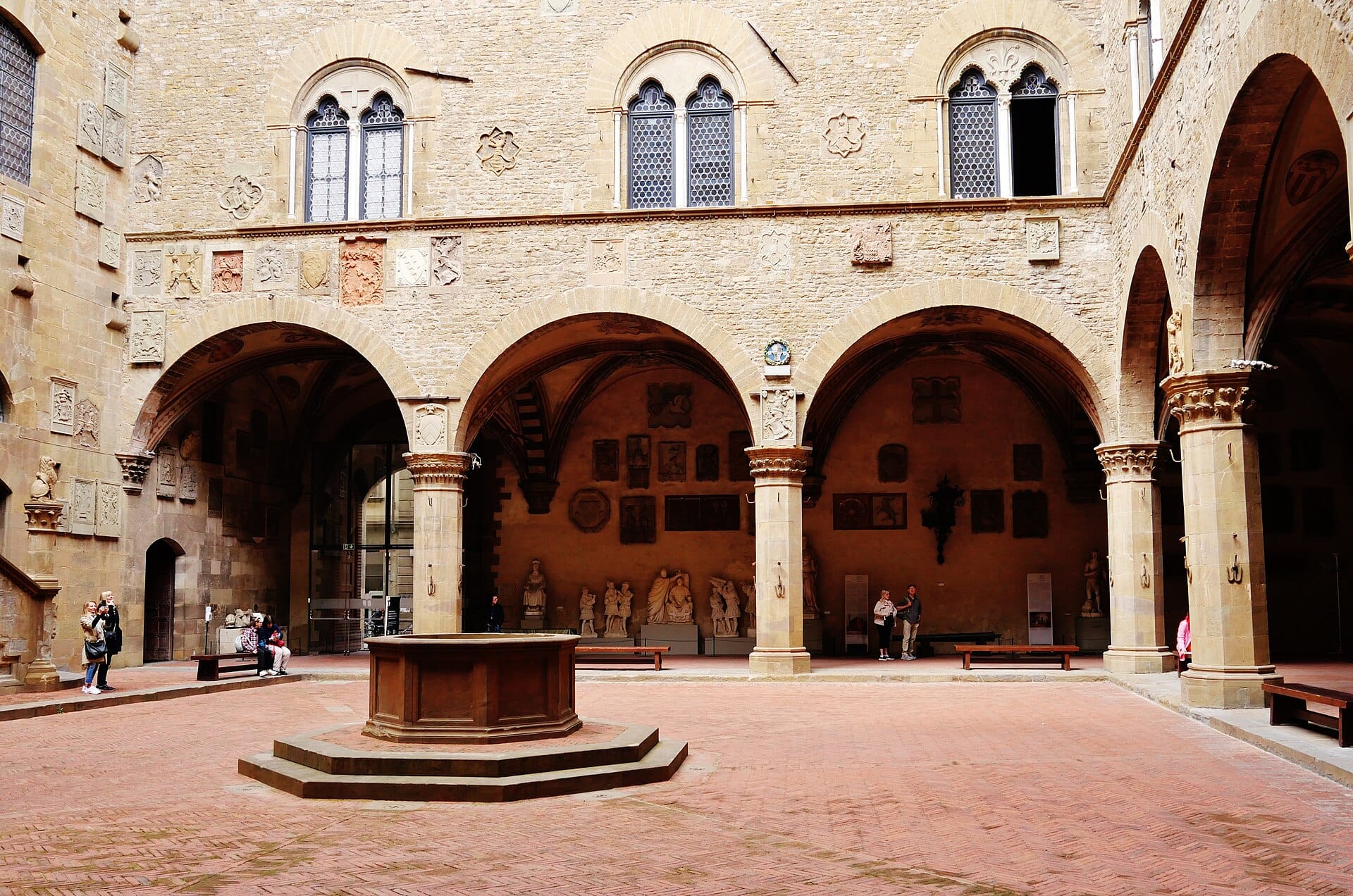
2. Find Donatello's Bronze David at the Bargello
Florence's sculpture museum sits in a grim medieval fortress and is criminally undervisited. Donatello's bronze David, Michelangelo's tipsy Bacchus, and Cellini's Perseus model are all here, with almost no crowds. Allow 90 minutes minimum.
Explore2. Find Donatello's Bronze David at the Bargello
Florence's sculpture museum sits in a grim medieval fortress and is criminally undervisited. Donatello's bronze David, Michelangelo's tipsy Bacchus, and Cellini's Perseus model are all here, with almost no crowds. Allow 90 minutes minimum.
Explore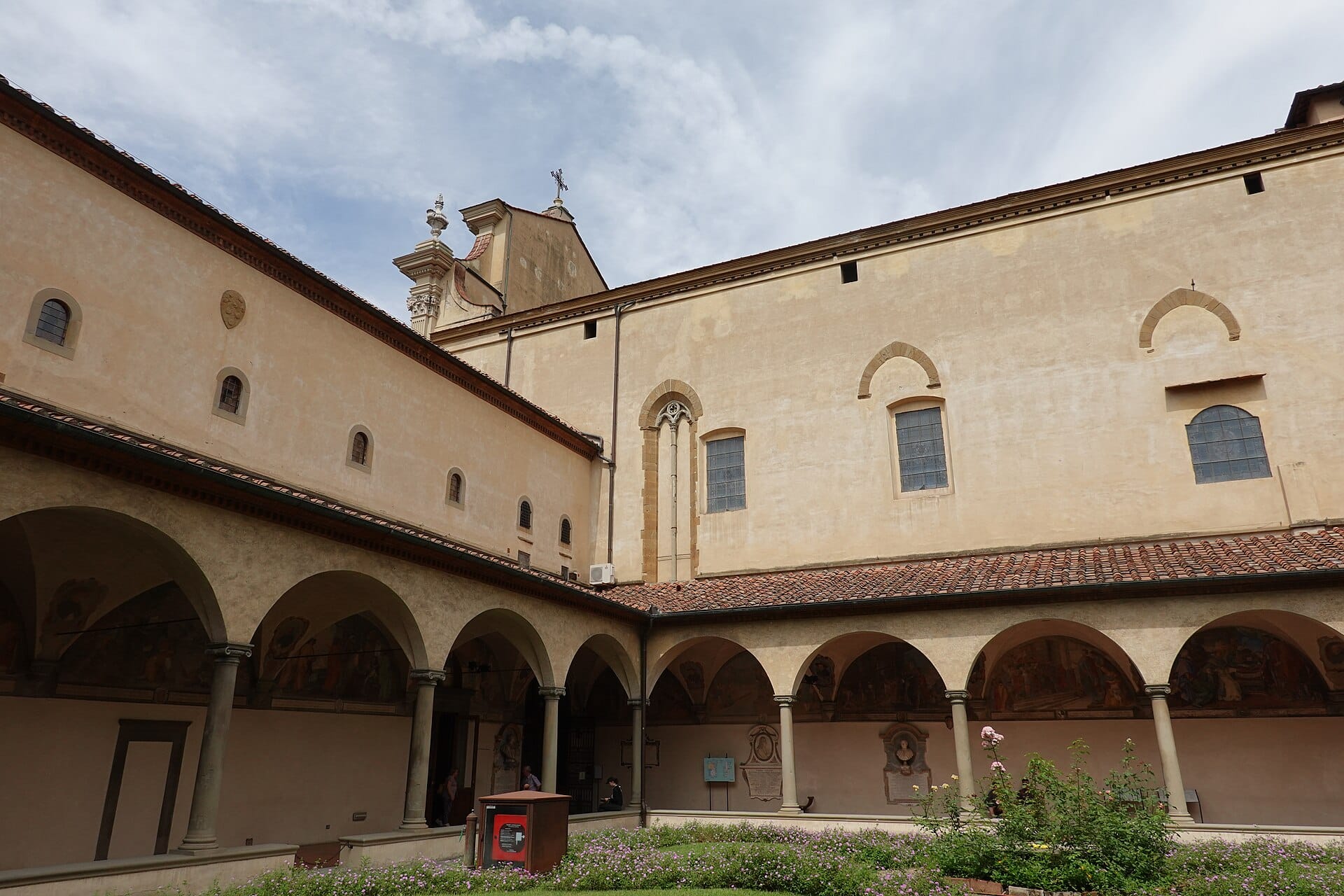
3. Visit Fra Angelico's Cell Frescoes at San Marco
Each monk's cell in this 15th-century convent has its own Fra Angelico fresco, painted as an aid to meditation. The Annunciation at the top of the stairs is the highlight. Savonarola's cell is preserved exactly as he left it.
Explore3. Visit Fra Angelico's Cell Frescoes at San Marco
Each monk's cell in this 15th-century convent has its own Fra Angelico fresco, painted as an aid to meditation. The Annunciation at the top of the stairs is the highlight. Savonarola's cell is preserved exactly as he left it.
Explore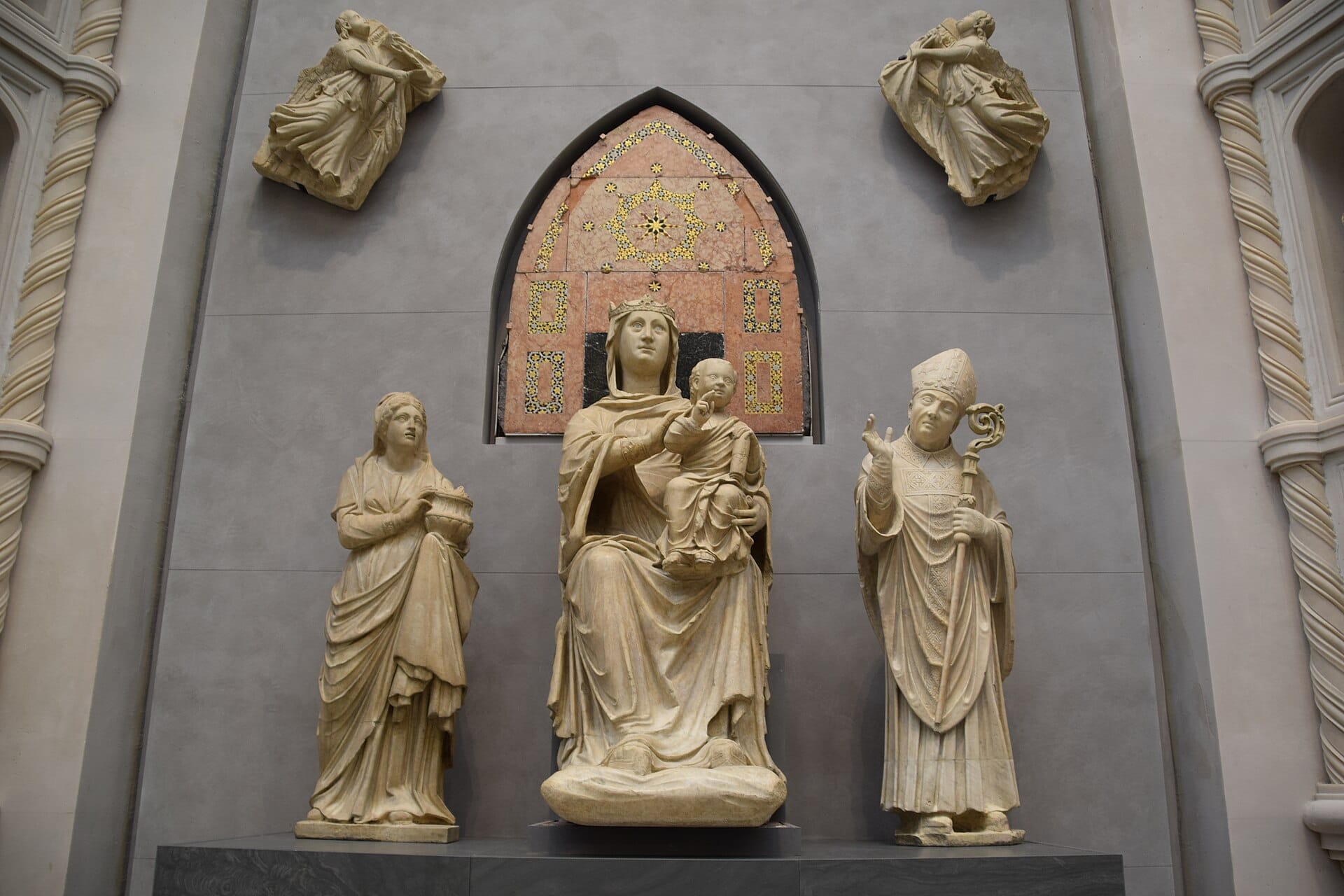
4. See Ghiberti's Original Gates of Paradise Up Close
The cathedral museum holds the originals rescued from the Baptistery, including Ghiberti's gilded doors and Donatello's harrowing wooden Mary Magdalene. The space is beautifully designed and far less visited than the Uffizi.
Explore4. See Ghiberti's Original Gates of Paradise Up Close
The cathedral museum holds the originals rescued from the Baptistery, including Ghiberti's gilded doors and Donatello's harrowing wooden Mary Magdalene. The space is beautifully designed and far less visited than the Uffizi.
Explore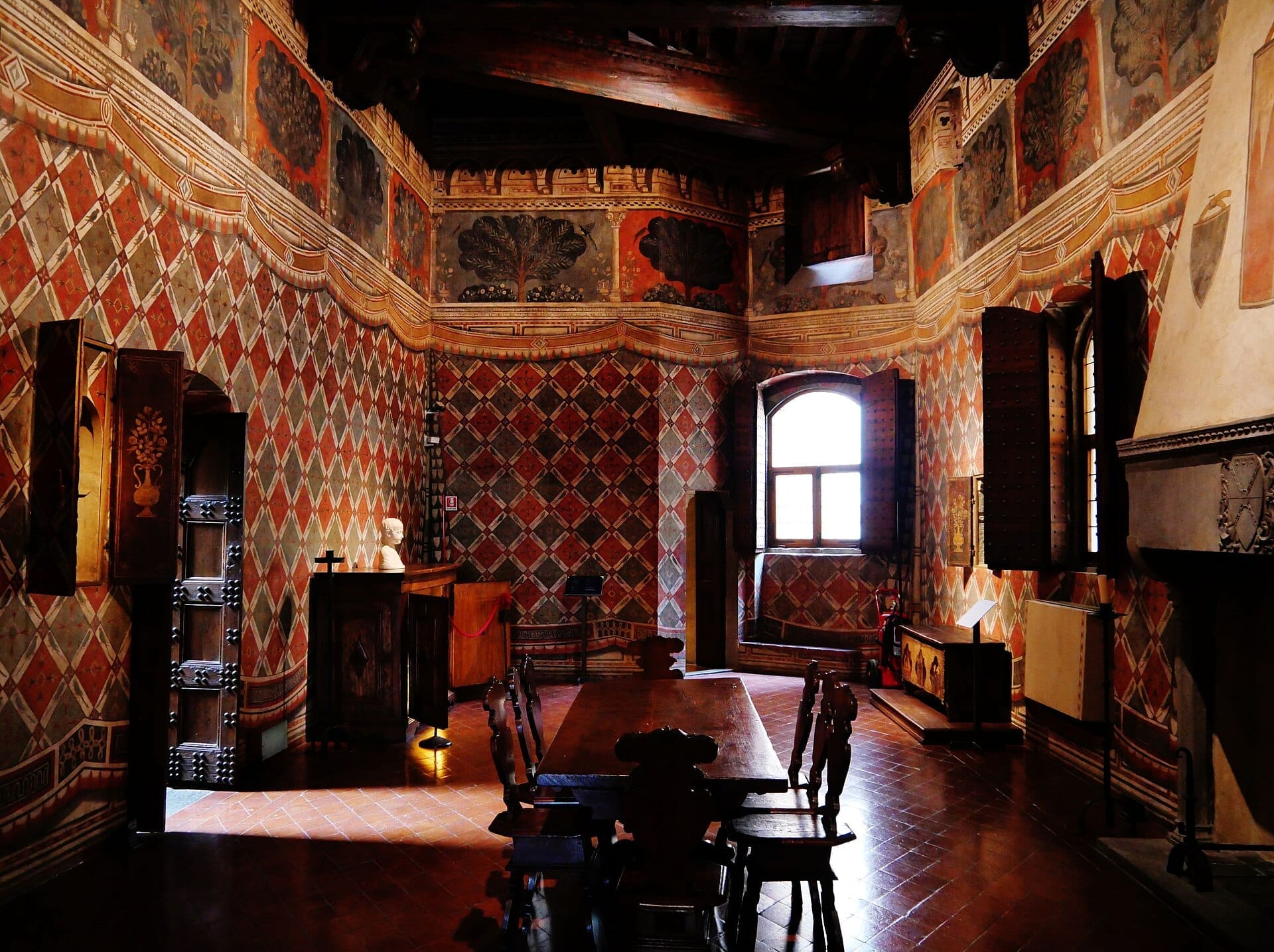
5. Step Inside a 14th-Century Merchant's House at Palazzo Davanzati
This intact medieval townhouse shows how a wealthy Florentine family actually lived, with original frescoed walls, period furniture, and a communal well. There's nothing else like it in the city. Book timed entry online in advance.
Explore5. Step Inside a 14th-Century Merchant's House at Palazzo Davanzati
This intact medieval townhouse shows how a wealthy Florentine family actually lived, with original frescoed walls, period furniture, and a communal well. There's nothing else like it in the city. Book timed entry online in advance.
Explore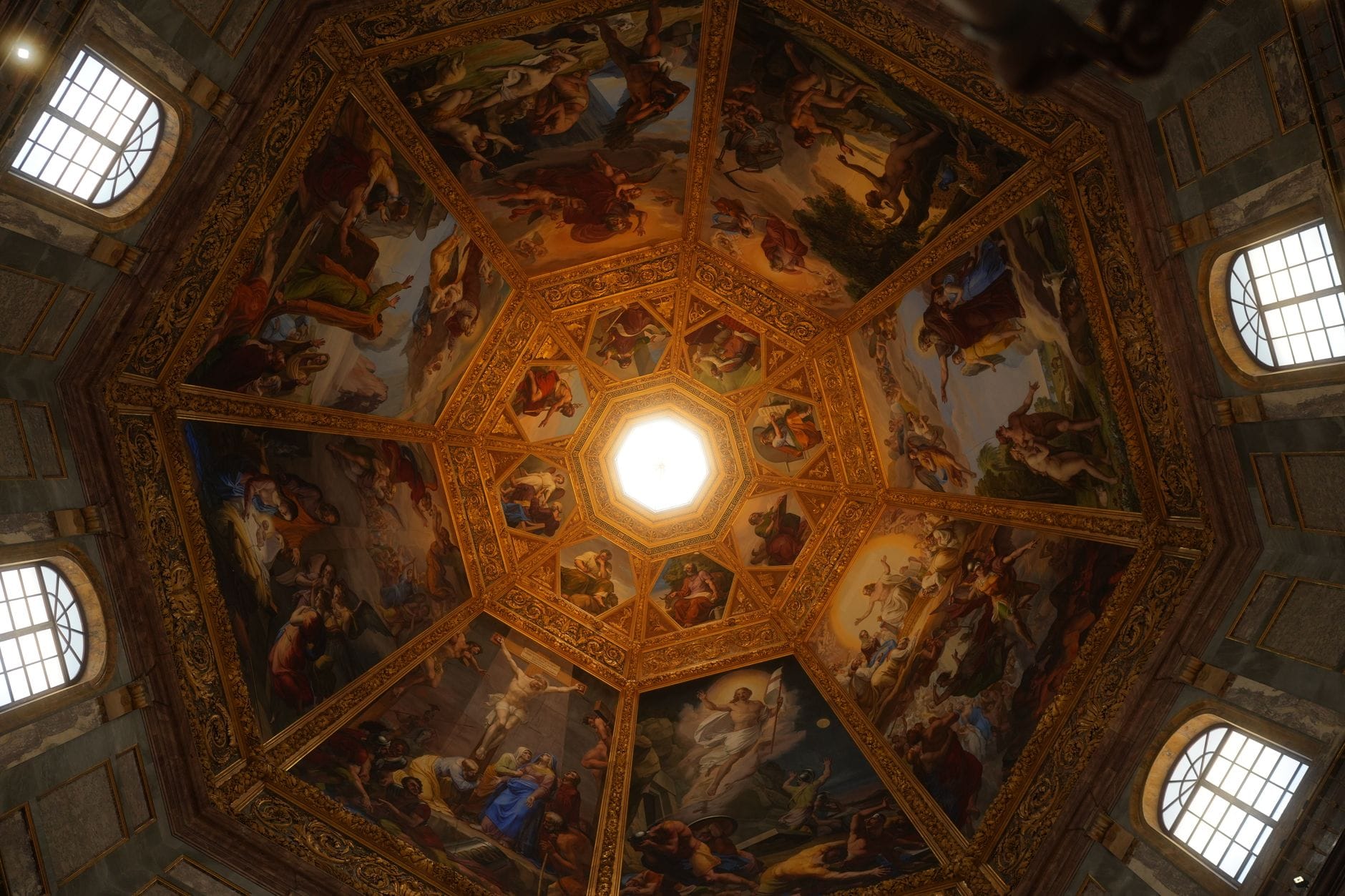
6. Study Michelangelo's Allegorical Tombs at the Medici Chapels
Dawn, Dusk, Day, and Night: Michelangelo's four reclining figures on the Medici tombs are among his most psychologically complex works. The New Sacristy is smaller and less crowded than the Accademia. Go early for the best light.
Explore6. Study Michelangelo's Allegorical Tombs at the Medici Chapels
Dawn, Dusk, Day, and Night: Michelangelo's four reclining figures on the Medici tombs are among his most psychologically complex works. The New Sacristy is smaller and less crowded than the Accademia. Go early for the best light.
Explore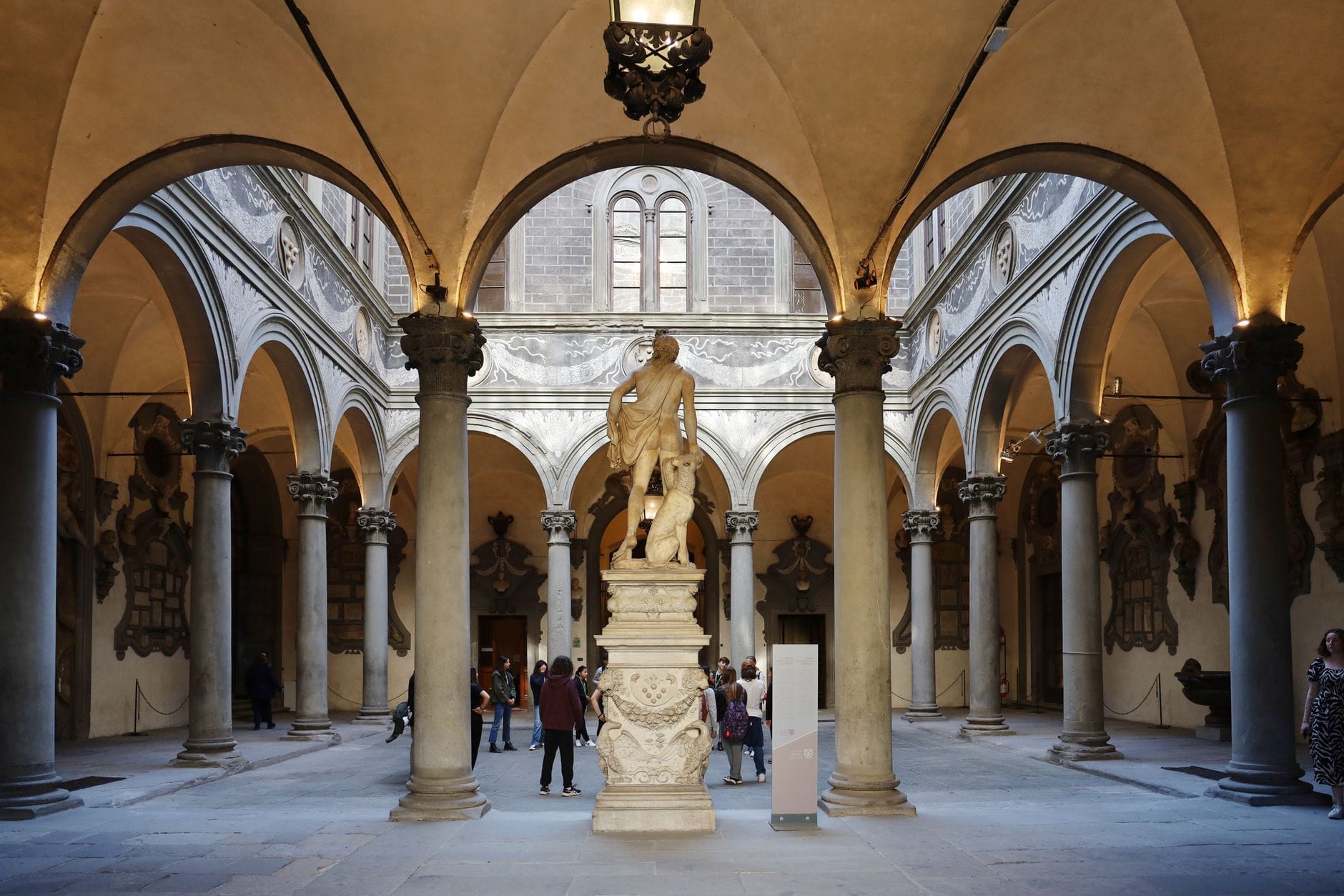
7. Find the Medici's Secret Chapel Inside Their Family Palace
The tiny Magi Chapel in the original Medici palace contains Benozzo Gozzoli's dazzling frescoes, where the Medici family appear as the three kings. The detail is extraordinary and the room holds very few visitors at a time.
Explore7. Find the Medici's Secret Chapel Inside Their Family Palace
The tiny Magi Chapel in the original Medici palace contains Benozzo Gozzoli's dazzling frescoes, where the Medici family appear as the three kings. The detail is extraordinary and the room holds very few visitors at a time.
Explore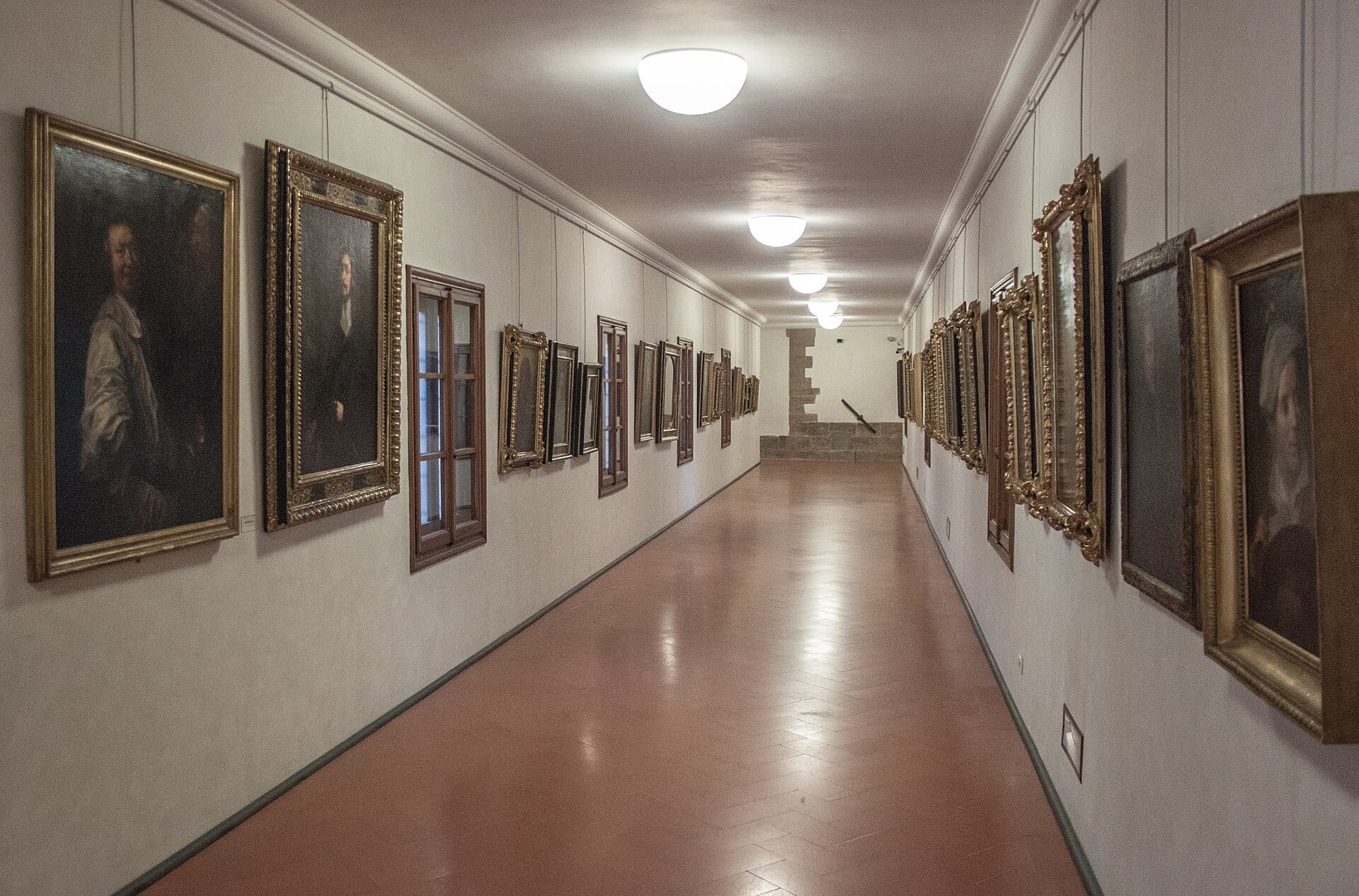
8. Walk the Medici's Private Elevated Passageway
Cosimo de' Medici had Vasari build this 1km corridor in just five months in 1565, connecting his palace to the government seat above the Ponte Vecchio. Timed tickets are required, but the behind-the-walls perspective of Florence is unique.
Explore8. Walk the Medici's Private Elevated Passageway
Cosimo de' Medici had Vasari build this 1km corridor in just five months in 1565, connecting his palace to the government seat above the Ponte Vecchio. Timed tickets are required, but the behind-the-walls perspective of Florence is unique.
ExploreSecret Gardens & Panoramic Viewpoints
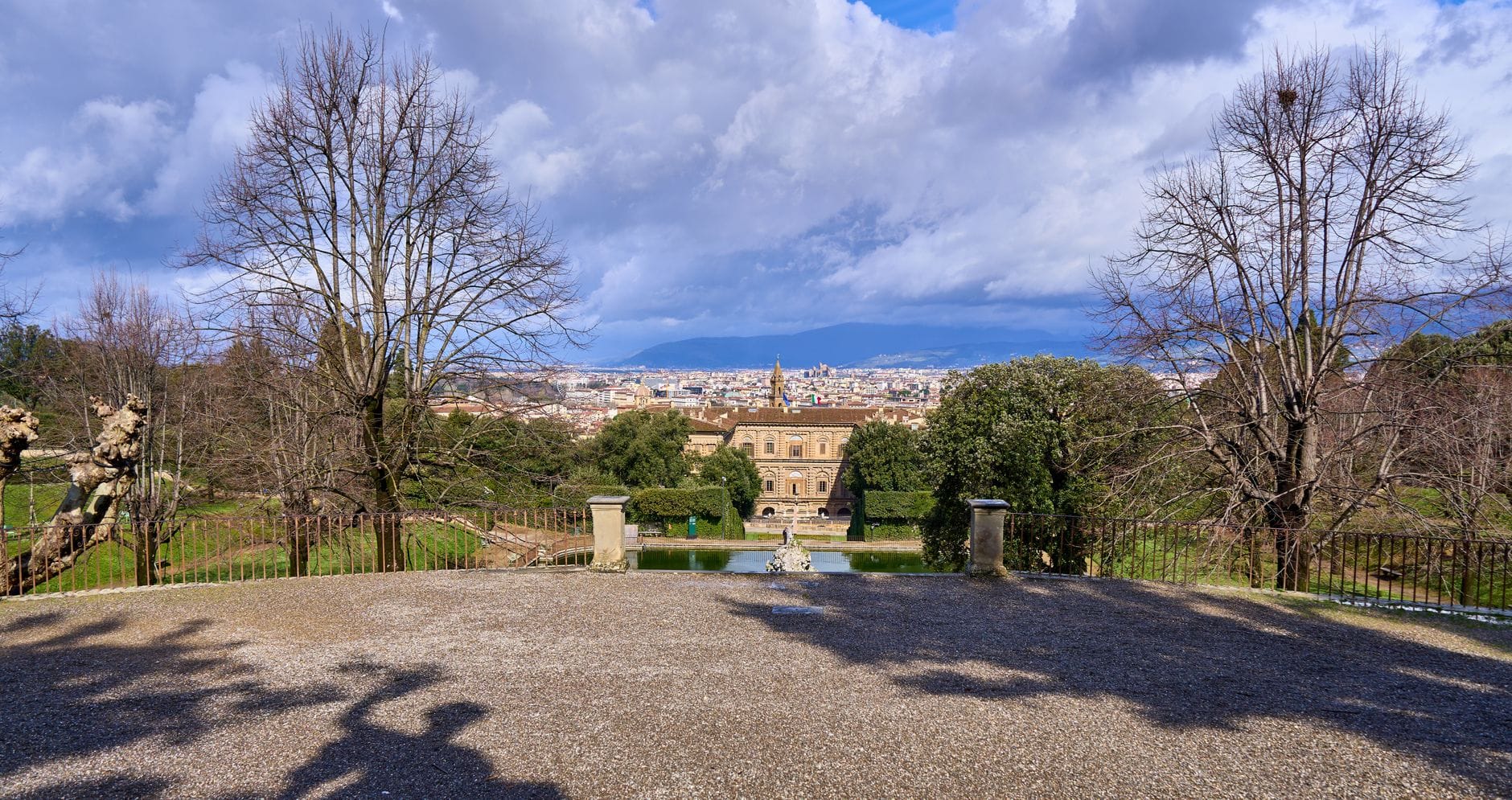
Florence's best views are not always the most obvious ones. Piazzale Michelangelo is famous but crowded; the gardens and hillside terraces described below offer comparable or superior panoramas with a fraction of the foot traffic. For a full breakdown of where to watch the city from above, ourguide to the best views in Florencecovers every vantage point by time of day.
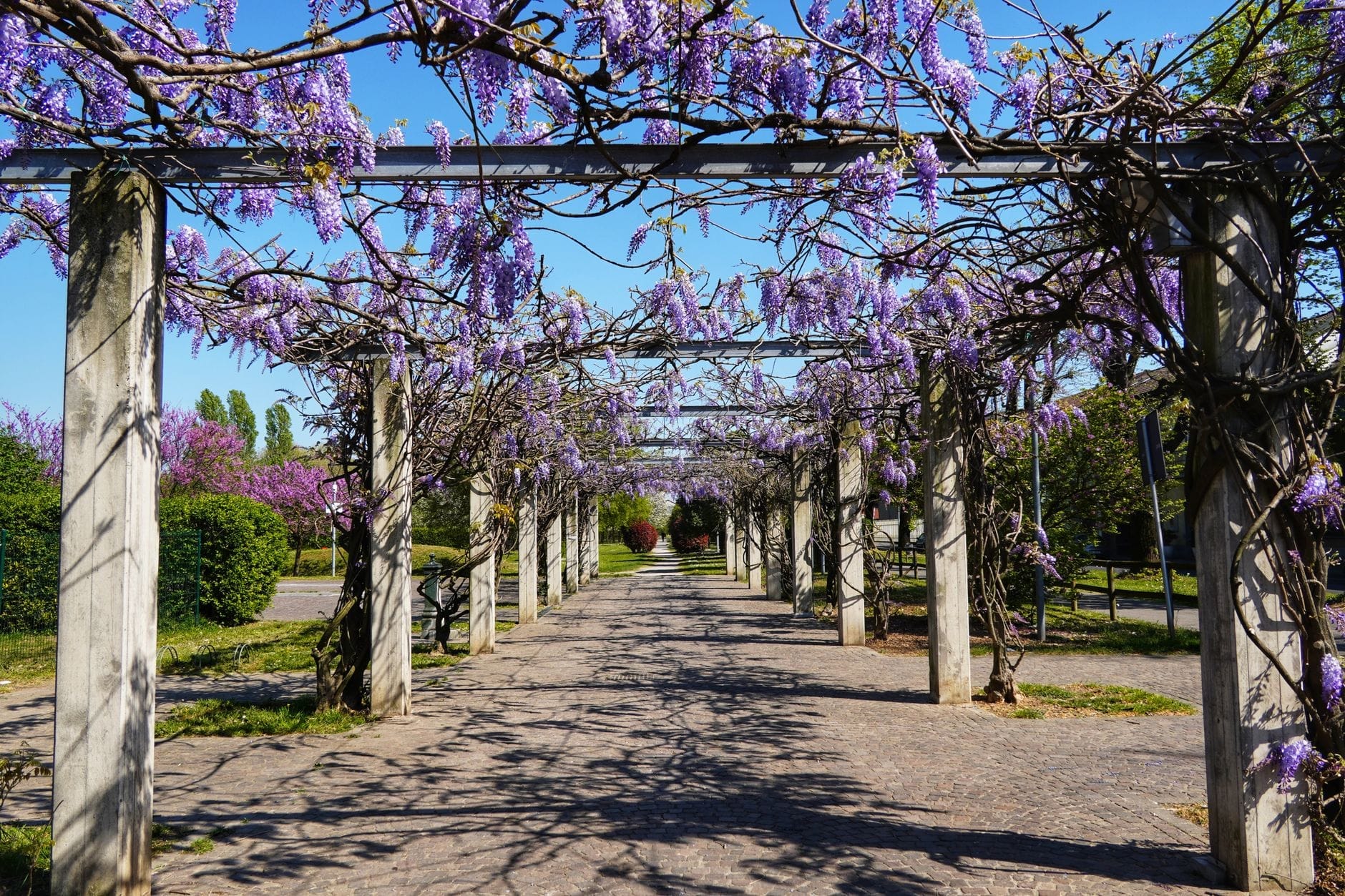
9. Find the Duomo View Locals Actually Use at Bardini Garden
The Bardini Garden's upper terrace frames the Duomo better than almost any spot in Florence, and it draws a fraction of Piazzale Michelangelo's crowd. Visit in May when the wisteria is in bloom. The baroque fountain is photogenic at any time of year.
Explore9. Find the Duomo View Locals Actually Use at Bardini Garden
The Bardini Garden's upper terrace frames the Duomo better than almost any spot in Florence, and it draws a fraction of Piazzale Michelangelo's crowd. Visit in May when the wisteria is in bloom. The baroque fountain is photogenic at any time of year.
Explore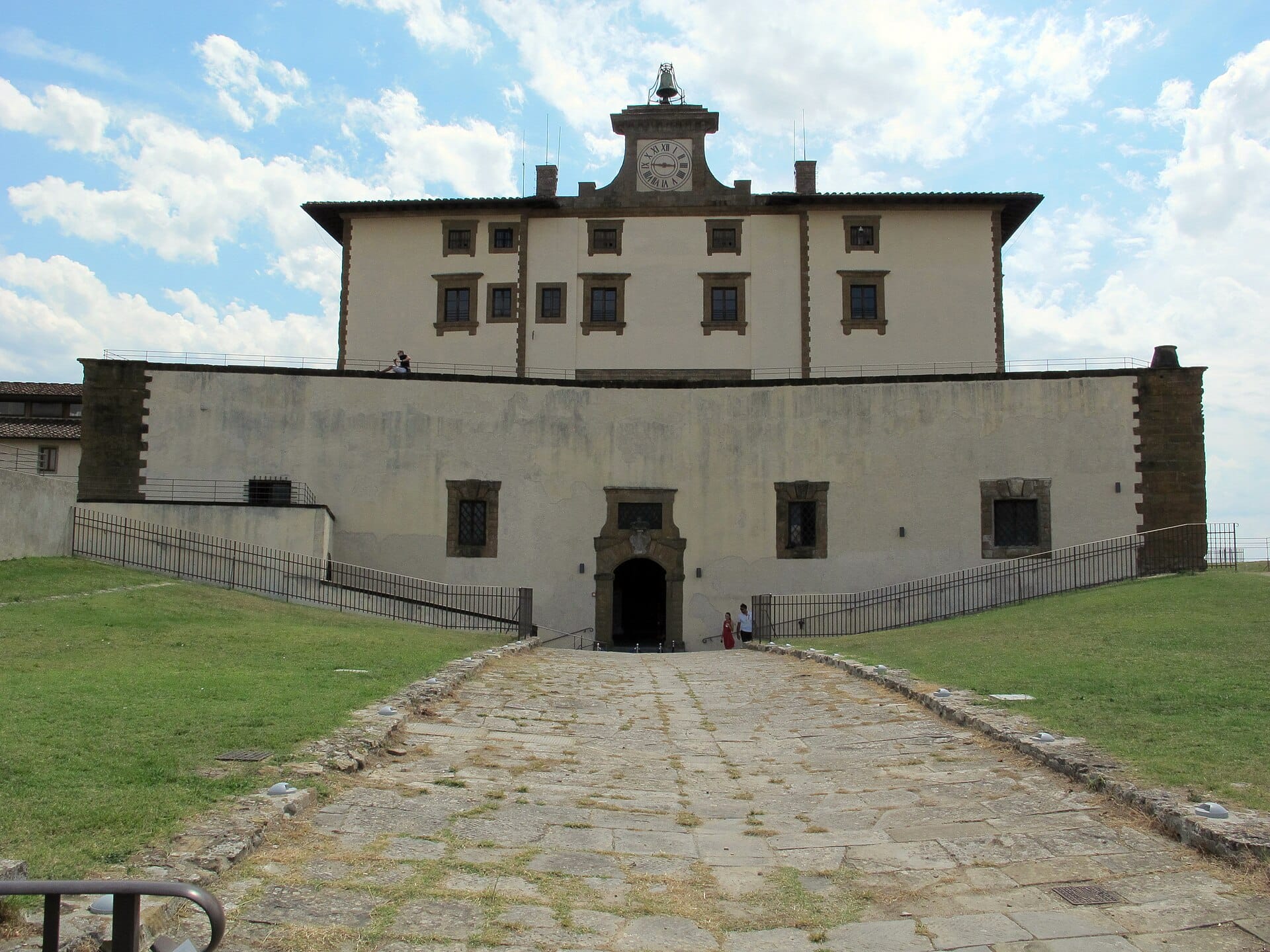
10. Get 360-Degree Views from the Medici's Star Fortress
This star-shaped fortress above Oltrarno offers a true 360-degree panorama: the city on one side, the Arno valley and Chianti hills on the other. When it hosts contemporary art exhibitions, entry is free. The walk up from San Miniato is short.
Explore10. Get 360-Degree Views from the Medici's Star Fortress
This star-shaped fortress above Oltrarno offers a true 360-degree panorama: the city on one side, the Arno valley and Chianti hills on the other. When it hosts contemporary art exhibitions, entry is free. The walk up from San Miniato is short.
Explore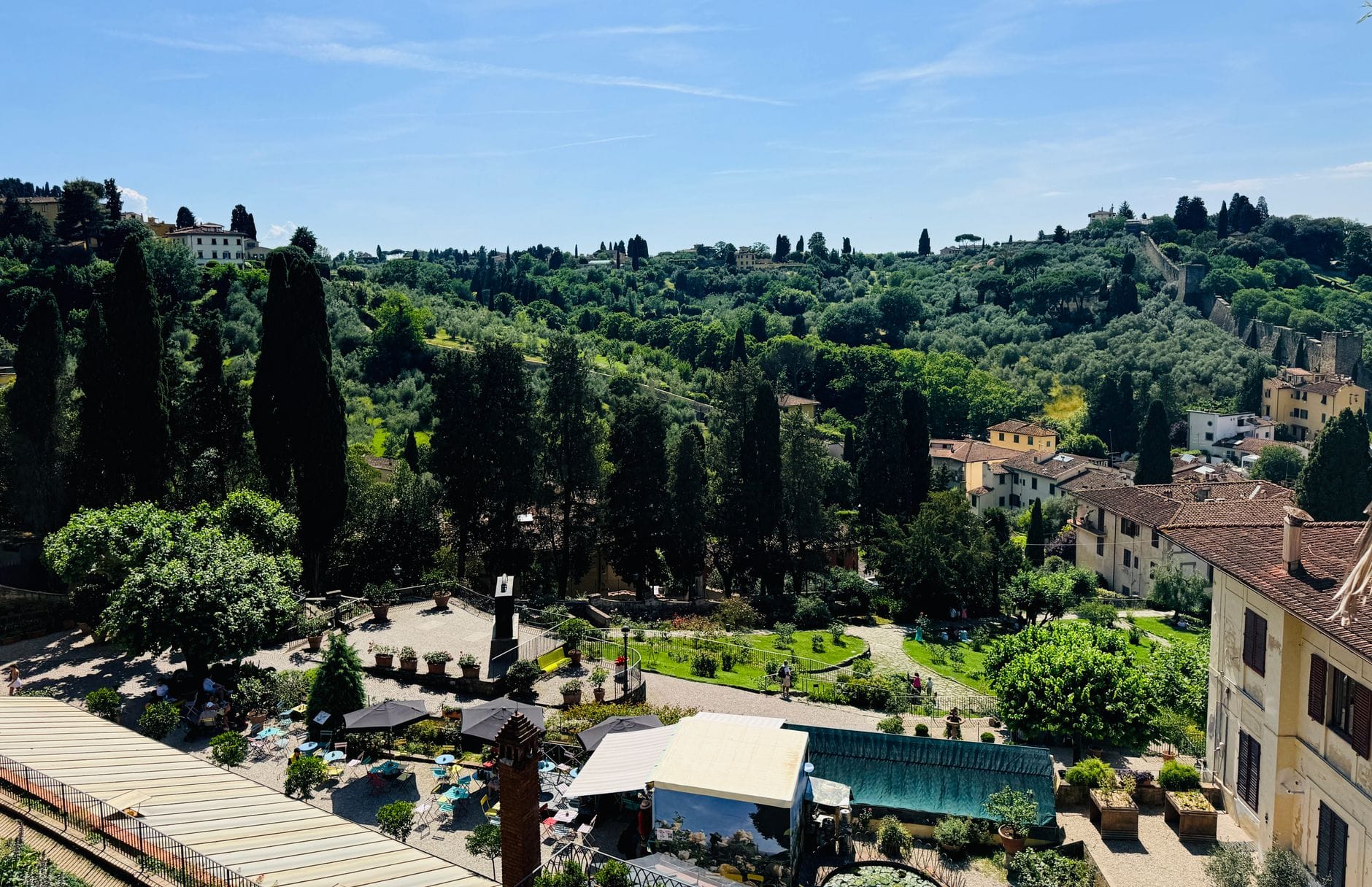
11. Walk Through the Rose Garden Below Piazzale Michelangelo
This free terraced garden halfway up the hill to Piazzale Michelangelo is spectacular in May and June when roses bloom. It offers clear views of the Florence skyline without the selfie-stick crowds above. The Japanese garden section is peaceful year-round.
Explore11. Walk Through the Rose Garden Below Piazzale Michelangelo
This free terraced garden halfway up the hill to Piazzale Michelangelo is spectacular in May and June when roses bloom. It offers clear views of the Florence skyline without the selfie-stick crowds above. The Japanese garden section is peaceful year-round.
Explore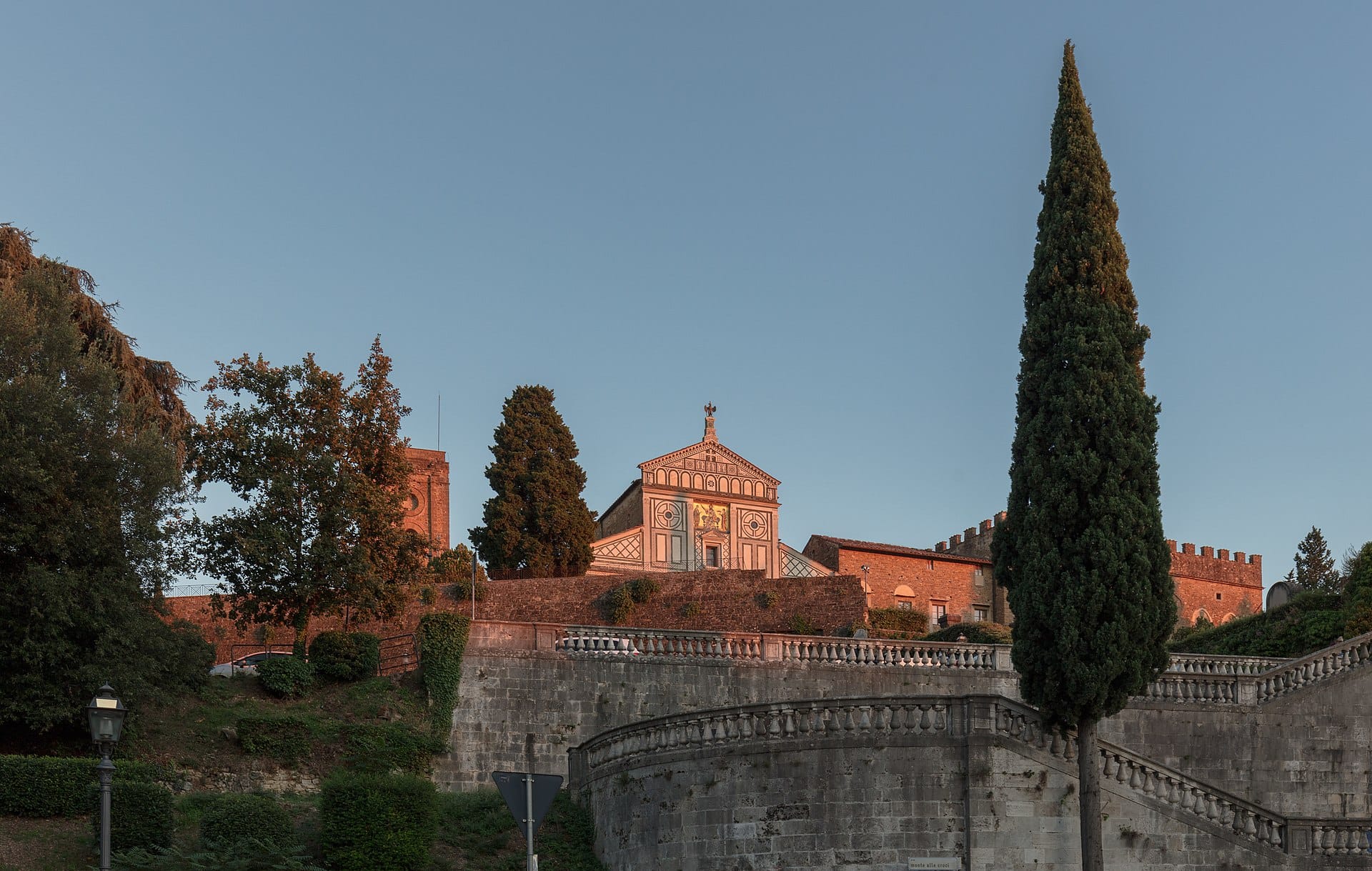
12. Hear Gregorian Vespers at an 11th-Century Hilltop Basilica
San Miniato's green-and-white marble facade is as striking as any building in Florence, and Benedictine monks still chant vespers here each evening. Go at dusk for both the chanting and the light fading over the city below. Entry is free.
Explore12. Hear Gregorian Vespers at an 11th-Century Hilltop Basilica
San Miniato's green-and-white marble facade is as striking as any building in Florence, and Benedictine monks still chant vespers here each evening. Go at dusk for both the chanting and the light fading over the city below. Entry is free.
Explore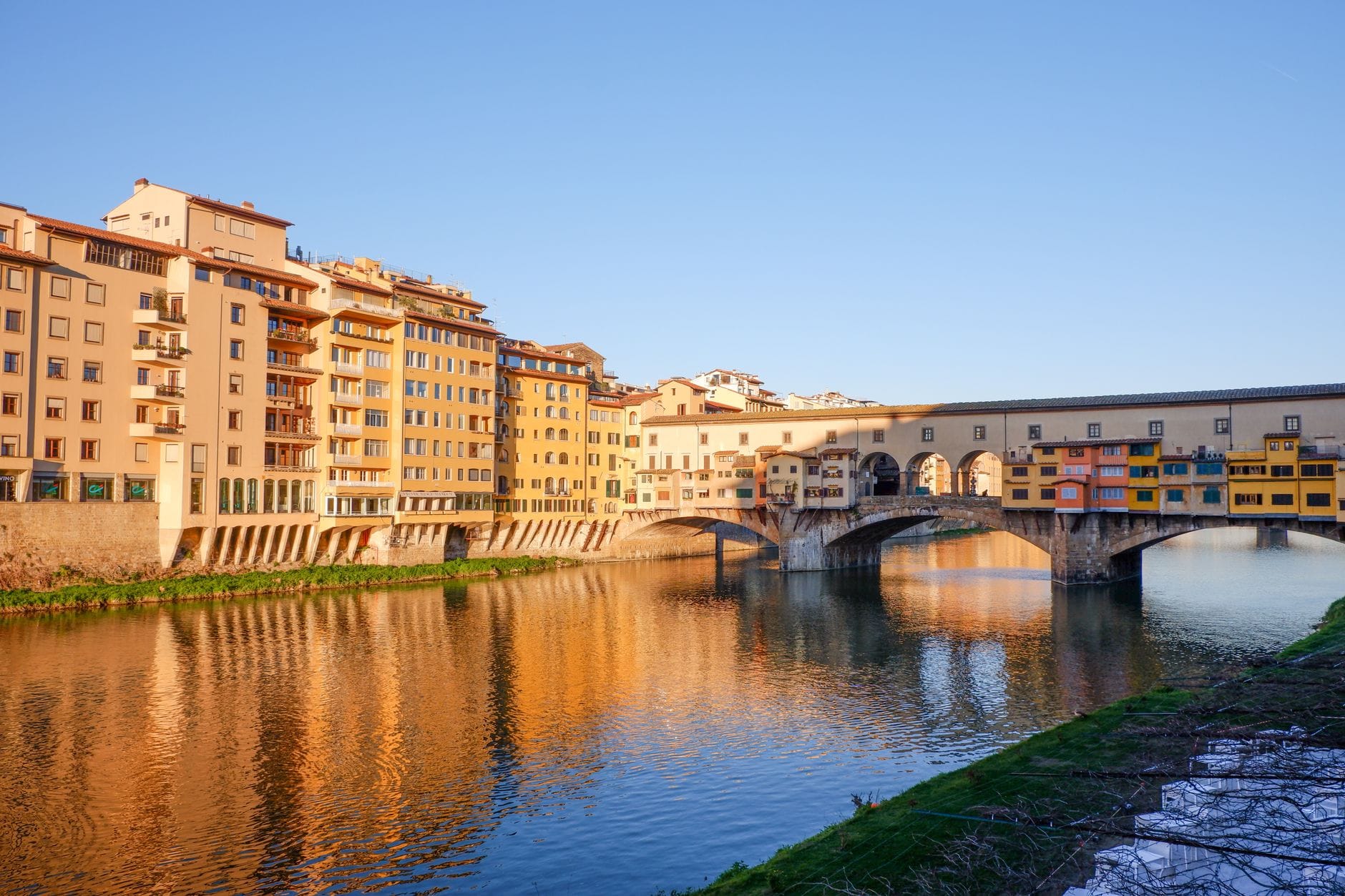
13. Walk the Lungarni at Golden Hour for Florence at Its Best
The embankment roads along both sides of the Arno are Florence's finest urban walk. The light at golden hour turns the historic palaces amber and the Ponte Vecchio glows. Walk from Ponte alle Grazie to Ponte Santa Trinita for the best stretch.
Explore13. Walk the Lungarni at Golden Hour for Florence at Its Best
The embankment roads along both sides of the Arno are Florence's finest urban walk. The light at golden hour turns the historic palaces amber and the Ponte Vecchio glows. Walk from Ponte alle Grazie to Ponte Santa Trinita for the best stretch.
ExploreUnderrated Architecture & Sacred Spaces
The Duomo gets all the attention, but Florence's churches include some of the most important Renaissance architectural experiments ever built. Brunelleschi alone designed three distinct sacred spaces in the city, each solving different structural problems. Ourguide to the best churches in Florencecovers which interiors are worth entering and which are worth admiring only from outside.
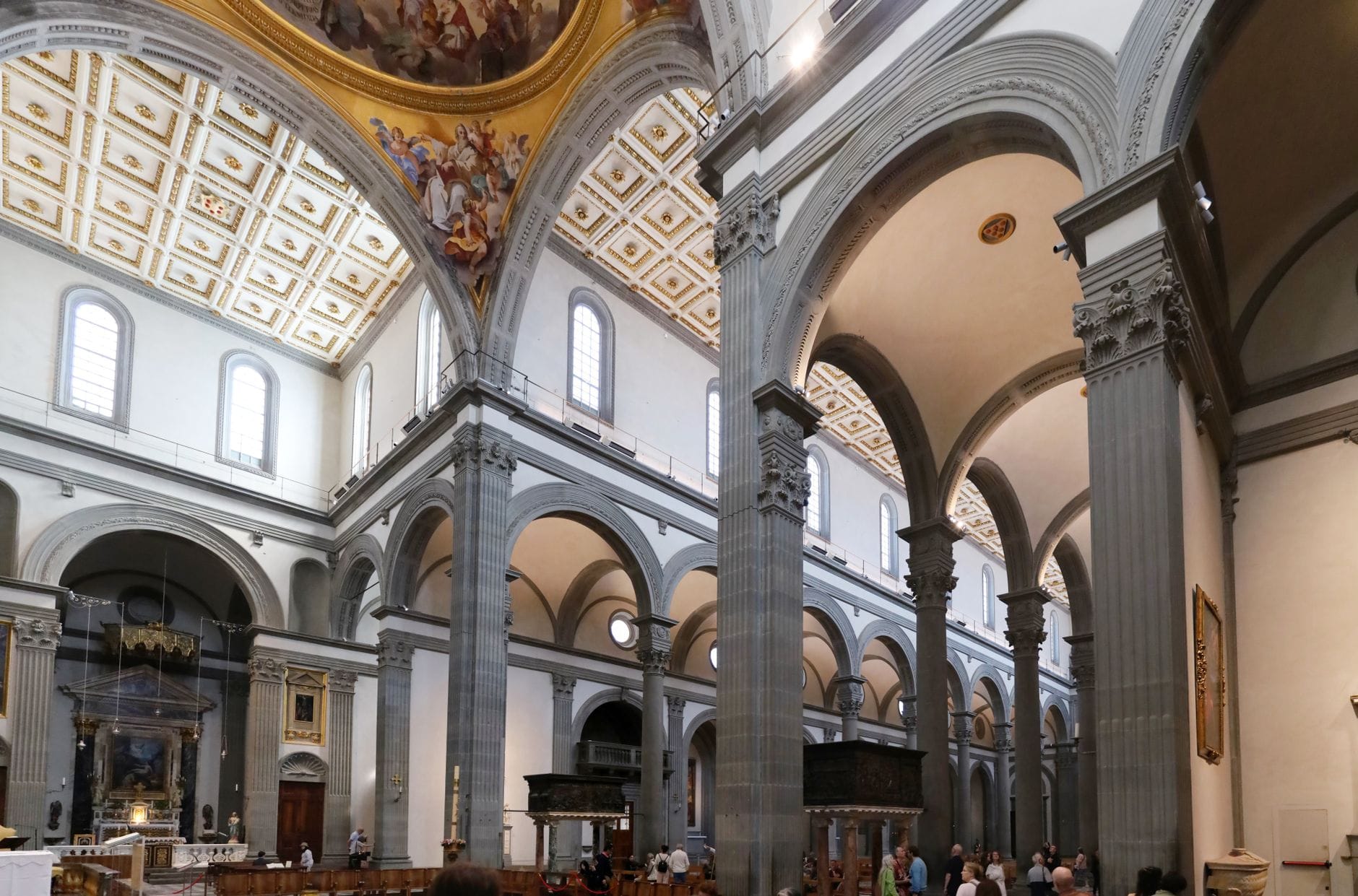
14. Experience a Working Brunelleschi Church with Almost No Tourists
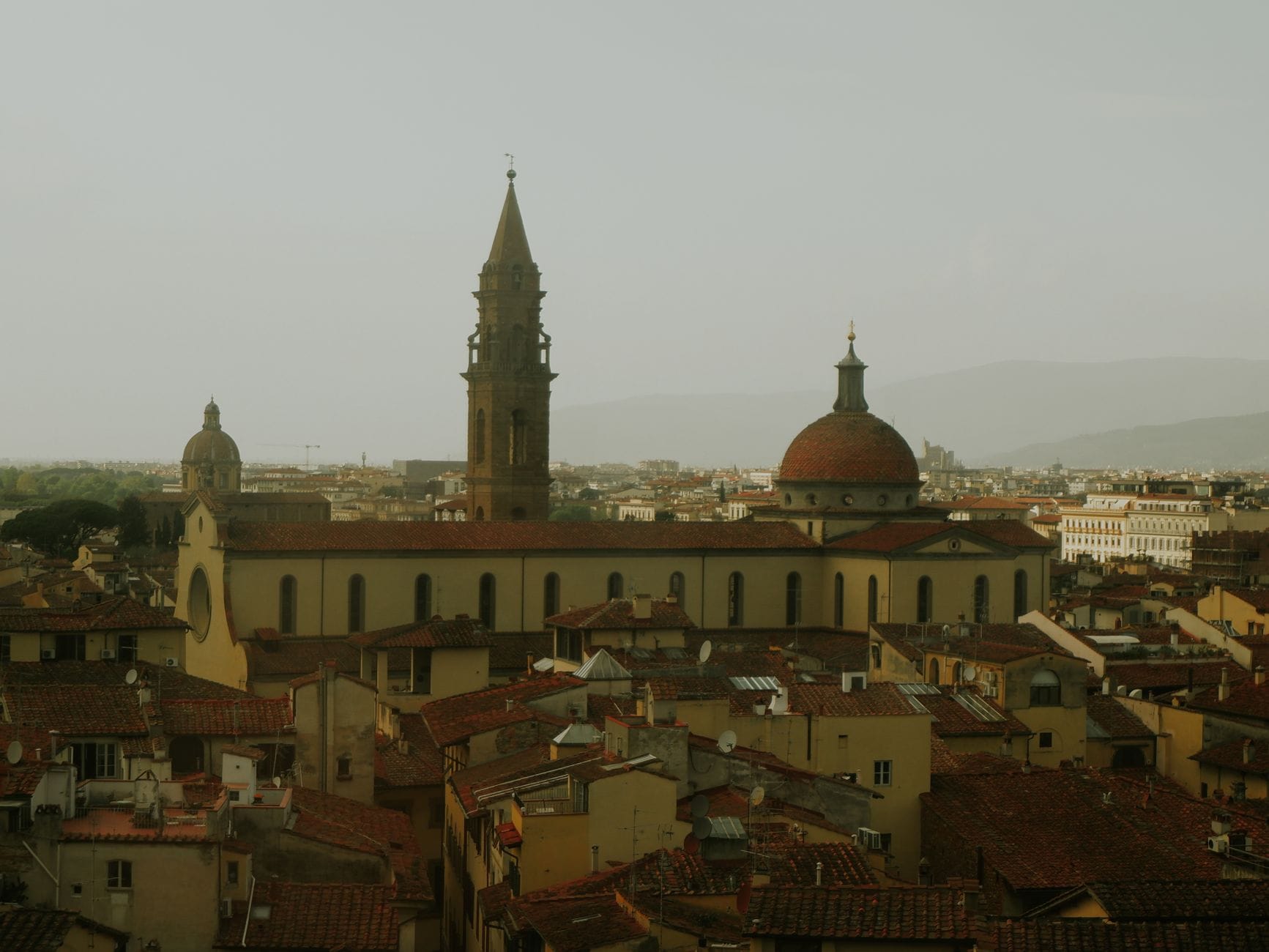
Santo Spirito is one of Brunelleschi's greatest achievements and still functions as a parish church. Sunday mornings bring local families, not tour groups. The proportions of the nave are perfect. The piazza outside is the heart of the Oltrarno neighborhood.
Explore14. Experience a Working Brunelleschi Church with Almost No Tourists
Santo Spirito is one of Brunelleschi's greatest achievements and still functions as a parish church. Sunday mornings bring local families, not tour groups. The proportions of the nave are perfect. The piazza outside is the heart of the Oltrarno neighborhood.
Explore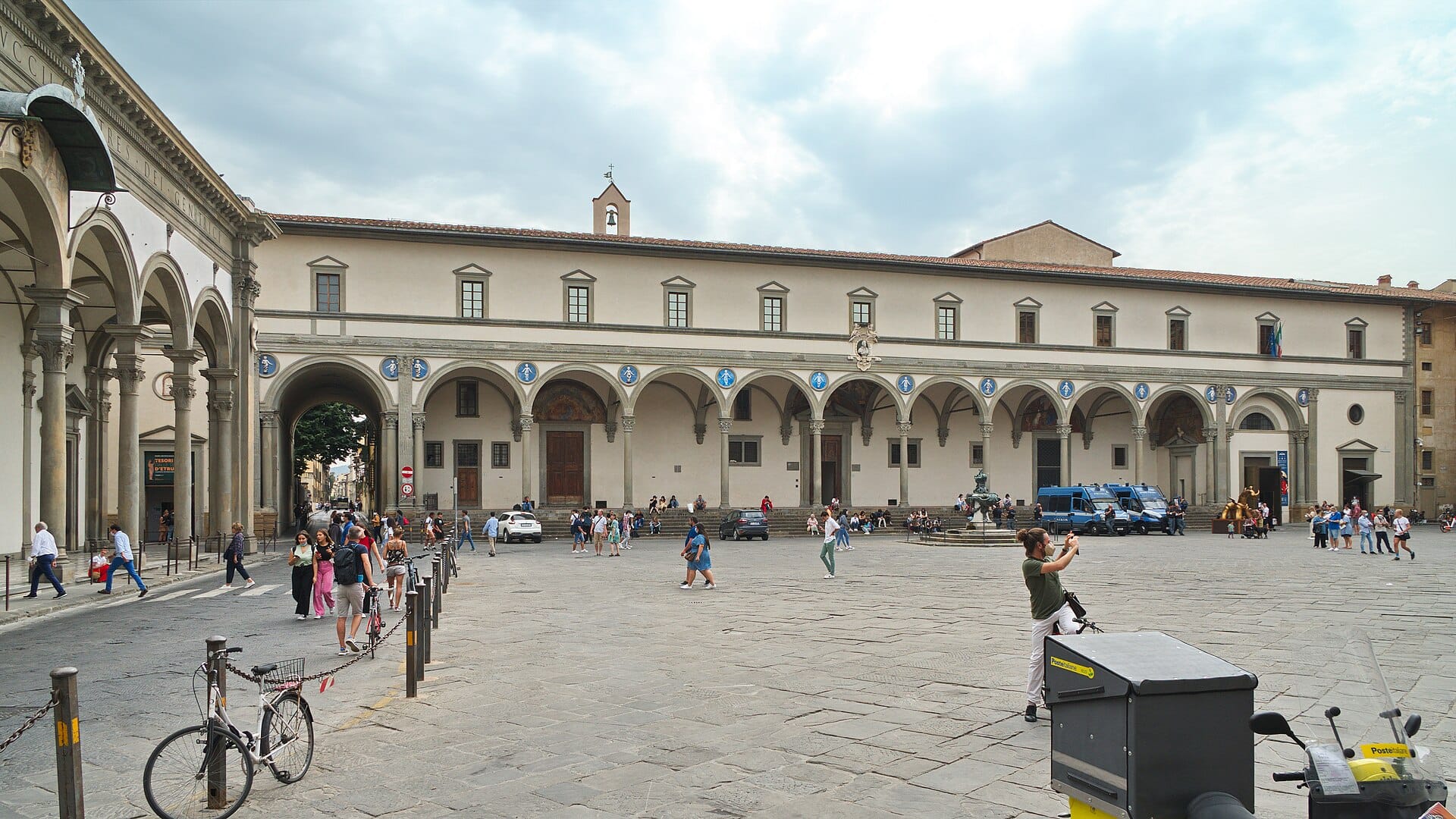
15. Visit the Building That Launched Renaissance Architecture
Brunelleschi's Foundling Hospital, built in 1419, is widely considered the first purpose-built Renaissance building in the world. The loggia with Andrea della Robbia roundels is one of Florence's most elegant facades. The interior museum tells the institution's moving history.
Explore15. Visit the Building That Launched Renaissance Architecture
Brunelleschi's Foundling Hospital, built in 1419, is widely considered the first purpose-built Renaissance building in the world. The loggia with Andrea della Robbia roundels is one of Florence's most elegant facades. The interior museum tells the institution's moving history.
Explore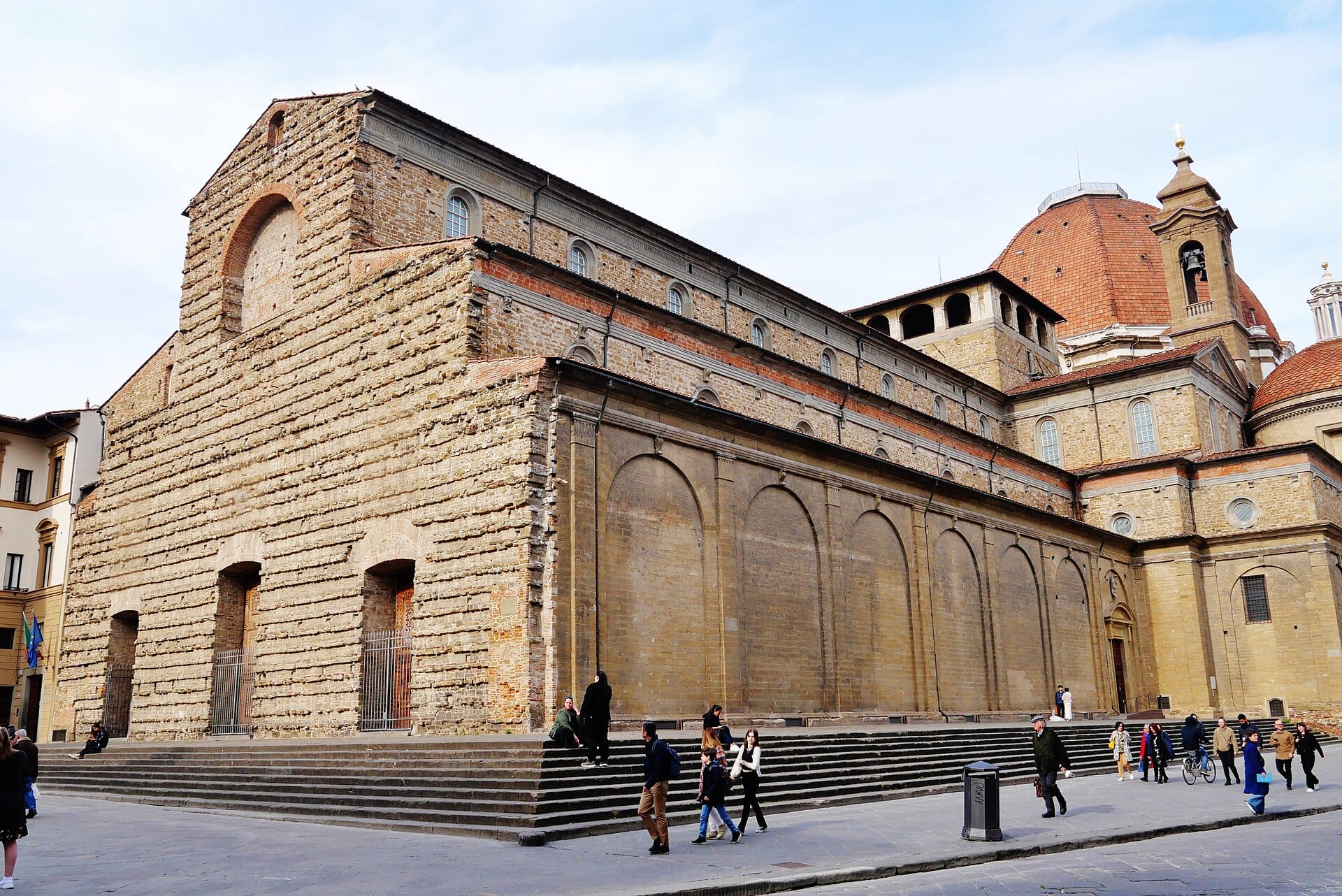
16. See Brunelleschi and Michelangelo in the Same Church Complex
San Lorenzo contains the Old Sacristy by Brunelleschi and the Laurentian Library by Michelangelo, two of Florence's finest interior spaces, in one complex. The church is architecturally more interesting than its modest exterior suggests. Crowds here are light.
Explore16. See Brunelleschi and Michelangelo in the Same Church Complex
San Lorenzo contains the Old Sacristy by Brunelleschi and the Laurentian Library by Michelangelo, two of Florence's finest interior spaces, in one complex. The church is architecturally more interesting than its modest exterior suggests. Crowds here are light.
Explore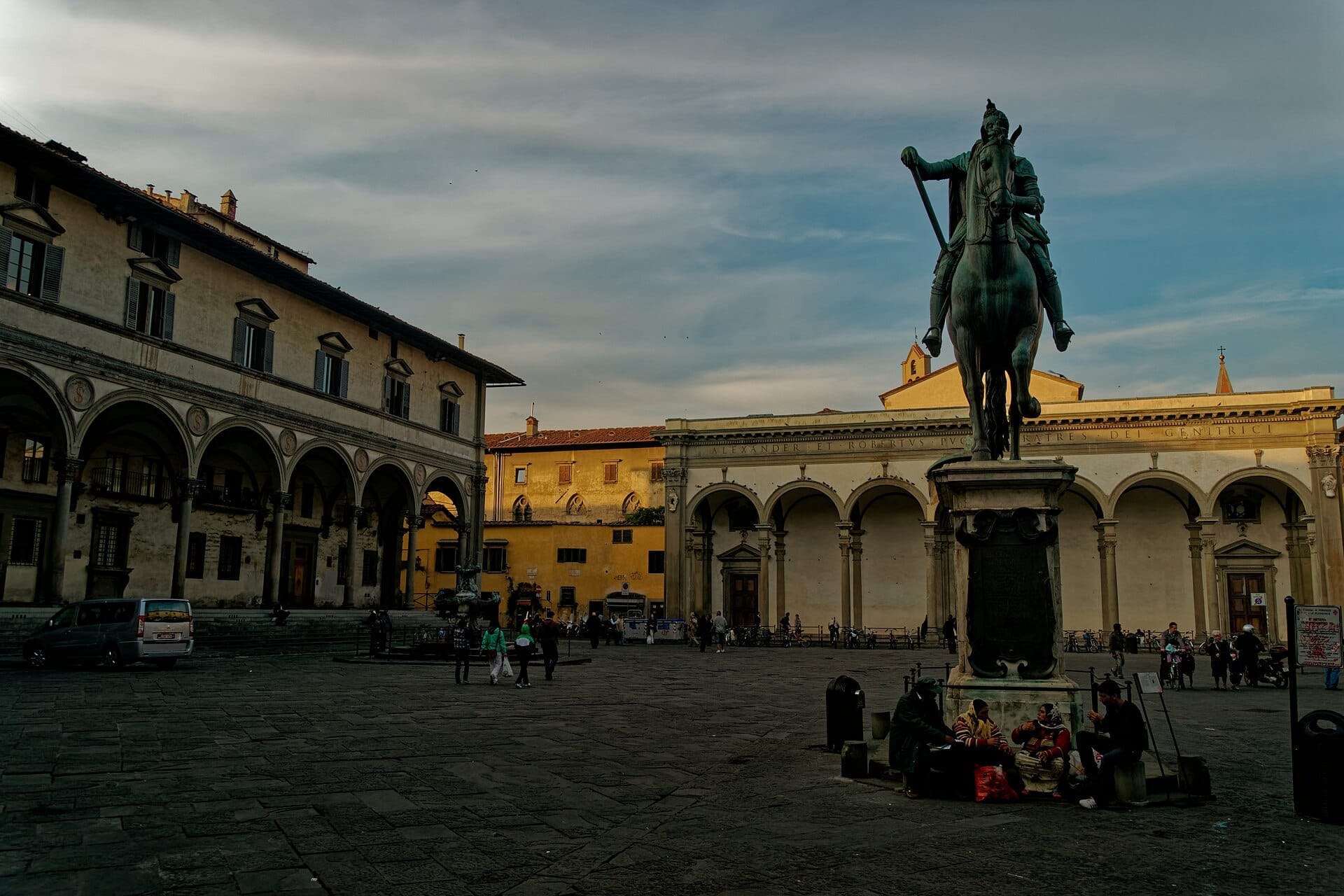
17. Find Florence's Most Harmonious Renaissance Square
Most visitors miss this elegant piazza two blocks from San Marco, framed by matching loggias and Brunelleschi's Ospedale degli Innocenti. It has a coherence and calm that Piazza della Repubblica entirely lacks. The equestrian statue of Ferdinand I anchors it perfectly.
Explore17. Find Florence's Most Harmonious Renaissance Square
Most visitors miss this elegant piazza two blocks from San Marco, framed by matching loggias and Brunelleschi's Ospedale degli Innocenti. It has a coherence and calm that Piazza della Repubblica entirely lacks. The equestrian statue of Ferdinand I anchors it perfectly.
Explore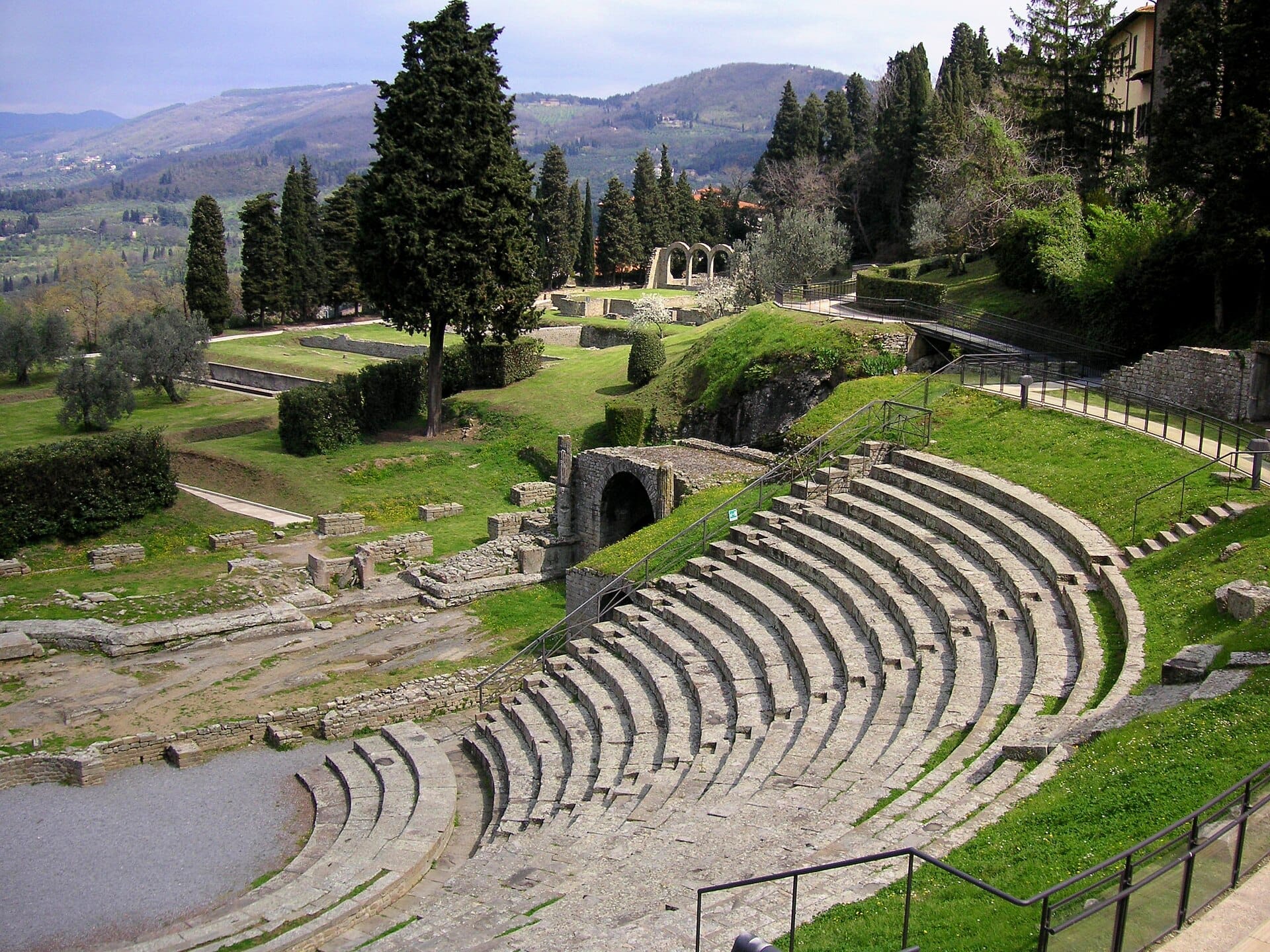
18. See a 1st-Century BC Roman Theatre Still Used for Performances
A 20-minute bus ride from Florence brings you to Fiesole's remarkably preserved Roman theatre, alongside Etruscan walls and a Roman temple. In summer, it hosts live performances. The views over the Florentine hills from the town above are exceptional.
Explore18. See a 1st-Century BC Roman Theatre Still Used for Performances
A 20-minute bus ride from Florence brings you to Fiesole's remarkably preserved Roman theatre, alongside Etruscan walls and a Roman temple. In summer, it hosts live performances. The views over the Florentine hills from the town above are exceptional.
ExploreLocal Markets & Artisan Florence
Florence's artisan and food culture runs deep, but most visitors only encounter it through tourist-facing shops and the upper floor of the Mercato Centrale. The places below are where Florentines actually shop, eat, and get things made. For more on navigating the city's shopping scene, see ourFlorence shopping guide.
19. Shop for Food Like a Florentine at Sant'Ambrogio Market
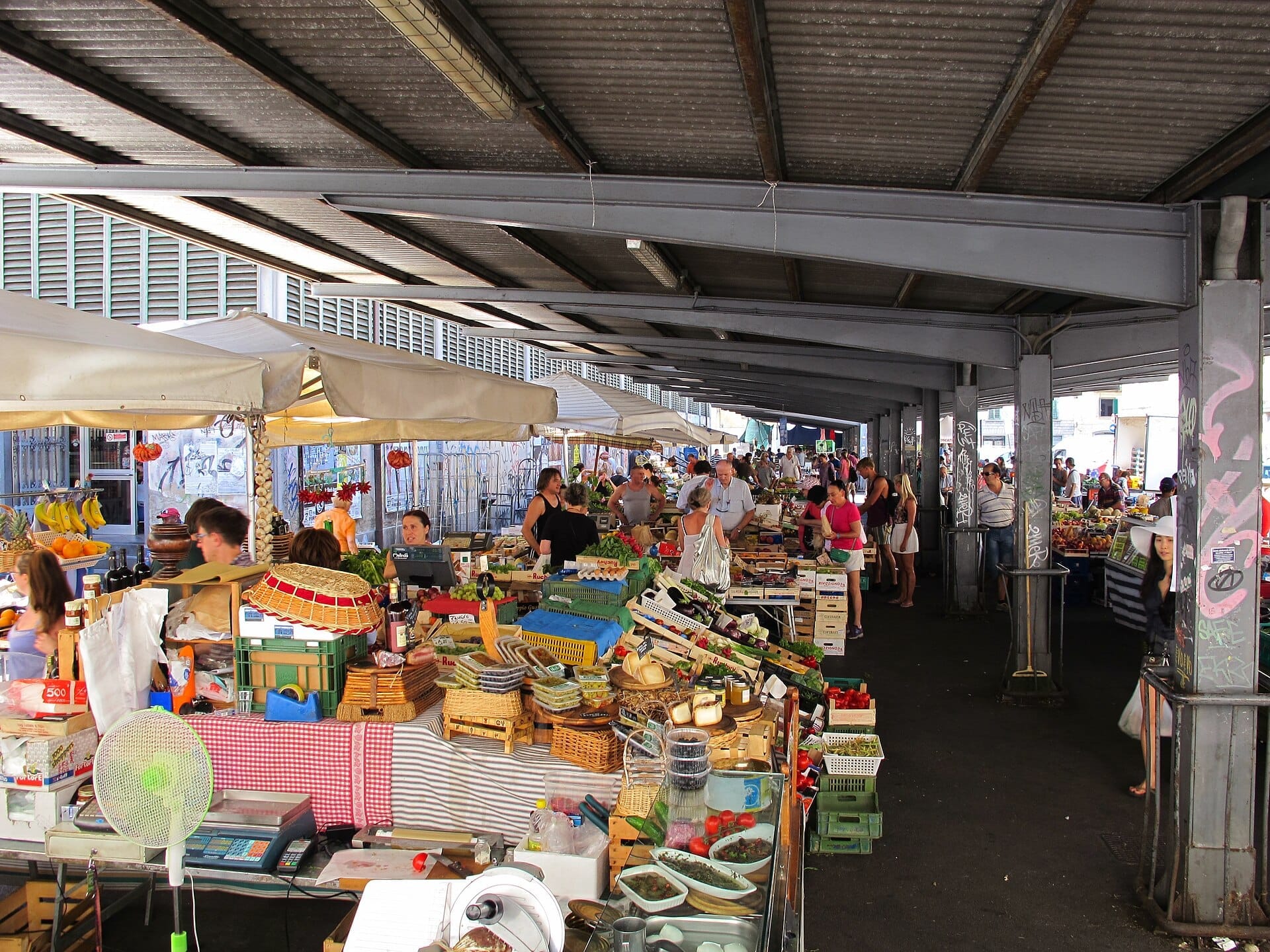
Sant'Ambrogio is Florence's most authentic daily food market: seasonal produce, aged pecorino, cured meats, and fresh pasta, bought by chefs and locals before 1pm. The outdoor stalls wrap around a covered hall. Far quieter and more genuine than the Mercato Centrale.
Explore19. Shop for Food Like a Florentine at Sant'Ambrogio Market
Sant'Ambrogio is Florence's most authentic daily food market: seasonal produce, aged pecorino, cured meats, and fresh pasta, bought by chefs and locals before 1pm. The outdoor stalls wrap around a covered hall. Far quieter and more genuine than the Mercato Centrale.
Explore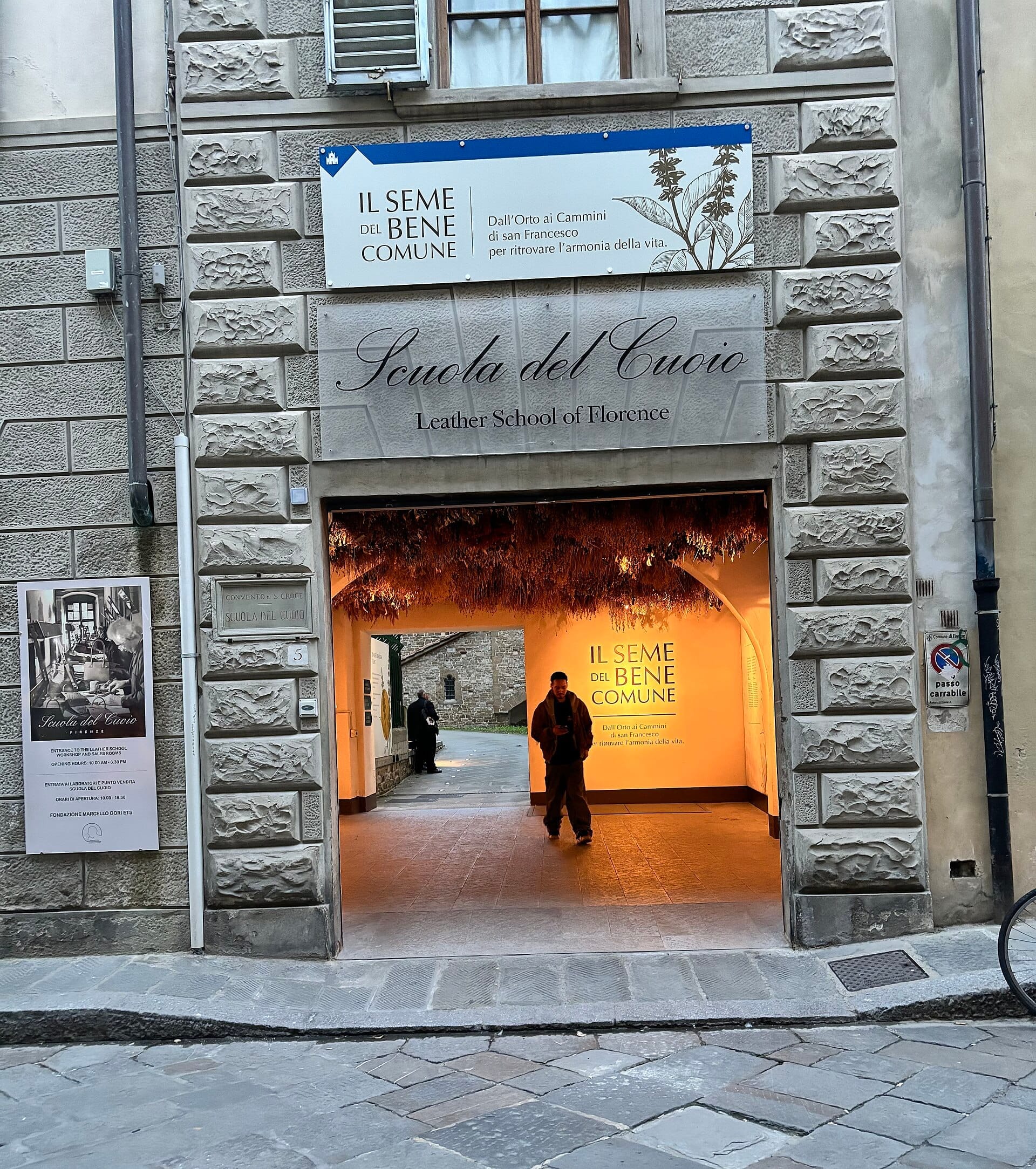
20. Watch Leather Craftsmen at Work Inside Santa Croce
The Scuola del Cuoio has operated inside the Basilica di Santa Croce since 1950, training artisans in traditional Florentine leatherwork. You can watch craftsmen hand-stitching bags and wallets, then buy directly. It is reached through the basilica or a separate garden entrance.
Explore20. Watch Leather Craftsmen at Work Inside Santa Croce
The Scuola del Cuoio has operated inside the Basilica di Santa Croce since 1950, training artisans in traditional Florentine leatherwork. You can watch craftsmen hand-stitching bags and wallets, then buy directly. It is reached through the basilica or a separate garden entrance.
Explore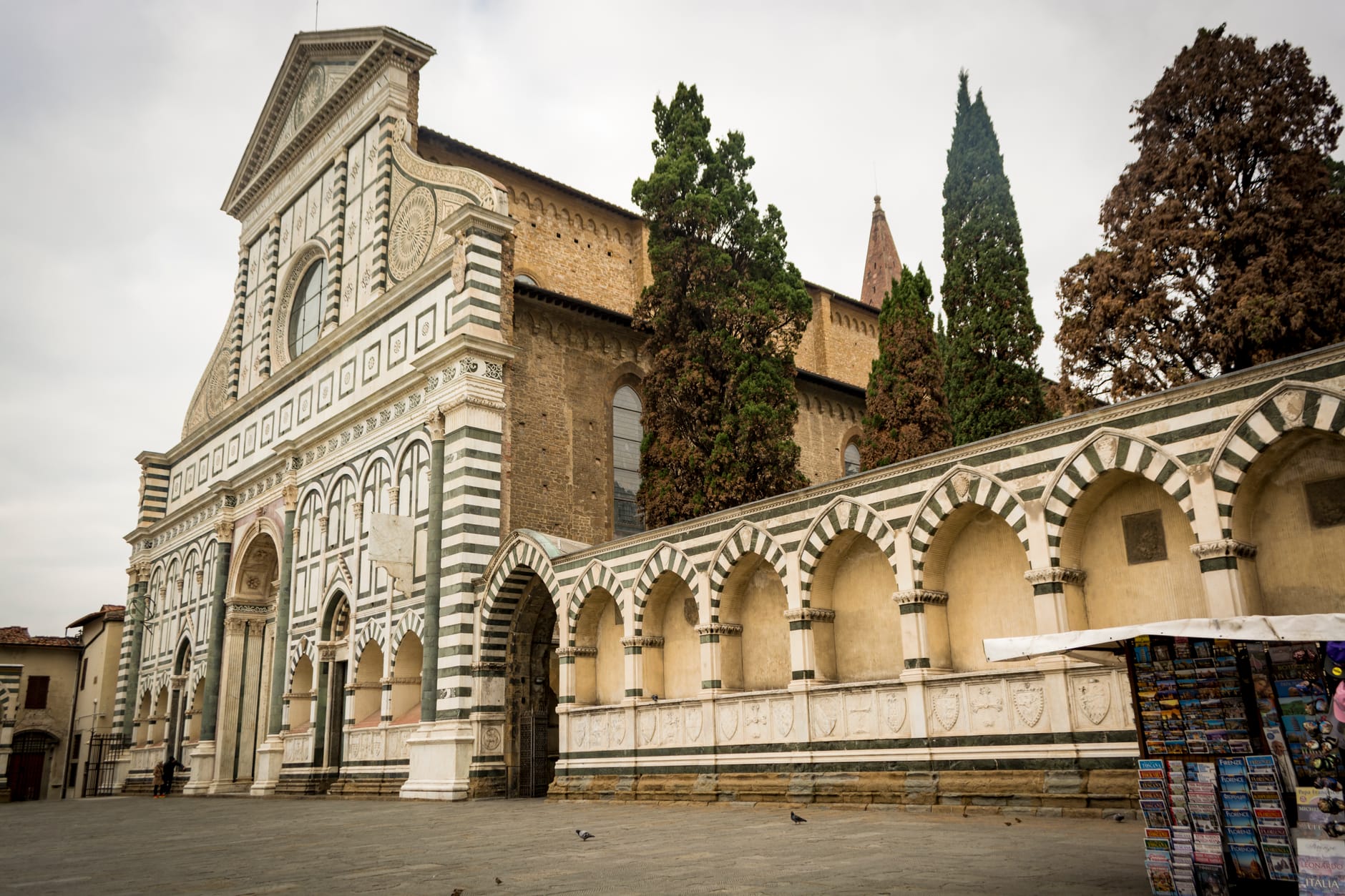
21. Shop at the World's Oldest Pharmacy in a Frescoed Convent
Santa Maria Novella's pharmacy has been selling herbal remedies and perfumes since the 13th century, still from its original frescoed Dominican premises. The rooms alone are worth visiting. Products are expensive but genuinely made to historic recipes.
Explore21. Shop at the World's Oldest Pharmacy in a Frescoed Convent
Santa Maria Novella's pharmacy has been selling herbal remedies and perfumes since the 13th century, still from its original frescoed Dominican premises. The rooms alone are worth visiting. Products are expensive but genuinely made to historic recipes.
Explore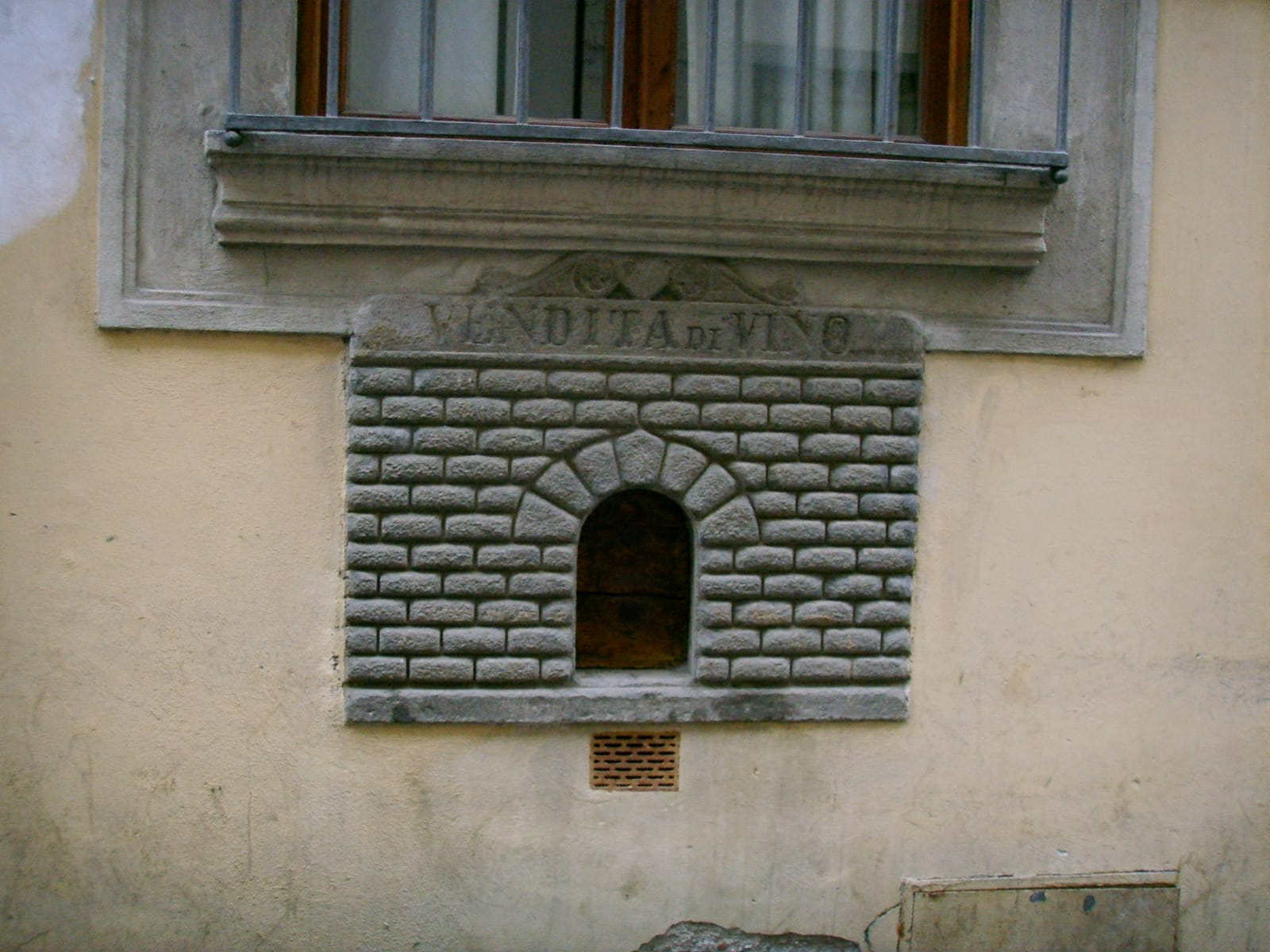
22. Order Wine Through a 17th-Century Stone Hatch
Florence's buchette del vino, small stone windows built into palace walls for selling wine directly to the street, are being revived across the city. Look for the active ones near Piazza della Signoria and Oltrarno, serving natural wines, cocktails, and gelato.
Explore22. Order Wine Through a 17th-Century Stone Hatch
Florence's buchette del vino, small stone windows built into palace walls for selling wine directly to the street, are being revived across the city. Look for the active ones near Piazza della Signoria and Oltrarno, serving natural wines, cocktails, and gelato.
Explore✨ Pro tip
The Bargello, Convent of San Marco, and Palazzo Davanzati all use timed entry tickets that may sell out on busy days in spring and autumn, especially at San Marco. Book online 2–3 days ahead for San Marco, and consider advance tickets for the others at peak times.
Famous Sites Worth Seeing Differently
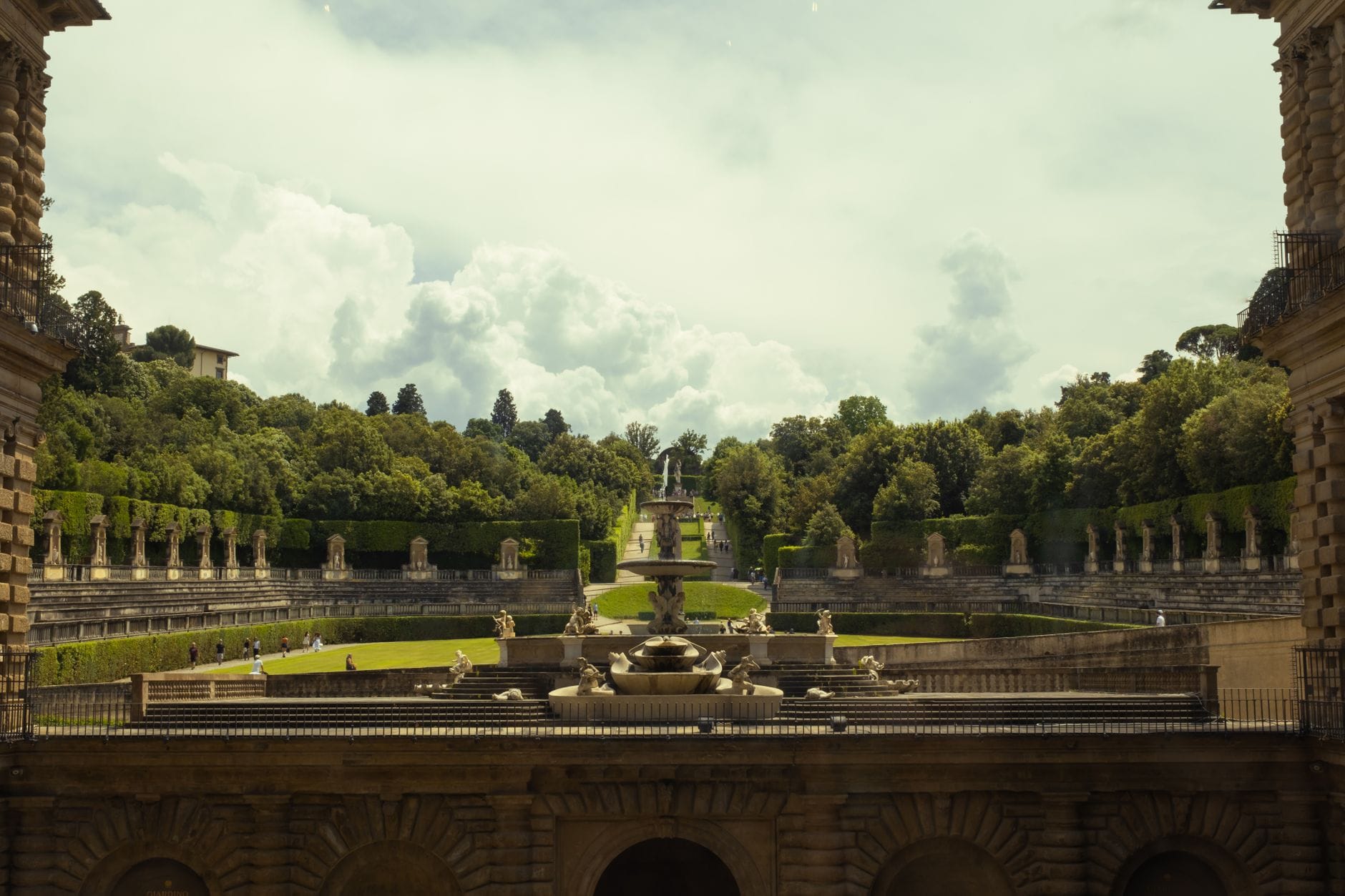
Some of Florence's well-known attractions have less-visited angles that most tourists skip entirely. The Boboli Gardens' back terraces are almost always empty. The Museo Galileo on the Arno is famous by name but rarely crowded. These are the overlooked sides of recognizable places.
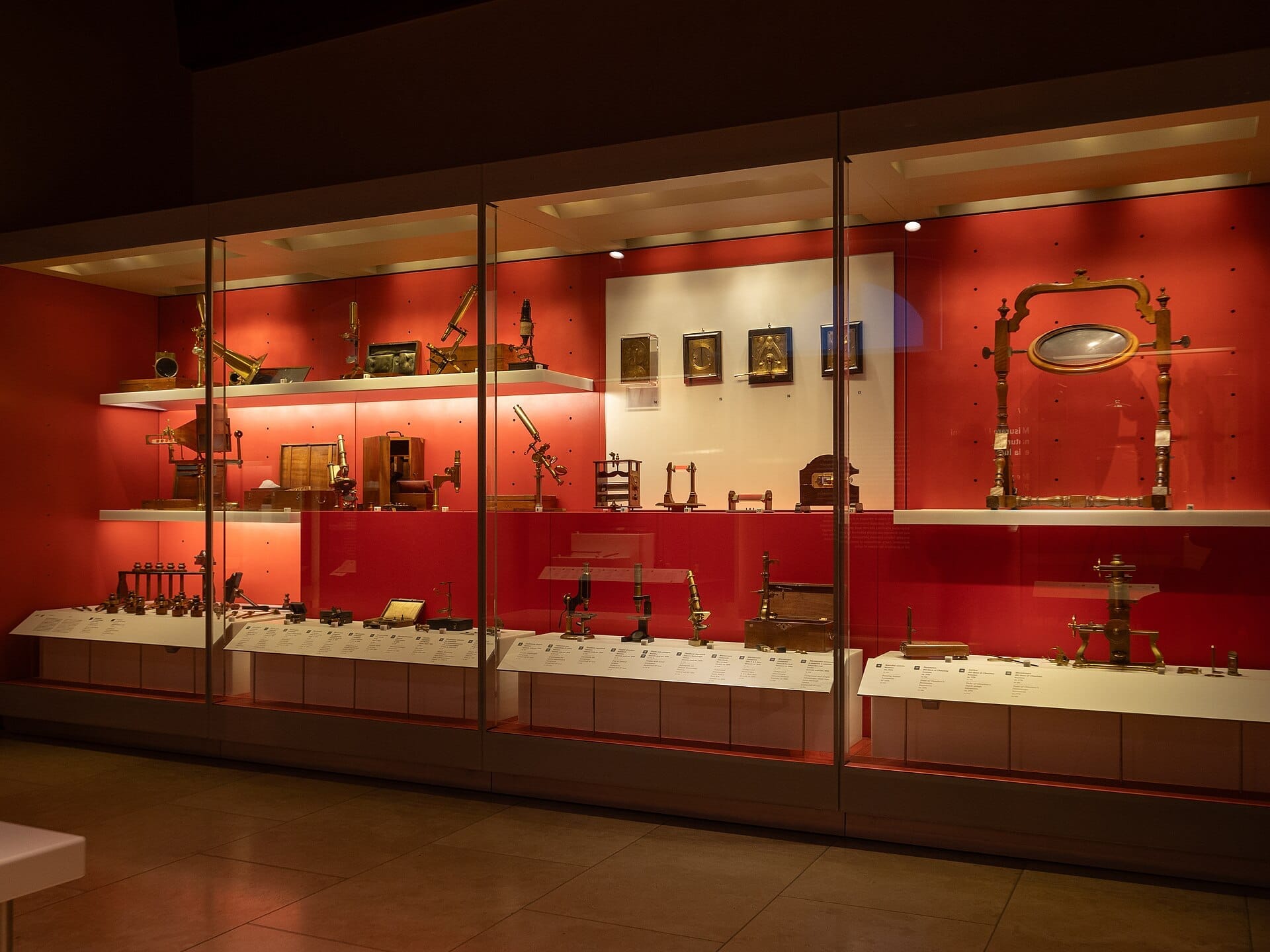
23. See Galileo's Telescopes and His Preserved Middle Finger
Florence was a center of scientific revolution as much as artistic, and this Arno-side museum proves it. Galileo's original telescopes, his actual middle finger in a glass reliquary, and extraordinary Renaissance instruments make this one of Italy's strangest and most fascinating museums.
Explore23. See Galileo's Telescopes and His Preserved Middle Finger
Florence was a center of scientific revolution as much as artistic, and this Arno-side museum proves it. Galileo's original telescopes, his actual middle finger in a glass reliquary, and extraordinary Renaissance instruments make this one of Italy's strangest and most fascinating museums.
Explore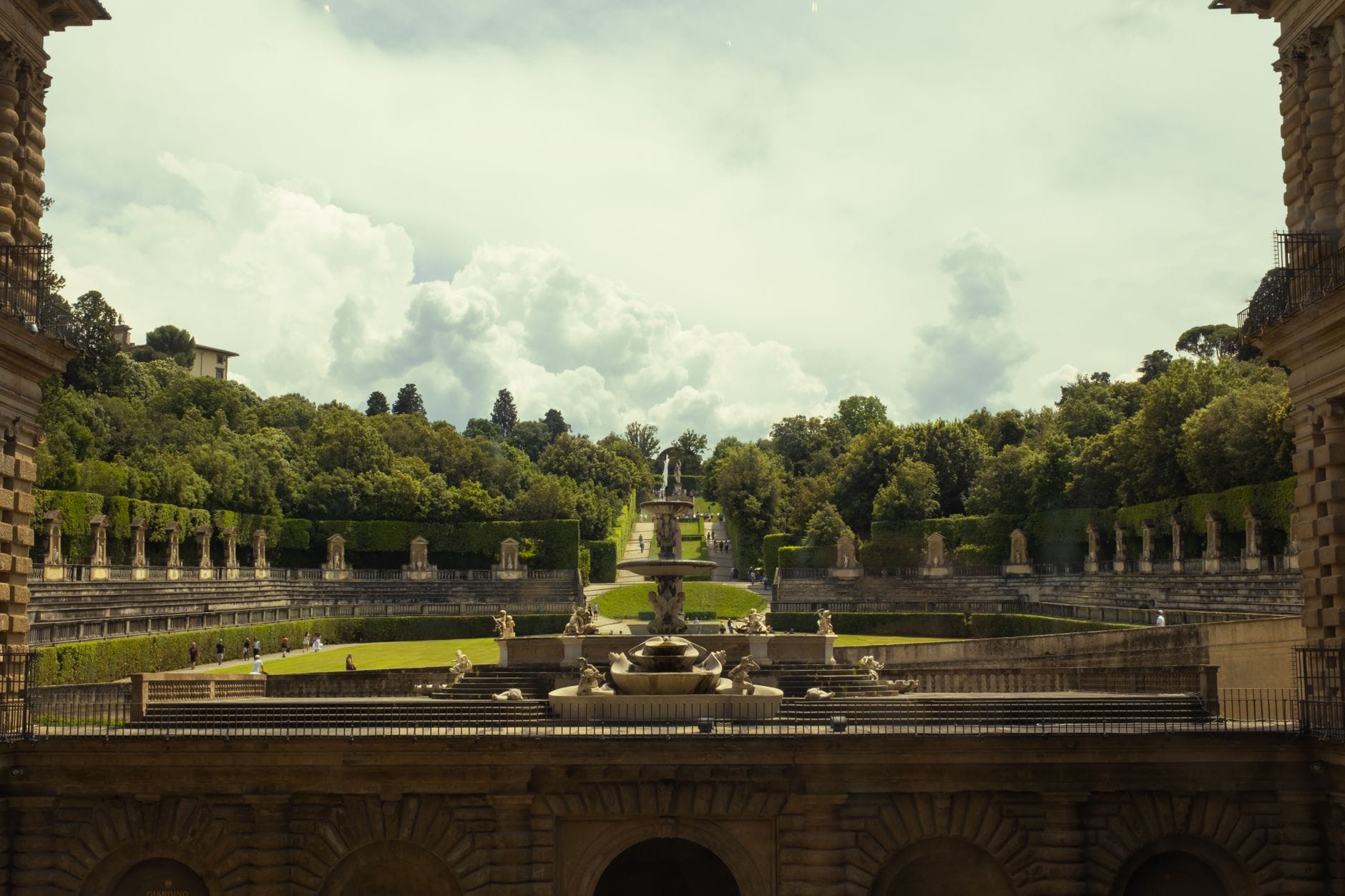
24. Escape the Crowds in Boboli's Upper Terraces and Cypress Alleys
Most visitors to the Boboli Gardens stay near the Pitti Palace entrance. Walk 15 minutes uphill to the cypress alleys, the Kaffeehaus, and the upper terrace with views over Florence and the Tuscan hills. In late afternoon, this part of the garden is nearly empty.
Explore24. Escape the Crowds in Boboli's Upper Terraces and Cypress Alleys
Most visitors to the Boboli Gardens stay near the Pitti Palace entrance. Walk 15 minutes uphill to the cypress alleys, the Kaffeehaus, and the upper terrace with views over Florence and the Tuscan hills. In late afternoon, this part of the garden is nearly empty.
Explore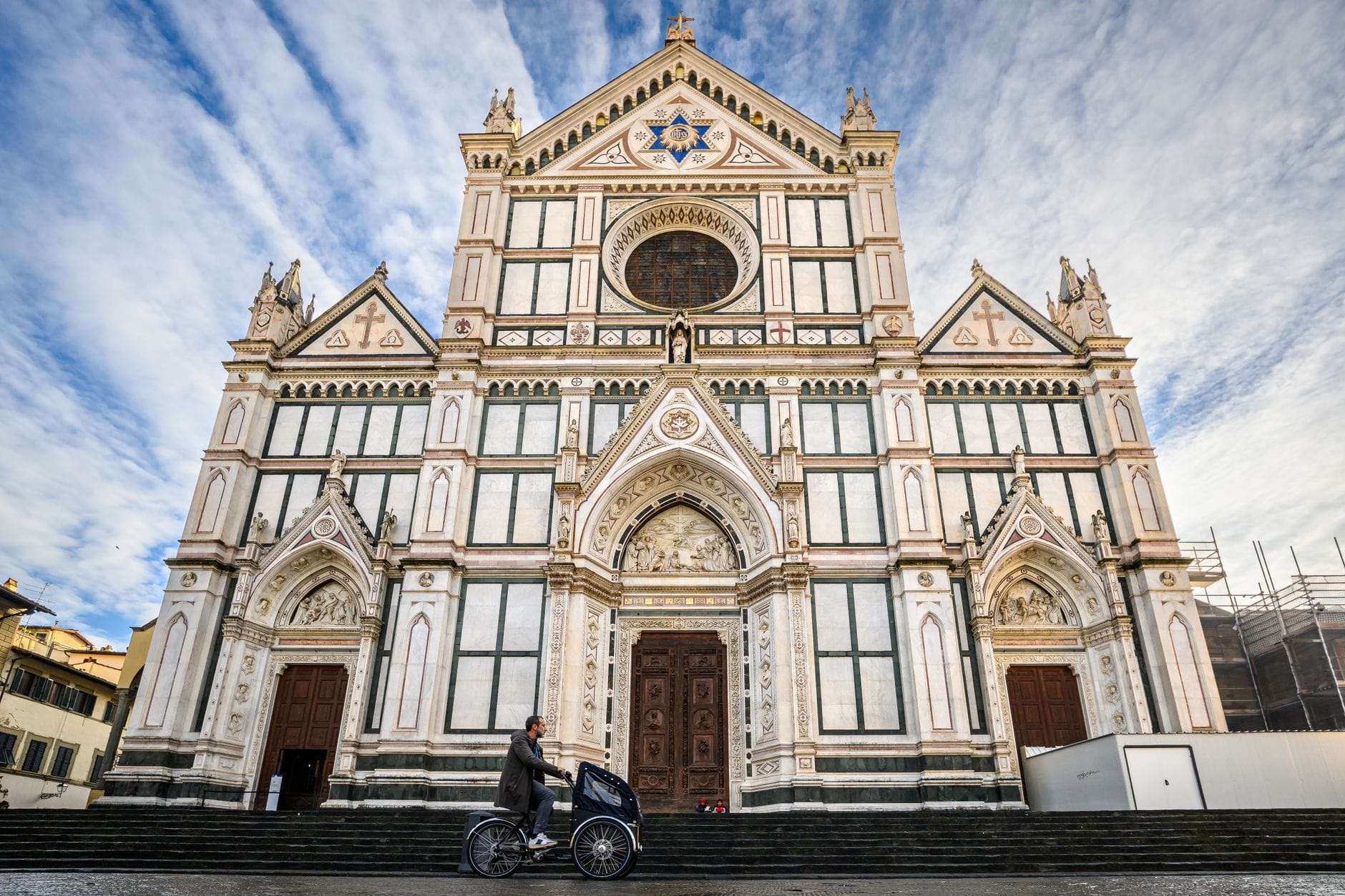
25. Find Giotto's Frescoes and the Pazzi Chapel Beyond the Famous Tombs
Most visitors come for Michelangelo's tomb but leave before seeing Giotto's Bardi and Peruzzi Chapel frescoes or the Pazzi Chapel in the first cloister. Brunelleschi's Pazzi Chapel is one of the purest Renaissance spaces in existence. Budget two hours total.
Explore25. Find Giotto's Frescoes and the Pazzi Chapel Beyond the Famous Tombs
Most visitors come for Michelangelo's tomb but leave before seeing Giotto's Bardi and Peruzzi Chapel frescoes or the Pazzi Chapel in the first cloister. Brunelleschi's Pazzi Chapel is one of the purest Renaissance spaces in existence. Budget two hours total.
Explore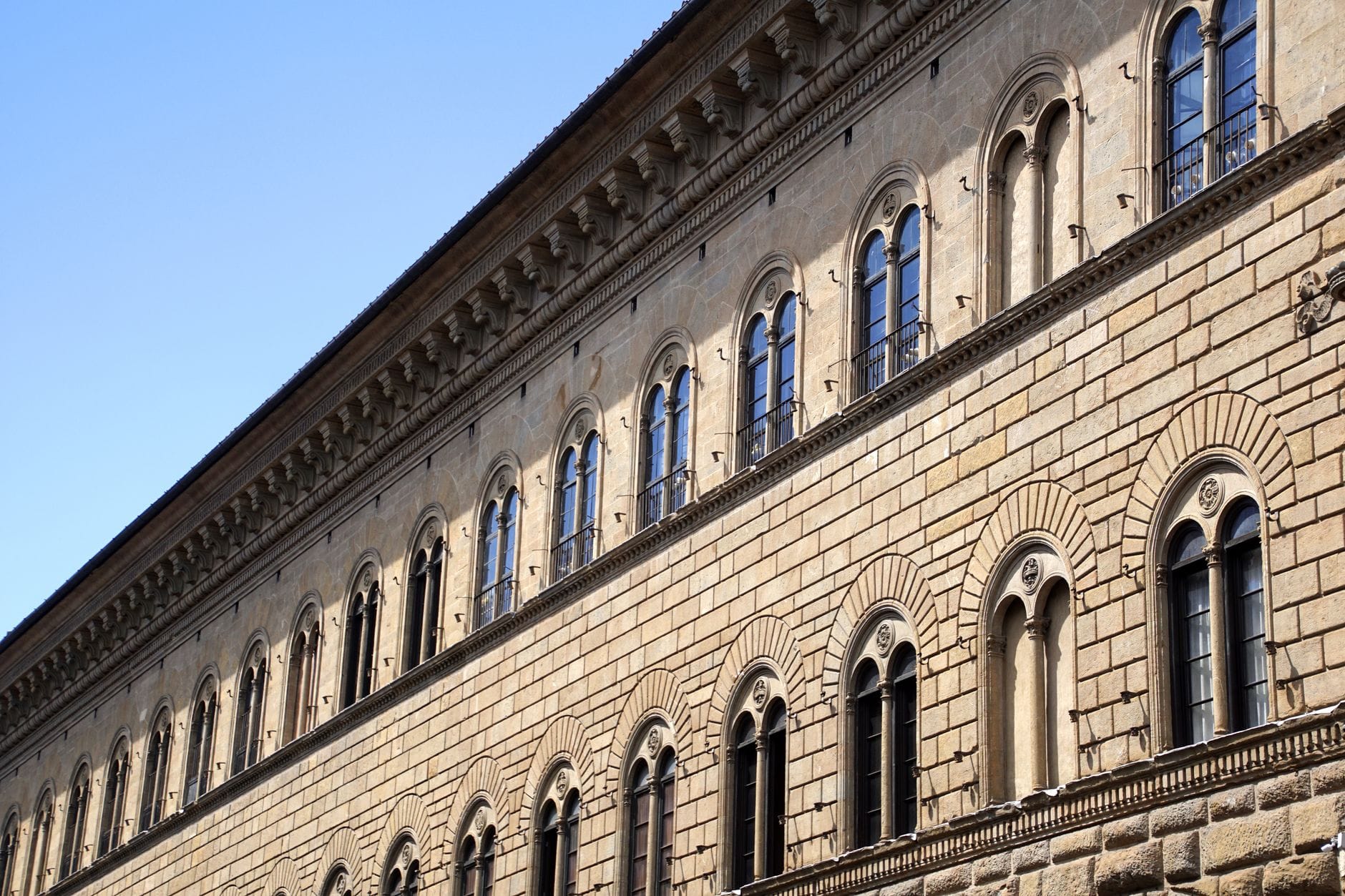
26. Catch a World-Class Temporary Exhibition at Palazzo Strozzi
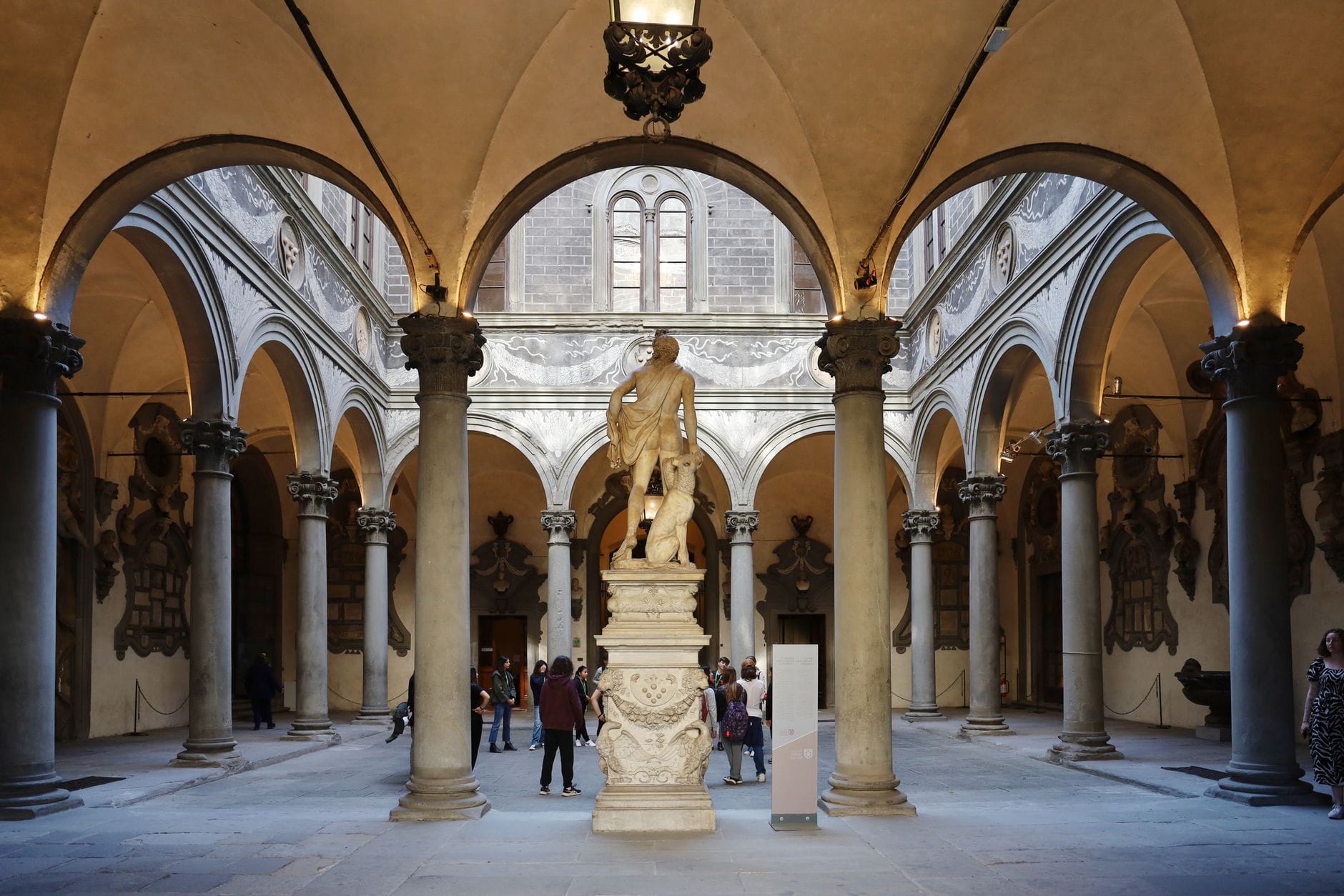
The Strozzi family built this palace to outshine the Medici, and it now hosts Florence's best temporary exhibitions, often drawing major international loans. The courtyard alone is worth a look even without an exhibition. Check what's on before you visit.
Explore26. Catch a World-Class Temporary Exhibition at Palazzo Strozzi
The Strozzi family built this palace to outshine the Medici, and it now hosts Florence's best temporary exhibitions, often drawing major international loans. The courtyard alone is worth a look even without an exhibition. Check what's on before you visit.
Explore💡 Local tip
The Bardini Garden, Giardino delle Rose, and Forte di Belvedere are all within a 20-minute walk of each other in Oltrarno. Combine them into a single hillside morning for the best light and fewest crowds, then descend for lunch in Santo Spirito.
FAQ
What are the least crowded major attractions in Florence?
The Bargello, Convent of San Marco, Cappella Brancacci, Palazzo Davanzati, and Museo Galileo all hold world-class collections and rarely have significant queues. The Medici Chapels and Museo dell'Opera del Duomo are also far quieter than the Uffizi or Accademia despite being equally important.
Is there a free viewpoint in Florence better than Piazzale Michelangelo?
The Giardino delle Rose, just below Piazzale Michelangelo on the hillside, offers a comparable skyline view and is free to enter. The Forte di Belvedere is free when it hosts exhibitions, and the Bardini Garden's upper terrace is considered by many photographers to have the finest Duomo framing in the city.
Which hidden gems in Florence are free to visit?
The Giardino delle Rose, Piazza della Santissima Annunziata, the Basilica di Santo Spirito interior, the San Lorenzo Market, Florence's wine windows, and the Arno River Walk (Lungarni) all cost nothing. San Miniato al Monte is free to enter, though a small donation is appreciated.
How far is Fiesole from Florence and is it easy to reach?
Fiesole is about 8km northeast of central Florence and reachable in around 20-25 minutes on bus line 7 from Piazza San Marco. It makes an easy half-day trip and is much less visited than the Tuscan hill towns that require a car or organized tour.
When is the best time to visit Florence's hidden gems?
April to June and September to October offer the best balance of pleasant temperatures and manageable crowds. May is ideal for garden visits, especially the Bardini Garden when its wisteria blooms. Winter (November to February) is the quietest period for museums, with shorter queues and lower prices, though some gardens have reduced hours.
Tickets & tours
Live prices and dates from our booking partner. If you book, we may earn a commission at no extra cost to you.
Planning a trip? Discover personalized activities with the Nomado app.