Best Churches in Florence: A Complete Guide to the City's Sacred Architecture
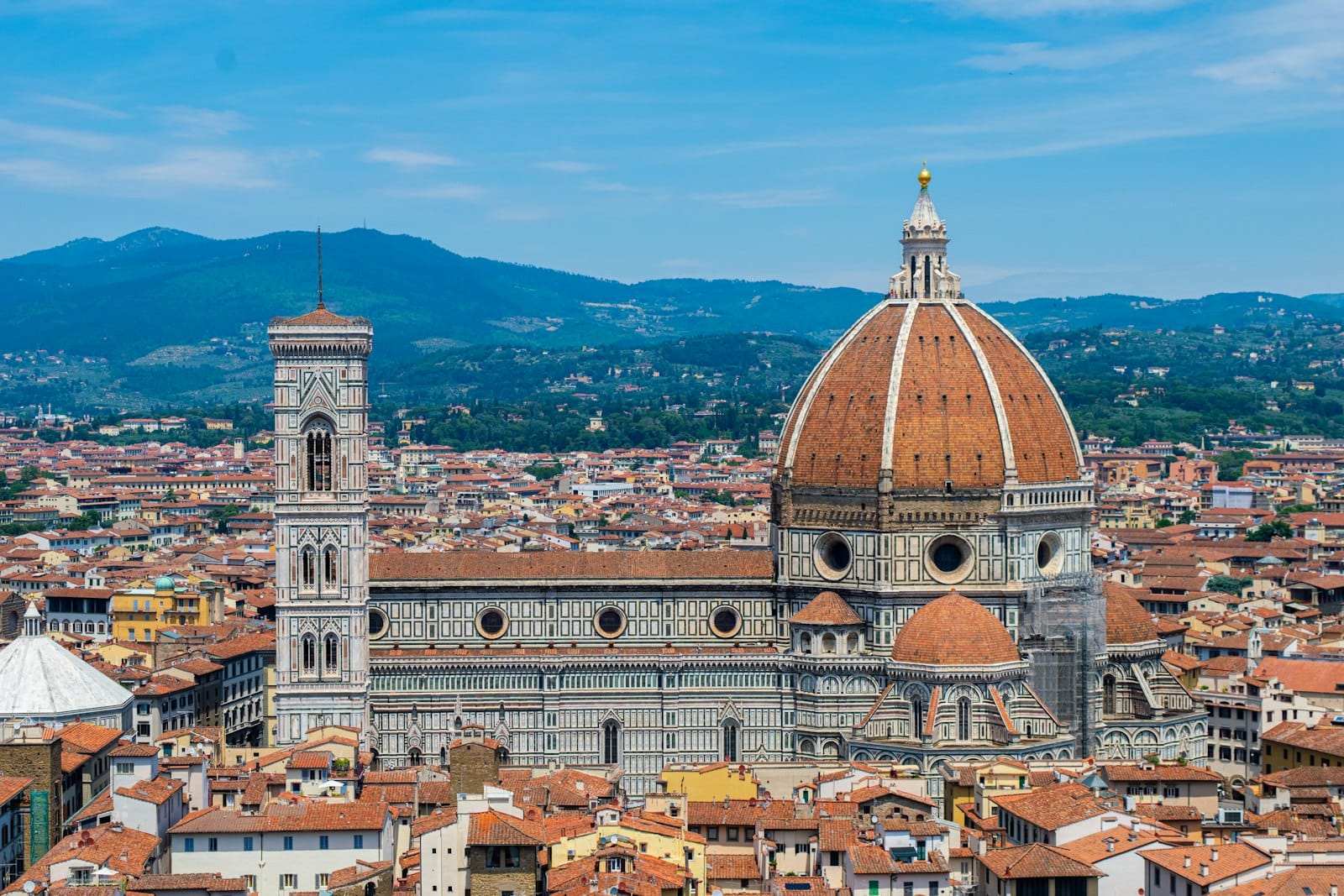
Florence's churches are not mere places of worship — they are the greatest concentration of Renaissance art and architecture on earth. This guide covers the essential basilicas, chapels, and hilltop sanctuaries, with practical details on tickets, timing, and what makes each one worth your time.
Tickets & tours
Live prices and dates from our booking partner. If you book, we may earn a commission at no extra cost to you.
Florence has more significant churches per square kilometre than almost any city in the world. Many are free to enter as places of worship, but the frescoes, domes, cloisters, and chapels inside often require paid tickets. Plan accordingly: athree-day itinerarycan comfortably cover the main basilicas if you book ahead for the Duomo complex and the Brancacci Chapel. For context on how the churches fit into the broader art landscape, thebest museums in Florenceguide covers the adjoining convents and museum spaces that share the same buildings.
💡 Local tip
Dress code is strictly enforced at all Florentine churches: covered shoulders and knees are required. Carry a scarf. Tourist access is also restricted during Mass, especially at the Duomo and Santa Croce.
The Duomo Complex: Florence's Sacred Heart
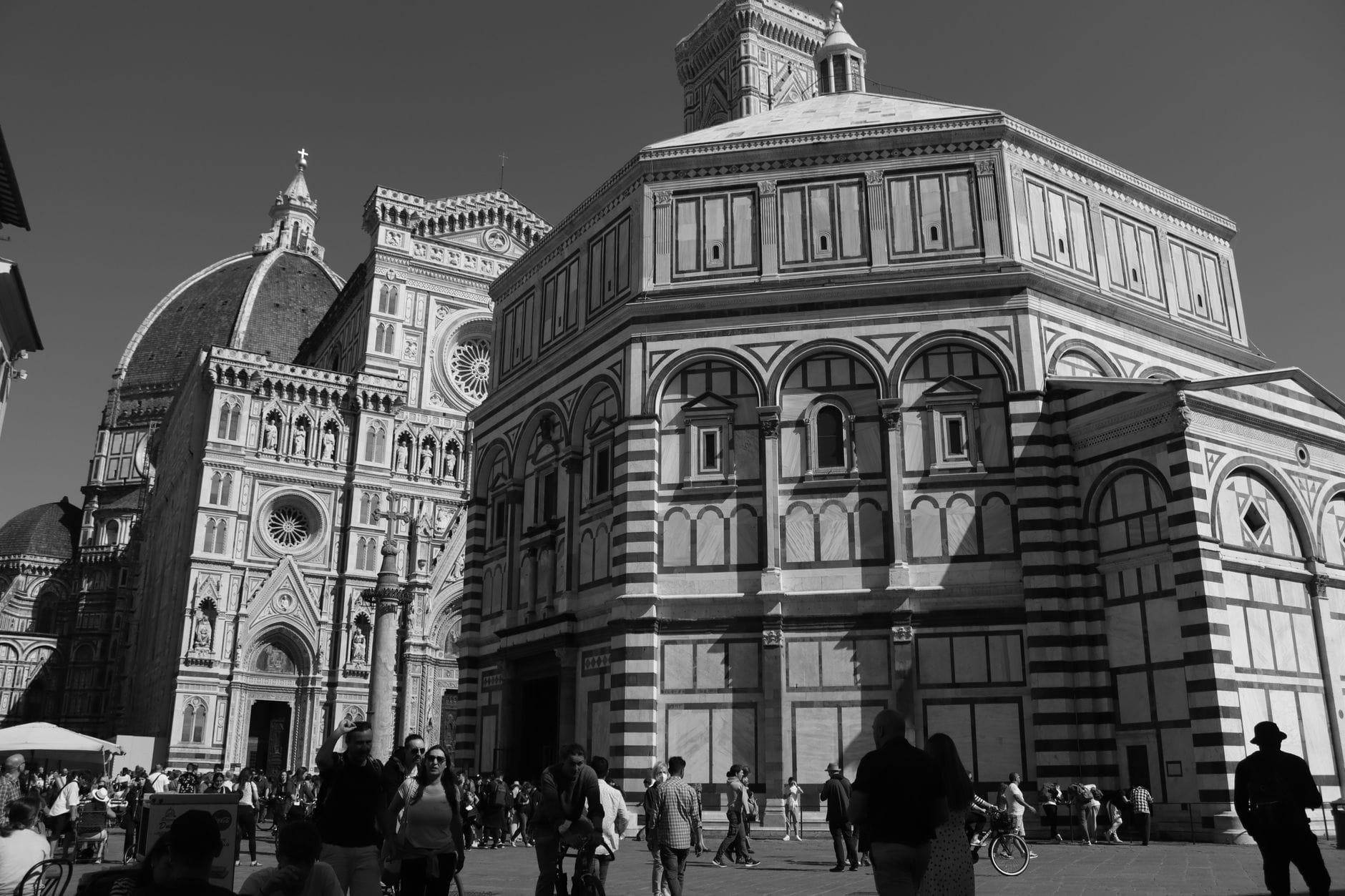
The cluster of buildings around Piazza del Duomo forms the most architecturally ambitious religious complex in Italy. The cathedral itself, the Baptistery, Giotto's bell tower, and the Cathedral Museum are all covered by a single Brunelleschi Passce in summer. TheCentro Storiconeighbourhood puts all four within a five-minute walk of each other.
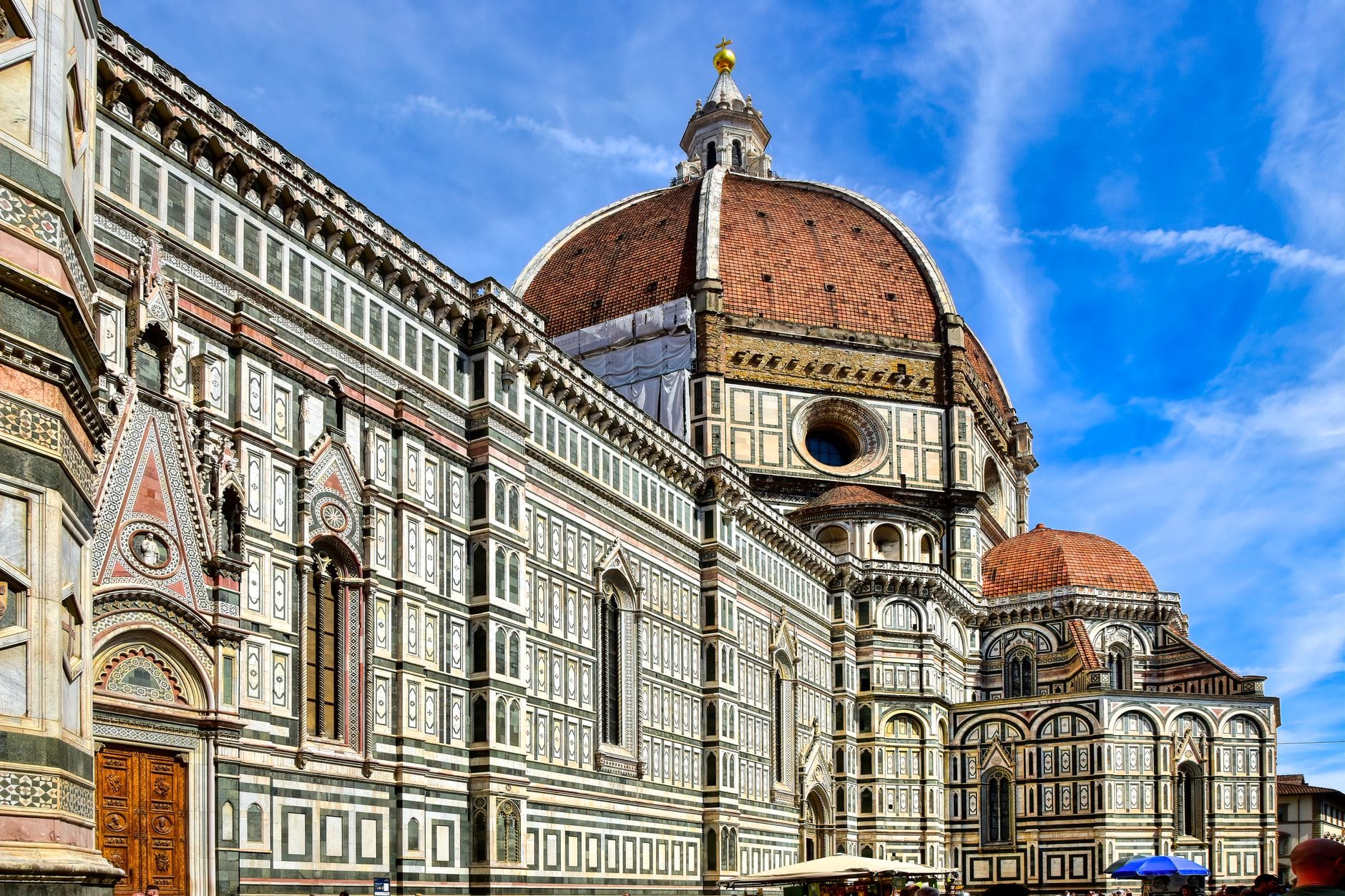
1. Stand Inside the Greatest Dome Ever Built
The cathedral nave is free to enter, but the real experience is the Brunelleschi Pass, which gives access to the dome, Baptistery, bell tower, and museum. Entry to the nave alone shows you the scale; the full complex shows you the genius.
Explore1. Stand Inside the Greatest Dome Ever Built
The cathedral nave is free to enter, but the real experience is the Brunelleschi Pass, which gives access to the dome, Baptistery, bell tower, and museum. Entry to the nave alone shows you the scale; the full complex shows you the genius.
Explore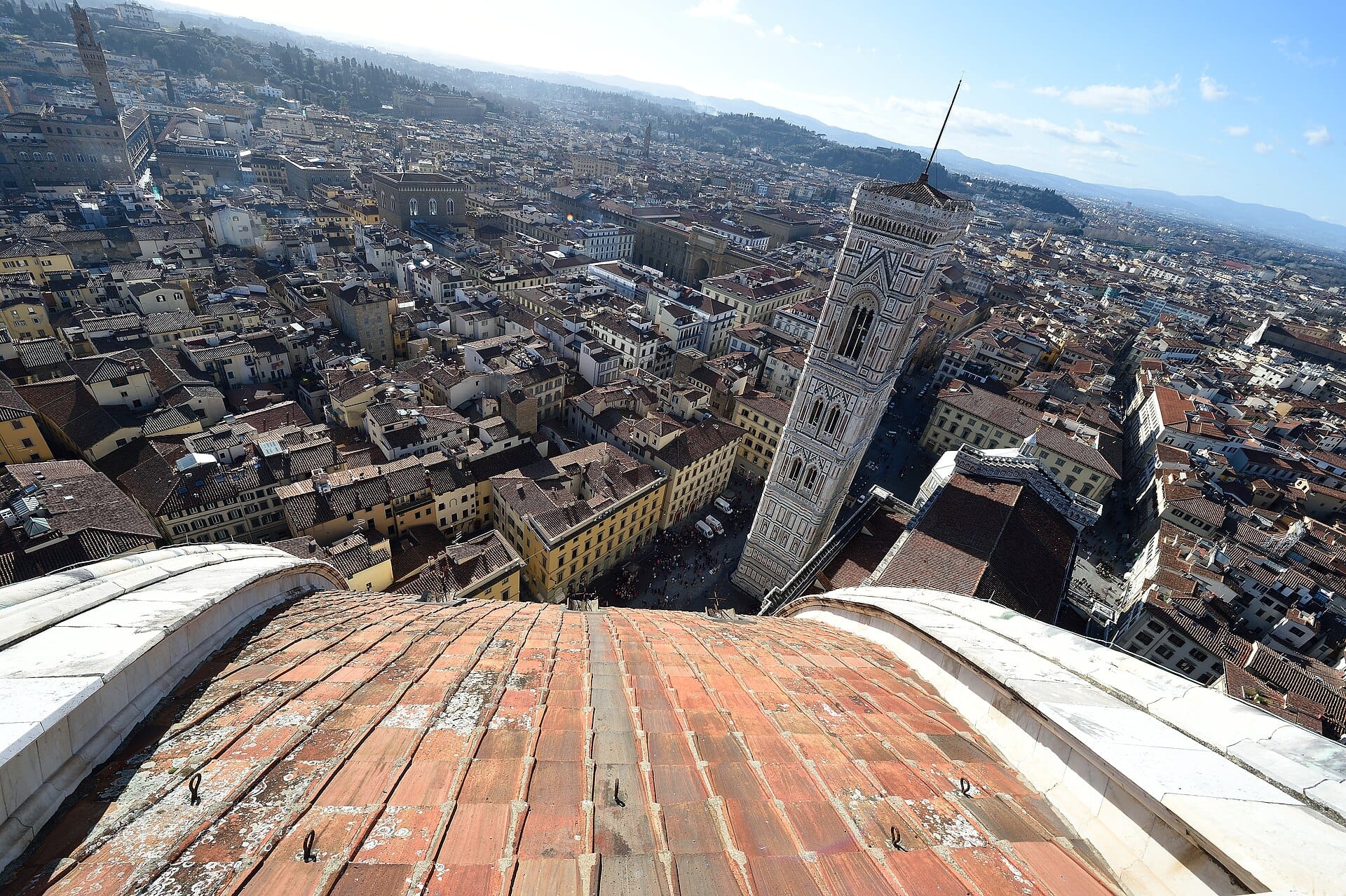
2. Climb Brunelleschi's Dome for Vasari's Frescoes and the City Panorama
The 463-step climb passes between the inner and outer shells of the dome, bringing you face-to-face with Vasari's Last Judgment frescoes before emerging onto the lantern terrace. Book at least three days ahead in peak season.
Explore2. Climb Brunelleschi's Dome for Vasari's Frescoes and the City Panorama
The 463-step climb passes between the inner and outer shells of the dome, bringing you face-to-face with Vasari's Last Judgment frescoes before emerging onto the lantern terrace. Book at least three days ahead in peak season.
Explore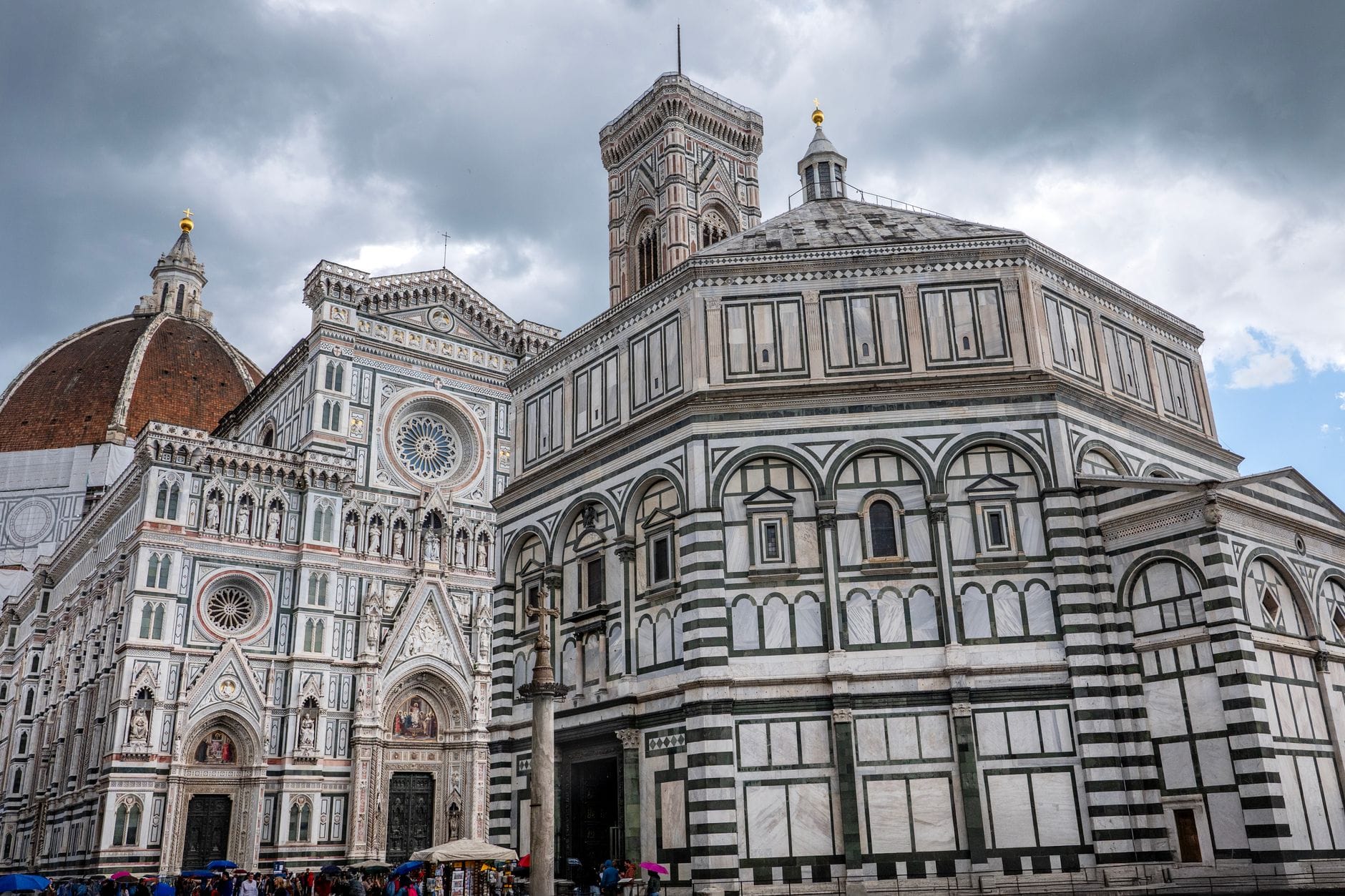
3. See Ghiberti's Gates of Paradise at the Baptistery
The octagonal Baptistery is one of Florence's oldest buildings. Ghiberti's gilded east doors — ten panels depicting Old Testament scenes — so impressed Michelangelo he declared them worthy of heaven. The originals are in the Cathedral Museum.
Explore3. See Ghiberti's Gates of Paradise at the Baptistery
The octagonal Baptistery is one of Florence's oldest buildings. Ghiberti's gilded east doors — ten panels depicting Old Testament scenes — so impressed Michelangelo he declared them worthy of heaven. The originals are in the Cathedral Museum.
Explore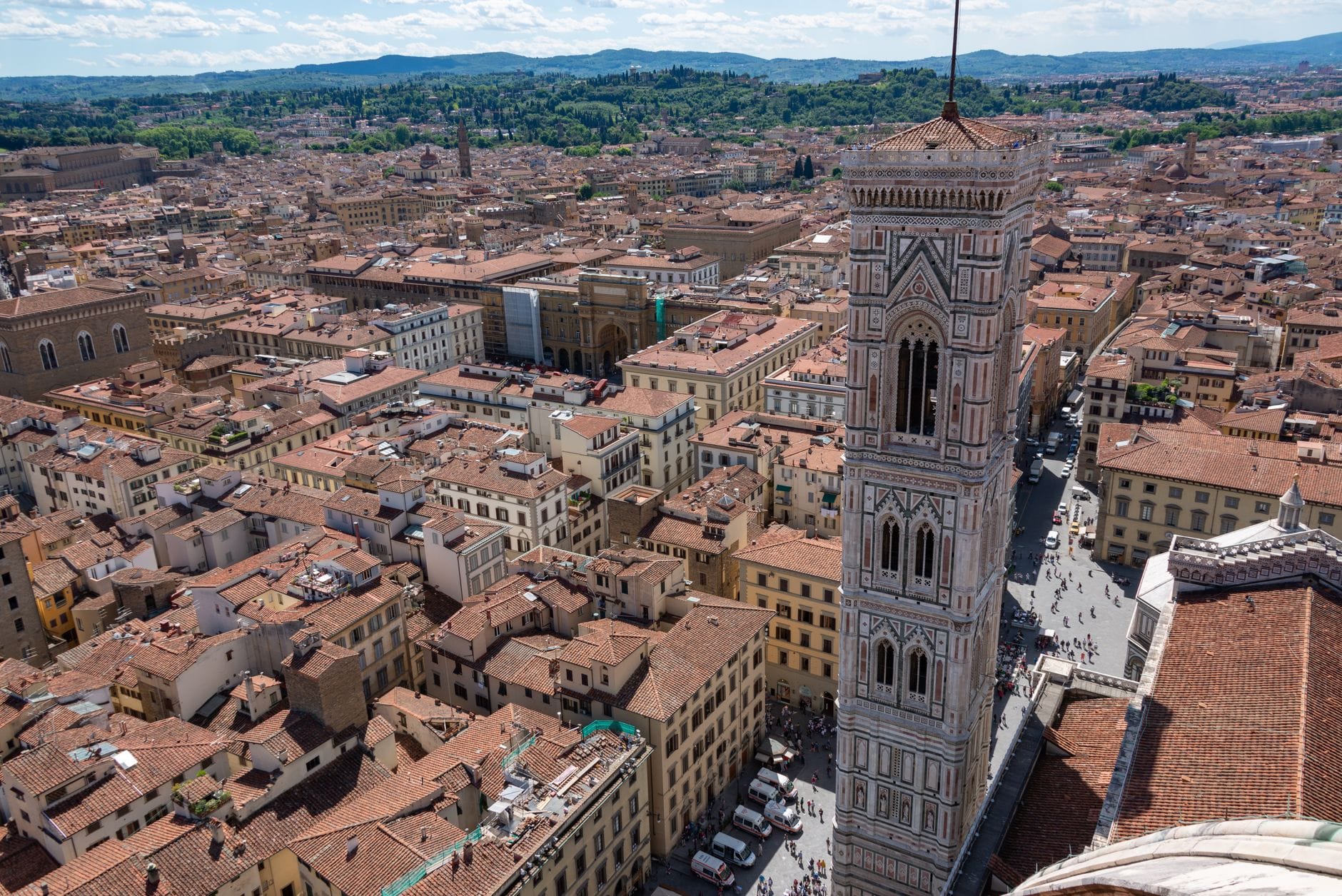
4. Climb Giotto's Campanile for the Best View of the Dome
From the bell tower's open terrace at 84 metres, you look directly across at Brunelleschi's dome at eye level — the best angle for appreciating its scale. The 414-step climb is steep but the views over the city rooftops are exceptional.
Explore4. Climb Giotto's Campanile for the Best View of the Dome
From the bell tower's open terrace at 84 metres, you look directly across at Brunelleschi's dome at eye level — the best angle for appreciating its scale. The 414-step climb is steep but the views over the city rooftops are exceptional.
Explore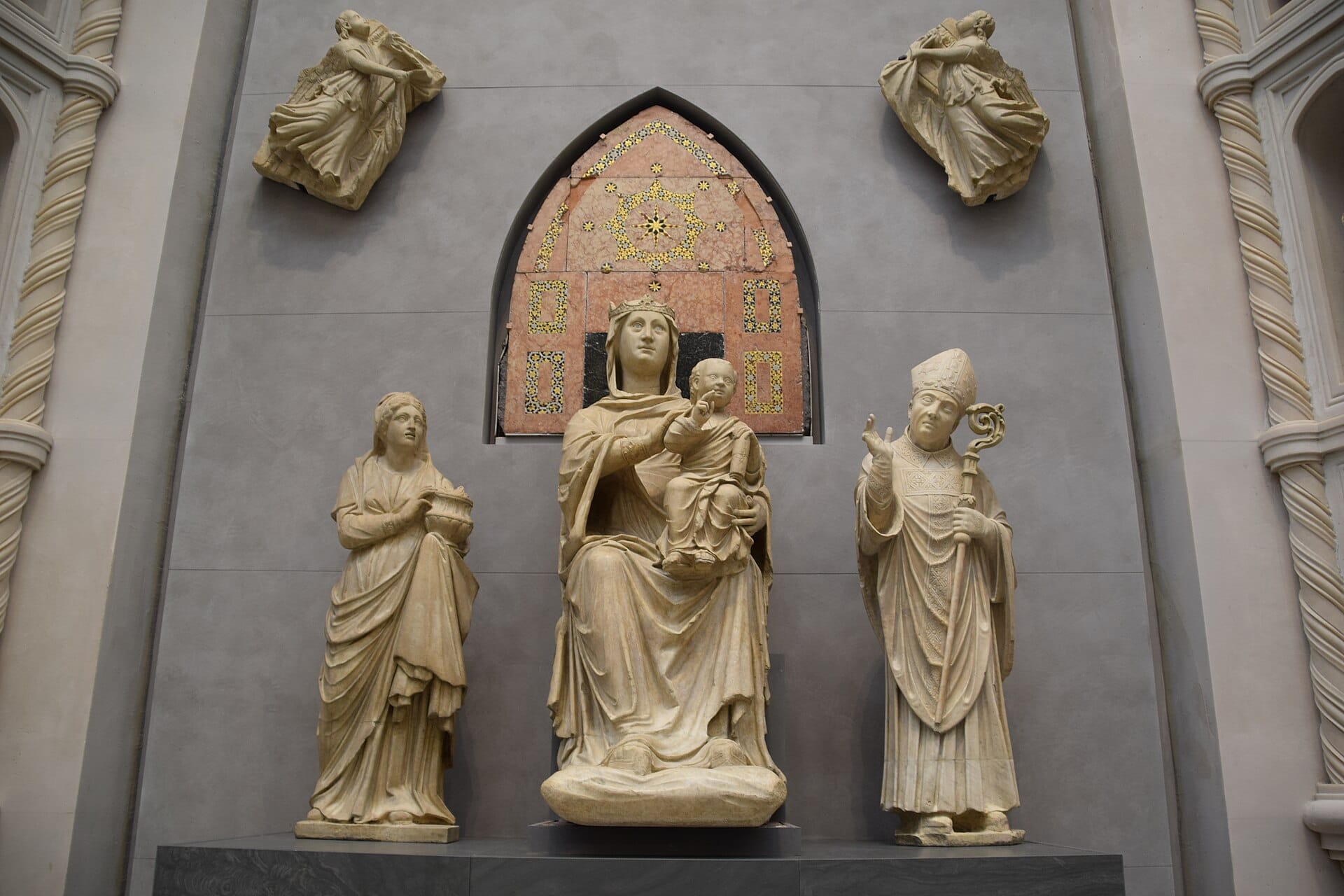
5. See the Original Gates of Paradise and Michelangelo's Pietà at the Cathedral Museum
The renovated Cathedral Museum holds the originals of Ghiberti's bronze panels, Donatello's haunting wooden Mary Magdalene, and Michelangelo's late Bandini Pietà. Often overlooked, it is one of Florence's strongest sculpture collections.
Explore5. See the Original Gates of Paradise and Michelangelo's Pietà at the Cathedral Museum
The renovated Cathedral Museum holds the originals of Ghiberti's bronze panels, Donatello's haunting wooden Mary Magdalene, and Michelangelo's late Bandini Pietà. Often overlooked, it is one of Florence's strongest sculpture collections.
ExploreThe Great Basilicas: Art History on a Grand Scale
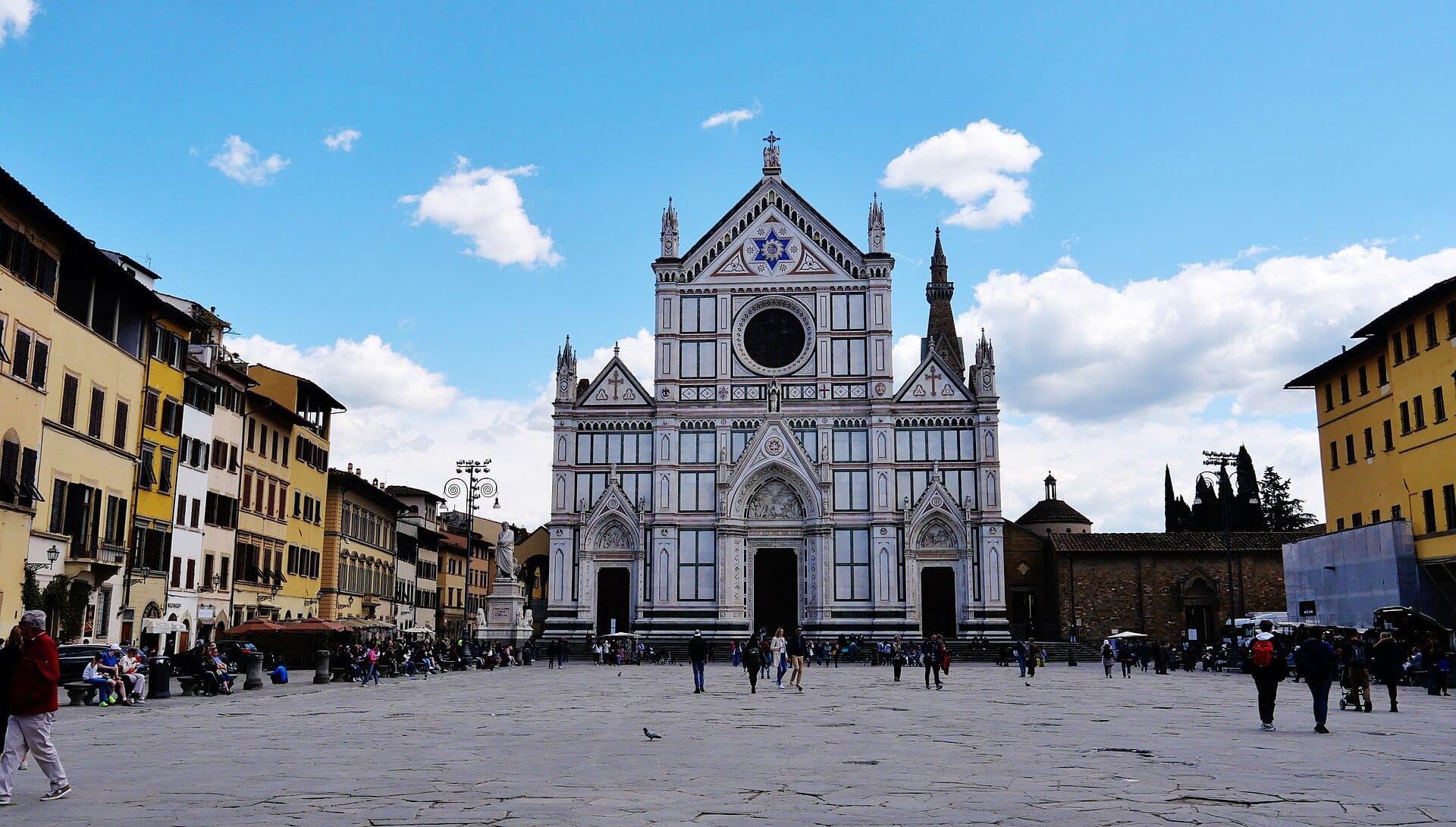
Florence's three major basilicas — Santa Croce, Santa Maria Novella, and San Lorenzo — are each the size of small cathedrals and contain enough art to fill a museum. Santa Croce is in theSanta Croce neighbourhoodto the east; Santa Maria Novella sits opposite the main train station in theSanta Maria Novella district; San Lorenzo is a short walk north of the Duomo. All charge admission for the full complex, and Sunday hours are often reduced for tourist visits.
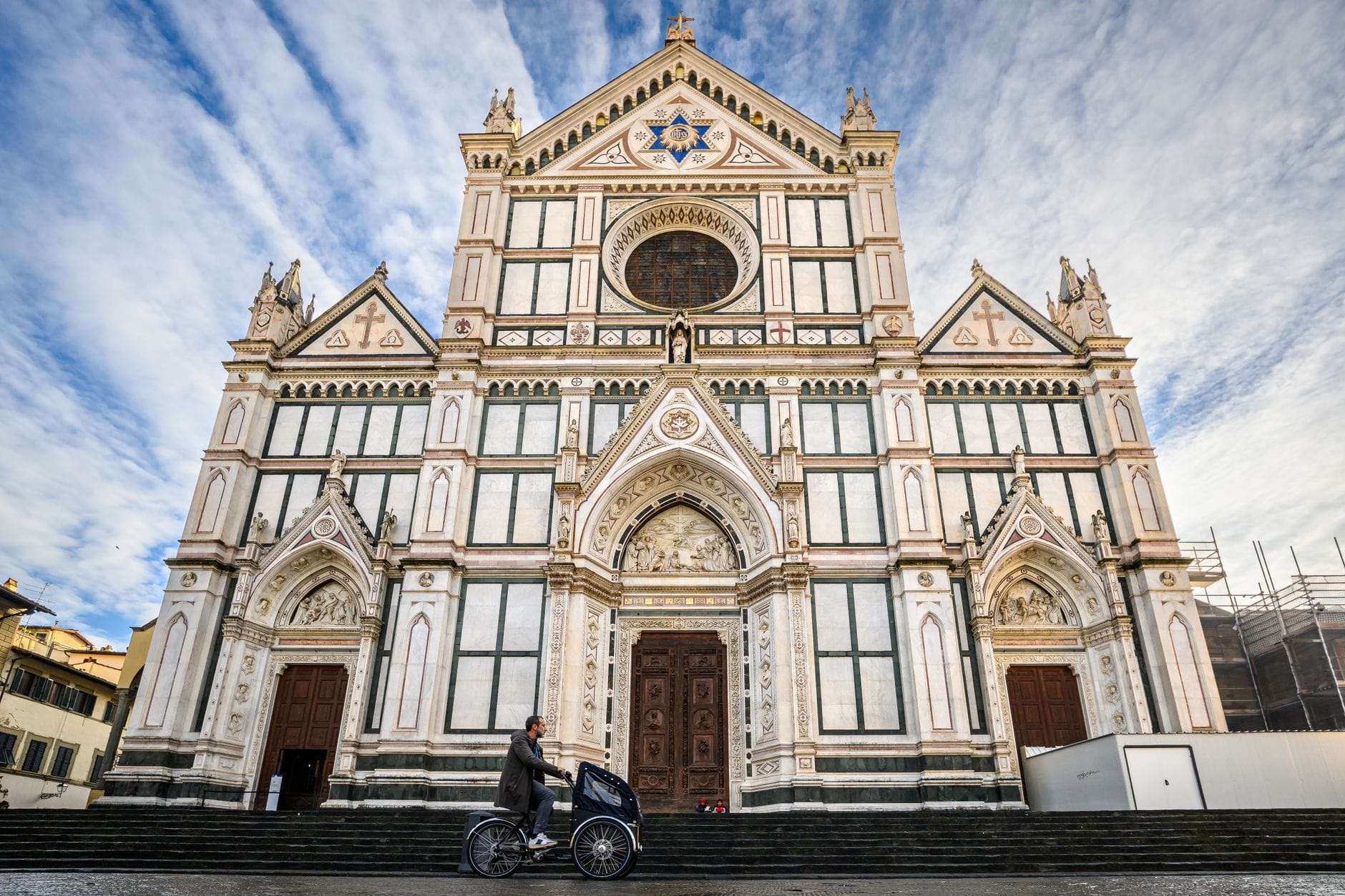
6. Pay Respects to Michelangelo, Galileo, and Dante at Santa Croce
Florence's 'Temple of Italian Glories' contains around 300 tombs and monuments, Giotto's frescoes in the Bardi and Peruzzi chapels, and Brunelleschi's perfect Pazzi Chapel in the cloister. Tickets around €8; closed Sunday mornings.
Explore6. Pay Respects to Michelangelo, Galileo, and Dante at Santa Croce
Florence's 'Temple of Italian Glories' contains around 300 tombs and monuments, Giotto's frescoes in the Bardi and Peruzzi chapels, and Brunelleschi's perfect Pazzi Chapel in the cloister. Tickets around €8; closed Sunday mornings.
Explore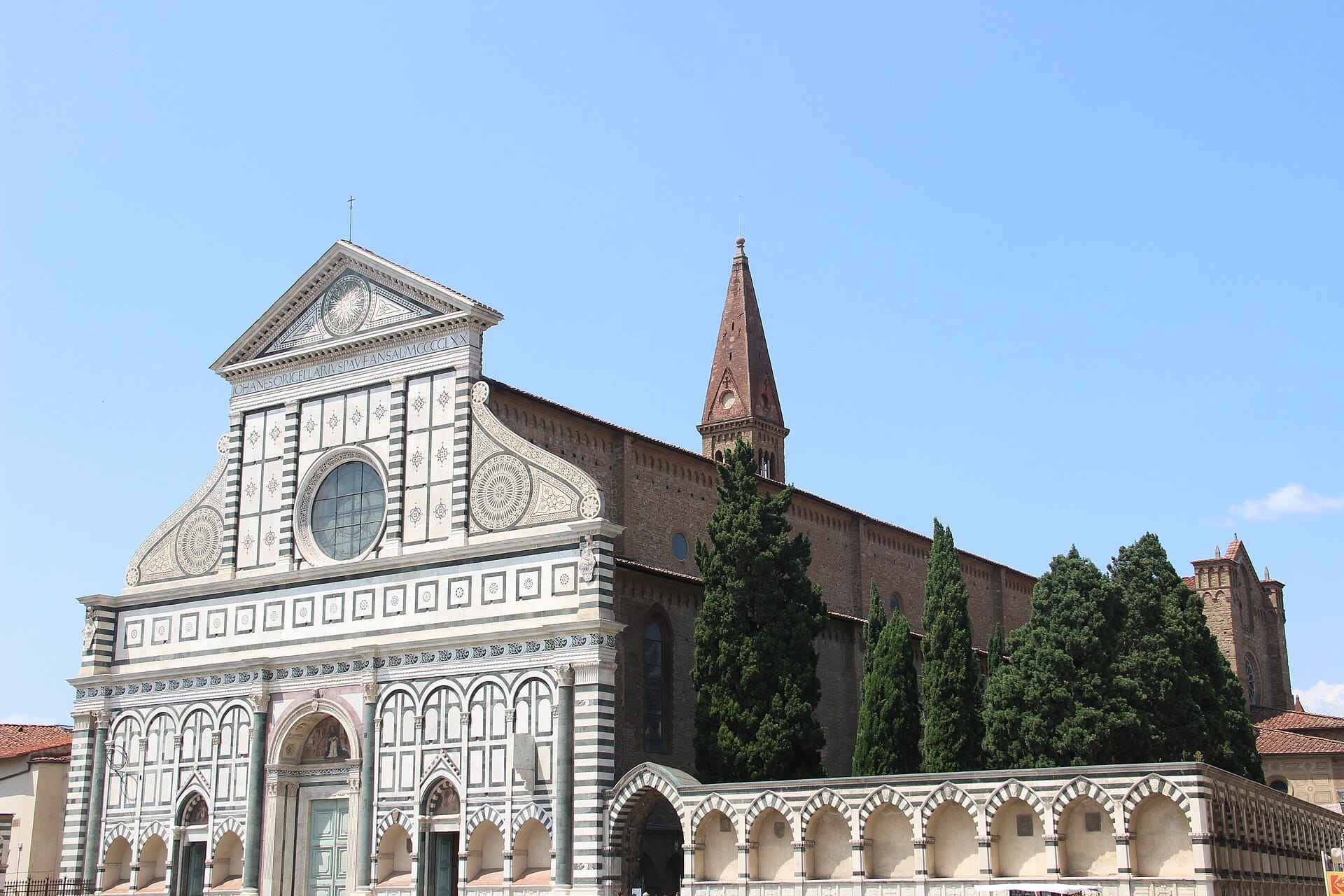
7. Find the First Painting to Use Mathematical Perspective at Santa Maria Novella
Masaccio's Trinity (c. 1427) is on the left nave wall and changed painting forever. The church also holds Ghirlandaio's fresco cycle in the Tornabuoni Chapel and a Giotto crucifix. Priority entry around €17; Fridays open from 11:00 only.
Explore7. Find the First Painting to Use Mathematical Perspective at Santa Maria Novella
Masaccio's Trinity (c. 1427) is on the left nave wall and changed painting forever. The church also holds Ghirlandaio's fresco cycle in the Tornabuoni Chapel and a Giotto crucifix. Priority entry around €17; Fridays open from 11:00 only.
Explore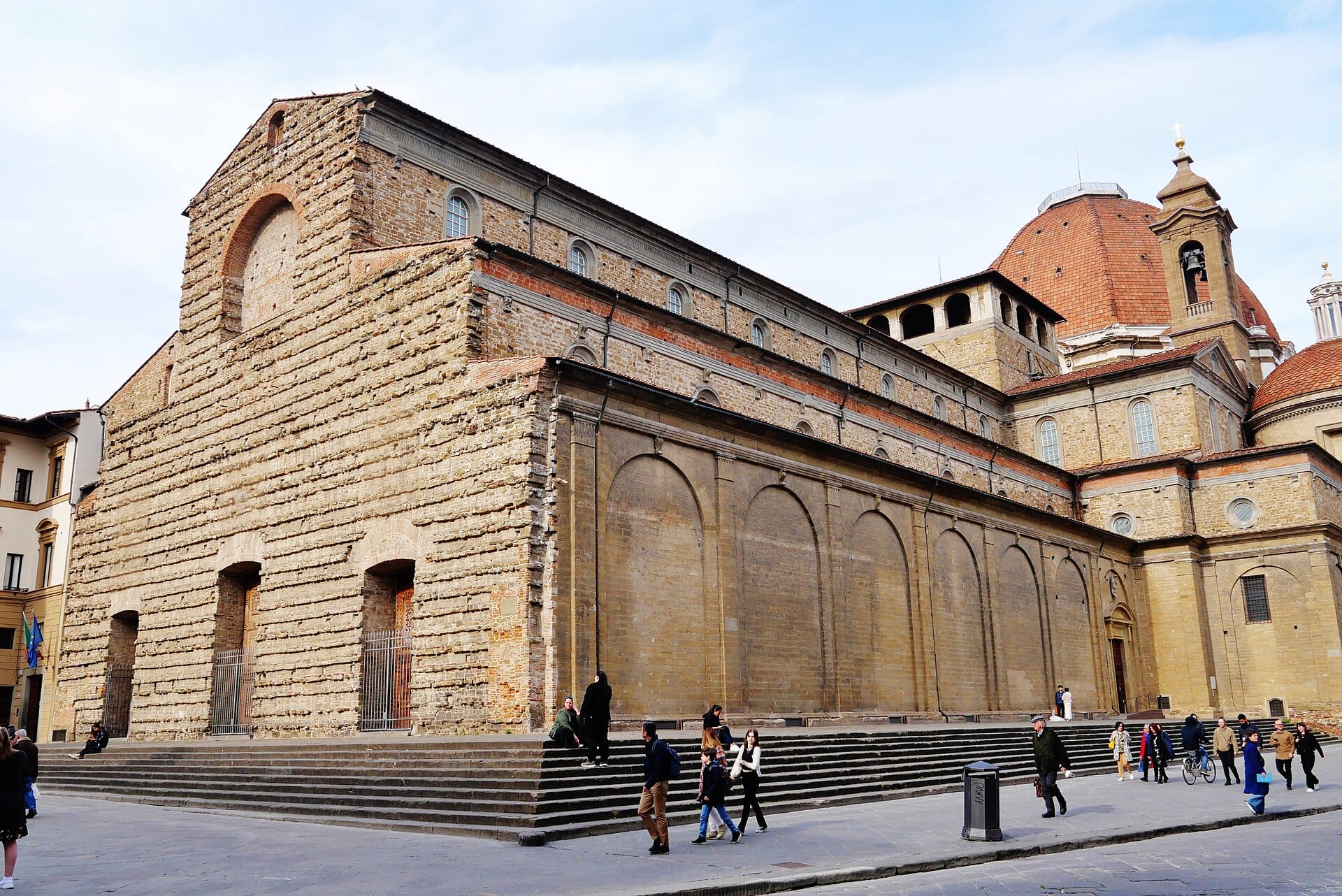
8. Explore the Medici Family's Parish Church by Brunelleschi
San Lorenzo was the Medici's private church, and Brunelleschi's design set the template for Renaissance sacred architecture. The Old Sacristy is one of his finest spaces; the attached Laurentian Library by Michelangelo is separately ticketed.
Explore8. Explore the Medici Family's Parish Church by Brunelleschi
San Lorenzo was the Medici's private church, and Brunelleschi's design set the template for Renaissance sacred architecture. The Old Sacristy is one of his finest spaces; the attached Laurentian Library by Michelangelo is separately ticketed.
Explore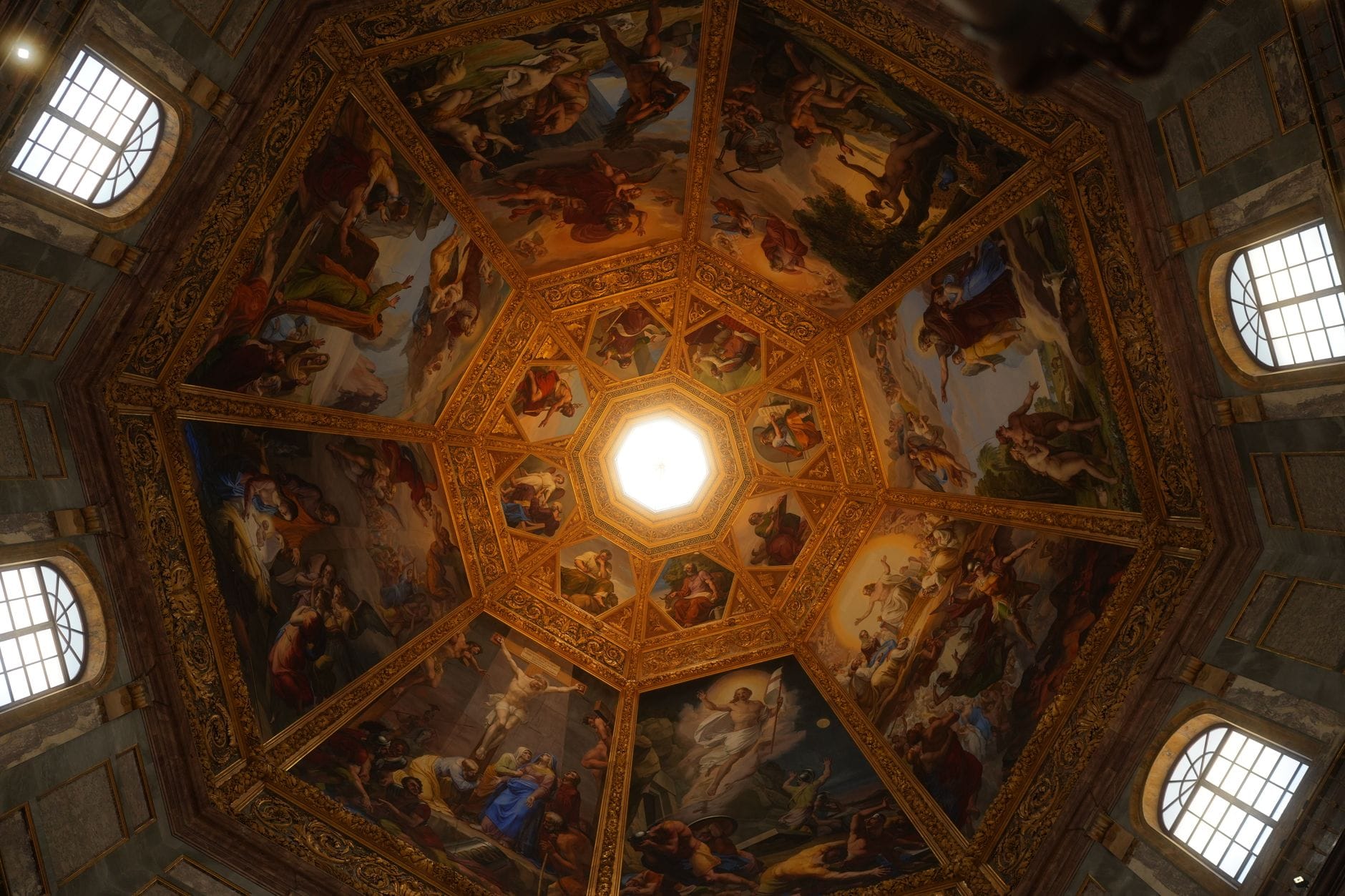
9. See Michelangelo's Dawn, Dusk, Day, and Night in the Medici Chapels
The New Sacristy, designed by Michelangelo as the Medici mausoleum, contains his four allegorical figures reclining on the tombs of Lorenzo and Giuliano. It is among the most concentrated displays of his sculptural genius anywhere.
Explore9. See Michelangelo's Dawn, Dusk, Day, and Night in the Medici Chapels
The New Sacristy, designed by Michelangelo as the Medici mausoleum, contains his four allegorical figures reclining on the tombs of Lorenzo and Giuliano. It is among the most concentrated displays of his sculptural genius anywhere.
ExploreRenaissance Chapels and Frescoes Up Close
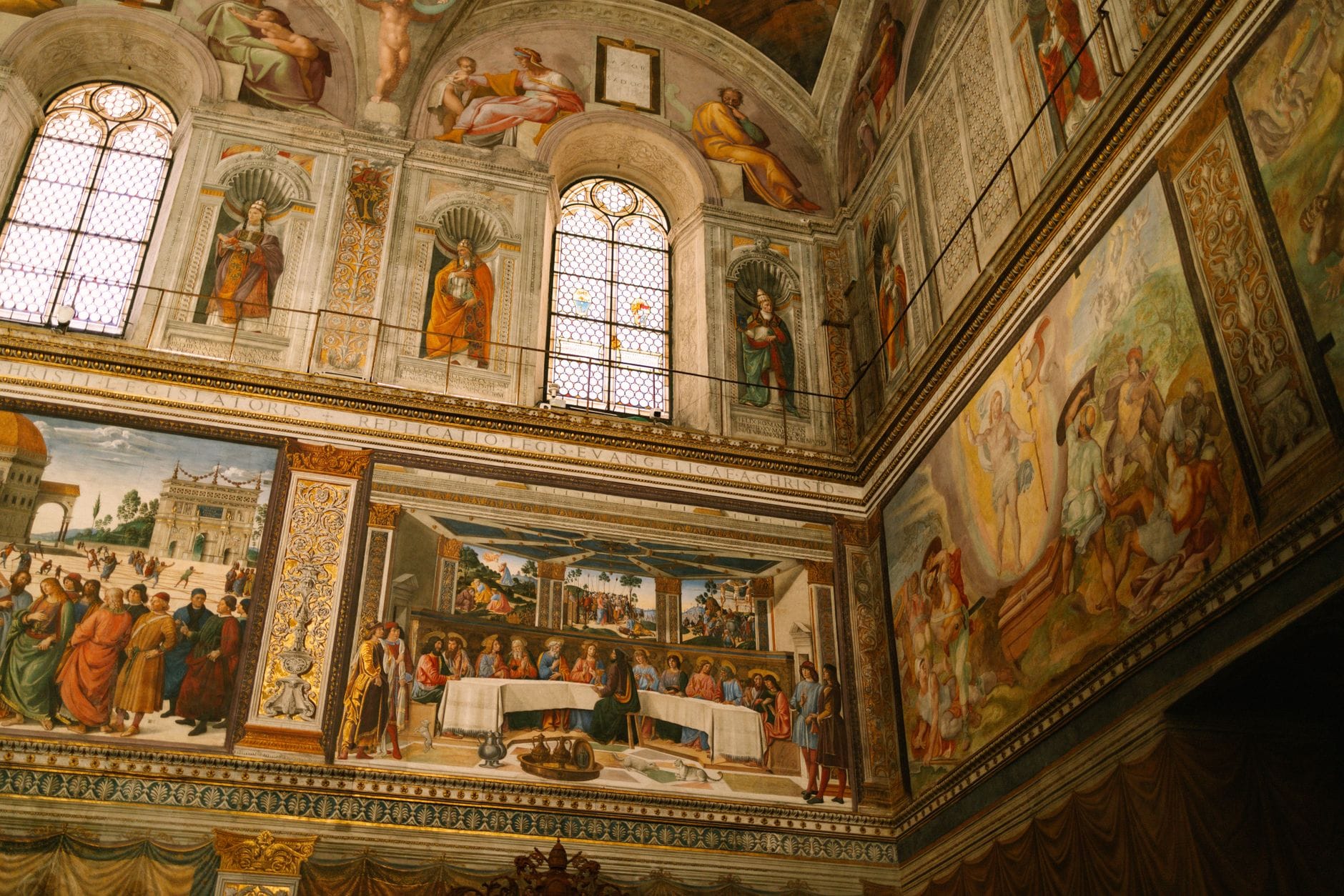
Some of Florence's most important frescoes are found not in the headline basilicas but in smaller chapels that require a dedicated detour. The Brancacci Chapel and the Convent of San Marco are essential stops for anyone serious about Renaissance painting. Both require advance booking. For a focused art itinerary, theMichelangelo in Florenceguide shows how these sites connect.
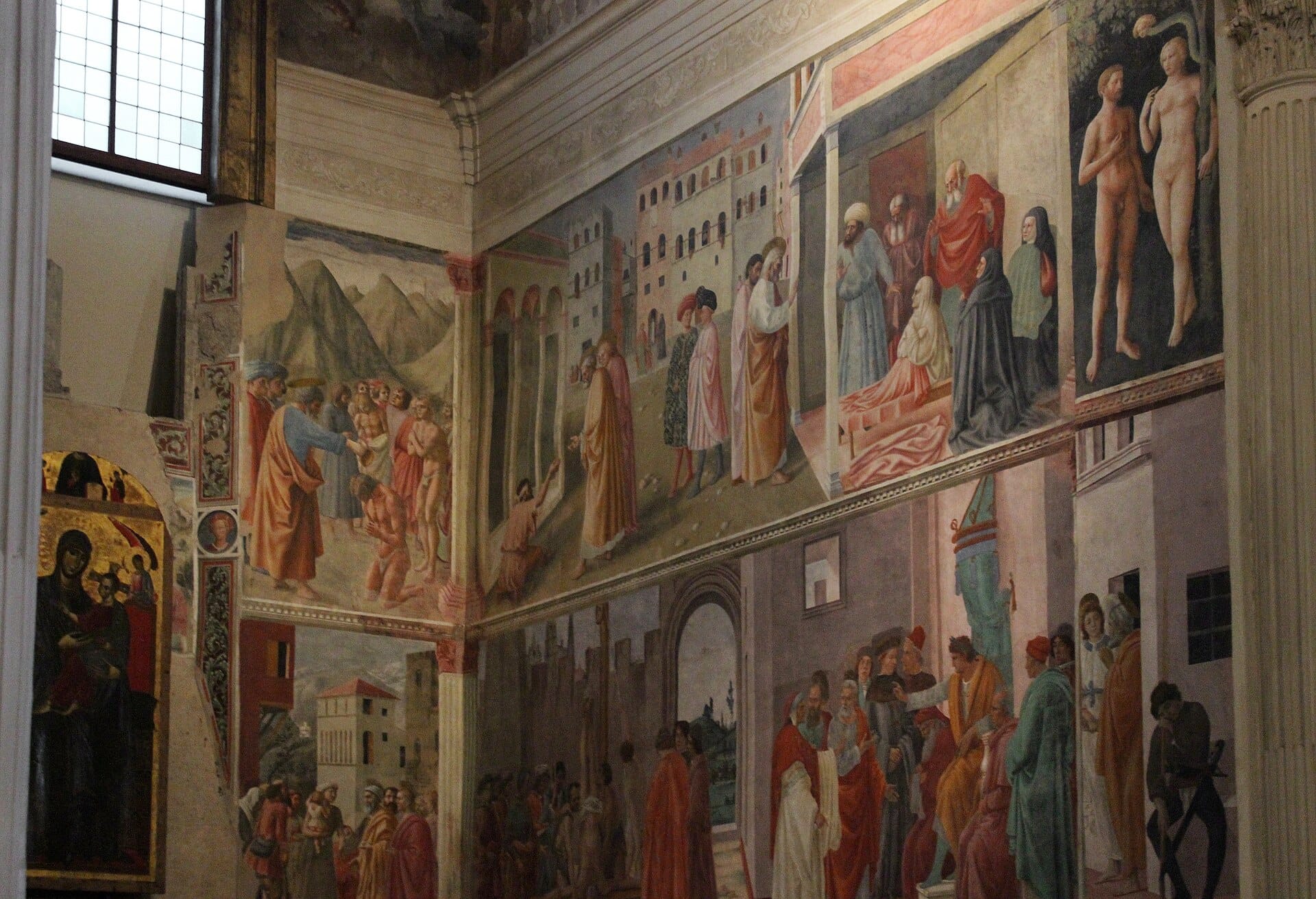
10. Study the Frescoes That Changed Western Art at the Brancacci Chapel
Masaccio's scenes of Adam and Eve and Saint Peter in Santa Maria del Carmine, painted around 1425, introduced naturalistic human figures that broke from the medieval tradition. Michelangelo came here to study them. Entry around €14; closed Tuesdays.
Explore10. Study the Frescoes That Changed Western Art at the Brancacci Chapel
Masaccio's scenes of Adam and Eve and Saint Peter in Santa Maria del Carmine, painted around 1425, introduced naturalistic human figures that broke from the medieval tradition. Michelangelo came here to study them. Entry around €14; closed Tuesdays.
Explore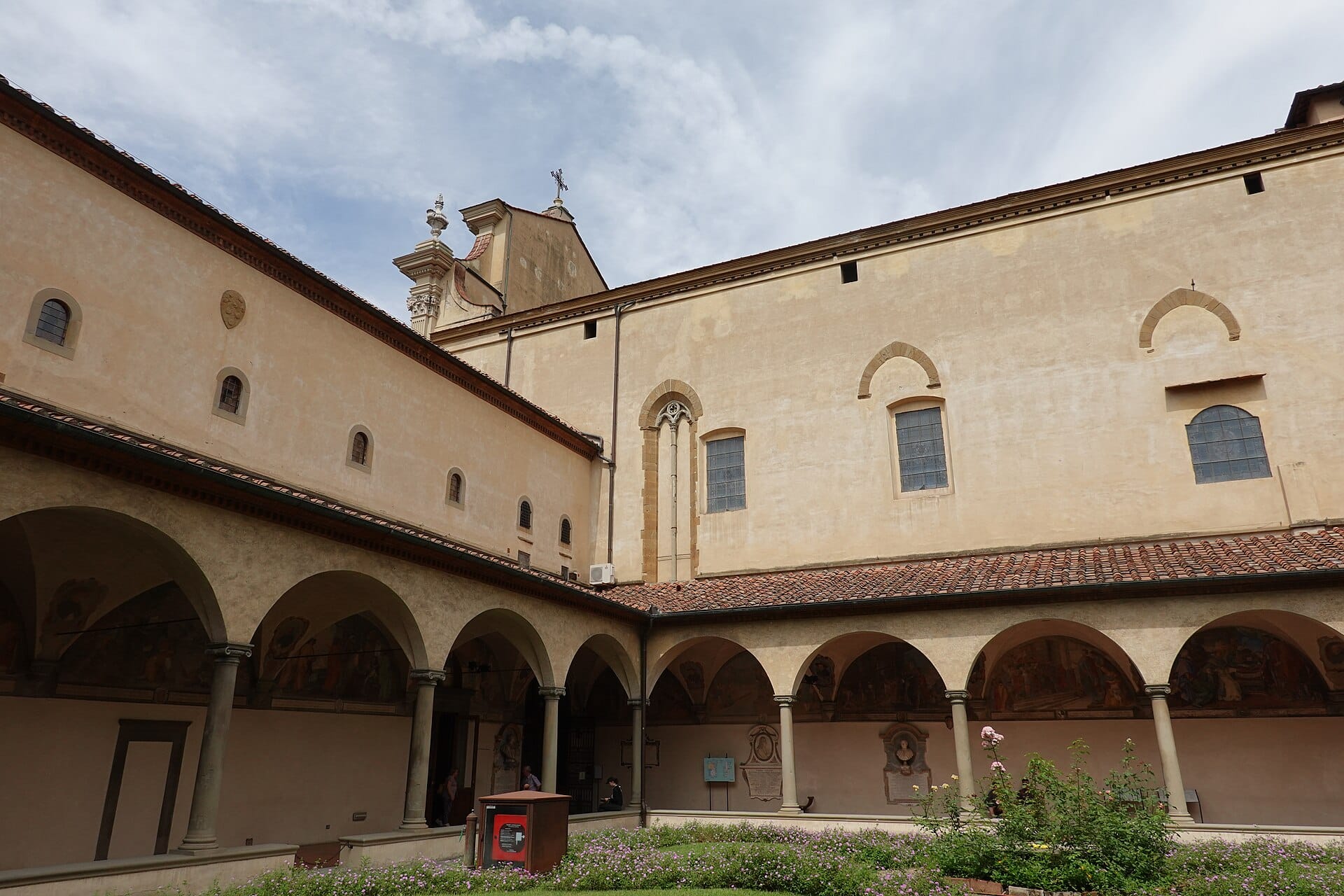
11. Enter the Monks' Cells Painted by Fra Angelico at San Marco
Fra Angelico painted a fresco in each monk's cell as an aid to prayer — 44 cells, each with a different scene. The Annunciation at the top of the stairs is among the most serene images in Italian art. Savonarola lived here too.
Explore11. Enter the Monks' Cells Painted by Fra Angelico at San Marco
Fra Angelico painted a fresco in each monk's cell as an aid to prayer — 44 cells, each with a different scene. The Annunciation at the top of the stairs is among the most serene images in Italian art. Savonarola lived here too.
Explore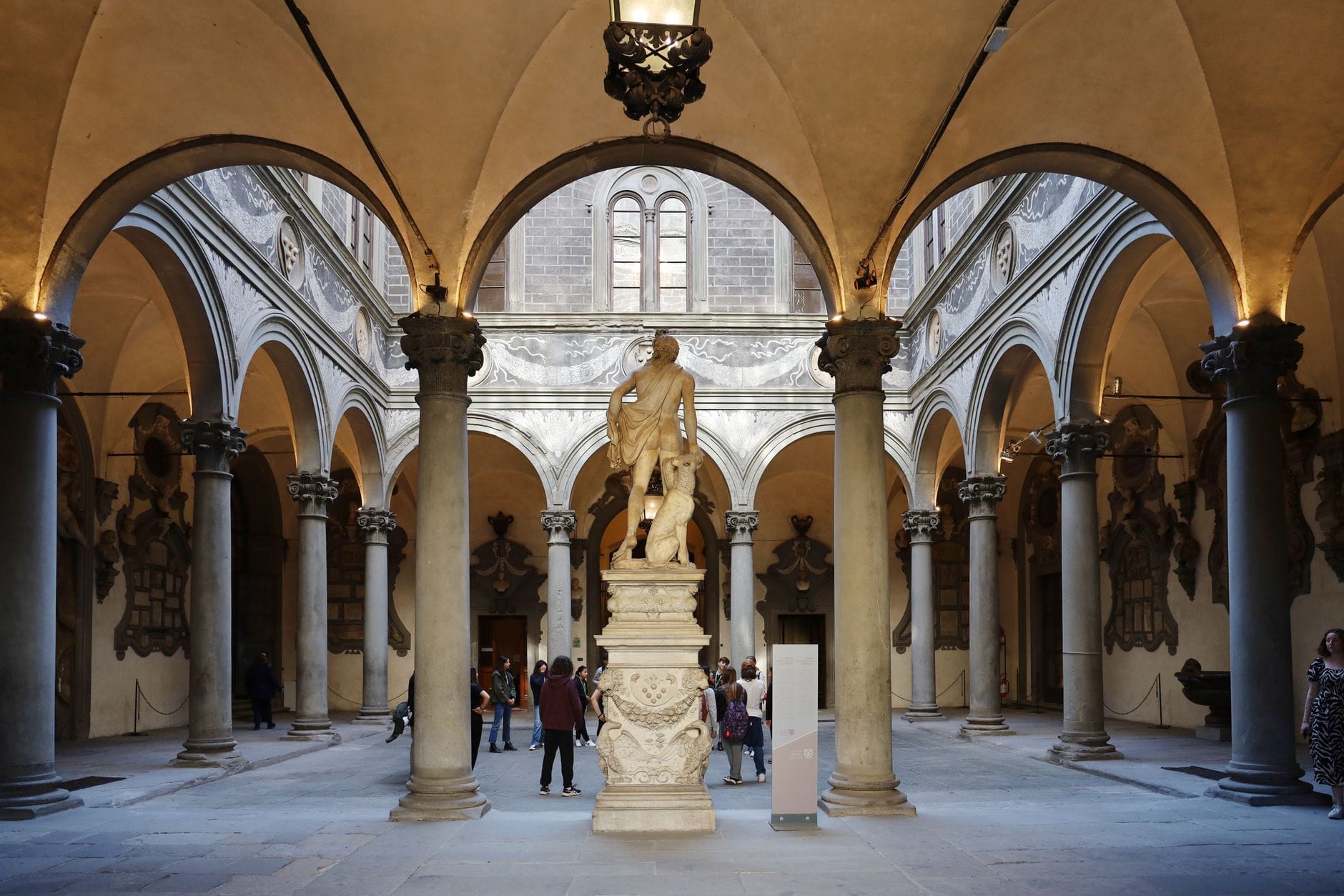
12. See the Medici Themselves Painted as the Three Kings at the Magi Chapel
Benozzo Gozzoli's 1459 frescoes wrapping around the walls of the tiny chapel inside the Medici palace show the procession of the Magi — but the faces are portraits of the Medici and their court. One of the city's most intimate rooms.
Explore12. See the Medici Themselves Painted as the Three Kings at the Magi Chapel
Benozzo Gozzoli's 1459 frescoes wrapping around the walls of the tiny chapel inside the Medici palace show the procession of the Magi — but the faces are portraits of the Medici and their court. One of the city's most intimate rooms.
ExploreOltrarno: Sacred Spaces Across the Arno
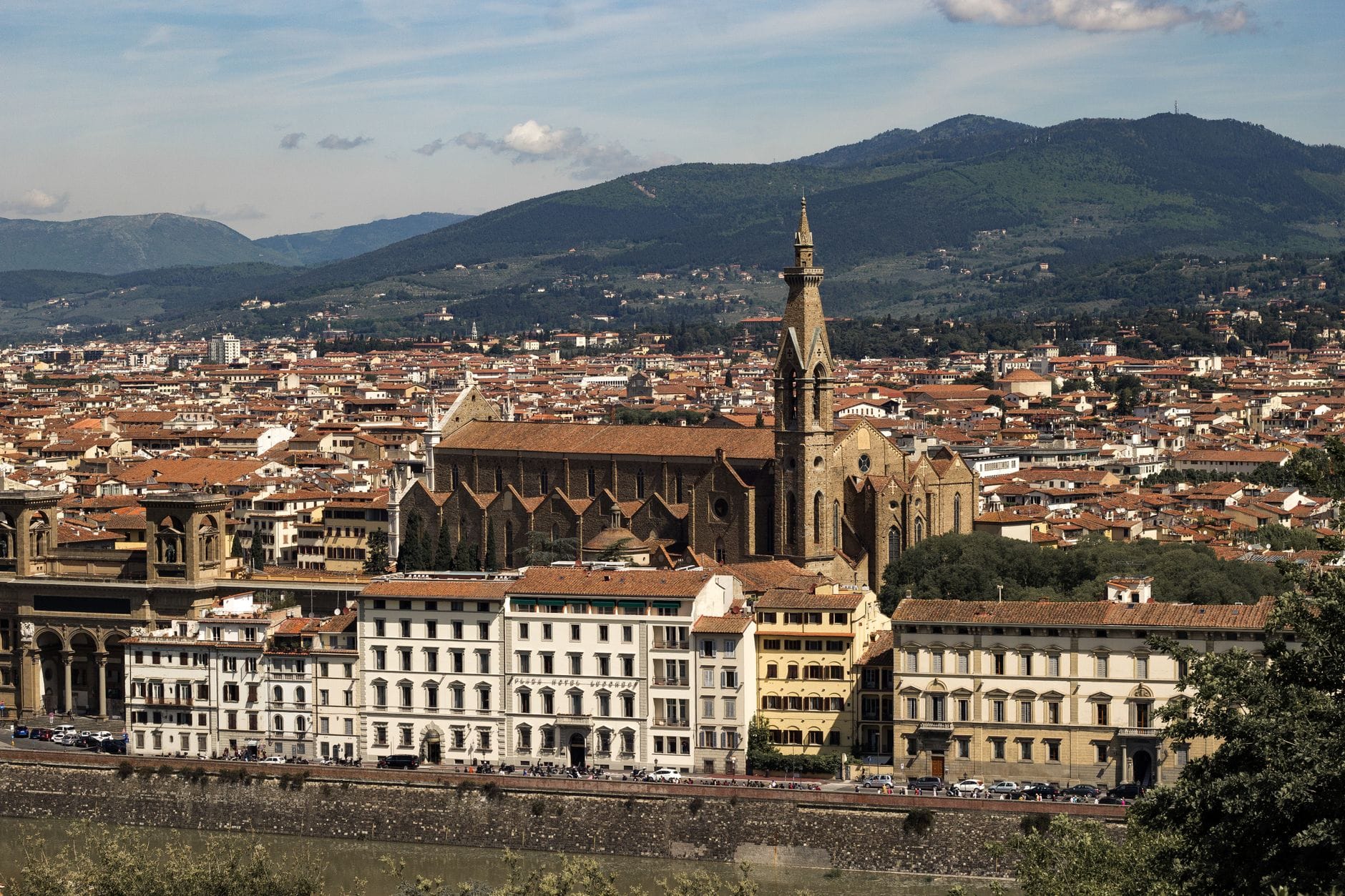
The south bank of the Arno holds two of Florence's most rewarding churches, both refreshingly uncrowded compared to the Centro Storico. TheOltrarno neighbourhoodrewards an afternoon of slow wandering between Santo Spirito, the Brancacci Chapel, and the hilltop of San Miniato.
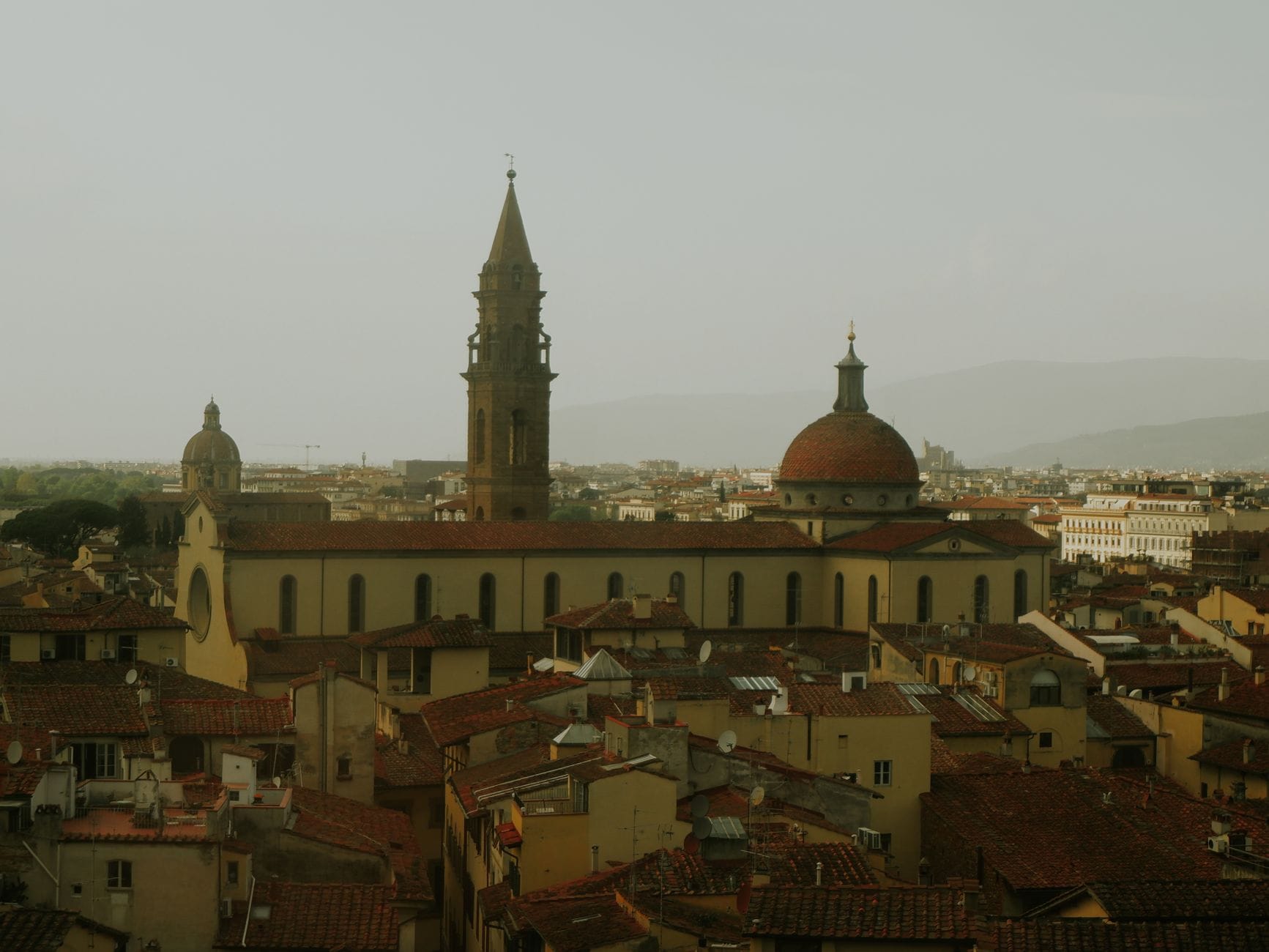
13. Find Brunelleschi's Most Serene Church at Santo Spirito
Brunelleschi designed Santo Spirito as a perfect expression of Renaissance harmony: a colonnaded nave of grey pietra serena stone on white walls. It remains a working parish church. Entry around €2 for the main artworks; closed Wednesdays.
Explore13. Find Brunelleschi's Most Serene Church at Santo Spirito
Brunelleschi designed Santo Spirito as a perfect expression of Renaissance harmony: a colonnaded nave of grey pietra serena stone on white walls. It remains a working parish church. Entry around €2 for the main artworks; closed Wednesdays.
Explore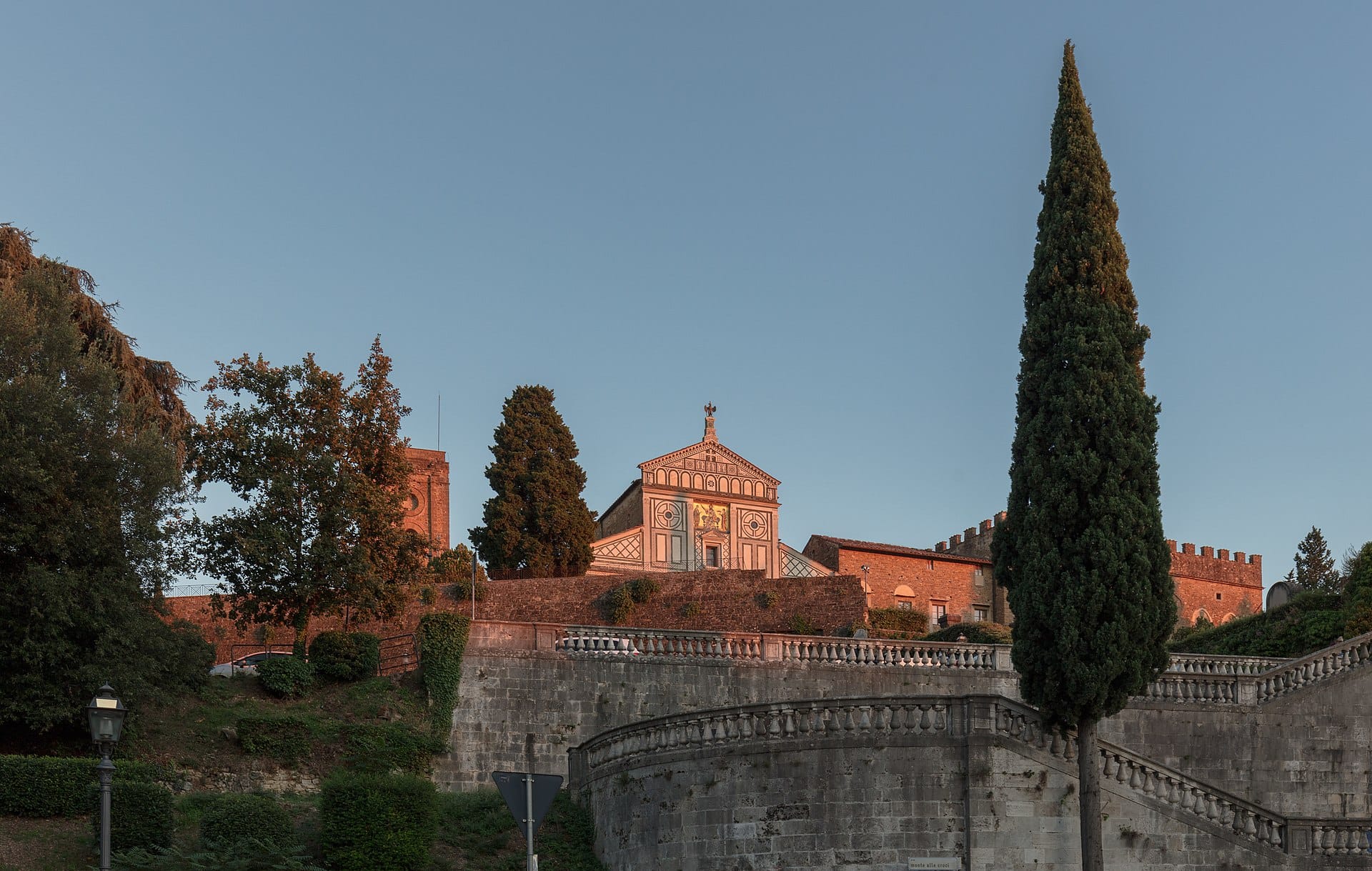
14. Hear Gregorian Vespers at San Miniato al Monte Above the City
This 11th-century Romanesque basilica above Piazzale Michelangelo has one of the finest geometric marble facades in Italy and Benedictine monks who chant vespers each evening around 17:30. Entry is free. Arrive early to get a seat for the chant.
Explore14. Hear Gregorian Vespers at San Miniato al Monte Above the City
This 11th-century Romanesque basilica above Piazzale Michelangelo has one of the finest geometric marble facades in Italy and Benedictine monks who chant vespers each evening around 17:30. Entry is free. Arrive early to get a seat for the chant.
ExploreFlorence's Most Harmonious Religious Squares
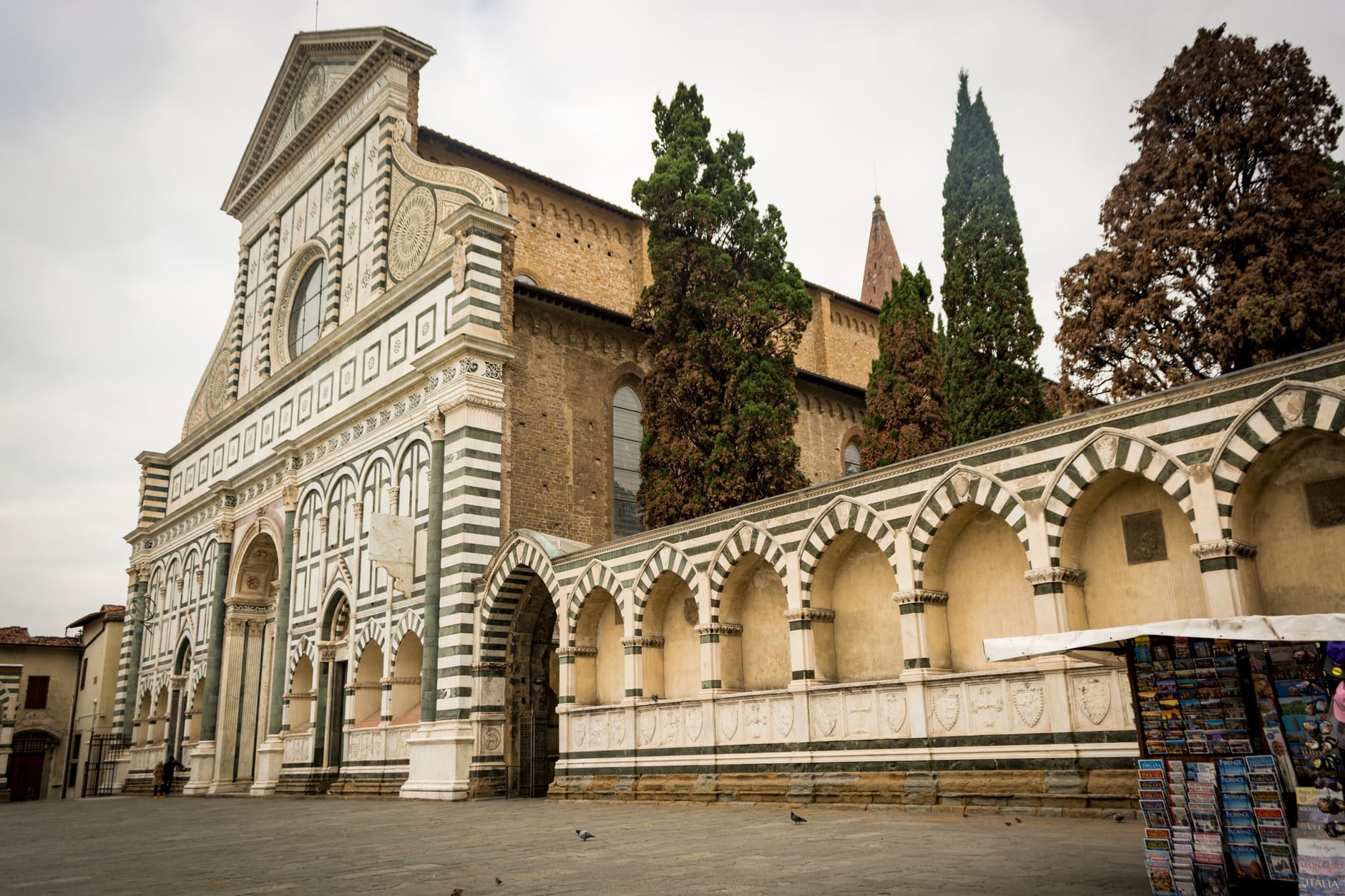
In Florence, the church is rarely just the building — it is the whole piazza. Two squares in particular are worth visiting as architectural compositions in their own right, as much for the exterior ensemble as for what is inside.
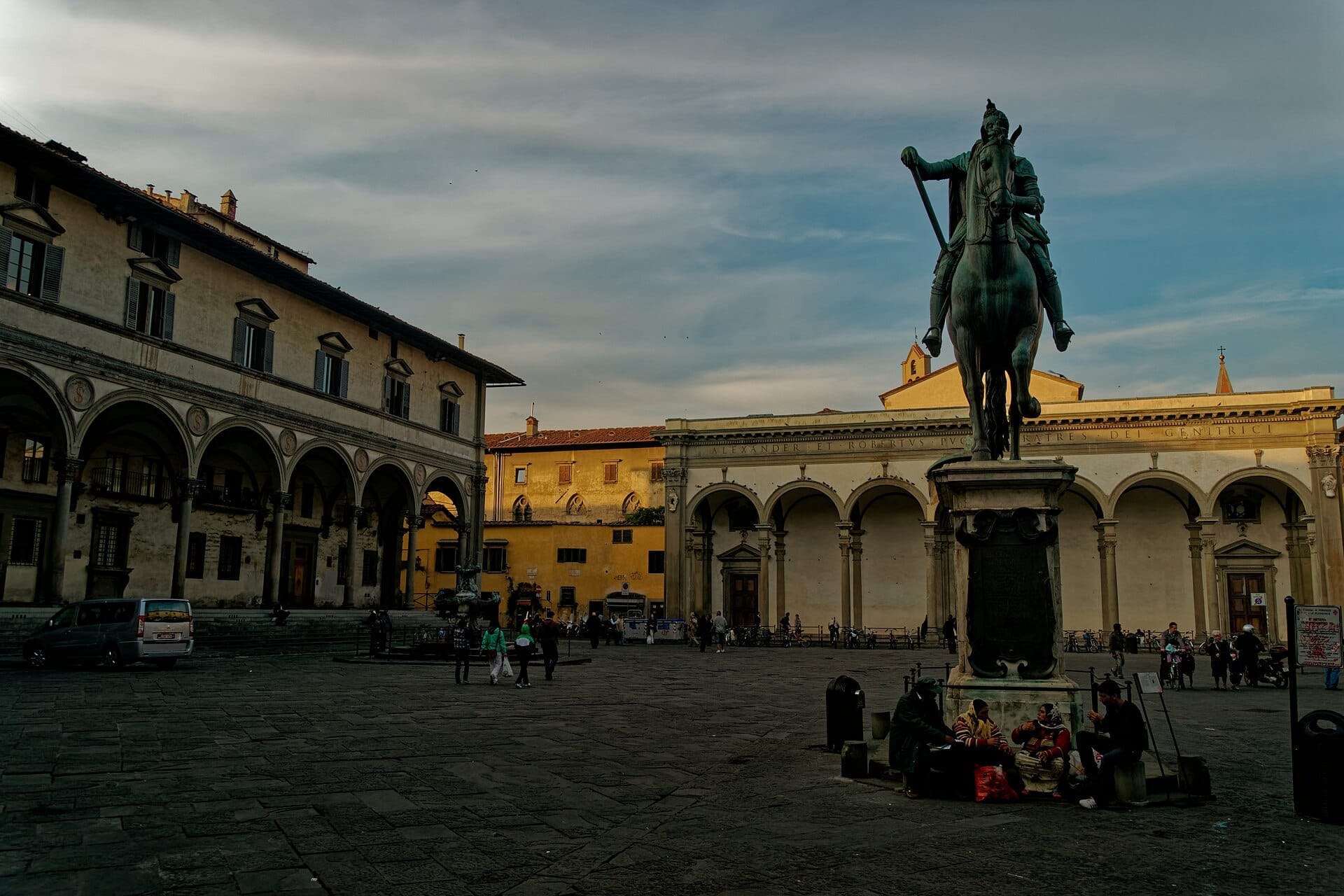
15. See Florence's Most Harmonious Piazza at Santissima Annunziata
The Basilica della Santissima Annunziata anchors a piazza flanked by perfectly matching loggias and Brunelleschi's Ospedale degli Innocenti. The church interior holds important frescoes by Andrea del Castagno. The square itself is one of the city's finest.
Explore15. See Florence's Most Harmonious Piazza at Santissima Annunziata
The Basilica della Santissima Annunziata anchors a piazza flanked by perfectly matching loggias and Brunelleschi's Ospedale degli Innocenti. The church interior holds important frescoes by Andrea del Castagno. The square itself is one of the city's finest.
Explore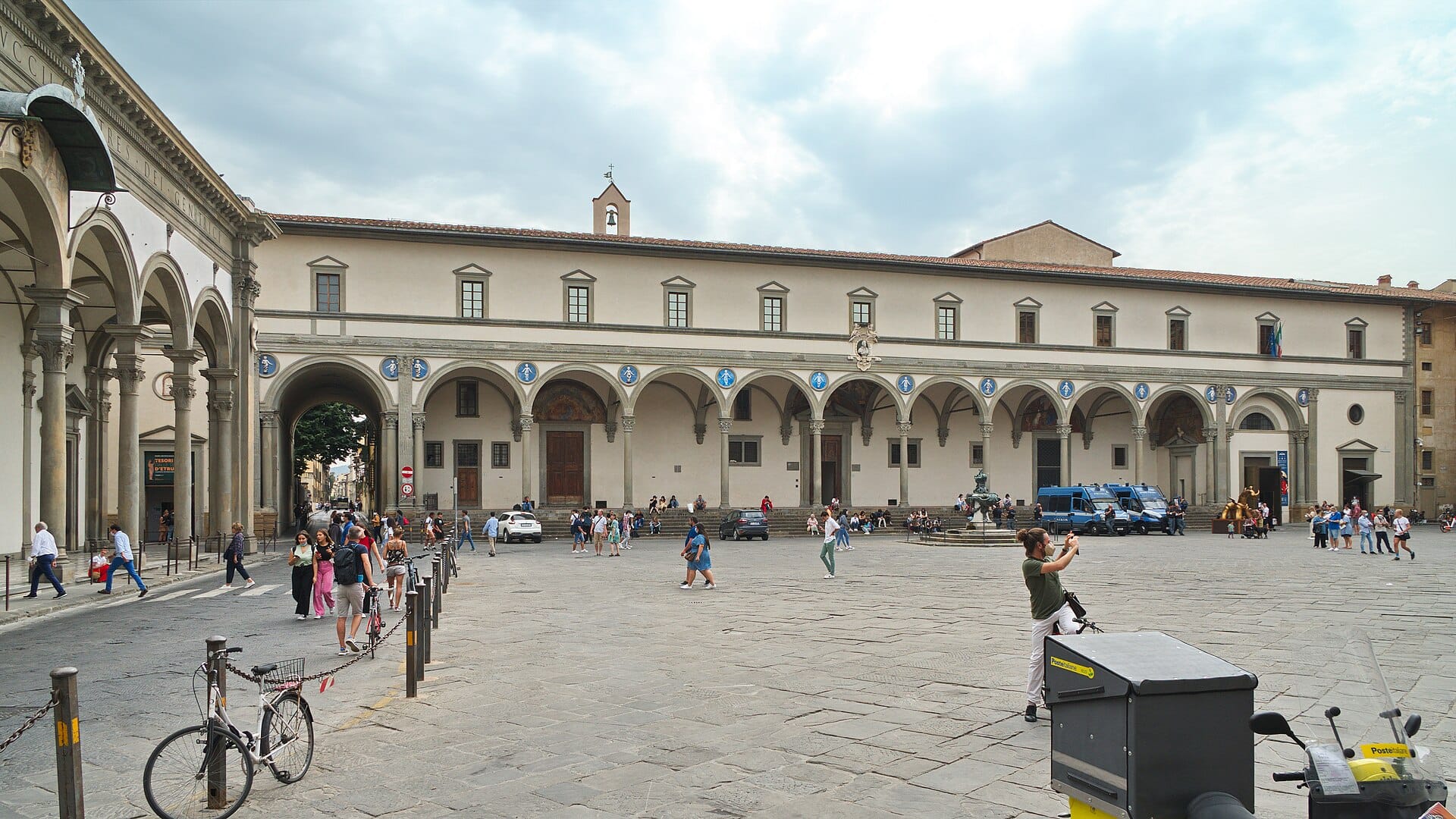
16. Appreciate Brunelleschi's Foundling Hospital as the First Renaissance Building
Built in 1419, the Innocenti's nine-arched loggia with Andrea della Robbia's glazed terracotta roundels is considered the first purpose-built Renaissance structure. The museum inside tells the institution's history and holds devotional paintings.
Explore16. Appreciate Brunelleschi's Foundling Hospital as the First Renaissance Building
Built in 1419, the Innocenti's nine-arched loggia with Andrea della Robbia's glazed terracotta roundels is considered the first purpose-built Renaissance structure. The museum inside tells the institution's history and holds devotional paintings.
Explore✨ Pro tip
The Brunelleschi Pass (€30, valid for 3 calendar days) covers the Duomo, dome climb, Baptistery, Giotto's bell tower, and the Cathedral Museum. It is the best value ticket in Florence for church sightseers — but you must book timed entry for the dome online in advance.
FAQ
Which churches in Florence require paid tickets?
The cathedral nave is free, but the dome climb, Baptistery, bell tower, and Cathedral Museum require a Brunelleschi Pass (around €30). San Miniato al Monte is free
What is the best time to visit Florence's churches to avoid crowds?
Arrive at opening time, typically 9:00–10:00, before tour groups. For the Duomo dome, book the earliest available timed slot online. Avoid visiting major basilicas on Sunday mornings as tourist access is often restricted during Mass.
Can I visit the Brancacci Chapel without booking in advance?
In peak season (April–October) advance booking is strongly recommended as visitor numbers are capped. Booking online at the Comune di Firenze's ticketing system or through the museum directly is the safest approach.
What is the dress code for Florence's churches?
All Florentine churches require covered shoulders and knees. Sleeveless tops, shorts, and short skirts are not permitted. Carry a light scarf or sarong to cover up if needed — staff at larger churches may turn you away without it.
Is it worth buying the Brunelleschi Pass to visit the Duomo complex?
Yes. The pass covers all five components of the Duomo complex (cathedral, dome, Baptistery, bell tower, museum, Santa Reparata) for around €30 and is valid for 72 hours. Each component alone is worth visiting; together they represent a major architectural achievement of the Renaissance. Book the dome timed entry first, then plan the other components around it.
Tickets & tours
Live prices and dates from our booking partner. If you book, we may earn a commission at no extra cost to you.
Planning a trip? Discover personalized activities with the Nomado app.