Best Museums in Florence: A Ranked Guide for Every Type of Traveler
Florence holds more masterpieces per square kilometer than almost anywhere on earth. This ranked guide covers the city's finest museums, from blockbuster galleries to intimate palaces, with practical advice on what each one is worth and how to book smart.
Tickets & tours
Live prices and dates from our booking partner. If you book, we may earn a commission at no extra cost to you.
Florence's museum scene is staggering in scope, and choosing where to spend your limited time and money genuinely matters. The city divides its institutions between state museums (Uffizi, Accademia, Bargello, Medici Chapels), civic museums (Palazzo Vecchio), and independent collections, each with different booking systems and opening days. If you are planning a focused trip, the3-day Florence itinerarymaps the best sequence. For a broader picture of the city, our guide tothings to do in Florenceputs the museums in context with neighborhoods, food, and day trips. One practical note before you dive in: most state museums close on Mondays, but civic museums like Palazzo Vecchio keep their own schedules, so always verify hours before you go.
✨ Pro tip
The 72-hour cumulative pass (currently around €21) covers Accademia, Bargello, Palazzo Davanzati, Medici Chapels, and Orsanmichele — excellent value if you plan to visit all five. Book through galleriaaccademiafirenze.it or bargellomusei.it, not third-party resellers.
The Crown Jewels: Florence's World-Famous Collections
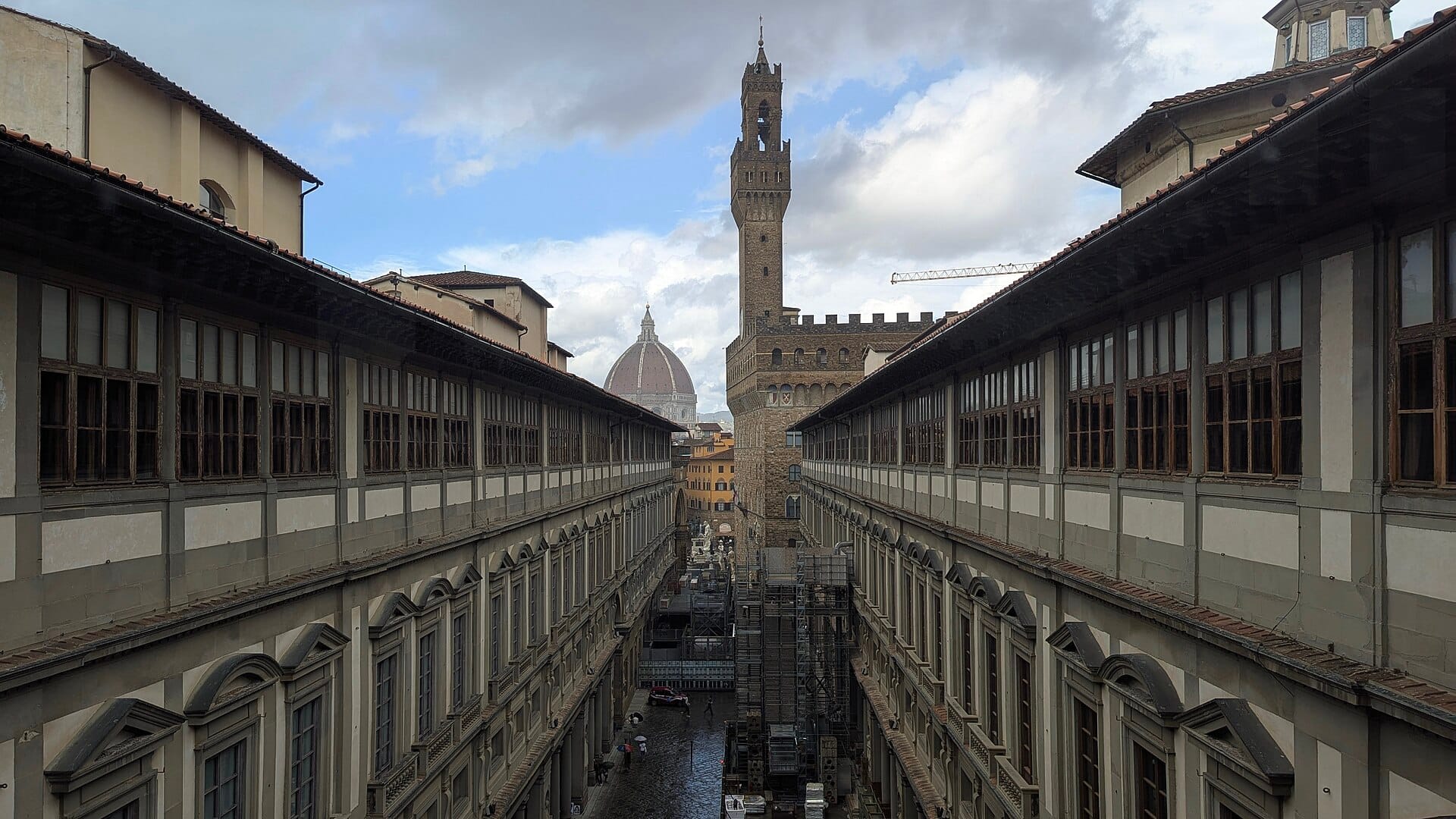
These are the institutions that draw millions of visitors each year and deserve their reputations. Book well in advance, especially for the Uffizi and Accademia. If you only have a single day, ourone-day Florence guiderecommends how to prioritize between them.
1. Walk Through 600 Years of Italian Art at the Uffizi
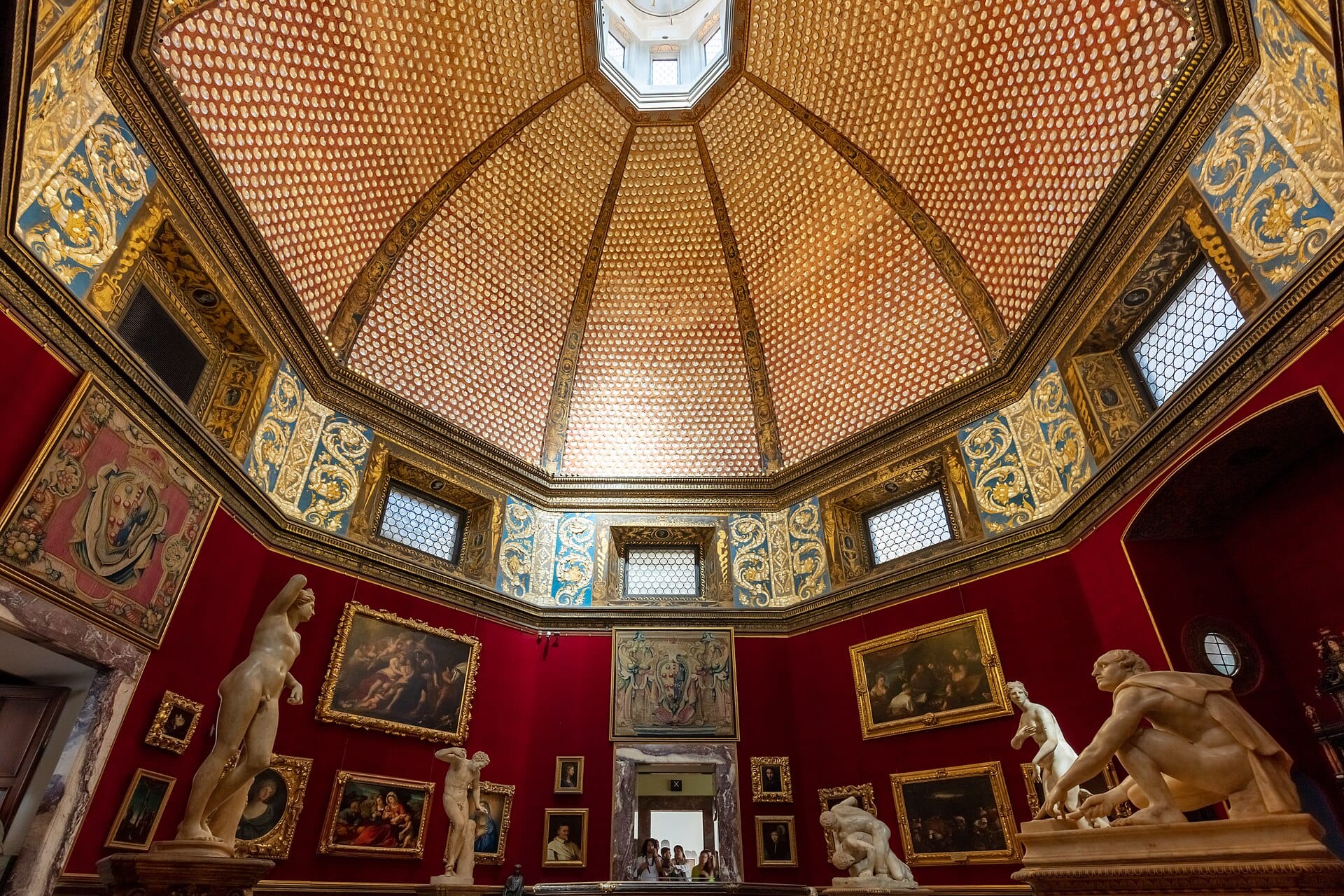
The world's greatest collection of Italian Renaissance painting: Botticelli's Birth of Venus, Leonardo's Annunciation, and rooms of Raphael and Caravaggio. Book Tuesday–Sunday slots at uffizi.it; late-afternoon entries (after 16:00) are cheaper.
Explore1. Walk Through 600 Years of Italian Art at the Uffizi
The world's greatest collection of Italian Renaissance painting: Botticelli's Birth of Venus, Leonardo's Annunciation, and rooms of Raphael and Caravaggio. Book Tuesday–Sunday slots at uffizi.it; late-afternoon entries (after 16:00) are cheaper.
Explore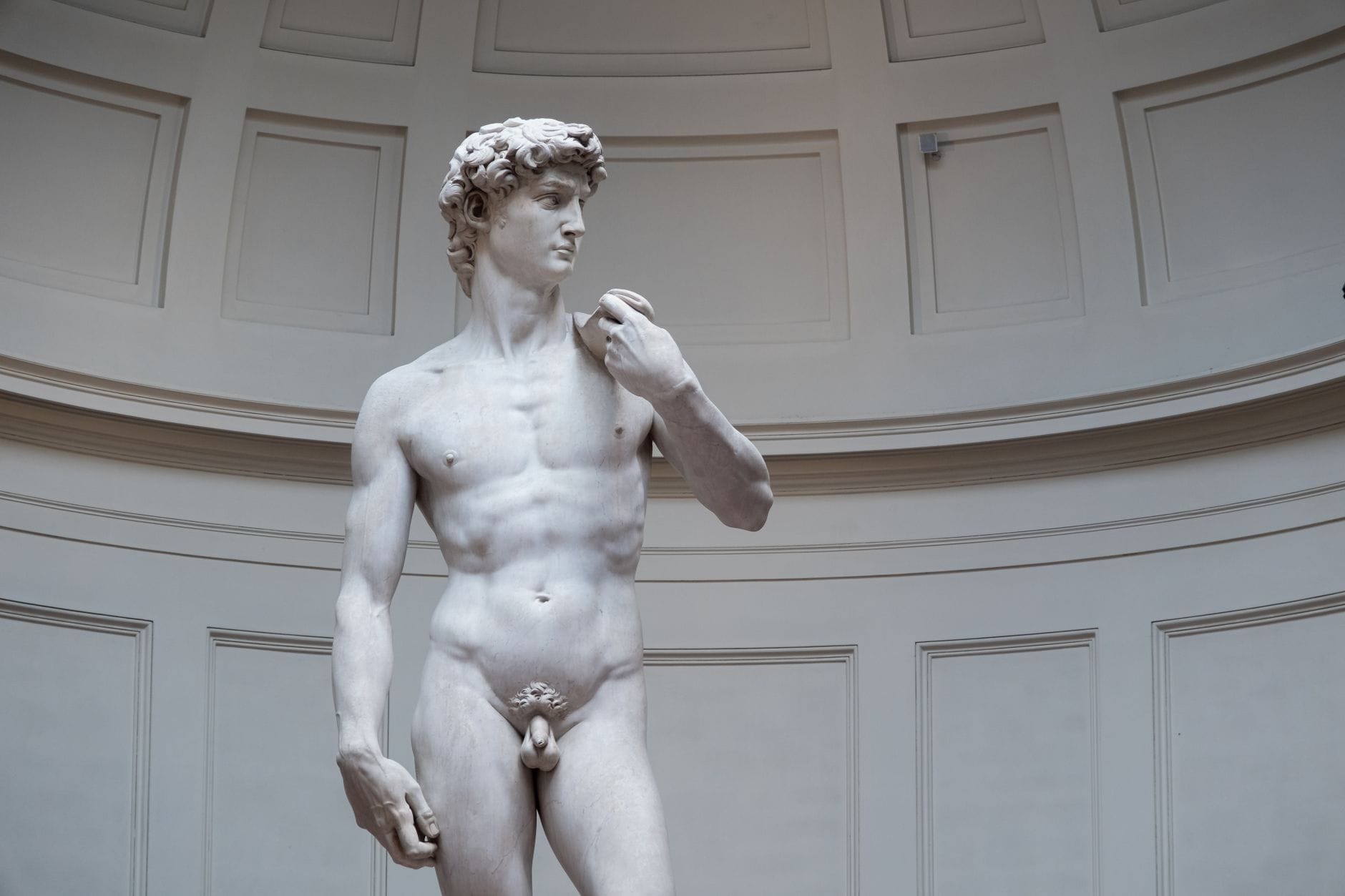
2. Stand Before Michelangelo's David at the Accademia
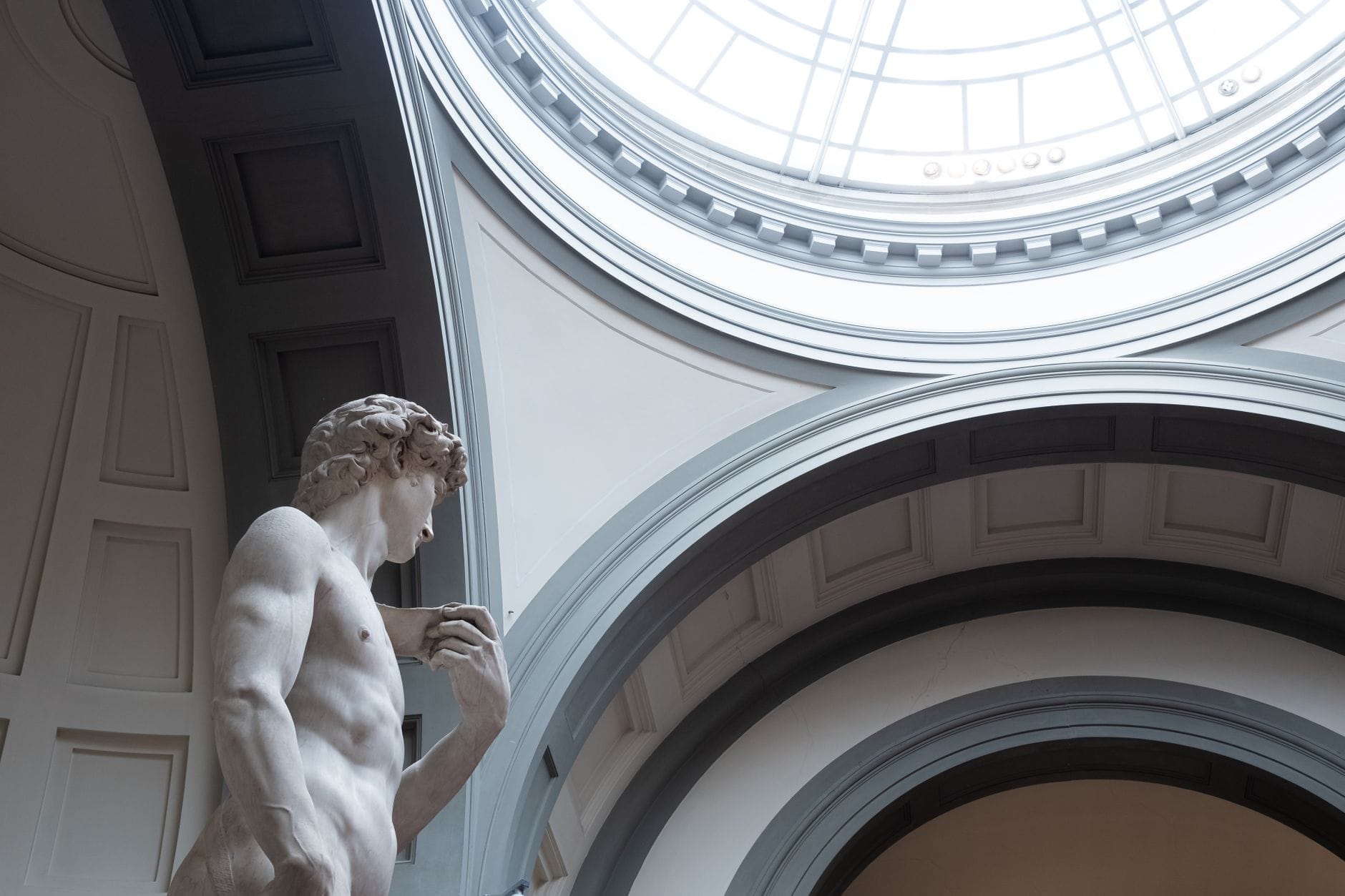
No reproduction prepares you for the David at 5.17 meters tall. The Accademia also holds Michelangelo's raw, unfinished Prisoners series. Base admission is around €20 (2026); book a timed slot through galleriaaccademiafirenze.it to skip the queue.
Explore2. Stand Before Michelangelo's David at the Accademia
No reproduction prepares you for the David at 5.17 meters tall. The Accademia also holds Michelangelo's raw, unfinished Prisoners series. Base admission is around €20 (2026); book a timed slot through galleriaaccademiafirenze.it to skip the queue.
Explore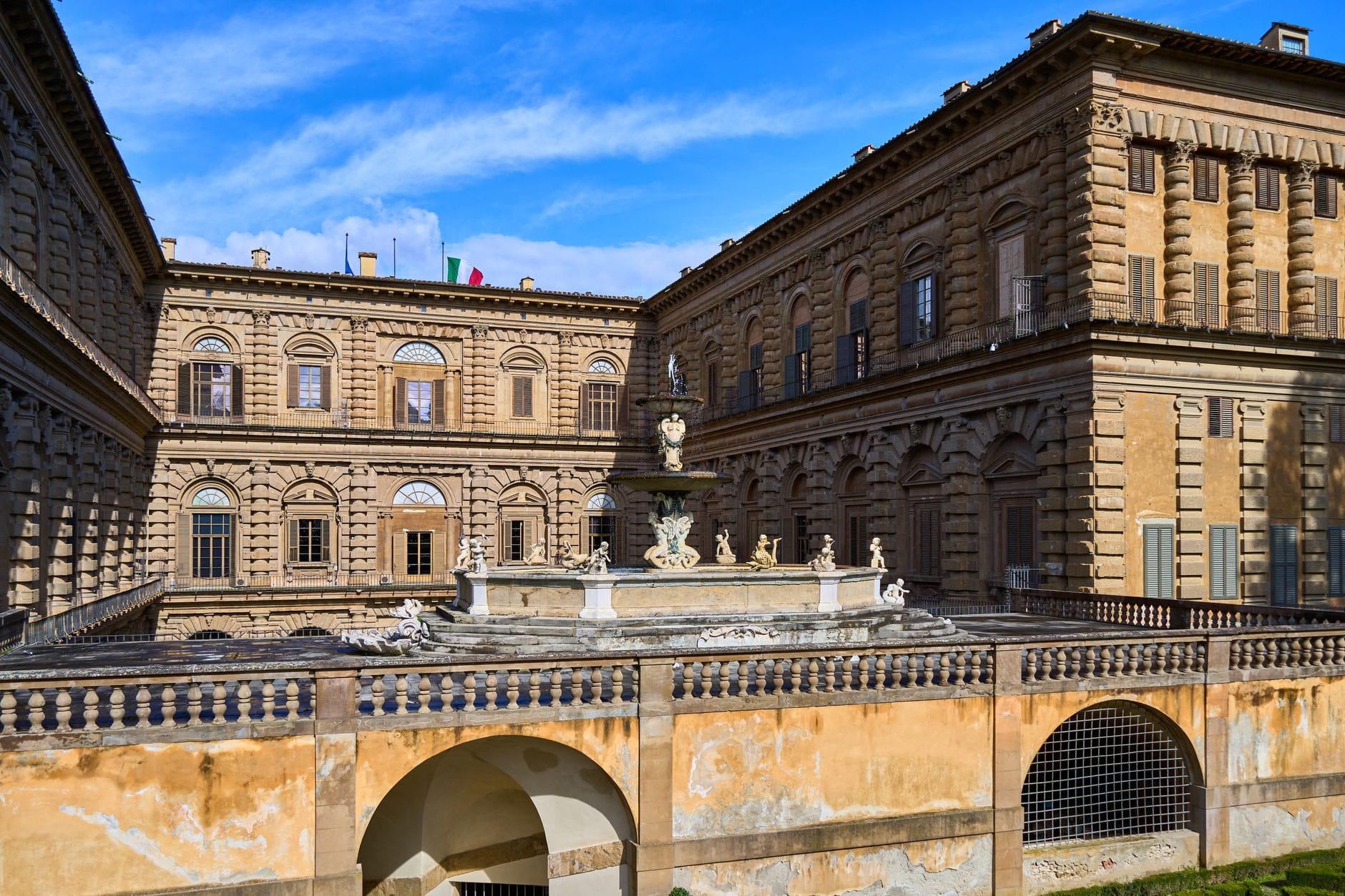
3. Spend Half a Day Inside the Vast Pitti Palace
Six museums in one enormous Medici palace: the Palatine Gallery alone holds Raphael and Titian masterpieces. The Uffizi–Pitti–Boboli 5-day pass (around €40) covers all three sites and is far cheaper than individual admissions.
Explore3. Spend Half a Day Inside the Vast Pitti Palace
Six museums in one enormous Medici palace: the Palatine Gallery alone holds Raphael and Titian masterpieces. The Uffizi–Pitti–Boboli 5-day pass (around €40) covers all three sites and is far cheaper than individual admissions.
Explore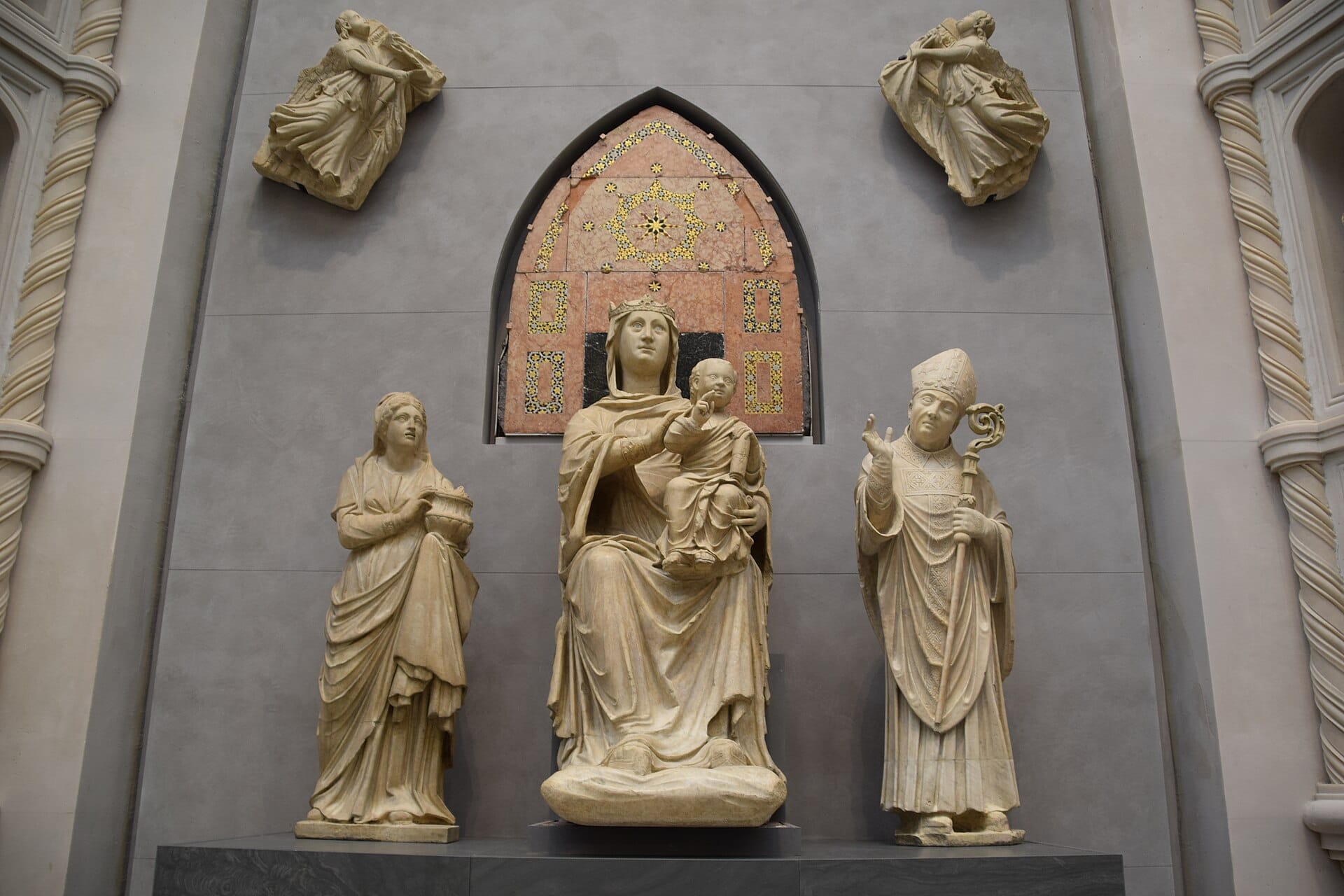
4. See the Original Gates of Paradise at the Duomo Museum
The renovated Cathedral Museum houses Ghiberti's original gilded bronze doors, Donatello's haunting Mary Magdalene, and Michelangelo's Bandini Pietà. Often overlooked in favor of the Uffizi, it is one of the best-value museums in Florence.
Explore4. See the Original Gates of Paradise at the Duomo Museum
The renovated Cathedral Museum houses Ghiberti's original gilded bronze doors, Donatello's haunting Mary Magdalene, and Michelangelo's Bandini Pietà. Often overlooked in favor of the Uffizi, it is one of the best-value museums in Florence.
ExploreSculpture Masterpieces: Florence's Best Specialized Museums
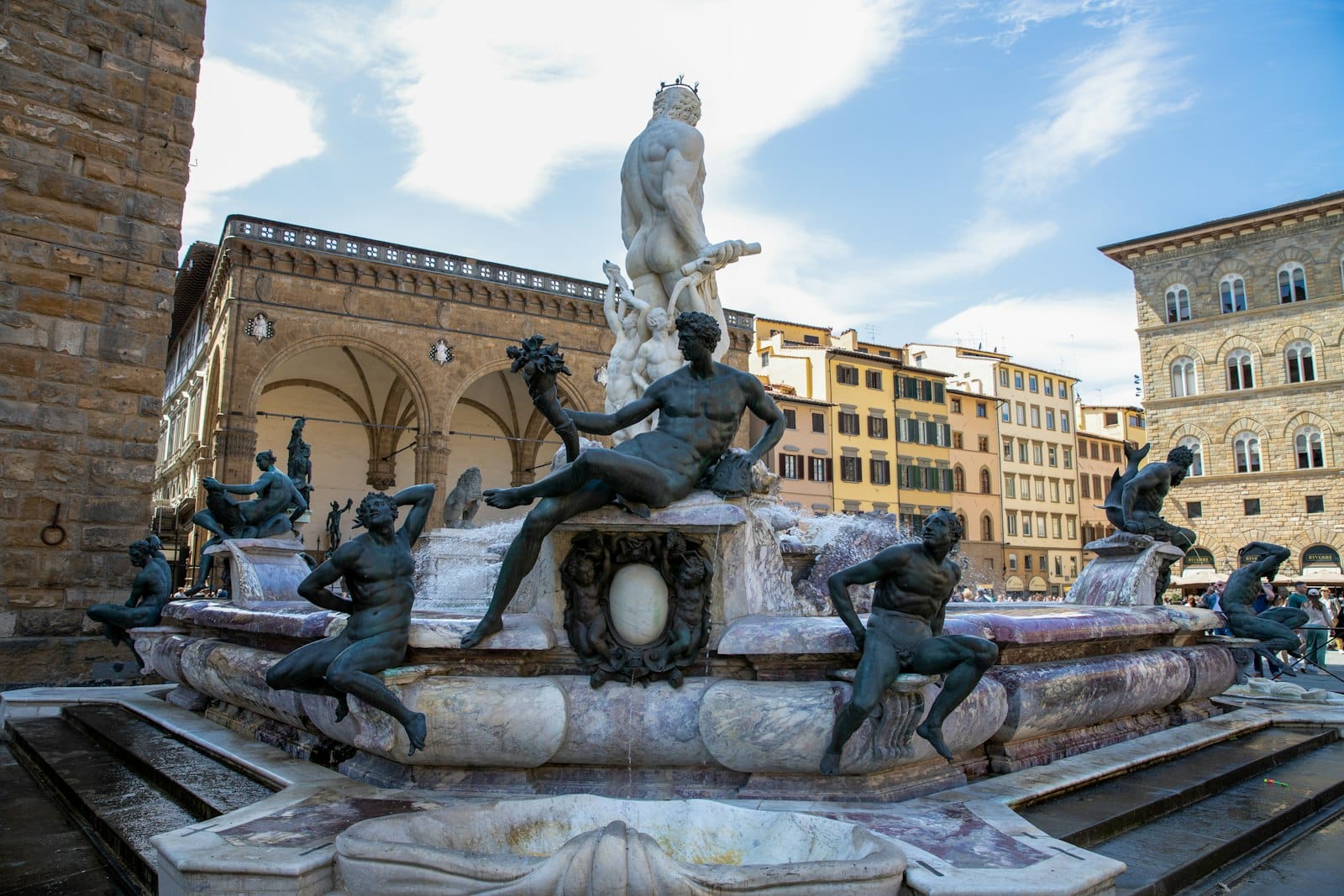
Florence's genius was not only in paint. The city's sculpture collections are among the finest in the world, concentrated in medieval palaces that are themselves part of the spectacle. Theguide to Michelangelo in Florencetraces his work across several of these institutions.
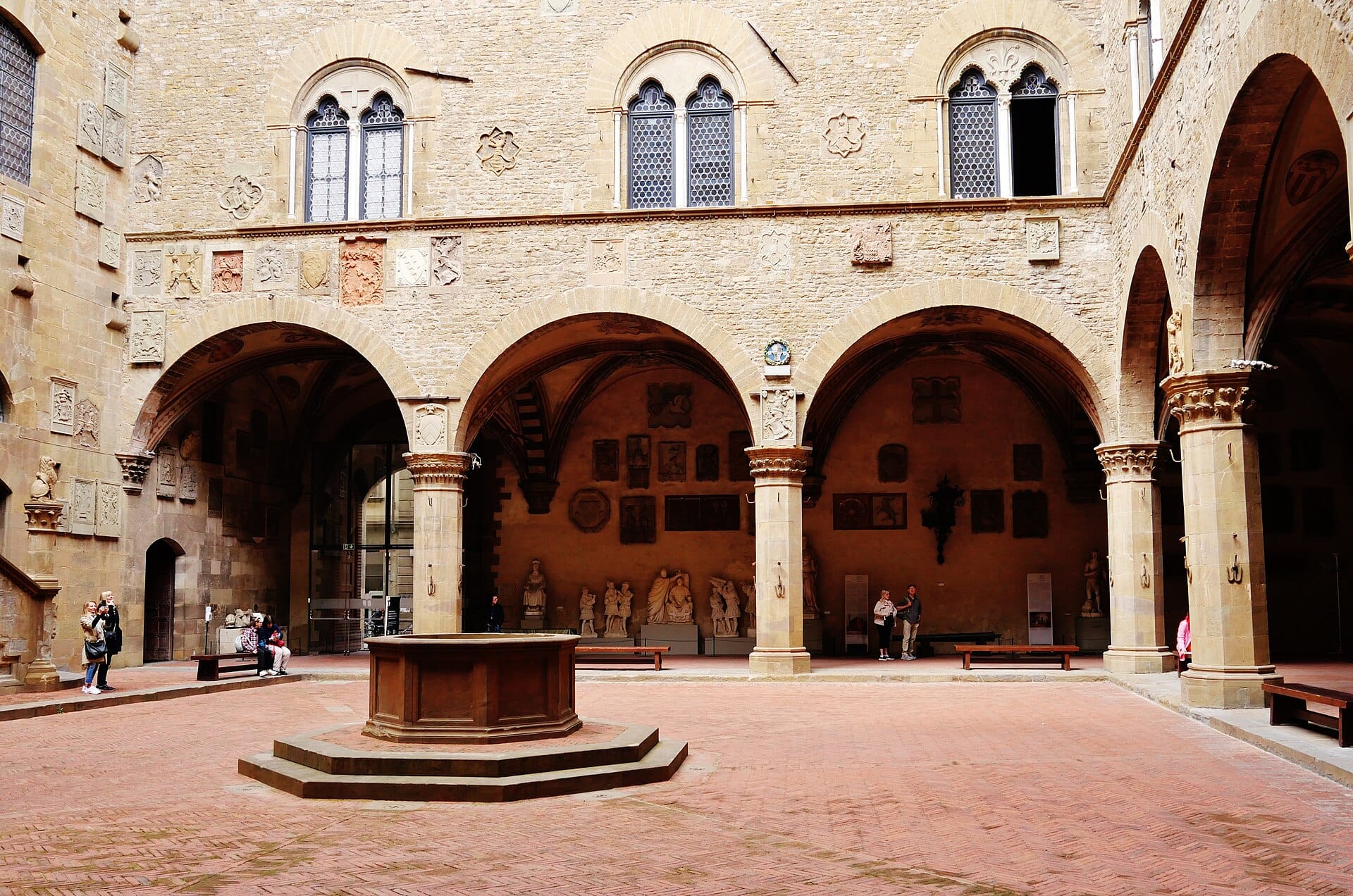
5. Discover Donatello and Michelangelo at the Bargello
Florence's dedicated sculpture museum packs Donatello's bronze David, Michelangelo's Bacchus, and Cellini's Perseus model into a magnificent medieval fortress. Criminally undervisited compared to the Accademia; tickets are €12 from 2026.
Explore5. Discover Donatello and Michelangelo at the Bargello
Florence's dedicated sculpture museum packs Donatello's bronze David, Michelangelo's Bacchus, and Cellini's Perseus model into a magnificent medieval fortress. Criminally undervisited compared to the Accademia; tickets are €12 from 2026.
Explore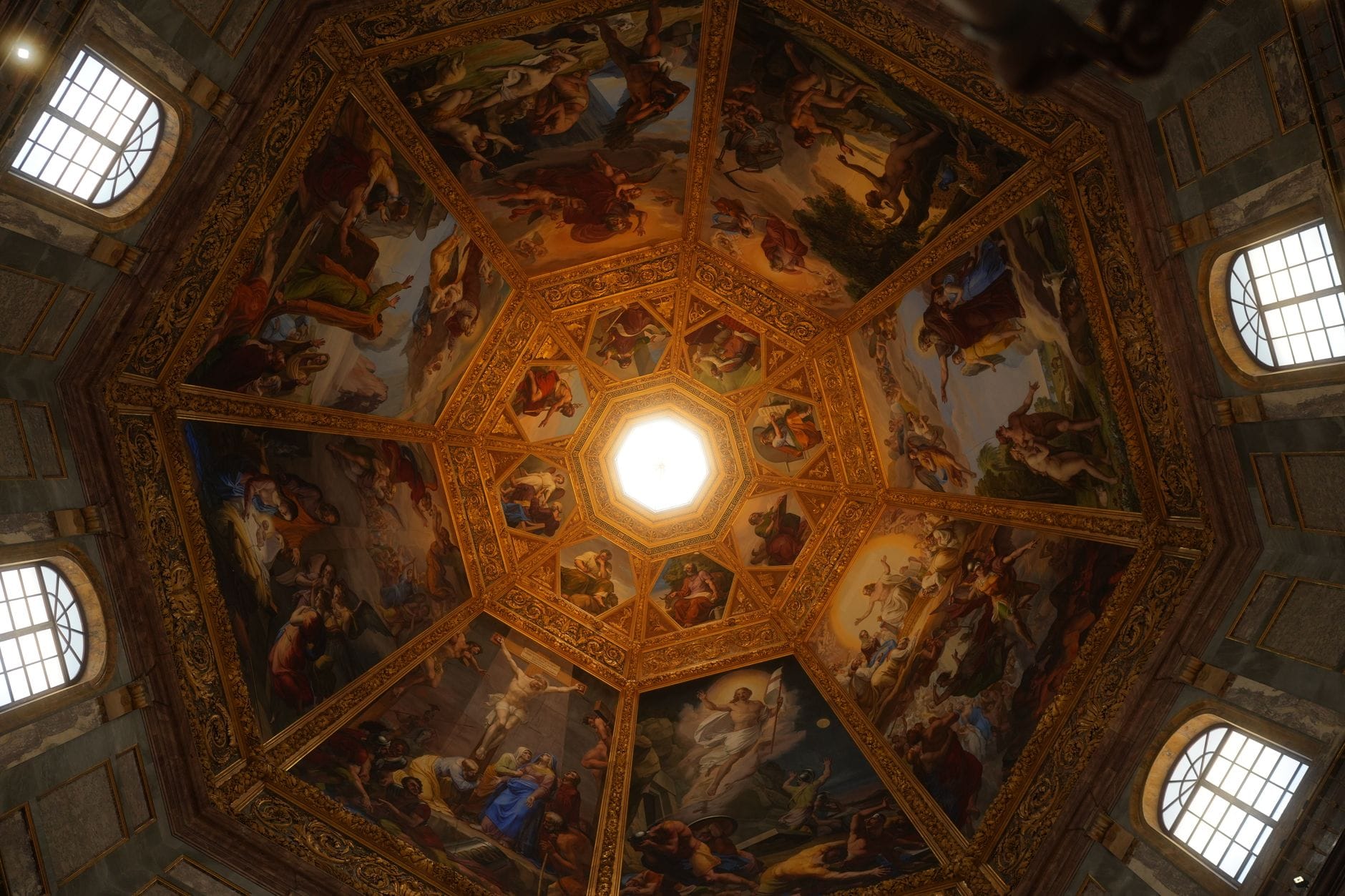
6. Find Michelangelo's Greatest Architectural Work in the Medici Chapels
The New Sacristy holds Michelangelo's tombs of Lorenzo and Giuliano de' Medici, with the allegorical figures of Dawn, Dusk, Day, and Night. Tickets are €11; included in the 72-hour cumulative pass alongside the Accademia and Bargello.
Explore6. Find Michelangelo's Greatest Architectural Work in the Medici Chapels
The New Sacristy holds Michelangelo's tombs of Lorenzo and Giuliano de' Medici, with the allegorical figures of Dawn, Dusk, Day, and Night. Tickets are €11; included in the 72-hour cumulative pass alongside the Accademia and Bargello.
Explore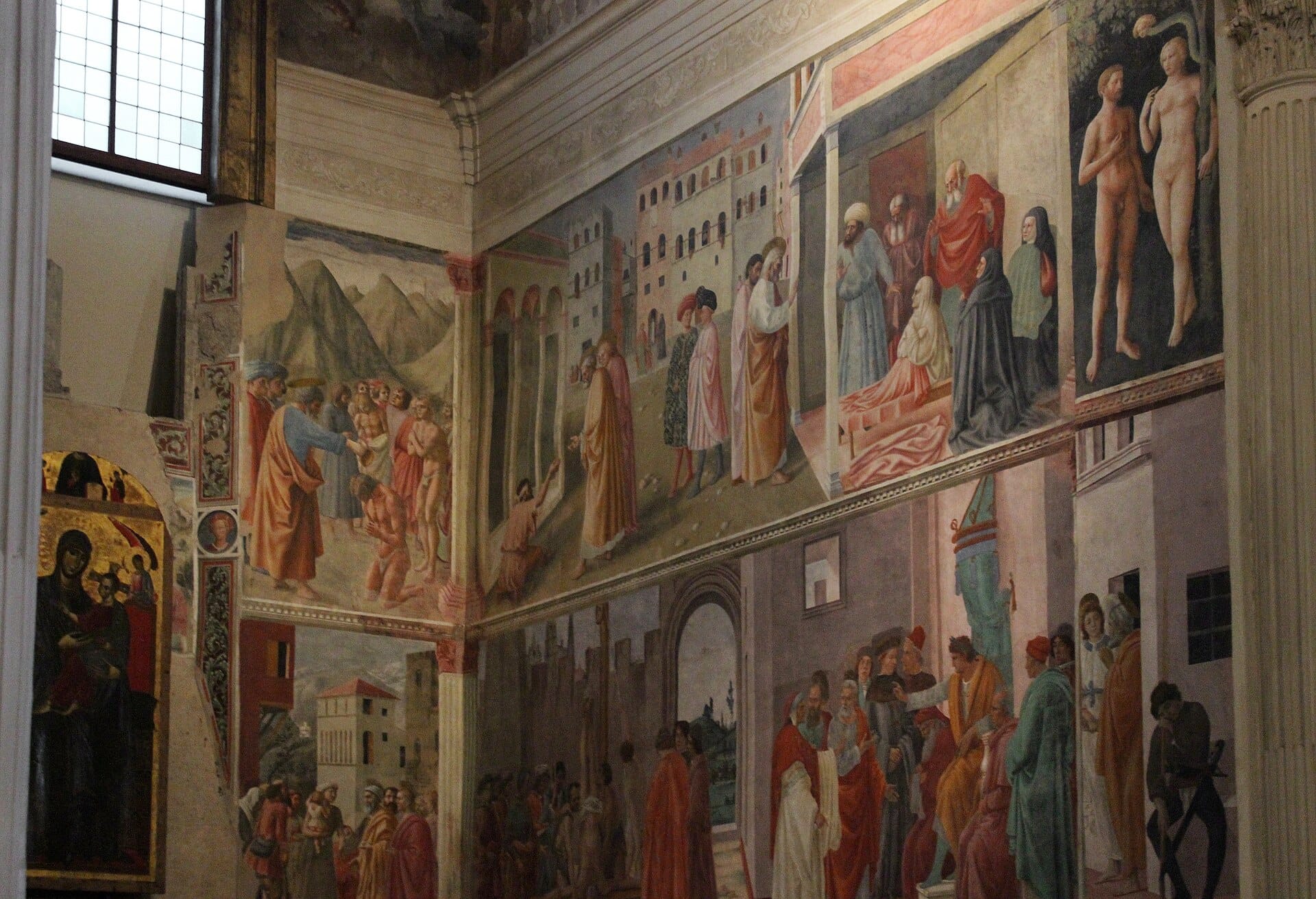
7. Study the Frescoes That Changed Western Art at Brancacci Chapel
Masaccio's revolutionary frescoes in this Oltrarno chapel redefined how painters depicted human figures and space. Michelangelo came here to study them. Entry is timed and limited, so book ahead; the experience is intimate and unhurried.
Explore7. Study the Frescoes That Changed Western Art at Brancacci Chapel
Masaccio's revolutionary frescoes in this Oltrarno chapel redefined how painters depicted human figures and space. Michelangelo came here to study them. Entry is timed and limited, so book ahead; the experience is intimate and unhurried.
Explore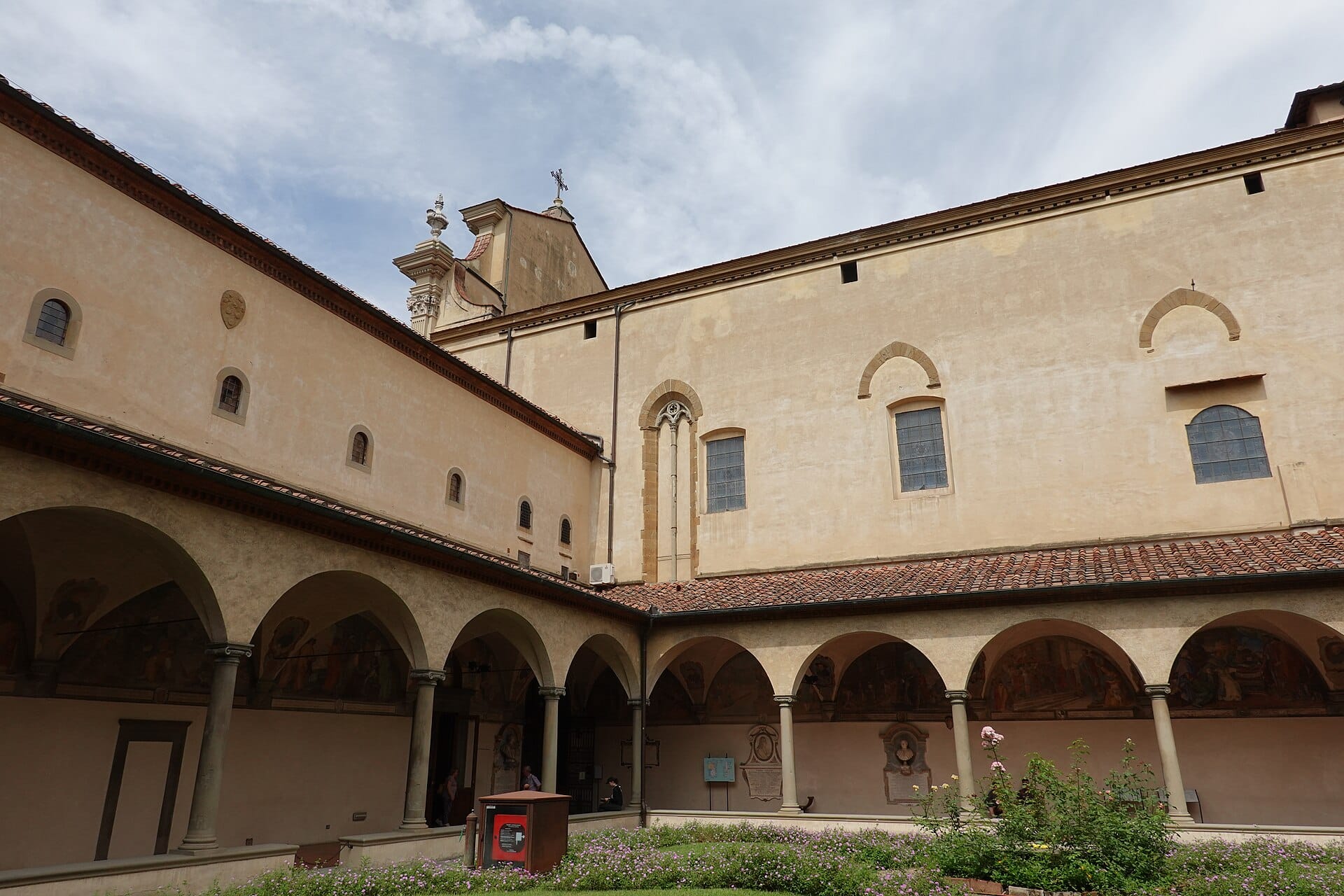
8. Enter Each Monk's Cell Painted by Fra Angelico at San Marco
Fra Angelico painted a different fresco on the wall of each monk's cell in this quiet 15th-century convent. The famous Annunciation greets you at the top of the stairs. The museum also holds the world's largest collection of his panel paintings.
Explore8. Enter Each Monk's Cell Painted by Fra Angelico at San Marco
Fra Angelico painted a different fresco on the wall of each monk's cell in this quiet 15th-century convent. The famous Annunciation greets you at the top of the stairs. The museum also holds the world's largest collection of his panel paintings.
ExploreHistoric Palaces as Museums: Living Inside Florentine History
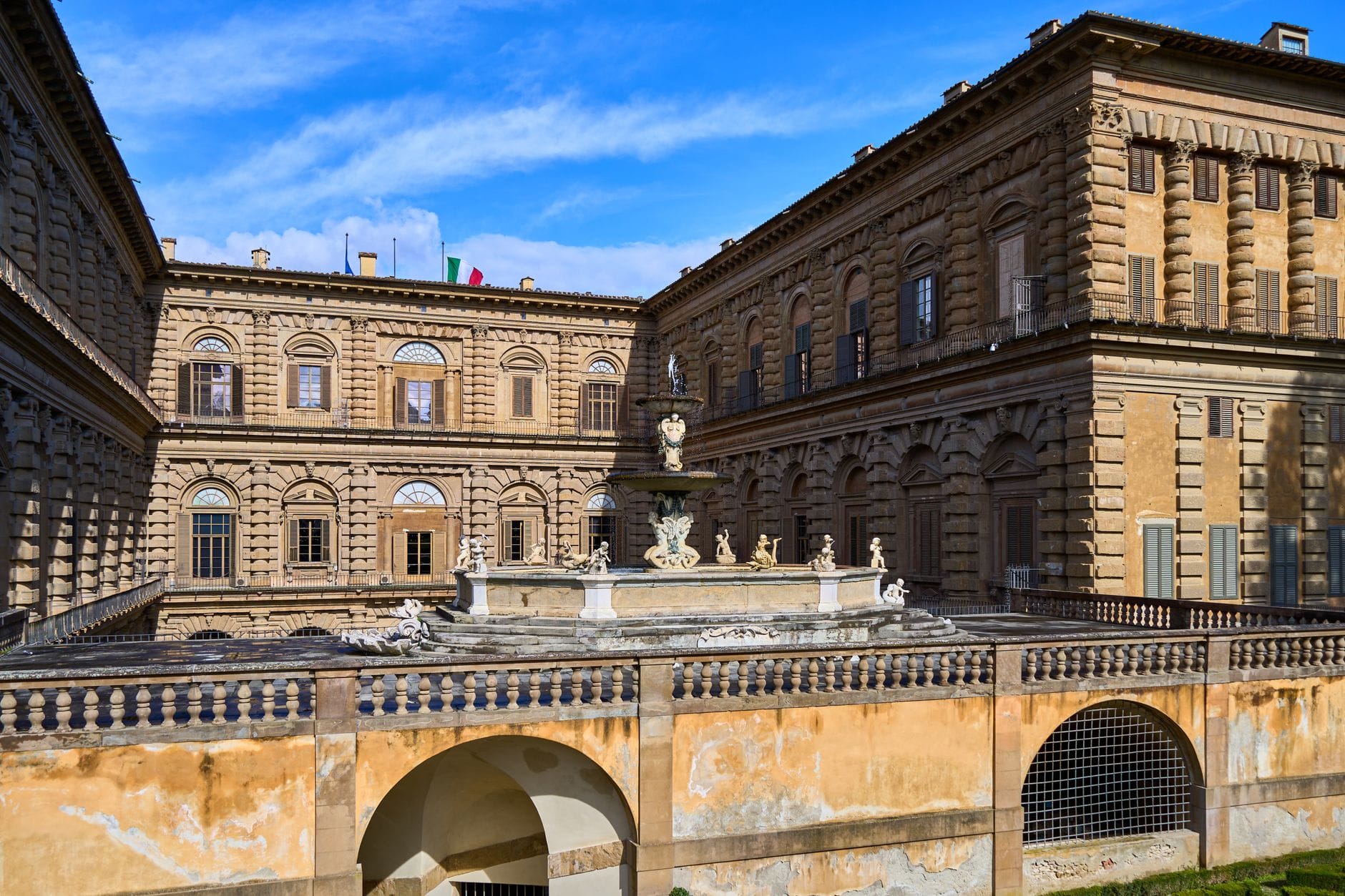
Some of Florence's best museum experiences come from stepping inside the actual spaces where history happened. These palaces are not just containers for art; the buildings themselves are the exhibit. TheCentro Storicoconcentrates several of them within easy walking distance.
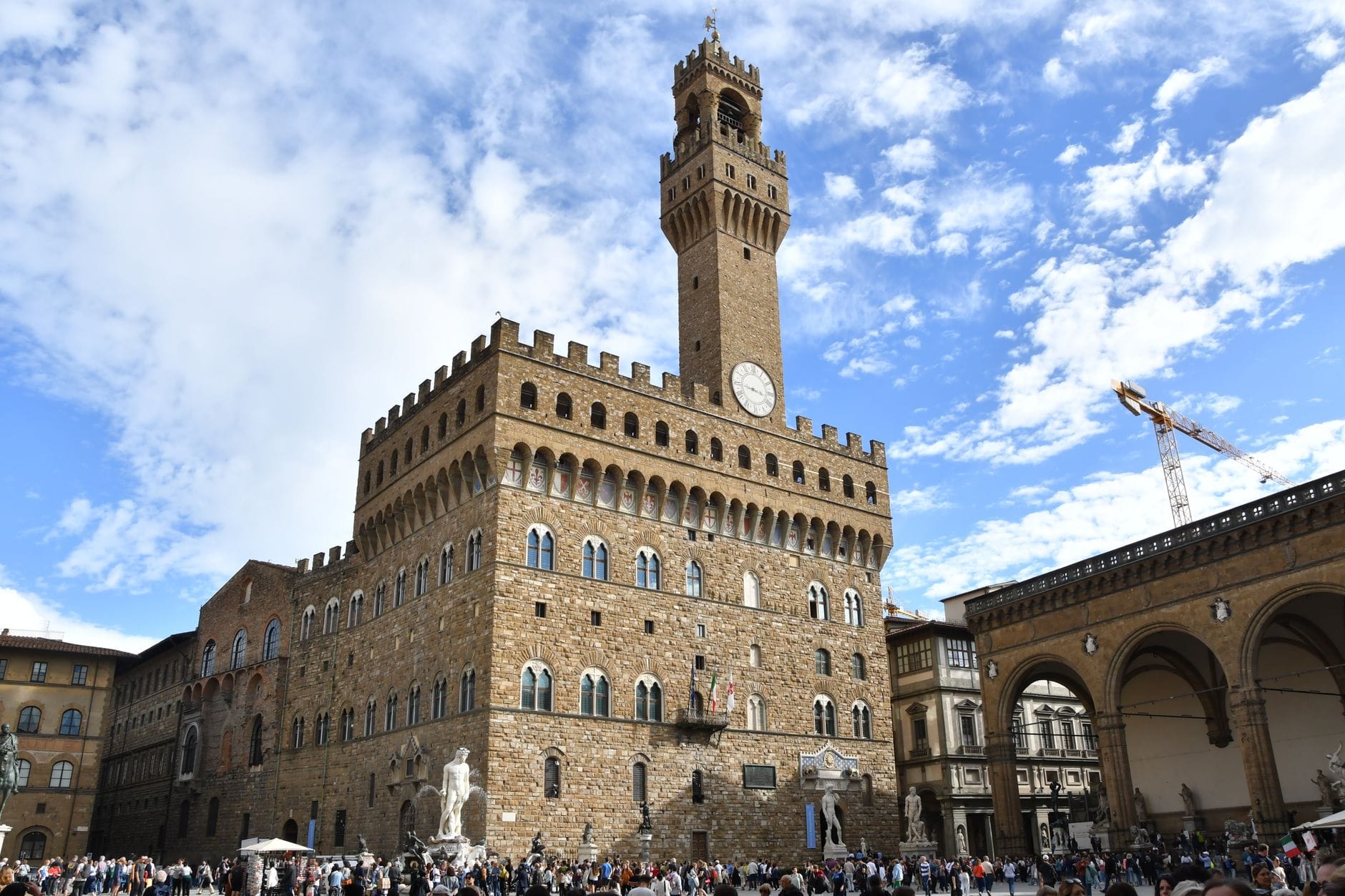
9. Explore Florence's Fortress Town Hall at Palazzo Vecchio
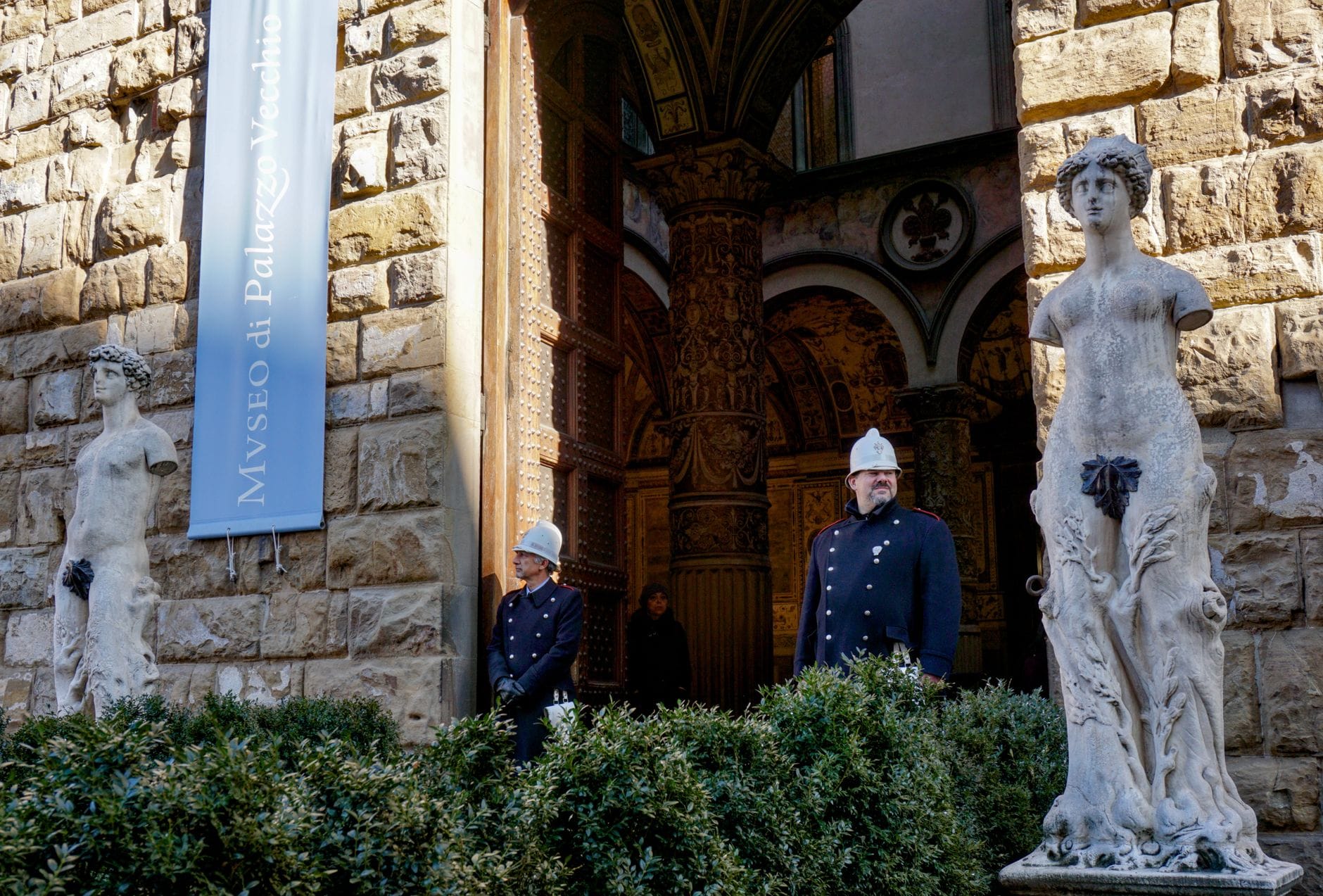
The opulent Salone dei Cinquecento, Eleonora di Toledo's private apartments, and a tower climb with panoramic views make this medieval seat of government one of Florence's most layered museum experiences. Civic museum, so check its separate booking system.
Explore9. Explore Florence's Fortress Town Hall at Palazzo Vecchio
The opulent Salone dei Cinquecento, Eleonora di Toledo's private apartments, and a tower climb with panoramic views make this medieval seat of government one of Florence's most layered museum experiences. Civic museum, so check its separate booking system.
Explore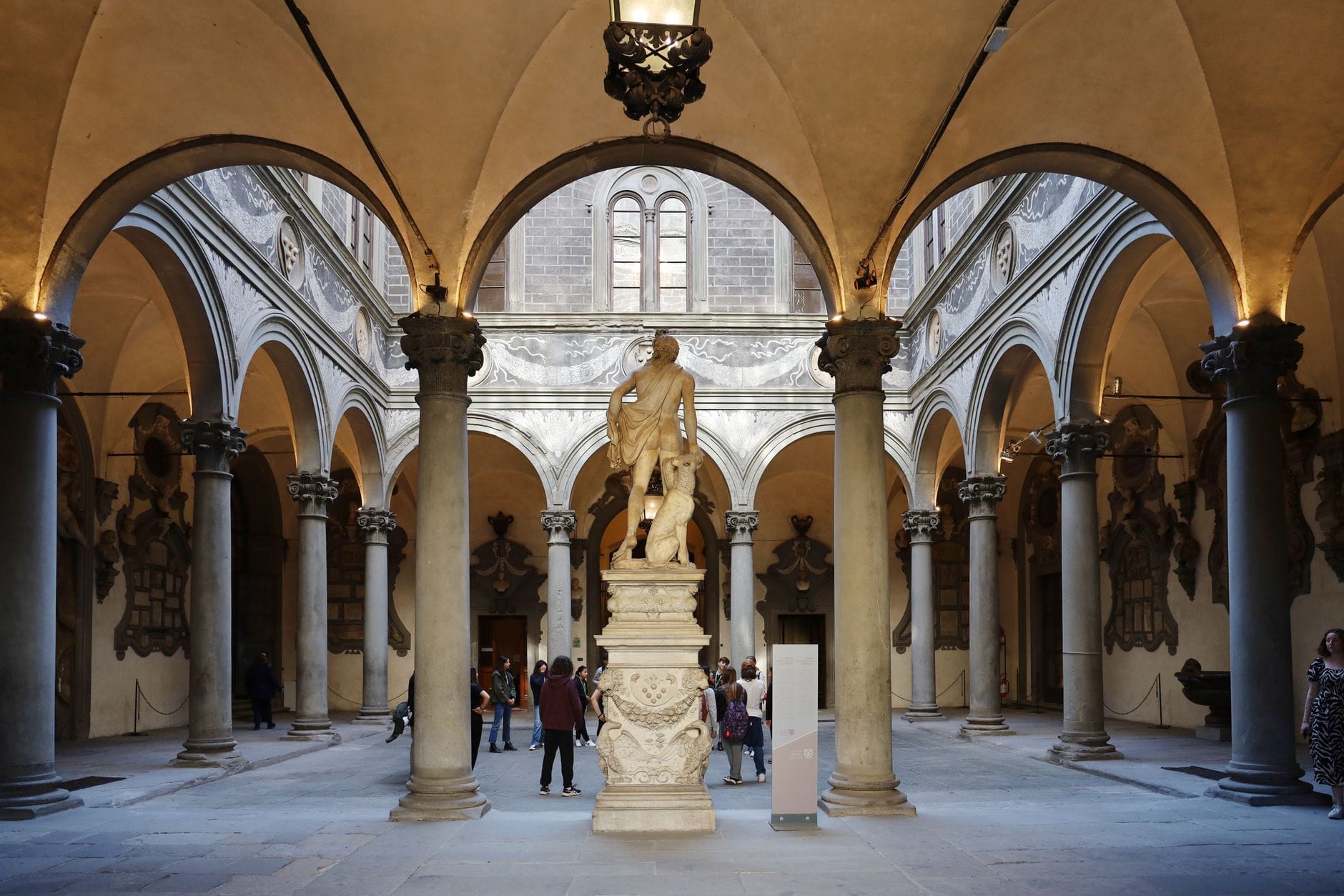
10. See the Medici as the Three Kings in the Magi Chapel
Benozzo Gozzoli's 1459 frescoes depicting the Procession of the Magi are among the finest 15th-century paintings in Florence, and they portray the Medici family themselves as the three kings. The intimate chapel inside the original Medici palace holds around 20 visitors at a time.
Explore10. See the Medici as the Three Kings in the Magi Chapel
Benozzo Gozzoli's 1459 frescoes depicting the Procession of the Magi are among the finest 15th-century paintings in Florence, and they portray the Medici family themselves as the three kings. The intimate chapel inside the original Medici palace holds around 20 visitors at a time.
Explore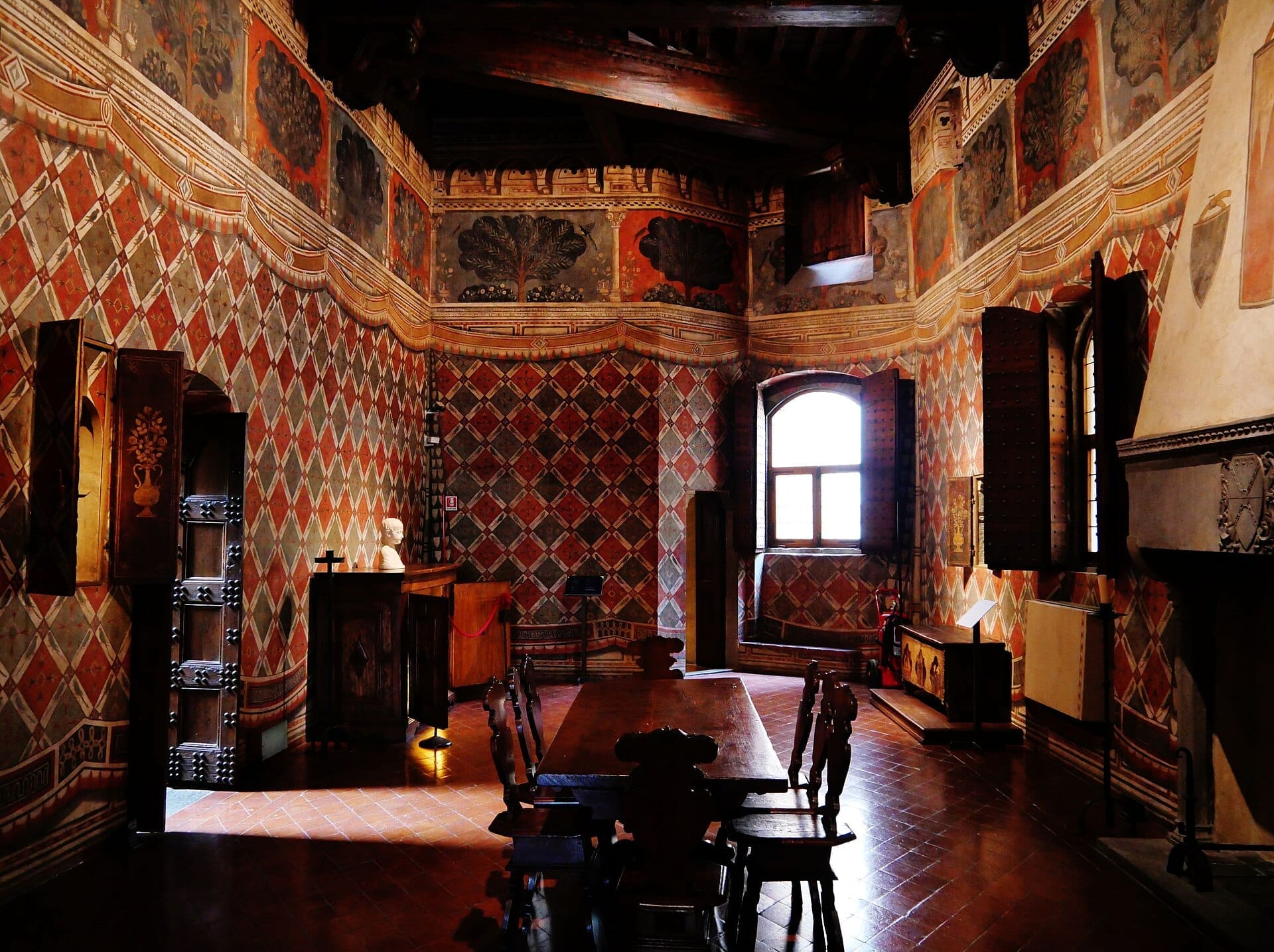
11. Walk Through a Real 14th-Century Florentine Home at Palazzo Davanzati
Original frescoed rooms, period furniture, and a five-story internal well reveal how wealthy medieval Florentines actually lived. One of the city's most underrated museums; included in the 72-hour cumulative state museum pass for 2026.
Explore11. Walk Through a Real 14th-Century Florentine Home at Palazzo Davanzati
Original frescoed rooms, period furniture, and a five-story internal well reveal how wealthy medieval Florentines actually lived. One of the city's most underrated museums; included in the 72-hour cumulative state museum pass for 2026.
Explore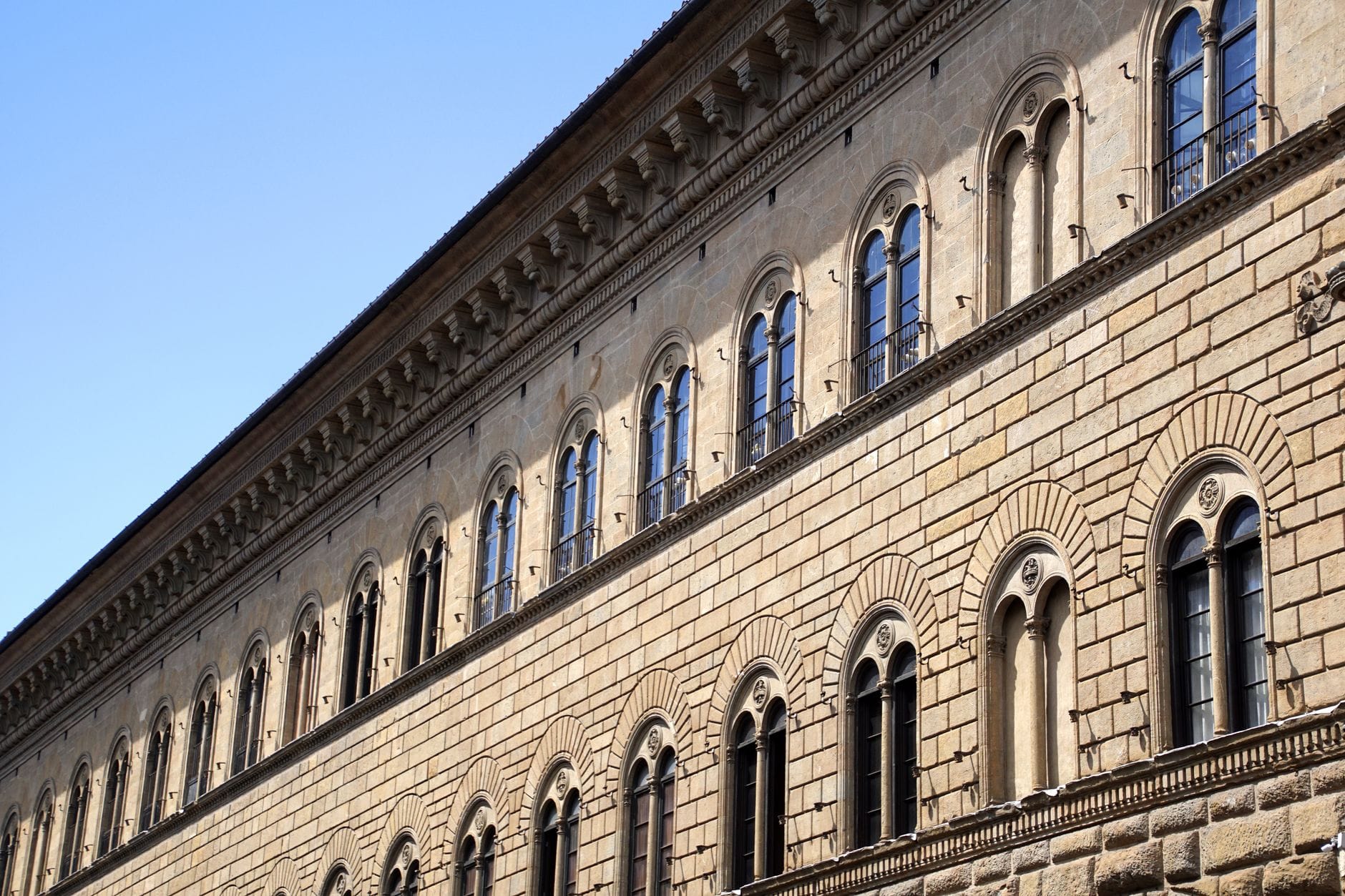
12. Catch a World-Class Temporary Exhibition at Palazzo Strozzi
The largest private Renaissance palace in Florence now hosts the city's most ambitious temporary art shows, with a beautifully restored courtyard as the centerpiece. Past exhibitions have drawn major international loans; always check what is showing before your visit.
Explore12. Catch a World-Class Temporary Exhibition at Palazzo Strozzi
The largest private Renaissance palace in Florence now hosts the city's most ambitious temporary art shows, with a beautifully restored courtyard as the centerpiece. Past exhibitions have drawn major international loans; always check what is showing before your visit.
ExploreChurches as Museums: Where Art and Architecture Converge
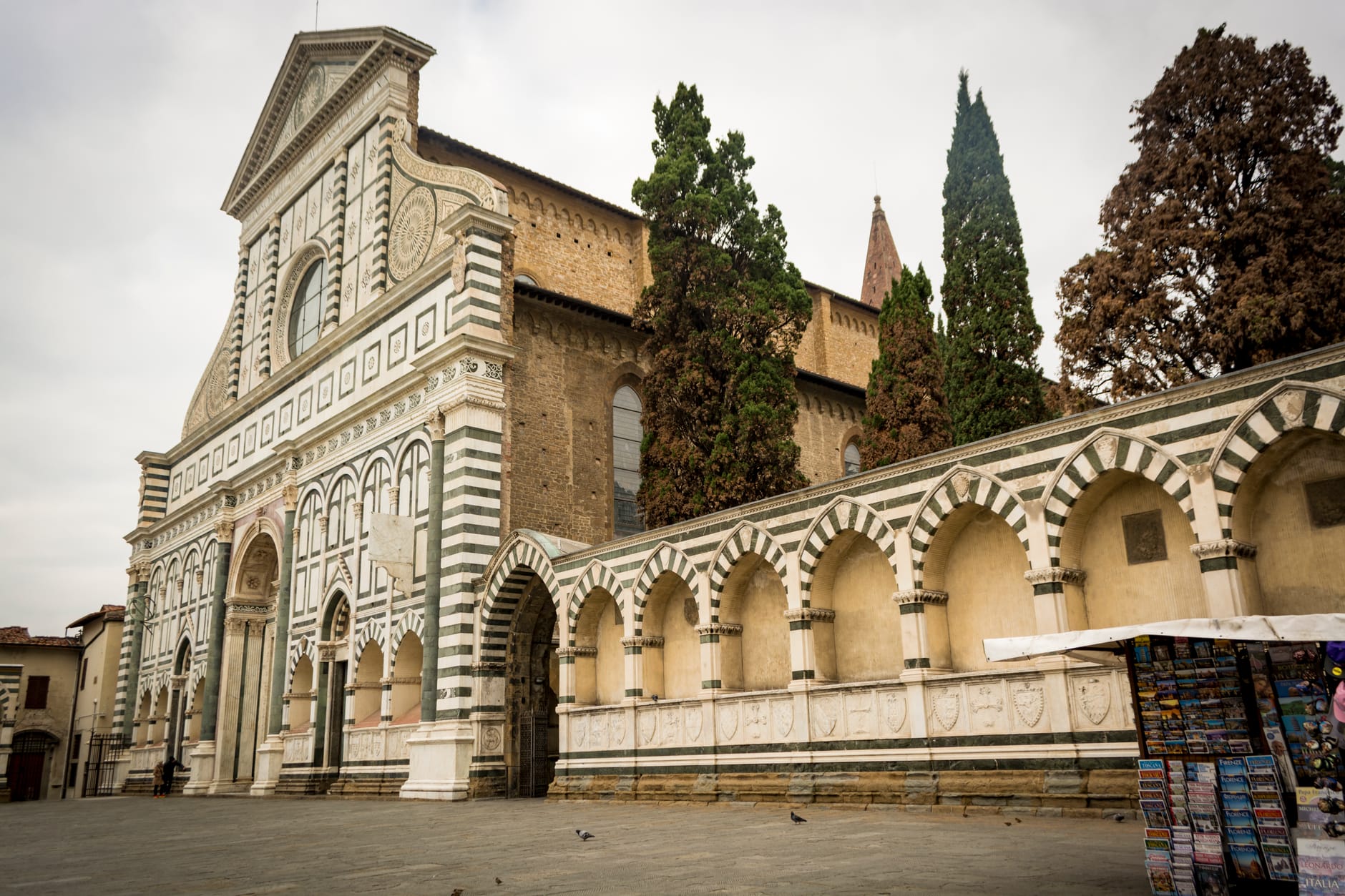
Florence's great churches function as open museums of fresco, sculpture, and architecture, several charging a small admission fee. For a deeper overview of the finest sacred buildings, see ourguide to the best churches in Florence.
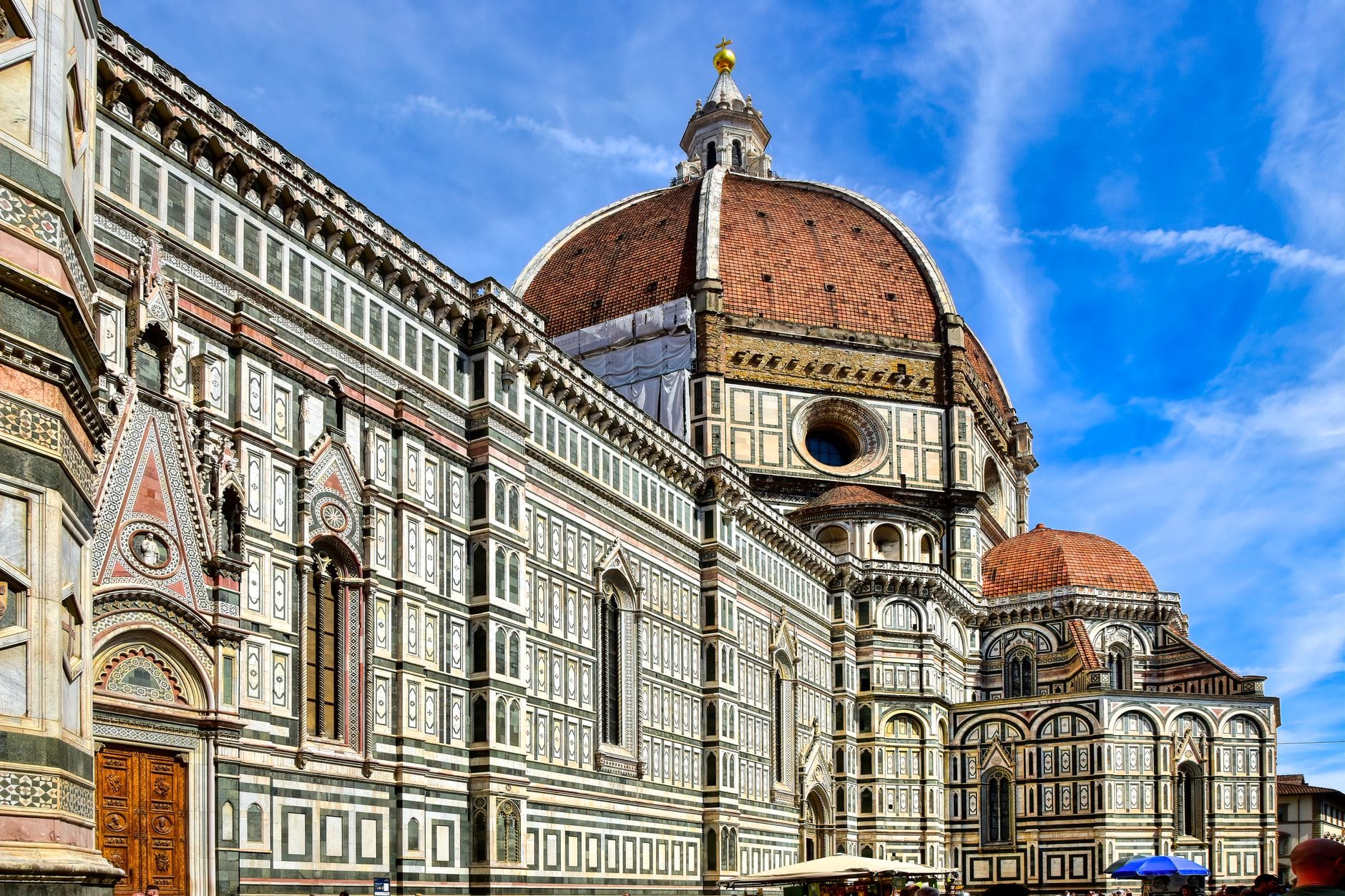
13. Take in the Full Duomo Complex with One Ticket
A combined ticket covers the Cathedral interior, Brunelleschi's Dome climb, Giotto's Campanile, the Baptistery, and the Cathedral Museum. Buy online at advance, as dome entry sells out days ahead in peak season.
Explore13. Take in the Full Duomo Complex with One Ticket
A combined ticket covers the Cathedral interior, Brunelleschi's Dome climb, Giotto's Campanile, the Baptistery, and the Cathedral Museum. Buy online at advance, as dome entry sells out days ahead in peak season.
Explore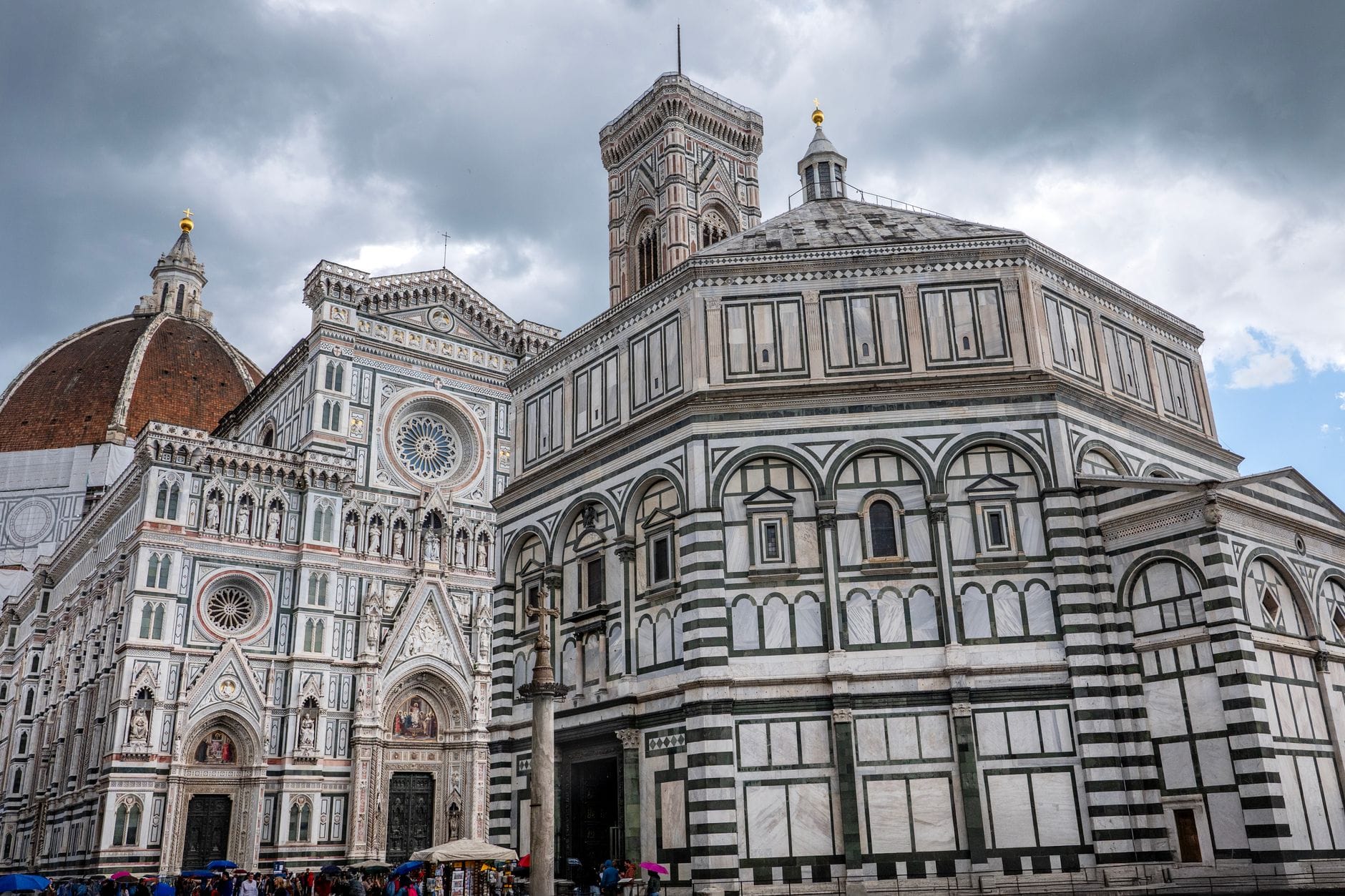
14. Examine Ghiberti's 'Gates of Paradise' at the Florence Baptistery
Ghiberti's gilded east doors took 27 years to complete and Michelangelo declared them worthy of heaven's entrance. The octagonal interior also holds extraordinary Byzantine mosaics; entry is included in the combined Duomo complex ticket.
Explore14. Examine Ghiberti's 'Gates of Paradise' at the Florence Baptistery
Ghiberti's gilded east doors took 27 years to complete and Michelangelo declared them worthy of heaven's entrance. The octagonal interior also holds extraordinary Byzantine mosaics; entry is included in the combined Duomo complex ticket.
Explore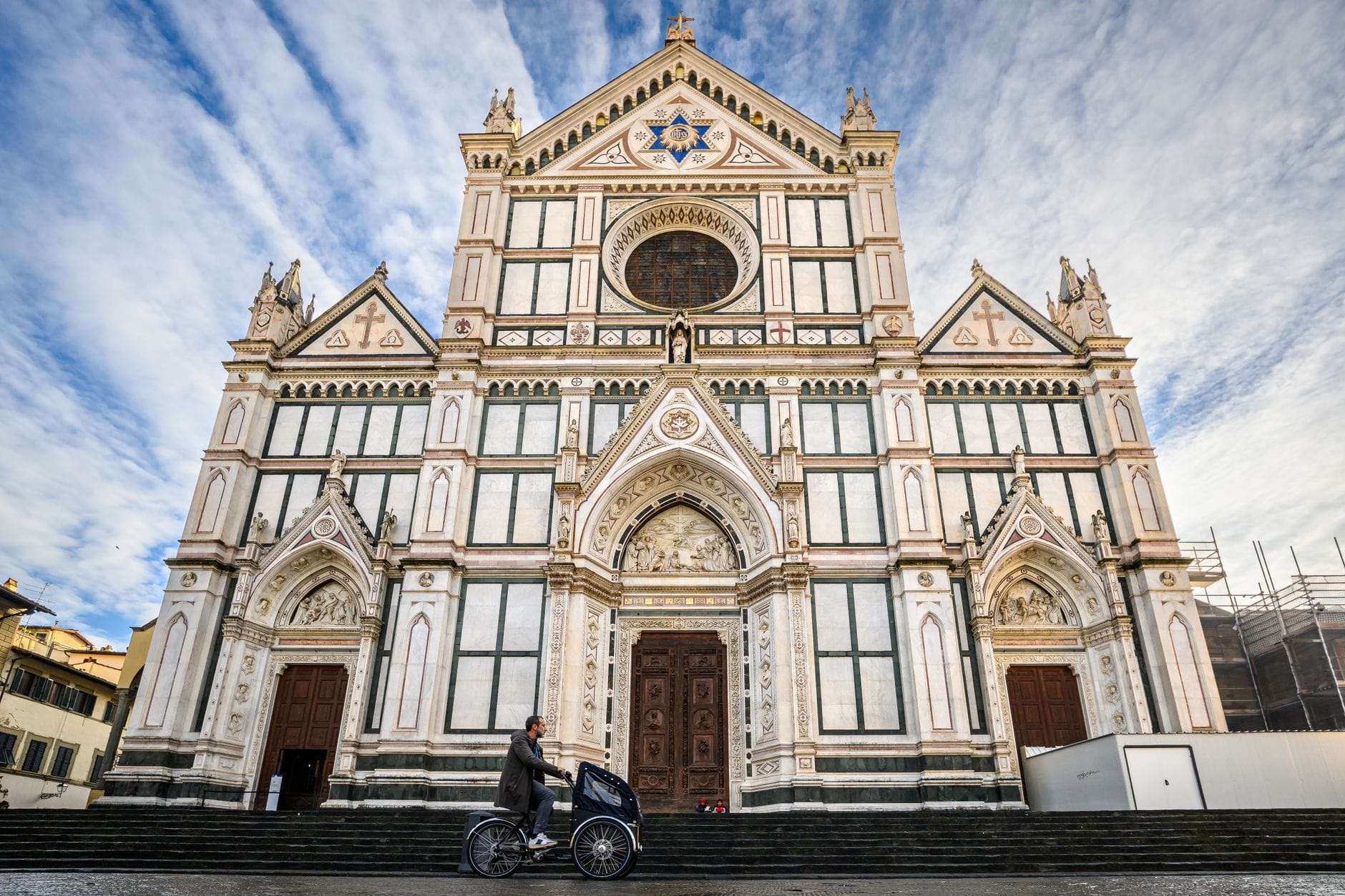
15. Visit the Tomb of Michelangelo and Giotto's Frescoes at Santa Croce
Michelangelo, Galileo, and Machiavelli are buried here, and Giotto's frescoes line the side chapels. The Pazzi Chapel in the cloister is a Brunelleschi masterpiece. Admission is charged; allow 90 minutes to see the church, museum, and cloister properly.
Explore15. Visit the Tomb of Michelangelo and Giotto's Frescoes at Santa Croce
Michelangelo, Galileo, and Machiavelli are buried here, and Giotto's frescoes line the side chapels. The Pazzi Chapel in the cloister is a Brunelleschi masterpiece. Admission is charged; allow 90 minutes to see the church, museum, and cloister properly.
Explore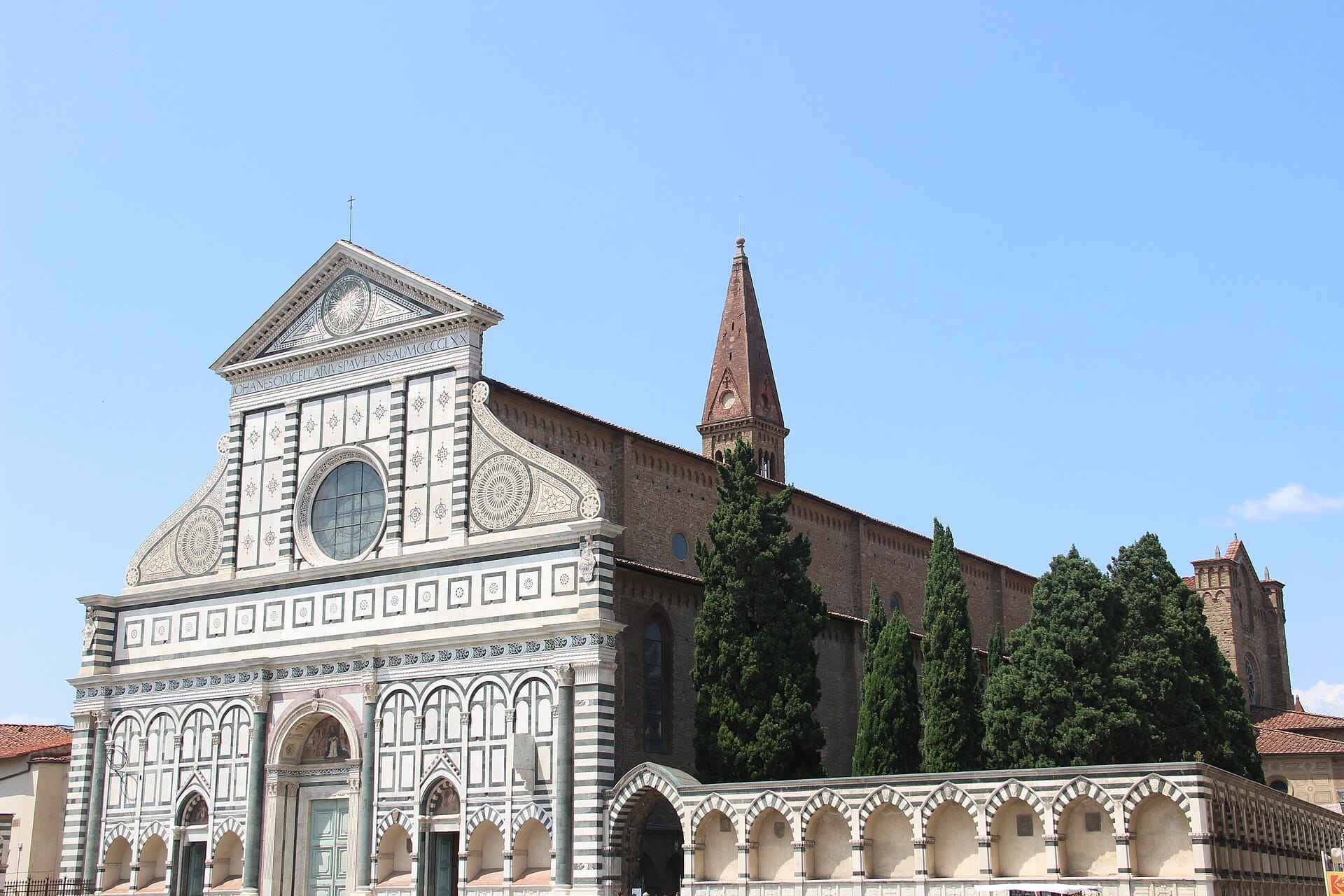
16. Find the First Painting to Use Mathematical Perspective at Santa Maria Novella
Masaccio's Trinity (1427) on the left nave wall was the first artwork to employ mathematical perspective with scientific accuracy. Ghirlandaio's frescoes and a Giotto crucifix complete an extraordinary interior. Admission charged to the museum sections.
Explore16. Find the First Painting to Use Mathematical Perspective at Santa Maria Novella
Masaccio's Trinity (1427) on the left nave wall was the first artwork to employ mathematical perspective with scientific accuracy. Ghirlandaio's frescoes and a Giotto crucifix complete an extraordinary interior. Admission charged to the museum sections.
ExploreSpecialist Collections: Science, Architecture, and the Unexpected
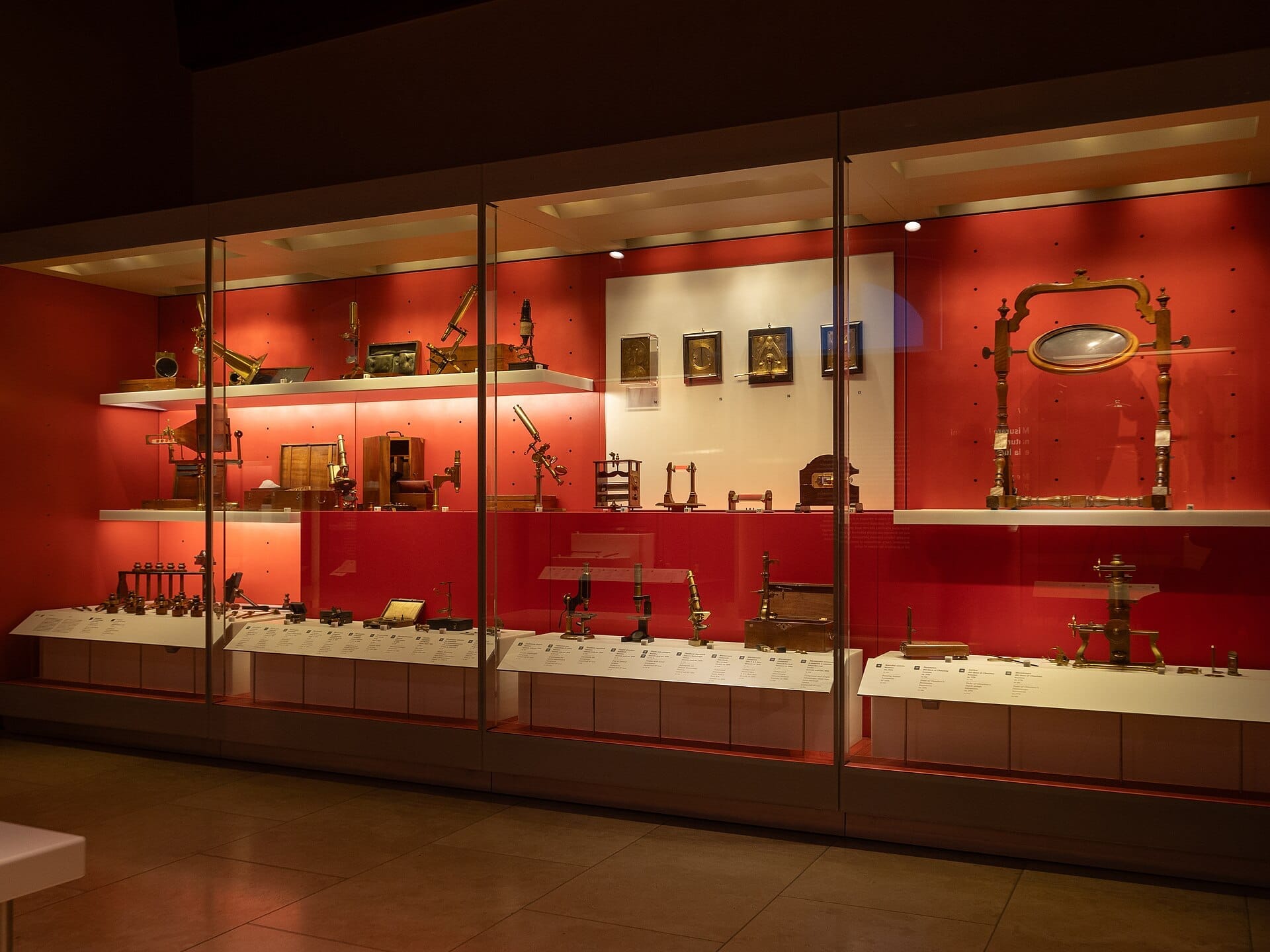
17. Handle History at the Museo Galileo Science Museum
Galileo's original telescopes, his preserved middle finger, and an astonishing collection of Renaissance scientific instruments reveal a side of Florence that most art-focused visitors miss entirely. A compact, well-curated museum that rewards a two-hour visit.
Explore17. Handle History at the Museo Galileo Science Museum
Galileo's original telescopes, his preserved middle finger, and an astonishing collection of Renaissance scientific instruments reveal a side of Florence that most art-focused visitors miss entirely. A compact, well-curated museum that rewards a two-hour visit.
Explore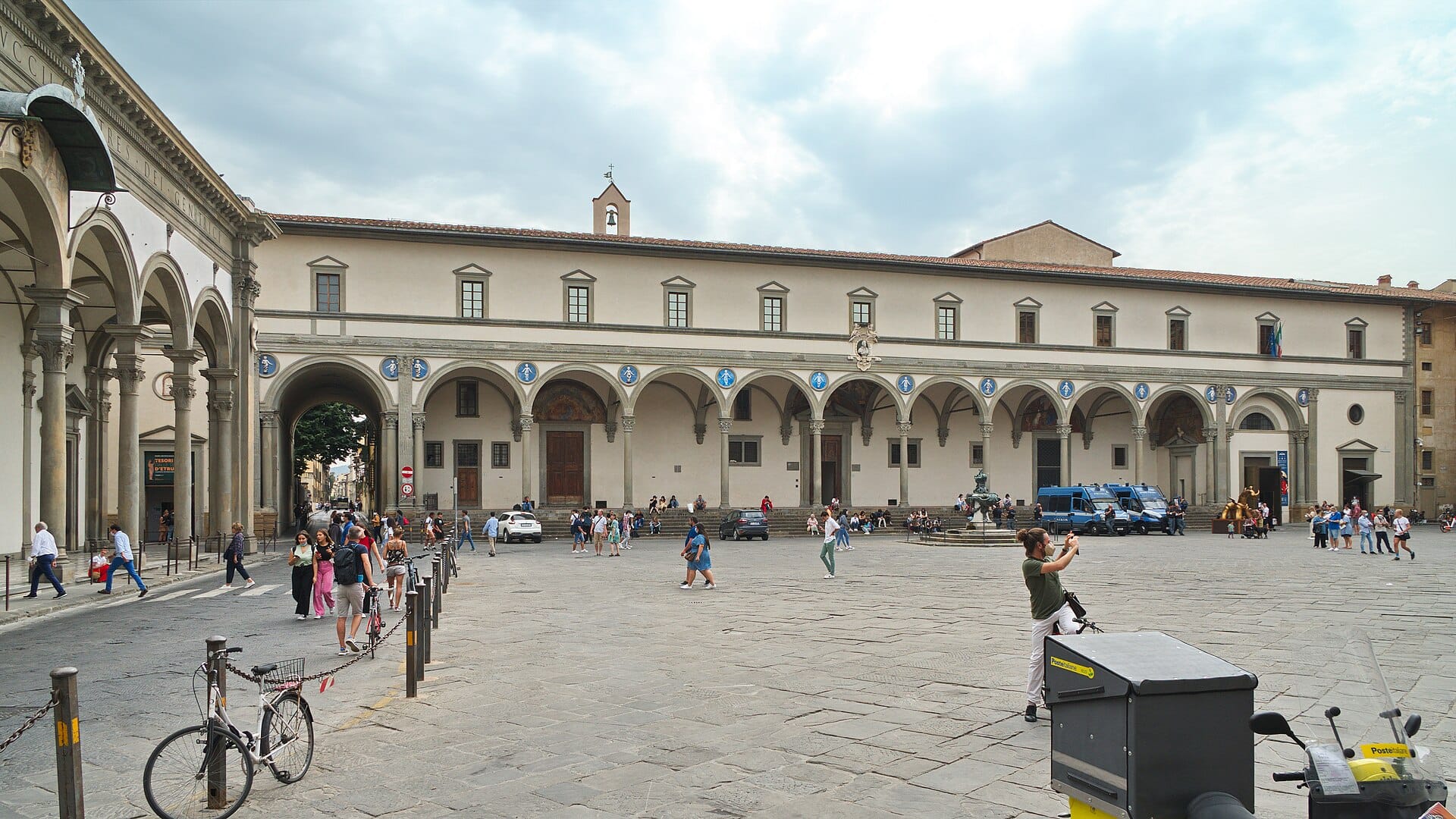
18. Tour the World's First Purpose-Built Renaissance Building at the Innocenti
Brunelleschi's 1419 Foundling Hospital is considered the opening statement of Renaissance architecture. The museum inside documents the institution's centuries-long history of caring for abandoned children, with a small but strong collection of devotional art.
Explore18. Tour the World's First Purpose-Built Renaissance Building at the Innocenti
Brunelleschi's 1419 Foundling Hospital is considered the opening statement of Renaissance architecture. The museum inside documents the institution's centuries-long history of caring for abandoned children, with a small but strong collection of devotional art.
Explore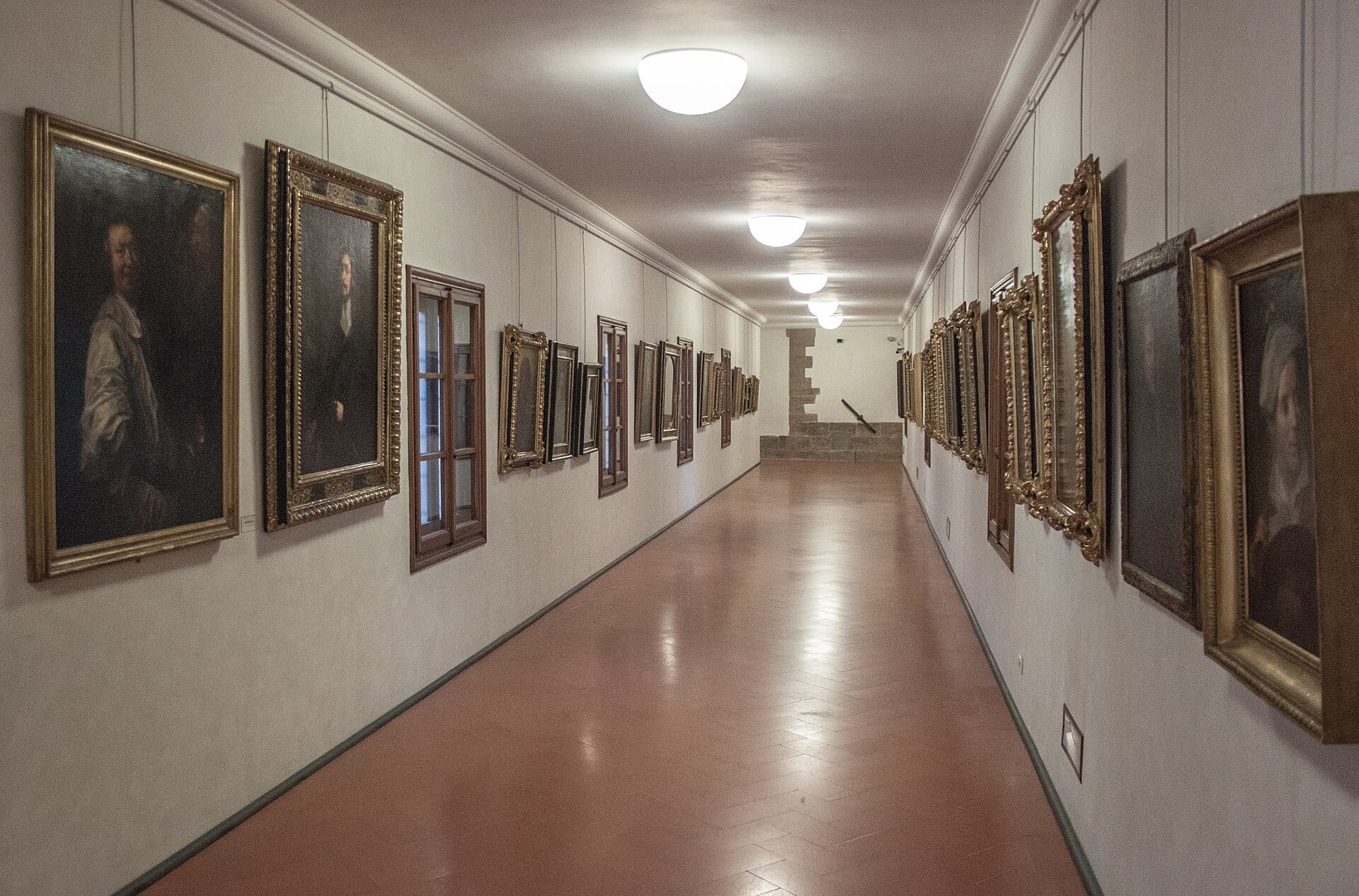
19. Walk the Secret Medici Passageway Through the Vasari Corridor
This 1-kilometer elevated walkway allowed the Medici to move privately between the Palazzo Vecchio and Pitti Palace, directly above the Ponte Vecchio. Open with a timed reservation, it offers views of Florence that no other vantage point provides.
Explore19. Walk the Secret Medici Passageway Through the Vasari Corridor
This 1-kilometer elevated walkway allowed the Medici to move privately between the Palazzo Vecchio and Pitti Palace, directly above the Ponte Vecchio. Open with a timed reservation, it offers views of Florence that no other vantage point provides.
Explore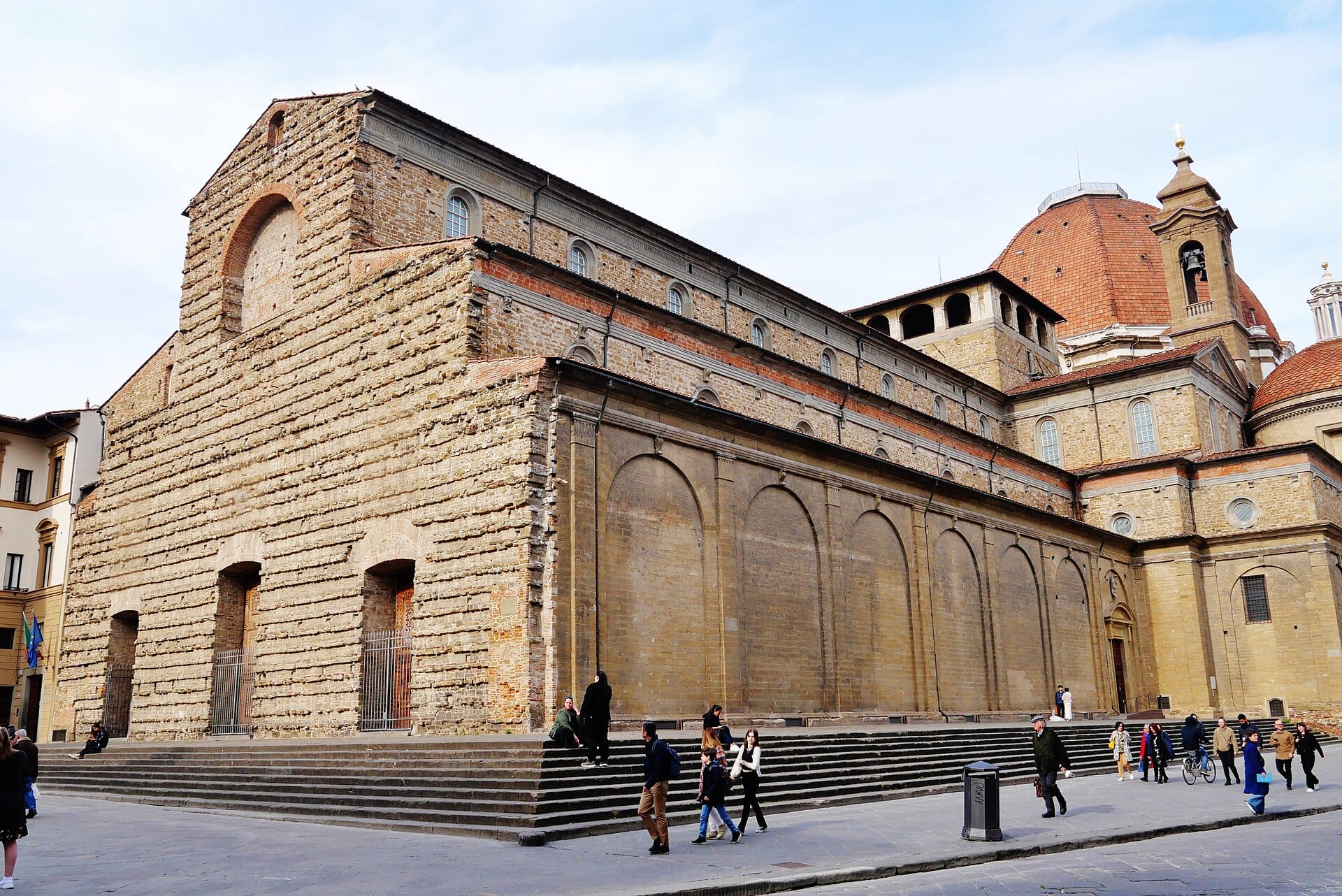
20. Visit Brunelleschi's Old Sacristy and Michelangelo's Library at San Lorenzo
Brunelleschi's Old Sacristy and Michelangelo's Laurentian Library — one of the most original architectural interiors of the 16th century — are both accessible from the basilica complex and are often overlooked by visitors who stop only at the Medici Chapels nearby.
Explore20. Visit Brunelleschi's Old Sacristy and Michelangelo's Library at San Lorenzo
Brunelleschi's Old Sacristy and Michelangelo's Laurentian Library — one of the most original architectural interiors of the 16th century — are both accessible from the basilica complex and are often overlooked by visitors who stop only at the Medici Chapels nearby.
Exploreℹ️ Good to know
The first Sunday of every month, state museums and archaeological parks run by Italy’s Ministry of Culture (including Uffizi and Accademia) are free. Advance booking is not possible on those days, queues are long, and crowds are heavy. Plan accordingly.
FAQ
Which Florence museum should I visit if I only have time for one?
The Uffizi Gallery is the essential choice: it holds Botticelli's Birth of Venus, Leonardo's Annunciation, and one of the most important collections of Italian Renaissance painting in the world. Book a timed entry at uffizi.it at least a week ahead in peak season.
What is the best museum pass for Florence in 2026?
If you plan to visit the Accademia, Bargello, Medici Chapels, Palazzo Davanzati, and Orsanmichele, the 72-hour cumulative pass (currently about €21) is excellent value. For the Uffizi, Pitti Palace, and Boboli Gardens, the 5-day combined pass costs around €31. The Firenze Card (€85-109) covers 60+ museums but only makes sense for very intensive visits.
Do Florence museums close on Mondays?
Most state museums, including the Uffizi and Accademia, close on Mondays. However, civic museums like Palazzo Vecchio keep separate schedules. Always verify current opening days on the official booking sites before you visit.
How far in advance should I book Uffizi and Accademia tickets?
In spring and summer, book both at least one to two weeks in advance. The Uffizi in particular sells out popular time slots days ahead during peak season (April to October). Book through uffizi.it and galleriaaccademiafirenze.it directly; third-party resellers add fees without adding access.
Are there good free museums in Florence?
The Brancacci Chapel, Convent of San Marco, and several churches charge small admission fees but are far cheaper than the major state museums. On the first Sunday of each month, all state museums are free, though crowds are substantial. The Basilica di Santo Spirito and San Miniato al Monte are free to enter during worship hours.
Tickets & tours
Live prices and dates from our booking partner. If you book, we may earn a commission at no extra cost to you.
Planning a trip? Discover personalized activities with the Nomado app.