Shopping in Florence: The Complete Guide to Leather, Fashion & Markets
Florence has been producing world-class leather and fashion for centuries. This guide covers every major shopping area, from artisan workshops near Santa Croce to the weekly Cascine market, with clear price breakdowns and practical advice on spotting quality goods.
Tickets & tours
Live prices and dates from our booking partner. If you book, we may earn a commission at no extra cost to you.
TL;DR
- Shopping in Florence Italy centers on leather goods, with artisan workshops around Santa Croce and Oltrarno offering the best quality.
- Expect to pay €200–600 for a mid-range artisan handbag and €60–120 for a workshop-made belt. Market stalls sell cheaper items, but quality varies significantly.
- The San Lorenzo outdoor market (Mon–Sat, ~8:00–18:00) is the most convenient option; the Tuesday Cascine market offers better prices.
- "Made in Italy" labels are legally permitted on goods with only partial Italian production. Smell, feel, and grain are better quality tests than any label.
- Haggling is normal at outdoor markets and some small shops, especially when paying cash or buying multiple items.
Why Florence Is Italy's Leather Capital
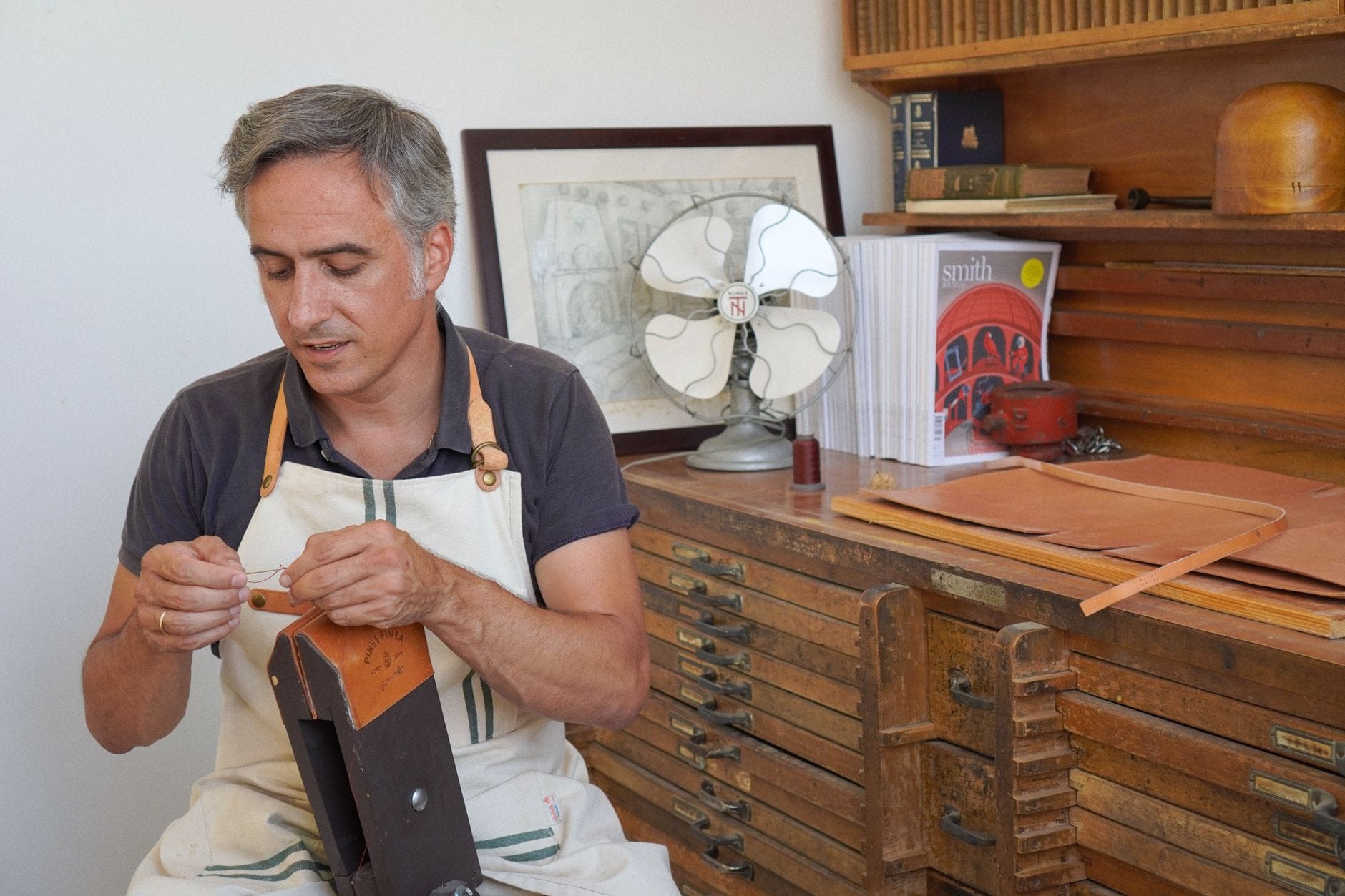
Florence has been a center of leather craftsmanship since the medieval guilds established the trade along the Arno River. Tanneries historically used the river for processing hides, and that tradition filtered into workshops that still operate in the city's historic core today. The Scuola del Cuoio, founded after World War II inside the convent of Santa Croce, is perhaps the clearest symbol of that continuity: it trains artisans in vegetable-tanning and hand-stitching techniques that have changed little in 500 years.
The city's reputation extends beyond leather into high fashion and artisan goods more broadly.The historic centreholds international luxury brands alongside small family-run workshops, which means you can spend €50 on a hand-stitched wallet or €1,500 on a bespoke bag within a few streets of each other. Understanding which category you're shopping in before you buy is the single most useful piece of advice for anyone planning a serious shopping trip.
The Best Shopping Areas by Category
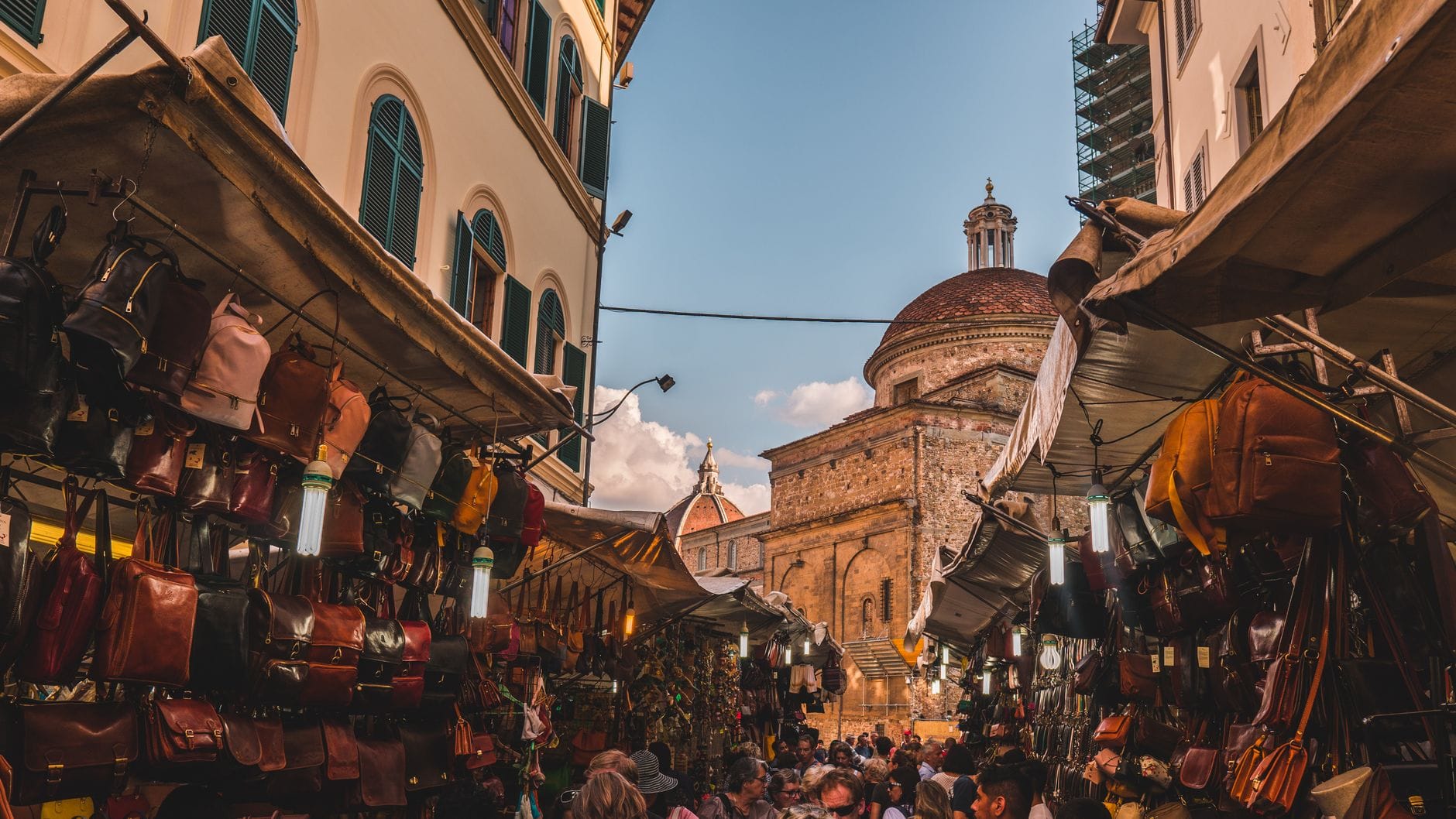
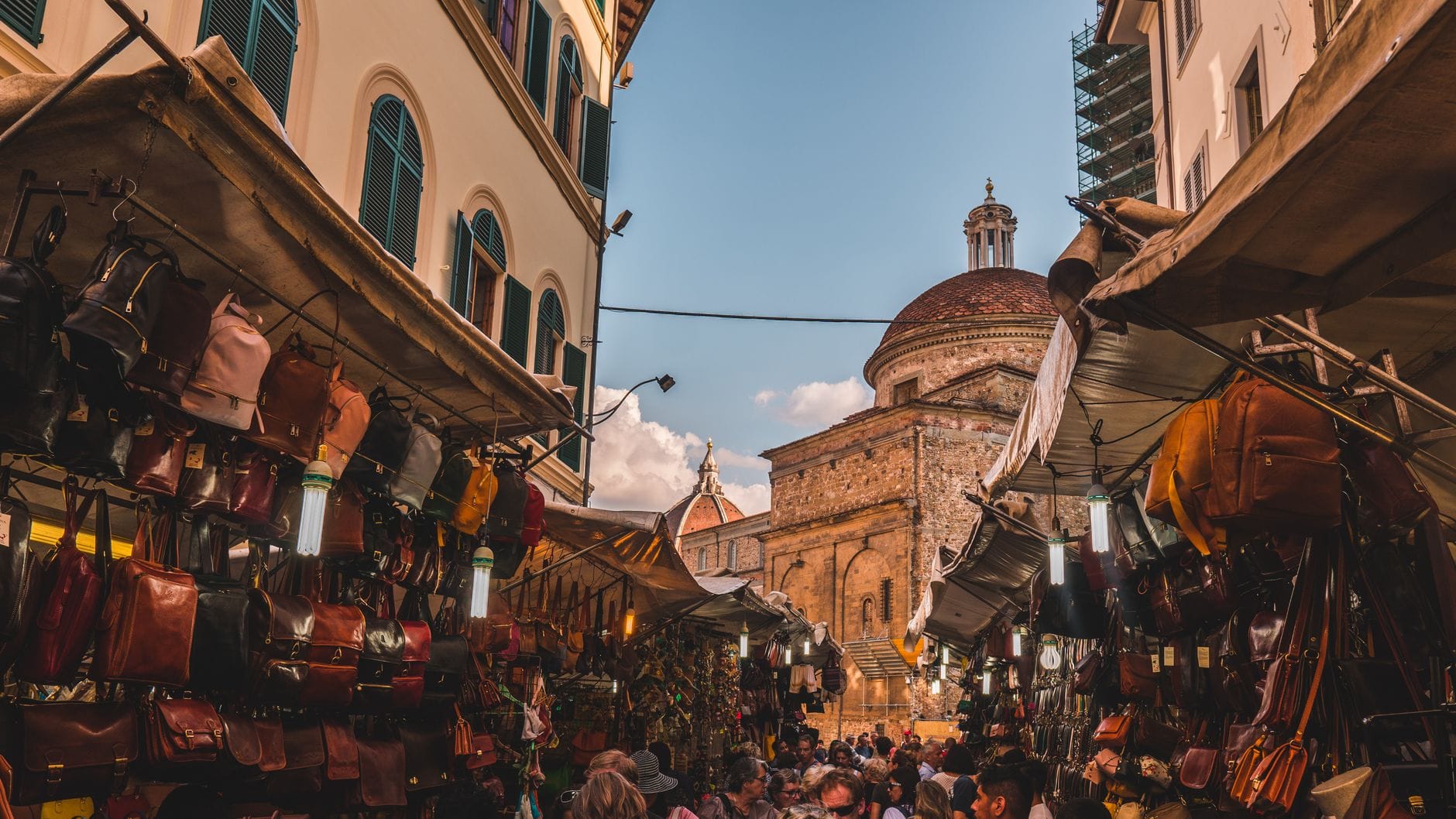
Florence's shopping geography is fairly logical once you know the zones. TheSan Lorenzoarea, stretching between Via dell'Ariento, Via Sant'Antonino, Via Panicale, and Piazza del Mercato Centrale, is the city's main outdoor leather market. Stalls here sell jackets, bags, belts, wallets, and gloves at prices that can look attractive but vary enormously in quality. This is also the area most saturated with tourist-facing stalls, so keep your expectations calibrated.
For genuine artisan workshops, head toOltrarno, the neighborhood south of the Arno. Streets like Via Maggio and the area around Santo Spirito still contain working leather ateliers, bookbinders, and furniture restorers. Casini Firenze on Piazza de' Pitti 30 is a good example: a proper leather fashion house oppositePalazzo Pitti. The Oltrarno generally rewards slow exploration more than the San Lorenzo area.
Via dei Calzaiuoli, running between Piazza del Duomo and Piazza della Signoria, is the main high-street corridor. Expect Zara, Geox, and similar international brands here. It is walkable and central, useful for mid-range fashion but not for artisan goods. Side streets like Via del Corso branch off into more interesting independent boutiques. Via Tornabuoni, a few blocks west, is where Gucci, Ferragamo, and Bulgari are located. Salvatore Ferragamo is a Florentine brand, and its flagship store at Piazza Santa Trinita doubles as a small museum of shoe history.
💡 Local tip
If you want to buy leather near Ponte Vecchio, be aware that the bridge itself sells gold jewelry, not leather. The Madova glove shop at Via Guicciardini 1r, just off the bridge on the Oltrarno side, is one of the best single-product leather specialists in Florence. They stock only gloves, in dozens of colors and linings, and have been doing so since 1919.
Markets: From San Lorenzo to Cascine
The San Lorenzo outdoor marketruns Monday through Saturday from roughly 9:00 to 19:00 and is the most central and most visited leather market in the city. Stall count drops noticeably on cold or rainy days, so winter visits can feel sparse. Prices are negotiable, especially if you're buying more than one item or paying cash. A decent belt starts around €30; a bag that claims to be full-grain leather might be marked at €80–150, though the actual material quality varies and requires inspection.
The Mercato Nuovo, often called the Porcellino market after its famous bronze boar fountain, is smaller and more centrally located nearPiazza della Signoria. It sells leather souvenirs and accessories, plus straw goods and Florentine paper. The prices can be slightly higher than San Lorenzo, and it attracts a heavy tourist flow, but it's convenient if you're already in the center.
The Cascine market (Mercato delle Cascine) operates every Tuesday from 8:00 to 14:00 in the Parco delle Cascine, a long park on the west side of the city along the Arno. This is primarily a local market selling clothing, food, household goods, and leather items at prices noticeably lower than the tourist-facing markets closer to the Duomo. You won't find the same concentration of leather stalls, but the prices on basics like belts, wallets, and casual bags tend to be more honest.
For food shopping, theMercato Centraleon the ground floor is the best place in Florence for fresh Tuscan produce, cured meats, cheese, and olive oil. The upper floor is a food hall that stays open into the evening. Separately, theSant'Ambrogio marketin the Santa Croce area is smaller, less touristic, and used by locals for daily food shopping.
- San Lorenzo Outdoor Market Best for: central location, wide leather selection, haggling. Mon–Sat ~8:00–18:00. Mixed quality; inspect carefully.
- Mercato Nuovo (Porcellino) Best for: quick central stop, leather accessories, Florentine paper goods. Higher tourist density than San Lorenzo.
- Cascine Tuesday Market Best for: lowest prices, local atmosphere, basics like belts and wallets. Every Tuesday 8:00–14:00. Requires a short bus or taxi ride from center.
- Mercato Centrale (indoor) Best for: Tuscan food products, olive oil, truffles, cured meats. Ground floor is the authentic food market; upstairs is a food court.
- Sant'Ambrogio Market Best for: local daily shopping, fresh produce, less tourist pressure. Located in the Santa Croce neighborhood.
Where to Buy Quality Leather: Workshops and Specialist Shops
The Scuola del Cuoio(Leather School of Florence), located inside the convent adjacent to theBasilica di Santa Croce, is the benchmark for Florentine leather craftsmanship. Visitors can watch artisans working at benches through a large window, and the shop sells bags, portfolios, and accessories made on-site. Prices are high, but you are paying for documented provenance and genuine hand-finishing. A bag here can run €300–800; smaller items like key rings and card holders start around €40–60.
Il Bisonte at Via del Parione 31r is one of Florence's best-known leather brands with an international following. Their aesthetic favors undyed or lightly dyed vegetable-tanned leather that develops a patina over time. Expect bags in the €200–500 range. Cellerini at Via del Sole 9r is more bespoke and less marketing-driven; their luggage and bags are made to order and priced accordingly. Benheart operates several shops on the north bank and is explicitly committed to Italian manufacturing, which makes their pricing (jackets often €400–900) more defensible than many competitors. Pierotucci has a workshop just outside the city at Via Lungo l'Ema 17 in Ponte a Ema, reachable by bus or taxi; the location is less convenient but the prices are often lower than central-city shops for comparable quality.
⚠️ What to skip
The phrase "Made in Italy" does not guarantee that leather is Italian-sourced or even predominantly Italian-made. Italian law has permitted goods with as little as around one-third Italian content to carry the label, and assembly-only scenarios have qualified in some cases. If full Italian production matters to you, ask the seller directly where the hides were tanned and where the item was cut and stitched. Reputable workshops will answer without hesitation.
How to Spot Genuine Quality Leather
The market stalls around San Lorenzo sell everything from genuine full-grain leather to heavily processed bonded leather (which is essentially leather dust mixed with polyurethane). The price difference between these materials can be small, and sellers rarely volunteer the distinction. A few physical tests are more reliable than any label.
- Smell: Good quality natural leather has a distinctive musky, slightly earthy scent. Synthetic or heavily processed materials smell chemical or have no scent at all.
- Surface texture: Genuine grain leather has irregular natural markings. Perfectly uniform grain across a large surface usually indicates embossing on lower-grade material.
- Feel: Vegetable-tanned leather feels firm but supple and warms slightly when held. Bonded leather feels thin, uniform, and sometimes slightly plasticky.
- Edges: Look at the cut edges of the piece. Artisan-quality leather has painted, burnished, or folded edges. Cheap leather shows layered material or rough, peeling fiber.
- Stitching: Tight, regular, hand-finished stitching is a quality indicator. Machine stitching with loose or uneven thread suggests factory-line production.
- Flex test: Bend a corner of the item. Good leather wrinkles naturally and recovers. Bonded or corrected leather may crack or show white stress marks.
✨ Pro tip
At outdoor markets, the most effective haggling approach is to inspect two or three items, settle on one, and offer around 20–25% below the asking price in cash. Sellers expect negotiation and build margin into the opening price. Buying multiple items significantly increases your leverage. Do not start negotiating unless you genuinely intend to buy if the price meets your offer.
Practical Shopping Tips for Florence
Florence is most crowded from June through August. The San Lorenzo market in peak summer is genuinely uncomfortable: narrow alleys, high temperatures, and sellers who are accustomed to moving tourists through quickly. April, May, September, and October give you similar availability with significantly less pressure and, at outdoor markets, somewhat more flexibility on price.
Most quality leather workshops keep standard Italian business hours, typically opening around 9:30–10:00 and closing for a lunch break between 13:00–15:00, then reopening until 19:00 or 19:30. Some smaller artisan shops close entirely on Sundays and Monday mornings. The outdoor markets generally do not take a lunch break but may close early on Saturdays or operate reduced hours in winter.
Shops in Florence are required to provide a fiscal receipt (scontrino fiscale). If you are a non-EU resident spending over a certain threshold at a single retailer (currently around €70 including VAT), you may be eligible for a VAT refund (IVA rimborso) on departure from the EU. Ask at the shop for a Tax Free form, then present it with goods and receipts at the airport before checking luggage. The refund is typically 13–15% of the purchase price after processing fees, which makes it most worthwhile on higher-value items. For specific rules and current thresholds, verify with the Italian Revenue Agency or the retailer directly before counting on this saving. If your trip involves traveling fromRome to Florencebefore flying home from Rome, you will need to process the VAT refund at the last EU departure point.
If you want to combine a shopping day with broader sightseeing, the San Lorenzo area is walking distance from theBasilica di San Lorenzo and the Medici Chapels. The Santa Croce workshop area pairs naturally with visiting the basilica itself. For a full itinerary that builds shopping into a wider day in the city, see theone day in Florence guide.
Florence's best shopping is compact enough to do on foot. The city'swalkable layoutmeans you can cover San Lorenzo, the historic center, and Oltrarno in a single day without needing public transport. Carry a small day bag and wear comfortable shoes; cobblestones in the historic centre are uneven and tiring over long distances.
FAQ
Is the leather at San Lorenzo Market in Florence real?
Some of it is, some is not. The San Lorenzo market contains a wide range of quality, from genuine full-grain leather to bonded or heavily processed material. The key tests are smell (natural leather has a musky, earthy scent), surface texture (natural grain is irregular), and edge construction (quality edges are finished, not layered). Prices in the €30–80 range for bags are almost always a sign of lower-grade material. If you want guaranteed quality, pay more at an artisan workshop like the Scuola del Cuoio near Santa Croce.
Where is the best place to buy leather in Florence?
For the highest documented quality, the Scuola del Cuoio (Leather School of Florence) inside the Santa Croce convent is the benchmark. For well-known brands with consistent quality, Il Bisonte and Benheart are reliable. For gloves specifically, Madova at Via Guicciardini 1r near Ponte Vecchio is the specialist. If budget is the priority, the Tuesday Cascine market typically offers better prices than the San Lorenzo tourist market.
Can you haggle in Florence shops and markets?
At outdoor markets like San Lorenzo, Mercato Nuovo, and Cascine, haggling is expected. Start around 20–25% below the asking price and negotiate from there. At established boutiques and artisan workshops, prices are generally fixed. Offering to pay cash sometimes gets you a small discount even at fixed-price shops, but don't expect dramatic reductions.
What is a typical price for a leather bag in Florence?
Market stalls sell bags from around €40–150, though quality at this price point varies greatly. Artisan workshop bags in vegetable-tanned leather typically run €200–600 for mid-range pieces, and €700–1,500 or more for high-end or bespoke work. Leather jackets from quality workshops cost €400–900; designer labels start higher. Wallets and small leather goods from workshops generally fall in the €60–180 range.
What is the best time of year to shop in Florence for leather goods?
April, May, September, and October offer the best combination of good weather, lower crowds at outdoor markets, and more relaxed negotiating conditions. Summer (June–August) is the busiest and hottest period; outdoor market stalls are crowded and sellers less inclined to negotiate. Winter is quieter but some stalls reduce hours or close in bad weather, and the selection at outdoor markets can be thinner.
Tickets & tours
Live prices and dates from our booking partner. If you book, we may earn a commission at no extra cost to you.
Planning a trip? Discover personalized activities with the Nomado app.