Rome to Florence: Train, Bus & Every Travel Option Compared
The journey from Rome to Florence is one of Italy's most traveled routes, and getting it right saves you hours and money. This guide breaks down every realistic option — high-speed train, budget bus, and why flying rarely makes sense — with practical advice on booking, timing, and what to expect when you arrive.
Tickets & tours
Live prices and dates from our booking partner. If you book, we may earn a commission at no extra cost to you.
TL;DR
- High-speed train is the fastest and most practical option: direct services from Roma Termini to Firenze Santa Maria Novella take around 1h 25m–1h 37m, with fares starting as low as €14.90 if booked early.
- Buses are slower (3–4+ hours) but cheaper, with fares from around €5–€6 on operators like FlixBus, Itabus, and BlaBlaCar Bus.
- Flying Rome to Florence is almost never worth it once airport transfer time is factored in — skip it.
- Book trains directly through Trenitalia or Italo for the best fares; third-party platforms add fees. For onward journeys to Venice, the same booking logic applies.
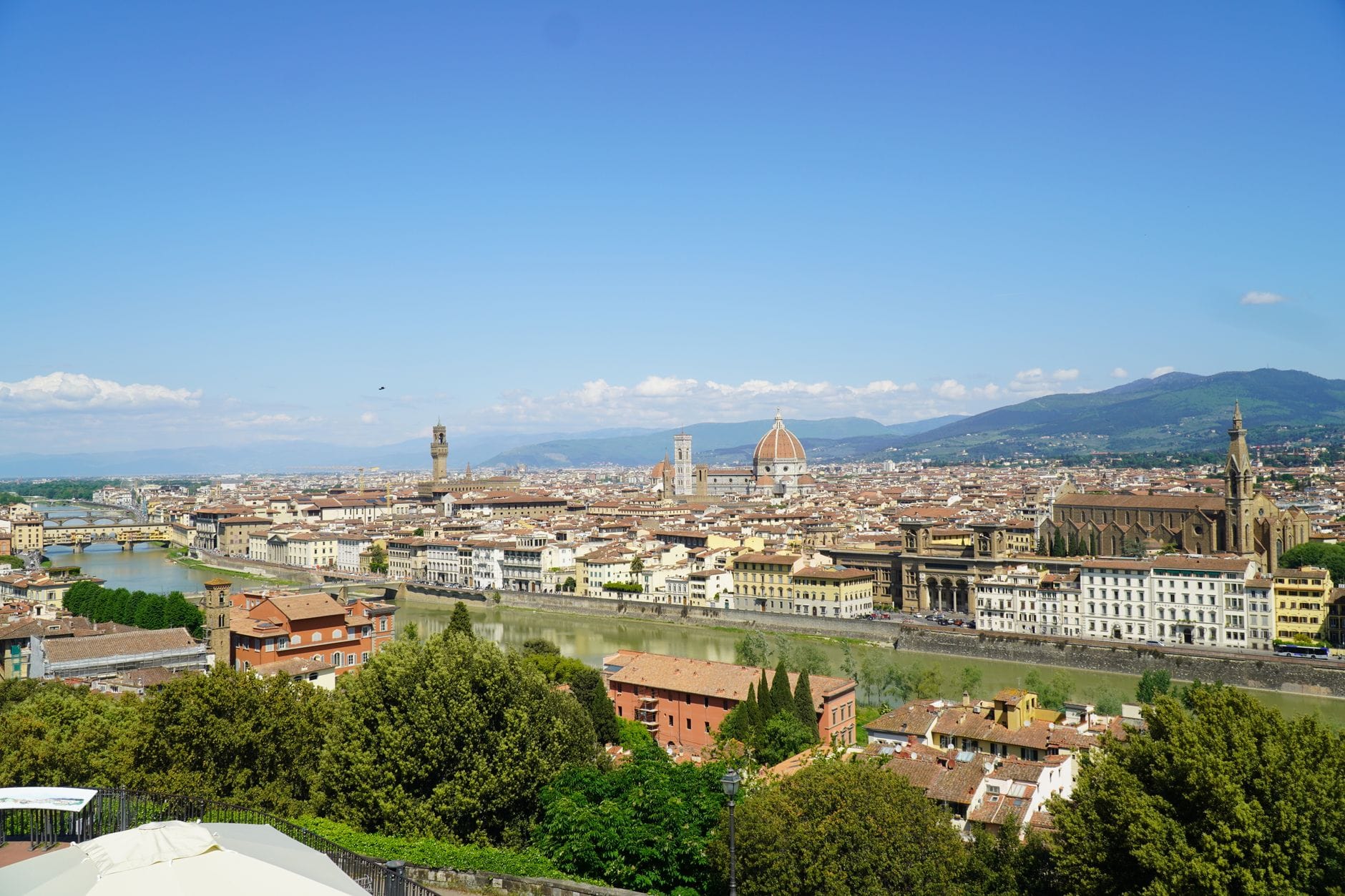
- Florence's historic centre is compact and walkable. Once you arrive at Firenze SMN, most major sites — including the Duomo — are within 15 minutes on foot.
Why the Train Wins: Rome to Florence by High-Speed Rail
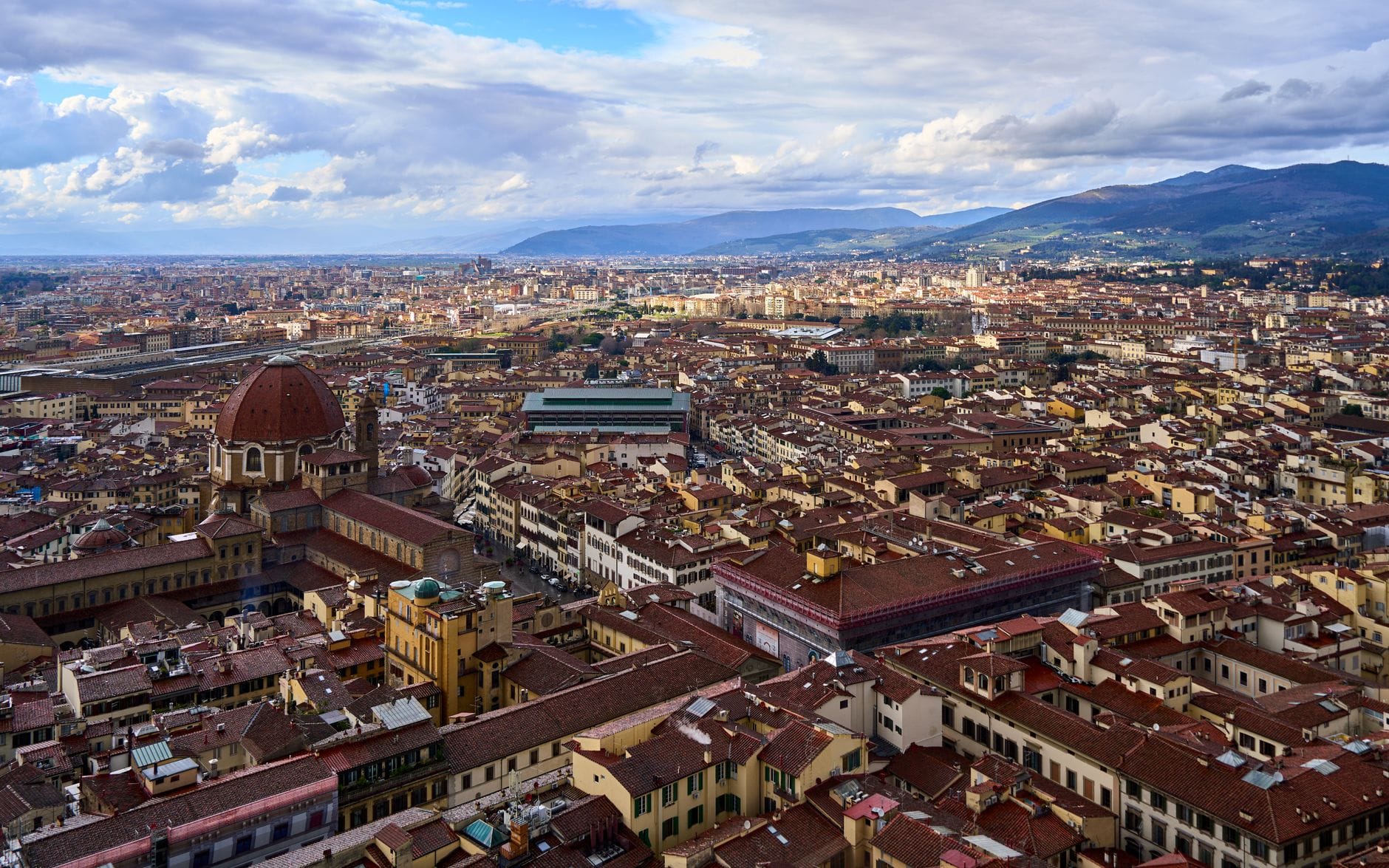
The rail corridor betweenRome and Florence is one of the busiest in Italy, and high-speed services have made it genuinely easy. Two operators compete directly on this route: Trenitalia (with its Frecce services) and Italo. Both run direct trains on the same high-speed line, departing from Roma Termini and arriving at Firenze Santa Maria Novella (SMN) — the city's main station, positioned right on the edge of the historic centre.
Trenitalia Frecce runs services roughly every 30 minutes throughout the day, with journey times around 1h 37m. Italo is often marginally faster, with some services listed at around 1h 25m. In practice, both are comparable and the difference rarely matters. What does matter is price: fares fluctuate significantly based on how early you book and which class you choose. Advance tickets on both operators can start around €14.90–€25, while flexible or last-minute tickets can reach €60 or more. The sweet spot is booking 2–4 weeks ahead for a midweek departure.
✨ Pro tip
Book directly on Trenitalia.com or Italotreno.com rather than third-party aggregators. Platforms like Trainline and Rail Europe are convenient but add booking fees that can push a €23 fare above €30. The official sites are straightforward to use in English.
Both Roma Termini and Firenze SMN are central stations with good onward connections. From SMN in Florence, the Duomo is roughly a 10-minute walk northeast. Taxis queue outside the main exit, and the city's tram network connects the station to other neighbourhoods. There is no need to negotiate transfers or worry about luggage logistics the way you would with an airport arrival.
- Trenitalia Frecce Departs roughly every 30 minutes. Journey time around 1h 37m. Fares from approximately €23 standard class, rising steeply for flexible tickets. Book at trenitalia.com.
- Italo Slightly faster on some services (around 1h 25m). Fares from approximately €14.90 for advance Economy tickets. Modern trains with good onboard comfort. Book at italotreno.com.
- Regional trains Slower intercity (IC) and regional services also exist at lower prices, but journey times stretch to 3+ hours with possible changes. Not recommended for this route when high-speed options are available.
Rome to Florence by Bus: Slower, Cheaper, and Fine for Budget Travelers
If cost is the priority and time is not, the bus is a legitimate option. Direct services from Rome to Florence typically take 3 to 4 hours, though traffic on the A1 autostrada can push that longer. Fares start from around €7–€9 on platforms like Omio and Busbud, making buses significantly cheaper than even the cheapest advance train ticket during busy periods.
Operators on this route include FlixBus, Itabus, MarinoBus, and BlaBlaCar Bus. Frequencies are high — around 50 or more departures per day across operators — so flexibility is rarely an issue. Departure points in Rome vary by operator: some leave from near Termini, others from Tiburtina or peripheral bus stations, so confirm your specific boarding point when booking. In Florence, most buses arrive at the Autostazione (bus station) adjacent to Firenze SMN, which is convenient.
⚠️ What to skip
Bus journey times on this route are estimates. Italian motorway traffic, particularly on summer weekends and holiday periods, can add 30–60 minutes or more. If you have a museum booking or onward connection, the train is a much safer choice.
What About Flying? The Short Answer: Don't
Flights between Rome and Florence do technically exist, but they make almost no sense for this journey. Florence Airport (Amerigo Vespucci, IATA: FLR) is a small airport about 4–6 km northwest of the city centre, served by the T2 tram line into SMN. Rome's main international airport, Fiumicino (FCO), is roughly 30 km from Termini. Once you add check-in time, security, the flight itself, baggage claim, and transfers at both ends, you are looking at a door-to-door journey of 3+ hours — slower than the high-speed train and considerably more expensive and stressful. Even Rome's secondary airport, Ciampino (CIA), does not change this calculation meaningfully.
The one scenario where flying might come up is if you are arriving into Rome from outside Italy and have a connection to Florence built into your itinerary. In that case, reassess: it is often faster and cheaper to take the train directly from Fiumicino or Termini rather than connecting to a domestic flight.
Booking Strategy: When to Buy and Where
Train fares on the Rome–Florence route use dynamic pricing, meaning the same seat on the same service can cost three times as much on a Saturday in August as it does on a Tuesday in February. The practical advice is straightforward: book as early as possible if you have fixed dates, and be flexible with departure time if you are on a tight budget. Early-morning and late-evening departures are consistently cheaper than midday services.
- Book directly on Trenitalia.com or Italotreno.com — no booking fees and the same inventory as third-party sites.
- Compare both operators before booking: on any given day, Italo's economy fares are sometimes lower than Trenitalia's equivalent class.
- For flexible travel, a non-refundable advance ticket is fine; for tours or tight connections, pay the extra for a changeable fare.
- Weekday travel (Tuesday–Thursday) is generally cheaper and less crowded than Friday–Sunday.
- During Italian public holidays (Easter, Ferragosto in August, Christmas week), book weeks in advance or expect sold-out trains and inflated prices.
- Bus tickets rarely need advance booking except on peak holiday weekends, but booking ahead locks in the lowest fares.
💡 Local tip
If you are planning a multi-city Italy trip, check whether a rail pass (such as Eurail) makes financial sense. For two people making multiple journeys, it sometimes does — but for a single Rome–Florence trip, individual tickets bought in advance almost always beat pass prices.
Arriving in Florence: From the Station to the City
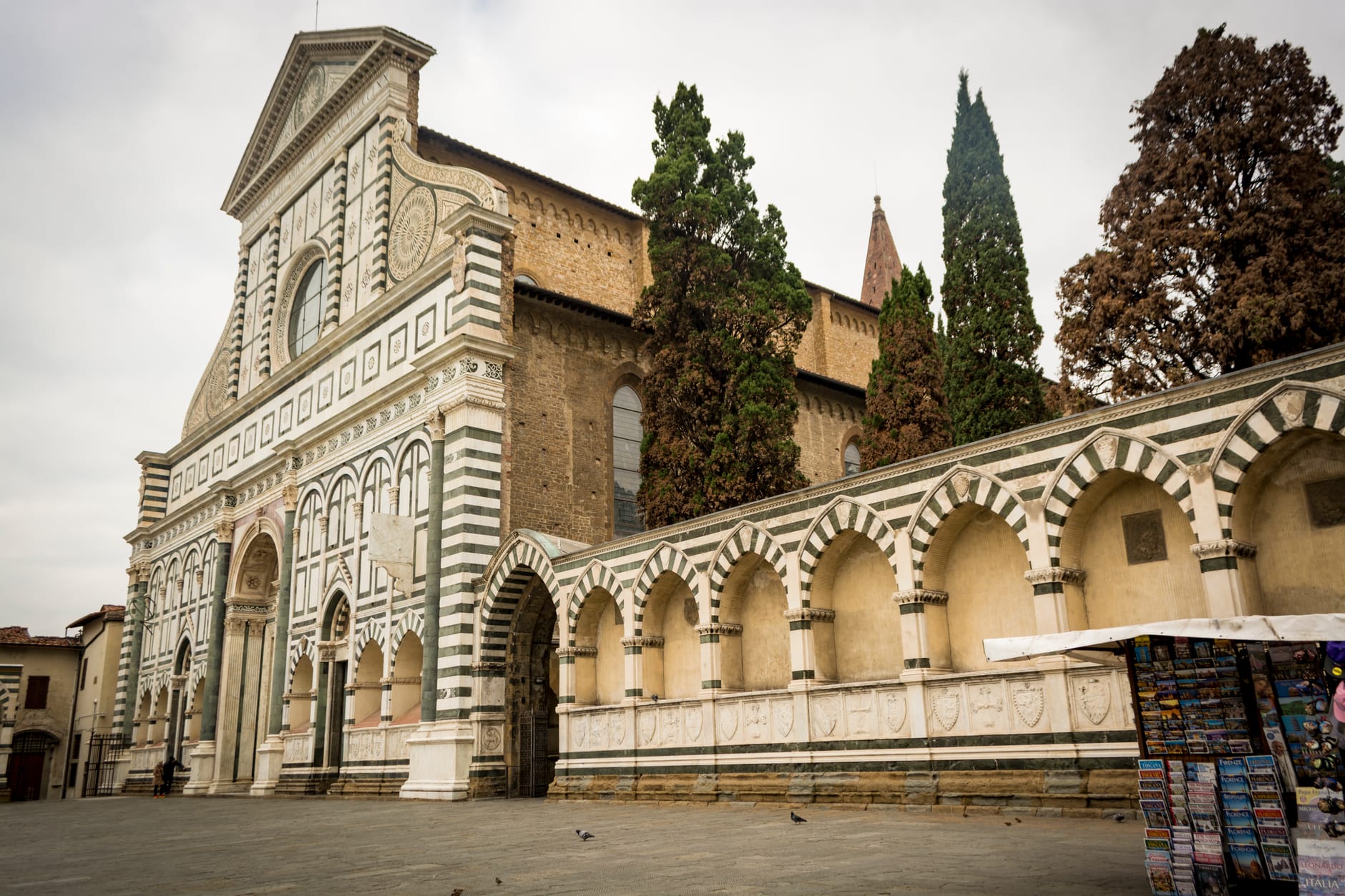
Firenze Santa Maria Novella station drops you directly into the neighbourhood of the same name, one of the city's main transport and accommodation hubs. TheBasilica di Santa Maria Novella is immediately in front of the station — an impressive introduction to Florence's architecture before you have even started. From here, the historic centre is entirely walkable: Piazza della Repubblica is about 8 minutes on foot, theFlorence Cathedral (Duomo) is around 12 minutes, and thePonte Vecchio is roughly 20 minutes.
If you are staying in theOltrarno— Florence's neighbourhood south of the Arno, which has a more local feel and contains the Pitti Palace and Boboli Gardens — a taxi from SMN takes about 10 minutes. Taxis rank directly outside the main station exit. Ridesharing apps operate in Florence, but availability and regulations for platforms like Uber are more limited than in some other European cities; official taxis are the reliable fallback.
For most visitors, Florence rewards time on foot. The UNESCO-listed historic centre is compact — roughly 2 km across — and many of the best experiences, from theUffizi Gallery to the Mercato Centrale, are clustered within easy walking distance of SMN. If you only have limited time, check out theone day in Florence itinerary to prioritize efficiently.
ℹ️ Good to know
Florence's historic centre has a Limited Traffic Zone (ZTL) that restricts private vehicles during most of the day. If you are being dropped off by a private driver or taxi, confirm the approach route. This does not affect taxis operating on official fares, but it matters for private hire arrangements.
Seasonal Timing: When the Rome–Florence Route Gets Complicated
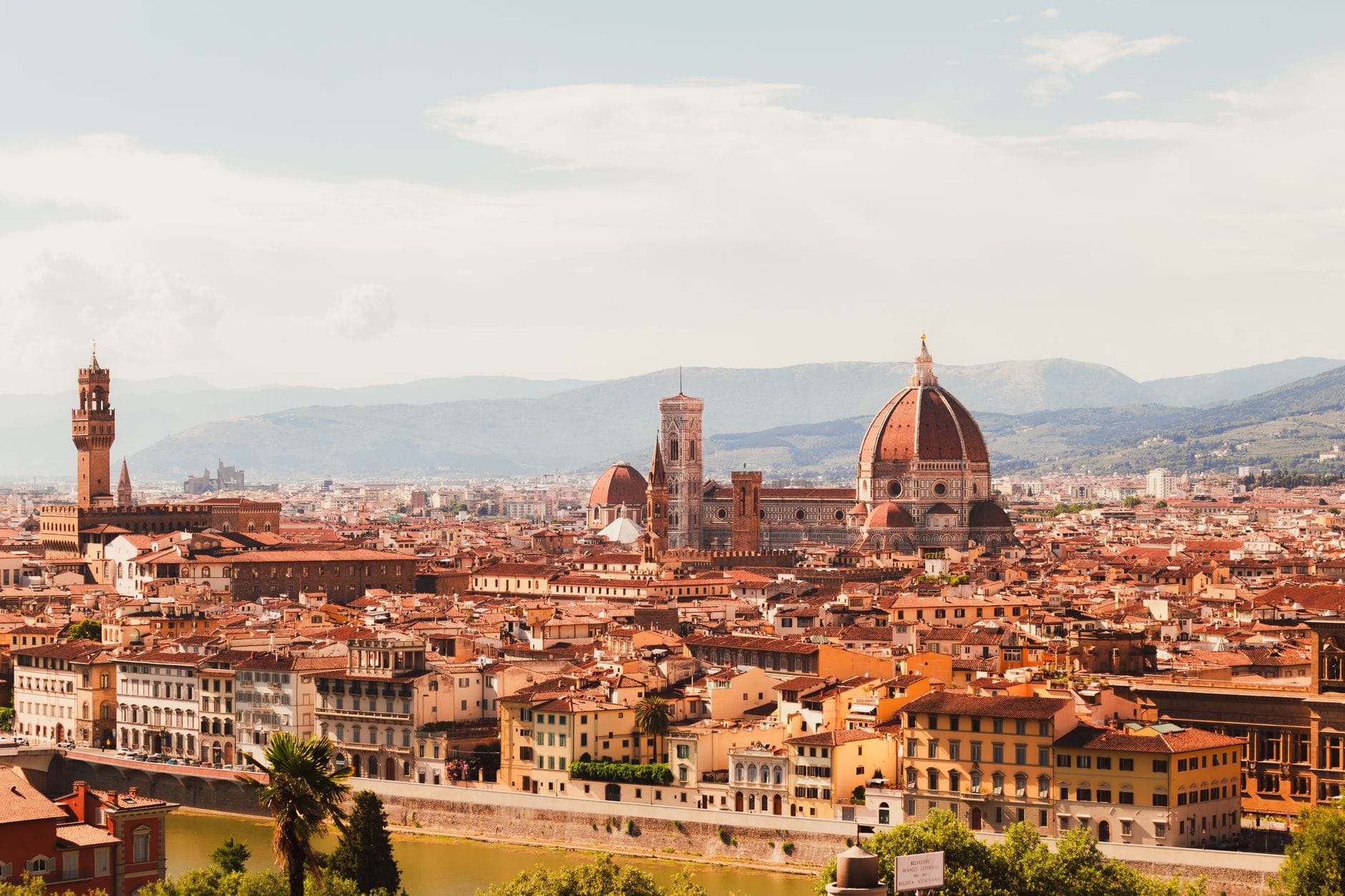
The route operates year-round without significant disruption, but travel patterns change dramatically by season. Summer (June–August) is when both trains and buses fill fastest and fares peak — this is also when Florence itself is at its most crowded and hottest, with temperatures regularly in the high 20s to mid-30s Celsius. Thebest time to visit Florence is generally considered to be April–June or September–October, when the weather is more comfortable and queues at major sites are shorter.
Winter travel (December–February) is perfectly viable and often significantly cheaper, both for transport and accommodation. Florence in winter is cold and occasionally foggy, but the crowds thin out considerably, and you can walk into the Uffizi or the Accademia with much shorter waits. The one complication is that some services reduce frequency in the off-season, though the Rome–Florence high-speed corridor maintains high frequency throughout the year.
FAQ
How long does the train from Rome to Florence take?
Direct high-speed services take approximately 1h 25m to 1h 37m depending on the operator and specific service. Trenitalia Frecce services typically run around 1h 37m; some Italo services are listed at around 1h 25m. Regional and intercity trains are slower, often 3 hours or more, and are not worth it on this route.
What is the cheapest way to get from Rome to Florence?
The cheapest regular option is usually a long-distance bus with FlixBus, Itabus, or similar operators, with fares starting from around €5–€6. For trains, booking well in advance on Italo or Trenitalia can yield fares from around €14.90–€23. The cheapest available option on any given day will vary, so compare both when booking.
Which train station in Florence do trains from Rome arrive at?
Virtually all direct services from Rome arrive at Firenze Santa Maria Novella (SMN), which is the main station and is centrally located. A small number of services also stop at Firenze Campo di Marte, but SMN is the standard destination and far more convenient for the historic centre.
Is it better to take Trenitalia or Italo from Rome to Florence?
Both are reliable and comfortable. Italo sometimes offers lower advance fares and slightly faster journey times on certain services. Trenitalia has higher frequency (roughly every 30 minutes) and is the national operator. Check prices on both for your specific travel date and choose whichever is cheaper or better timed — there is no meaningful quality difference for this route.
Do I need to book the Rome to Florence train in advance?
For off-peak travel on weekdays, you can often buy tickets on the day, but fares will be higher. For weekend travel, Italian public holidays, or the summer months (July–August), booking at least 2–3 weeks ahead is strongly recommended to secure lower fares and guarantee a seat. Last-minute high-speed train tickets can cost three to four times the advance price.
Tickets & tours
Live prices and dates from our booking partner. If you book, we may earn a commission at no extra cost to you.
Planning a trip? Discover personalized activities with the Nomado app.