Florence with Kids: The Complete Family Travel Guide
Florence rewards families who plan smart. From free museum entry for children under 18 to gelato-making classes and rooftop climbs, this guide covers everything you need: timing, logistics, money-saving tips, and practical advice on what actually works with kids in tow.
Tickets & tours
Live prices and dates from our booking partner. If you book, we may earn a commission at no extra cost to you.
TL;DR
- All Italian state museums are free for children under 18, covering the Uffizi, Accademia, Pitti Palace, Bargello, and more.
- Florence is compact and walkable; the historic centre takes about 25 minutes to cross on foot, making it manageable even with young children when you plan regular breaks and consult a solid Florence itinerary.
- April, May, and September are the best months for families: mild temperatures, lower humidity, and shorter queues than July or August.
- Book the Duomo complex, Uffizi, and Accademia in advance online; walk-up queues in peak season can exceed two hours.
- Plan 4 to 6 days for a relaxed family pace with time for parks, gelato stops, and the Boboli Gardens rather than rushing between sites.
Why Florence Works Surprisingly Well for Families
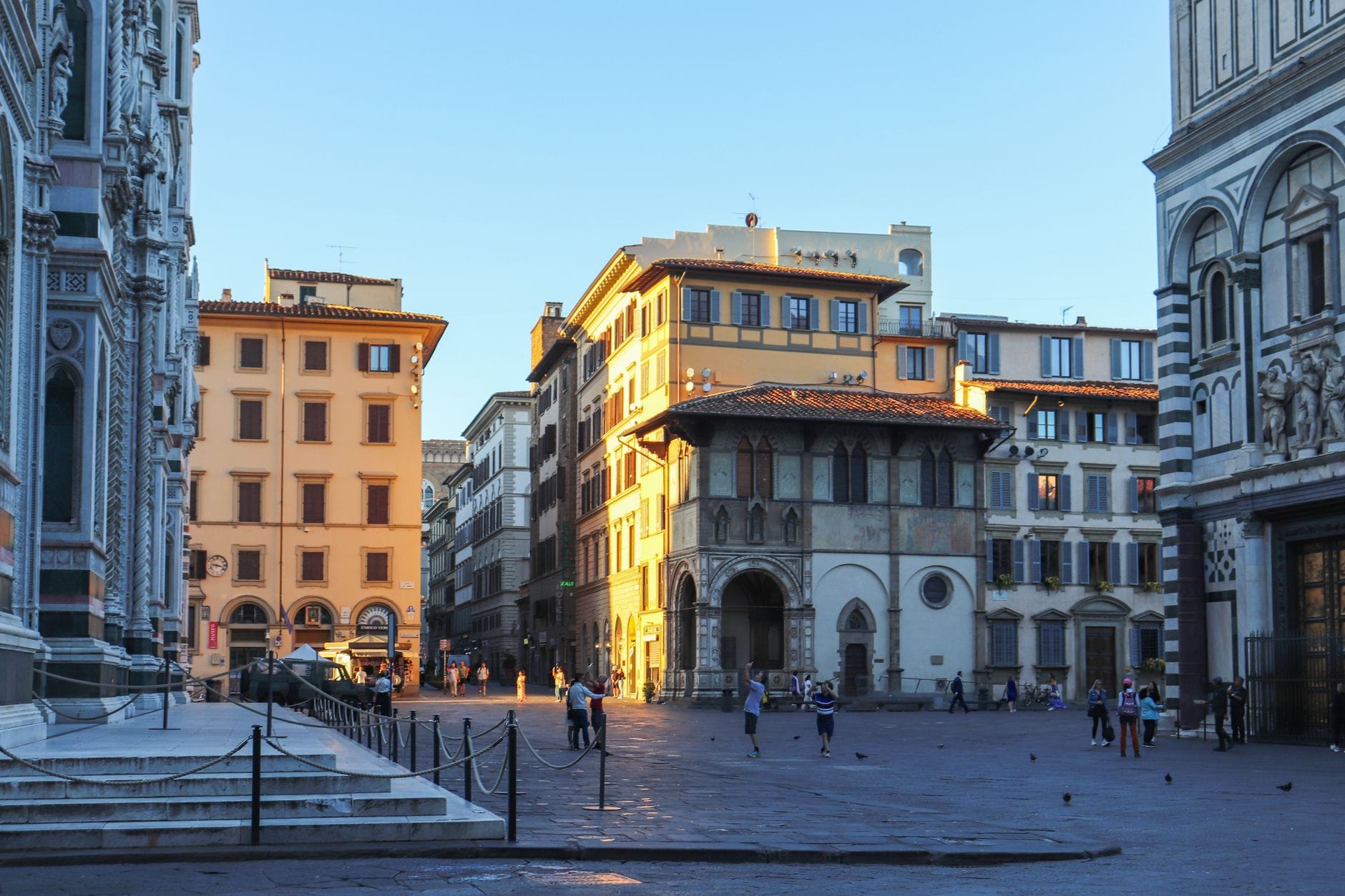
The reputation of Florence as a destination purely for art-obsessed adults is one of the great misconceptions in European travel. Yes, it holds some of the world's most important Renaissance art. But it is also a compact, largely flat historic centre where children can walk almost everywhere, where free museum entry removes a major financial barrier, and where the culture of the city, gelato shops every 200 metres, carousels in Piazza della Repubblica, park spaces across the Arno, produces genuine moments that children remember.
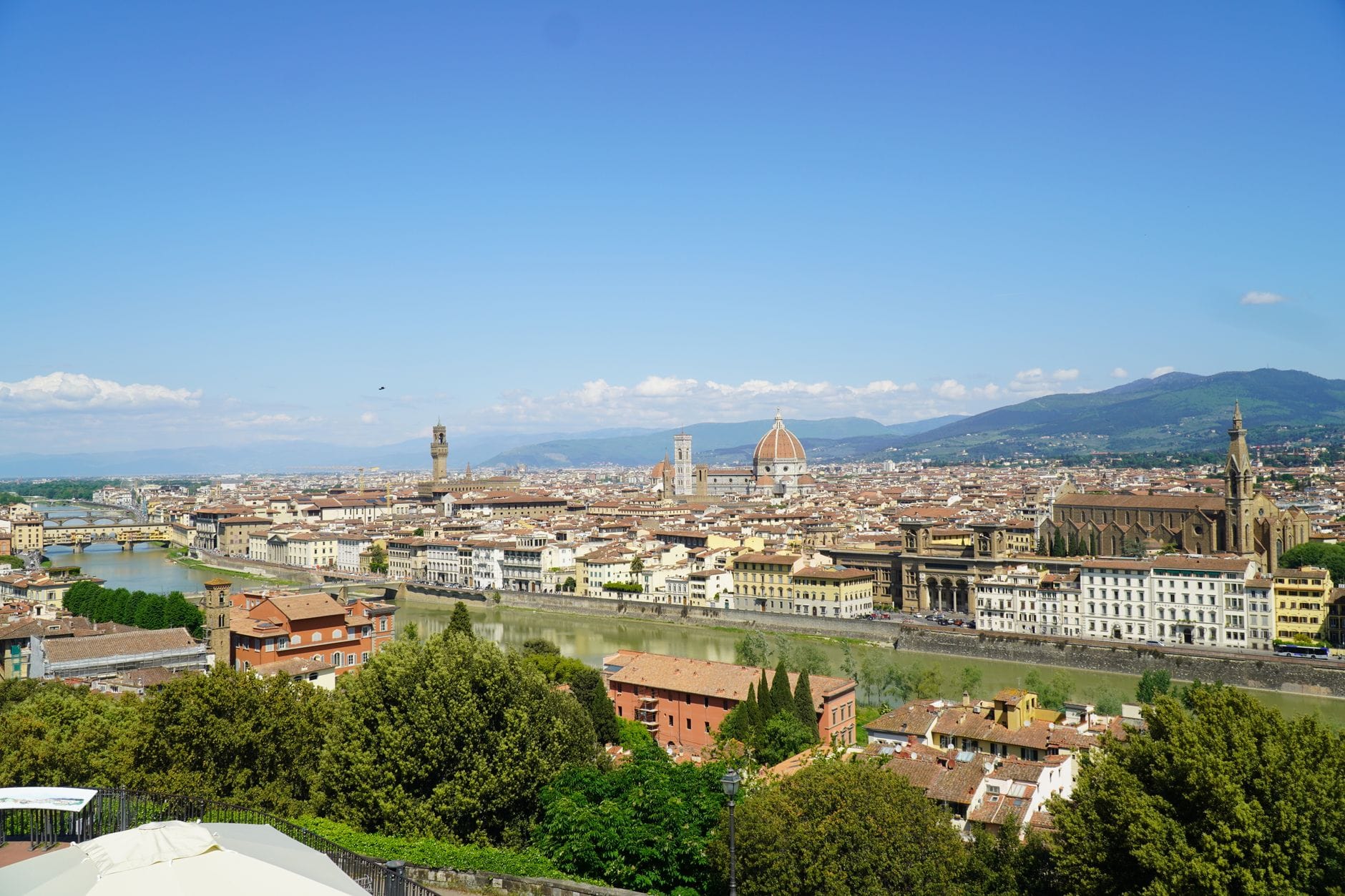
The city sits in the northern part of Tuscany, divided by the Arno River, with the UNESCO-listed historic centre on the north bank and theOltrarnoneighbourhood on the south. The entire walkable core is roughly 102 square kilometres as a municipality, but the tourist centre is far smaller. A child who can walk 3 to 4 kilometres a day, with breaks, can reach almost every major attraction on foot. That is a genuine practical advantage over Rome, Venice, or Paris.
ℹ️ Good to know
Italian state museums (which include the Uffizi, Accademia, Bargello, Medici Chapels, Pitti Palace, San Marco convent, and Boboli Gardens) offer free entry to visitors under 18, regardless of nationality. Bring a passport or ID card for each child. This policy is applied at the door and has been consistent for years, but confirm at booking when reserving timed tickets for adults.
Best Time to Visit Florence with Kids
Timing matters more with children than it does for solo travellers. Florence in July and August is genuinely difficult with young kids: temperatures regularly reach the high 30s Celsius, the historic streets offer limited shade, queues at major sites stretch longest, and some locally-owned restaurants and small businesses close for summer holiday. Younger children in particular struggle with the heat and the physical demands of cobblestone streets.
The sweet spots are April to early June and September to mid-October. Temperatures in April and May typically range from the mid-teens to mid-twenties Celsius, which is comfortable for walking. Autumn brings its own appeal: the crowds thin noticeably after mid-September and the city feels less pressured. October can bring rain, particularly toward month-end, so pack a light layer and a compact rain cover for strollers. For a broader overview of timing, thebest time to visit Florenceguide covers the full seasonal picture including festival dates and school holiday peaks.
- April & May Ideal combination of mild weather, manageable crowds, and full museum opening schedules. Easter week is the exception: book everything in advance as the city fills with Italian domestic tourists.
- June Still pleasant, particularly early in the month, before summer heat builds. Schools haven't broken up fully across Europe, so crowds remain lower than July.
- September Often considered the single best family month: post-summer crowds, warm but not oppressive temperatures, and the city returning to a more normal rhythm after the August slowdown.
- October Good for families with older kids who don't mind occasional rain. Prices drop, queues shrink, and the autumn light on the city's stone facades is genuinely beautiful.
- July & August Manageable only if you plan around the heat: start every day by 8am, rest indoors between noon and 4pm, visit air-conditioned museums in the afternoon. Not recommended for toddlers or children prone to heat-related issues.
Kid-Friendly Attractions: What Actually Works
The mistake most families make is trying to cover too many traditional museum visits back-to-back. Florence's attraction list is vast, but with children, curated and shorter is always better. Focus on experiences that combine visual spectacle, physical activity, or hands-on involvement.
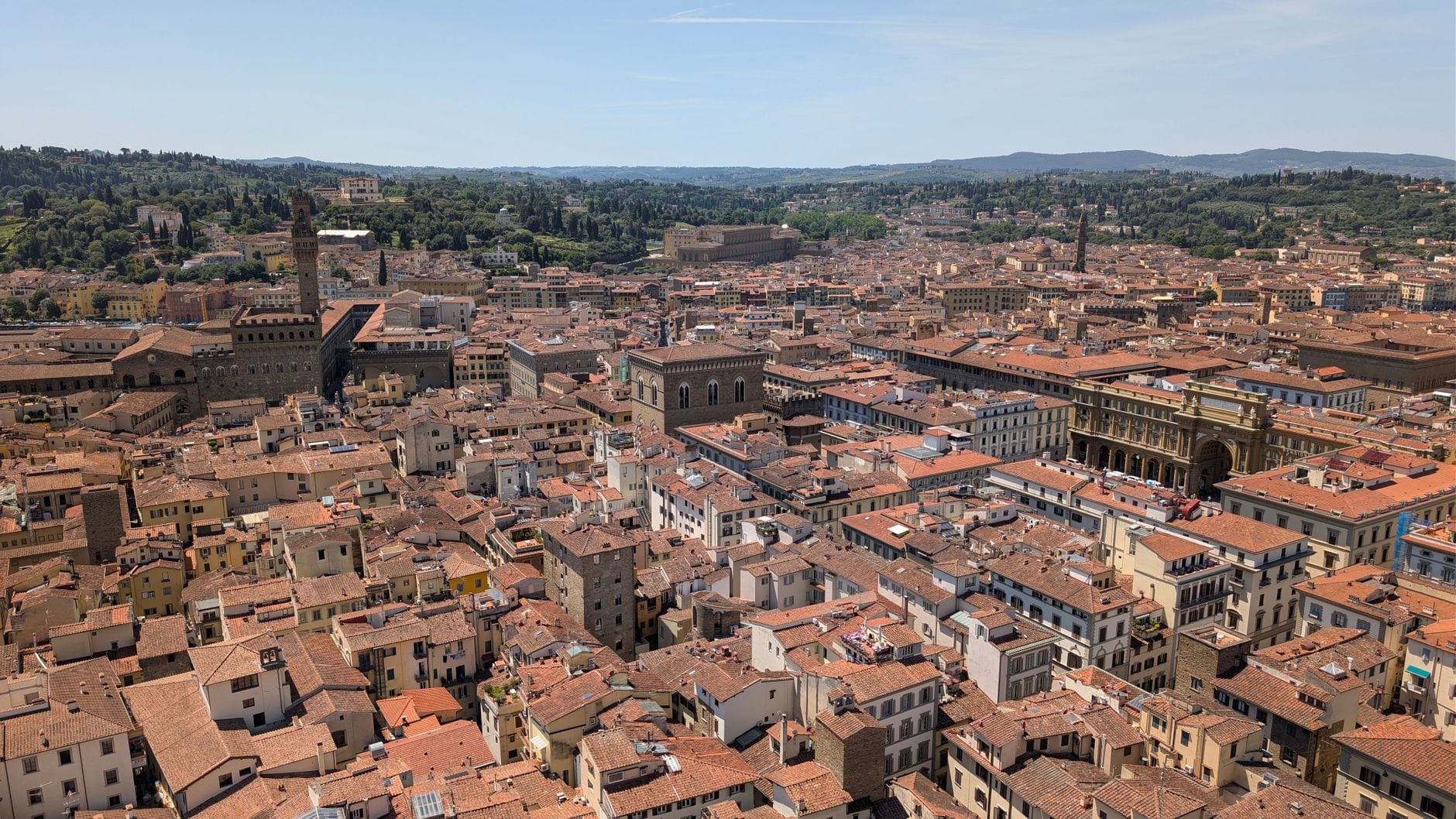
The Brunelleschi Dome climbis one of the most effective family activities in the city. The 463-step ascent is a genuine physical challenge that older children from around age 8 upward take on with enthusiasm, and the view from the top, over the terracotta rooftops to the hills of Fiesole, is the kind of moment that sticks. The Duomo complex also includes the Baptistery, Giotto's Campanile, and the Museo dell'Opera del Duomo; buy the combined pass rather than individual tickets. Book timed entry in advance during spring and summer.
The Museo Galileois genuinely one of the best family museums in Italy and is consistently underrated. It holds original instruments belonging to Galileo Galilei, including his telescopes and the preserved middle finger of his right hand, which children find simultaneously horrifying and fascinating. The displays on astronomical models, globes, and early scientific tools hold attention far better than a painting gallery would for most children under 12. It sits right on the Arno, a short walk from the Uffizi, and rarely has long queues.
Palazzo Vecchio runs dedicated children's tours and theatrical experiences that allow kids to explore secret passages and interact with guides in costume. Check the official Palazzo Vecchio website for current family programme schedules, as these change seasonally. ThePiazza della Signoriadirectly outside is worth spending time in: the outdoor sculptures, including a copy of Michelangelo's David and Cellini's Perseus, form an open-air museum that costs nothing and requires no booking.
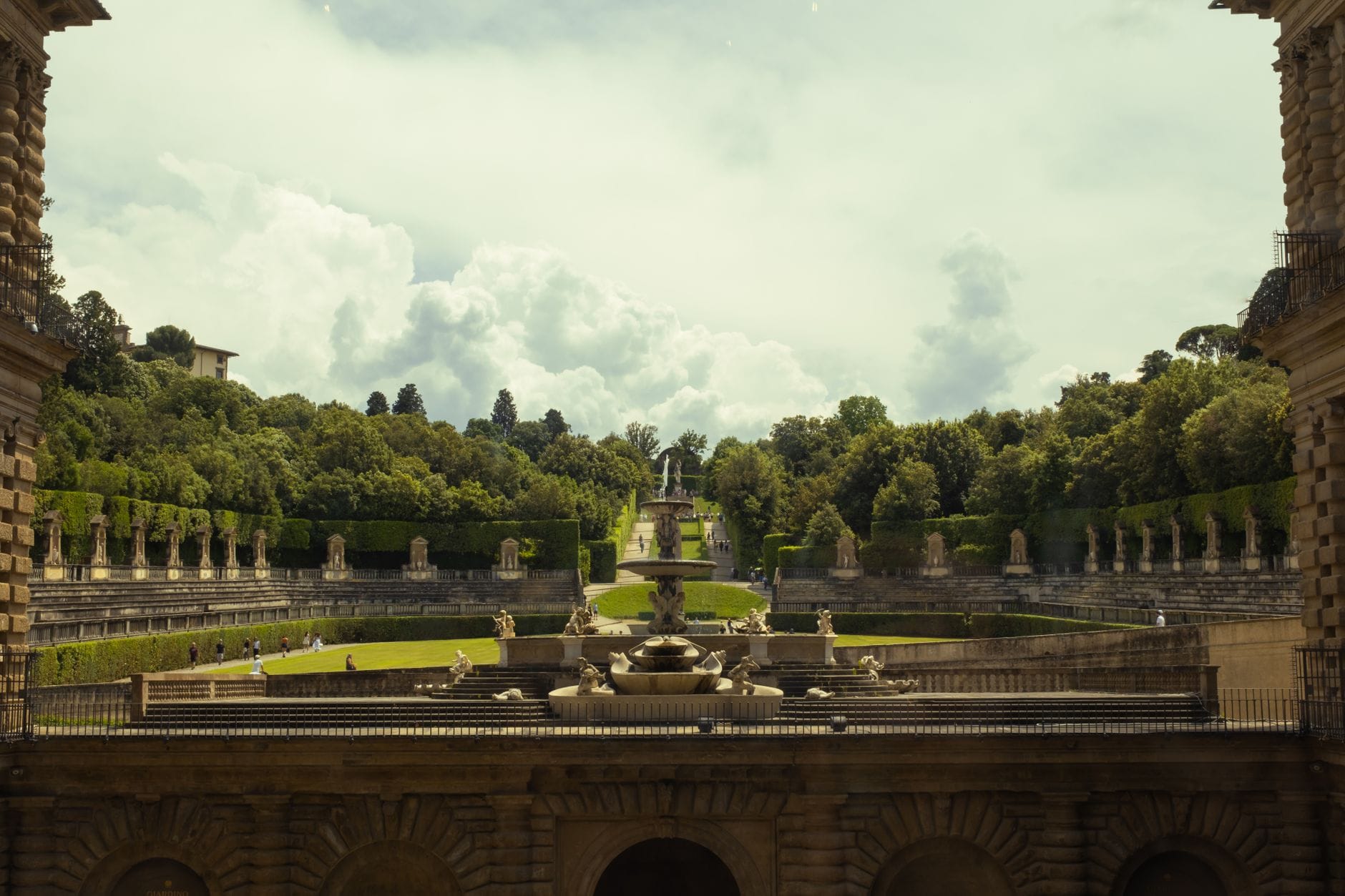
For outdoor breathing space, theBoboli Gardensbehind Pitti Palace offer wide paths, fountains, grottos, and enough space for children to run. Entry is free for under-18s on the same state museum policy. TheGiardino delle Roseon the hillside near Piazzale Michelangelo is smaller, free to enter for everyone, and offers one of the best city views without the coach-party crowds. Both are accessible from the Oltrarno side.
💡 Local tip
The carousel in Piazza della Repubblica is a classic mid-afternoon reset for younger children. It's inexpensive, centrally located, and signals a natural break between museum visits. There's also a merry-go-round at Piazzale Michelangelo that combines with the panoramic view and is far less crowded than the one in the centre.
Logistics: Getting Around Florence with Children
Florence has no metro system. Movement in the historic centre relies on walking, with taxis and buses for longer distances or tired legs. The good news is that this works well for families because the core is compact and the majority of major attractions sit within about a 1.5 kilometre radius of the Duomo.
Cobblestones are the main physical challenge. The stone-paved streets of the centro storico are uneven and can be hard on standard prams with small wheels. A lightweight, off-road or all-terrain stroller handles the surfaces significantly better. If your child is over three and can walk reasonable distances, a compact folding pushchair for nap times and exhaustion moments is often the better choice than a full-sized pram.
Arriving by train is the smoothest option for most families. Firenze Santa Maria Novella (SMN) is the main station, centrally located near theBasilica di Santa Maria Novellaand a short walk from most hotels in the historic centre. If arriving from Rome, high-speed Frecciarossa trains cover the journey in around 1.5 hours; theRome to Florenceroute is one of Italy's easiest intercity connections and is far more comfortable for families than driving.
From Florence Airport (Amerigo Vespucci, IATA: FLR), the T2 tram line runs directly to Santa Maria Novella station. It is affordable, frequent, and avoids the need to navigate taxi negotiations with luggage and children. Taxi services from the airport operate on standardised fares set by the municipality; check current rates on the official airport website before travel as these are subject to change.
⚠️ What to skip
Many churches in Florence enforce a dress code: shoulders and knees must be covered for adults and older children. Pack a light scarf or shawl in your bag. Some churches, including Santa Maria Novella and Santa Croce, charge entry fees and have stricter enforcement than smaller neighbourhood churches. Check each site's current admission policy before visiting.
Tickets, Costs, and What Families Actually Pay
The single most important financial fact for families visiting Florence is the free under-18 entry policy at all Italian state museums. This covers some of the most expensive attractions in the city. Adults pay standard admission (Uffizi tickets are currently €25 in high season and lower in off-peak periods; always verify current prices at the official museum websites as these increase periodically), but with two or three children, the savings per visit are substantial.
The Firenze Card (currently €85 per person) provides 72-hour access to a large number of museums plus city transport. It is designed for adults wanting to maximise visits in a short window. For families, the value proposition is weaker because children enter most sites free anyway. A better approach is to pre-book specific timed-entry tickets for the sites you actually plan to visit: theUffizi Gallery, the Galleria dell'Accademia(home to Michelangelo's original David), and the Duomo complex are the non-negotiables to book ahead.
- Book timed-entry tickets for the Uffizi, Accademia, and Duomo dome climb at least 2 weeks ahead in April, May, June, and September.
- The Palazzo Pitti complex includes multiple museums under one ticket; with children free, adults get good value from the combined entry.
- Cooking and gelato-making classes for families are available through various operators; a 2-hour session typically costs 50-80 euros per adult, with children often at half price or included. Book through reputable operators with verified reviews.
- Public drinking water is available from the ornate street fountains ('fontanelle') throughout the centro storico; this saves significantly on bottled water costs across a multi-day trip.
- Many gelaterias charge by the scoop; expect 2-3 euros for a small cone. The best quality gelato tends to come from artisan shops that display it in covered metal containers rather than large coloured mounds.
Where to Stay and How to Structure Your Days
For families, location matters more than it does for independent adult travellers. Staying within or immediately adjacent to theCentro Storicoputs you within walking distance of almost every major attraction and eliminates transport complexity. The area aroundSanta Croceis slightly quieter than the streets directly around the Duomo and has good local restaurants and a large square where children can move freely. The Oltrarno neighbourhood across the river offers a more local feel, lower average accommodation prices, and easy access to the Boboli Gardens and Pitti Palace.
A 4 to 6 day visit gives families the right rhythm. Two or three mornings of structured museum visits, with the afternoons reserved for parks, markets, and neighbourhood exploration, prevents the overload that turns children off cultural travel. The3-day Florence itinerarycovers the core highlights if you are on a tighter schedule, though families will want to build in extra time at each stop. For a full picture of accommodation options by area and budget, thewhere to stay in Florenceguide breaks down the neighbourhoods in detail.
FAQ
Is Florence a good destination for families with young children or toddlers?
Yes, with the right planning. The compact historic centre is walkable, and the free museum entry for under-18s makes it affordable. The main challenge with toddlers is the cobblestone streets, which require a stroller with larger wheels. Plan shorter days, build in rest time, and use the many squares and park spaces as buffers between activities.
Do children get free entry to Florence museums?
Children under 18 enter all Italian state museums free, regardless of nationality. In Florence, this includes the Uffizi Gallery, Galleria dell'Accademia, Pitti Palace, Bargello, Medici Chapels, Boboli Gardens, and the Convent of San Marco. Bring a passport or ID for each child, as it may be checked at entry.
How many days do you need in Florence with kids?
Most family travel advisors recommend 4 to 6 days for a relaxed pace. This allows 2-3 focused museum visits, time for outdoor spaces like the Boboli Gardens, a cooking or gelato class, and unstructured wandering time that children often enjoy most. Adults travelling without children can cover the highlights in 2-3 days, but families benefit from the slower pace.
Is Florence walkable with a stroller or pushchair?
Mostly, yes, but the historic centre has extensive cobblestone streets that can be difficult for standard prams with small wheels. An all-terrain or off-road stroller handles the surfaces much better. Some churches and older palaces have steps at entrances and limited lift access, so check accessibility in advance if this is a concern.
What are the best family-friendly activities in Florence beyond art museums?
The Museo Galileo (scientific instruments, fascinating for children), the Palazzo Vecchio children's theatrical tours, the Boboli Gardens, the carousel in Piazza della Repubblica, gelato-making and pasta classes, and the Brunelleschi Dome climb for older children are all strong choices. The Piazzale Michelangelo walk at sunset combines a manageable hill climb with one of the best panoramic views in the city.
Tickets & tours
Live prices and dates from our booking partner. If you book, we may earn a commission at no extra cost to you.
Planning a trip? Discover personalized activities with the Nomado app.