Where to Stay in Florence: The Best Neighborhoods & Hotels
Choosing where to stay in Florence shapes your entire trip. This guide breaks down every major neighborhood by location, price, atmosphere, and convenience so you can book with confidence, whether you're visiting for three days or two weeks.
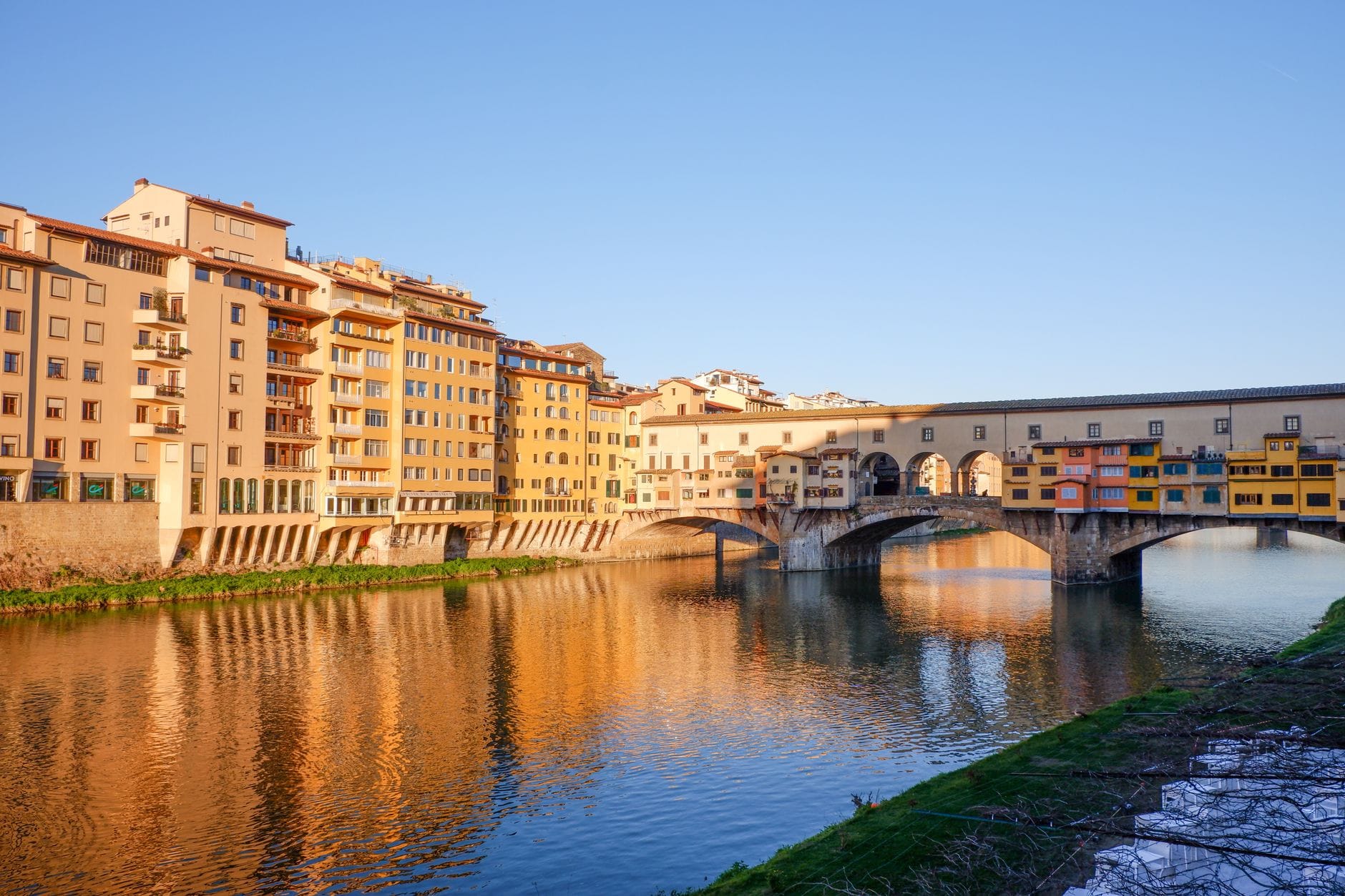
Tickets & tours
Live prices and dates from our booking partner. If you book, we may earn a commission at no extra cost to you.
TL;DR
- Florence's historic center is compact: most major sights are within a 10-15 minute walk of each other, so your neighborhood choice mainly affects price, noise level, and transport access.
- Centro Storico (around the Duomo and Uffizi Gallery) is best for first-timers but commands the highest prices and the most foot traffic.
- Oltrarno offers the best balance of authenticity, walkability, and value for repeat visitors or those who want a local feel.
- Santa Maria Novella is the top pick if you're planning multiple day trips by train — Firenze SMN station puts all of Tuscany within easy reach.
- Book well ahead for spring and summer stays; peak season prices in central Florence can double or triple compared to January or February.
Understanding Florence's Layout Before You Book
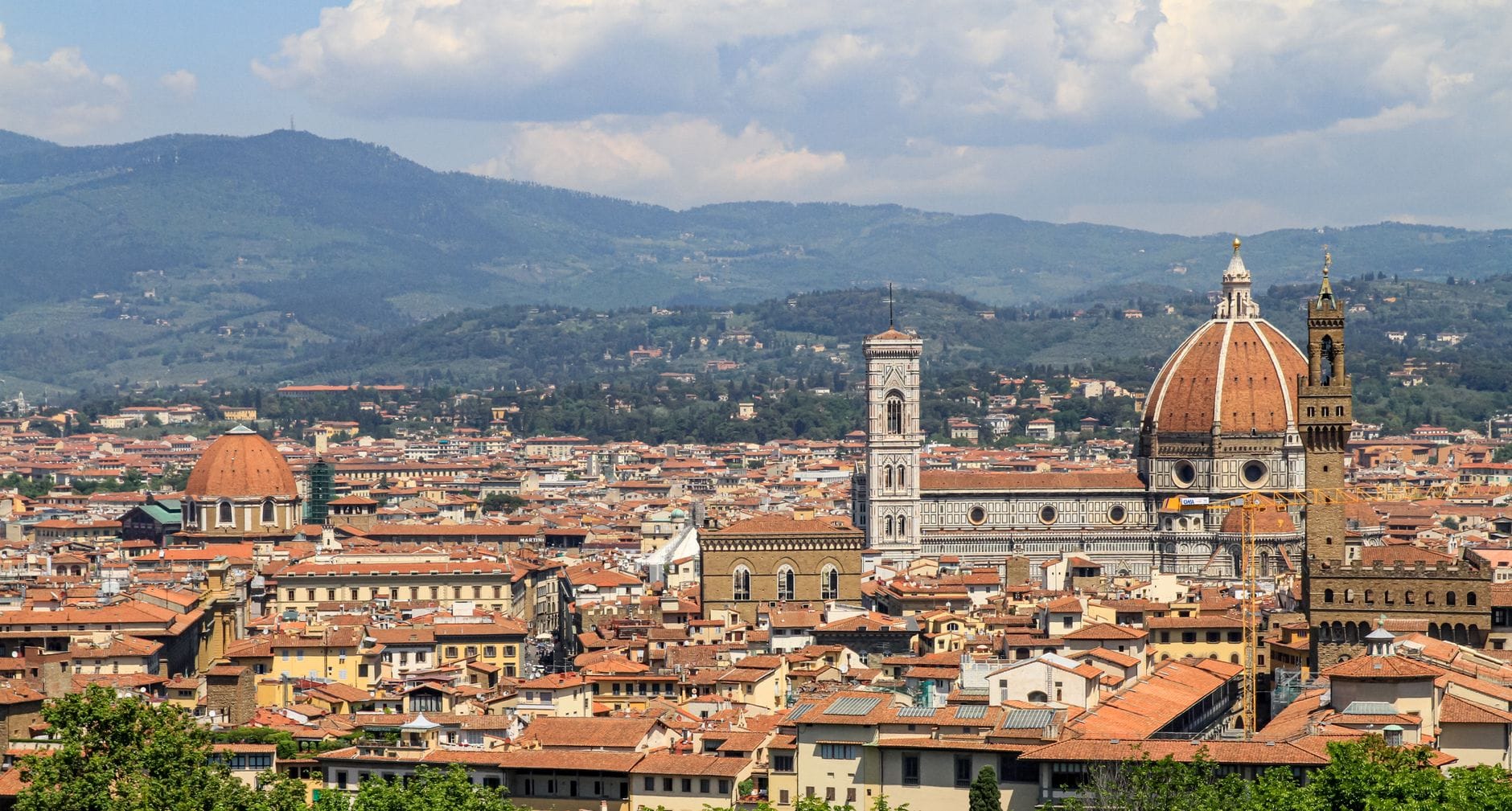
Florence (Firenze in Italian) is the capital of Tuscany and one of the most visited cities in Italy. Its UNESCO-listed historic center covers roughly 5 km² within a municipal area of about 102 km², but the tourist core is far smaller: the distance fromSanta Maria del Fiore to the Ponte Vecchio is under 800 metres. This compactness is both a blessing and a complication when choosing accommodation.
Because you can walk nearly everywhere, the usual calculus of 'stay close to what you want to see' matters less in Florence than it does in Rome or Paris. What matters more is noise (central streets are extremely loud in summer), price (central hotels charge a significant premium), and access to transport if you plan to explore Tuscany beyond the city.
The historic center is informally divided into four quarters for visitors: Santa Maria Novella (west, around the train station), San Giovanni (center, the Duomo district), Santa Croce (east), and Santo Spirito/Oltrarno (south of the Arno). Each has a distinct character, price point, and crowd level. A handful of quieter residential areas just beyond the historic ring roads, such as San Marco, San Lorenzo, and San Niccolò, offer genuine savings while remaining very walkable.
ℹ️ Good to know
Florence's historic center has vehicle restrictions (ZTL zones) that apply to most cars. If you're renting a car or arriving by taxi, confirm with your hotel whether they can arrange access or parking. Most visitors staying centrally don't need a car at all.
Centro Storico (San Giovanni): Best for First-Time Visitors
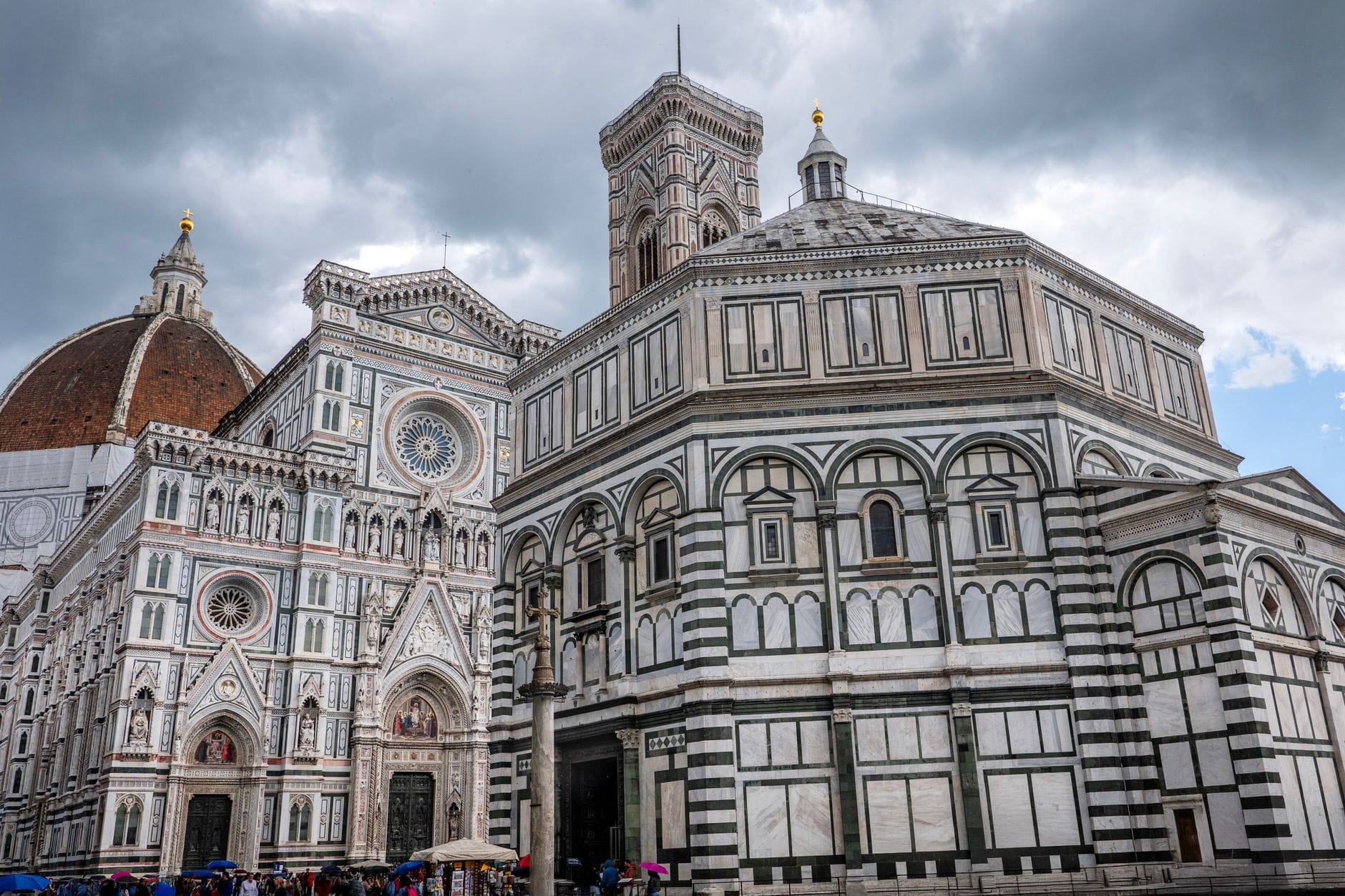
The San Giovanni quarter, centered on the Duomo complex, is what most people picture when they think of Florence. TheBaptistery, Giotto's Campanile, and Museo dell'Opera del Duomo are all within a few minutes on foot. ThePiazza della Signoria and the Uffizi are a 10-minute walk south.
Staying here puts you at the absolute center of everything, which is genuinely convenient if you're on a tight itinerary. The tradeoff is price and noise. Hotels in this zone are among the most expensive in the city, and the streets around the Duomo don't quiet down until well after midnight in peak season. Accommodation ranges from budget B&Bs tucked into medieval palazzos to five-star luxury properties with rooftop views of the cathedral dome.
This area is not ideal for light sleepers or anyone visiting in July or August who wants a peaceful base. It's also worth knowing that many streets in the immediate Duomo zone are heavily tourist-oriented: restaurants near the main attractions tend to be overpriced and mediocre. You'll eat much better one or two streets removed from the main drag.
⚠️ What to skip
Avoid booking hotels on or directly adjacent to Via de' Calzaiuoli or Piazza del Duomo if noise is a concern. These are among the most heavily trafficked pedestrian corridors in Italy during spring and summer, with foot traffic and street performers until late evening.
Santa Maria Novella: Best for Train Travelers and Day-Trippers
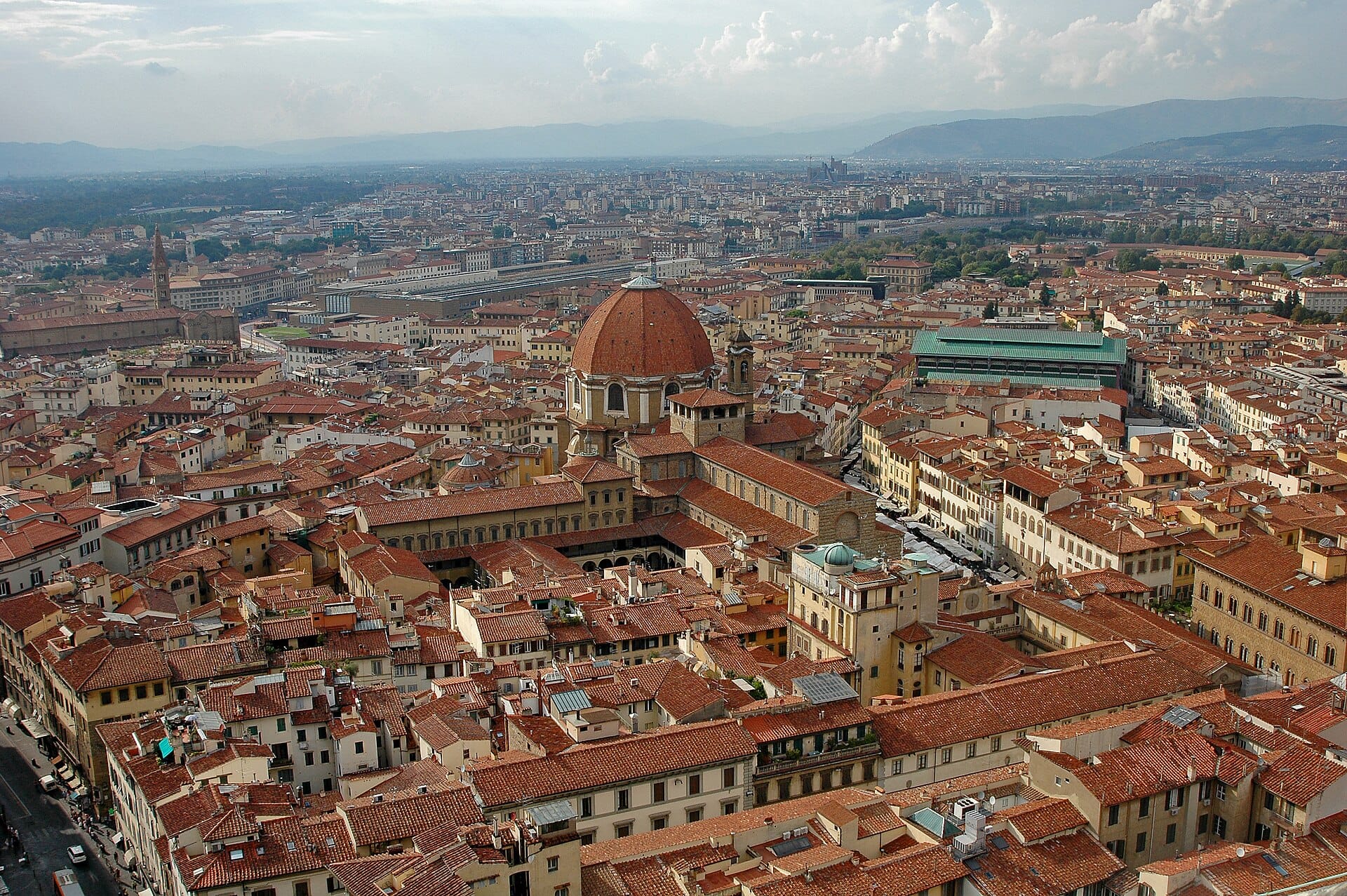
The area around Firenze Santa Maria Novella (SMN), Florence's main train station, has a split personality. The blocks immediately surrounding the station are commercial and chaotic, dominated by budget hotels, fast food, and luggage shops. But move two or three blocks south toward theBasilica di Santa Maria Novella and the Arno, and you enter a genuinely elegant residential district with wide streets, good restaurants, and easy access to everything.
The practical advantage of staying here is significant: Firenze SMN connects to the Frecciarossa high-speed rail network, putting Pisa (around 1 hour), Rome (around 1.5 hours by high-speed train), and Venice (around 2 hours) within comfortable day-trip range. If your Florence trip is partly a base for exploring Tuscany and beyond, staying near SMN saves you time and taxi costs every time you travel.
The T2 tram line also departs from near SMN and connects directly to Florence Airport (Amerigo Vespucci, IATA: FLR), making arrivals and departures simple. For travelers arriving by train from Rome or considering theRome to Florence journey for the first time, dropping your bags at an SMN-area hotel and walking straight into the historic center is an efficient start.
Oltrarno and Santo Spirito: Best Overall for a Local Experience
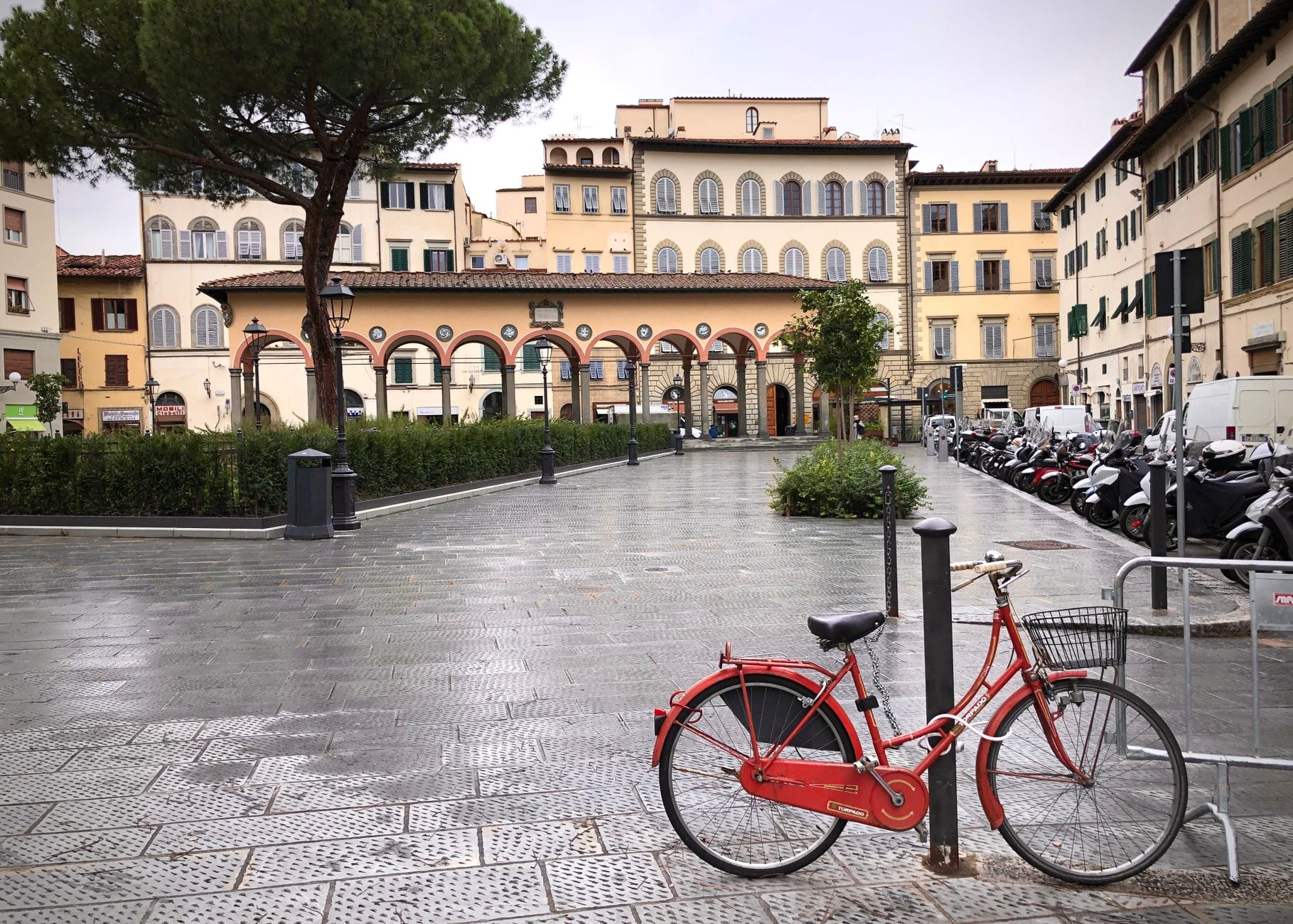
Oltrarno literally means 'across the Arno,' and the south bank of the river has long been Florence's artisan and bohemian quarter. The neighborhoods of Santo Spirito and San Frediano are where you'll find working leather ateliers, independent wine bars, trattorias frequented by locals rather than tour groups, and a noticeably quieter pace than the north bank.
Despite the local reputation, Oltrarno is not far from the main sights. ThePalazzo Pitti and Boboli Gardens are here, the Cappella Brancacci (with Masaccio's defining frescoes) is a short walk away, and the Ponte Vecchio is right at the edge of the neighborhood. You can reach the Duomo on foot in 15-20 minutes.
Accommodation options here tend toward boutique hotels, apartments, and small B&Bs rather than large chain properties. Prices are generally competitive with Santa Croce and somewhat lower than the Duomo district. The main drawback: if you're visiting in peak season with limited time and want to sprint between iconic sights without much meandering, the extra walking across the bridge adds up. For everyone else, Oltrarno is the most rewarding base in the city.
Santa Croce, San Lorenzo, and San Marco: Mid-Range Sweet Spots
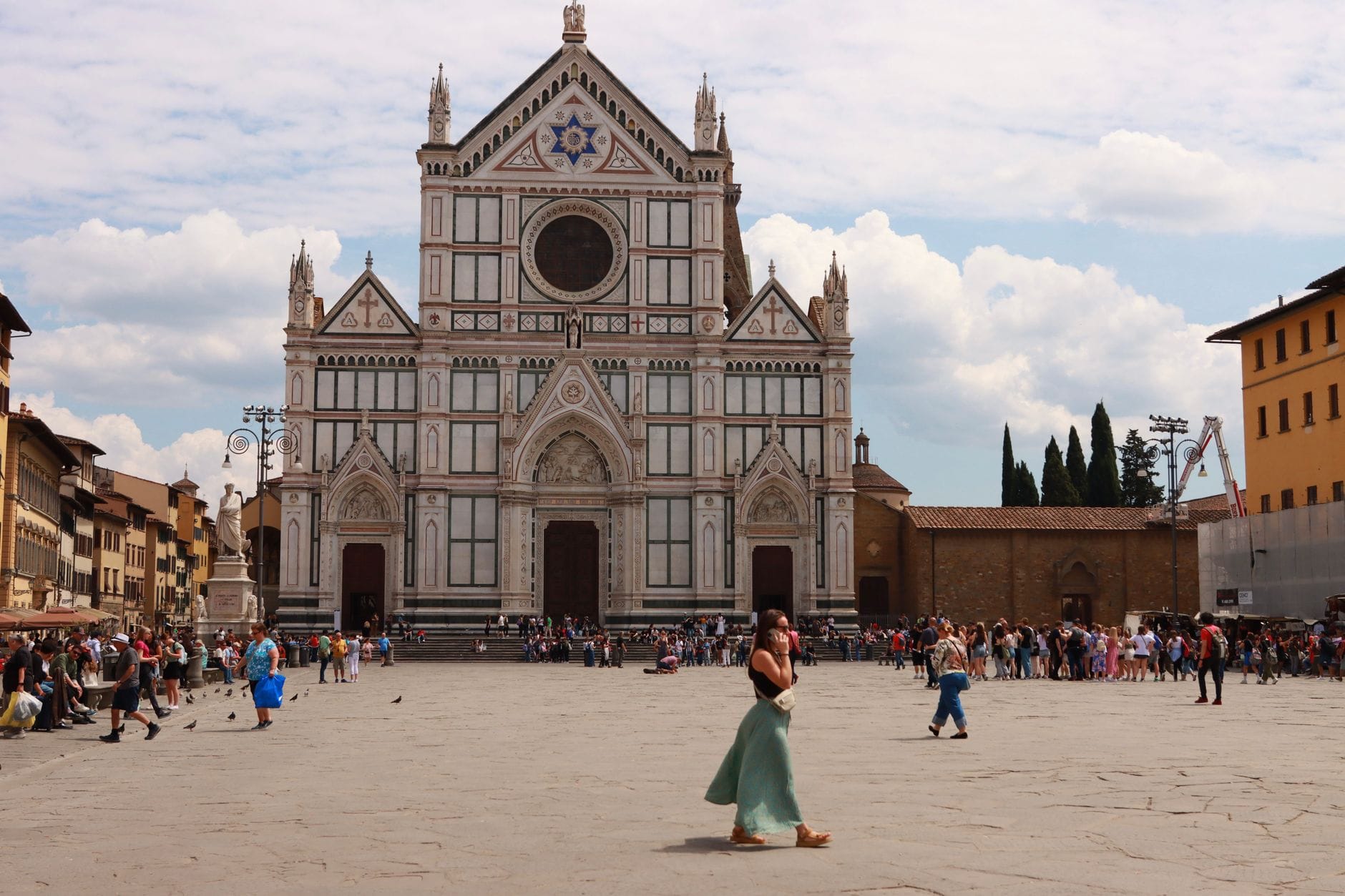
The Santa Croce neighborhood sits east of the Duomo, centered on the large piazza in front of theBasilica di Santa Croce. It's an upscale, lively area with a mix of local residents and tourists, a good concentration of mid-range hotels, and theSant'Ambrogio market nearby for excellent everyday eating.
San Lorenzo and San Marco, both north of the Duomo, are primarily residential with a strong student presence (the University of Florence is centered here). Prices drop noticeably compared to the Duomo zone, and the accommodation tends to be smaller B&Bs and family-run hotels that represent better value. TheGalleria dell'Accademia (home to Michelangelo's David) and theMercato Centrale are both in this zone.
- Santa Croce Lively, upscale, walkable to both the Duomo and the Arno. Good restaurant scene. Slightly less hectic than the Duomo core.
- San Lorenzo North of the Duomo, market-heavy, residential. Best for travelers who want to be central but pay less. Watch out for aggressive leather-market touts near the stalls.
- San Marco Quieter, more residential than San Lorenzo. Slightly better value and less tourist pressure. Ideal for longer stays.
- San Niccolò A narrow hillside strip between the Arno and Piazzale Michelangelo. Genuinely local, excellent wine bars, minimal tourist infrastructure. Requires more walking to reach major sights.
Practical Advice: Prices, Seasons, and Booking Strategy
Florence is not a cheap city to sleep in, and the price spread between neighborhoods is real. In peak season (April through June, and September), a mid-range double room in the Duomo district can run 200-350 EUR per night at a decent three-star hotel. The same budget gets you a significantly better room in Oltrarno, Santa Croce, or San Marco. In low season (January through March, excluding school holidays), prices across all neighborhoods drop substantially, and the city is far more pleasant to navigate without the summer crowds.
- Book 3-6 months ahead for April, May, September, and October stays in central neighborhoods — inventory disappears fast.
- Check hotel websites directly after finding rates on aggregators; many independent Florentine hotels offer better prices or room upgrades for direct bookings.
- Apartments via platforms like Airbnb can offer good value for stays of 4+ nights, especially in Oltrarno and Santa Croce where residential stock is dense.
- Avoid staying directly adjacent to Piazza Santa Croce during summer: the piazza hosts large outdoor events and concerts that run late.
- If you're arriving by car, confirm garage access before booking. Most of the ZTL historic center is inaccessible by private car without prior authorization.
For visitors trying to see Florence's highlights efficiently, an area near the Duomo or SMN station works well on a short trip. For deeper exploration, includingFlorence's lesser-known corners and day trips into the Chianti countryside, a base in Oltrarno or San Marco gives you a calmer start to each day. Forfamilies traveling with children, quieter streets in San Marco or Santa Croce reduce the stress of navigating crowds with young travelers.
✨ Pro tip
Florence levies a tourist tax (tassa di soggiorno) per person per night, which varies by accommodation category — typically 3-7 EUR per person per night for hotels. This is paid directly to the property, usually in cash at check-in, and is not included in online booking prices. Factor it into your budget, especially for longer stays or larger groups.
Whatever neighborhood you choose, getting around Florence on foot is genuinely viable for most itineraries. The city'stransport network covers suburban areas via bus and tram, and the tram T2 line connects the airport directly to SMN station. Taxis are metered with standardized rates within the city; the airport to city center fare is typically a fixed rate (currently 24 EUR plus supplements), but confirm the current amount with official sources before your trip.
FAQ
What is the best area to stay in Florence for first-time visitors?
The Centro Storico around the Duomo (San Giovanni quarter) puts you closest to the major sights and is the easiest area to navigate. It's the most expensive and noisiest option, but for a first trip with limited time, the convenience is worth it. If budget is a concern, Santa Croce and Oltrarno offer nearly the same access at lower prices and with considerably more local atmosphere.
Is it safe to stay near Florence's Santa Maria Novella train station?
Yes, the area is safe by any reasonable standard. The streets immediately around the station are grim and heavily commercial, but not dangerous. Walk two or three blocks south toward the church of Santa Maria Novella and the Arno, and the neighborhood improves significantly. Petty theft (pickpocketing) is the main risk in crowded tourist areas across Florence, not specific to the SMN district.
Is Oltrarno far from the main Florence attractions?
No. Oltrarno is directly across the Arno River from the historic center. The Ponte Vecchio connects the two sides in under a minute on foot, and you can walk from Oltrarno to the Duomo in about 15-20 minutes. The main Oltrarno attractions — Palazzo Pitti, Boboli Gardens, Cappella Brancacci — are right in the neighborhood. It's a common misconception that staying south of the river means sacrificing convenience.
When is the worst time to stay in central Florence?
July and August combine peak crowds, peak prices, and peak temperatures (regularly above 35°C). Central streets are packed from morning until late evening, queues for major attractions stretch for hours without advance tickets, and hotel prices are at their highest. If you must visit in summer, book accommodation well in advance, pre-purchase all museum tickets, and plan outdoor sightseeing for early morning. Late October through early March is significantly cheaper and far less crowded, though some smaller hotels and restaurants close in January.
Can I stay outside the historic center and still see everything easily?
Yes. Districts like San Niccolò, Le Cure, and tram-connected areas such as Careggi and Scandicci are well linked to the historic center and can be 20-40% cheaper for accommodation. Florence's bus and tram network is reliable, and the historic center is reachable in under 20 minutes from most of these areas. The main tradeoff is that you'll rely on public transport for at least some journeys rather than walking everywhere.
Tickets & tours
Live prices and dates from our booking partner. If you book, we may earn a commission at no extra cost to you.
Planning a trip? Discover personalized activities with the Nomado app.