What To Eat in Florence: The Definitive Tuscan Food Guide
Florence takes its food seriously, and the gap between eating well and eating badly is surprisingly wide. This guide covers the essential dishes, the best markets, realistic prices, and which neighborhoods to seek out for an honest Florentine meal.
Tickets & tours
Live prices and dates from our booking partner. If you book, we may earn a commission at no extra cost to you.
TL;DR
- Florence's non-negotiable dishes are bistecca alla fiorentina, lampredotto, ribollita, pappa al pomodoro, and schiacciata.
- The best value eating is in Oltrarno, around Sant'Ambrogio Market, and the San Lorenzo area, not on the main tourist streets.
- A solid trattoria meal with house wine costs €12–18 per person; tourist-area restaurants near the Duomo can run €30–40 for no better food.
- Lunch is typically served 12:30–2:30 PM; dinner rarely starts before 7:30 PM. Some of the best trattorie are lunch-only.
- Florence's food traditions are rooted in cucina povera, peasant cooking built on beans, bread, and offal, not just expensive steak.
Understanding Florentine Food: Cucina Povera First
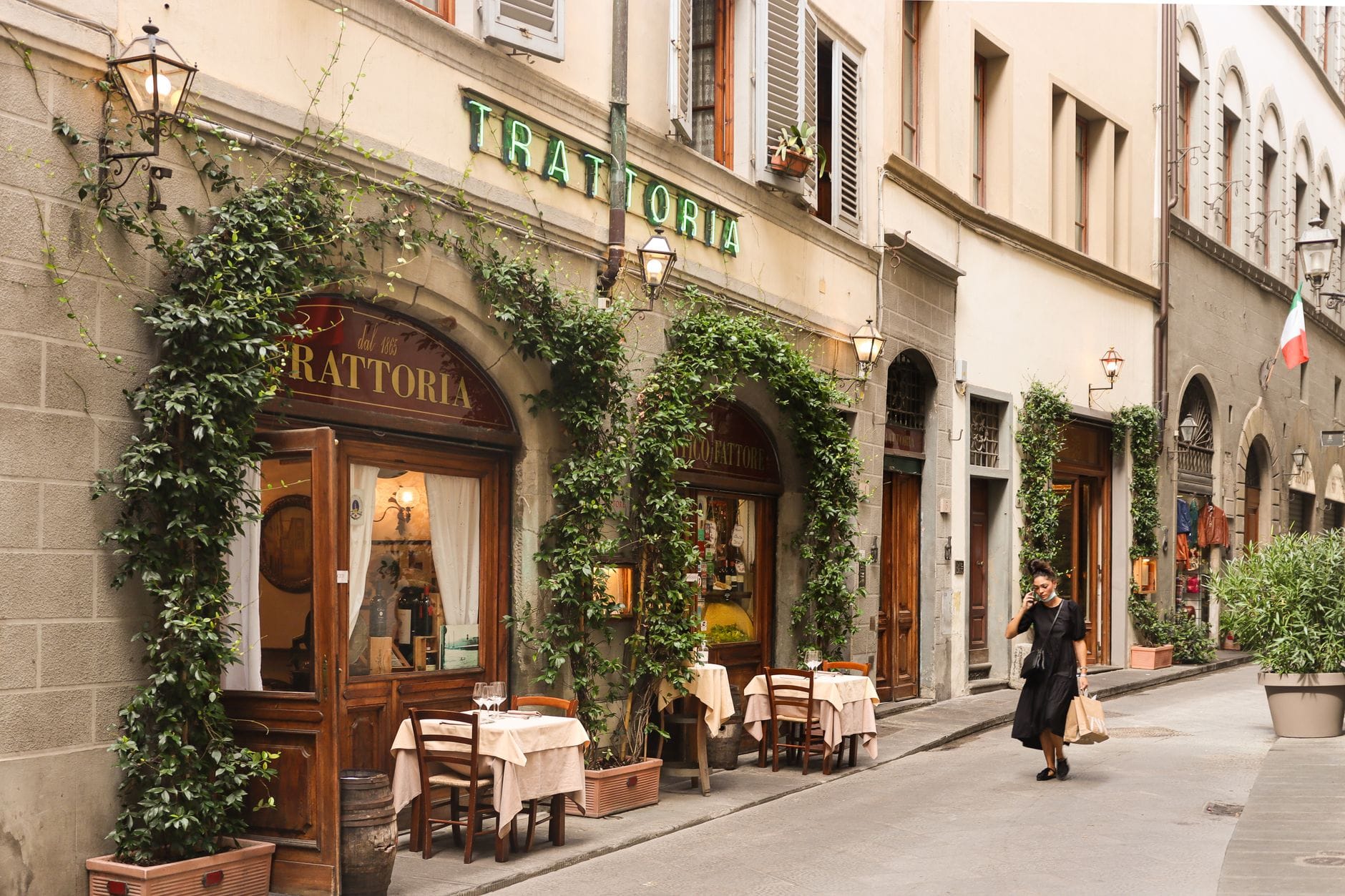
Florence Italy has one of the most distinctive regional cuisines in the country, but visitors often arrive expecting everything to revolve around a single T-bone steak. That misses the point entirely. The real foundation of Florentine cooking is cucina povera, literally 'poor kitchen', a centuries-old tradition of stretching simple ingredients into something deeply satisfying. Stale bread, dried beans, offal, seasonal vegetables, and good olive oil are the actual building blocks here.
This matters practically because it shapes what you should order and where. The dishes that define Florence are not found at upscale restaurants near the Uffizi. They are served at market stalls, small trattorie with paper tablecloths, and lunch-only spots that close by 3 PM. Understanding this distinction will save you money and point you toward far better meals.
ℹ️ Good to know
Florence's historic centre is a UNESCO World Heritage Site, and its food culture is just as carefully guarded. Locals are genuinely proud of their culinary traditions and will notice if you treat ribollita as a side dish or ask for parmesan on a seafood pasta.
The Essential Dishes You Should Eat in Florence
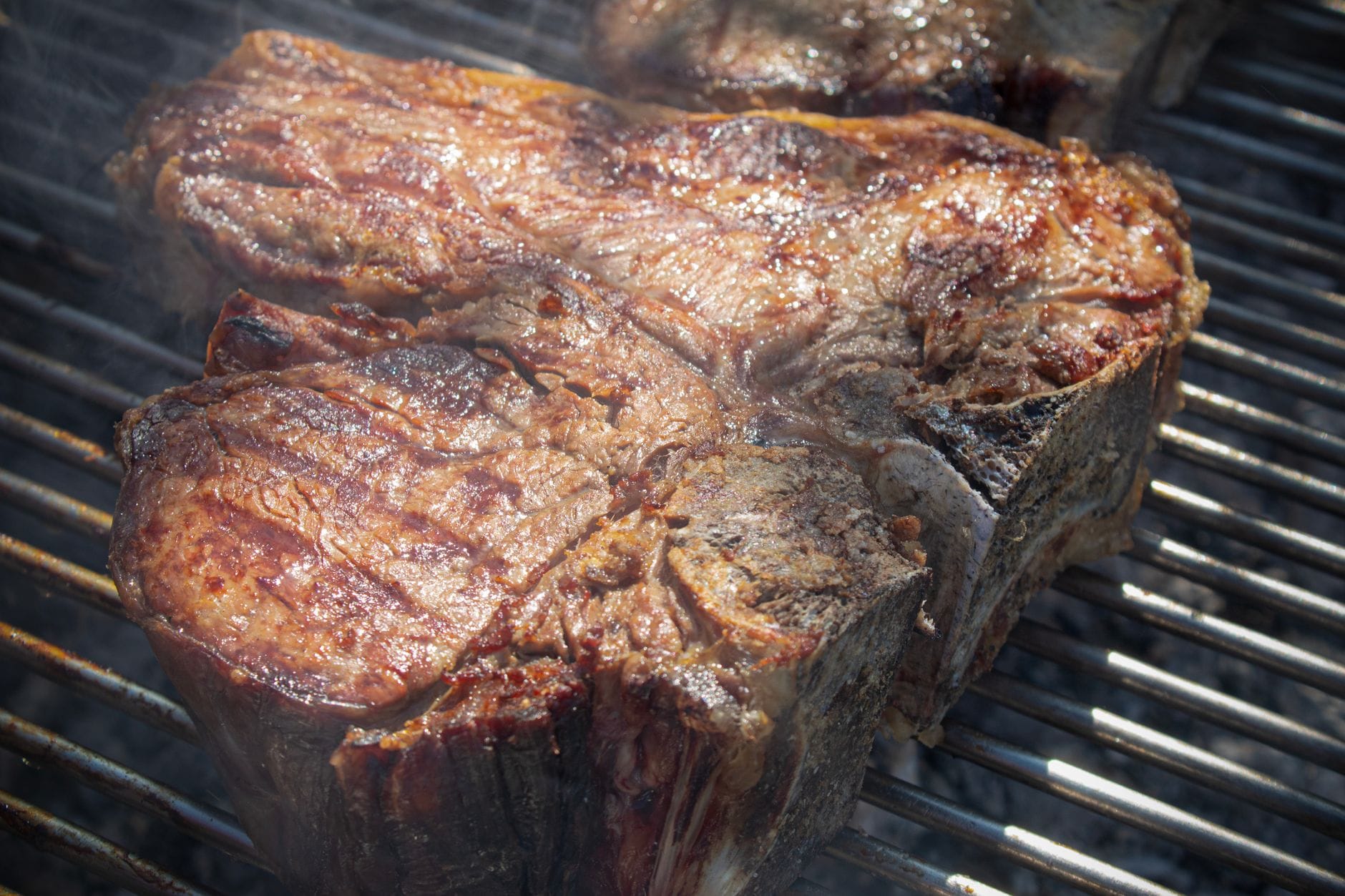
Bistecca alla fiorentina is the most famous export of Florentine cooking, and it earns the reputation. This is a thick-cut T-bone or porterhouse from Chianina cattle, cooked over high heat and served rare to medium-rare. Ordering it well-done is genuinely frowned upon and some trattorie will refuse outright. It is sold by weight, typically per kilogram, and a single steak for two people is standard. Expect to pay €60–100 for a proper bistecca for two at a respected trattoria, more at higher-end spots. It is worth seeking out places away from the main tourist corridors where the quality and sourcing is better.
Lampredotto is Florence's signature street food and arguably the more authentic daily experience. It is the fourth stomach of a cow, slow-braised in broth with herbs, then chopped and served in a bread roll called a semelle, often dipped in the cooking broth and finished with salsa verde or a spicy sauce. The vendors selling it are known as lampredottai and operate from small carts and market stalls across the city. It costs around €4–5 and is one of the most honest eating experiences in Florence. If you are squeamish about offal, try it anyway. The flavor is mild, the texture yielding, and the experience entirely Florentine.
- Ribollita A thick, twice-cooked bread and bean soup built around cavolo nero (Tuscan black kale), cannellini beans, and stale bread. Deeply filling and best in cooler months, though served year-round.
- Pappa al pomodoro Another bread-based preparation, this time with ripe tomatoes, good olive oil, and basil cooked into a thick porridge. Simple ingredients, and the quality of the tomatoes and oil determines everything.
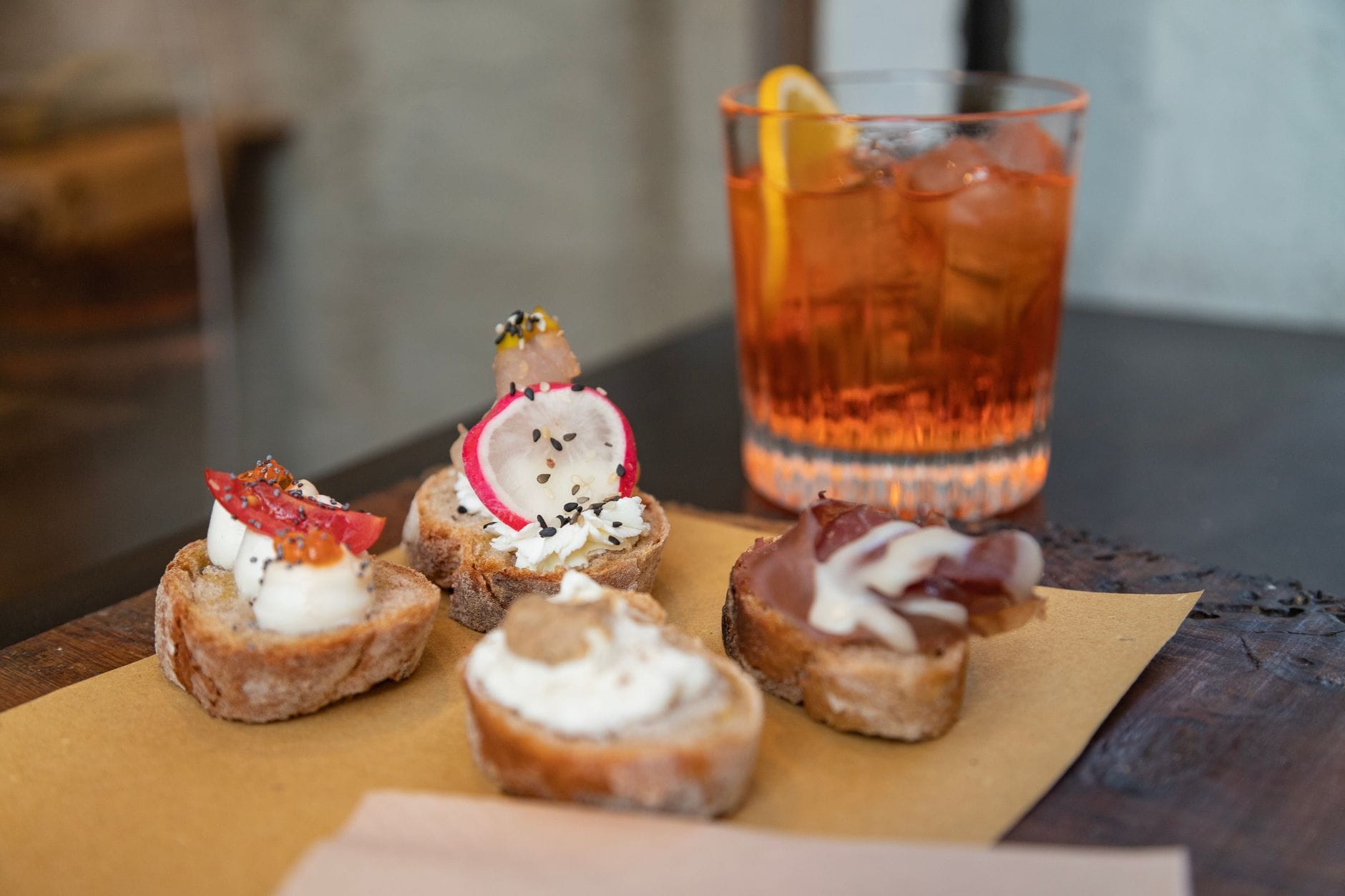
- Crostini toscani Toasted bread topped with a chicken liver pâté (crostini neri). The standard Florentine antipasto, often served before a meal in trattorie. Richer and more deeply savory than it sounds.
- Schiacciata The local flatbread, similar to focaccia but thinner, crispier, and dressed with olive oil and coarse salt. Ubiquitous in bakeries and cafes. In Carnival season (February), schiacciata alla fiorentina appears: a soft, orange-scented sponge cake dusted with powdered sugar.
- Pappardelle al cinghiale Wide egg pasta ribbons with wild boar ragù. A Tuscan staple that appears on most trattoria menus and is almost always made well when the restaurant is doing things properly.
⚠️ What to skip
Avoid any restaurant displaying photographs of food outside or offering a 'tourist menu' at a fixed low price near the Duomo or Piazza della Signoria. These spots consistently deliver mediocre food at inflated prices. Walk two or three streets further in any direction and the quality improves immediately.
Where to Eat in Florence: Neighborhoods That Actually Deliver
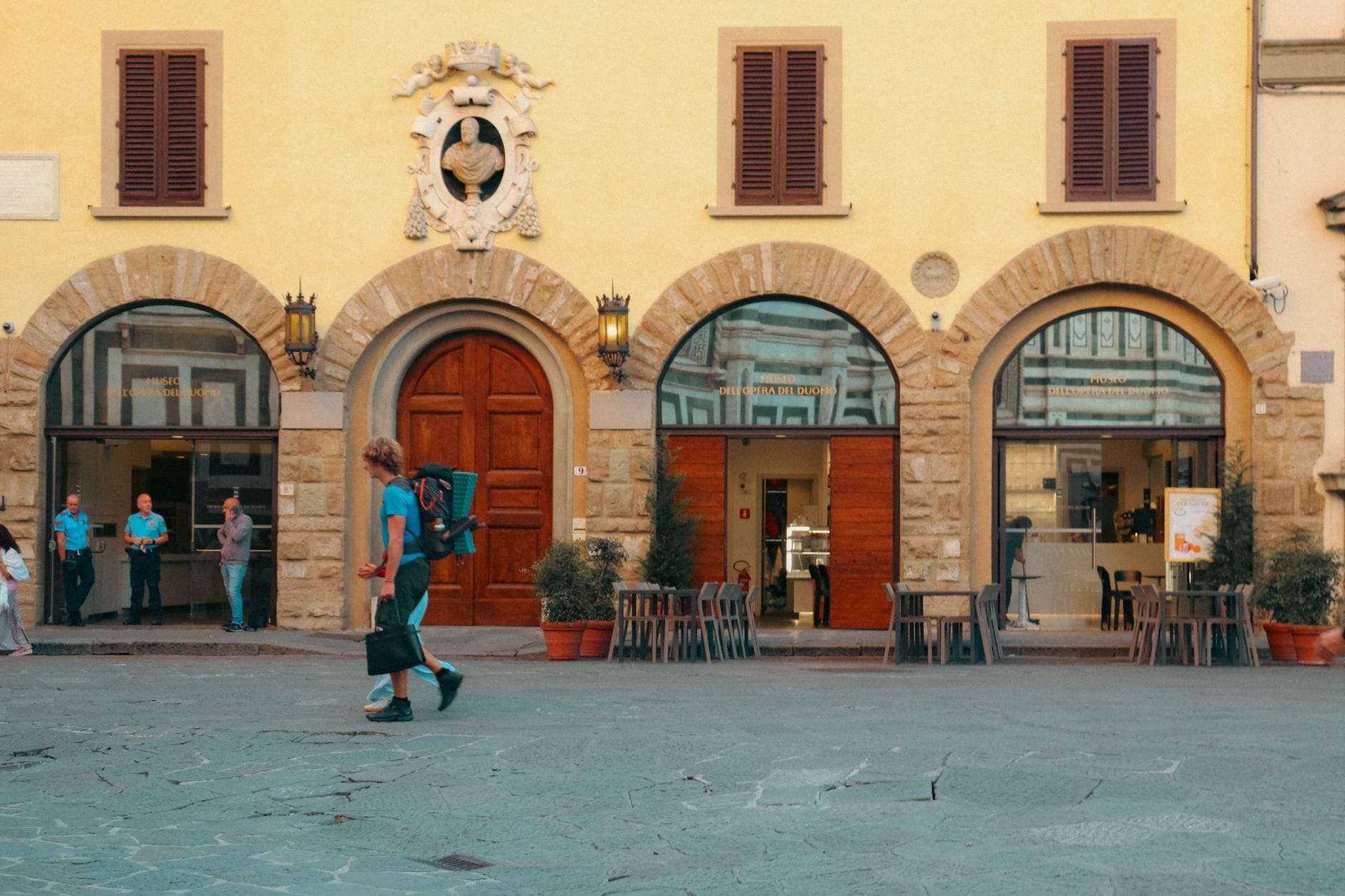
The Oltrarnodistrict, on the south side of the Arno, is the most consistently rewarding area for eating in Florence. The streets around Santo Spirito and San Frediano are full of small trattorias, wine bars, and casual lunch spots that cater to a local clientele. Prices are lower than the centro storico, the cooking is more grounded, and the atmosphere is less performative. This is where you eat the food you actually came to Florence for.
The area around San Lorenzo and the Mercato Centraleis the other strong contender. The ground floor of the Mercato Centrale has traditional vendors selling meat, cheese, and produce that have operated there for generations. The upper-floor food hall is more tourist-oriented and worth skipping in favor of the market floor below or the nearby street stalls outside.
Sant'Ambrogio, in theSanta Crocearea, is Florence's other great neighborhood market. TheSant'Ambrogio Marketdraws a genuinely local crowd, with vendors selling seasonal produce, aged cheeses, and prepared foods at prices that reflect the area's non-tourist character. The trattorias directly around the market serve straightforward Florentine cooking and are typically packed with locals at lunch.
✨ Pro tip
Trattoria Mario in San Lorenzo and similar old-school lunch spots operate on a shared-table system where you sit with strangers and order from a short menu of whatever they made that day. These places often close by 3 PM and do not take dinner reservations. Show up at 12:30 PM or expect to queue.
Bread, Wine, and the Supporting Cast
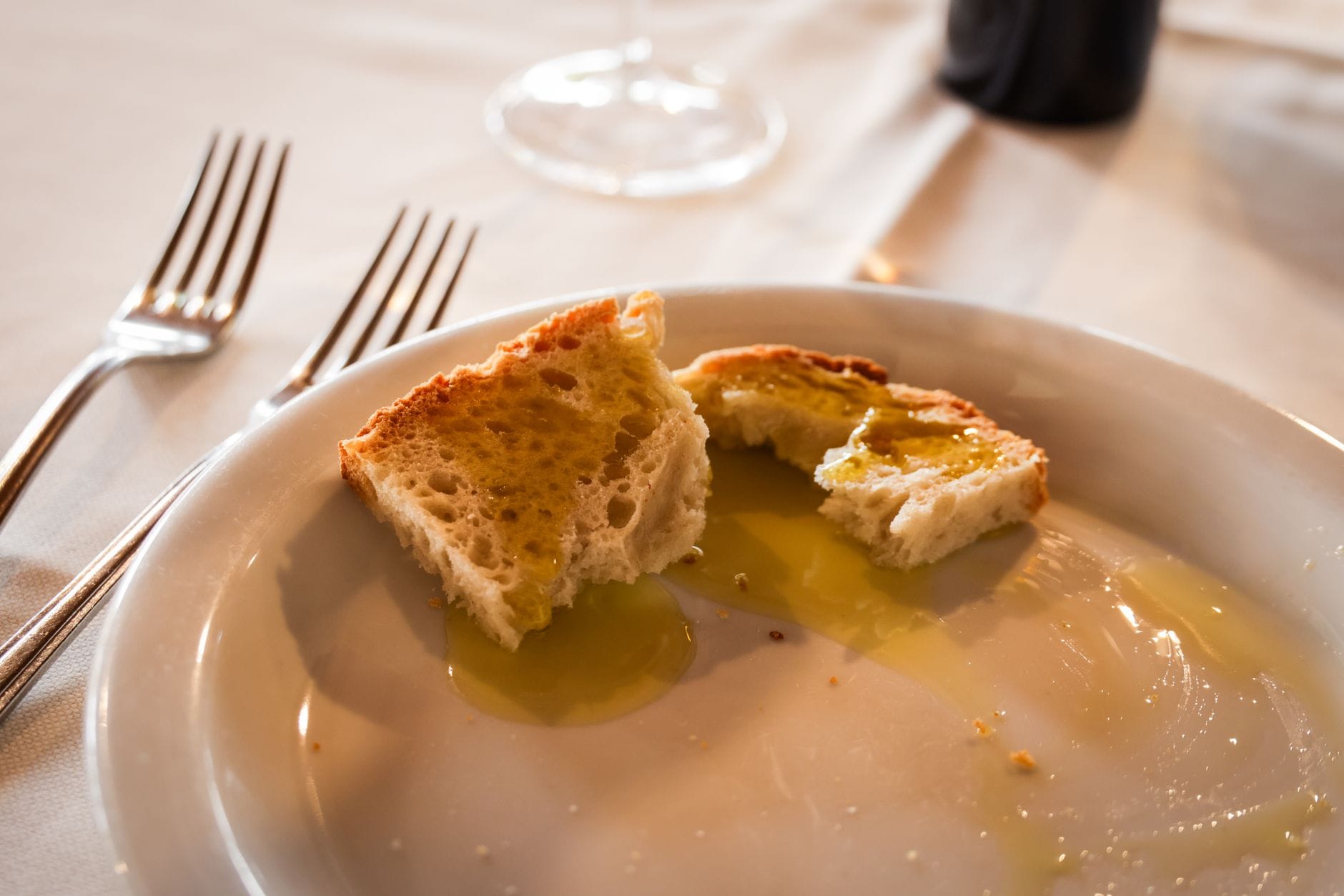
Florentine bread (pane sciocco) is deliberately unsalted, a tradition dating back centuries, reportedly tied to a salt tax dispute with the papacy. It tastes bland on its own but works precisely because so many local dishes are already well-salted. If you find it odd, that is the point. It is designed to accompany food, not be eaten alone.
Wine in Florence means Chianti Classico, Morellino di Scansano, and Vernaccia di San Gimignano for whites, among other Tuscan DOC and DOCG labels. At a trattoria, ordering the house wine (vino della casa) by the quarter or half liter is entirely normal and usually a better value than bottled options. Prices for a 500ml carafe run from around €5–8 in neighborhood spots. If you want to explore Tuscan wines more seriously, the Enoteca Italiana concept and smaller wine bars around Oltrarno provide good depth without requiring a formal dining experience.
- Cantucci (almond biscuits) served with Vin Santo for dessert is the classic Florentine ending to a meal. Do not skip it.
- Gelato quality varies wildly. Look for gelaterias where the product is stored in covered metal containers, not piled high in colorful mounds. Natural colors signal better ingredients.
- Aperitivo culture is present but less performative than Milan. A glass of Aperol spritz or Negroni (a Florence invention, allegedly) before dinner at a bar in Oltrarno or near Piazza Santo Spirito is a solid local habit.
- The Negroni cocktail is said to have been created in Florence in 1919 at Caffè Casoni, when Count Camillo Negroni asked for his Americano to be strengthened with gin. Most bars in the city make them well.
- Coffee is taken standing at the bar in the morning. Ordering a cappuccino after noon signals tourist status to Florentines, though no one will refuse to serve you one.
Practical Eating: Hours, Prices, and What to Expect
Florentine restaurants run on Italian time, which means lunch service from 12:30 to 2:30 PM and dinner typically not starting until 7:30 PM. Showing up at 6 PM for dinner will find most kitchens closed or just beginning prep. This schedule is non-negotiable at traditional spots. Plan your sightseeing around it rather than trying to find exceptions.
Budget expectations: a proper sit-down meal at a neighborhood trattoria, including a first course, second course, bread, and a carafe of house wine, typically costs €20–30 per person. At tourist-oriented restaurants in the centro storico, expect €30–40 or more for food that is rarely better. Market eating, like a lampredotto roll or a plate of cured meats and cheese at a market stall, can easily be under €8 and is often the most memorable meal of a trip to Florence.
For context on planning your days, theone day in Florence itinerary and the 3-day Florence itineraryboth factor meal timing into the schedule, which makes a genuine difference when local trattorias are your target.
- Coperto (cover charge): most trattorias add €1.50–3 per person automatically. This is normal and not a scam.
- Service charge: sometimes included (servizio incluso), sometimes not. Check the bill before leaving a tip.
- Tipping is not obligatory in Florence. Rounding up or leaving a few euros for good service is appreciated but never expected.
- Many trattorias do not accept card payments. Carry cash, particularly for market food, smaller lunch spots, and lampredottai stalls.
- Reservation recommended: for popular trattorie, book at least a few days ahead, especially for dinner and weekend lunches.
Seasonal and Specialty Foods Worth Timing Your Visit For
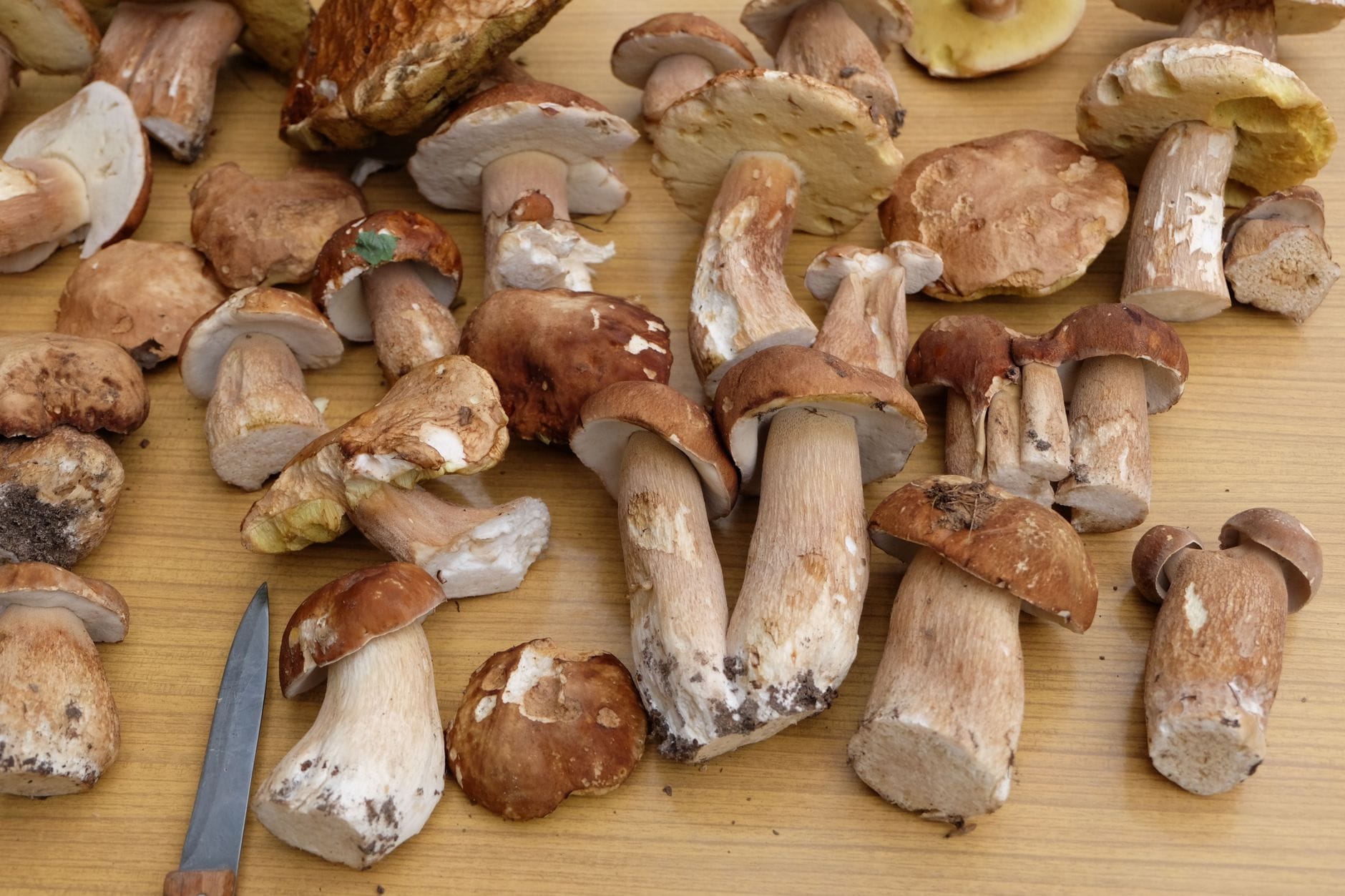
Florence's food calendar follows the agricultural rhythm of Tuscany closely. In autumn, fresh porcini mushrooms appear on menus in pastas, risottos, and as a contorno alongside grilled meats. Truffles from the San Miniato region arrive in November and feature heavily at higher-end restaurants, though shaved truffle on simple egg pasta at a market stall is one of the more accessible ways to try them.
Spring brings fresh fava beans, artichokes, and the first asparagus, all featured in straightforward preparations that let the ingredients carry the dish. Summer is the peak season for pappa al pomodoro made with properly ripe tomatoes, and the gelato is at its best when local fruit is at peak quality. February's Carnival season is the one time to try schiacciata alla fiorentina, the city's light, orange-flavored sponge cake that appears in every bakery window for about three weeks and then disappears until the following year.
If a cooking class or structured food experience interests you, Florence has a strong market in Tuscan cooking classes that typically combine a morning at theMercato Centralewith an afternoon of hands-on cooking. Quality varies considerably, so look for small-group classes (under 10 people) led by Florentine cooks rather than large tourist-oriented operations.
FAQ
What is the most traditional thing to eat in Florence?
Lampredotto is the most distinctively Florentine food, a braised beef offal sandwich sold by street vendors across the city for around €4–5. It predates bistecca as a working-class staple and remains the most honest expression of the city's cucina povera roots. Bistecca alla fiorentina is the most famous dish, but it requires a proper trattoria and a budget to match.
How much does a meal cost in Florence?
At a neighborhood trattoria, a full meal with house wine costs €20–30 per person. Tourist-area restaurants near the Duomo or Ponte Vecchio typically charge €30–40 for comparable or lesser food. Street food and market eating, including lampredotto, crostini, and schiacciata, comes in well under €10 per person.
Where should I avoid eating in Florence?
Restaurants directly on or immediately adjacent to Piazza della Signoria, Piazza del Duomo, and Ponte Vecchio are almost universally overpriced and tourist-oriented. Any place displaying laminated photograph menus or touting a fixed-price tourist menu is a reliable indicator of mediocre food. Walk two or three blocks into the side streets and the quality improves substantially.
Is Florence good for vegetarians?
Florentine cuisine is heavily meat and bread-based, but vegetarians are not without options. Ribollita, pappa al pomodoro, pasta e fagioli, crostini with vegetable toppings, and most pasta dishes can be ordered vegetarian. The market-based eating at Sant'Ambrogio and Mercato Centrale also offers good vegetable-forward choices. It requires a bit more navigation than in some other Italian cities, but workable.
What time do restaurants open for dinner in Florence?
Most restaurants open for dinner at 7:30 PM, and some traditional spots not until 8 PM. Arriving before then typically means a closed kitchen or a long wait before service begins. Lunch runs 12:30–2:30 PM. These hours are more consistently observed at traditional trattorias than at tourist-oriented establishments, which often stay open through the day.
Tickets & tours
Live prices and dates from our booking partner. If you book, we may earn a commission at no extra cost to you.
Planning a trip? Discover personalized activities with the Nomado app.