Florence Walking Tours & Self-Guided Walks: The Complete Guide
Florence is one of the world's most walkable cities, with nearly every major landmark within a compact historic centre. This guide covers the best walking routes, clear pricing breakdowns, seasonal tips, and how to avoid the most common tour mistakes.
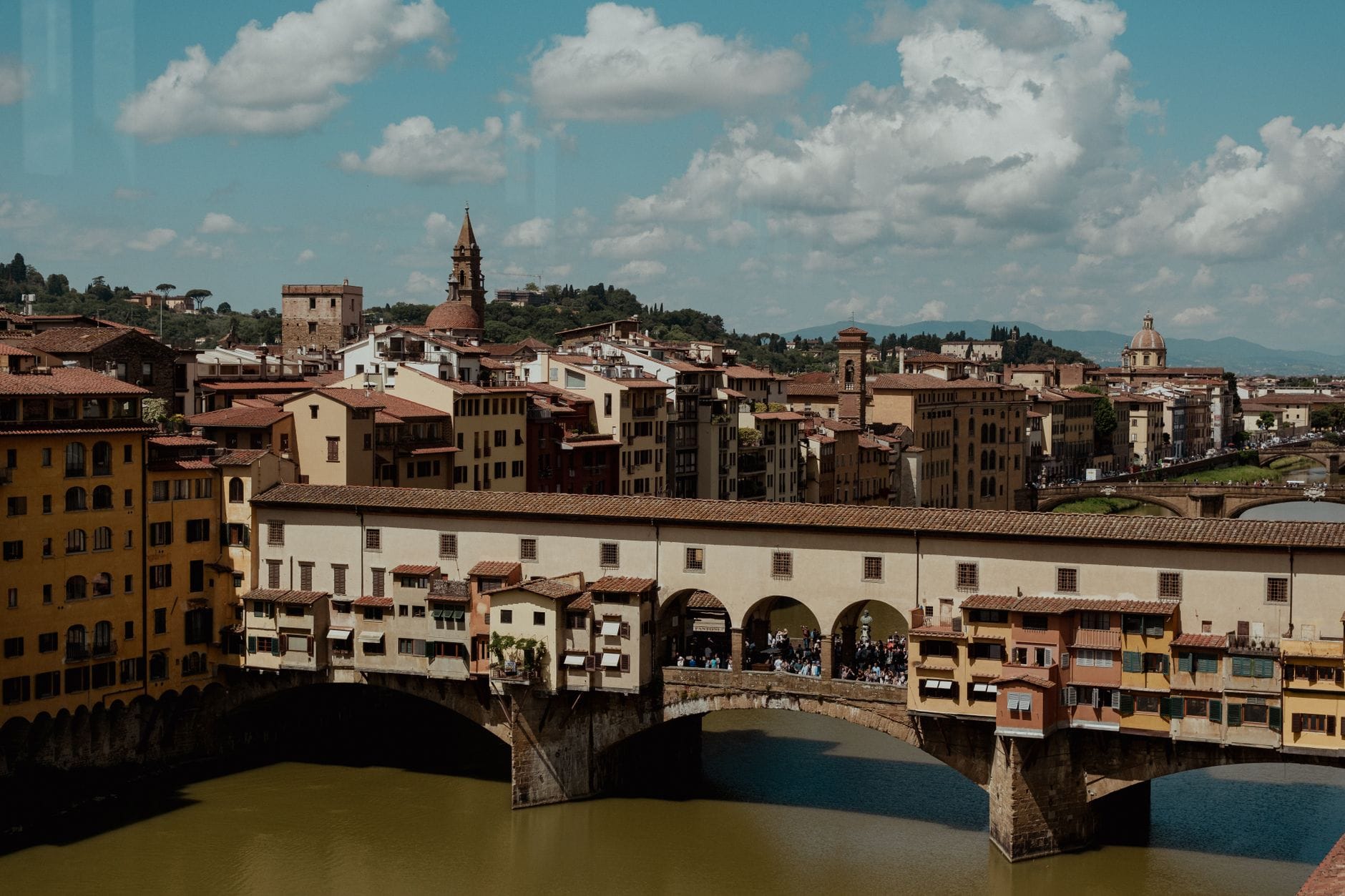
Tickets & tours
Live prices and dates from our booking partner. If you book, we may earn a commission at no extra cost to you.
TL;DR
- Florence's historic centre (UNESCO-listed) is compact enough to cover on foot, with major landmarks within 1.5 km of each other.
- "Free" tip-based tours cost €10–€20 per person in practice; paid group tours range from €25 to €150 depending on duration and whether museum entry is included.
- Most highlights walks run daily from a few common departure points near the Duomo and around Santa Maria Novella, depending on the operator.
- Standard city walks cover exteriors only — skip-the-line museum access requires a specific, higher-priced tour.
- For the best experience with fewer crowds, walk early mornings (before 9:00) or time your route for late afternoon, especially on the Arno riverside.
Why Florence Is Built for Walking
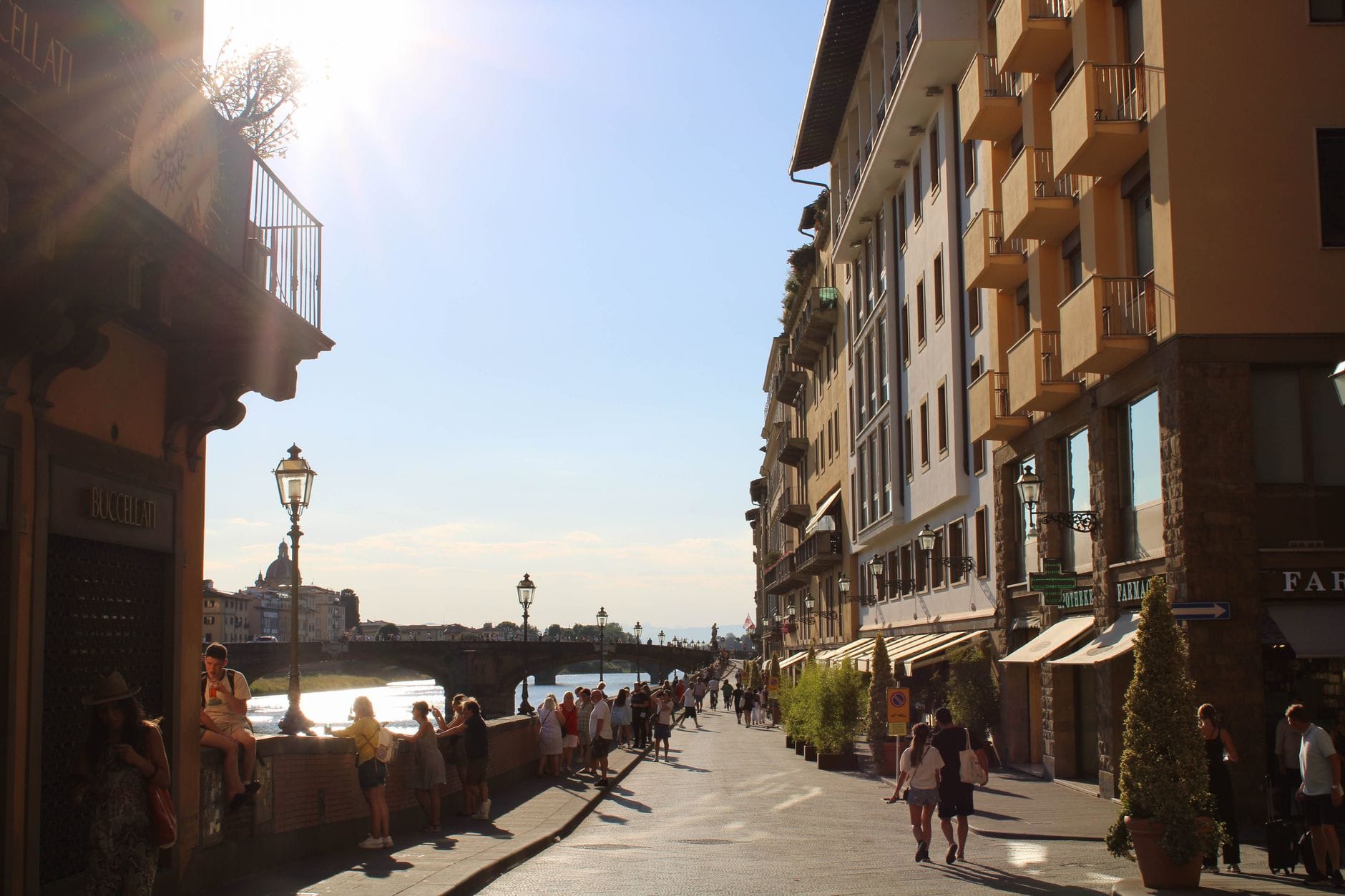
Florence italy is one of the rare cities where the best way to experience it is also the cheapest: on foot. The UNESCO-listed historic centre (Centro Storico) spans roughly 1.5 km from theFlorence Cathedral (Duomo) to the Ponte Vecchio, meaning most major sights are within a 20-minute walk of each other. Cars are restricted in large parts of the centre, which makes the streets genuinely pleasant to navigate.
The city sits in the Arno River valley at around 65 metres above sea level, so the historic core is largely flat. The only significant inclines are if you head south across the river to the Oltrarno hills or climb toward Piazzale Michelangelo — both rewarding efforts for the views. With a population of around 362,000 in the municipality, Florence has the energy of a real city without the overwhelming scale of Rome or Milan.
The seasonal rhythm matters for walking. Spring (April to June) and early autumn (September to October) offer the most comfortable temperatures — mild days, manageable crowds before 10:00, and long evening light. July and August are genuinely hot and humid, with daytime temperatures regularly exceeding 30°C; if you walk in summer, start before 9:00 or after 17:00. Winter walking is underrated: fewer tourists, cool crisp air, and soft light on the stone facades. Check our guide on thebest time to visit Florenceif you're planning around weather.
💡 Local tip
Florence's stone streets can be uneven and slippery when wet. Wear flat-soled, closed-toe shoes — sandals are fine in summer but avoid flip-flops if you're covering more than 3 km. Several key routes involve cobblestones that get genuinely treacherous in autumn rain.
Self-Guided Walking Routes: The Best Options by Interest
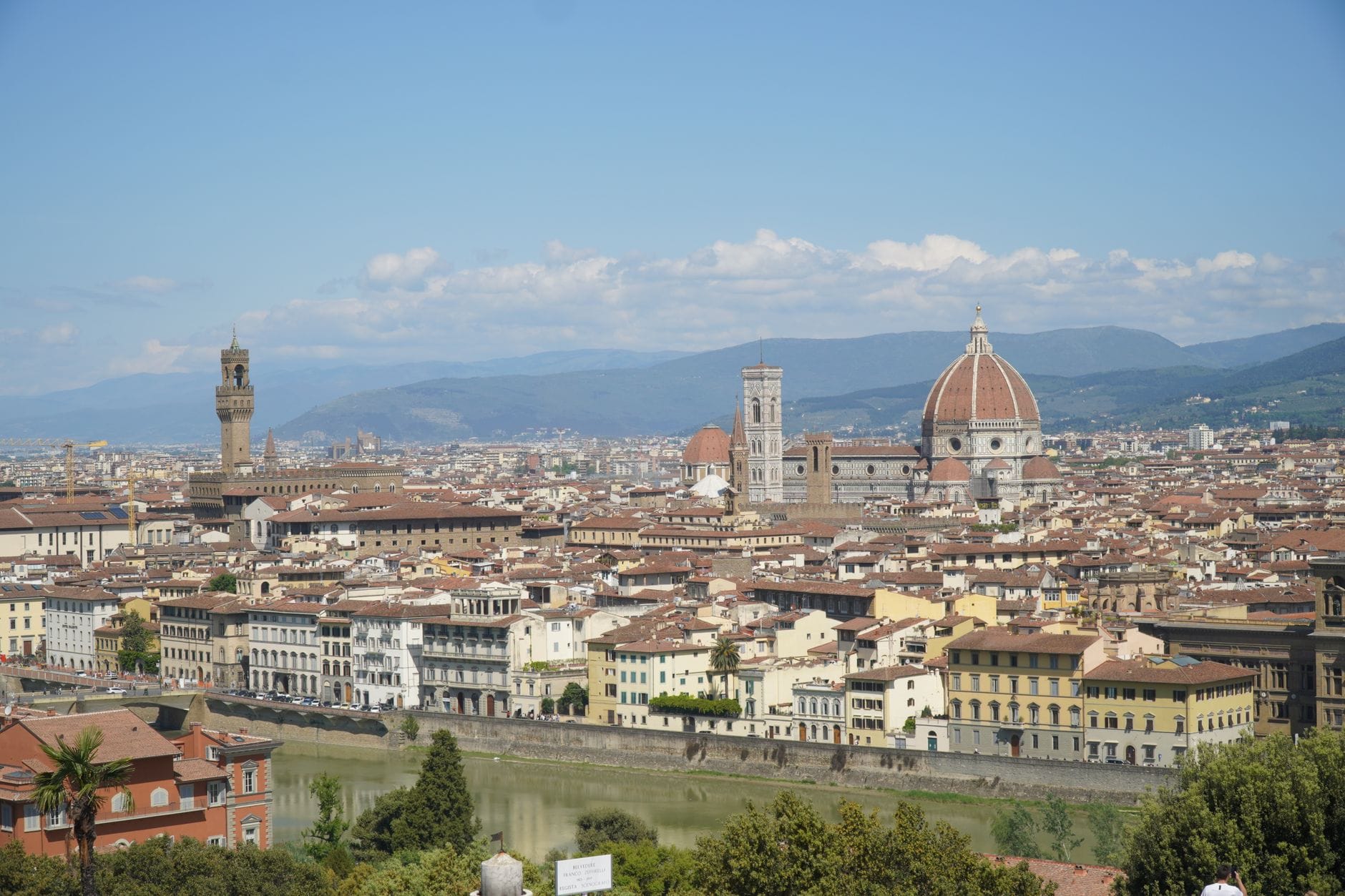
The most practical self-guided route in Florence is the classic Centro Storico loop: start atthe Baptisterynext to the Duomo, walk south through the medieval streets toPiazza della Signoria, continue to the Uffizi loggia, then follow the Arno west to Ponte Vecchio and back north through the leather and market district towardSan Lorenzo. The full loop is around 2.2 miles (about 3.5 km) and takes 70–90 minutes at a steady pace — longer if you stop at any interiors.
- Centro Storico Highlights Loop (90 min, flat) Duomo → Piazza della Repubblica → Piazza della Signoria → Ponte Vecchio → San Lorenzo Market. Covers the main medieval and Renaissance landmarks. Best before 10:00 or after 16:00.
- Oltrarno Artisan Walk (2 hours, gentle hills) Cross Ponte Vecchio → Santo Spirito square → Pitti Palace exterior → Boboli Gardens terrace → San Miniato al Monte. The south bank of the Arno has a different character: quieter, more local, with workshop storefronts and fewer souvenir shops.
- Panoramic Hill Walk (2–3 hours, uphill) Piazza Santa Croce → San Niccolò gate → Giardino delle Rose → Piazzale Michelangelo → San Miniato al Monte. The climb is worth it: 360-degree views over the Arno valley, especially at sunset.
- Renaissance Florence Walk (2–3 hours, flat) Palazzo Medici-Riccardi → San Marco convent → Accademia (exterior) → Ospedale degli Innocenti → Piazza Santissima Annunziata. A circuit focused on 15th-century Florence, best for those who want less crowd pressure than the Duomo area.
For the panoramic route, time the walk to arrive atPiazzale Michelangeloabout 90 minutes before sunset. The light on the city is exceptional in late afternoon, and the terrace is less crowded at that point than at actual sunset when tour groups arrive en masse. Continuing up toSan Miniato al Monteadds 15 minutes of uphill walking and a Romanesque church facade that most visitors miss entirely.
Guided Walking Tours: Pricing, Formats, and What to Expect
Walking tours in Florence divide into five broad formats, each suited to different priorities and budgets. Understanding what you're actually paying for prevents the most common disappointment: arriving on a tour expecting museum access and getting an exterior walk-past instead.
- Tip-Based 'Free' Tours (€10–€20 per person, effectively) Operators like SANDEMANs, Guruwalk, and Free Tours by Foot depart from Piazza Santa Maria Novella at typically 10:30 and 15:30, rain or shine. The 2-hour tour covers main landmarks on foot. No booking fee, but guides earn entirely from tips — budget €10–€20 per person as a baseline. Good for a first orientation; not suitable if you want depth or small-group intimacy.
- Standard Group Highlights Tour (€25–€40, 2 hours) Pre-paid group tours covering the Duomo exterior, Piazza della Signoria, Ponte Vecchio, and main squares. Groups can be 20–30 people in high season. Museum entries not included. Useful if you want a narrative structure without committing to a full day.
- Small-Group Tour with Skip-the-Line Museum Entry (€60–€90, 3 hours) Combines the walking route with timed entry to one major museum — typically the Uffizi or Accademia. Group sizes are usually capped at 12–15. This format justifies the price premium mainly through the skip-the-line element, which can save 1–2 hours of queuing in peak season.
- Premium Expert-Led Tours (€100–€150, 4 hours) Operators like Context Travel and Walks of Italy offer academic-led small groups (max 6–8 people), deep-dive itineraries on specific themes (Medici family, Dante's Florence, Renaissance art), and often include two museum entries. Worth the cost for serious cultural travelers.
- Food Walking Tours (€95–€110, 3 hours) Market visits, cured meat and cheese tastings, wine windows (buchette del vino), and often a stop at a traditional trattoria. These are typically limited to 8–10 participants. The best versions start at Mercato Centrale and end in Oltrarno.
⚠️ What to skip
A 'free' walking tour is not free. Guides depend on gratuities for their income — €10 is the floor, €15–€20 is fair for a good tour. If you can't budget at least €10 per person, opt for a self-guided route instead rather than joining a tip-based tour with no intention of tipping.
Most standard city highlights tours run daily during high season (roughly April through October), with morning slots around 09:30–10:30 and afternoon departures around 15:00–15:30. In low season, some operators cut back to three or four days per week, so check availability before assuming a specific date will work. Booking 24–48 hours in advance is enough for most tours except the small-group premium options, which sell out days ahead during spring and September.
Neighbourhood Walks Worth Your Time
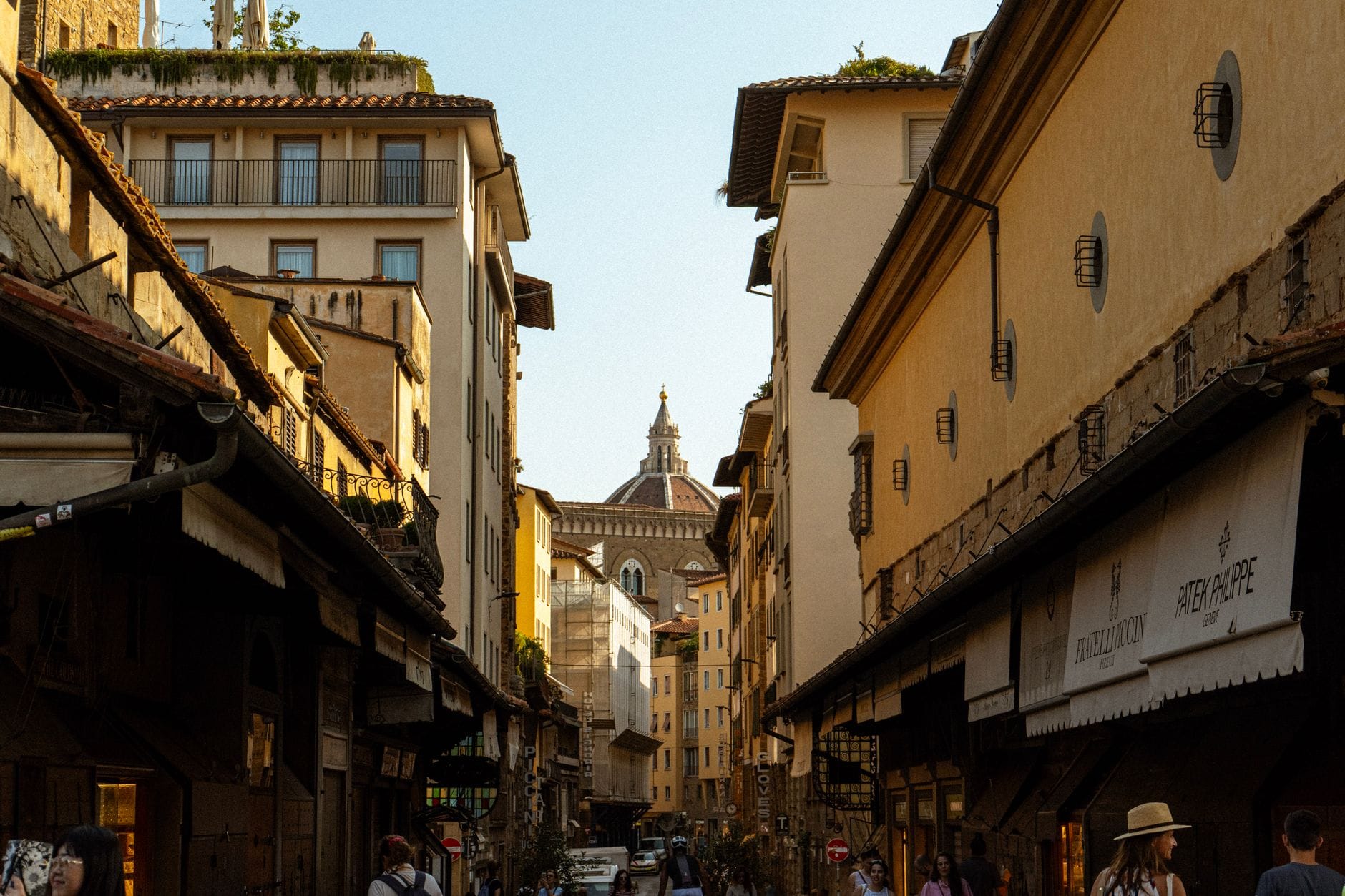
The Oltrarnois the neighbourhood most rewarding for a slow, exploratory walk. Across the Arno from the main tourist circuit, it has a different scale and character: narrower alleys, artisan workshops doing leather, gilding and bookbinding, and bars that still fill up with locals. The area around Piazza di Santo Spirito is the social centre; theCappella Brancaccihere contains Masaccio's frescoes, which are among the most important works in Western painting but receive a fraction of the Uffizi's footfall.
North of the Duomo, theSan Marco districtrewards an hour of wandering. The Piazza Santissima Annunziata is arguably the most elegant Renaissance square in the city, yet most visitors bypass it entirely on their rush between the Accademia and the Duomo. The square is flanked by Brunelleschi's loggia of theOspedale degli Innocention one side, with matching arcade columns opposite. Early morning, before tour groups arrive, it feels like a different Florence.
The Santa Croceneighbourhood to the east is often treated purely as a stop to see the Basilica, but the streets around it are among the least tourist-saturated in the centre. TheSant'Ambrogio marketruns weekday mornings and is a genuine neighbourhood food market, nothing like the tourist-oriented stalls near the Duomo. If you're building a self-guided morning walk, combine a 9:00 market visit here with the walk to Santa Croce and then north along the old city walls.
✨ Pro tip
The Arno riverside walk between Ponte Vecchio and Ponte alle Grazie is best in the hour before sunset. The light hits the south-facing buildings from the Oltrarno side and turns the stone a warm amber. The walk takes about 20 minutes and requires no planning — just follow the north bank of the Arno heading east.
Practical Logistics: What to Know Before You Walk
Florence's historic centre enforces restricted traffic zones (ZTL — Zona a Traffico Limitato) in much of the centre, which works in walkers' favour: streets are quieter than the size of the tourist crowd suggests. That said, delivery vehicles and scooters still use many of the narrow streets, so pay attention at blind corners.
If your walking tour includes a church visit, dress code enforcement is real and inconsistently applied, which means it's enforced on the day you didn't bring a scarf. Covered shoulders and knees are required at the Duomo, Santa Croce, Santa Maria Novella, and most other active churches. TheBasilica di Santa Maria Novellaand the Duomo complex both have attendants at the door who will turn you away. Keep a light layer in your bag from June through August when shorts and sleeveless tops are common.
- Start walks before 09:30 to experience the Piazza del Duomo without shoulder-to-shoulder crowds.
- Water fountains (nasoni) are scattered across the centre — tap water in Florence is potable and these are useful on summer walks.
- Wear flat, closed shoes with grip; avoid sandals on the hill routes to Piazzale Michelangelo.
- Most free walking tours depart from Piazza Santa Maria Novella — arrive 10 minutes early to find your guide (look for coloured umbrellas or branded flags).
- Low-season tours (November through March) may run fewer days per week; always verify the schedule directly with the operator before you arrive.
- Emergency services in Italy are reached via 112 (single EU number for police, medical, fire).
- ATMs and currency exchange are available throughout the centre; only euros are accepted, and card payments are widely accepted at tour operators.
If you're planning to walk Florence over multiple days, it helps to understand the neighbourhood geography. The Arno divides the city: the north bank holds most major museums and the medieval centre; the south bank (Oltrarno) is where thePitti Palaceand Boboli Gardens sit, along with the hillside routes to the panoramic viewpoints. Getting around Florence on foot is almost always faster than waiting for buses in the centre, and the tram network (line T1 and T2) is more useful for airport connections than for sightseeing within the historic area.
Honest Drawbacks and Overrated Options
Large-group walking tours with 25 or more people are rarely worth booking, even at the lower price point. Keeping up with a guide through crowded medieval streets while using a radio earpiece is a stressful experience rather than a pleasant one. The audio gets patchy in narrow alleys, the group constantly fragments at pedestrian crossings, and stops at major landmarks are rushed because the guide has to manage logistics rather than deepen the content. If budget is the priority, a self-guided route with a good audio guide app is more satisfying than a large-group tour.
The Piazzale Michelangelo at sunset is not overrated, but it is over-touristed at that specific hour. The view is exceptional. But from about 18:00 in summer, the terrace fills with tour groups, selfie sticks, and street vendors to a degree that makes the experience feel like a crowded rooftop bar. Arriving 90 minutes before sunset gives the same light conditions with a fraction of the crowd. Alternatively, theForte di Belvedere terrace and the Bardini Gardenoffer comparable city views with significantly fewer people.
ℹ️ Good to know
The Vasari Corridor — the elevated passageway connecting the Uffizi to Palazzo Pitti above Ponte Vecchio — has historically offered one of the most dramatic walking experiences in Florence. It is currently closed for restoration and not yet reopened for regular visits. Check current status via the official Uffizi website before making plans around it.
FAQ
How long does it take to walk the main sights in Florence?
The classic Centro Storico loop from the Duomo to Ponte Vecchio and back via San Lorenzo covers about 3.5 km and takes 70–90 minutes of walking. Add 1–2 hours per major museum visit (Uffizi, Accademia), so a full highlights day typically runs 6–8 hours with stops.
Are free walking tours in Florence actually free?
No. Free walking tours in Florence operate on a tip-based model: there is no booking fee, but guides earn their income entirely from gratuities. The expected tip is €10–€20 per person for a standard 2-hour tour. Budget accordingly, or opt for a fixed-price tour instead.
Do I need to book a walking tour in advance in Florence?
For tip-based free tours and standard group highlights tours, booking 24–48 hours ahead is usually sufficient. For small-group premium tours (capped at 6–12 people) and food walking tours, especially during April–June and September–October, booking 3–5 days ahead is advisable. Low-season tours sometimes run fewer days per week, so verify the schedule before assuming availability.
What is the best self-guided walking route in Florence for first-timers?
The most efficient first-visit route runs from the Duomo area south through the medieval centre to Piazza della Signoria, along the Arno to Ponte Vecchio, then north through the San Lorenzo market district. The route is about 3.5 km, mostly flat, and passes the highest concentration of major landmarks. Start before 9:30 to avoid the worst of the midday crowds.
Is Florence hilly or flat to walk around?
The historic centre (Centro Storico) is largely flat. The Oltrarno neighbourhood on the south bank of the Arno has gentle hills, and routes to Piazzale Michelangelo and San Miniato al Monte involve a sustained uphill climb of roughly 80–100 metres. The hilltop routes are manageable for most walkers but not suitable for those with mobility limitations.
Tickets & tours
Live prices and dates from our booking partner. If you book, we may earn a commission at no extra cost to you.
Planning a trip? Discover personalized activities with the Nomado app.