The Plantage and Jewish Quarter form one of Amsterdam's most historically layered neighborhoods, combining the solemnity of Holocaust memorials and centuries-old synagogues with the greenery of botanical gardens and one of Europe's oldest city zoos. East of the medieval core, this is a neighborhood where history is present at street level, and where the pace of life slows considerably compared to the canal ring to the west.
East of Amsterdam's medieval centre, the Plantage and Jewish Quarter carry more history per square kilometre than almost anywhere else in the city. This is where Amsterdam's Jewish community lived for centuries, where the consequences of the Second World War are remembered with unflinching seriousness, and where wide tree-lined streets give way to botanical gardens and one of Europe's most respected city zoos.
Orientation
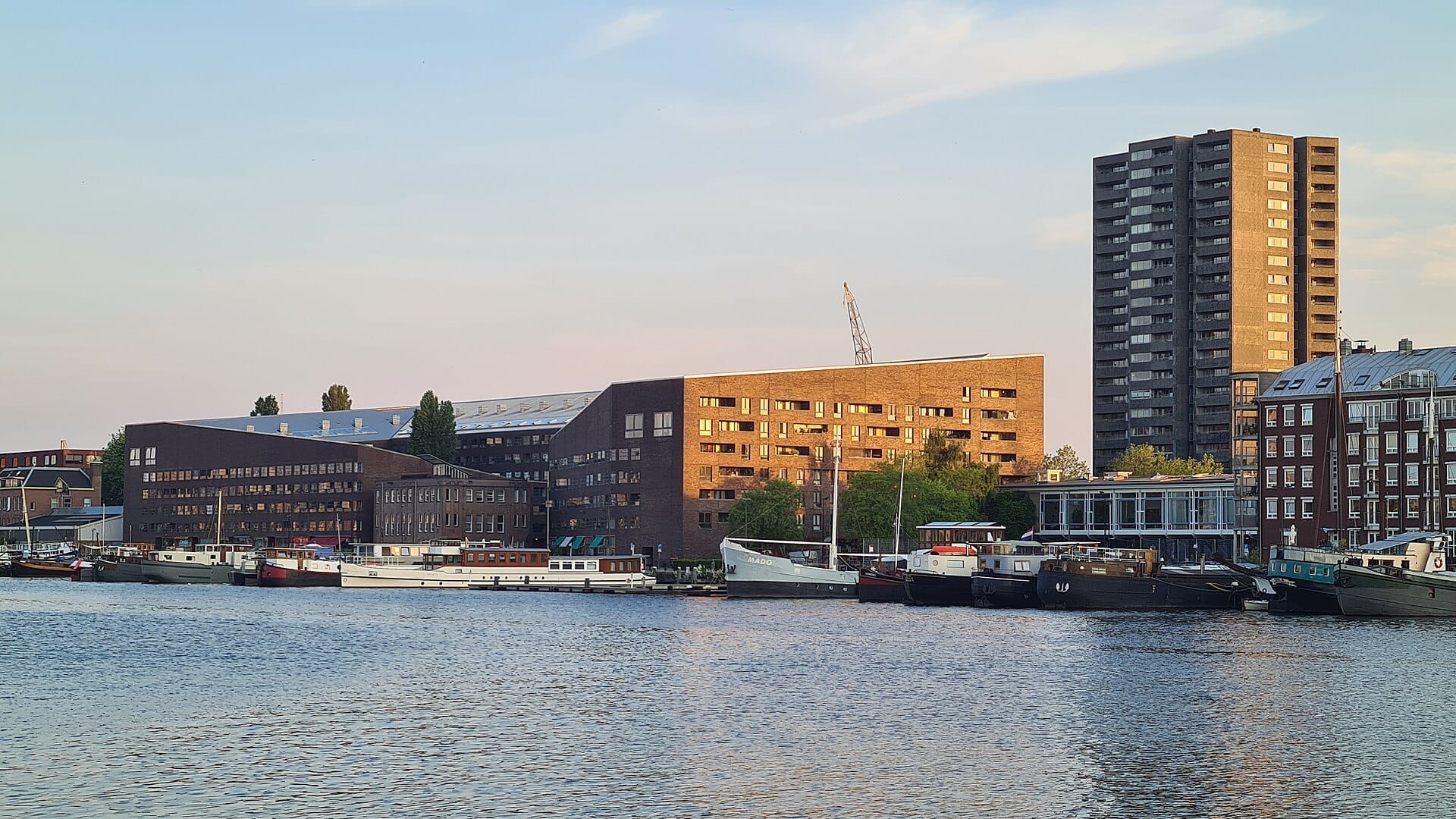
The Plantage and Jewish Quarter occupy the southeastern edge of Amsterdam's historic city centre, beginning roughly where the canal ring ends and extending east toward the old port areas. The neighbourhood sits between two clear anchor points: Waterlooplein to the west, which most visitors will recognise from the metro station and flea market, and ARTIS Royal Zoo to the east along Plantage Kerklaan.
The core of the historic Jewish Quarter, known as the Jodenbuurt, centres on Waterlooplein, Jonas Daniël Meijerplein, Mr. Visserplein, and Nieuwe Amstelstraat, with the Zwanenburgwal and Nieuwe Herengracht canals forming loose western and northern boundaries. Walking east from Waterlooplein along Plantage Middenlaan, the neighbourhood shifts into the Plantage proper: wider streets, 19th-century residential architecture, and a noticeably more open character than the tight canal ring to the west.
The neighbourhood connects naturally to several surrounding areas. To the west, crossing Zwanenburgwal brings you into the fringes of De Wallen and the old city centre. To the north, Entrepotdok leads toward the old harbour and the eastern docklands. To the south, Weesperstraat marks a busy boundary beyond which the character quickly becomes more residential and less historically charged. The Canal Ring lies immediately to the west, and many visitors combine the two areas in a single day on foot.
Character & Atmosphere
There is a particular quality to walking through the Plantage in the morning. The streets along Plantage Middenlaan are wide enough that the light comes in early, falling across the brick facades and the elm trees that line much of the route. Before the museums open, the neighbourhood is genuinely quiet: residents cycling to work, a few joggers cutting through Wertheimpark, the smell of coffee from the cafés near the zoo entrance. It feels like a part of the city that belongs to people who live here rather than people passing through.
By mid-morning, families begin arriving at ARTIS and Hortus Botanicus, and the area around Jonas Daniël Meijerplein starts to fill with visitors making their way between the Jewish Cultural Quarter sites. The mood around these institutions is different from anywhere else in Amsterdam: more contemplative, more deliberate. People tend to walk more slowly here. The weight of what the memorials and museums communicate seems to carry into the surrounding streets.
Afternoons in the Plantage have a slower, more residential rhythm. The flea market at Waterlooplein brings some energy to the western edge, but the deeper streets near Plantage Parklaan and Plantage Doklaan are calm by any city standard. After dark, this is not a neighbourhood with much of a nightlife scene. A handful of restaurant terraces stay open into the evening, particularly around the zoo area, but by 22:00 the streets are largely quiet. For travellers who prefer that in a city stay, it is a genuine advantage.
ℹ️ Good to know
The Plantage takes its name from the Dutch word for plantation or garden. In the 17th and 18th centuries, this area was used for market gardens and pleasure gardens before being developed into the residential district it is today.
What to See & Do
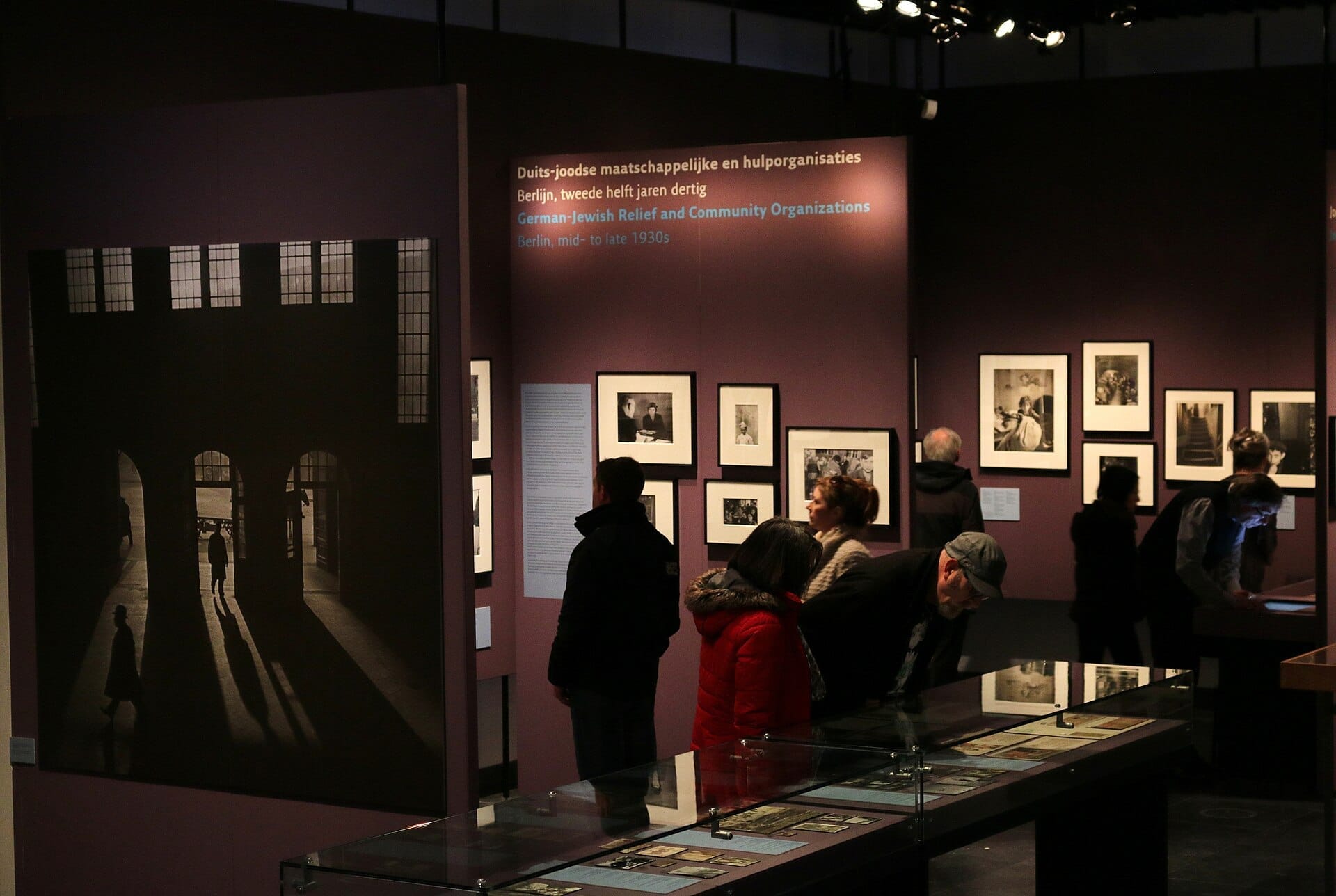
The Jewish Cultural Quarter is the primary reason most visitors come to this part of Amsterdam, and it deserves the time. Four linked institutions within roughly one square kilometre form one of the most concentrated collections of Jewish heritage in Europe: the Jewish Historical Museum, the Jewish Museum Junior, the National Holocaust Museum, and the Portuguese Synagogue. A combined ticket covers all four and is worth buying if you plan to visit more than one.
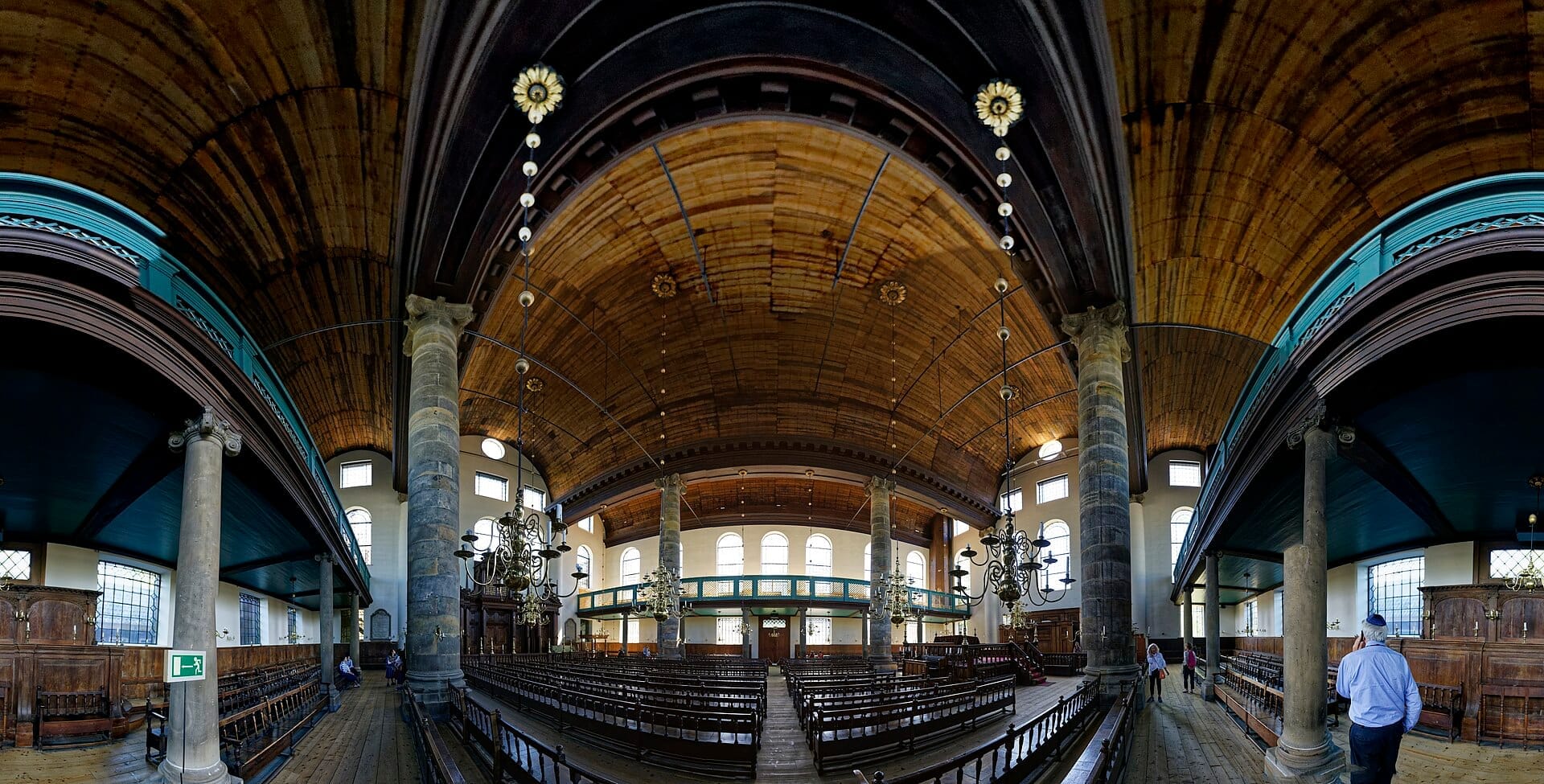
The Portuguese Synagogue on Mr. Visserplein is one of the most remarkable buildings in Amsterdam. Built in 1675 for the city's Sephardic Jewish community, it has survived largely intact, still lit by candles rather than electric light, with its sandy floor and original wooden furnishings giving it an atmosphere that is genuinely difficult to describe. Visiting on a weekday morning, when it is less crowded, is worth planning around.
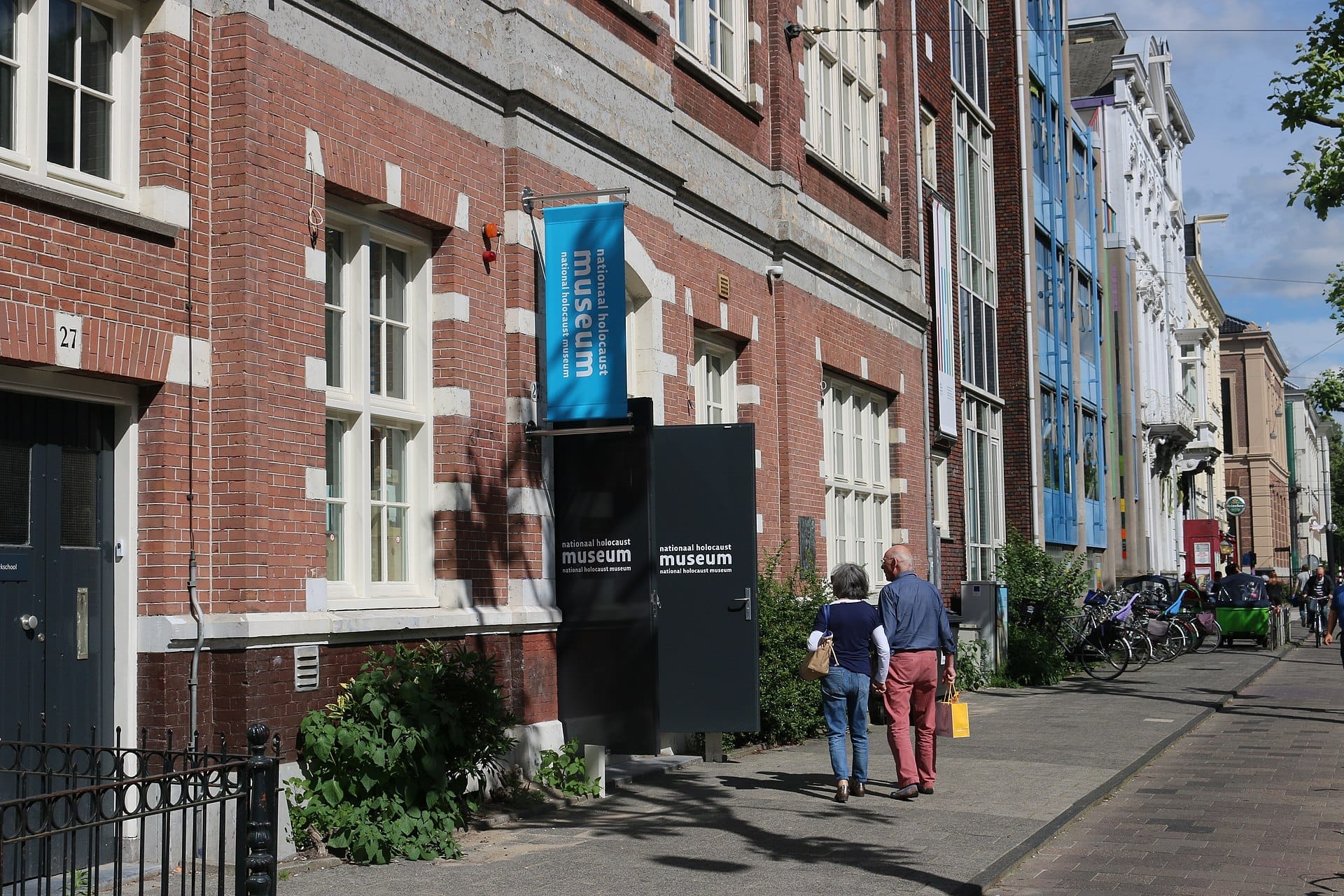
The National Holocaust Museum on Plantage Middenlaan opened in its current form in 2024 and deals directly and unflinchingly with the persecution and murder of Dutch Jews during the Second World War. The Hollandsche Schouwburg, a former theatre on the same street at number 24, served as an assembly point for deportees and now functions as a memorial. Both are sobering, important, and not easy to visit in the purely touristic sense.
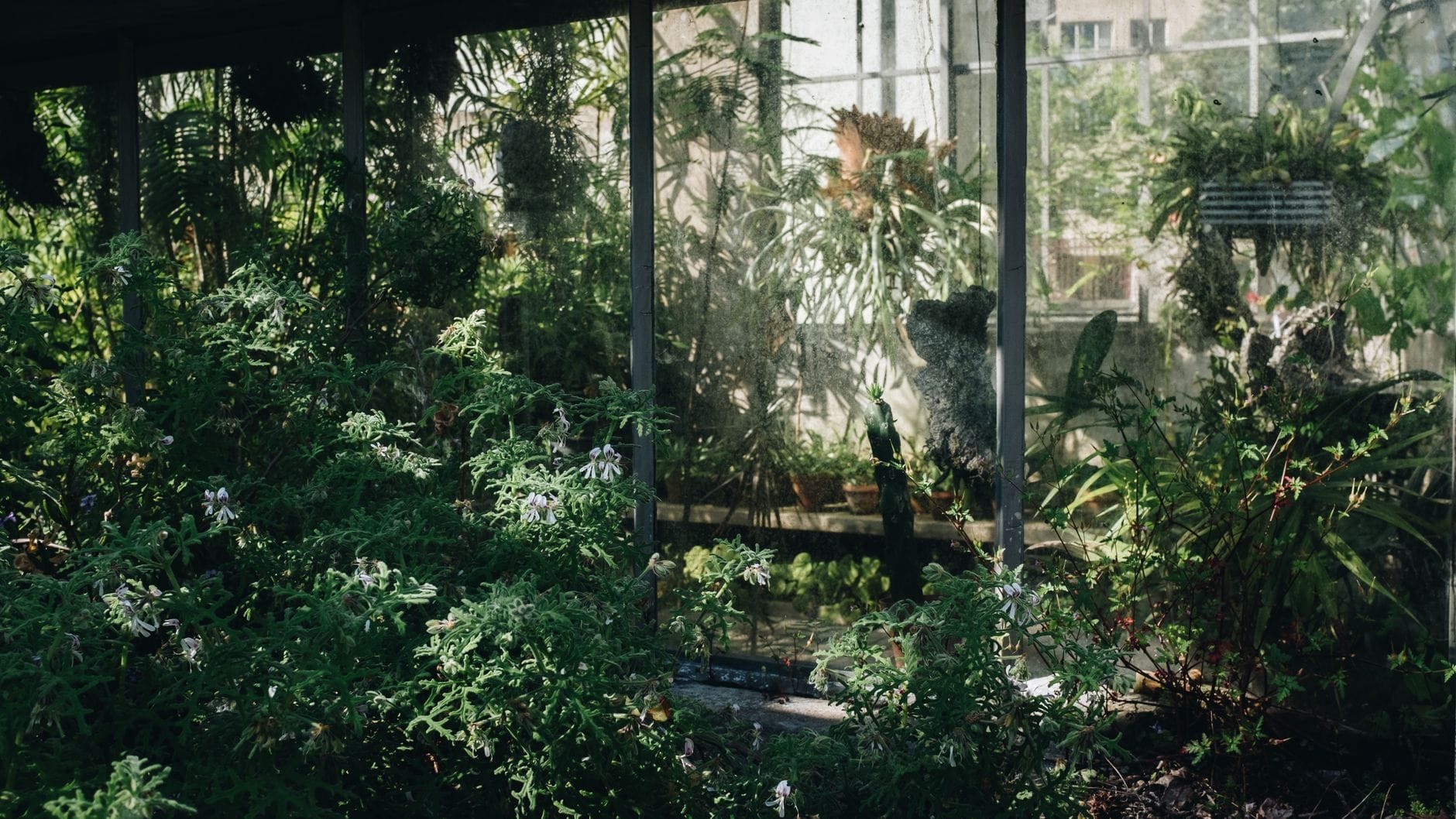
The Hortus Botanicus on Plantage Middenlaan is one of the oldest botanical gardens in the world, founded in 1638 as a medicinal herb garden for Amsterdam's physicians. Today it covers around 1.2 hectares and contains more than 6,000 plant species across several climate houses. It functions as a genuine research institution as well as a public garden, and its palm house, butterfly greenhouse, and outdoor beds are worth at least two hours.
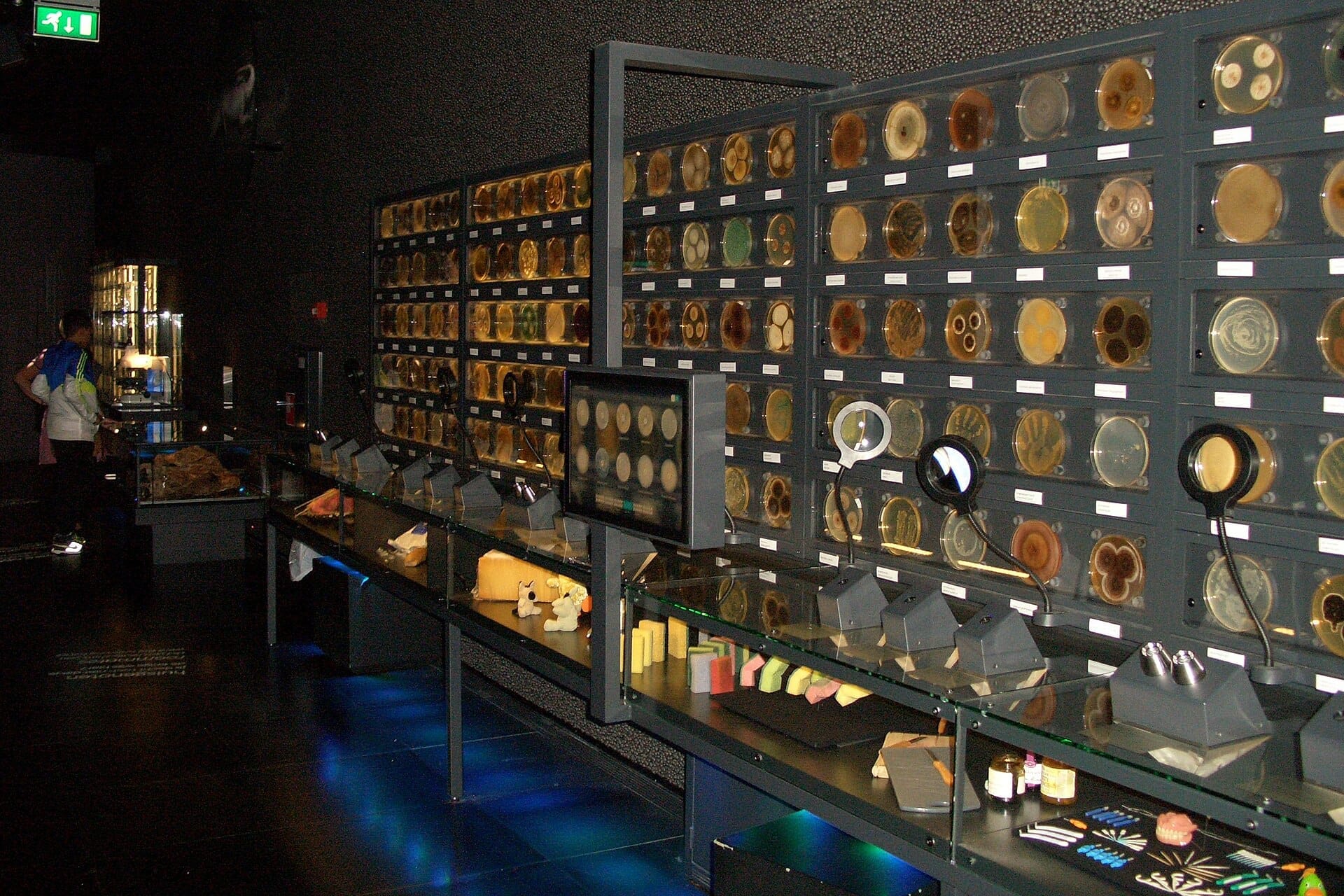
ARTIS Royal Zoo on Plantage Kerklaan is one of the oldest zoos in Europe, established in 1838. It contains a planetarium, an aquarium, a geological museum, and the Micropia museum dedicated to microorganisms, the only institution of its kind in the world. ARTIS is a serious attraction that takes three to four hours to explore properly, and it works well for adults travelling without children as well as for families.
Portuguese Synagogue: one of Europe's best-preserved 17th-century synagogues, still functioning
National Holocaust Museum and Hollandsche Schouwburg: the city's primary Holocaust memorial institutions
Jewish Historical Museum: covers Amsterdam's Jewish community from the 17th century to the present
Hortus Botanicus: historic botanical garden with tropical greenhouses and a 300-year-old cycad
ARTIS Royal Zoo and Micropia: combined natural history and science complex on Plantage Kerklaan
Wertheimpark: a small green square on Nieuwe Herengracht featuring the Auschwitz monument 'Never Again'
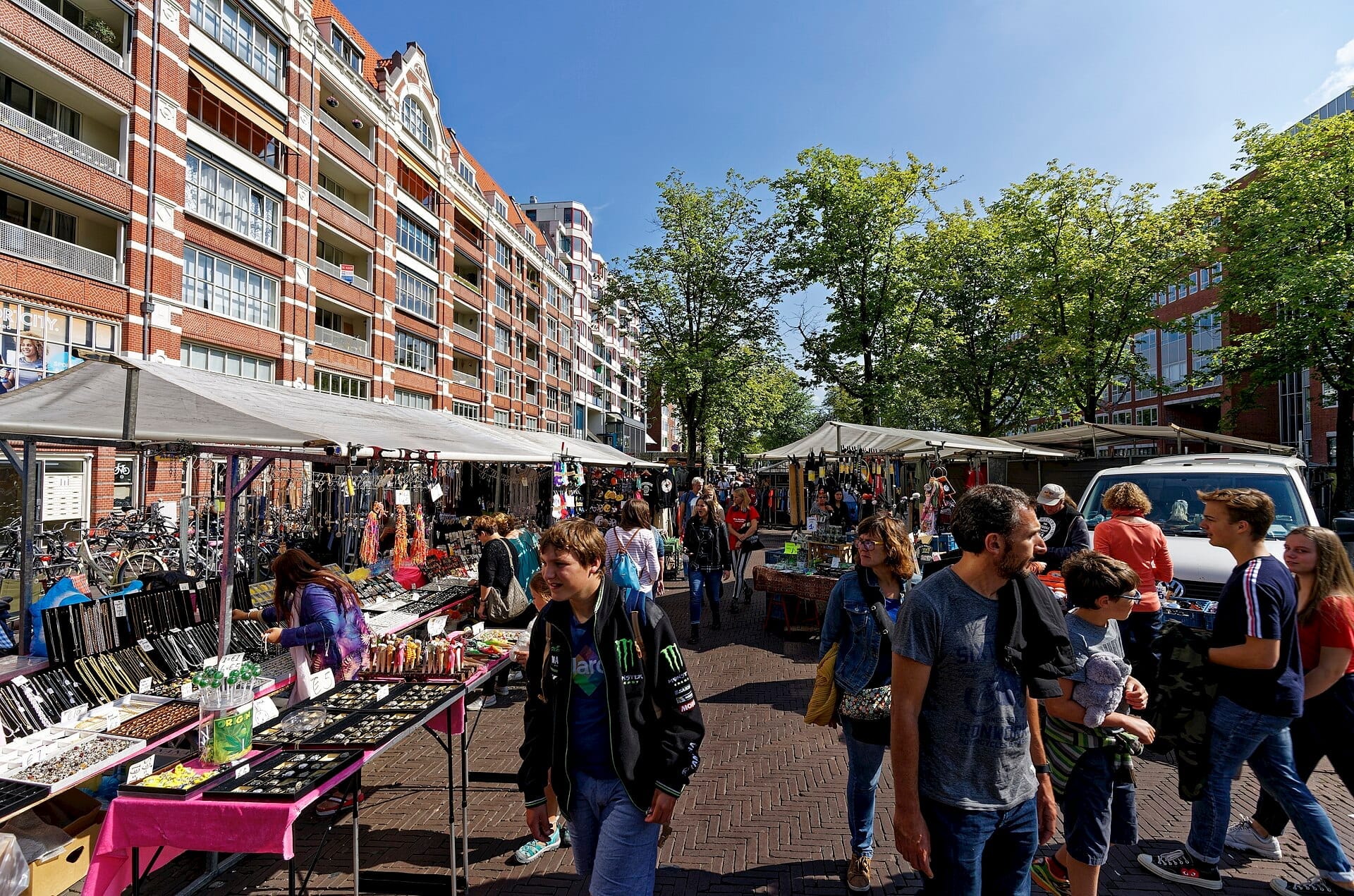
Waterlooplein flea market: daily outdoor market on the western edge of the neighbourhood
💡 Local tip
The Dutch Resistance Museum (Verzetsmuseum) on Plantage Kerklaan, directly across from ARTIS, covers the Dutch response to German occupation during WWII and provides essential context for the Holocaust memorials nearby. Combining the two in a single visit deepens the experience considerably.
The Dutch Resistance Museum is one of Amsterdam's most thoughtfully designed history museums. It covers how Dutch citizens responded to occupation between 1940 and 1945, including those who collaborated, those who remained passive, and those who actively resisted. It is an important counterpart to the Jewish Cultural Quarter sites and is often overlooked by visitors who move straight between ARTIS and the synagogue.
Eating & Drinking
The Plantage is not a neighbourhood with a prominent food scene in the way that De Pijp or the Jordaan are. Eating options are spread across the area rather than concentrated, and the overall range skews toward casual cafés, museum restaurants, and terrace spots that do reasonable business from visitors to the zoo and botanical garden.
The stretch along Plantage Middenlaan and Plantage Kerklaan has several café-restaurants that function well for lunch. The ARTIS zoo has its own catering, but the quality and value of the options just outside on Plantage Kerklaan are generally better. The area around Waterlooplein has a few more casual options and some street food during market hours.
For dinner, options in the immediate neighbourhood are limited compared to other central Amsterdam areas. Travellers staying here often walk 10 to 15 minutes west into the fringes of the canal ring or across Weesperstraat toward the Amstel for a wider choice. The neighbourhood is better treated as a place for lunch and an afternoon coffee than as a dining destination in the evening.
💡 Local tip
The Hortus Botanicus has a café inside the garden that is open to visitors. Sitting in the greenhouse café in winter, surrounded by tropical plants while it rains outside, is one of the more pleasant experiences in this part of the city.
Getting There & Around
The neighbourhood is accessible by metro, tram, and on foot from central Amsterdam. Metro lines 51, 53, and 54 stop at Waterlooplein station, which puts you directly at the western edge of the Jewish Quarter and a short walk from Jonas Daniël Meijerplein and the Portuguese Synagogue. Nieuwmarkt station, one stop north, is useful for approaching from the direction of De Wallen and the old city.
Trams serve Plantage Middenlaan and the area around ARTIS, connecting the neighbourhood to Amsterdam Centraal to the north and to Rembrandtplein and the broader city centre to the west. Check the GVB network for current line numbers, as routes are subject to revision. Buses also serve Weesperstraat, which runs along the southern boundary.
Walking from Amsterdam Centraal takes roughly 20 to 25 minutes. The most direct route goes through the old city, past Nieuwmarkt, and east along Jodenbreestraat toward Waterlooplein. Cycling is comfortable on the wider streets of the Plantage itself, though Waterlooplein and the surrounding junctions can be congested during peak hours. For those using the city's cycling infrastructure, the Plantage is one of the more pleasant areas to navigate by bike given the width of streets like Plantage Middenlaan.
From Amsterdam Airport Schiphol, the fastest option is the train to Amsterdam Centraal, from where you can take the metro or walk. The full journey typically takes around 30 to 40 minutes depending on connections. See the Amsterdam airport guide for current fare and transit information.
Where to Stay
Accommodation options in the Plantage are fewer than in the canal ring or De Pijp, but what exists here tends to be quieter and slightly less expensive than comparable options in the most central neighbourhoods. A handful of boutique hotels and aparthotels operate along or near Plantage Middenlaan and on the streets between Waterlooplein and the zoo.
Staying in the Plantage makes most sense for travellers who are prioritising the Jewish Cultural Quarter, ARTIS, and the Hortus Botanicus, and who prefer a calmer base away from the noise of Leidseplein, Rembrandtplein, or the central canal ring. The trade-off is that you are slightly further from the Rijksmuseum, the Anne Frank House, and the main shopping streets, all of which require either a 20 to 30 minute walk or a tram or metro connection.
For a broader comparison of where to base yourself across the city, the Amsterdam accommodation guide covers all major neighbourhoods with honest assessments of who each area suits.
⚠️ What to skip
Waterlooplein and the streets immediately around the metro station can feel more transient than the quieter Plantage streets to the east. If you are sensitive to street noise or foot traffic late at night, look for accommodation on Plantage Middenlaan or further east rather than directly on Waterlooplein.
Practical Tips
The Jewish Cultural Quarter sites require more emotional preparation than typical tourist attractions. If you plan to visit the National Holocaust Museum, the Hollandsche Schouwburg, and the Portuguese Synagogue in a single day, build in time to process rather than rushing between them. The Amsterdam museum guide has more detail on planning a focused cultural itinerary.
Photography inside the memorial sites is handled differently at each institution: check the rules on arrival rather than assuming. The Portuguese Synagogue in particular has specific guidelines around photography during prayer times and on the Sabbath.
The neighbourhood works well as part of a longer Amsterdam itinerary. If you have three days in the city, combining a morning at the Jewish Cultural Quarter with an afternoon at ARTIS or Hortus Botanicus makes for a coherent full day. The three-day Amsterdam itinerary includes suggestions for how to sequence the Plantage alongside the rest of the city.
TL;DR
The Plantage and Jewish Quarter form Amsterdam's most historically significant neighbourhood outside the medieval centre, with a concentration of Holocaust memorials, synagogues, and resistance history that is unmatched elsewhere in the city.
Best suited to culturally motivated travellers who want to engage with Amsterdam's Jewish history, WWII heritage, and natural history through ARTIS and Hortus Botanicus.
The neighbourhood is calm and relatively quiet, especially east of Waterlooplein: a genuine contrast to the noise and density of the canal ring and the tourist centre.
Not the right base for travellers primarily interested in nightlife, shopping, or the main museum strip around the Rijksmuseum and Van Gogh Museum, which require a tram or metro connection.
Plan for a full day minimum: the Jewish Cultural Quarter alone warrants three to four hours, and combining it with ARTIS or Hortus Botanicus fills a day comfortably.
Two days in Amsterdam is enough to hit the genuine highlights without feeling rushed, if you plan smart. This itinerary covers the Rijksmuseum, Van Gogh Museum, Anne Frank House, canal cruises, and the best neighborhoods, with real pricing, booking warnings, and insider logistics so you don't waste a single hour.
Amsterdam Airport Schiphol (AMS) is one of Europe's largest and busiest international hubs, sitting just 9 km southwest of the city centre. This guide covers the airport layout, how to get into Amsterdam, security rules, facilities, and what to expect at peak times.
Amsterdam's architecture spans four centuries of ambition, from the UNESCO-listed 17th-century canal belt to the expressive social housing of the Amsterdam School and the bold contemporary buildings reshaping the city's waterfront. This guide breaks down what to look for, where to find it, and how to explore it without wasting time.
Amsterdam's 165 canals form a UNESCO World Heritage network stretching over 100 km through the city. This guide cuts through the noise to tell you exactly which type of canal cruise fits your trip, what each operator actually delivers, and when to go to avoid the crowds.
Amsterdam's Canal Ring is one of Europe's most ambitious feats of urban planning, a UNESCO World Heritage Site built during the Dutch Golden Age. This guide covers the history, the three main canals, how to explore by boat or on foot, seasonal conditions, and straightforward advice on what's worth your time.
The I Amsterdam City Card promises access to 70+ museums, unlimited trams and buses, a canal cruise, and a day's bike rental in one timed pass. Whether it actually saves you money depends entirely on how you plan to spend your days. This guide breaks down the real costs, what's excluded, and who should skip it.
Amsterdam's coffeeshops are unlike anything else in Europe, but they come with rules, limits, and legal nuances most visitors don't fully understand. This guide breaks down exactly how they work, what to expect inside, what you can legally do outside, and how to avoid the most common mistakes.
Amsterdam is one of Europe's most naturally romantic cities, with UNESCO-listed canals, world-class museums, and neighbourhoods designed for slow exploration. This guide covers the best experiences for couples, with practical advice on costs, booking, and timing.
Amsterdam rewards those who look beyond the Rijksmuseum and Anne Frank House. From a secret medieval courtyard to a craft brewery inside a working windmill, these off-the-beaten-path experiences reveal a city that most visitors never see.
October is one of Amsterdam's most interesting months to visit, split between a quieter shoulder season and one of the world's biggest electronic music events. This guide covers the Amsterdam Dance Event, what the weather actually looks like, and how to make the most of the city in autumn.
Spring is Amsterdam's most celebrated season, anchored by tulip fields, canal-side festivals, and the city-wide party of King's Day on April 27. This guide covers everything from bloom timing and Keukenhof logistics to what the weather actually looks like and which spring experiences are worth your time.
Amsterdam transforms in winter into one of Europe's most atmospheric cold-weather destinations. From the iconic Amsterdam Light Festival illuminating the canals to Christmas markets and cozy brown cafes, this guide covers everything you need to plan a rewarding winter visit.
Three days is enough time to hit Amsterdam's heavyweight museums, explore its most rewarding neighborhoods, and get out on the canals — if you plan it right. This guide breaks it all down day by day, with practical advice on booking, passes, and what to skip.
King's Day (Koningsdag) is the biggest street party in the Netherlands, and Amsterdam is its epicentre. This guide covers the full schedule, how to navigate crowds, where to find the best vrijmarkt stalls, and practical tips that make the difference between an unforgettable day and a frustrating one.
The Amsterdam Light Festival transforms the city's historic canals into an open-air gallery of illuminated art installations every winter. This guide covers the 2025-2026 edition dates, both routes, ticket prices, crowd patterns, and what first-timers consistently get wrong.
Amsterdam's markets are where the city reveals itself: locals haggling over vintage finds, stroopwafels fresh off the iron, tulip bulbs stacked in canal-side barges. This guide covers the best markets in Amsterdam across every category, from daily street markets to monthly flea market events.
Amsterdam's nightlife runs deeper than the Red Light District. This guide breaks down the best bars, clubs, and late-night experiences by neighborhood, with practical advice on tickets, timing, and where locals actually go.
Amsterdam has a reputation for being expensive, but careful planning cuts costs dramatically. This guide covers real 2026 price benchmarks, the best free experiences, transport passes, and the smartest times to visit — so you can see the city properly without draining your account.
Amsterdam is one of Europe's safest cities, but tourists are regularly caught out by petty theft, clever scams, and bike-related mishaps. This guide covers everything you need to know: how to spot fake police, navigate 400 km of cycle paths, use public transport correctly, and stay sharp across different seasons.
Amsterdam rewards shoppers who go beyond the souvenir shops. From the Albert Cuypmarkt in De Pijp to the boutique-lined streets of the Jordaan, this guide covers the city's best markets, shopping streets, and independent stores — with practical hours, clear assessments, and local context.
Amsterdam is one of Europe's most rewarding solo destinations: compact, English-friendly, and full of world-class culture. This guide covers everything you need to know before you go, from staying safe and getting around to the best activities and how to book them without the stress.
The direct ICE train from Amsterdam Centraal to Berlin Hbf takes about 5 hours 51 minutes and costs as little as €37.90 booked in advance. This guide covers every route option, real price ranges, booking platforms, and what to expect on board.
The Amsterdam to Brussels train is one of Europe's most convenient city-to-city rail connections. This guide covers train types, realistic prices, schedules, booking platforms, and what to expect on the day of travel.
The Eurostar connects Amsterdam Centraal to London St Pancras in around 4 hours 10 minutes, making it one of the most practical city-centre-to-city-centre journeys in Europe. This guide covers fares, booking windows, check-in procedures, and the key differences between direct and indirect routes.
The Amsterdam to Paris train journey takes around 3 hours 20 minutes on the Eurostar high-speed service. This guide covers fares, booking strategy, seat classes, what the route actually looks like, and the practical details that save you money and hassle.
Tulip season near Amsterdam runs from late March to mid-May, with peak bloom in the surrounding fields from roughly April 10 to 25. This guide covers the exact timing, top locations, transport options, common misconceptions, and practical tips to make the most of one of the Netherlands' most spectacular seasonal events.
Amsterdam rewards walkers more than almost any city in Europe. This guide covers the best guided tours, self-guided routes, and on-foot highlights across the city's most rewarding neighborhoods, from the medieval center to the creative enclaves of Amsterdam-Noord.
Amsterdam is a great city for families, with world-class science museums, a historic zoo, free parks, and canal cruises designed for children. This guide covers the best attractions, practical logistics, clear pricing, and seasonal advice to help you plan a smooth trip with kids of any age.
Amsterdam has one of the highest concentrations of world-class museums of any city in Europe. This guide covers the essential art, history, science, and specialist museums, with practical advice on booking, passes, and how to make the most of each visit.
Amsterdam rewards visitors year-round, but when you go shapes everything from hotel rates to what you can actually see. This month-by-month guide breaks down weather patterns, crowd levels, prices, and key events so you can pick the timing that suits your trip.
Amsterdam has around 400 km of dedicated bicycle paths and more bikes than residents. This guide covers exactly how to rent a bike, what it costs, the rules you need to know, where to park safely, and which routes are worth your time — whether you're riding through the canals or heading out to the countryside.
Amsterdam is an extraordinary city, but the Netherlands surrounding it rewards exploration just as much. These are the best day trips from Amsterdam, from the tulip gardens of Keukenhof to the Gothic streets of Haarlem, organized by how you want to spend your time.
Amsterdam rewards travelers who plan smartly. From free ferry rides to Noord and rooftop views from NEMO to world-class street art at NDSM, the city offers a surprising range of genuinely free experiences. This guide covers the best of them.
Amsterdam rewards visitors who understand how it moves. This guide covers every transport option in the city, from GVB trams and the metro to bike rentals and Schiphol airport transfers, with practical advice on costs, passes, and what to skip.
Amsterdam rewards visitors who look beyond the obvious. This guide covers the top things to do in Amsterdam across every interest and budget, from world-class museums and canal cruises to neighborhood markets and cross-IJ adventures, with practical advice on timing, booking, and what is worth your time.
Amsterdam is the capital of the Netherlands and one of Europe's most recognizable cities, famous for its UNESCO-listed canal ring, Rijksmuseum, Anne Frank House, cycling culture, and tolerant social policies. This guide breaks down exactly what makes Amsterdam distinctive, with practical details for planning your visit.
Amsterdam's food scene runs deeper than cheese and fries. This guide covers the essential Dutch dishes to try, where to find them across the city, seasonal specialties, and practical advice on what's worth your appetite and what isn't.
Choosing where to stay in Amsterdam shapes your entire trip. This guide breaks down the best neighborhoods by travel style, covers what each area actually costs, and cuts through the noise so you book the right hotel in the right location.