Top Things to Do in Amsterdam: The Definitive Guide
Amsterdam rewards visitors who look beyond the obvious. This guide covers the top things to do in Amsterdam across every interest and budget, from world-class museums and canal cruises to neighborhood markets and cross-IJ adventures, with practical advice on timing, booking, and what is worth your time.
Tickets & tours
Live prices and dates from our booking partner. If you book, we may earn a commission at no extra cost to you.
TL;DR
- Book Anne Frank House tickets weeks in advance via the official website only. Same-day availability is essentially zero in peak season.
- The Rijksmuseum and Van Gogh Museum are side by side on Museumplein. Visit both on the same day to cut travel time.
- Canal cruises are worthwhile for first-timers. The canal cruise guide explains how to pick a good one without overpaying.
- Don't spend all your time in Centrum. De Pijp, Jordaan, and Amsterdam-Noord each offer a completely different character.
- Spring (April to May) is the best time for tulips and mild weather, but crowds peak then too. See the best time to visit Amsterdam guide for a fuller seasonal breakdown.
The Museums: Which Ones Are Actually Worth It
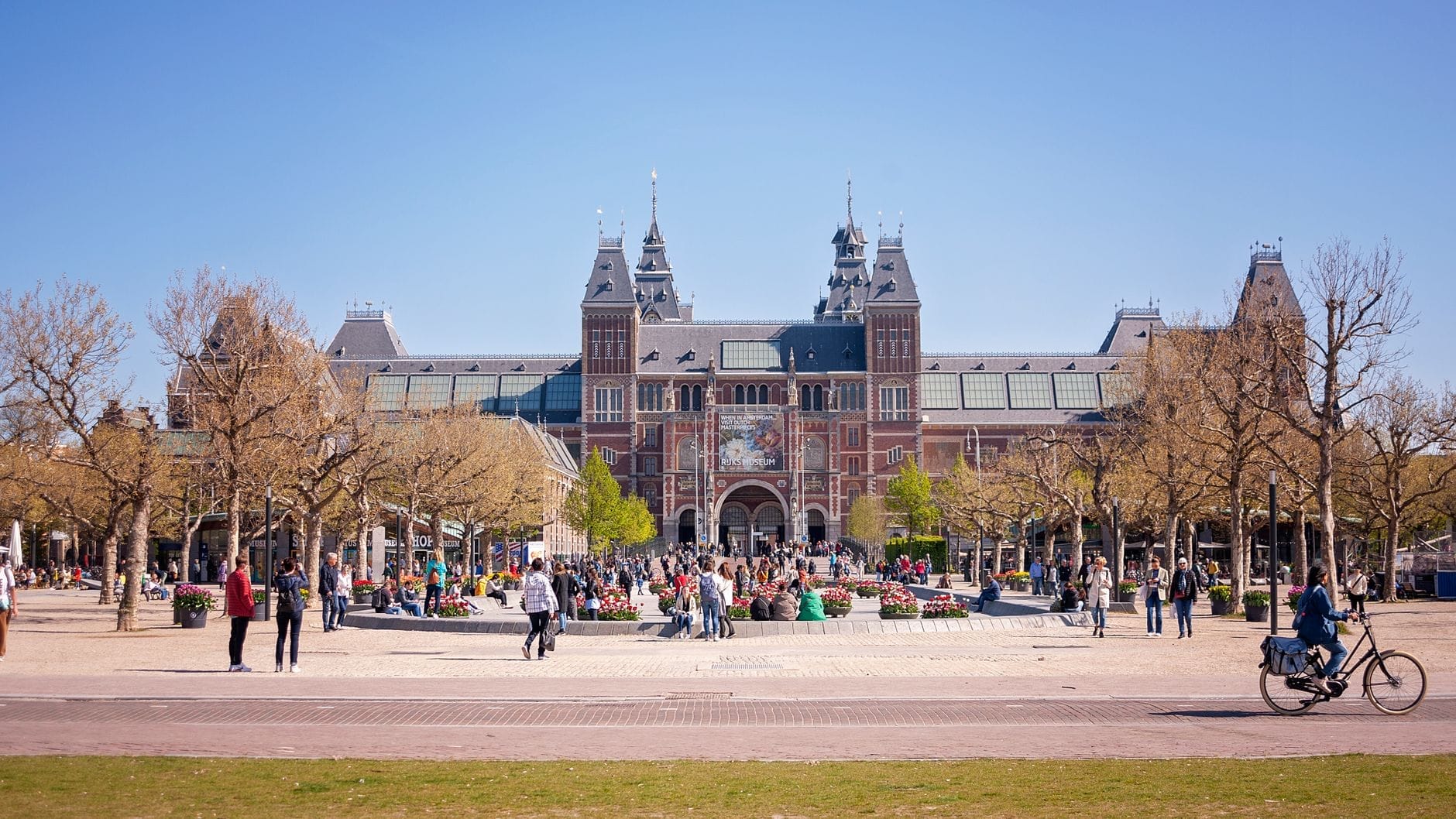
Amsterdam has over 75 museums, which sounds overwhelming until you realize that maybe a dozen are truly exceptional. The concentration around Museumplein makes it easy to prioritize without wasting half a day in transit.
The Rijksmuseum is the anchor attraction for most visitors and justifiably so. Rembrandt's Night Watch, Vermeer's The Milkmaid, and Delft ceramics sit alongside Dutch Golden Age silver and ship models. Budget at least two to three hours. The building itself, a neo-Gothic and Renaissance hybrid completed in 1885, is worth studying before you even walk inside. Tickets are sold online and often sell out, so pre-booking is standard.
Directly across Museumplein, the Van Gogh Museum holds the world's largest collection of Van Gogh's work, including over 200 paintings and 500 drawings. The chronological layout tells his story clearly, from his dark Dutch period to the sunlit French canvases. Get there when it opens at 9am (opening time may vary on certain days); crowds thicken considerably after 11am.
The Anne Frank House on Prinsengracht is the most emotionally significant site in Amsterdam. The Secret Annex where Anne Frank hid with her family from 1942 to 1944 is preserved with deliberate restraint. Tickets are only sold online through the official website and are typically released several weeks in advance. In July and August, they can sell out within hours of release. Do not rely on third-party resellers.
⚠️ What to skip
Anne Frank House tickets cannot be purchased at the door. Book through the official website (annefrank.org) as soon as your travel dates are confirmed. Morning slots on weekdays go first. If you miss the standard release window, check the website daily for returns.
- Rijksmuseum Dutch Golden Age art and history. Allow 2-3 hours minimum. Pre-book online. Located on Museumplein.
- Van Gogh Museum Largest Van Gogh collection globally. Arrive early. Also on Museumplein, making a combined visit easy.
- Anne Frank House Essential historical visit. Online-only booking, often weeks in advance. Located in the Canal Ring on Prinsengracht.
- Stedelijk Museum Modern and contemporary art from 1870 onward. Matisse, Mondrian, Warhol. Good option when the big two feel too crowded.
- NEMO Science Museum Best museum in Amsterdam for families with children. Five floors of hands-on science. Rooftop terrace has excellent city views.
- Museum Het Rembrandthuis Rembrandt's former home and studio, reconstructed to its 17th-century layout. More intimate than the Rijksmuseum.
The Canals: More Than a Backdrop
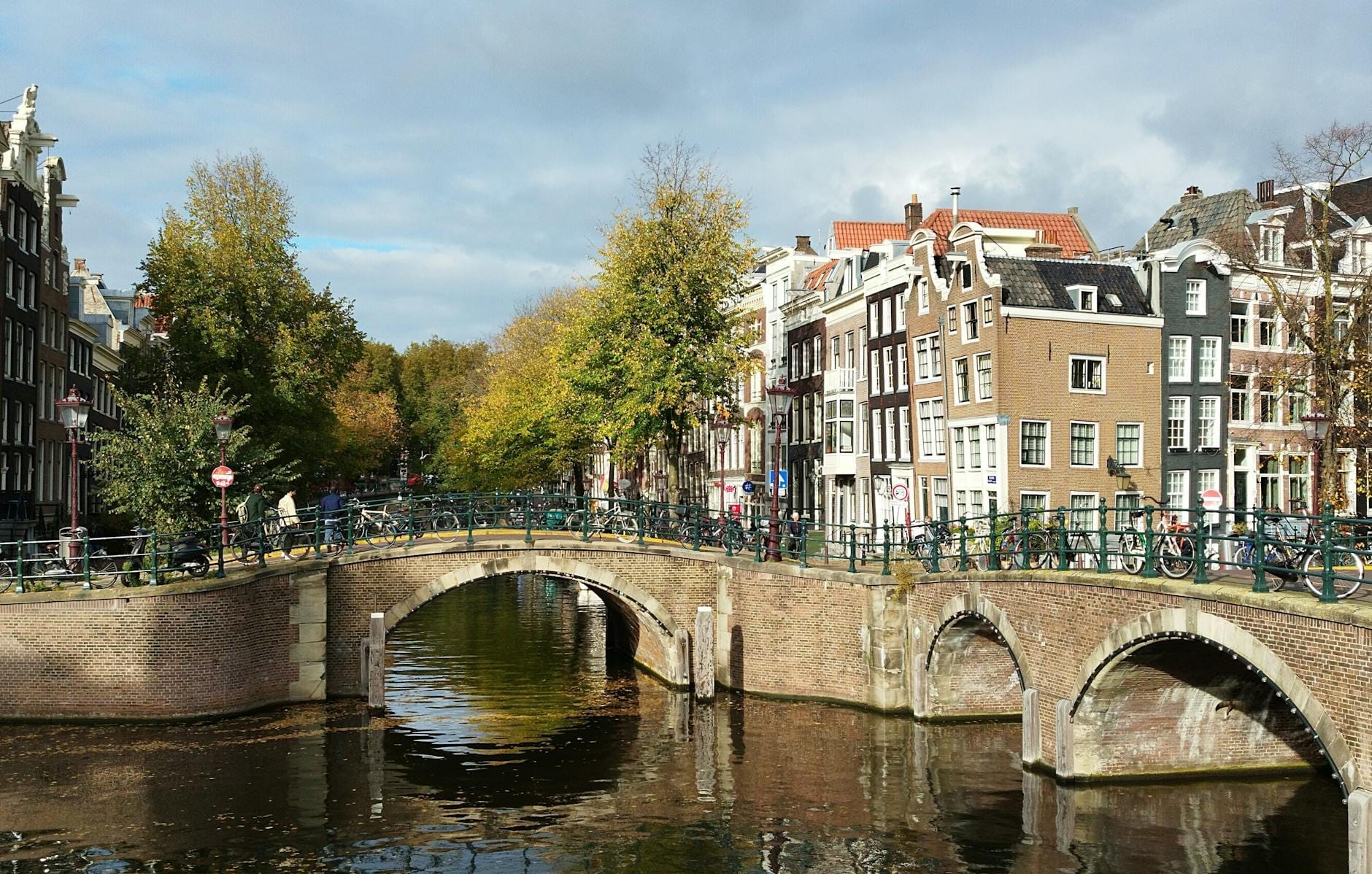
Amsterdam's Canal Ring, listed as a UNESCO World Heritage Site since 2010, is one of the most intact examples of 17th-century urban planning in the world. The four main concentric canals, Singel, Herengracht, Keizersgracht, and Prinsengracht, were built during the Dutch Golden Age and lined with narrow merchant houses whose gabled facades still define the skyline. Walking the Canal Ring costs nothing and rewards slow exploration.
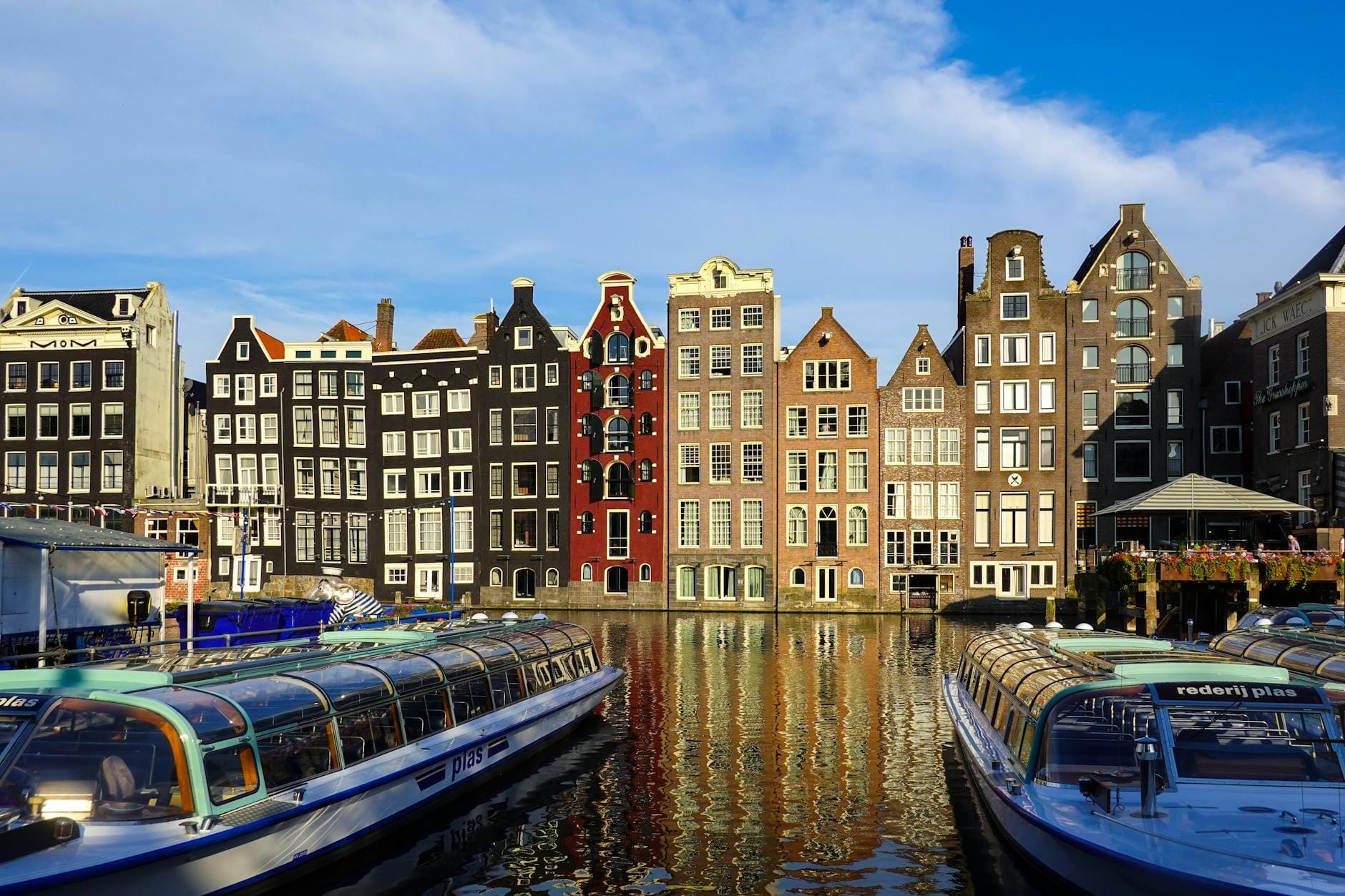
A canal cruise gives a perspective on the city that street-level walking simply cannot. The standard one-hour loop passes through Centrum, under dozens of bridges, and along the major grachten. Evening cruises, when the bridges are lit, offer a noticeably different atmosphere than daytime tours. Prices vary widely between operators. Skip the free prosecco cruise packages unless you want a party boat rather than a city tour.
💡 Local tip
Open Garden Days (Open Tuinen Dagen) usually run over three days in mid-to-late June and let visitors into over 30 private canal-house gardens that are otherwise inaccessible. It is one of the few ways to see behind the facades of Herengracht's grandest houses. Check the Amsterdam open garden days website each year for exact dates and ticket info.
For something more independent, rent a small electric boat (no license required for boats under a certain size) and navigate the canals yourself. Several rental operators are based near Amstel and in the Jordaan. It sounds daunting but the canal system is navigable with basic orientation. Alternatively, walking across Magere Brug, the narrow wooden drawbridge over the Amstel, at dusk is reliably photogenic and costs nothing.
Neighborhoods Worth Exploring on Foot
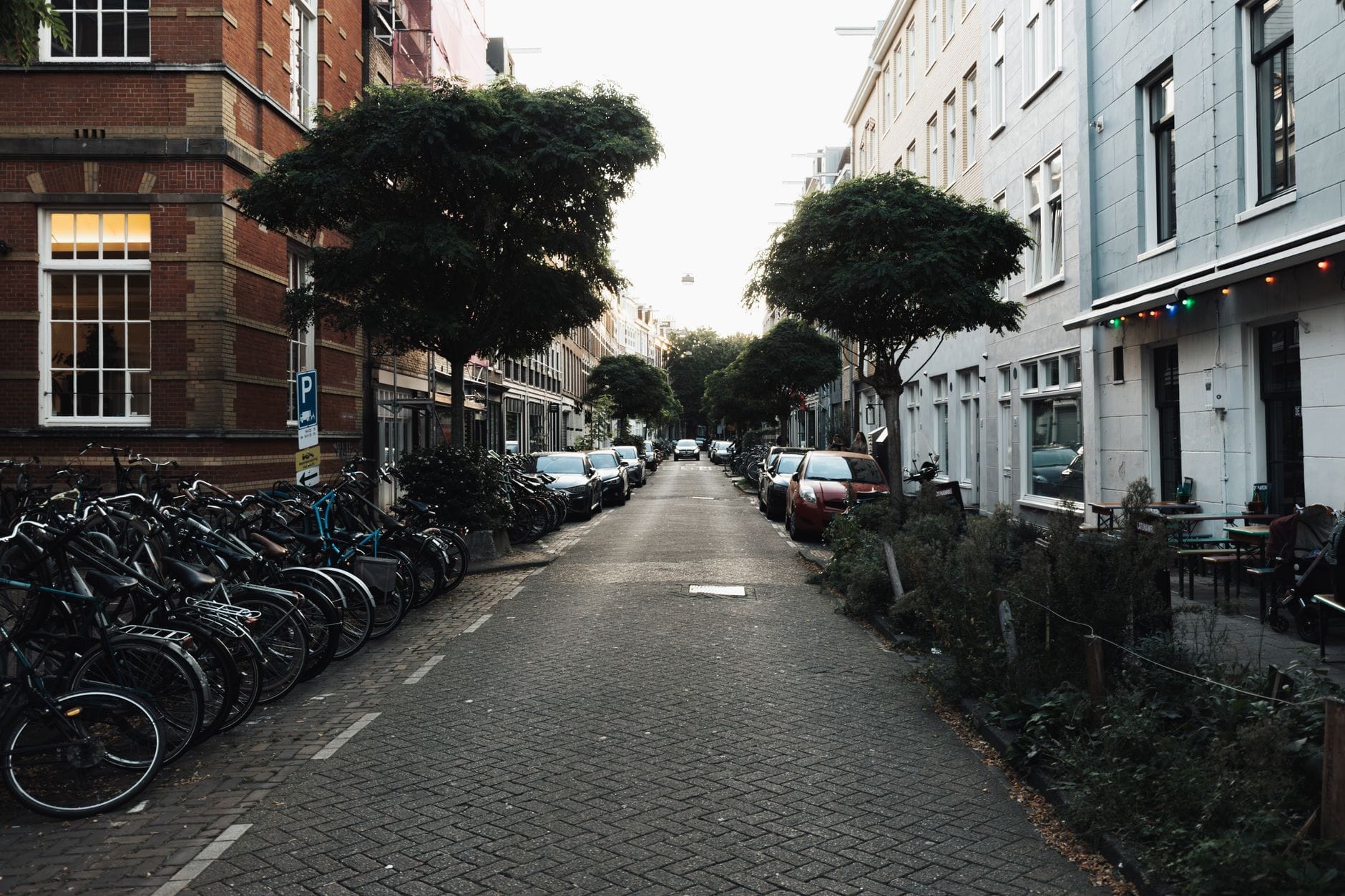
The Jordaan was originally built in the early 17th century as a working-class district outside the main Canal Ring. Today it is one of the most desirable areas in the city, with independent boutiques, brown cafes (bruine kroegen), art galleries, and the Noordermarkt on Saturdays. The streets are narrow enough that it rarely feels congested. Start at Westerkerk and work south through the side streets.
De Pijp sits south of Centrum and has a completely different energy: denser, younger, more international. The Albert Cuyp Market runs daily (except Sunday) from 9:30am to 5:30pm along Albert Cuypstraat and is the longest street market in the Netherlands, stretching around 260 stalls. Stroopwafels fresh off the iron, raw herring, Indonesian street food, and cheap cut flowers are all worth investigating.
Amsterdam-Noord requires a free ferry crossing from behind Amsterdam Centraal (the IJ ferry runs 24 hours and takes about 5 minutes), which keeps many tourists from making the trip. The reward is a neighborhood with a post-industrial character that Centrum entirely lacks: the EYE Filmmuseum on the waterfront, the A’DAM Lookout tower with its over-the-edge swing, the NDSM Wharf for street art, and a generally less scripted atmosphere.
Parks, Markets, and Free Things to Do
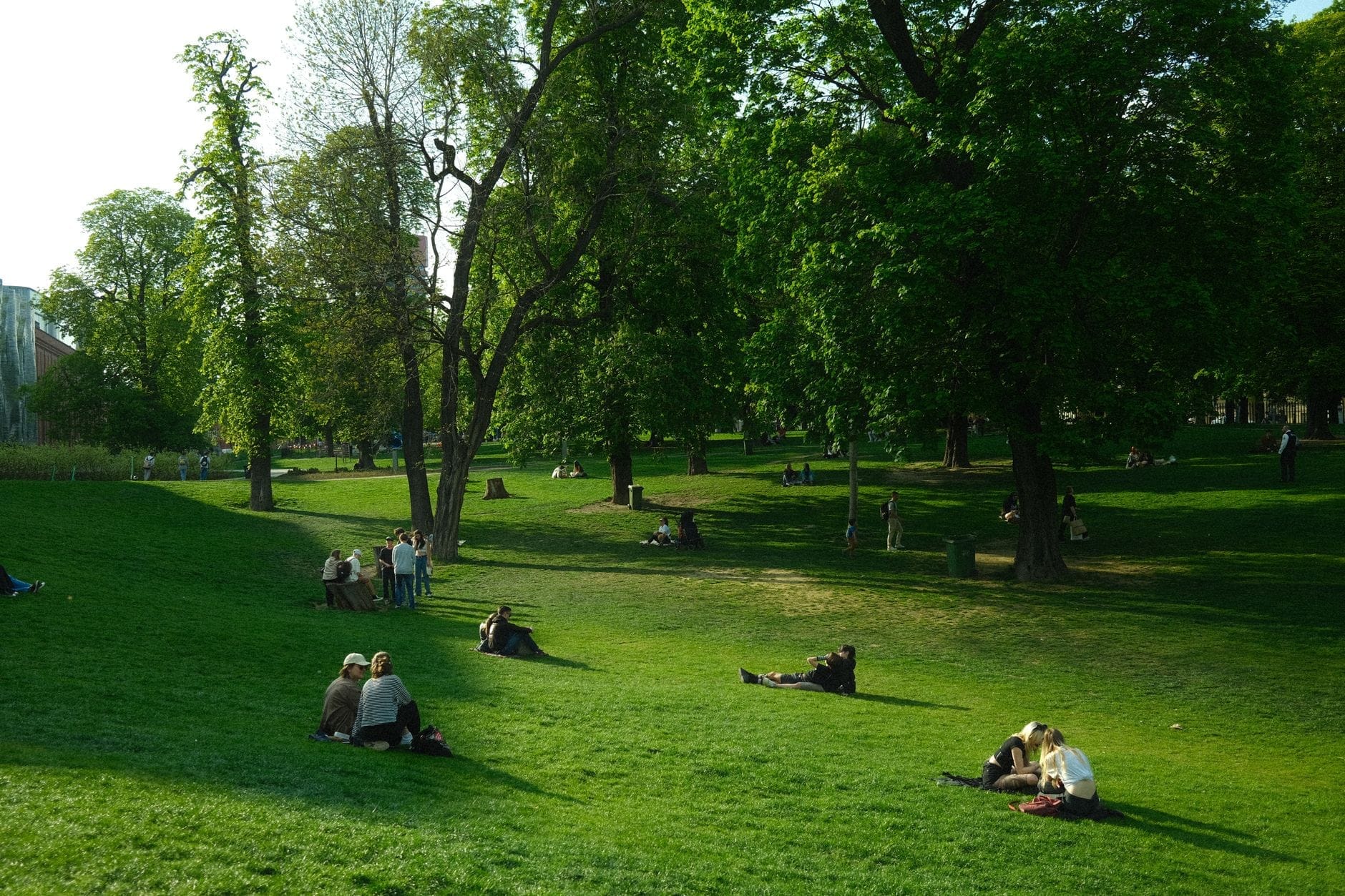
Vondelpark opened in 1865 and covers around 47 hectares just west of Museumplein between Oud-West and Oud-Zuid, making it Amsterdam's largest and most-visited city park. On a warm weekend afternoon it becomes a full-scale social event: people picnicking, street musicians, rollerbladers, and families on cargo bikes. The open-air theater (Openluchttheater) runs free performances in summer, usually June through August. It connects logically to the Museumplein cluster, so it is easy to combine.
The Bloemenmarkt on the Singel Canal is Amsterdam's only floating flower market, with stalls built on permanently moored barges. It is worth walking through for the spectacle, though it has become heavily tourist-oriented. Bulb packages here are popular purchases but check customs regulations for your home country before buying tulip bulbs to take home.
✨ Pro tip
If Keukenhof is on your list, it only opens from mid-March to mid-May each year. It is located about 35km southwest of central Amsterdam near Lisse. Most visitors combine it with a day trip from the city. For timing guidance on spring visits, the Amsterdam tulip season guide covers the bloom calendar in detail.
For a broader overview of no-cost options, the free things to do in Amsterdam guide covers everything from public courtyards like the Begijnhof to the ferry crossings to Noord. Amsterdam is expensive for accommodation and dining, so knowing which attractions cost nothing meaningfully affects your budget.
Day Trips and Getting Out of the City
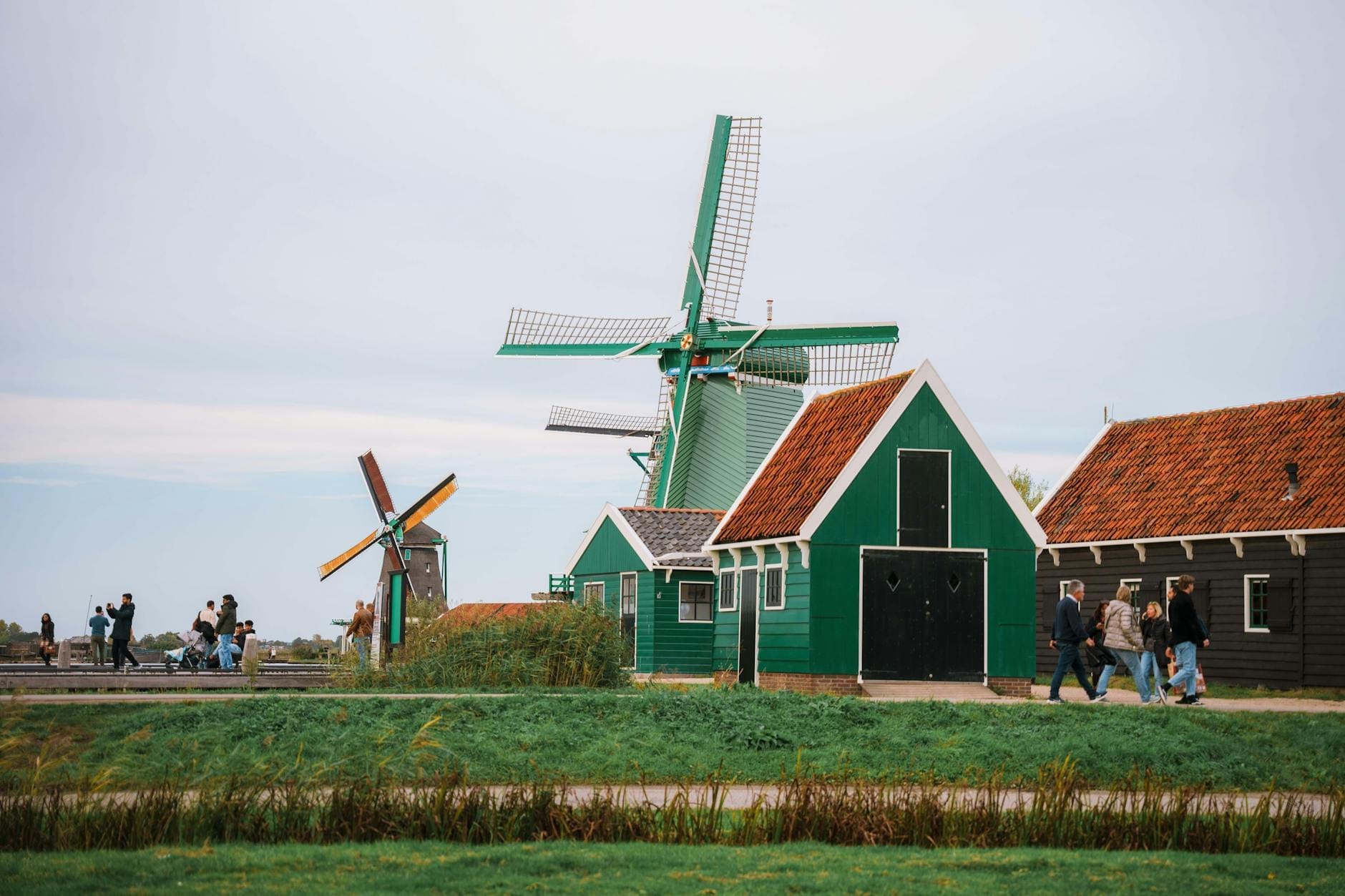
Amsterdam's position in the Netherlands makes it an excellent base for day trips. Zaanse Schans is around 15km northwest of the city center and offers working windmills, traditional Dutch wooden houses, and clog and cheese workshops. It is undeniably touristy but gives a compressed version of 18th and 19th century Dutch craft culture. Trains from Amsterdam Centraal to Zaandijk-Zaanse Schans run frequently and take under 20 minutes.
Haarlem, 20 minutes west of Amsterdam by train, is the more rewarding option for travelers who want a Dutch city without the crowds. The historic center around the Grote Markt is largely intact, and the Frans Hals Museum holds one of the strongest collections of Dutch Golden Age portraiture outside Amsterdam itself. The day trips from Amsterdam guide covers more options including Leiden, Delft, and Utrecht.
Practical Logistics: What to Know Before You Go
Amsterdam is served by Amsterdam Airport Schiphol (AMS), located about 17km southwest of the city center by road. The fastest and cheapest way into the city is the Intercity Direct or Sprinter train from Schiphol Station (directly below the terminal) to Amsterdam Centraal. Journey time is around 15 to 20 minutes. Taxis and ride-hailing (Uber, Bolt) are significantly more expensive and subject to traffic delays.
Within the city, trams cover most of the areas visitors care about. The GVB operates the tram and metro network. A single OV-chipkaart (the contactless transit card) works across all modes. Cycling is the most practical option for exploring multiple neighborhoods: rental shops are everywhere and the cycling infrastructure makes it genuinely efficient. The cycling in Amsterdam guide covers routes and rental tips.
- Book Anne Frank House, Rijksmuseum, and Van Gogh Museum tickets online before arrival, ideally weeks ahead for peak season (June to August).
- The Amsterdam City Card includes free museum entry and unlimited public transport. It is worth the cost if you plan to visit three or more museums. Compare against individual ticket prices first.
- Tap water is safe to drink throughout Amsterdam. Carry a reusable bottle.
- English is spoken fluently across the city. Language is not a practical barrier.
- Tipping is optional in the Netherlands. Rounding up or leaving 5-10% in restaurants is appreciated but not expected.
- Emergency number is 112. Country dialing code is +31.
- Electricity is 230V/50Hz with Type C and F plugs. Travelers from the US and UK will need adapters.
ℹ️ Good to know
The Amsterdam City Card (I amsterdam City Card) covers free or discounted entry to over 70 museums plus unlimited GVB public transport. It comes in 24, 48, 72, 96, and 120-hour options. If your itinerary includes the Rijksmuseum, Stedelijk, and a canal cruise, the 48-hour card typically pays for itself. Buy online in advance for any available discount or promotion.
FAQ
How many days do you need in Amsterdam?
Three days is enough to cover the major museums, a canal cruise, and two or three neighborhoods without feeling rushed. Two days works if you pre-book everything and keep the itinerary tight. A week allows for day trips to Haarlem, Zaanse Schans, or Keukenhof in spring. If you only have one day, prioritize either the Museumplein cluster (Rijksmuseum plus Van Gogh) or the Canal Ring with Anne Frank House, not both.
What is the best time of year to visit Amsterdam?
April and May offer mild temperatures, tulip season, and long daylight hours, but crowds are at their highest. June and early July are warm and busy. September and October bring fewer tourists, pleasant weather, and the start of the Amsterdam Light Festival in late November. Winter is quiet, occasionally freezing, and genuinely atmospheric if you dress for it. Avoid peak school holiday weeks in July and August if you are sensitive to crowds and queues.
Is Amsterdam suitable for first-time visitors to the Netherlands?
Yes, Amsterdam is one of the most visitor-friendly cities in Europe. English is spoken fluently across hospitality, transport, and attractions. Public transport is reliable and well-signed. The main challenge is cost: accommodation in particular is expensive, especially during summer and events like King's Day in April. Booking accommodation and major museum tickets well in advance significantly reduces both cost and stress.
What is Amsterdam, New York, and is this guide about that?
No. This guide covers Amsterdam, the capital and largest city of the Netherlands, located in the province of North Holland. Amsterdam, New York is a small city in Montgomery County, New York State, and is an entirely separate destination.
Which Amsterdam neighborhoods are best for first-time visitors?
Centrum and the Canal Ring are the obvious starting points for heritage and major attractions. The Jordaan is the most pleasant area for walking and eating without heavy tourist traffic. De Pijp is the best choice for markets, cafes, and local atmosphere. Amsterdam-Noord requires a short ferry trip but offers a noticeably different experience. If you have limited time, base yourself in or near the Canal Ring and make half-day excursions to the others.
Tickets & tours
Live prices and dates from our booking partner. If you book, we may earn a commission at no extra cost to you.
Planning a trip? Discover personalized activities with the Nomado app.