Amsterdam Canal Cruises: Which One to Book and What to Expect
Amsterdam's 165 canals form a UNESCO World Heritage network stretching over 100 km through the city. This guide cuts through the noise to tell you exactly which type of canal cruise fits your trip, what each operator actually delivers, and when to go to avoid the crowds.
Tickets & tours
Live prices and dates from our booking partner. If you book, we may earn a commission at no extra cost to you.
TL;DR
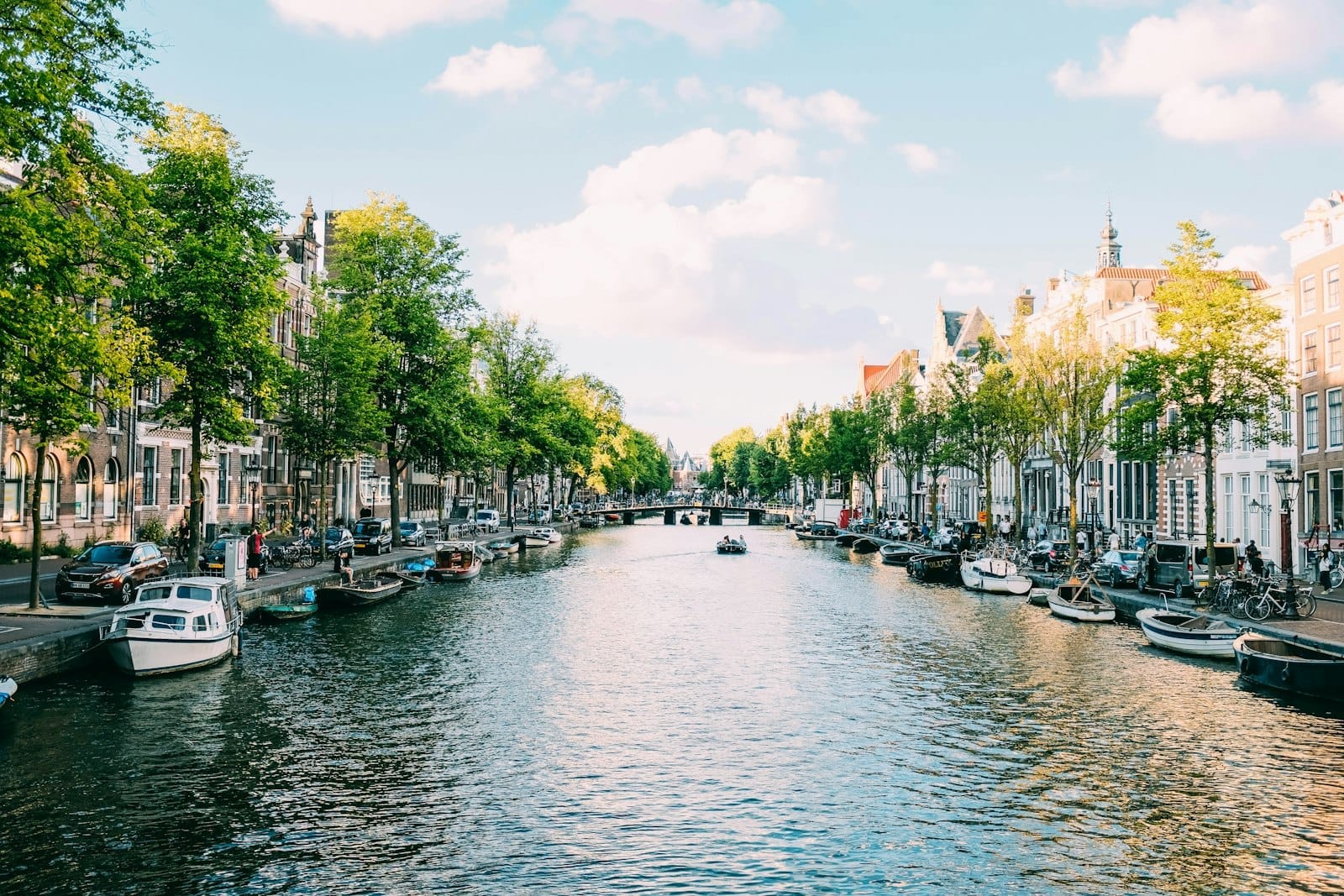
- Amsterdam has over 165 canals and 1,500+ bridges — more than Venice — making a canal cruise the most efficient way to see the historic centre.
- Standard 60–75 minute cruises cover the main canal ring; smaller open boats and evening cruises offer a more personal experience.
- Book tickets online in advance, especially in summer and during events like King's Day or the Amsterdam Light Festival, when operators sell out.
- Departure points near the Rijksmuseum and Leidseplein tend to be less chaotic than those at Centraal Station.
- The canal belt (Grachtengordel) has been a UNESCO World Heritage Site since 2010 — for context on the broader waterway network, see the Amsterdam canals guide.
Why Amsterdam's Canals Are Worth Your Time on the Water
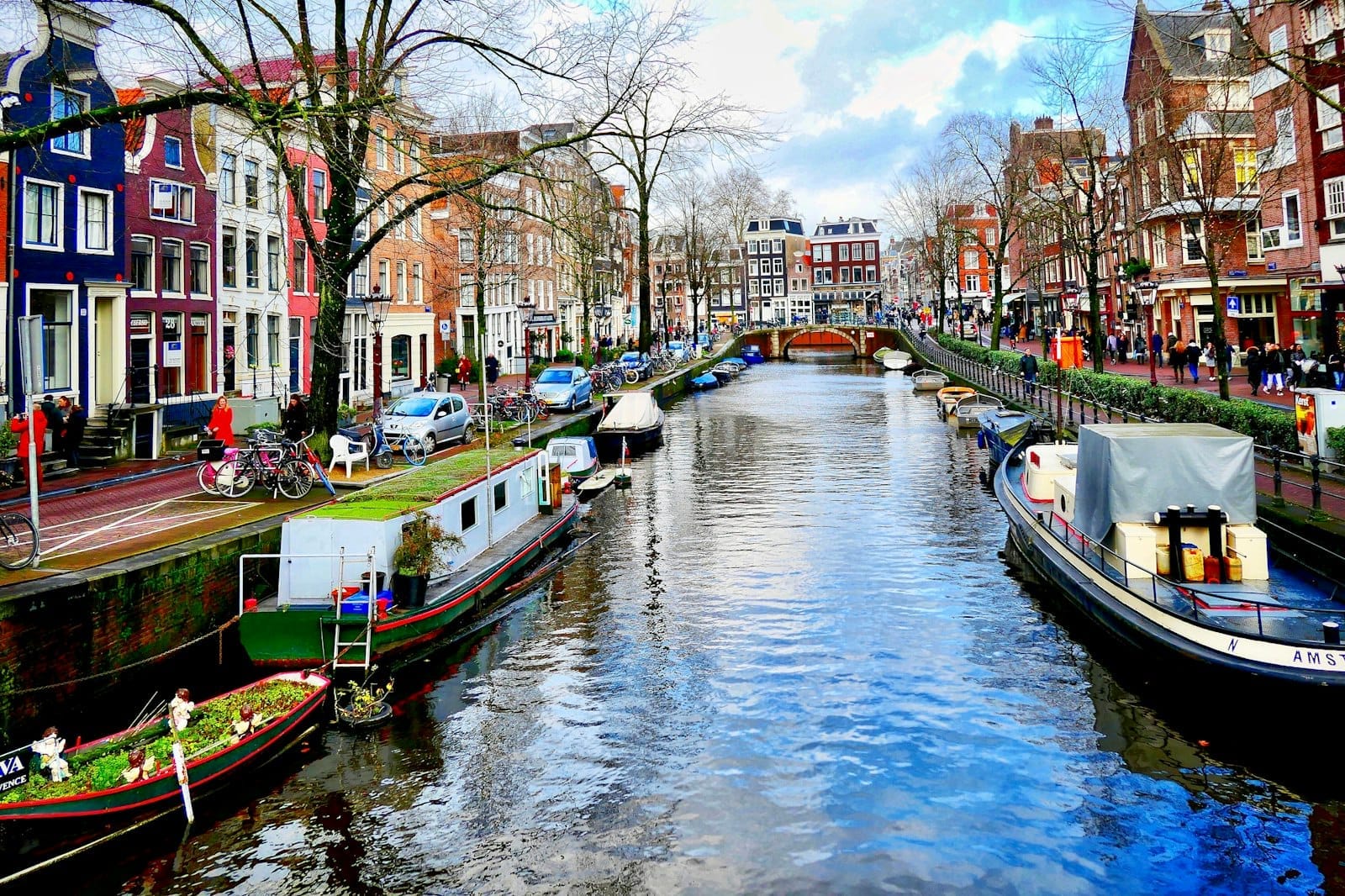
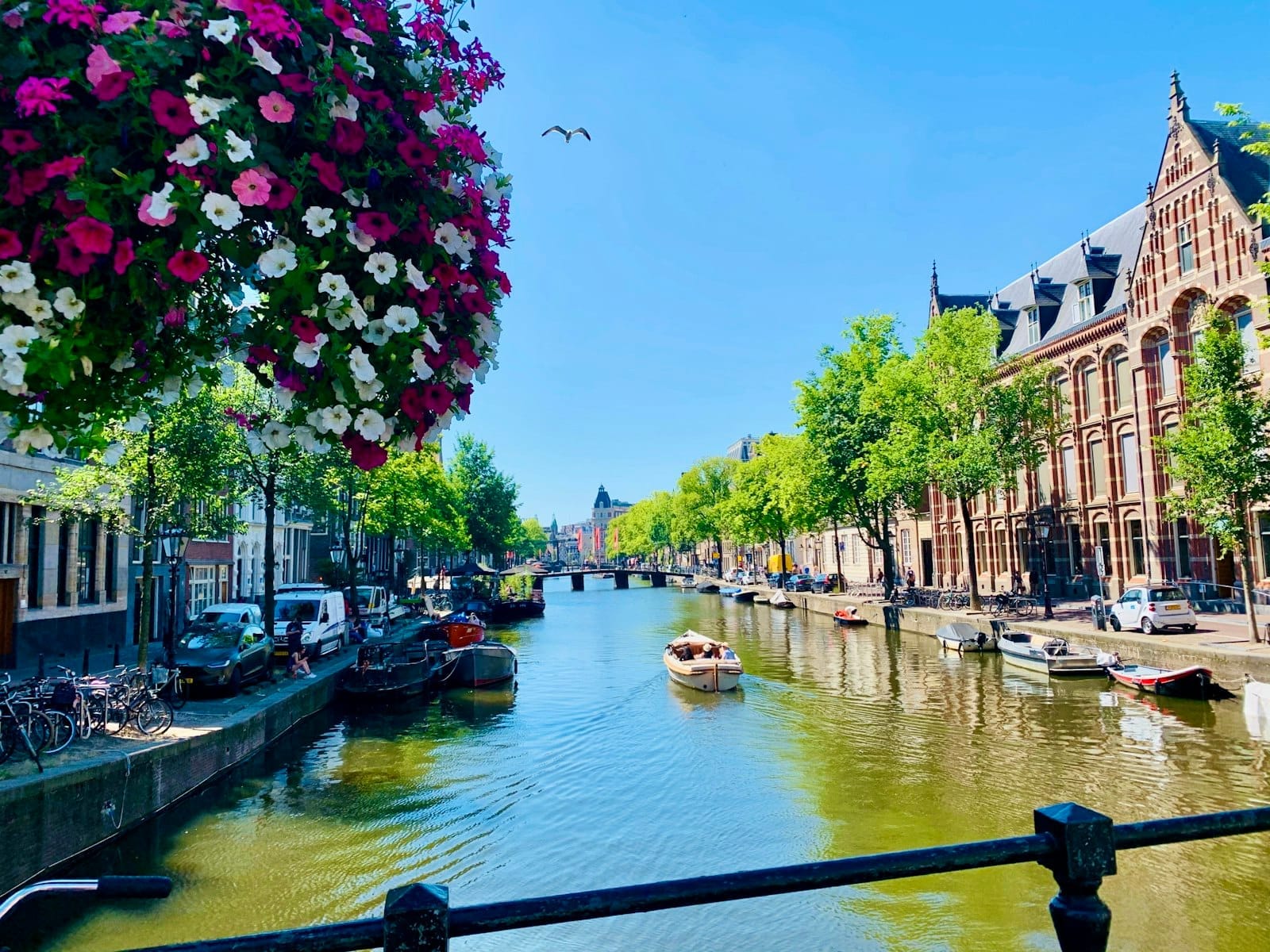
Amsterdam's canal network is not a decorative backdrop. The three main canals — Herengracht, Keizersgracht, and Prinsengracht — were engineered in the 17th century for defence, water management, and trade. They form a horseshoe around the medieval core, lined with narrow merchant houses whose facades tilt forward to allow goods to be hoisted through upper-floor hatches. From street level, you see only the facades. From the water, you understand the scale of what the Dutch actually built.
The numbers are striking: over 75–100 km of navigable waterways, around 165 canals, and roughly 1,280–1,500 bridges in the city alone. That likely exceeds Venice on both counts, though you will rarely see that fact on a tour boat's audio guide. The canal belt was granted UNESCO World Heritage status in 2010, recognising it as one of the best-preserved examples of planned urban expansion in history. A canal cruise, even a basic 60-minute loop, gives you access to the architecture and spatial logic of that plan in a way that walking simply cannot.
ℹ️ Good to know
The canals were not built for tourism. They were a functional infrastructure system for a trading empire. What makes them remarkable today is that the 17th-century street and waterway layout has survived largely intact, which is why UNESCO listed the area.
Types of Canal Cruise: What Each One Actually Delivers
Not all Amsterdam canal cruises are the same product, and choosing the wrong format wastes time and money. The options break down into four main categories, each with a different audience and trade-off.
- Standard covered sightseeing cruise (60–75 min) The most common format. Large glass-roofed boats carry 50–100+ passengers through the main canal ring with a pre-recorded audio guide in multiple languages. Affordable, efficient, and good for first-time visitors. The audio varies in quality across operators — some are genuinely informative, others are thin. Best for: seeing the highlights quickly with minimal planning.
- Small open-boat or salon-boat cruise Smaller vessels (often 8–20 passengers) that can navigate narrower side canals the big boats skip. Some have live guides. The experience feels less like a transit ride and more like an actual exploration. Prices are higher, but the intimacy and access to quieter waterways make the difference. Best for: couples, small groups, and anyone who finds mass tourism exhausting.
- Evening and dinner canal cruise Departure times from around 7 pm onward. Some operators serve food and drinks on board; others are simply a night-time sightseeing loop with drinks available. The city looks different after dark, especially in winter when the Amsterdam Light Festival illuminates bridges and canal walls. Best for: a special evening, or visitors who have already done a daytime cruise.
- Hop-on hop-off canal bus Multiple stops across the city, usually covering 5–8 docking points near major attractions. Useful if you want to combine transport and sightseeing, but the boats run on fixed schedules and waits between stops can be 30–45 minutes. Best for: visitors with a full-day itinerary who want to avoid trams and walking.
Key Operators: An Honest Breakdown
Several operators dominate the Amsterdam canal cruise market. The largest is Stromma (formerly Holland International), which runs the widely-marketed '100 Highlights Cruise' from multiple departure points including Damrak Pier 5 near Centraal Station, Leidseplein, and the Rijksmuseum. Duration is approximately 60 minutes from Damrak and around 75 minutes from Leidseplein, with departures roughly every 30 minutes in peak season. Prices vary by date and are shown in the live booking calendar on their site.
Blue Boat Company runs 75-minute cruises from docks on Stadhouderskade, opposite the Heineken Experience and close to the Vondelpark end of the city. Their boats access some narrower stretches of the canal ring that larger operators skip. Tickets can be bought online or at the dock. The Stadhouderskade departure point is notably less hectic than the Centraal Station cluster.
Voyage Amsterdam positions itself at the premium end: smaller boats, live guides rather than audio recordings, and drinks on board. It suits travellers who want a more curated experience and are willing to pay for it. Bookings are handled via their website or directly by WhatsApp and email. Several other operators, including Flagship Amsterdam, run frequent departures from piers near the Anne Frank House, the Rijksmuseum, and Centraal Station. If you are booking on the day, walking along Damrak or near Leidseplein will surface multiple options, but online booking typically gets better rates and guaranteed seats.
⚠️ What to skip
Avoid buying tickets from touts on the street near Centraal Station. They often sell for inflated prices or represent the lowest-quality boats. Book direct through an operator's website or a reputable booking platform — you will get clearer pricing and cancellation terms.
Where to Board and Which Departure Point to Choose
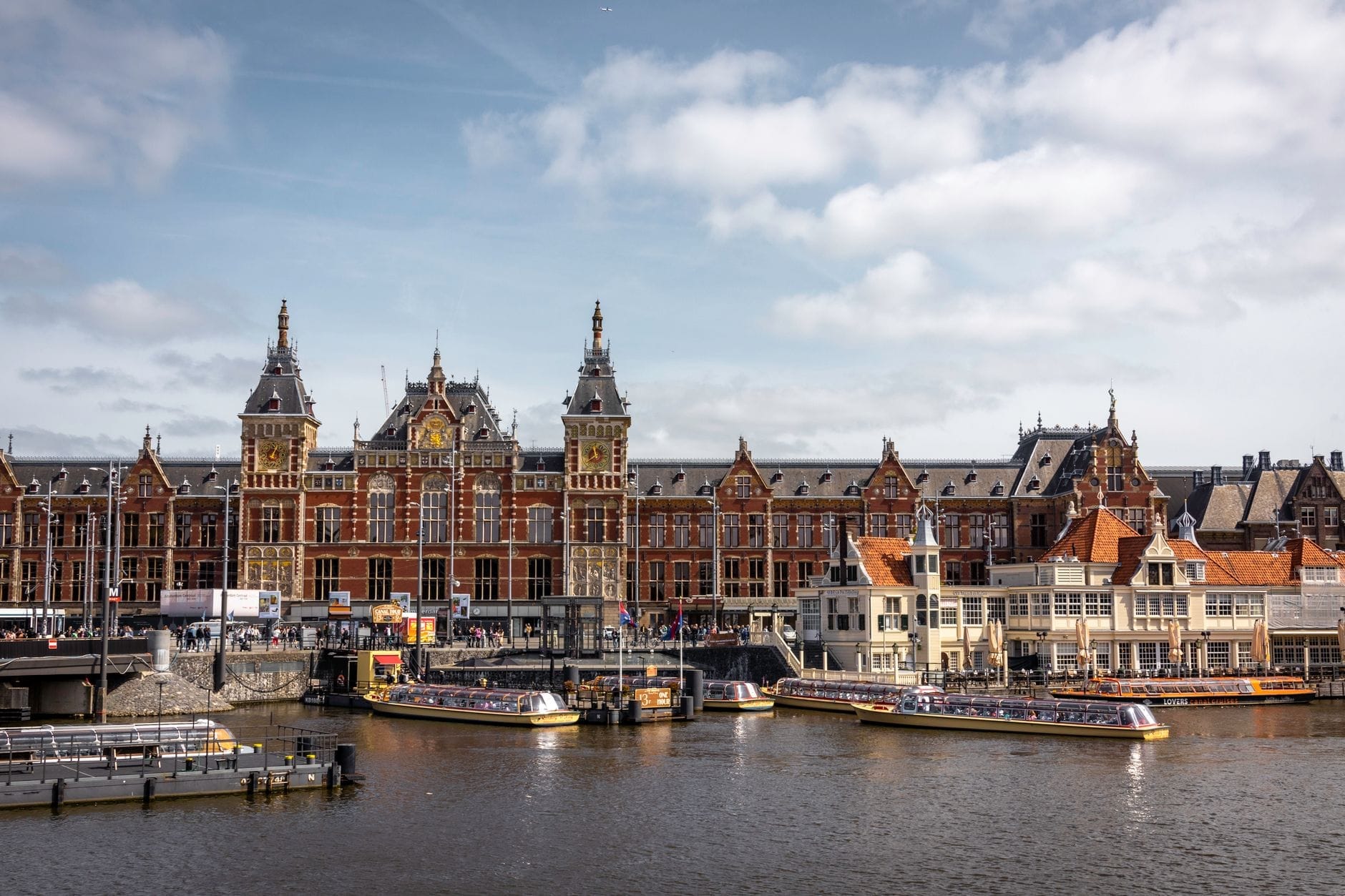
Departure location matters more than most visitors realise. The piers closest to Centraal Station on Damrak are the most convenient but also the most crowded, particularly between 10 am and 3 pm. If your hotel is in the museum quarter or De Pijp, boarding near the Rijksmuseum or Leidseplein makes more logistical sense and saves you the detour north.
The piers near the Anne Frank House on the Prinsengracht are particularly well-placed if you are already spending time in the Jordaan neighbourhood. Some operators depart from here, putting you directly onto one of the most architecturally rewarding stretches of the canal ring before the boat loops through the broader horseshoe.
- Damrak / Centraal Station piers: maximum frequency, most operators, most crowded
- Leidseplein / Rijksmuseum: calmer boarding, slightly longer cruise duration from some operators, good for museum quarter visitors
- Stadhouderskade (Blue Boat): quieter dock, access to narrower canals, closer to Vondelpark and De Pijp
- Prinsengracht / Jordaan piers: ideal if you are already in the western canal ring area
- Hop-on hop-off stops near major sights: flexible but slower due to schedule gaps between boats
Timing Your Cruise: Seasons, Crowds, and Special Events
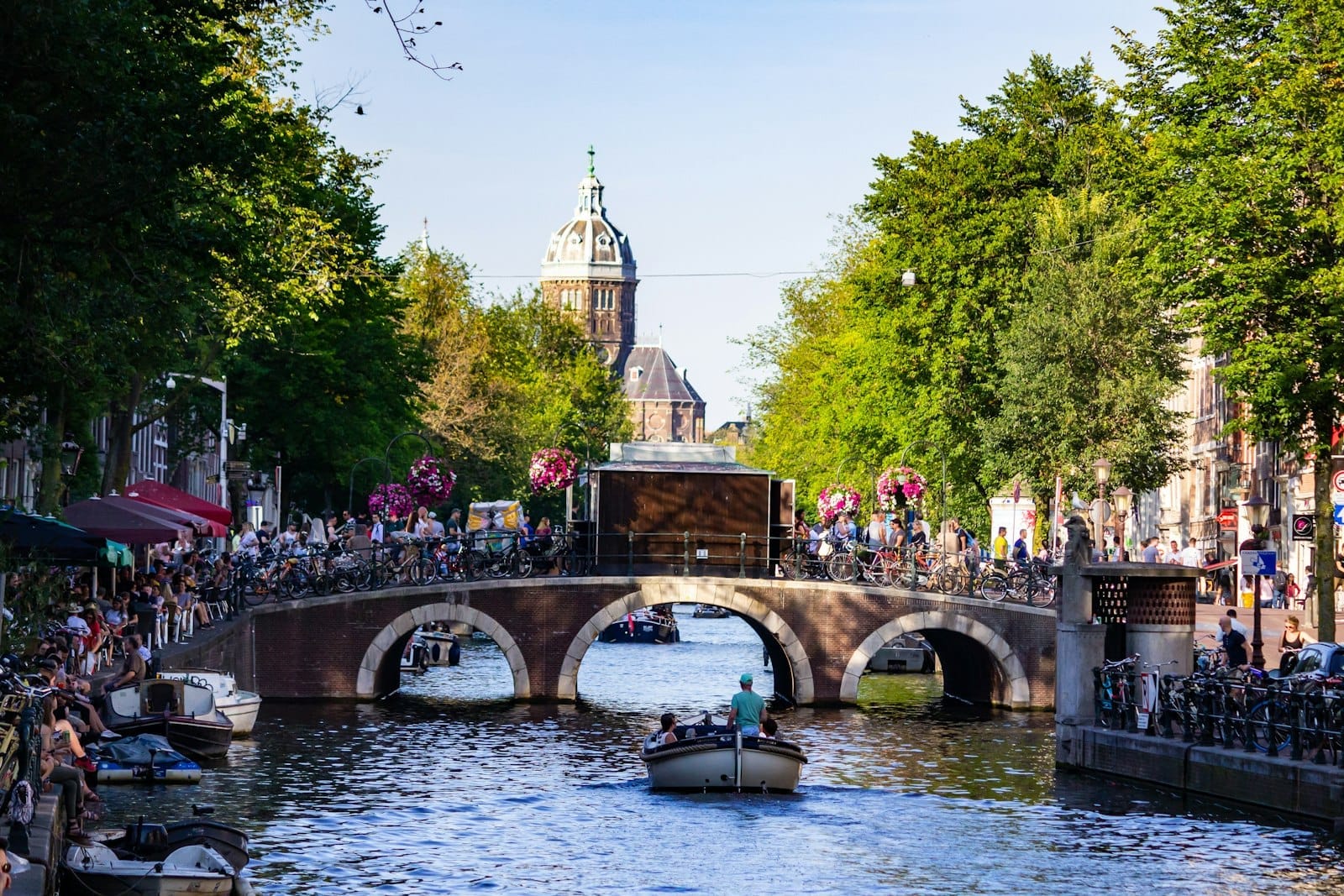
Canal cruises run year-round, but the experience changes significantly by season. In April and May, the city is at its most photogenic: the canal-side trees are in full leaf, light is good, and if you time it right you can pair a cruise with tulip season in the wider region. This is also peak season for crowds, so morning departures before 10 am are the least congested.
Summer (June to August) brings the longest days and the highest tourist volumes. Evening canal cruises become especially popular in this window because the light holds until 9 pm or later, and the city stays warm enough to sit on an open boat. If you are visiting in summer, cross-reference your dates with the best time to visit Amsterdam guide to understand the full crowd and price picture.
Winter canal cruises are underrated. From late November through January, the Amsterdam Light Festival installs large-scale light artworks along the canal banks and on bridges throughout the city. Evening cruises during the festival offer a completely different experience from any daytime tour, and the lower tourist numbers mean boats are rarely full. Bring layers; open-top boats in December are cold.
✨ Pro tip
King's Day (late April) and the Pride Canal Parade (first Saturday of August) both cause major disruptions to normal cruise routes and schedules. Operators either run special event cruises at premium prices or suspend standard departures entirely. Check operator websites before assuming your normal booking will run as expected.
Practical Details: What to Bring, What to Know Before You Board
Most standard cruises are accessible to passengers with reduced mobility, but the boarding ramp gradient varies by pier and boat. If mobility is a concern, contact the operator directly to confirm access before booking. Children under a certain age typically board free on most standard cruises; thresholds vary, so check the operator's terms.
The Amsterdam City Card includes a free canal cruise with some operators, which can represent good value if you are already planning to use the card for museums. Verify which operator is included before assuming it covers your preferred departure point or boat type.
- Dress for the weather: covered boats have heating or fans, but open boats in spring and autumn require a jacket
- Tap water is safe to drink in Amsterdam; bring a refillable bottle rather than buying from on-board vendors at inflated prices
- Audio guides on larger boats are usually available in 20+ languages via a handset or app — confirm before boarding if language matters to you
- Payment: most operators accept card at the dock, but online booking is usually cheaper and guarantees your spot in peak season
- Duration: factor in 10–15 minutes for boarding and departure; a '60-minute cruise' typically means 60 minutes on the water, not door to door
💡 Local tip
Sit on the left side of the boat when departing from Damrak heading toward the Jordaan. That side gets better sightlines to the canal houses on the Herengracht and Keizersgracht bends. Once the boat reverses direction, swap if you can.
If you want to extend your time on the water independently, electric boat rental (no licence required for small vessels) is available from several operators around the canal ring. It is a different experience from a guided cruise but gives you full control over pace and direction. For more ways to explore the city without a fixed itinerary, the things to do in Amsterdam guide covers the full range of options across neighbourhoods.
FAQ
How long does an Amsterdam canal cruise last?
Standard sightseeing cruises run 60–75 minutes on the water, covering the main canal ring. Dinner cruises and specialty tours run longer, typically 2–2.5 hours. Hop-on hop-off passes are valid for the full day.
What is the best time of day for an Amsterdam canal cruise?
Early morning (before 10 am) is the quietest for daytime cruises. Evening cruises from around 7 pm are popular in summer for the long golden-hour light, and are the primary way to see the Amsterdam Light Festival in winter.
Do I need to book an Amsterdam canal cruise in advance?
In summer (June–August) and during major events like King's Day or the Light Festival, advance booking is strongly recommended. Outside peak season, same-day tickets at the dock are usually available, though online booking often offers a discount.
Is an Amsterdam evening canal cruise worth it compared to a daytime one?
They are different experiences rather than one being clearly better. Daytime cruises show the architecture in full detail. Evening cruises offer atmospheric lighting, fewer crowds, and in winter the added spectacle of the Light Festival. If time allows, doing one of each is worthwhile.
Are canal cruises covered by the Amsterdam City Card?
Some operators are included in the Amsterdam City Card package, typically one standard cruise per cardholder. Check the current card terms on the I Amsterdam website, as the included operators and departure points can change by season.
Tickets & tours
Live prices and dates from our booking partner. If you book, we may earn a commission at no extra cost to you.
Planning a trip? Discover personalized activities with the Nomado app.