Best Time to Visit Amsterdam: A Month-by-Month Guide
Amsterdam rewards visitors year-round, but when you go shapes everything from hotel rates to what you can actually see. This month-by-month guide breaks down weather patterns, crowd levels, prices, and key events so you can pick the timing that suits your trip.
Tickets & tours
Live prices and dates from our booking partner. If you book, we may earn a commission at no extra cost to you.
TL;DR
- Best overall timing: late April (avoid King's Day weekend unless you want the party) through May, or September into early October for a solid balance of weather and crowds.
- Tulip season near Amsterdam runs late March to late May; peak bloom is typically mid-April to mid-May. See the Amsterdam tulip season guide for field and Keukenhof logistics.
- Cheapest months: November through February (excluding Christmas and New Year week), when flights and hotels drop noticeably.
- Amsterdam operates on Central European Time (CET, UTC+1), switching to Central European Summer Time (CEST, UTC+2) from late March to late October.
- Rain is possible any month; November and December are the wettest, averaging around 17 rainy days each. April is drier than most people expect.
Understanding Amsterdam's Climate
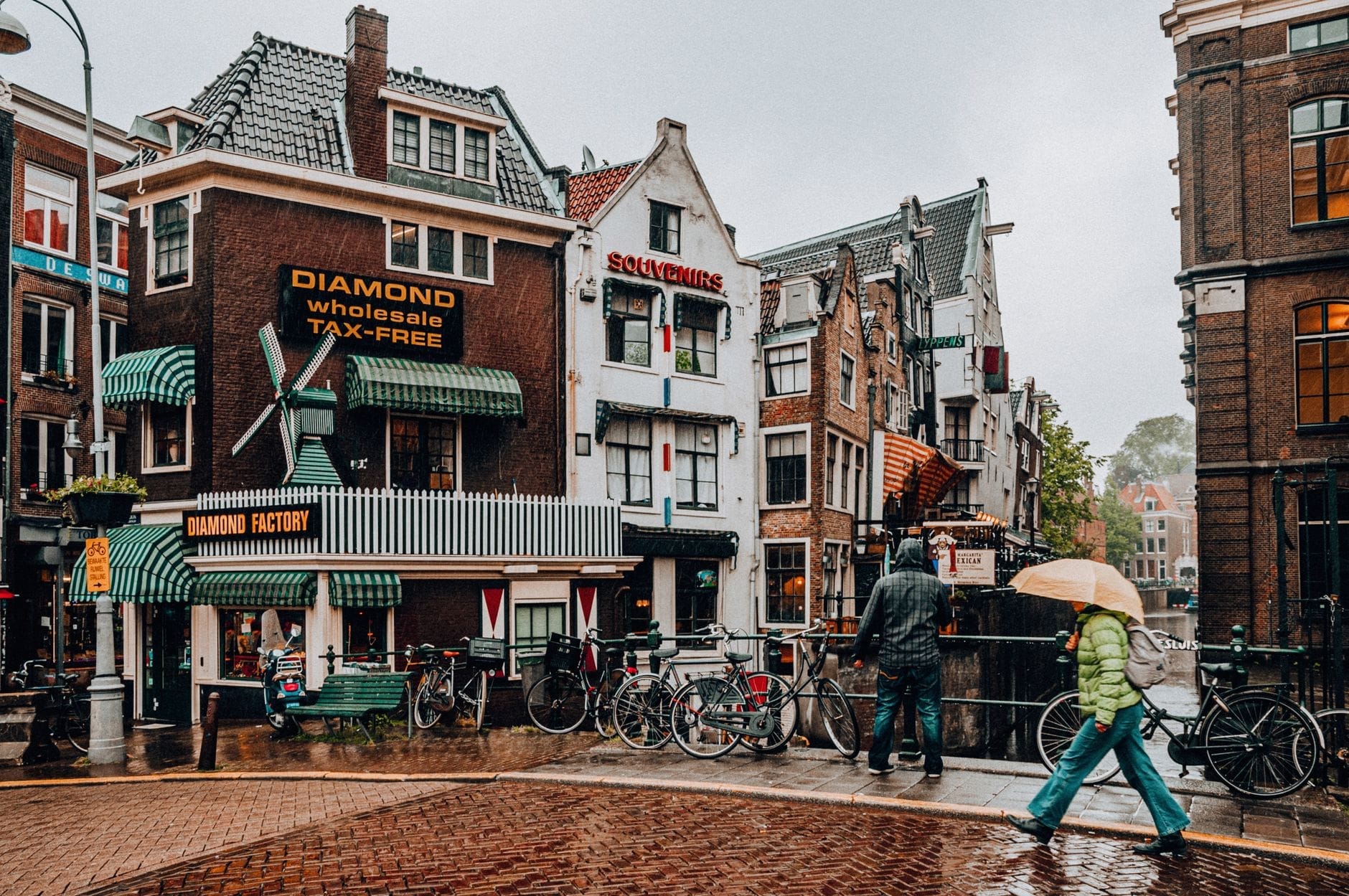
Amsterdam sits at roughly sea level in North Holland, and its oceanic climate (Köppen Cfb) means no extreme season in either direction. Summers rarely push above 25°C, winters rarely drop far below freezing, and rain is a year-round possibility. What catches visitors off guard is not temperature but wind and humidity: a 12°C spring afternoon feels noticeably colder when you're cycling along the canals with a westerly blowing in from the North Sea. Pack a windproof layer no matter when you visit.
Daylight hours shift dramatically across the year. In June, Amsterdam gets close to 16.5 hours of daylight, making long evening walks along the Grachtengordel genuinely pleasant well past 9 pm. In December, daylight shrinks to around 7.5 hours, which compresses sightseeing time significantly for first-time visitors who don't plan ahead. Factor this in if you're packing a lot into a short trip.
ℹ️ Good to know
Amsterdam time now: The city observes CET (UTC+1) in winter and CEST (UTC+2) during summer daylight saving time, which runs from the last Sunday in March to the last Sunday in October. When planning international connections through Amsterdam Airport Schiphol, double-check whether you're in CET or CEST to avoid miscalculating layovers.
Season-by-Season Breakdown
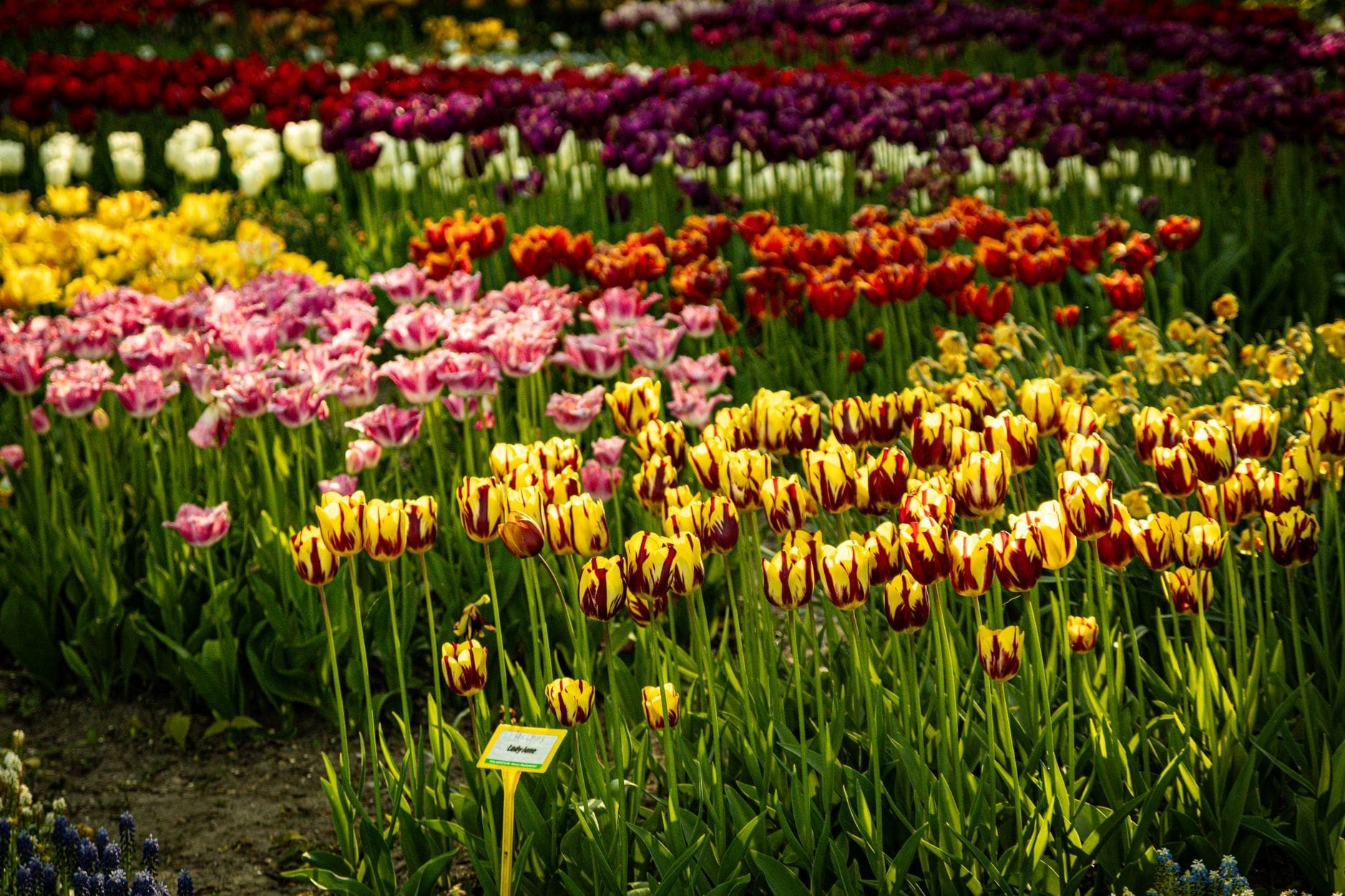
Spring (March to May) is Amsterdam's most popular window, and the reasons are well-founded. Temperatures climb from around 7°C in early March to 17°C by late May, daylight hours lengthen quickly, and the canal-side trees leaf out in late April. The tulip fields in the Bollenstreek region southwest of the city, plus the famous Keukenhof gardens near Lisse, draw visitors from across the world during this window. The trade-off is price: hotel rates spike sharply from mid-April onward, and King's Day on 27 April (or 26 April if the 27th falls on a Sunday) turns central Amsterdam into one of the largest street parties in Europe. If you're not there for Koningsdag specifically, plan around it or embrace the chaos knowing accommodation will be expensive and booked months in advance.
Summer (June to August) brings the most reliable warmth, with temperatures typically in the low-20s°C and long evenings that make Vondelpark and the canal terraces genuinely enjoyable. This is also peak crowd season. The Anne Frank House, Rijksmuseum, and Van Gogh Museum all see their heaviest footfall in July and August. Pre-booking timed entry tickets is non-negotiable. Hotel prices are high, though rarely as extreme as the King's Day surge. Late August is a slight sweet spot: the summer rush begins to ease, prices dip slightly, and the weather remains good.
Autumn (September to November) is underrated. September still feels summery in the first half, and the city hosts several major events including the Amsterdam Dance Event in mid-to-late October, one of the world's leading electronic music conferences. One important note: major conferences can push hotel rates back up temporarily, so check what's on before assuming it's a cheap shoulder month. By October, temperatures fall to around 10-14°C, the canal-side trees turn, and crowds thin out meaningfully. November is quiet, cool, and damp, but it's also when the Amsterdam Light Festival begins installations in late November, illuminating the canals through January.
Winter (December to February) is Amsterdam's off-season in terms of visitor numbers, and that's partly the point. Flights and hotels are cheaper, the Rijksmuseum and Van Gogh Museum are far less crowded, and the city has a quieter, more local character. The Amsterdam Light Festival runs through the canal ring from late November to mid-January and is genuinely worth seeing. The downside: cold (around 3-7°C), frequent grey skies, and roughly 7-8 hours of usable daylight in December. Some windmill tours, countryside excursions, and outdoor activities reduce or suspend operations. Christmas week and New Year's Eve see a price spike similar to spring peaks, so the genuine budget window is January and February.
⚠️ What to skip
King's Day (27 April) is Amsterdam at its most electric, but also its most chaotic. Hotels within the canal ring regularly sell out 3-4 months in advance, and rates for a standard double can triple compared to surrounding weeks. If you're visiting in late April for any other reason, book accommodation in outer neighborhoods like De Pijp or Amsterdam-Noord and commute in.
Month-by-Month Quick Reference
- January & February Coldest months, 2-6°C average. Cheapest hotel rates of the year. Light Festival still running through mid-January. Museums open and quiet. Short daylight hours limit outdoor time.
- March Temperatures begin rising (5-10°C). Tulip fields start blooming in late March. Clocks move to CEST in late March. Crowds and prices start building toward spring peak.
- April Peak tulip season. King's Day on 27 April dominates the last week. Hotel prices surge from mid-month. April is actually one of the drier months despite spring's rainy reputation.
- May Tulips continue into mid-May. Long days, mild temperatures (12-18°C). Crowds and prices remain high. Liberation Day on 5 May brings local festivities.
- June Summer begins. Up to 17 hours daylight. Warm but not hot (16-22°C). Outdoor terraces and canal cruises fully operational. Busy but manageable if you book ahead.
- July & August Peak summer. 20-25°C average. Maximum crowds at major museums. Pre-book all attractions. Late August prices ease slightly. Amsterdam Pride typically runs late July to early August.
- September Warm early in the month, cooling by end (13-19°C). Conference season can spike hotel prices. Amsterdam Dance Event in October approaches. Good balance of weather and thinning crowds.
- October Amsterdam Dance Event (mid-late October) draws tens of thousands. Trees turn colour along canals. Temperatures 9-14°C. Light Festival installations begin late November.
- November Wettest month alongside December. Cool and grey (5-10°C). Prices drop. Light Festival launches. Tourism is low; you'll see a more daily-life version of the city.
- December Christmas markets and festive lighting brighten short days. Prices spike over Christmas and New Year. Otherwise a quiet, affordable month for mid-December visits.
What to See and When: Matching Attractions to Seasons
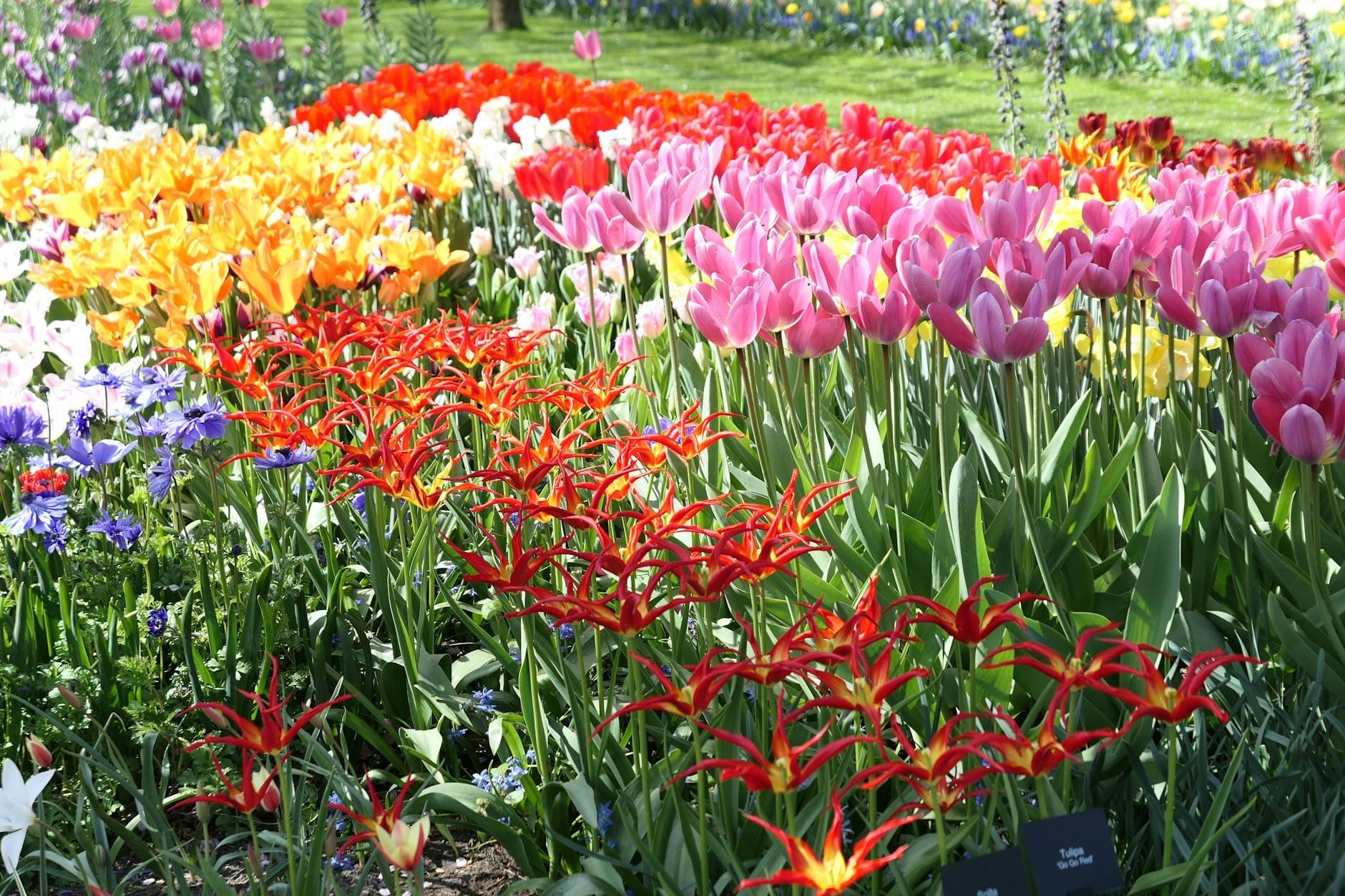
The big question for most visitors is not just weather but whether specific things they want to see will actually be available. The Keukenhof gardens near Lisse are only open for roughly eight weeks between late March and mid-May; outside that window, the gardens are simply closed. The same applies to the tulip bulb fields along the Bollenstreek route southwest of Amsterdam. If flowers are your primary motivation, the best time to travel to Amsterdam is the second or third week of April, when the widest variety of tulip varieties are typically at peak bloom simultaneously.
For museums, any time works, but winter visits to the Rijksmuseum or Anne Frank House feel qualitatively different when you're not being jostled by summer crowds. The Anne Frank House in particular has a meditative quality that is harder to access when the queue extends down the Prinsengracht. Booking timed entry online is essential regardless of season, but January and February visits are noticeably calmer.
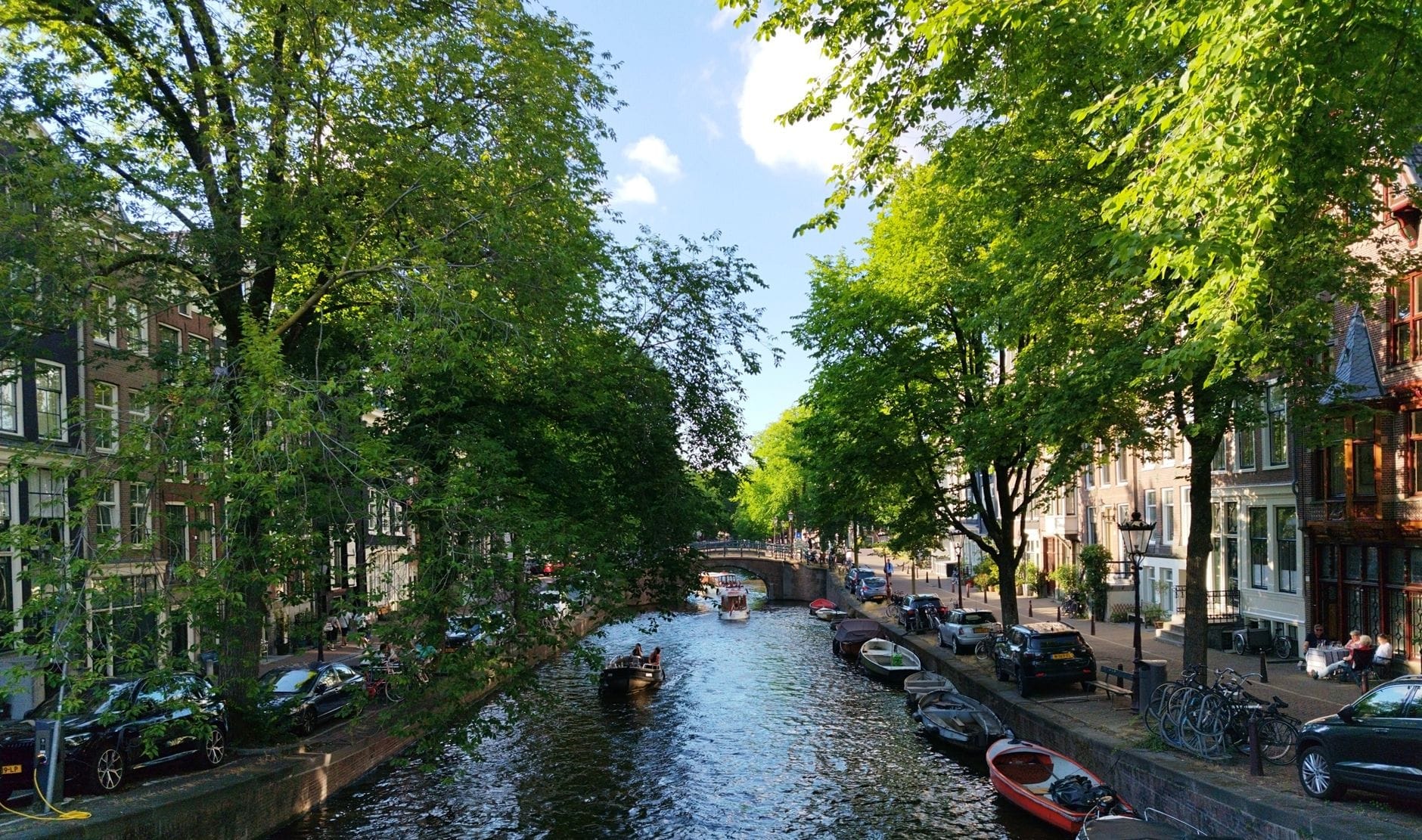
Canal cruises operate year-round, though the experience peaks in spring and autumn when the trees are either in full green or turning gold. A summer evening cruise around the canal ring during golden hour is one of Amsterdam's genuine pleasures. In winter, the Light Festival route makes late-evening canal cruises a different but equally worthwhile experience.
✨ Pro tip
The best time to visit the Netherlands for a combination of tulips and mild weather without peak-season prices is the last week of March or the first week of April. Fields in the Bollenstreek are beginning to bloom, Keukenhof has just opened, and King's Day crowds are still weeks away. Hotel rates haven't yet hit their April peak.
Budget Timing: When Prices Actually Drop
The cheapest time to visit Amsterdam is January and February, full stop. Flights from major European hubs and transatlantic routes both see their lowest average fares in these months, and hotel rates in the canal ring can be substantially lower than peak summer or spring prices. The trade-off is real: expect cold, limited daylight, and the possibility of rain on a majority of days. But all major museums, most restaurants, and public transport all operate normally. This is actually an excellent time for a city-focused trip built around museums, the Jordaan's brown cafes, and the daily rhythms of a city that isn't performing for tourists.
For travelers with more flexibility, late October and early November represent the best value-to-experience ratio. Temperatures are cool but not harsh (around 9-13°C), the Amsterdam Dance Event brings energy to the city in mid-October, and hotel prices are noticeably lower than in summer. Pack a waterproof jacket, plan indoor alternatives for wet afternoons, and you'll find Amsterdam considerably more approachable than in the height of tourist season.
- Book Anne Frank House and Rijksmuseum timed entry tickets at least as early as possible in spring and summer, and several days ahead even in autumn.
- Accommodation in De Pijp, Amsterdam-Noord, and Oost is consistently cheaper than the Canal Ring and Centrum, with fast tram and metro connections.
- Traveling by train from Schiphol Airport to Amsterdam Centraal takes around 15 minutes and is significantly cheaper than taxis or ride-hailing apps.
- Many attractions offer lower online booking prices versus door prices; always check the official website before buying from third-party resellers.
- The I Amsterdam City Card covers many museum entries and public transport; check if it saves money for your specific itinerary before buying.
Events That Should Shape Your Timing
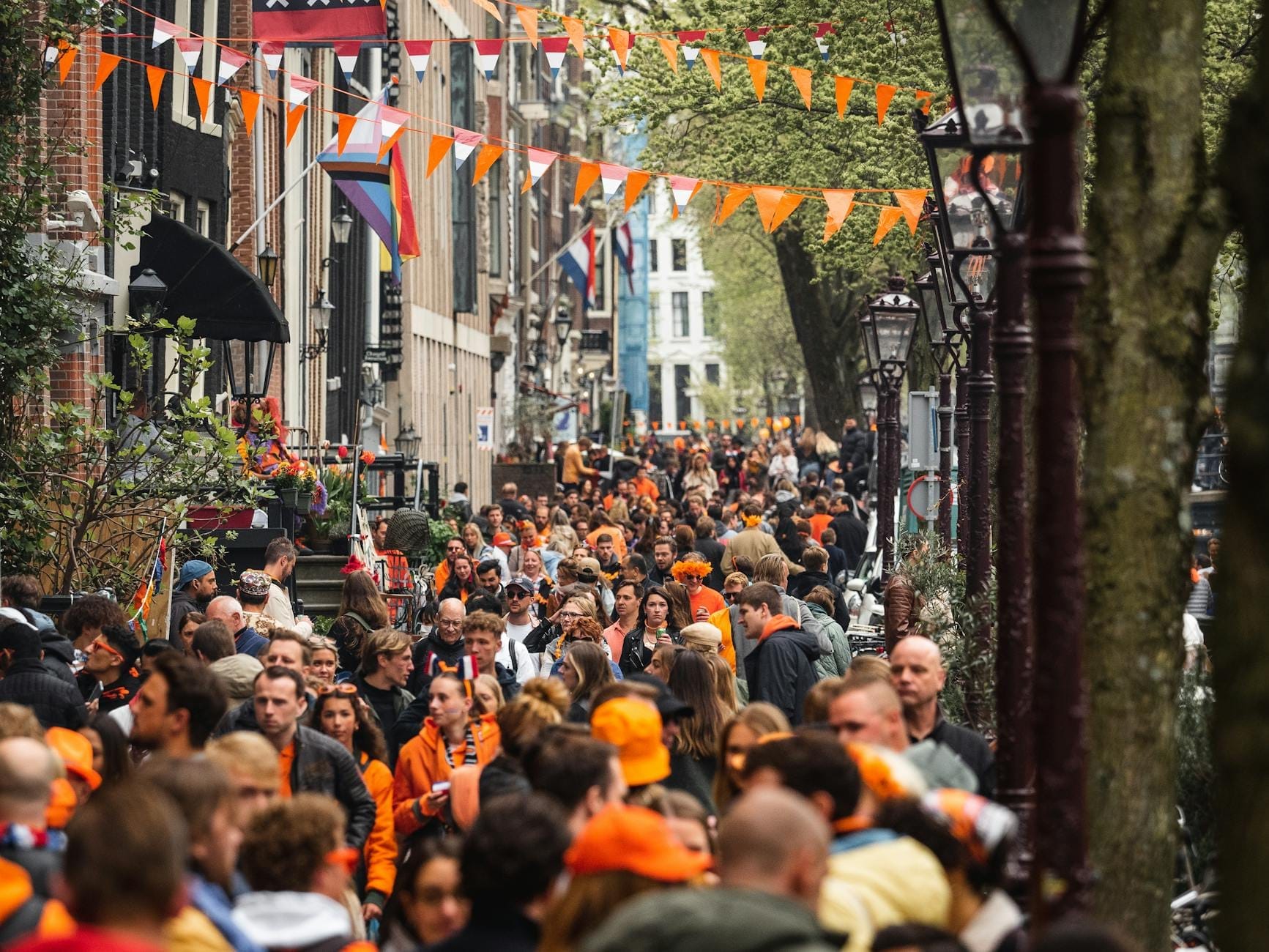
Beyond tulip season and King's Day, several other events meaningfully affect when the best time to travel to Amsterdam might be for specific travelers. Koningsdag on 27 AprilKing's Day is the obvious headline: the city transforms into a city-wide flea market and street party, with hundreds of thousands of people in orange filling the canals and streets. For some visitors this is the entire reason to come; for others it's a reason to stay away that week entirely.
The Amsterdam Dance Event in October is the world's largest club music festival and conference, running across dozens of venues over five days. Hotel prices spike during ADE almost as dramatically as during King's Day. Music travelers should book months ahead; everyone else should check dates before assuming October is purely a budget month. Separately, the Amsterdam Light Festival (late November through mid-January) is one of the few genuine reasons to consider a winter visit beyond pure budget motivations: illuminated art installations along the canals are best viewed from a boat on a clear cold evening.
💡 Local tip
If you're visiting Amsterdam in winter, check the Amsterdam Light Festival dates before booking. The festival typically opens in late November and the canal route installations run through January. Combine a boat tour of the light installations with a visit to the Rijksmuseum for a genuinely satisfying winter day.
FAQ
What is the best time to visit Amsterdam for good weather?
May through early September offers the most reliable mild weather, with temperatures in the 15-23°C range and the longest daylight hours. June and July are the warmest months, but also the busiest. Late May and early September give you good conditions with slightly fewer crowds than peak summer.
What is the best time to visit the Netherlands for tulips?
Tulip fields in the Bollenstreek region and the Keukenhof gardens are typically at their best from mid-April to early May, with peak bloom often occurring in the third week of April. Keukenhof itself is only open for around eight weeks between late March and mid-May, so timing matters. Early April offers blooms with lower crowds and prices than the post-Easter surge.
What time zone is Amsterdam in?
Amsterdam operates on Central European Time (CET, UTC+1) during winter and Central European Summer Time (CEST, UTC+2) during daylight saving time, which runs from the last Sunday in March to the last Sunday in October. Amsterdam time is typically 1 hour ahead of the UK, 6 hours ahead of US Eastern Time in summer, and 9 hours behind Japan Standard Time.
Is Amsterdam worth visiting in winter?
Yes, for the right kind of traveler. January and February have the cheapest flights and hotels, quieter museums, and no tourist queues. The Amsterdam Light Festival runs through January and is a genuine draw. The downsides are real: about 7-8 hours of daylight in December, frequent grey and wet days, and some outdoor tours running reduced schedules. If your trip is built around museums, food, and cafes rather than outdoor sightseeing, winter works well.
When should I avoid visiting Amsterdam?
The last week of April around King's Day (27 April) is the most extreme for crowds and accommodation prices, often booked out months in advance. July and August are the most crowded months overall at major attractions. The Amsterdam Dance Event in mid-to-late October also causes a hotel price spike that catches budget travelers off guard. If you want a quiet, affordable trip, January through early March is your best window.
Tickets & tours
Live prices and dates from our booking partner. If you book, we may earn a commission at no extra cost to you.
Planning a trip? Discover personalized activities with the Nomado app.