The Jordaan is Amsterdam's most atmospheric central neighborhood, a compact grid of narrow streets and quiet canals just west of the historic Canal Ring. Once a working-class district, it has evolved into a place where independent galleries, specialty shops, and lived-in brown cafés sit side by side with some of the city's finest 17th-century canal houses.
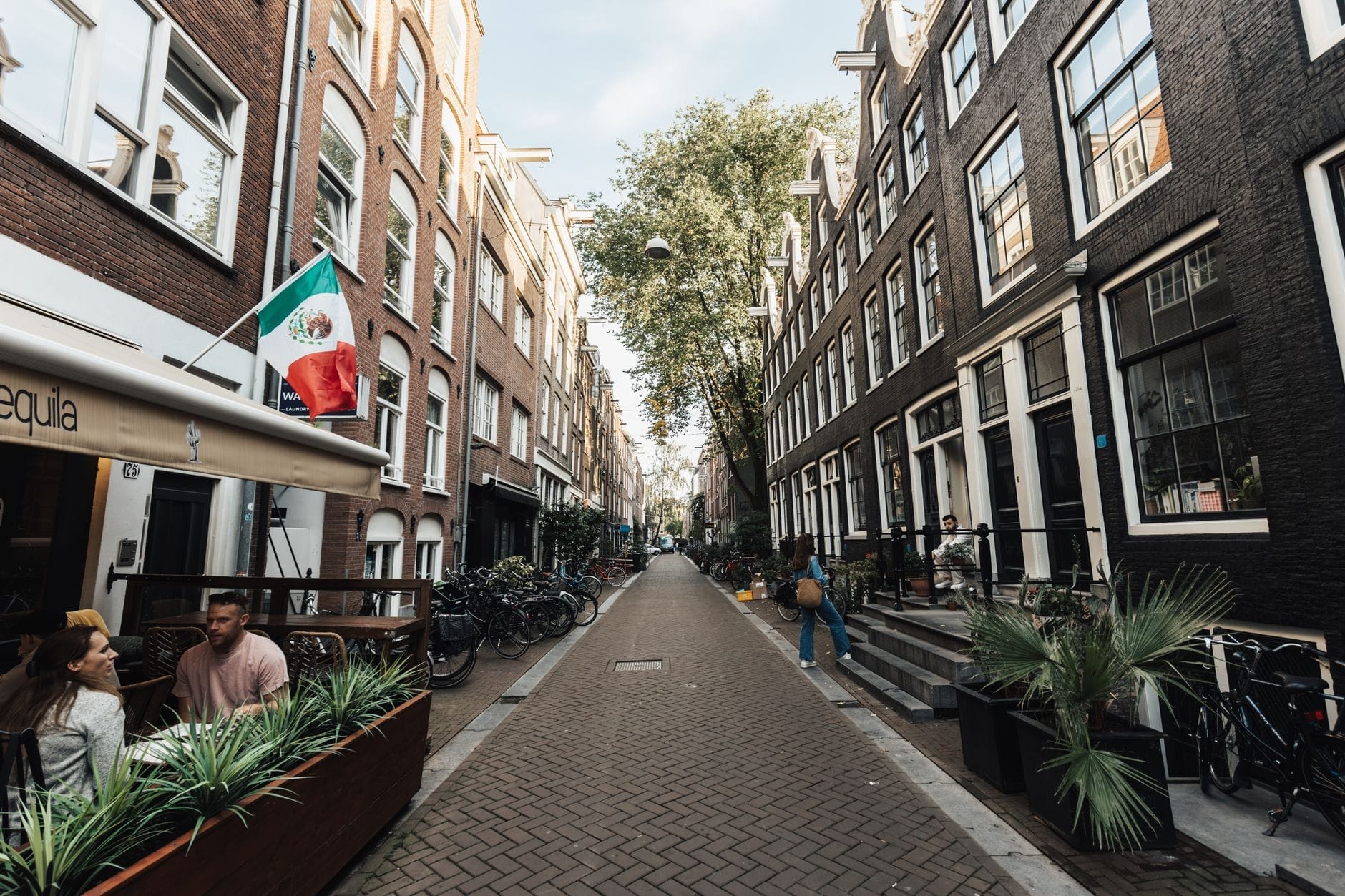
The Jordaan occupies a small but dense patch of central Amsterdam, where the streets are narrow enough to feel almost private and the canals seem to reflect a slower version of the city. It is the kind of neighborhood where residents actually linger on stoops and at café terraces, and where the gap between 'local Amsterdam' and the wider tourist circuit still feels meaningful.
Orientation
The Jordaan sits immediately west of the Canal Ring (Grachtengordel), making it one of the most central neighborhoods in Amsterdam that still retains a residential identity. Its rough boundaries are Brouwersgracht to the north, Rozengracht to the south, Prinsengracht to the east, and Lijnbaansgracht to the west. These are not hard borders so much as gradual transitions: cross Prinsengracht heading east and you are in the Canal Ring proper; cross Lijnbaansgracht heading west and the character quickly shifts toward the broader Westerpark district.
The neighborhood covers roughly one square kilometer, which means most of it is walkable in under twenty minutes end to end. Key streets that organize the area include Westerstraat in the north, which functions as the main commercial artery, and Elandsgracht and Rozengracht further south. The iconic Noordermarkt square anchors the northern end, while Rozengracht feeds into Leidseplein at the southeastern corner. The Westerkerk tower, visible from many points in the district, is the most reliable landmark for orienting yourself once you are inside the grid.
The Jordaan was laid out in the early 17th century as part of Amsterdam's dramatic westward expansion, though it was designed as a worker and artisan district rather than the merchant housing of the grander Canal Ring. That history explains the scale: plots are narrower, streets are tighter, and there is none of the grand ceremonial width you find on the Herengracht or Keizersgracht. Walking east from the Jordaan into the Canal Ring is a noticeable shift in register, from intimate to imposing, within a single block.
Character and Atmosphere
The Jordaan has a specific rhythm that changes through the day in ways that other Amsterdam neighborhoods do not quite replicate. Early mornings from around 7 to 9 are quiet enough to hear bicycle wheels on cobblestones. The light comes in low and flat across the canal surfaces, and the tall, narrow facades of the canal houses cast long shadows. The bakeries and coffee spots on Westerstraat and the side streets are already open, doing steady trade with people who actually live here.
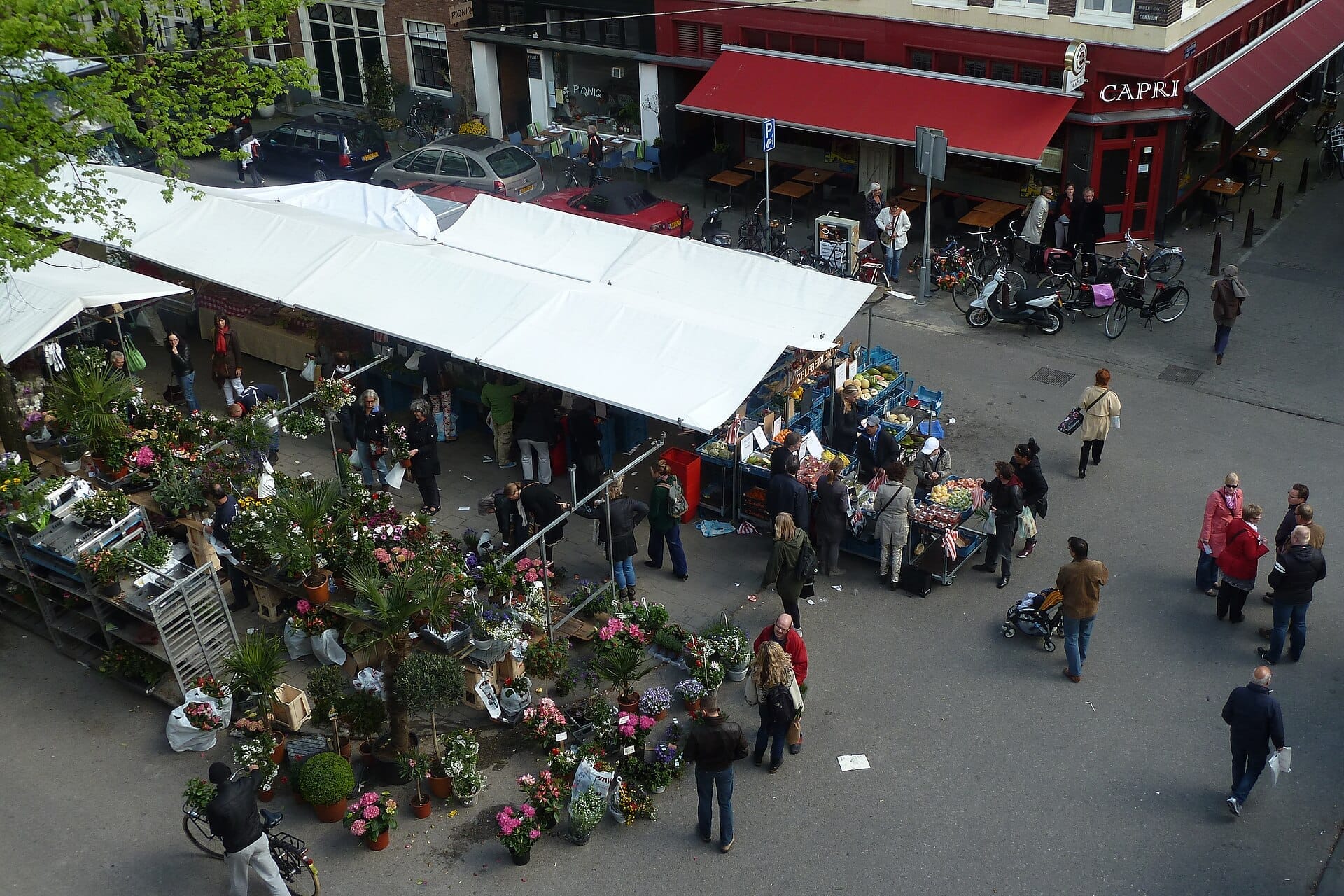
By mid-morning on Saturdays and Mondays the Noordermarkt fills with stalls selling organic produce, antiques, and secondhand goods, and the streets leading to it are genuinely crowded. Weekday mornings are considerably calmer. Afternoons are when the neighborhood sees its widest mix of visitors and residents: the gallery clusters around Elandsgracht and the smaller connecting streets draw browsers, the café terraces fill up if the weather allows, and the boutiques along the Negen Straatjes (Nine Streets) grid at the southern end of the district hit peak footfall.
After dark the Jordaan settles into something closer to a neighborhood bar scene than a nightlife destination. The brown cafés, the wood-paneled, amber-lit drinking spots that are one of Amsterdam's most distinctive institutions, are the main draw. These are places for genever (Dutch gin) or a glass of local beer, conversation at wooden tables, and zero pretension. The crowds stay manageable compared to Leidseplein or Rembrandtplein, and the vibe shifts toward local rather than tourist as the evening progresses.
ℹ️ Good to know
The Jordaan is one of Amsterdam's most photographed neighborhoods, but it is also genuinely residential. Many of the canal houses are private homes. Be considerate about noise in the early morning and late evening on the smaller side streets.
What to See and Do
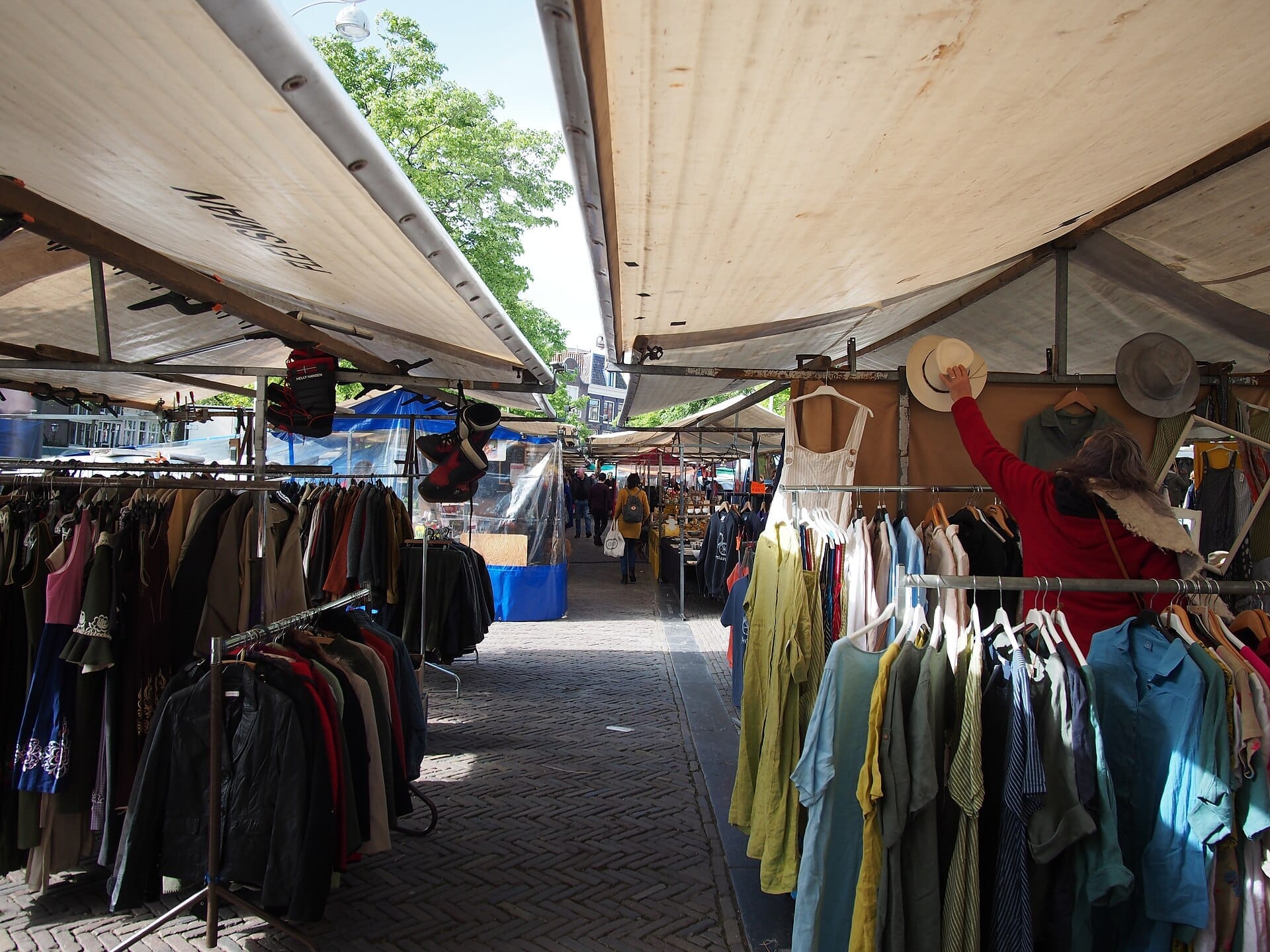
The Noordermarkt is the clearest starting point for understanding what the Jordaan is about. On Monday mornings it hosts a general market with antiques and secondhand items; on Saturdays the organic farmers' market draws a very different, more food-focused crowd. The square itself, with the 17th-century Noorderkerk at its center, has a composition that feels unchanged in its essentials. The nearby Lindengracht market on Saturdays is larger and more local in character, with fresh produce, cheese, and street food alongside clothing stalls.
The Anne Frank House sits on Prinsengracht at the eastern edge of the Jordaan. It is one of the most visited sites in the Netherlands and requires advance booking, often weeks or months ahead. The building itself and its location on the canal are integral to the Jordaan's history during the occupation years of the Second World War, and visiting it in context of the wider neighborhood adds weight to the experience.
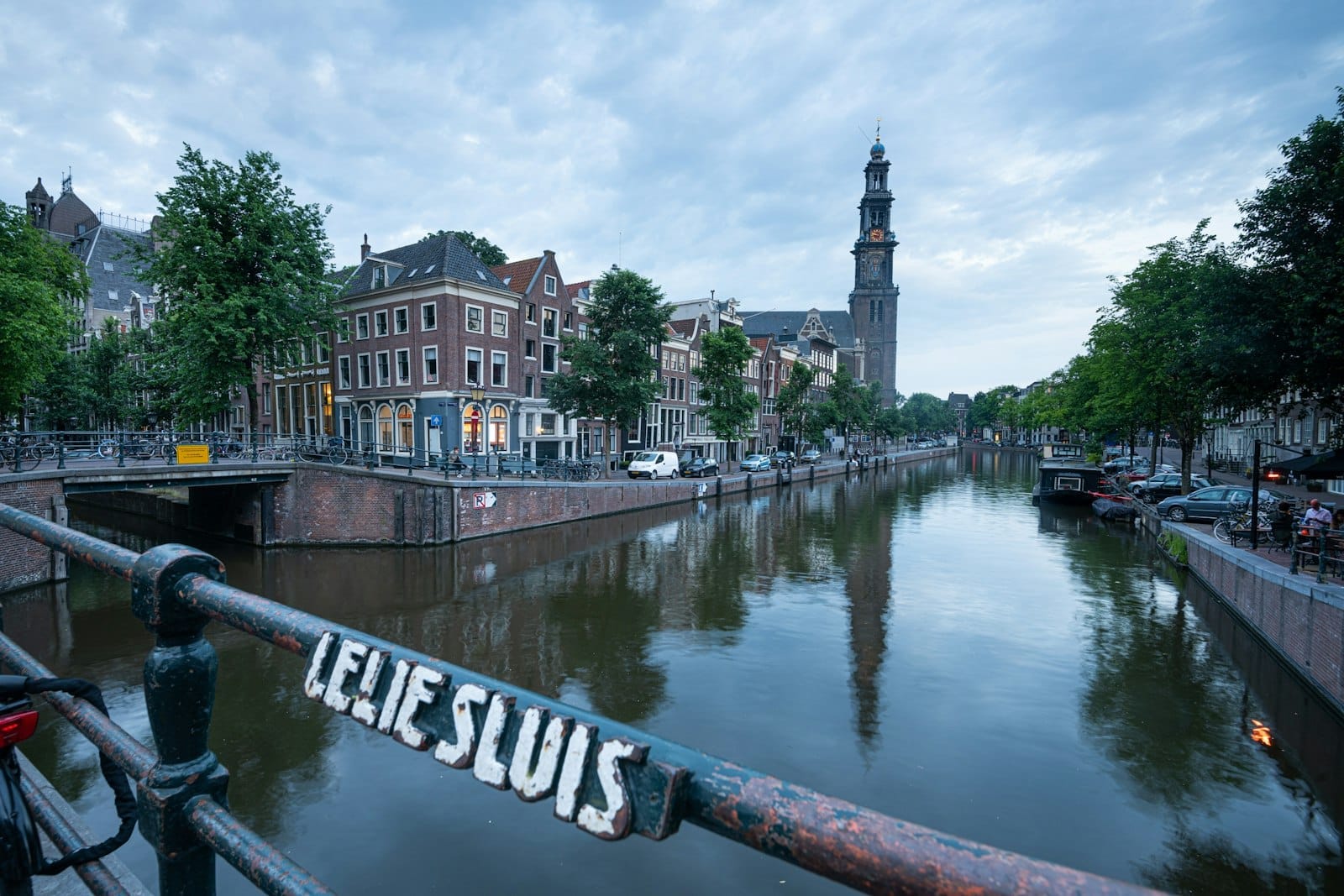
The Westerkerk on Prinsengracht is the neighborhood's dominant architectural presence and one of the tallest church towers in Amsterdam at about 85 meters. The church itself is open to visitors; the tower offers views across the rooflines and canals that give a clearer sense of the district's layout than any map. Rembrandt was buried here in 1669, though the exact location of his grave is not known.
For those interested in architecture and canal life, the Houseboat Museum on Prinsengracht provides a look at life aboard one of the roughly 2,500 houseboats still registered in Amsterdam. It is small and easy to combine with a walk along the canal. The Nine Streets district, the grid of connecting streets between Prinsengracht and Herengracht at the southern end of the Jordaan, is the main shopping cluster: independent clothing stores, specialty food shops, vintage dealers, and design studios fill the ground floors of houses that have been commercial in character for centuries.
Noordermarkt: Monday antiques market and Saturday organic market
Lindengracht market: Saturday general market with food and local produce
Anne Frank House: advance booking essential, on Prinsengracht
Westerkerk: church and tower with canal views
Houseboat Museum: small museum on a working houseboat
Nine Streets (Negen Straatjes): independent boutiques and specialty shops
Jordaan canal walks: Bloemgracht and Egelantiersgracht are among the quietest and most photogenic
💡 Local tip
Bloemgracht and Egelantiersgracht are the two prettiest interior canals in the Jordaan and see far fewer visitors than Prinsengracht. Walk them in the late afternoon when the light comes in from the west and the reflections are at their best.
Eating and Drinking
The Jordaan's food and drink scene is dense and varied but leans toward quality over spectacle. The neighborhood has enough well-regarded restaurants and cafés to fill several days without repeating, and the price range runs from affordable lunch spots and market stalls to serious dinner restaurants where reservations are advisable.
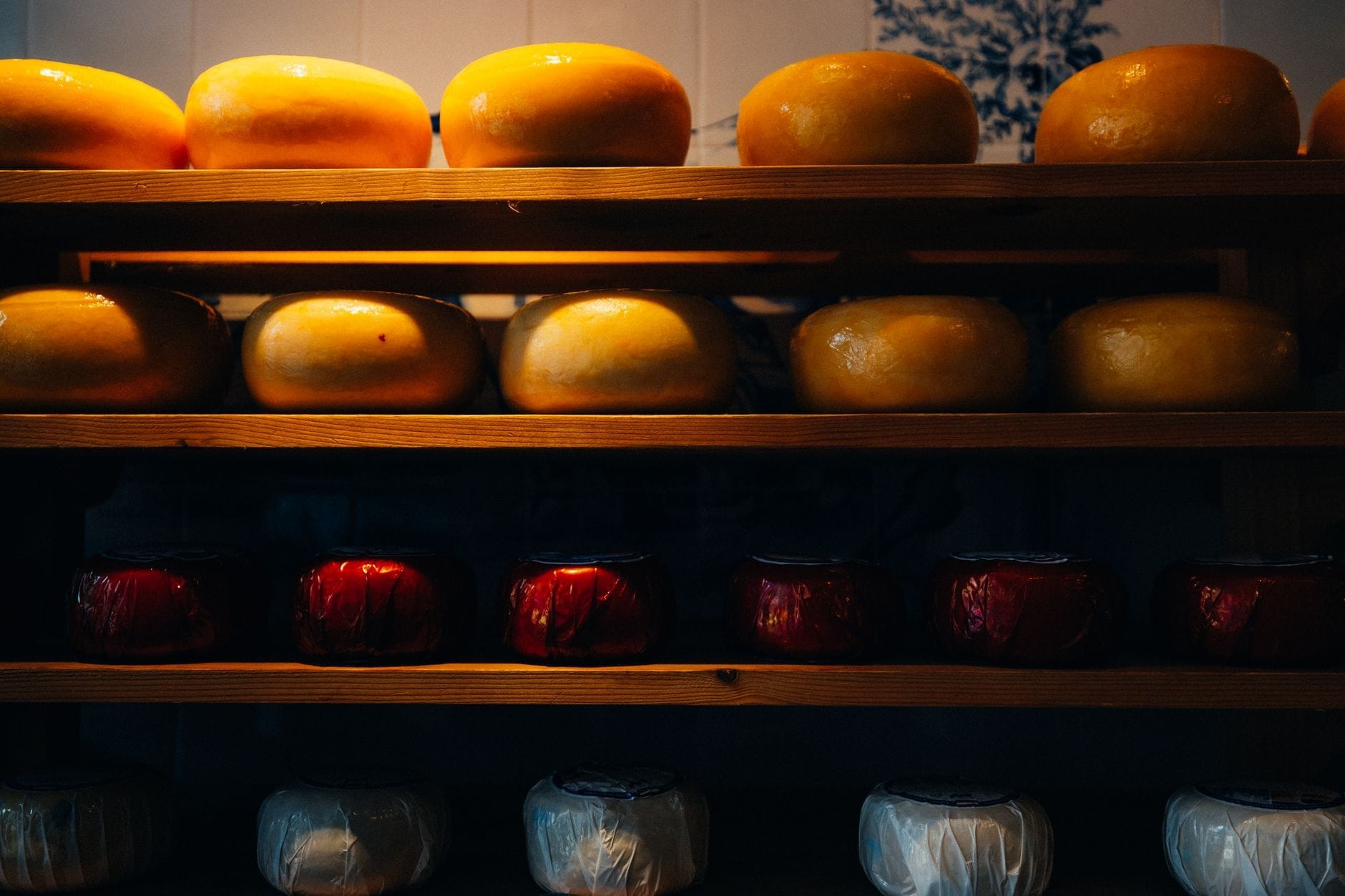
Coffee culture is strong in the northern Jordaan around Westerstraat and the streets feeding off it. Independent roasters and neighborhood café-bakeries are the norm. For breakfast or lunch, the market days at Noordermarkt and Lindengracht generate their own street food economy: stroopwafels made to order, cheese vendors, fresh herring from mobile stalls, and a rotating cast of specialty food producers.
The brown café (bruine kroeg) is the Jordaan's most distinctive drinking institution. These are traditional Dutch pubs characterized by dark wood interiors, sand on the floor in some of the older examples, and a menu anchored by Dutch beer and jenever (Dutch-style gin). The atmosphere in a good brown café is genuinely different from the cocktail bars and tourist-facing pubs found closer to Leidseplein or the Canal Ring. Look for places that have been in operation for decades rather than those that have recreated the aesthetic recently.
For dinner, the Jordaan has a concentration of small independent restaurants covering Dutch, Mediterranean, and international cuisines. The streets around Elandsgracht and the lower Jordaan have a slightly higher density of evening dining options. For a broader sense of Amsterdam's food scene and local specialties, the guide to Amsterdam's food scene covers the full picture beyond the neighborhood.
Getting There and Around
The Jordaan is not directly served by a metro line, which is part of why it has retained its pedestrian character. The most practical public transit connections are by tram. Tram line 17 from Amsterdam Centraal stops at Westermarkt, on Raadhuisstraat at the eastern edge of the neighborhood near the Westerkerk, while tram line 13 serves nearby stops such as Westermarkt when running between Geuzenveld and the city centre. From Centraal Station on foot, the Jordaan is around a 15 to 20 minute walk heading southwest, crossing the main canals.
Cycling is the most natural way to get around once you are here, consistent with how Amsterdam functions across the city. The streets are almost all accessible by bike and the canal-side paths offer clear routes. The broader guide to cycling in Amsterdam covers rental options and rules for navigating the city. For those arriving from Amsterdam Airport Schiphol, the fastest option is train to Amsterdam Centraal and then tram or a 15-minute walk west.
Within the Jordaan itself, walking is the only sensible approach. Many of the most interesting streets are too narrow and too irregular for anything else, and the distances are short enough that using transit inside the neighborhood would be counterproductive. The area is entirely flat, consistent with Amsterdam's general topography at sea level.
⚠️ What to skip
Parking a car in or near the Jordaan is both expensive and difficult. If you are arriving by car, use a park-and-ride facility at the city edge and switch to public transit. Driving into the Jordaan's side streets during market hours is not practical.
Where to Stay
The Jordaan is a strong base for travelers who want to be central without being in the middle of Amsterdam's highest-traffic tourist zones. Its position west of the Canal Ring puts it within easy walking distance of the Anne Frank House, the Nine Streets shopping area, and the canal network, while the streets themselves are quiet at night compared to the areas around Leidseplein or Dam Square.
Accommodation in the Jordaan is mostly boutique hotels and apartments in historic buildings rather than large chain hotels, which tend to concentrate closer to Centraal Station or along the main tourist corridors. The northern Jordaan around Westerstraat and Brouwersgracht has a slightly quieter, more residential character; the southern end near the Nine Streets and Rozengracht is more commercial and sees more daytime foot traffic. For a full overview of where to base yourself in Amsterdam, the Amsterdam accommodation guide compares neighborhoods across price points and traveler types.
The neighborhood suits independent travelers, couples, and anyone prioritizing character and walkability over convenience to major nightlife. Families with young children will find it manageable; the streets are quiet and the distances short, though the cobblestone surfaces can make pushchairs harder work than on the main streets.
Honest Assessment: Strengths and Drawbacks
The Jordaan's reputation is well-earned. It is genuinely one of the most coherent and attractive urban neighborhoods in northern Europe, and it has managed to retain enough residential life to feel like a place rather than a theme park. The combination of 17th-century urban fabric, canal-side walking, good independent food and drink, and proximity to major attractions is difficult to match elsewhere in Amsterdam.
The drawbacks are worth knowing before you visit. The neighborhood is expensive. Decades of gentrification have pushed rents and retail prices well above Amsterdam's average, and that filters through to café menus and shop prices. The Nine Streets in particular has become self-consciously upscale, and the overall demographic of the neighborhood is now heavily weighted toward affluent residents and design-conscious visitors.
On weekend afternoons the pressure from visitors is significant. The streets around the Anne Frank House and the Nine Streets see real congestion, and the canal-side paths on Prinsengracht can feel more like a procession than a walk. If you want the Jordaan at its quietest and most atmospheric, come on a weekday morning in spring or autumn, when the light is good and the crowds are thin.
For travelers building a wider Amsterdam itinerary, the Jordaan pairs naturally with the Canal Ring to the east and the Westerpark district to the north. A two-day Amsterdam itinerary typically anchors at least one full morning or afternoon in the Jordaan and the surrounding canal streets.
TL;DR
One of Amsterdam's most central and walkable neighborhoods, with well-preserved 17th-century streets, canals, and historic houses within 15-20 minutes of Amsterdam Centraal.
Best experienced on weekday mornings or outside peak summer season: weekend afternoons around the Nine Streets and Anne Frank House can be genuinely congested.
The food and drink scene is strong, with traditional brown cafés, independent restaurants, and two of Amsterdam's best weekly markets at Noordermarkt and Lindengracht.
Well-suited for independent travelers, couples, and architecture or history-focused visitors; less suited to those prioritizing nightlife or budget accommodation.
The Anne Frank House requires advance booking and sits at the Jordaan's eastern edge on Prinsengracht; plan this visit separately from a general neighborhood walk.
Two days in Amsterdam is enough to hit the genuine highlights without feeling rushed, if you plan smart. This itinerary covers the Rijksmuseum, Van Gogh Museum, Anne Frank House, canal cruises, and the best neighborhoods, with real pricing, booking warnings, and insider logistics so you don't waste a single hour.
Amsterdam Airport Schiphol (AMS) is one of Europe's largest and busiest international hubs, sitting just 9 km southwest of the city centre. This guide covers the airport layout, how to get into Amsterdam, security rules, facilities, and what to expect at peak times.
Amsterdam's architecture spans four centuries of ambition, from the UNESCO-listed 17th-century canal belt to the expressive social housing of the Amsterdam School and the bold contemporary buildings reshaping the city's waterfront. This guide breaks down what to look for, where to find it, and how to explore it without wasting time.
Amsterdam's 165 canals form a UNESCO World Heritage network stretching over 100 km through the city. This guide cuts through the noise to tell you exactly which type of canal cruise fits your trip, what each operator actually delivers, and when to go to avoid the crowds.
Amsterdam's Canal Ring is one of Europe's most ambitious feats of urban planning, a UNESCO World Heritage Site built during the Dutch Golden Age. This guide covers the history, the three main canals, how to explore by boat or on foot, seasonal conditions, and straightforward advice on what's worth your time.
The I Amsterdam City Card promises access to 70+ museums, unlimited trams and buses, a canal cruise, and a day's bike rental in one timed pass. Whether it actually saves you money depends entirely on how you plan to spend your days. This guide breaks down the real costs, what's excluded, and who should skip it.
Amsterdam's coffeeshops are unlike anything else in Europe, but they come with rules, limits, and legal nuances most visitors don't fully understand. This guide breaks down exactly how they work, what to expect inside, what you can legally do outside, and how to avoid the most common mistakes.
Amsterdam is one of Europe's most naturally romantic cities, with UNESCO-listed canals, world-class museums, and neighbourhoods designed for slow exploration. This guide covers the best experiences for couples, with practical advice on costs, booking, and timing.
Amsterdam rewards those who look beyond the Rijksmuseum and Anne Frank House. From a secret medieval courtyard to a craft brewery inside a working windmill, these off-the-beaten-path experiences reveal a city that most visitors never see.
October is one of Amsterdam's most interesting months to visit, split between a quieter shoulder season and one of the world's biggest electronic music events. This guide covers the Amsterdam Dance Event, what the weather actually looks like, and how to make the most of the city in autumn.
Spring is Amsterdam's most celebrated season, anchored by tulip fields, canal-side festivals, and the city-wide party of King's Day on April 27. This guide covers everything from bloom timing and Keukenhof logistics to what the weather actually looks like and which spring experiences are worth your time.
Amsterdam transforms in winter into one of Europe's most atmospheric cold-weather destinations. From the iconic Amsterdam Light Festival illuminating the canals to Christmas markets and cozy brown cafes, this guide covers everything you need to plan a rewarding winter visit.
Three days is enough time to hit Amsterdam's heavyweight museums, explore its most rewarding neighborhoods, and get out on the canals — if you plan it right. This guide breaks it all down day by day, with practical advice on booking, passes, and what to skip.
King's Day (Koningsdag) is the biggest street party in the Netherlands, and Amsterdam is its epicentre. This guide covers the full schedule, how to navigate crowds, where to find the best vrijmarkt stalls, and practical tips that make the difference between an unforgettable day and a frustrating one.
The Amsterdam Light Festival transforms the city's historic canals into an open-air gallery of illuminated art installations every winter. This guide covers the 2025-2026 edition dates, both routes, ticket prices, crowd patterns, and what first-timers consistently get wrong.
Amsterdam's markets are where the city reveals itself: locals haggling over vintage finds, stroopwafels fresh off the iron, tulip bulbs stacked in canal-side barges. This guide covers the best markets in Amsterdam across every category, from daily street markets to monthly flea market events.
Amsterdam's nightlife runs deeper than the Red Light District. This guide breaks down the best bars, clubs, and late-night experiences by neighborhood, with practical advice on tickets, timing, and where locals actually go.
Amsterdam has a reputation for being expensive, but careful planning cuts costs dramatically. This guide covers real 2026 price benchmarks, the best free experiences, transport passes, and the smartest times to visit — so you can see the city properly without draining your account.
Amsterdam is one of Europe's safest cities, but tourists are regularly caught out by petty theft, clever scams, and bike-related mishaps. This guide covers everything you need to know: how to spot fake police, navigate 400 km of cycle paths, use public transport correctly, and stay sharp across different seasons.
Amsterdam rewards shoppers who go beyond the souvenir shops. From the Albert Cuypmarkt in De Pijp to the boutique-lined streets of the Jordaan, this guide covers the city's best markets, shopping streets, and independent stores — with practical hours, clear assessments, and local context.
Amsterdam is one of Europe's most rewarding solo destinations: compact, English-friendly, and full of world-class culture. This guide covers everything you need to know before you go, from staying safe and getting around to the best activities and how to book them without the stress.
The direct ICE train from Amsterdam Centraal to Berlin Hbf takes about 5 hours 51 minutes and costs as little as €37.90 booked in advance. This guide covers every route option, real price ranges, booking platforms, and what to expect on board.
The Amsterdam to Brussels train is one of Europe's most convenient city-to-city rail connections. This guide covers train types, realistic prices, schedules, booking platforms, and what to expect on the day of travel.
The Eurostar connects Amsterdam Centraal to London St Pancras in around 4 hours 10 minutes, making it one of the most practical city-centre-to-city-centre journeys in Europe. This guide covers fares, booking windows, check-in procedures, and the key differences between direct and indirect routes.
The Amsterdam to Paris train journey takes around 3 hours 20 minutes on the Eurostar high-speed service. This guide covers fares, booking strategy, seat classes, what the route actually looks like, and the practical details that save you money and hassle.
Tulip season near Amsterdam runs from late March to mid-May, with peak bloom in the surrounding fields from roughly April 10 to 25. This guide covers the exact timing, top locations, transport options, common misconceptions, and practical tips to make the most of one of the Netherlands' most spectacular seasonal events.
Amsterdam rewards walkers more than almost any city in Europe. This guide covers the best guided tours, self-guided routes, and on-foot highlights across the city's most rewarding neighborhoods, from the medieval center to the creative enclaves of Amsterdam-Noord.
Amsterdam is a great city for families, with world-class science museums, a historic zoo, free parks, and canal cruises designed for children. This guide covers the best attractions, practical logistics, clear pricing, and seasonal advice to help you plan a smooth trip with kids of any age.
Amsterdam has one of the highest concentrations of world-class museums of any city in Europe. This guide covers the essential art, history, science, and specialist museums, with practical advice on booking, passes, and how to make the most of each visit.
Amsterdam rewards visitors year-round, but when you go shapes everything from hotel rates to what you can actually see. This month-by-month guide breaks down weather patterns, crowd levels, prices, and key events so you can pick the timing that suits your trip.
Amsterdam has around 400 km of dedicated bicycle paths and more bikes than residents. This guide covers exactly how to rent a bike, what it costs, the rules you need to know, where to park safely, and which routes are worth your time — whether you're riding through the canals or heading out to the countryside.
Amsterdam is an extraordinary city, but the Netherlands surrounding it rewards exploration just as much. These are the best day trips from Amsterdam, from the tulip gardens of Keukenhof to the Gothic streets of Haarlem, organized by how you want to spend your time.
Amsterdam rewards travelers who plan smartly. From free ferry rides to Noord and rooftop views from NEMO to world-class street art at NDSM, the city offers a surprising range of genuinely free experiences. This guide covers the best of them.
Amsterdam rewards visitors who understand how it moves. This guide covers every transport option in the city, from GVB trams and the metro to bike rentals and Schiphol airport transfers, with practical advice on costs, passes, and what to skip.
Amsterdam rewards visitors who look beyond the obvious. This guide covers the top things to do in Amsterdam across every interest and budget, from world-class museums and canal cruises to neighborhood markets and cross-IJ adventures, with practical advice on timing, booking, and what is worth your time.
Amsterdam is the capital of the Netherlands and one of Europe's most recognizable cities, famous for its UNESCO-listed canal ring, Rijksmuseum, Anne Frank House, cycling culture, and tolerant social policies. This guide breaks down exactly what makes Amsterdam distinctive, with practical details for planning your visit.
Amsterdam's food scene runs deeper than cheese and fries. This guide covers the essential Dutch dishes to try, where to find them across the city, seasonal specialties, and practical advice on what's worth your appetite and what isn't.
Choosing where to stay in Amsterdam shapes your entire trip. This guide breaks down the best neighborhoods by travel style, covers what each area actually costs, and cuts through the noise so you book the right hotel in the right location.