Amsterdam to Paris by Train: The Complete Eurostar Guide
The Amsterdam to Paris train journey takes around 3 hours 20 minutes on the Eurostar high-speed service. This guide covers fares, booking strategy, seat classes, what the route actually looks like, and the practical details that save you money and hassle.
Tickets & tours
Live prices and dates from our booking partner. If you book, we may earn a commission at no extra cost to you.
TL;DR
- The Eurostar is the only direct high-speed train from Amsterdam to Paris, running Amsterdam Centraal to Paris Gare du Nord in about 3h20–3h25.
- Around 10 direct departures per day in each direction. Stops include Schiphol Airport, Rotterdam, Antwerp, and Brussels.
- Fares start from €35 one way in Standard class, but these sell fast. Book through plan your full Amsterdam trip first, then lock in your train as early as possible.
- No formal airport-style check-in is required on this intra-Schengen route, but arriving 15–20 minutes early is sensible.
- Rail pass holders should check reservation fees carefully before assuming a pass saves money on this route.
Route Overview: What the Journey Actually Looks Like
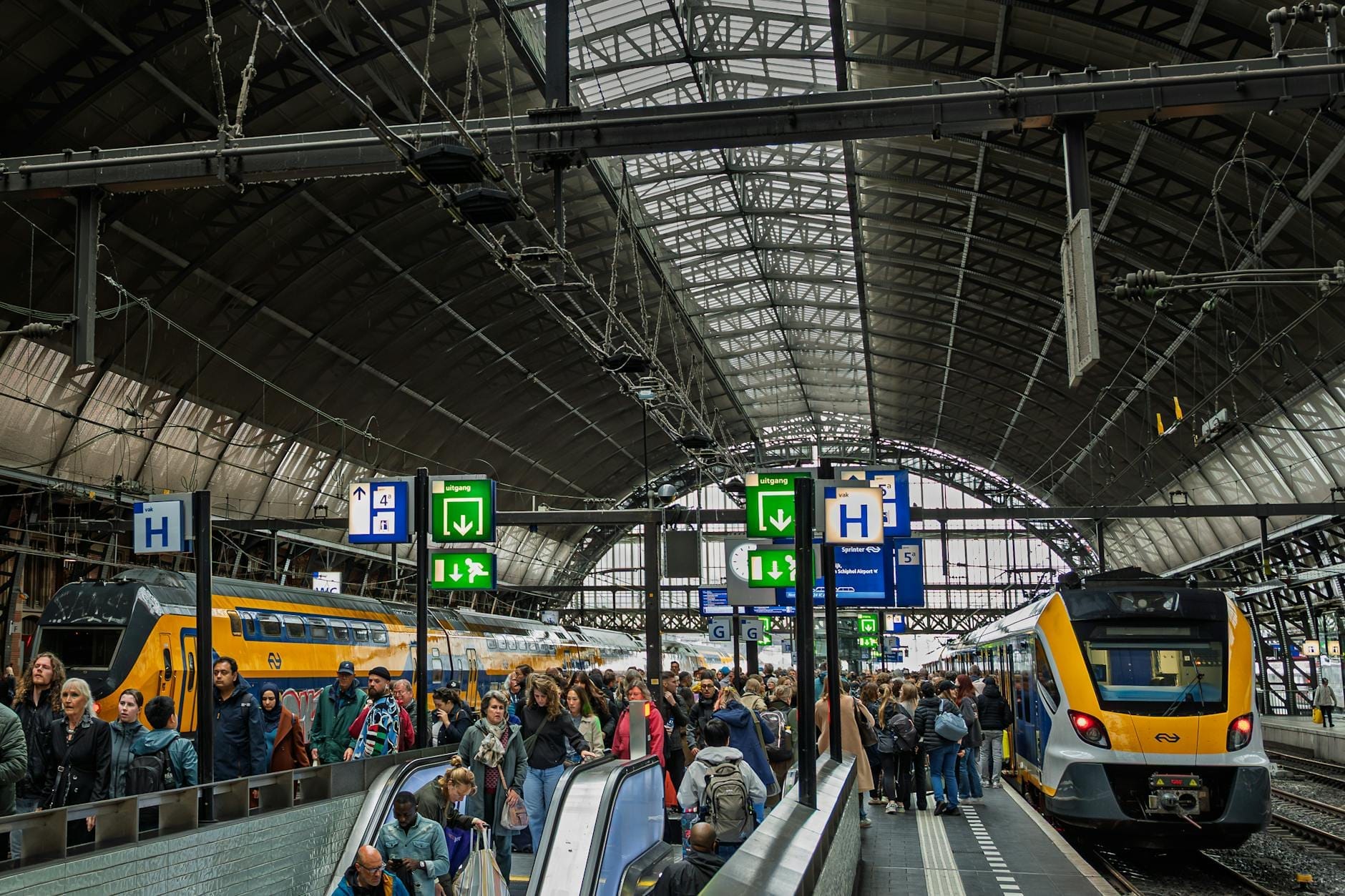
The Amsterdam to Paris Eurostar is a straightforward point-to-point high-speed service, but the route is longer than many travelers expect. The train departs Amsterdam Centraal, stops at Amsterdam Airport Schiphol (useful if you're connecting from a flight), continues south to Rotterdam Centraal, then crosses into Belgium with stops at Antwerp-Centraal and Brussels-Zuid/Midi, before arriving at Paris Gare du Nord. Total journey time is approximately 3 hours 20 to 3 hours 25 minutes on the fastest direct services.
Gare du Nord drops you squarely in central Paris, with direct metro connections to most arrondissements. On the Amsterdam end, Amsterdam Centraal is the city's main rail hub, served by trams, metro, ferries to Noord, and buses. It's one of the most convenient city-centre-to-city-centre rail connections in Europe.
ℹ️ Good to know
The Schiphol Airport stop is a genuine convenience if you're flying into Amsterdam before continuing to Paris. You can board the Eurostar directly at the airport station without traveling into the city centre first.
Fares: What You'll Actually Pay
Eurostar uses yield-managed pricing, which means fares are not fixed. The advertised starting price of around €35 one way in Standard class is real, but it represents only a small allocation of seats at that price point. Once those quota seats sell out, prices step up through roughly €55, €75, €100, and beyond, reaching €135 for most last-minute Standard tickets. On busy travel days (Friday afternoons, holiday weekends, summer peak), Standard fares close to departure have been reported at well over €150.
- Standard (from ~€35) 2+2 seating, basic but comfortable. Fine for a 3-hour journey. At the lowest price tier, this is excellent value.
- Standard Premier / Plus (from ~€80–120) 2+1 seating configuration, more legroom, and meal service included. Worth considering if you're traveling on business or want to arrive relaxed.
- Business Premier (from ~€200+) Full meal, lounge access in Brussels, premium seating. Harder to justify for a 3-hour trip unless it's on expenses.
If you're holding a Eurail or Interrail rail pass, read the small print carefully. Eurostar charges a mandatory seat reservation fee for pass holders, and on this route those fees are substantial enough that a flexible point-to-point ticket sometimes works out cheaper, especially at off-peak times. Rail passes are not the obvious money-saver they used to be on high-speed cross-border routes.
⚠️ What to skip
Bikes and oversized luggage carry extra charges on Eurostar. If you're planning to bring a bicycle for riding around Paris, confirm the current policy and fee before booking, as these costs can add significantly to your total.
Booking Strategy: How to Get the Best Price
The single most effective strategy for Amsterdam to Paris by train is early booking. Eurostar releases tickets on a rolling schedule, and the cheapest Standard seats on popular departure times disappear weeks or even months in advance for summer and holiday travel. Booking well in advance (often several weeks or more) gives you the best chance of the €35–€55 tier.
- Book directly through Eurostar (eurostar.com) or NS International (nsinternational.com) for the lowest fares with no third-party markup.
- Mid-morning and early afternoon departures on weekdays tend to have more availability at lower prices than Friday afternoon or Sunday evening trains.
- If your dates are flexible, checking mid-week departures (Tuesday, Wednesday) often shows lower base fares.
- Return tickets can be as low as €70 total if you secure the €35 fare in both directions, but this requires flexibility and early action.
- Third-party booking platforms sometimes show competitive prices but add booking fees. Compare the final total, not the headline fare.
✨ Pro tip
Set a price alert on a rail search aggregator and book the moment you see €35–€45 fares appear for your dates. These sell out in hours on popular routes. Don't wait to 'see if prices drop' — on Eurostar, they almost never do as departure approaches.
Departures, Frequency, and Timetables
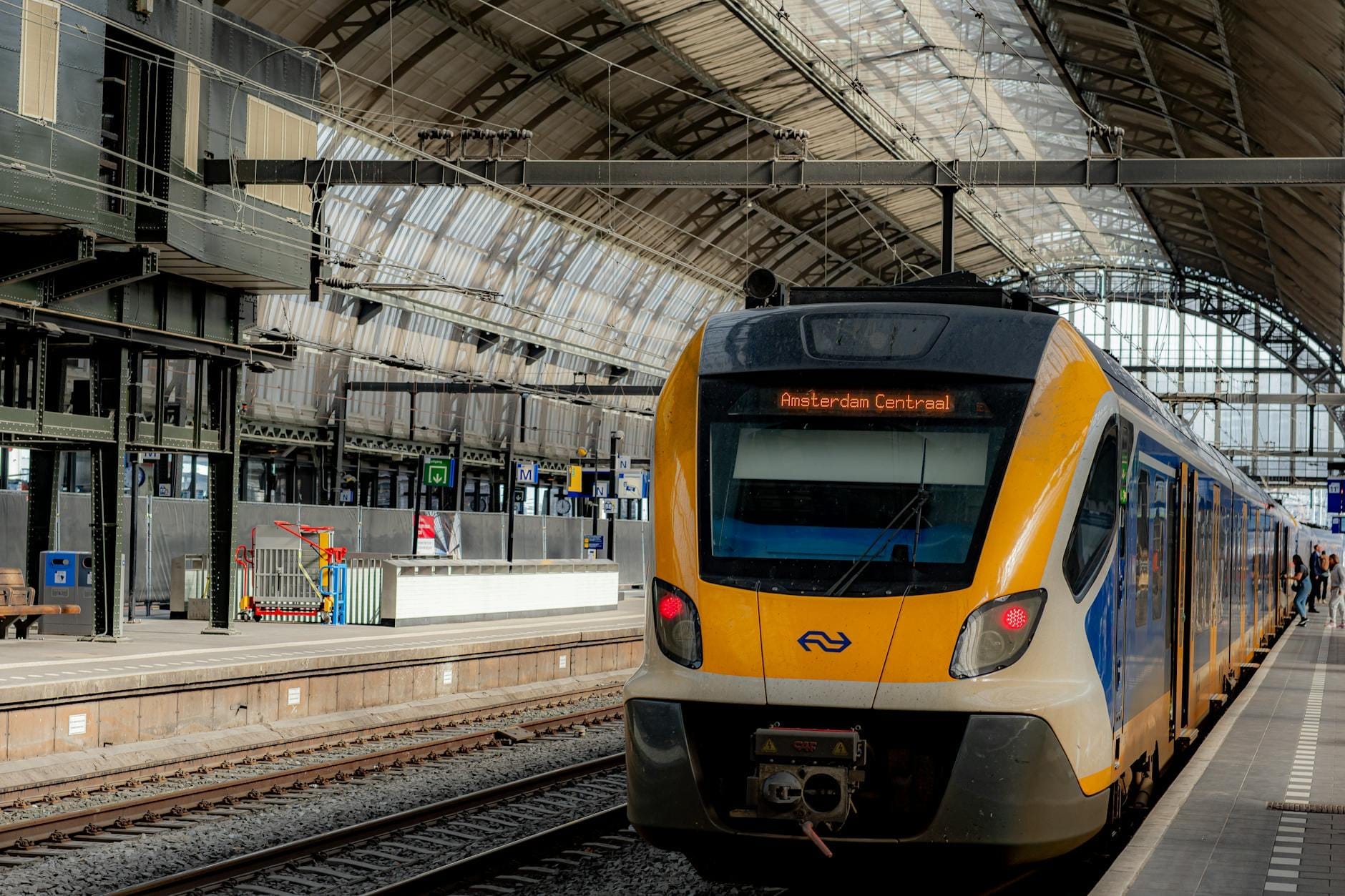
Up to 10 direct Eurostar services run each way daily between Amsterdam and Paris. Departures from Amsterdam Centraal are broadly spread across the day, giving genuine flexibility for morning departures that get you to Paris in time for lunch, or afternoon trains that work if you want a full morning in Amsterdam first.
Check live schedules directly on eurostar.com or nsinternational.com, as exact timings shift seasonally. If you're combining this trip with time in Brussels or Antwerp (both worthwhile stops), note that it's technically possible to break your journey, but your original ticket likely will not be valid as a stopover pass. You'll need to book separate segments. For ideas on what to do before you leave, the best things to do in Amsterdam covers the full picture.
At the Station: What to Expect on Departure Day
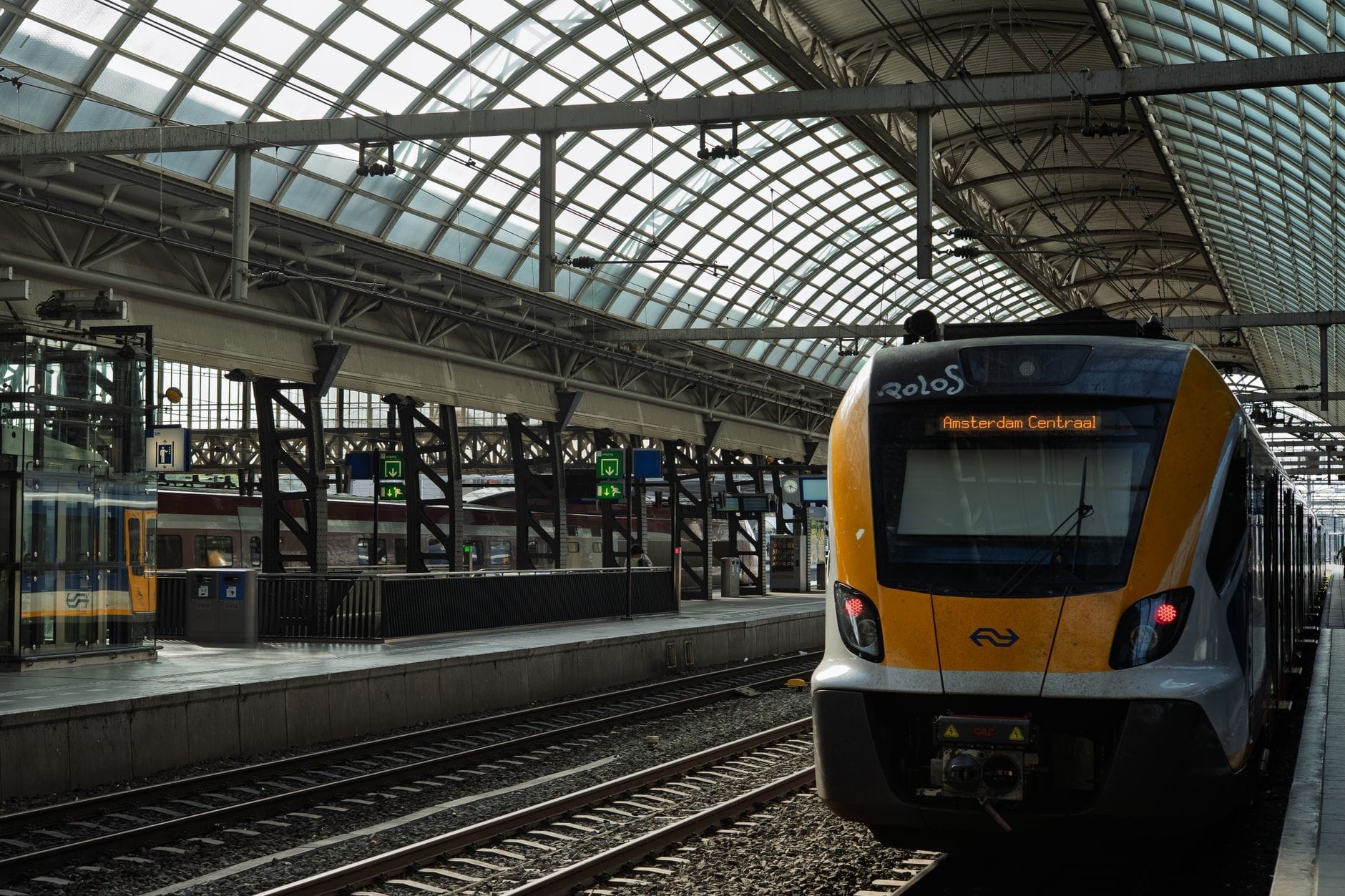
Because the Amsterdam to Paris route runs entirely within the Schengen Area, there is no passport control or security check comparable to what you'd face on a London-bound Eurostar. You board like a regular long-distance train. That said, arriving 15 to 20 minutes before departure is sensible, particularly at Amsterdam Centraal where the station is large and platforms can be at distance from the main entrance.
Tickets are either e-tickets on your phone or print-at-home PDFs. There are no physical ticket collection machines needed for most bookings. Seat numbers are assigned, so there's no rush to board. Luggage goes in overhead racks or dedicated storage areas at the ends of each carriage. There are no luggage restrictions on standard bags and hand luggage.
💡 Local tip
If you're departing from Amsterdam Schiphol Airport rather than Centraal, the Eurostar platform at Schiphol is straightforward to reach from the main station concourse below the terminals. Allow a few extra minutes if you're arriving from the departure gates.
Is the Train Better Than Flying Amsterdam to Paris?
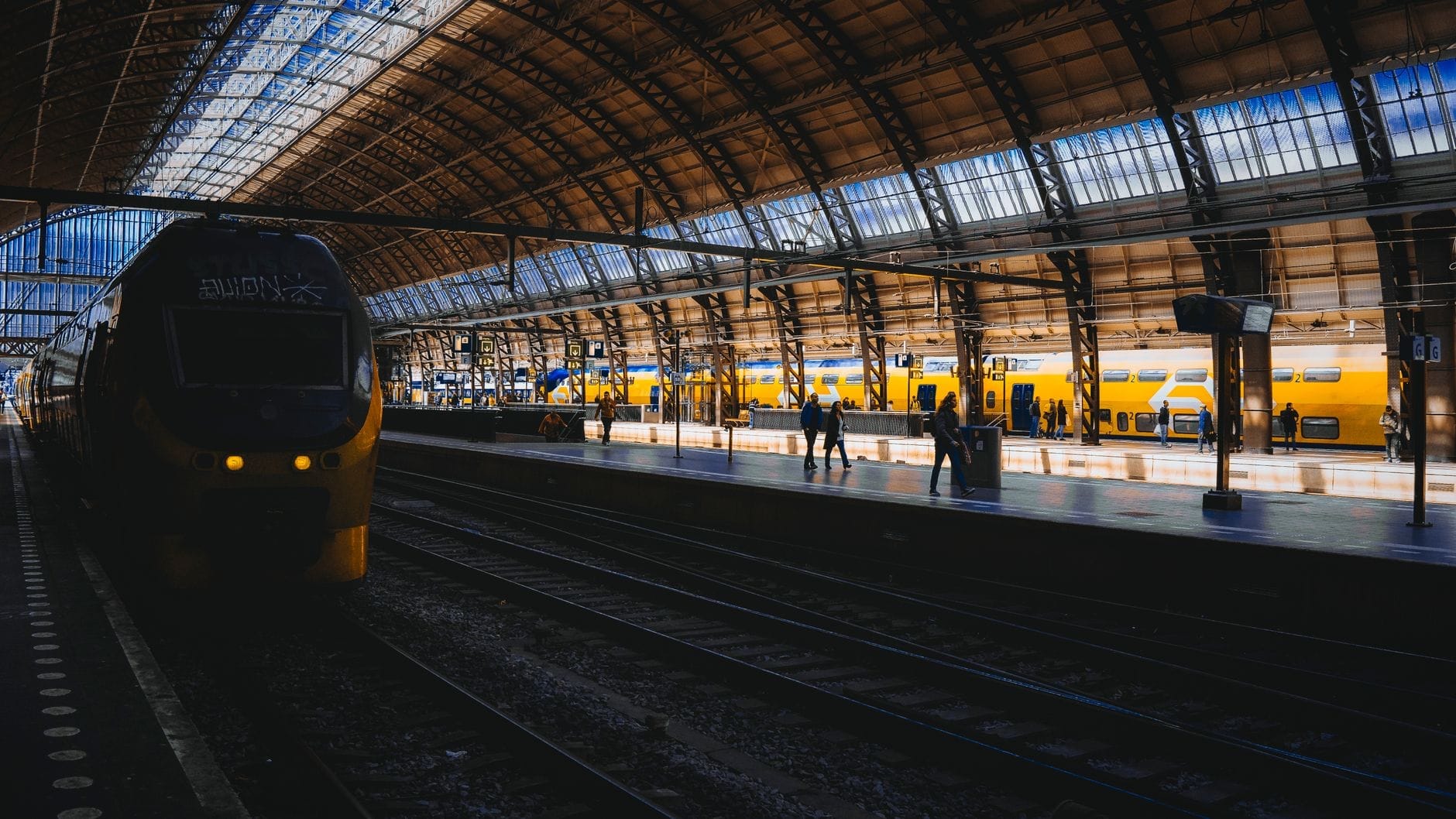
On a pure door-to-door time comparison, the train almost always wins or draws against flying for Amsterdam to Paris. Flying involves travel to Schiphol (already a significant journey from central Amsterdam), check-in and security at least 90 minutes before departure, about a 1h15m flight, baggage reclaim, and then the CDG to Paris city centre transfer of around 30 to 50 minutes. That's easily 5 to 6 hours total. The Eurostar is 3h20 from city centre to city centre with no security theatre.
The carbon footprint comparison is also stark. Rail travel on this route produces a fraction of the emissions of flying. For travelers conscious of their environmental impact, or anyone who simply values arriving at the city centre without the exhaustion of airport transit, the train is the clear choice. If you're planning to explore the region more broadly, check out day trips from Amsterdam for other destinations accessible without flying.
- Train wins on: City-centre to city-centre convenience, no security queues, legroom and comfort, carbon footprint, ability to work or move around onboard.
- Flying wins on: Price, occasionally, if you book budget airlines months in advance with only hand luggage. Budget carriers can undercut €35 train fares, but rarely by enough to justify the time and stress cost.
- Bus wins on: Absolute lowest price. FlixBus runs Amsterdam to Paris for as little as €15–€25, but the journey takes 7 to 9 hours. Only worth considering if budget is the sole factor.
Amsterdam itself is a city that rewards slow travel. If you're combining this trip with time exploring the Canal Ring, visiting the Rijksmuseum, or using Amsterdam as a base for wider Dutch exploration, building in a proper overnight before or after your Paris journey makes the whole trip more enjoyable.
FAQ
How long does the Amsterdam to Paris train take?
The direct Eurostar service takes approximately 3 hours 20 to 3 hours 25 minutes from Amsterdam Centraal to Paris Gare du Nord. The route includes stops at Schiphol Airport, Rotterdam Centraal, Antwerp-Centraal, and Brussels-Zuid/Midi.
How much does the Amsterdam to Paris Eurostar cost?
Standard class fares start from around €35 one way when booked well in advance. Prices rise as seats sell, commonly reaching €55–€135 for Standard class closer to departure. Standard Premier and Business Premier classes start higher. Return fares can be as low as €70 if you secure both legs at the base fare.
Do I need a passport to take the Eurostar from Amsterdam to Paris?
The Amsterdam–Paris Eurostar runs entirely within the Schengen Area, so EU and Schengen-zone passport holders do not need to show a passport at border controls. Non-EU travelers should carry their passport or ID as standard practice. There is no airport-style security check or formal check-in process on this route.
Where does the Amsterdam to Paris train depart from and arrive?
The train departs from Amsterdam Centraal station and arrives at Paris Gare du Nord. There is also a stop at Amsterdam Airport Schiphol, which allows travelers to board directly from the airport without going into the city centre first.
Is the Amsterdam to Paris Eurostar worth it compared to flying?
For most travelers, yes. The door-to-door journey time is comparable or faster than flying once airport travel, check-in, and transfer times are factored in. The train is also significantly more comfortable, deposits you at the city centre in both cities, and has a far lower carbon footprint. Budget flights can occasionally be cheaper, but rarely by enough to justify the additional time and inconvenience.
Tickets & tours
Live prices and dates from our booking partner. If you book, we may earn a commission at no extra cost to you.
Planning a trip? Discover personalized activities with the Nomado app.