3 Days in Amsterdam: The Perfect Itinerary
Three days is enough time to hit Amsterdam's heavyweight museums, explore its most rewarding neighborhoods, and get out on the canals — if you plan it right. This guide breaks it all down day by day, with practical advice on booking, passes, and what to skip.
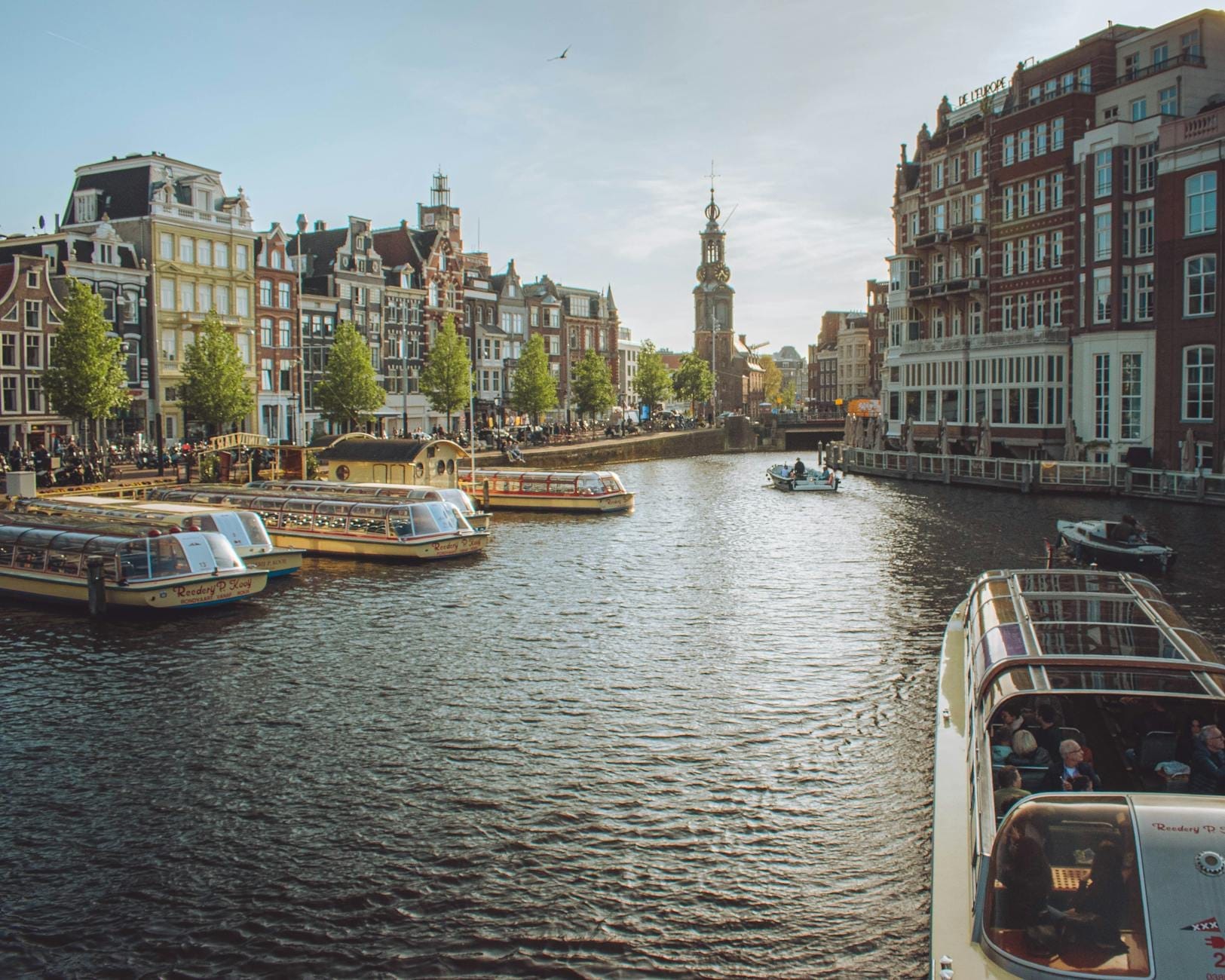
Tickets & tours
Live prices and dates from our booking partner. If you book, we may earn a commission at no extra cost to you.
TL;DR
- Book Anne Frank House tickets online as soon as possible — they release 6 weeks in advance for most dates, with some same-day tickets released online each morning and sell out fast. No tickets are sold at the door.
- The I amsterdam City Card (72-hour, around €115) covers the Rijksmuseum, a canal cruise, and public transport — but not the Anne Frank House. See our Amsterdam City Card guide before deciding if it's worth it for you.
- Pre-book timed entry for the Van Gogh Museum and Rijksmuseum too — walk-up queues at peak season can run over an hour.
- Tulip season at Keukenhof runs mid-March to mid-May only. Outside that window, the famous flower fields don't exist.
- Amsterdam is compact: the Jordaan, Canal Ring, and Museumplein are all walkable or a short tram ride apart. Getting around Amsterdam is straightforward once you understand the tram grid.
Before You Arrive: Booking, Passes, and Timing
Amsterdam rewards visitors who do their homework before landing. The city's top attractions operate on timed-entry systems, and the most popular ones — especially the Anne Frank House — are functionally impossible to visit without advance tickets. Plan to book at least two to three weeks ahead in summer, and ideally six weeks ahead if your dates are fixed.
Transport is straightforward. Schiphol Airport (AMS) sits about 17 km southwest of the city center, and the train from Schiphol Station to Amsterdam Centraal takes roughly 15-20 minutes. It's the fastest and cheapest option by a significant margin compared to taxis or ride-hailing. Within the city, GVB trams and metro cover everything you'll need: a 3-day GVB pass costs €21.50. For a deeper breakdown of options, our Amsterdam airport guide covers every transfer route and fare.
⚠️ What to skip
The Anne Frank House sells NO tickets on-site. Every ticket must be purchased online at annefrank.org. Tickets release approximately 6 weeks in advance for specific time slots, plus a limited batch of same-day tickets released each morning. In high season, even same-day tickets disappear within minutes. Make this your first booking, before anything else.
The I amsterdam City Card is worth considering but not automatically the right choice. The 72-hour version costs €115 and includes unlimited GVB public transport, entry to the Rijksmuseum, Stedelijk Museum, Amsterdam Museum, and a standard canal cruise, among others. It does not include the Anne Frank House, the Van Gogh Museum, or most temporary exhibitions. If your three days include heavy museum-hopping and daily tram use, the math often works in your favor. If you're planning to spend more time in neighborhoods and on free activities, you may save money buying individual tickets.
- Anne Frank House Adult €16, youth (10-17) €7, children under 10 €1. Online only. Book 6 weeks ahead.
- Rijksmuseum Adult €22.50 (online, 2026 pricing). Open daily 9:00-17:00. Book a timed slot online.
- Van Gogh Museum Around €20-25 depending on date and demand (dynamic pricing). Open daily from 9:00, later closing on select evenings. Timed entry required.
- Canal cruise (standard 1 hour) Roughly €15-25 from central docks near Centraal Station and Damrak. Evening and themed cruises cost more.
- GVB multi-day pass 1-day €10 / 2-day €16 / 3-day €21.50. Covers tram, bus, and metro within the city.
💡 Local tip
If you're visiting in spring (mid-March to mid-May), a half-day trip to Keukenhof gardens is one of the most worthwhile additions to a 3-day Amsterdam itinerary. The gardens are open only during those weeks and require advance tickets. Outside that window, don't expect tulip fields — the Bloemenmarkt on the canal sells mostly bulbs and souvenirs now, not the spectacle many visitors expect.
Day 1: The Canal Ring, Jordaan, and Anne Frank House
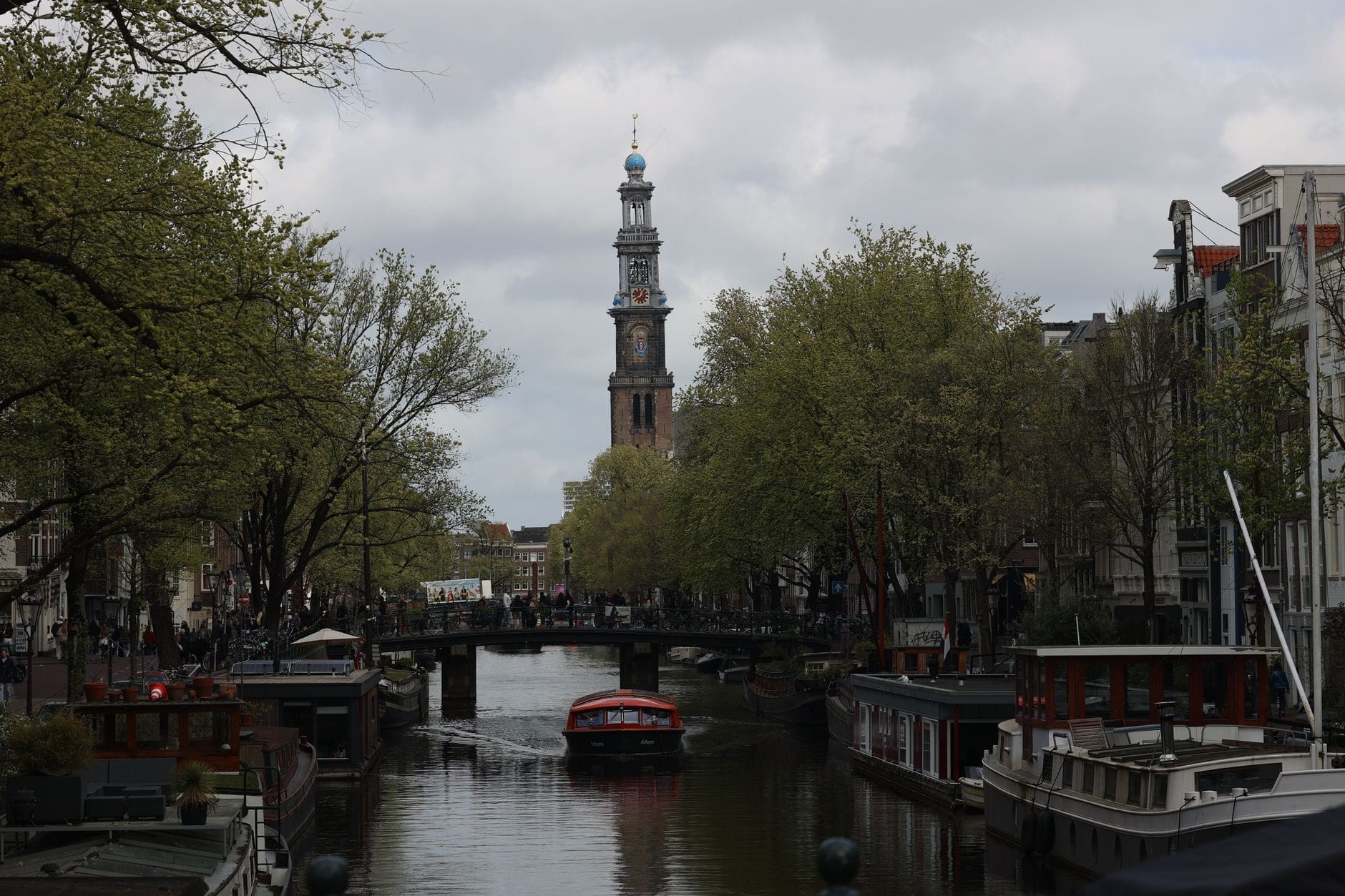
Start your first morning in the Jordaan, Amsterdam's most atmospheric neighborhood. Narrow streets, 17th-century canal houses, and independent cafés make it ideal for a slow morning walk before the crowds arrive. Grab breakfast at one of the cafes on Haarlemmerdijk or Westerstraat, then work your way south toward the Canal Ring — the UNESCO-listed crescent of waterways that defines the city's historic core.
The Anne Frank House sits on Prinsengracht, right in this neighborhood. If you have a morning time slot, go directly there first — it's the single booking you can't reschedule around. The experience takes about 1 to 1.5 hours and covers the Secret Annex where Anne Frank and her family hid from 1942 to 1944. It's sobering and essential. After visiting, walk north along Prinsengracht to the Westerkerk, one of Amsterdam's tallest churches and the one whose bells Anne wrote about in her diary. Entry to the church is free; the tower climb costs a few euros and offers one of the better elevated views in the city center.
Spend the afternoon walking the Nine Streets (De Negen Straatjes), the grid of cross-streets connecting the main canals. This is Amsterdam's best concentrated stretch of independent retail: vintage clothing, specialist bookshops, Dutch design stores, and a reasonable density of good lunch spots. It gets crowded on weekends but remains manageable on weekday afternoons. End day one with dinner in the Jordaan — the neighborhood has a strong selection of Dutch and international restaurants at a range of price points — and an evening canal walk as the houseboats and bridge lights come on.
Day 2: Museumplein, Van Gogh Museum, and the Rijksmuseum
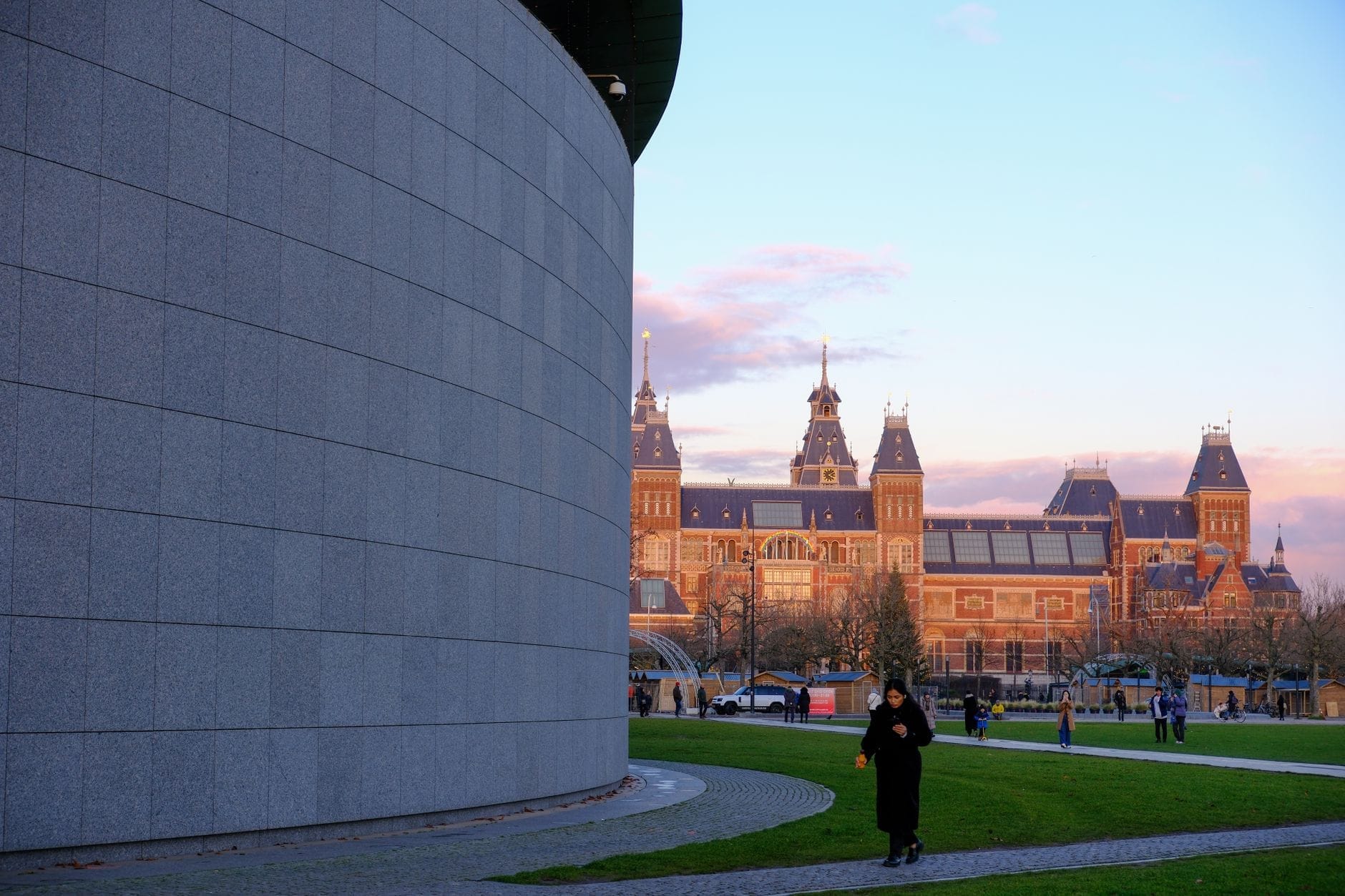
Day two belongs to Amsterdam's two greatest museums, both located on or just off Museumplein in the Oud-Zuid district. Book your Rijksmuseum and Van Gogh Museum slots back to back: one in the morning, one after lunch. The museums are a five-minute walk apart, so switching between them is simple. Most visitors need two hours minimum for each; art-focused travelers often spend three or more in the Rijksmuseum alone.
The Rijksmuseum houses Rembrandt's Night Watch, Vermeer's The Milkmaid, and one of the world's finest collections of Dutch Golden Age painting. The building itself is extraordinary. Come with a plan: the collection is vast, and aimless wandering often leads to exhaustion before the highlights. Download the museum's app or pick up the floor plan at the entrance and prioritize the Gallery of Honour on the second floor.
The Van Gogh Museum holds the largest collection of Van Gogh's work in the world, organized chronologically so you follow his development from the dark Dutch period through the sunlit Arles years. It's smaller than the Rijksmuseum, more focused, and typically more emotionally engaging for first-time visitors. One caveat: the dynamic pricing model means booking later costs more. Lock in your ticket as early as possible.
After the museums, the open lawn of Museumplein is a good decompression stop in fair weather. Then walk or tram into De Pijp for the evening. Amsterdam's most diverse inner-city neighborhood has the Albert Cuyp Market running through its center (typically open Monday to Saturday until 17:00), and a strong restaurant scene along Ferdinand Bolstraat and Gerard Doustraat. If you want a Dutch craft beer in an atmospheric setting, the Brouwerij 't IJ in a converted windmill in Oost is worth the tram ride — it's one of the better craft breweries in the city.
Day 3: Canal Cruise, Amsterdam Noord, and the Old Center
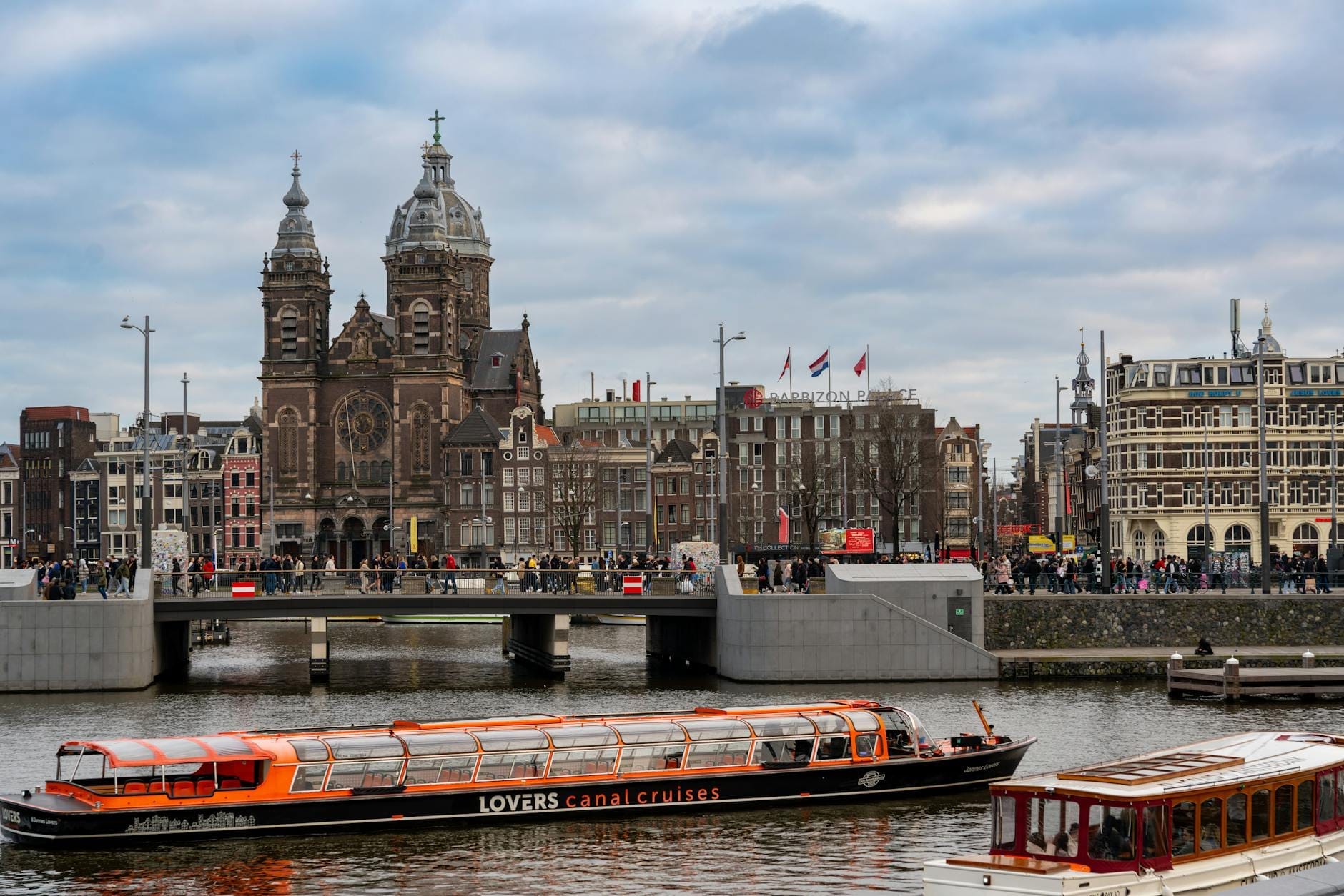
Start day three on the water. A standard one-hour canal cruise gives you a completely different perspective on the city: the canal houses look different from water level, you pass under dozens of bridges, and guides provide historical context that puts the Canal Ring's 17th-century engineering in focus. Central departure points near Centraal Station and Damrak run boats throughout the day. If you're using the I amsterdam City Card, a standard cruise is included. For a more relaxed experience, consider an evening cruise when the light is better and the crowds thinner.
After the cruise, take the free ferry from behind Centraal Station across the IJ to Amsterdam Noord. The crossing takes five minutes and costs nothing. Noord has a different texture from the city center: industrial waterfront repurposed into creative spaces, street art, the EYE Filmmuseum with its dramatic angular architecture, and the NDSM Wharf further west where old shipyard buildings now house studios and event spaces. It's a good contrast to the historic center and worth two to three hours.
Return to the center for the afternoon and use the remaining time to fill any gaps. Dam Square, the Royal Palace, and the Nieuwe Kerk are all free to walk around externally and form the civic heart of the old city. If you haven't yet wandered Nieuwmarkt and the streets around the Oude Kerk, this is your chance. The area gets unfairly reduced to its red-light district reputation, but the architecture here is among the oldest in Amsterdam, and the Oude Kerk itself dates to the 14th century.
✨ Pro tip
If you're visiting in late April, King's Day (Koningsdag) on April 27 transforms the entire city into an outdoor street festival. The canals fill with boats, orange clothing is everywhere, and the atmosphere is unlike any other day in Amsterdam. It's one of the best single-day events in Europe. That said, accommodation prices surge, the city is extremely crowded, and most museums are closed or operate reduced hours. Plan accordingly.
What to Skip (and What's Overrated)
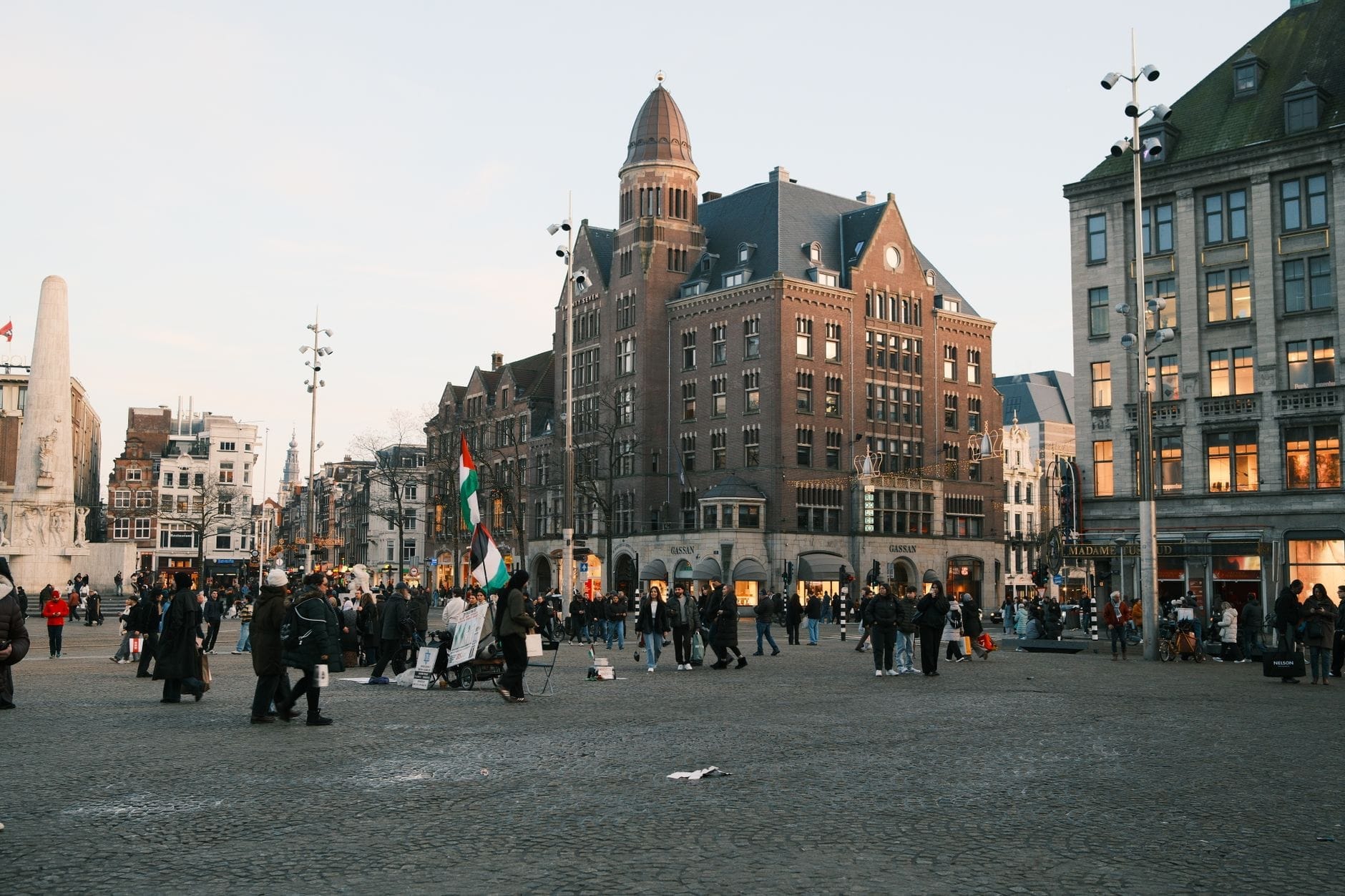
With only three days, prioritization matters. A few popular options don't earn their time cost. Madame Tussauds on Dam Square is expensive relative to what it offers and appeals to a narrow audience. The Heineken Experience at the old brewery on Stadhouderskade is a polished marketing tour — fun for beer brand enthusiasts, but not essential when you have the Rijksmuseum and Anne Frank House competing for the same hours. The Amsterdam Cheese Museum on Prinsengracht is essentially a retail shop with a tasting counter, not a museum in any meaningful sense.
- Skip Madame Tussauds unless you're traveling with young children who specifically want it.
- The Bloemenmarkt is worth a brief walk-through, but don't go expecting a flower market spectacle — it's mostly bulb and souvenir vendors now.
- Canal bikes (pedal boats) are slower and more tiring than they look. A cruise is a better use of 60 minutes on the water.
- Avoid restaurants directly on the main tourist drags (Leidseplein, Rembrandtplein, Damrak) — quality drops and prices rise significantly compared to the same food two streets away.
- Vondelpark is pleasant but better suited to a longer trip; with three days, your time is more valuably spent on museums and neighborhoods with more cultural density.
Practical Details for Three Days in Amsterdam
Amsterdam is very walkable for short distances, but the tram network fills in the gaps efficiently. Most of the itinerary above can be covered on foot or by tram lines such as 1, 2, 5, and 12. If you plan to take more than three or four tram rides per day, a multi-day GVB pass pays for itself quickly. For a full breakdown of all transport options, see getting around Amsterdam.
English is spoken almost universally in Amsterdam's tourist infrastructure, hotels, restaurants, and shops. The official language is Dutch, but you're unlikely to need it for daily interaction. Tap water is safe to drink everywhere in the Netherlands, so bring a refillable bottle. Tipping is optional — rounding up or leaving small change is appreciated in restaurants and cafes, but not obligatory. The emergency number across the Netherlands is 112.
If three days leaves you wanting more, Amsterdam is an excellent base for day trips. Zaanse Schans (windmills and traditional Dutch houses) and Haarlem (historic city, excellent Frans Hals Museum) are both under 30 minutes by train. Keukenhof in spring is a 40-minute bus ride from Schiphol. For a full overview of what's reachable, day trips from Amsterdam covers the best options with journey times and logistics.
FAQ
Is 3 days enough for Amsterdam?
Yes — three days is a solid amount of time to cover the Rijksmuseum, Van Gogh Museum, Anne Frank House, a canal cruise, and at least two neighborhoods like the Jordaan and De Pijp. You won't see everything, but you'll get a genuine experience of the city rather than a rushed highlight reel, especially if you pre-book timed entry for the major museums.
What is the best way to get around Amsterdam in 3 days?
A combination of walking and GVB trams covers the vast majority of a 3-day itinerary. The city center is compact enough to walk between many attractions, and trams fill in the longer stretches. A 3-day GVB pass costs around €21.50. Cycling is also popular, but renting a bike adds complexity if you're not already confident navigating Dutch traffic.
How far in advance should I book Anne Frank House tickets?
As far in advance as possible, ideally the moment you fix your travel dates. Tickets release 6 weeks before each date and sell out quickly in spring and summer. A limited number of same-day tickets are also released each morning online, but these disappear within minutes during peak season. No tickets are sold at the door.
Is the I amsterdam City Card worth it for 3 days?
It depends on your plans. The 72-hour card (around €115) includes the Rijksmuseum, Stedelijk Museum, a canal cruise, and unlimited GVB transport. It does not include the Anne Frank House or the Van Gogh Museum. If your itinerary is heavy on museums and you'll use public transport daily, the math often works. If you plan more neighborhood walking and fewer paid attractions, individual tickets may be cheaper overall.
What is the best time of year to spend 3 days in Amsterdam?
April to September offers the mildest weather and longest daylight hours, making it easiest to pack in a full itinerary. Late April (tulip season plus King's Day on April 27) is popular but very crowded. May and June offer good weather with slightly fewer crowds than July and August. Winter visits are quieter and cheaper, but shorter days limit outdoor time, and some canal cruises have limited schedules.
Tickets & tours
Live prices and dates from our booking partner. If you book, we may earn a commission at no extra cost to you.
Planning a trip? Discover personalized activities with the Nomado app.