Eye Filmmuseum: Amsterdam's Cinema Landmark on the IJ Waterfront
Eye Filmmuseum is the Netherlands' national film institute and cinema museum, housed in a striking angular building on the north bank of the River IJ. Reachable by a free three-minute ferry from Amsterdam Centraal, it combines rotating exhibitions, four cinema screens, a waterfront restaurant, and free public spaces into one of the most architecturally distinctive buildings in the city.
Quick Facts
- Location
- IJpromenade 1, Amsterdam-Noord — north bank of the River IJ, directly opposite Amsterdam Centraal
- Getting There
- Free GVB ferry (F3 or equivalent) from the rear of Amsterdam Centraal Station; crossing takes under 3 minutes. Eye is a short walk from the landing pontoon.
- Time Needed
- 1–2 hours for exhibitions; add 2+ hours if catching a film screening
- Cost
- Public areas and ground floor free to enter. Exhibition tickets payable at the door; I amsterdam City Card holders receive free museum entry but pay a €5 exhibition surcharge. Check eyefilm.nl for current prices.
- Best for
- Film enthusiasts, architecture lovers, families, and anyone wanting a quick, rewarding trip to Amsterdam-Noord
- Official website
- www.eyefilm.nl/en
What Eye Filmmuseum Actually Is
Eye Filmmuseum is the Netherlands' national film institute: the custodian of more than 60,000 film titles and millions of related documents, posters, photographs, and objects. The current building, which opened in early April 2012, gave the institution a public face it had previously lacked. Before moving here, the collection was scattered across various sites with limited visitor access. Today the museum functions simultaneously as archive, cinematheque, exhibition space, and social venue.
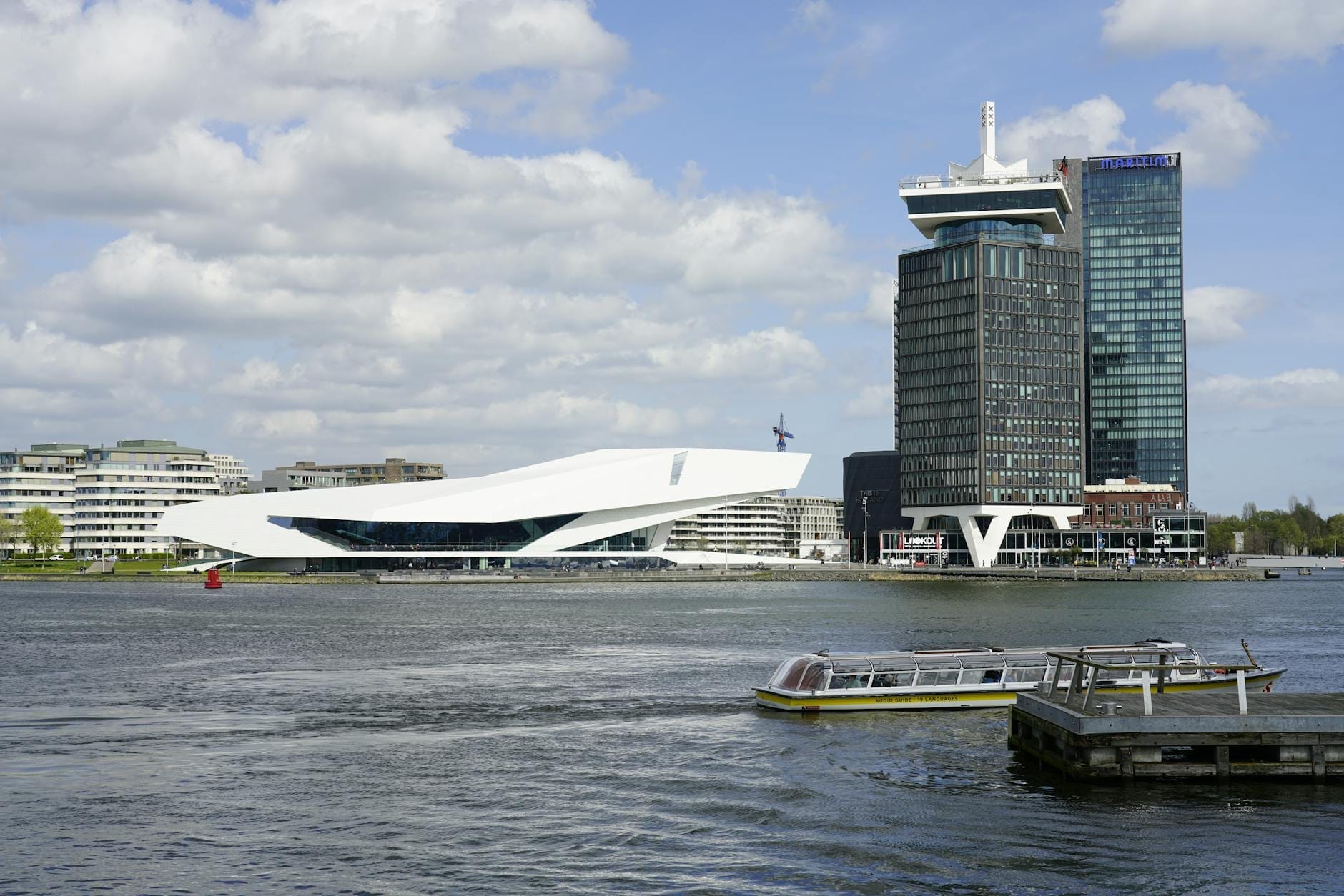
The building was designed by Vienna-based Delugan Meissl Associated Architects (DMAA) and covers approximately 5,000 square metres of usable floor area within a gross structure of around 9,700 square metres. It contains four cinema screens (with capacities ranging from several dozen seats up to 315) and around 1,200 square metres of dedicated exhibition space. The architecture itself is part of the experience: white, angular, and cantilevered over the IJ waterfront, it reads as deliberately cinematic, like a freeze-frame from a science-fiction film.
ℹ️ Good to know
The ground floor of Eye is freely accessible without a ticket. You can walk in, use the bar-restaurant, browse the film shop, and watch archival footage on free viewing screens without paying anything. Save your entry budget for the exhibitions or a film screening.
The Architecture: Why the Building Itself Rewards Attention
Most museum buildings in Amsterdam are housed in canal-side townhouses or 19th-century civic structures. Eye is deliberately, almost defiantly, different. DMAA's design positions the building as a sharp white wedge emerging from the IJ waterfront, its overhanging roofline casting deep shadow over the entrance plaza. The roof does not follow a conventional slope; it fractures into multiple angular planes, each tilted at a slightly different pitch, which means the silhouette changes as you walk around the building.
From the free ferry, the first view of Eye arrives quickly and at water level, framed by the IJ and backed by the sky. On overcast days — common in Amsterdam — the white cladding glows against low grey cloud. In direct evening sunlight, the same surfaces turn a warm amber. Photographers should consider timing the ferry crossing for the hour before sunset when the light is low and directional.
The building fits naturally into the wider transformation of Amsterdam-Noord, a district that has shifted from post-industrial vacancy to a destination in its own right. The NDSM Wharf further west along the north bank continues that story, but Eye's position directly opposite Centraal Station makes it the most immediately accessible piece of the puzzle.
Tickets & tours
Live prices and dates from our booking partner. If you book, we may earn a commission at no extra cost to you.
Gray Line Canal Cruise with snackbox & Heineken Experience
From 48 €Instant confirmationFree cancellationAmsterdam evening canal cruise
From 18 €Instant confirmationFree cancellationJewish Museum and Portuguese Synagogue entrance ticket
From 20 €Instant confirmationFree cancellationAdmission ticket for Artis Royal Zoo and Micropia
From 39 €Instant confirmationFree cancellation
Exhibitions: What You'll Find Inside
Eye runs rotating exhibitions on film history, cinema culture, and moving-image art. Past programmes have included deep-dives into specific directors, examinations of special-effects history, and contemporary video art installations. The 1,200-square-metre exhibition floor is enough to host immersive environments, not just wall-mounted panels, so larger shows can be genuinely spatial experiences.
The permanent collection is not on permanent display in the conventional museum sense. Instead, Eye integrates archival material into each temporary programme, which means the content changes significantly between visits. The free viewing tables in the basement let visitors browse digitised archival films by era and genre: silent-era Dutch cinema, wartime newsreels, experimental shorts. This area alone can occupy 30 to 45 minutes for someone with genuine curiosity about film history.
Exhibition opening hours run from 10:00 to 19:00 daily. The museum building is open from 09:30 until 01:00, with the bar and cinemas operating throughout this period; film screenings typically run until roughly 21:30 to 22:00.
💡 Local tip
Check the current exhibition before visiting. Eye's shows vary enormously in subject matter. If the current programme does not interest you, the free basement film archive and the building's architecture still justify the ferry crossing.
The Cinemas: Screenings and Programme Culture
Eye's four cinema screens run a curated programme that leans toward repertory cinema, retrospectives, and international art-house releases rather than mainstream commercial titles. The largest auditorium seats 315 and handles theatrical premieres, Q&A events, and festival screenings. The smaller rooms are used for archival prints, silent films with live musical accompaniment, and experimental works.
If you have any interest in cinema beyond the multiplex mainstream, the Eye programme is worth checking even before you book your trip to Amsterdam. The museum regularly screens restored prints that are otherwise unavailable in the Netherlands. Silent film screenings with live piano or organ accompaniment happen several times a month and are a particularly distinctive experience: the combination of the museum's modern acoustics and the age of the material creates something genuinely unusual.
Ticket prices and screening schedules are listed on the official website. Booking in advance is advisable for popular retrospectives and weekend evening screenings, particularly in the 315-seat main auditorium, which can sell out.
Getting There: The Ferry Is Part of the Experience
Eye is in Amsterdam-Noord, on the north bank of the IJ, at IJpromenade 1. The standard route is the free GVB ferry from the rear (north side) of Amsterdam Centraal Station. The crossing takes under three minutes. Ferries run frequently throughout the day and into the night, and the ride is free for pedestrians and cyclists. Follow signs for 'Buiksloterweg' or 'NDSM' from the rear of Centraal — multiple ferry routes depart from the same pontoon area, so check the destination board.
The short crossing itself offers a useful perspective on Amsterdam's waterfront that most visitors miss entirely. The IJ is wide and working: ferries, tourist boats, and occasional cargo vessels share the water. Standing on the open deck of the GVB ferry for three minutes, with the skyline of Amsterdam Centraal behind you and the angular white form of Eye growing ahead, is a better introduction to the city's relationship with water than most guided tours provide.
If you are planning a broader day in Amsterdam-Noord, Eye pairs naturally with a visit to NDSM Wharf (a 10-minute ferry ride further west) or with exploring the neighbourhood's café and food scene around Buiksloterweg. See our Amsterdam hidden gems guide for more Noord recommendations.
💡 Local tip
The free ferry from Centraal runs day and night. If you are catching a late film screening, you will not be stranded. The last ferries operate well past midnight.
When to Visit and What to Expect at Different Times
Weekday mornings between 10:00 and 12:00 are the quietest time in the exhibition spaces. The building opens to the public from 09:30, and the restaurant terrace begins filling up around 11:00 on fine days. By midday on weekends, the ground floor can be busy with locals using the café and families arriving for screenings, but the exhibition floors remain relatively uncrowded by Amsterdam museum standards.
The terrace facing the IJ is one of the better waterfront spots in Amsterdam, particularly in warmer months. It faces south and gets afternoon sun. On a clear afternoon in spring or early summer, it is a genuinely good place to sit, and its position directly on the water means the view extends across the full width of the IJ to the city skyline. This is worth factoring into your visit even if you are not planning to attend a screening or pay for the exhibition.
In winter, the outdoor terrace loses its appeal, but the interior restaurant takes on a different character: warm, well-lit, and quieter than most central Amsterdam venues. The building's insulation against wind and rain makes it a practical refuge as well as a cultural destination. Amsterdam winters are wet and cool, with temperatures regularly near or below 5°C, so having an indoor destination with free entry and a functioning café is useful for any itinerary built around outdoor sightseeing.
Eye is a year-round destination, though the experience shifts across seasons. For broader timing advice, see our guide on the best time to visit Amsterdam.
Practical Details and Accessibility
Exhibition hours: 10:00 to 19:00 daily. The building itself (bar, restaurant, shop, free viewing area) is open from 09:30 until 01:00. Film screenings begin from 10:00 and run until roughly 21:30 to 22:00. These hours are subject to change; verify on the official website before visiting, particularly around public holidays.
I amsterdam City Card holders receive free access to the museum, but exhibitions require an additional €5 surcharge. If you hold the City Card and are planning to visit multiple museums, factor this into your cost calculations. Standard ticket prices for exhibitions are listed on the official Eye website; they vary depending on the exhibition.
The I amsterdam City Card covers entry to dozens of Amsterdam attractions. If you are visiting for more than one full day, it may represent good value overall. Our Amsterdam City Card guide breaks down whether it is worth buying based on your itinerary.
The building is step-free at ground level, with the ferry landing also accessible without stairs. For specific accessibility details including lift access to upper floors and cinema wheelchair spaces, check the visit information section of eyefilm.nl directly, as the museum provides detailed information for visitors with specific requirements.
⚠️ What to skip
The free ferry from the rear of Amsterdam Centraal serves multiple destinations on the north bank. Confirm you are boarding the ferry serving Buiksloterweg or the stop closest to Eye, not the NDSM ferry, which goes further west and requires a longer walk.
Photography, the Shop, and the Restaurant
The building's exterior is one of the more photogenic modern structures in Amsterdam. The best exterior shots are taken from the water or from the ferry approach, where the full asymmetric profile is visible. From the terrace at water level, the perspective looking back across the IJ toward Amsterdam Centraal is also strong, particularly with ferry wakes and the station's towers in the background.
Inside, photography policies vary by exhibition. The free basement viewing area generally permits photography. The film shop stocks a well-curated selection of cinema books, posters, and merchandise that skews toward film history and European art cinema. It is one of the better specialist film bookshops in the city and worth browsing even if you do not intend to buy.
The restaurant and bar operates across a significant portion of the day and evening. Food quality is considered solid for a museum restaurant, with a menu that changes seasonally. Coffee and light food are available from opening. Given its waterfront terrace and late closing time, it functions as both a pre-film dinner option and a standalone evening destination for locals in Noord.
Insider Tips
- The free basement film archive is easily overlooked by first-time visitors who head straight to the paid exhibition. Set aside 20 to 30 minutes to browse the viewing tables: the selection of digitised Dutch and international archival footage is genuinely absorbing, and it costs nothing.
- Silent film screenings with live musical accompaniment happen multiple times a month and sell out faster than regular programme screenings. If you see one scheduled during your visit dates, book it immediately on the Eye website.
- The waterfront terrace faces south and gets direct afternoon sun. On any day with reasonable weather between March and October, arriving for a coffee at around 14:00 and sitting outside for 30 minutes before entering the exhibition is a good way to structure the visit.
- If you are visiting Amsterdam-Noord more broadly, the Buiksloterweg ferry stop (closest to Eye) and the NDSM ferry stop are served by different ferries from the same Centraal pontoon area. Plan your return journey before you leave, especially if you intend to cross to NDSM Wharf later in the day.
- Eye's programme includes regular themed retrospectives — a director's complete works, a national cinema survey, a specific decade — that are usually announced 4 to 6 weeks in advance on the website. If you are a serious film viewer, checking the programme schedule before finalising your Amsterdam travel dates can be worthwhile.
Who Is Eye Filmmuseum For?
- Film enthusiasts looking for repertory cinema, archival screenings, or art-house programming beyond the commercial mainstream
- Architecture and design travellers who want to see contemporary Dutch building culture outside the historic centre
- Visitors to Amsterdam-Noord who want a cultural anchor for a half-day across the IJ
- Families with older children interested in interactive film history exhibits
- Travellers seeking a free, covered space with waterfront views and a good café on a rainy afternoon
Nearby Attractions
Other things to see while in Amsterdam-Noord:
- A'DAM Lookout
Perched atop the 22-storey A'DAM Tower in Amsterdam Noord, A'DAM Lookout delivers a sweeping panorama across the IJ waterfront and city centre. Whether you're riding the Over The Edge swing or simply scanning the rooftops with a coffee, it's one of the most distinctive viewpoints in the Netherlands.
- IJ-Hallen Flea Market
Held once a month at the former NDSM shipyard in Amsterdam-Noord, IJ-Hallen packs around 750 stands across two massive industrial halls and outdoor grounds. It is one of the few Amsterdam experiences that rewards an early alarm clock and a large tote bag in equal measure.
- NDSM Wharf
NDSM Wharf (NDSM-Werf) is a former shipyard site of more than ten football pitches in size on the north bank of the IJ that now functions as Amsterdam's most raw and expansive creative space. Free to enter, open around the clock, and reachable by a free ferry from Centraal, it rewards visitors who want something far removed from canal-side tourism.
- STRAAT Museum
Housed in an 8,000 m² former shipyard hall on the NDSM wharf, STRAAT Museum brings together more than 180 large-scale artworks by over 170 international street artists. It is one of the largest dedicated street art museums in the world, reached by a free ferry from Amsterdam Centraal.
Planning a trip? Discover personalized activities with the Nomado app.