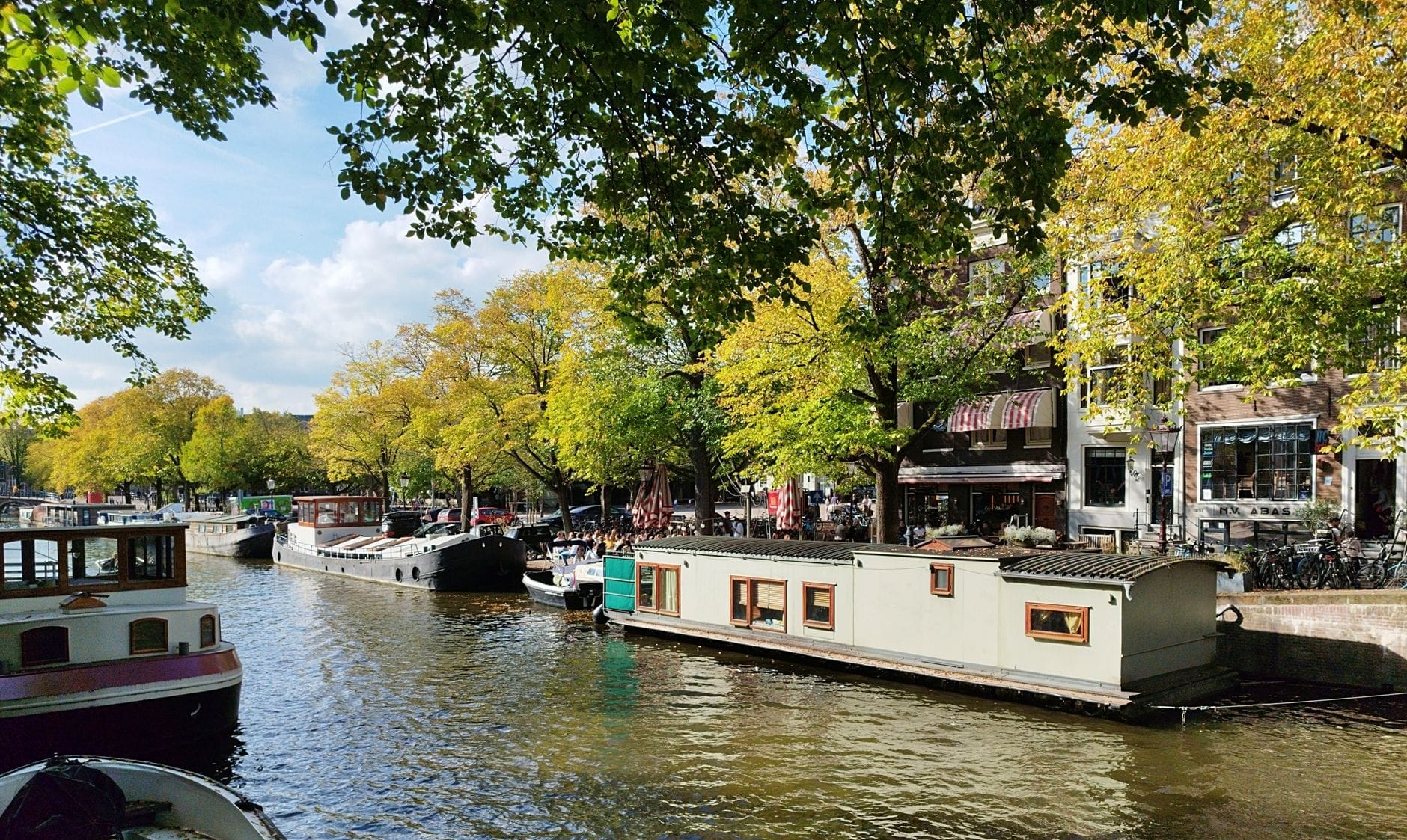
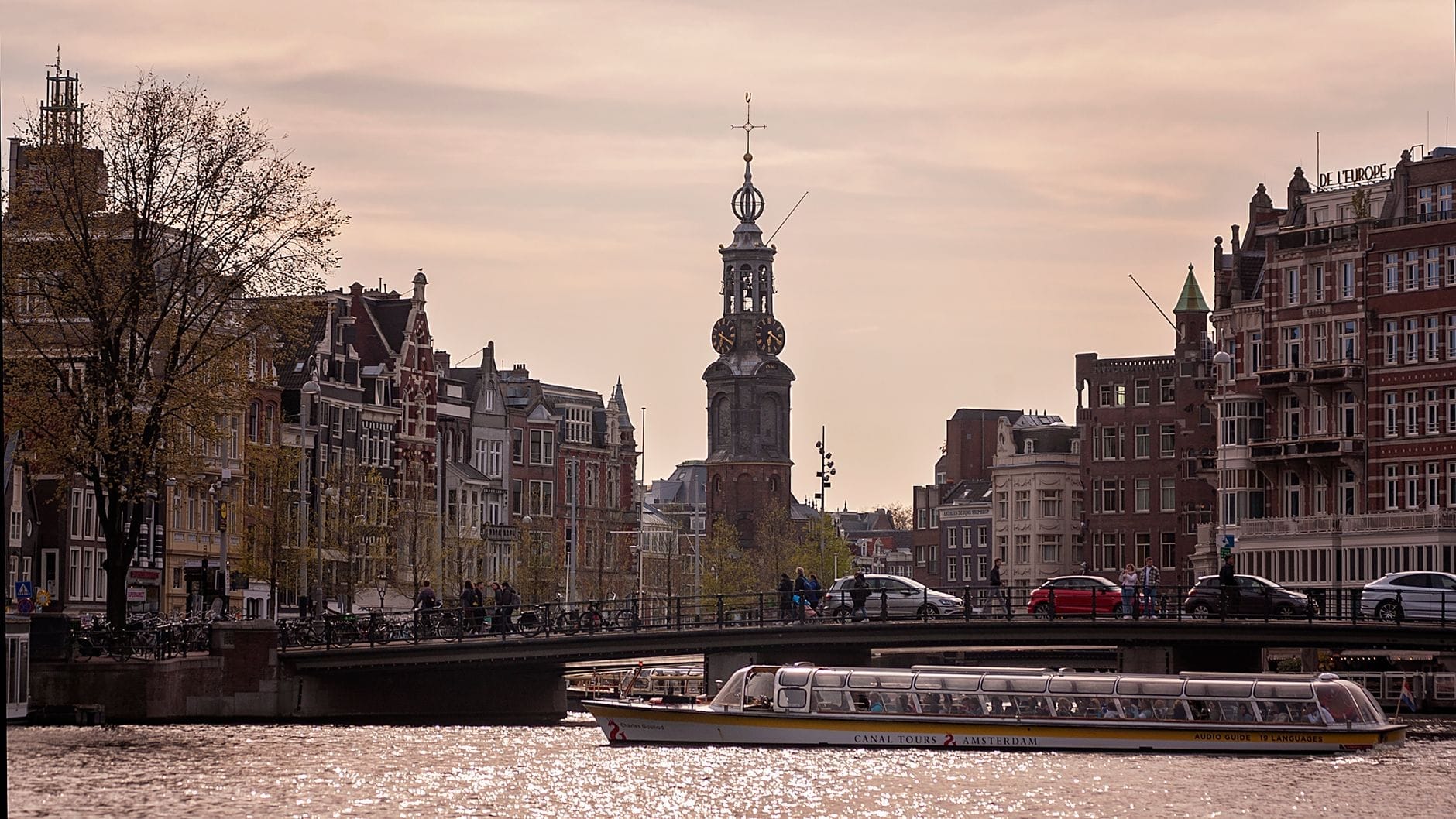
The Canal Ring, or Grachtengordel, is Amsterdam's UNESCO-listed historic core: a precisely engineered arc of waterways lined with Golden Age merchant houses, world-class museums, and some of the city's most atmospheric streets. It is where Amsterdam's identity was formed and where it remains most legible today.
The Canal Ring is Amsterdam's defining district, a UNESCO World Heritage Site built in the 17th century as one of history's most ambitious urban planning projects. Three main concentric canals, Herengracht, Keizersgracht, and Prinsengracht, curve in near-perfect arcs to the west and south of the medieval old town, with the Singel forming the older inner moat-like canal, their banks lined with around 3,500 national monuments ranging from narrow merchant houses with ornate stepped gables to grand patrician mansions. Nowhere else in Amsterdam, and arguably nowhere else in Europe, does a city's Golden Age feel this intact, this inhabited, and this walkable.
Orientation
The Grachtengordel sits as a planned extension to the west and south of Amsterdam's medieval centre. Its inner edge is the Singel canal, and it expands outward through Herengracht, Keizersgracht, and Prinsengracht before reaching the outer boundary of the Singelgracht, the broad waterway that once served as the city's defensive perimeter. The whole belt is roughly 2 kilometres from north to south and a little over 2 kilometres from east to west at its widest point, making it a large but walkable district.
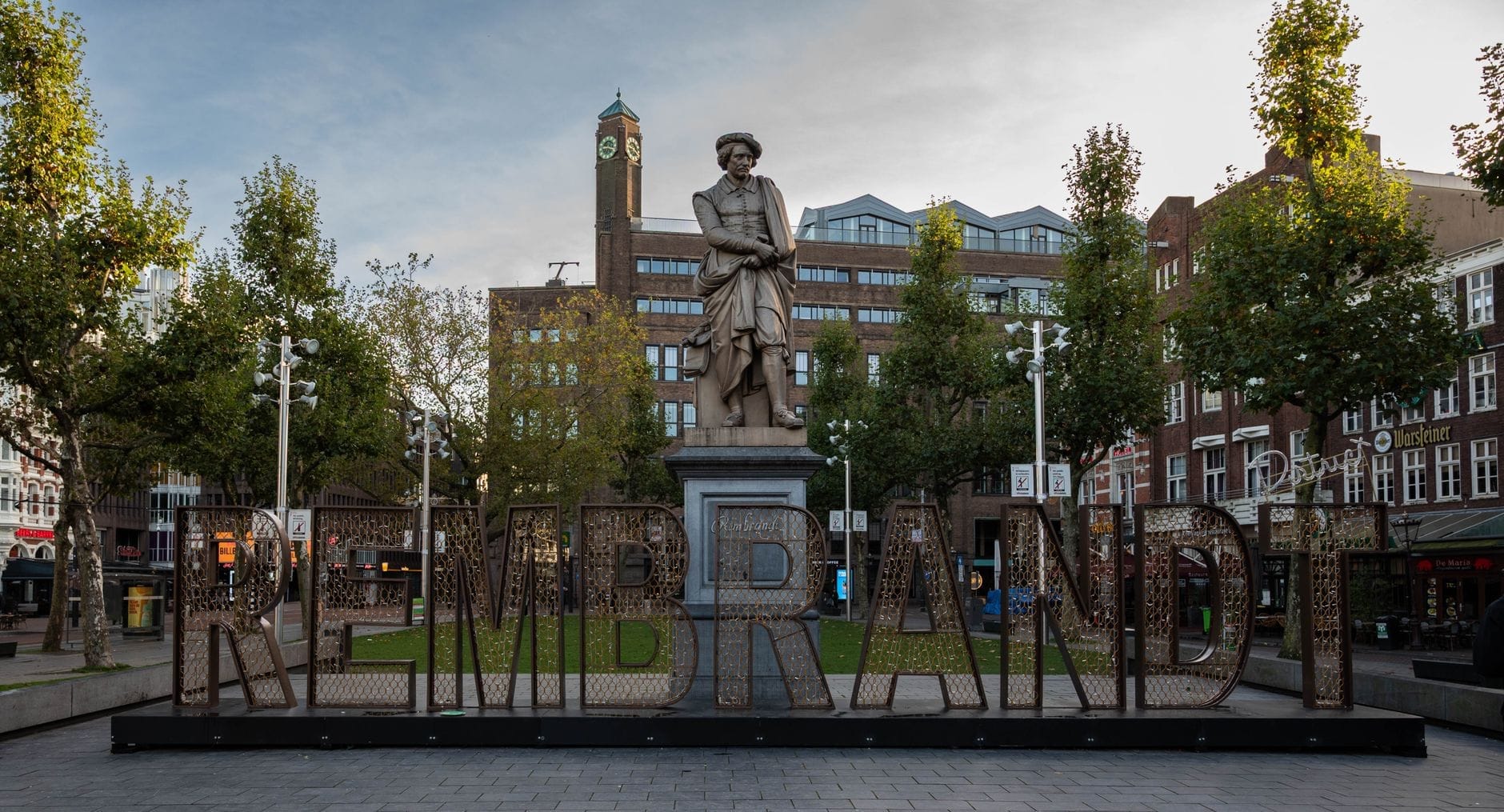
Amsterdam Centraal station sits just north of the canal ring's northern tip. Walk south from the station and within five minutes you cross the Singel and enter the ring. To the west, the Canal Ring shares a porous border with the Jordaan, a quieter residential neighbourhood that grew up alongside it. To the south, it gives way to the Museumplein area and Oud-Zuid. To the east, the ring merges back into the Centrum around Rembrandtplein and the Amstel river.
Because the ring covers such a wide area, it helps to think of it in sub-zones. The western section, roughly between Brouwersgracht in the north and Leidsegracht in the south, is the most architecturally consistent and the quietest. The southern arc, curving from Leidseplein around to Rembrandtplein, is denser with bars and restaurants. The area around De Negen Straatjes, the Nine Streets grid that cuts perpendicular across the western canals, functions almost as its own mini-district, packed with independent boutiques and brown cafés.
Character & Atmosphere
Early mornings in the Canal Ring are remarkably quiet for a capital city. By seven o'clock, the light is already doing something worth waking up for: low-angle sun catches the brick facades in warm orange tones and reflects off the water in long horizontal bands. Cyclists begin appearing on the canal-side streets, houseboats emit thin columns of woodsmoke in winter, and the only sound is tyres on cobblestones and the occasional canal boat motor starting up. It is one of the few times the city lets you feel like you are walking through a Vermeer rather than a theme park.
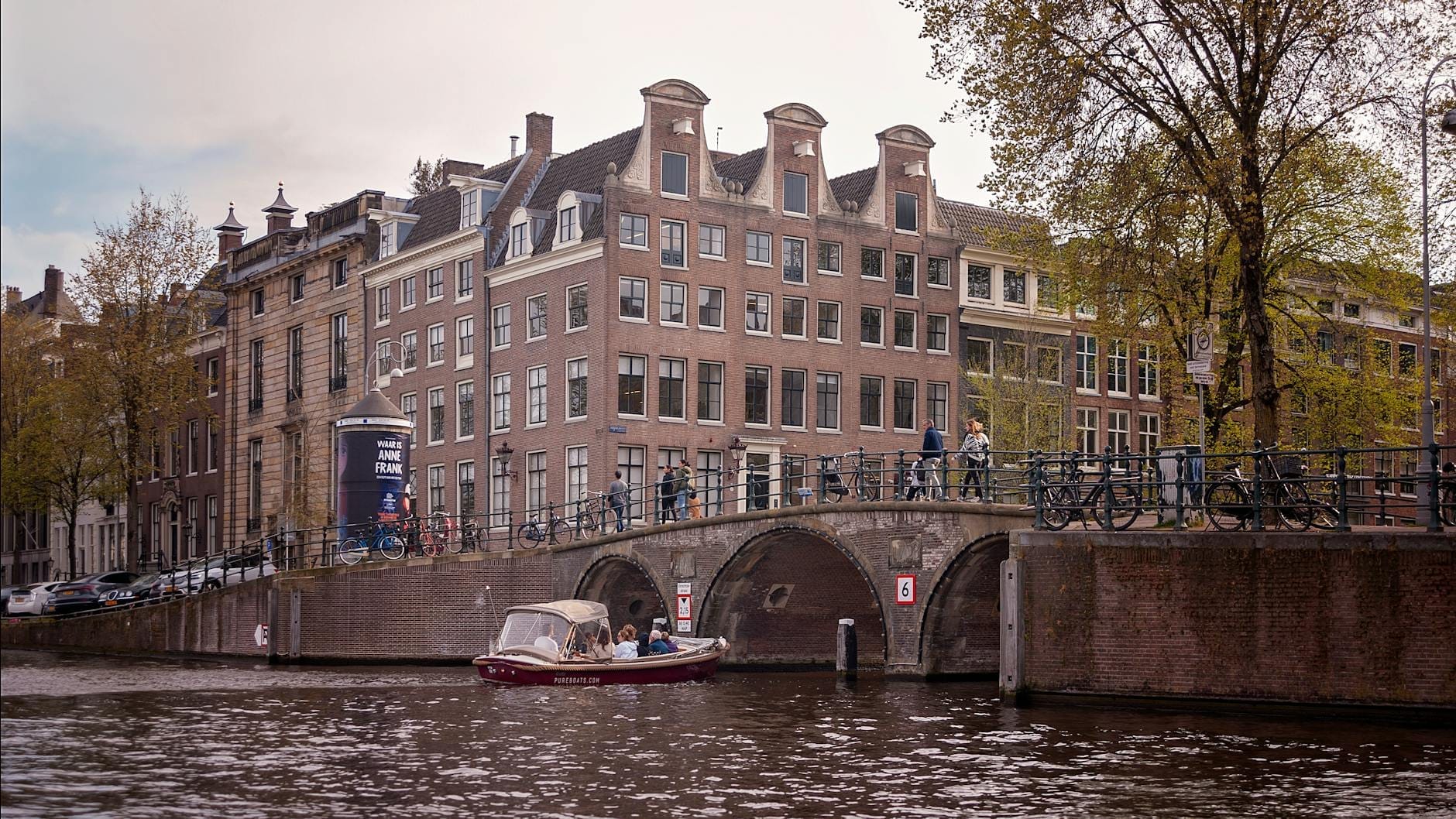
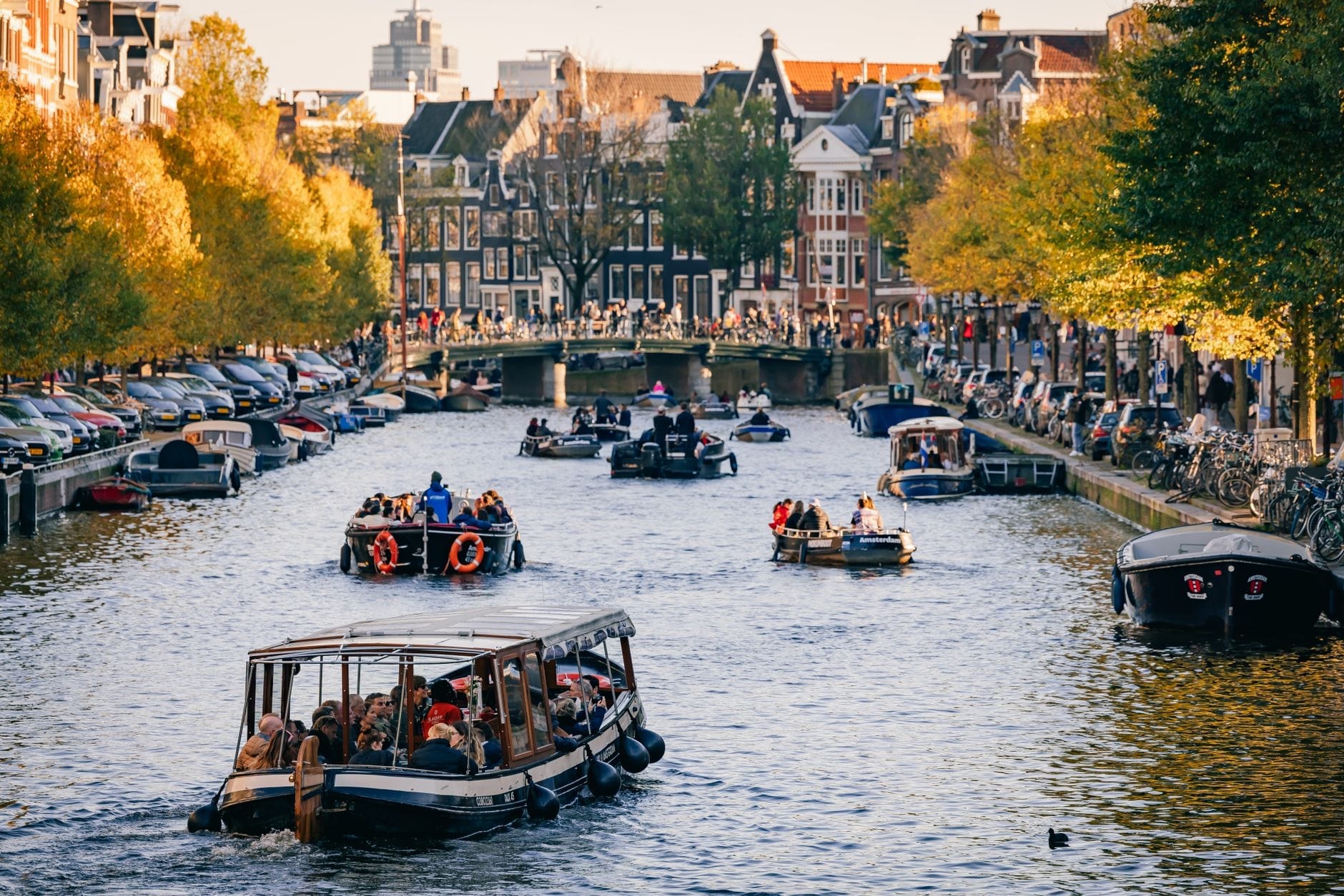
By mid-morning, the tourist rhythm kicks in, particularly along Prinsengracht near the Anne Frank House and around the Nine Streets. Canal cruise boats begin their circuits, tour groups cluster on the bridges, and the café terraces fill. The western canals, especially Keizersgracht and Herengracht north of Leidsegracht, retain more of a residential calm during the day: this is where Amsterdam's wealthier residents actually live, and the streets reflect that measured, unhurried quality.
Afternoons in summer bring the most photogenic light on the southern bends of Herengracht, particularly around the famous curve known as the Gouden Bocht, the Golden Bend, where the grandest double-wide mansions stand. By late afternoon, the canal-side benches are occupied by locals eating lunch from paper bags and tourists consulting their phones. The bridges become prime perches for watching boats navigate the narrow waterways below.
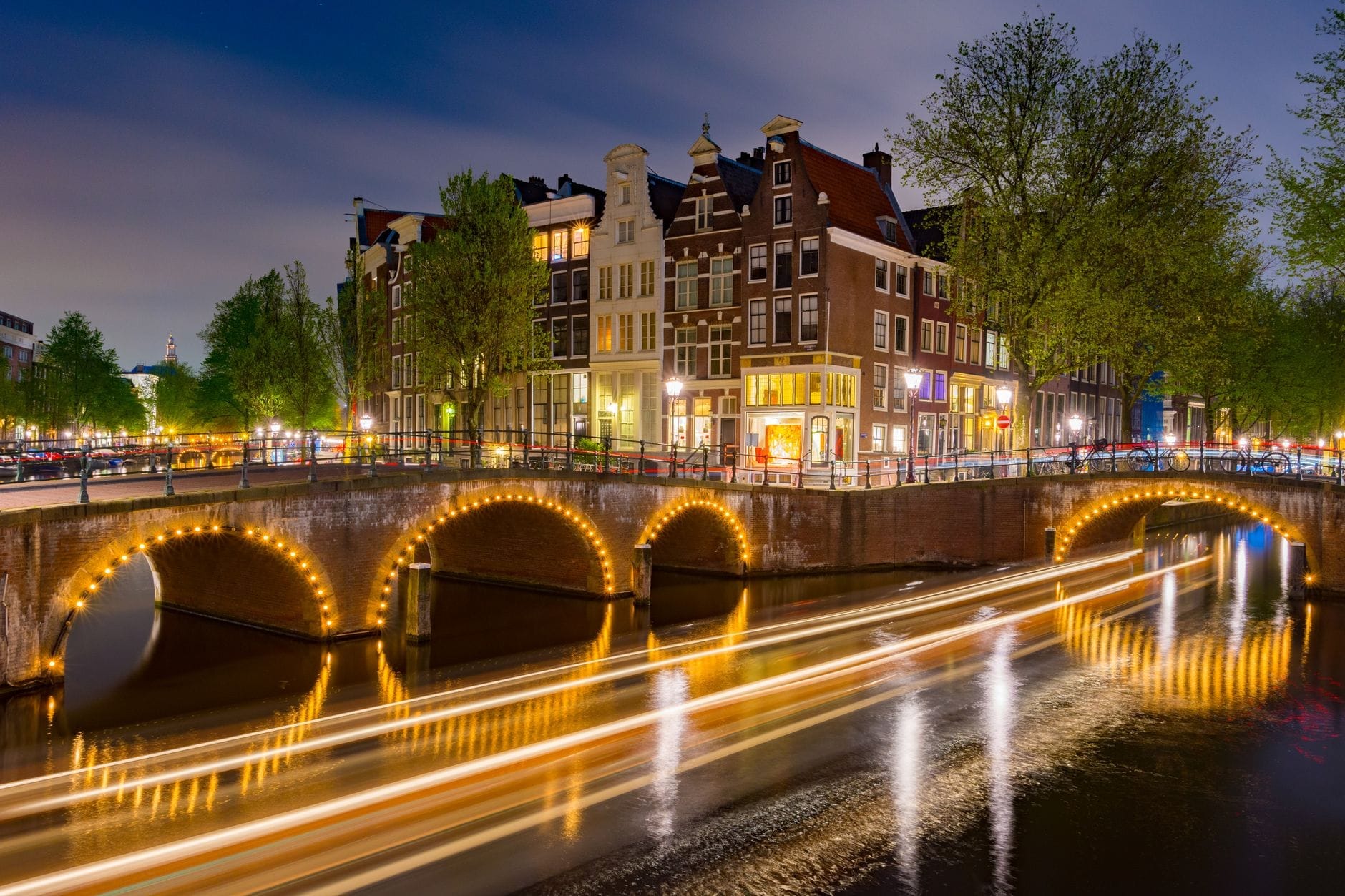
After dark, the Canal Ring transforms again. The canal houses light their interiors without drawing their curtains, a Dutch tradition that creates a warm amber glow across the water. The streets around Leidseplein and Rembrandtplein get loud and crowded on weekends; the narrower western canals stay quiet enough to hear your footsteps. Winter evenings, particularly during the Amsterdam Light Festival in late November through January, are when the canals look most theatrical, with light installations reflecting off still black water.
💡 Local tip
Walk or cycle the Herengracht on a weekday morning before 9am. The tourist boats haven't started yet, the light is at its best, and you'll share the street with almost no one. This is also the best time to photograph the Gouden Bocht without crowds.
What to See & Do
The single most visited attraction in the Canal Ring, and arguably in all of Amsterdam, is the Anne Frank House on Prinsengracht 263. The former hiding place of Anne Frank and her family during the Nazi occupation is a profound and often emotionally overwhelming visit. Book tickets well in advance, months ahead during peak season, as timed-entry slots sell out fast. The queue outside without a ticket can stretch back hundreds of metres.
The canals themselves are the neighbourhood's primary attraction, and the most atmospheric way to experience them is from the water. Canal cruises in Amsterdam depart from multiple points along the ring, including near the Westerkerk and along the Singel. Ninety-minute loop tours cover the main canals and provide good orientation for first-time visitors. Renting a small self-drive boat or kayak is a quieter, more flexible alternative that lets you duck into smaller waterways the tour boats can't reach.
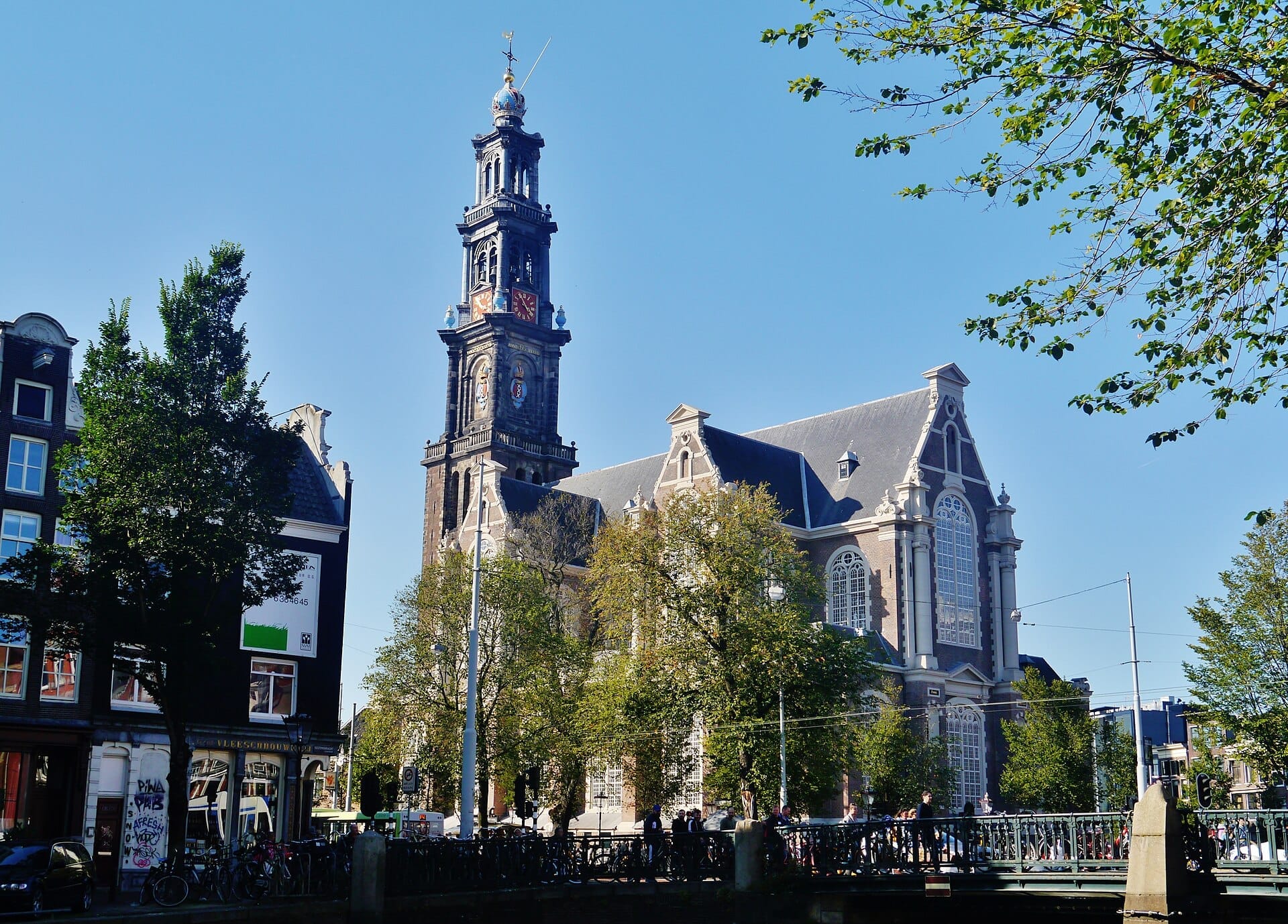
The Westerkerk on Prinsengracht is the Canal Ring's most prominent church, its roughly 85-metre tower one of the tallest in Amsterdam and visible from much of the western ring. The church was completed in 1631 and Rembrandt is believed to be buried somewhere within it, though the exact location is unknown. Climb the tower for the best overhead view of the canal geometry. Nearby, the Houseboat Museum on Prinsengracht gives an insight into a genuinely distinctive Amsterdam lifestyle: around 2,500 houseboats are moored in the city's canals.
The Willet-Holthuysen Museum on Herengracht is one of the few canal houses open to the public with largely original 19th-century interiors and furnishings still in place. It gives a rare sense of what life looked like for the merchant class who built this neighbourhood. Similarly, the Foam Photography Museum on Keizersgracht is one of Amsterdam's best smaller museums, housed in a canal house and consistently showing strong international and Dutch photography.
Walk the full length of Herengracht from Brouwersgracht to the Amstel for the widest range of gable styles and architectural periods
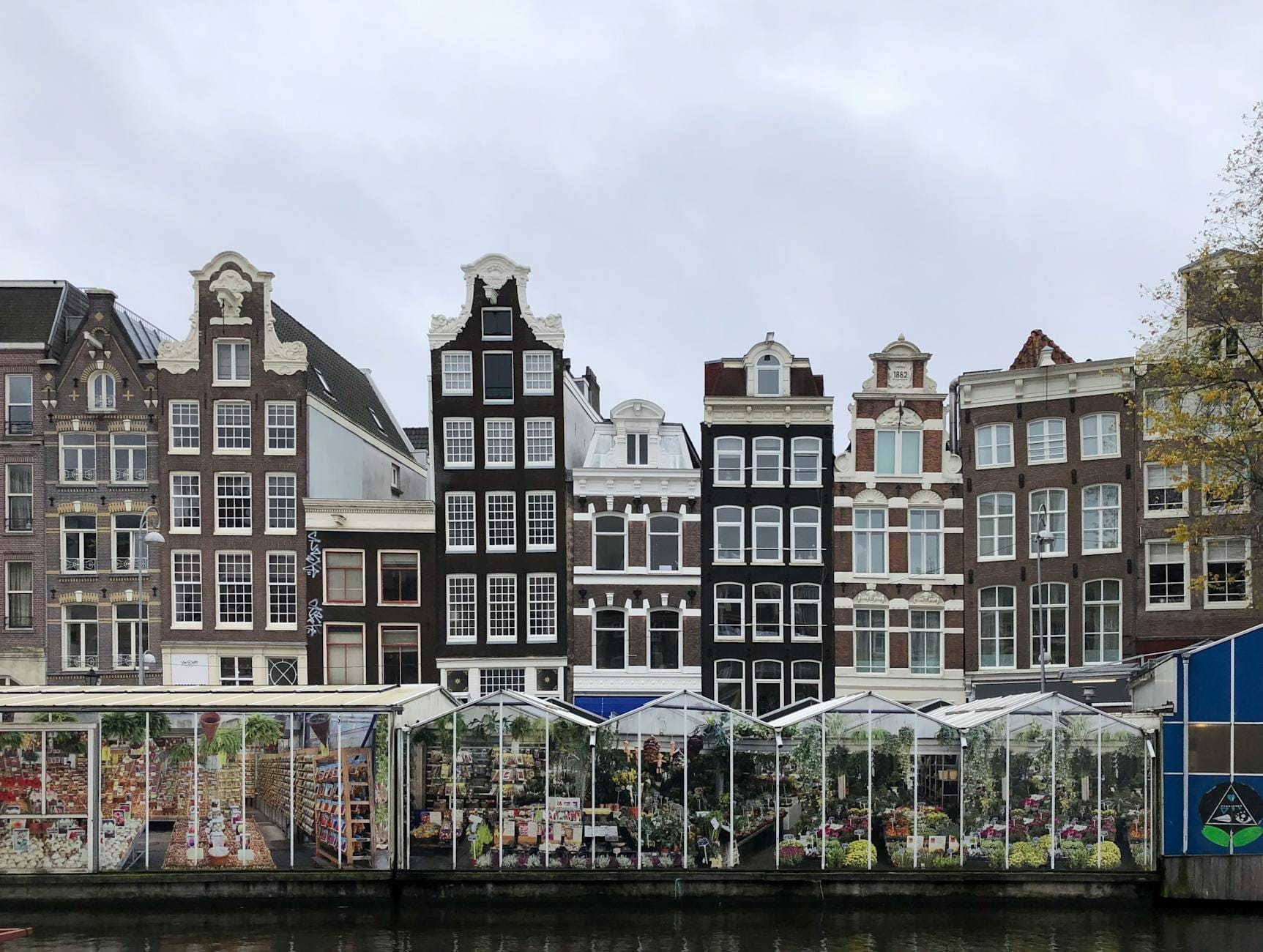
Visit the Bloemenmarkt on the Singel, a famous floating flower market, best early in the morning before the tour groups arrive
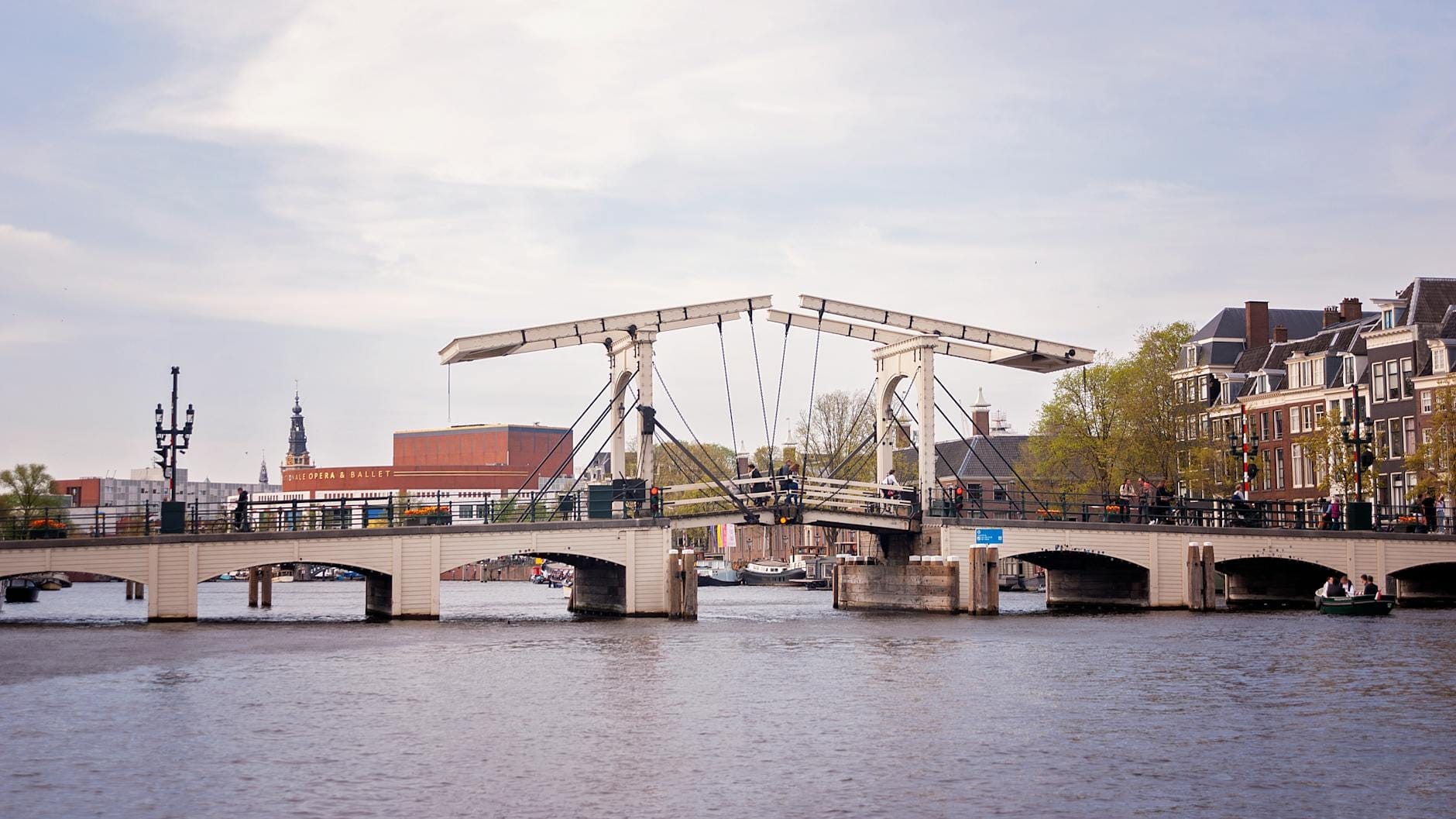
Cross the canal bridges at dusk for the best views of the canal reflections
Explore De Negen Straatjes for independent Dutch design, vintage, and concept stores
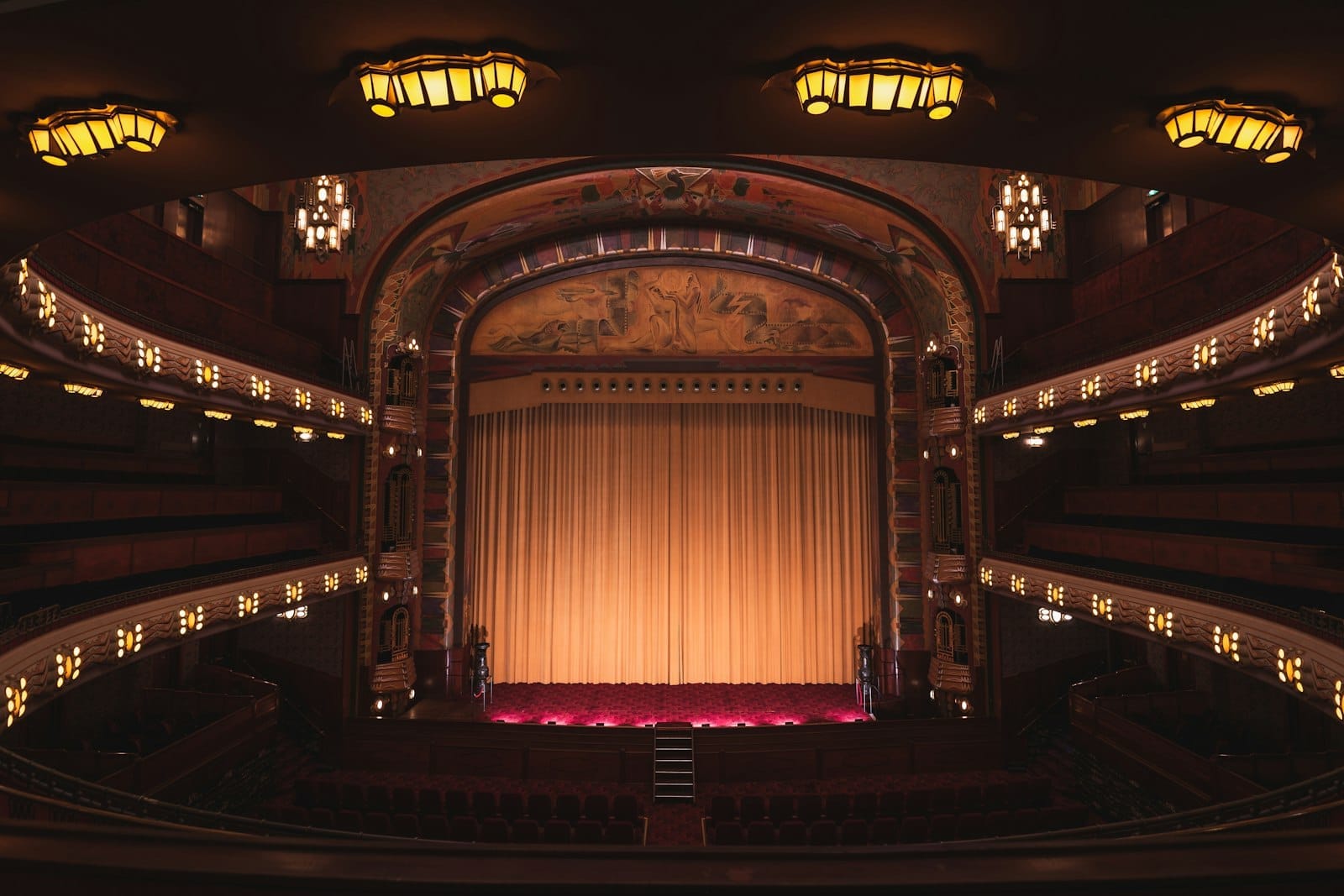
Attend a concert at the Westerkerk or one of the smaller canal-house concert venues for music in an acoustically remarkable setting
ℹ️ Good to know
The UNESCO inscription covers the 'Seventeenth-century canal ring area of Amsterdam inside the Singelgracht'. The site contains thousands of national monuments (rijksmonumenten) within its core zone, making it one of the densest concentrations of listed buildings anywhere in the world.
Eating & Drinking
The Canal Ring's food scene is uneven in a way that rewards the deliberate visitor and punishes the casual one. The stretches closest to major tourist attractions, particularly around the Anne Frank House on Prinsengracht and the central bridges on the main canals, are lined with cafés charging significantly above-average prices for average food. Walk one or two blocks away from these corridors and the quality improves immediately.
The Nine Streets area between Keizersgracht and Prinsengracht is the best part of the ring for independent cafés. This grid of cross-streets, Reestraat, Hartenstraat, Gasthuismolensteeg, and others, has a concentration of coffee-focused spots and small lunch places that serve a local clientele alongside tourists. For a broader food hall experience, Foodhallen is a short walk west into the Jordaan-adjacent area and worth the detour.
Brown cafés, the traditional Dutch bruine kroegen with their dark wood interiors, nicotine-stained ceilings, and long beer lists, are the Canal Ring's most characteristic drinking institution. Several examples on the quieter western canals have been operating for over a century. They serve Dutch beer on tap, jenever (Dutch gin) by the small glass, and usually a limited menu of bitterballen and other bar snacks. They open around noon and close around midnight on weekdays, later on weekends.
The area around Leidseplein, at the southern edge of the ring, has a higher density of bars and restaurants but skews heavily toward tourist-facing menus. Rembrandtplein, slightly to the east, is the same. For dinner with more local character, the streets between the main canals in the western ring, particularly around Keizersgracht and Leidsegracht, have a better ratio of neighbourhood restaurants to tourist traps. Indonesian food, a legacy of Dutch colonial history, is worth seeking out: several rijsttafel restaurants operate in the canal area and represent a genuinely distinctive Amsterdam dining tradition.
⚠️ What to skip
Canal-side terraces with prime views of the water almost always charge a premium for that real estate. A coffee with a Herengracht view can cost twice what the same coffee costs on a side street 50 metres away. Decide whether the view is worth the price before sitting down.
Getting There & Around
From Amsterdam Centraal station, the Canal Ring is a 10-15 minute walk south. The station is served by national rail (NS), regional trains, metro, tram, and ferry lines. For the airport connection, trains from Amsterdam Airport Schiphol run directly to Centraal in roughly 14-18 minutes. Full details on airport transfers are covered in the Amsterdam airport guide.
Within the Canal Ring, trams are the most practical public transit option. GVB trams 2, 11, and 12 (routes may change; verify current schedules with GVB) run along the main east-west axis through or just south of the ring, connecting Centraal or the western edge to Leidseplein and beyond. Tram 13 and 17 run along Marnixstraat on the western edge. The metro is less useful for the canal ring specifically, as the metro stations sit outside its core. For a full overview of getting around the city, the Amsterdam transport guide covers all modes in detail.
Cycling is the most Amsterdam-appropriate way to explore the ring, and the canal streets are well set up for it, with dedicated bike lanes on most major routes. Rental shops are plentiful near Centraal and throughout the district. Be aware that canal-side roads are narrow and shared with pedestrians, and that Amsterdam's cycling culture is fast-paced: new cyclists should take the cycling in Amsterdam guide seriously before hiring a bike.
The Canal Ring is compact enough that much of it is walkable. Walking the full circuit of Herengracht from its northern end to the Amstel and back via Keizersgracht takes approximately two hours at a comfortable pace without stops, longer with museum visits. The main bridges across the canals are spaced roughly every 100-200 metres, so crossing between parallel canals is always straightforward. Note that cobblestones and occasional uneven surfaces make the ring less comfortable for travellers with mobility issues.
Where to Stay
Staying in the Canal Ring puts you within walking distance of most of Amsterdam's major attractions and in the most architecturally beautiful part of the city. The trade-off is that it is one of the more expensive areas, and canal-house hotels, particularly on Herengracht and Keizersgracht, come with narrow staircases, limited lift access, and rooms that are smaller than their prices might suggest. For a full breakdown of accommodation options across the city, the Amsterdam accommodation guide is the place to start.
The western ring, between Brouwersgracht and Leidsegracht, is generally the best sub-area for staying. It is quieter at night than the Leidseplein or Rembrandtplein zones, the streets are more residential in feel, and it is still within easy walking distance of the Anne Frank House, the Nine Streets, and the Jordaan. Budget travellers will find better value slightly outside the ring in the Jordaan or De Pijp, with easy tram or cycle access back into the canal district.
The southern end of the ring, near Leidseplein and Rembrandtplein, is the noisiest option. Both squares have a concentration of bars and clubs, and summer weekends bring late-night street noise that can be significant. Hotels in this zone tend to be larger and more chain-oriented. If you are a light sleeper or travelling with children, prioritise the western or northern sections of the ring instead.
Practical Tips & Safety
The Canal Ring is one of Amsterdam's safest areas in terms of street crime, but the combination of tourists, narrow streets, and high foot traffic creates the conditions for opportunistic pickpocketing, particularly on busy bridges and around the Anne Frank House queue. Standard precautions apply: keep bags closed, be aware of your surroundings in crowds, and lock any hired bicycle properly. For broader safety context, the Amsterdam safety guide covers the city comprehensively.
Canal edges are unfenced on most streets, and after dark in winter, when the cobblestones can be slippery, it is easy to misjudge the edge of a waterway. Children and adults who have been drinking should pay attention near the water. The canals are cold year-round and their banks are steep. This is a genuine hazard that the city itself acknowledges, not an exaggerated concern.
The Amsterdam Light Festival turns the canals into an outdoor exhibition space from late November through January, with light installations placed on bridges and waterways throughout the ring. It is one of the best times to walk or take a boat through the canal district, and the cooler months mean fewer crowds than summer. Spring, particularly April during tulip season, is the other peak period: the Bloemenmarkt on the Singel is at its most colourful, and the canal-side trees are in blossom.
TL;DR
The Canal Ring is Amsterdam's most iconic district: a UNESCO World Heritage Site of 17th-century canals, merchant houses, and national monuments that is best explored on foot or by bicycle.
Best suited to first-time visitors who want to be at the centre of the city's historic character, and to repeat visitors who want to go deeper into its quieter western sections and neighbourhood streets.
Accommodation is expensive and canal-house hotels come with steep staircases and compact rooms; the western ring between Brouwersgracht and Leidsegracht is the best sub-area for staying.
The southern end near Leidseplein and Rembrandtplein gets noisy at night and tourist-heavy during the day; the western and northern sections of the ring retain more residential calm.
Go early in the morning or in winter to experience the canals at their most atmospheric, when the light is right and the streets are genuinely quiet.
Two days in Amsterdam is enough to hit the genuine highlights without feeling rushed, if you plan smart. This itinerary covers the Rijksmuseum, Van Gogh Museum, Anne Frank House, canal cruises, and the best neighborhoods, with real pricing, booking warnings, and insider logistics so you don't waste a single hour.
Amsterdam Airport Schiphol (AMS) is one of Europe's largest and busiest international hubs, sitting just 9 km southwest of the city centre. This guide covers the airport layout, how to get into Amsterdam, security rules, facilities, and what to expect at peak times.
Amsterdam's architecture spans four centuries of ambition, from the UNESCO-listed 17th-century canal belt to the expressive social housing of the Amsterdam School and the bold contemporary buildings reshaping the city's waterfront. This guide breaks down what to look for, where to find it, and how to explore it without wasting time.
Amsterdam's 165 canals form a UNESCO World Heritage network stretching over 100 km through the city. This guide cuts through the noise to tell you exactly which type of canal cruise fits your trip, what each operator actually delivers, and when to go to avoid the crowds.
Amsterdam's Canal Ring is one of Europe's most ambitious feats of urban planning, a UNESCO World Heritage Site built during the Dutch Golden Age. This guide covers the history, the three main canals, how to explore by boat or on foot, seasonal conditions, and straightforward advice on what's worth your time.
The I Amsterdam City Card promises access to 70+ museums, unlimited trams and buses, a canal cruise, and a day's bike rental in one timed pass. Whether it actually saves you money depends entirely on how you plan to spend your days. This guide breaks down the real costs, what's excluded, and who should skip it.
Amsterdam's coffeeshops are unlike anything else in Europe, but they come with rules, limits, and legal nuances most visitors don't fully understand. This guide breaks down exactly how they work, what to expect inside, what you can legally do outside, and how to avoid the most common mistakes.
Amsterdam is one of Europe's most naturally romantic cities, with UNESCO-listed canals, world-class museums, and neighbourhoods designed for slow exploration. This guide covers the best experiences for couples, with practical advice on costs, booking, and timing.
Amsterdam rewards those who look beyond the Rijksmuseum and Anne Frank House. From a secret medieval courtyard to a craft brewery inside a working windmill, these off-the-beaten-path experiences reveal a city that most visitors never see.
October is one of Amsterdam's most interesting months to visit, split between a quieter shoulder season and one of the world's biggest electronic music events. This guide covers the Amsterdam Dance Event, what the weather actually looks like, and how to make the most of the city in autumn.
Spring is Amsterdam's most celebrated season, anchored by tulip fields, canal-side festivals, and the city-wide party of King's Day on April 27. This guide covers everything from bloom timing and Keukenhof logistics to what the weather actually looks like and which spring experiences are worth your time.
Amsterdam transforms in winter into one of Europe's most atmospheric cold-weather destinations. From the iconic Amsterdam Light Festival illuminating the canals to Christmas markets and cozy brown cafes, this guide covers everything you need to plan a rewarding winter visit.
Three days is enough time to hit Amsterdam's heavyweight museums, explore its most rewarding neighborhoods, and get out on the canals — if you plan it right. This guide breaks it all down day by day, with practical advice on booking, passes, and what to skip.
King's Day (Koningsdag) is the biggest street party in the Netherlands, and Amsterdam is its epicentre. This guide covers the full schedule, how to navigate crowds, where to find the best vrijmarkt stalls, and practical tips that make the difference between an unforgettable day and a frustrating one.
The Amsterdam Light Festival transforms the city's historic canals into an open-air gallery of illuminated art installations every winter. This guide covers the 2025-2026 edition dates, both routes, ticket prices, crowd patterns, and what first-timers consistently get wrong.
Amsterdam's markets are where the city reveals itself: locals haggling over vintage finds, stroopwafels fresh off the iron, tulip bulbs stacked in canal-side barges. This guide covers the best markets in Amsterdam across every category, from daily street markets to monthly flea market events.
Amsterdam's nightlife runs deeper than the Red Light District. This guide breaks down the best bars, clubs, and late-night experiences by neighborhood, with practical advice on tickets, timing, and where locals actually go.
Amsterdam has a reputation for being expensive, but careful planning cuts costs dramatically. This guide covers real 2026 price benchmarks, the best free experiences, transport passes, and the smartest times to visit — so you can see the city properly without draining your account.
Amsterdam is one of Europe's safest cities, but tourists are regularly caught out by petty theft, clever scams, and bike-related mishaps. This guide covers everything you need to know: how to spot fake police, navigate 400 km of cycle paths, use public transport correctly, and stay sharp across different seasons.
Amsterdam rewards shoppers who go beyond the souvenir shops. From the Albert Cuypmarkt in De Pijp to the boutique-lined streets of the Jordaan, this guide covers the city's best markets, shopping streets, and independent stores — with practical hours, clear assessments, and local context.
Amsterdam is one of Europe's most rewarding solo destinations: compact, English-friendly, and full of world-class culture. This guide covers everything you need to know before you go, from staying safe and getting around to the best activities and how to book them without the stress.
The direct ICE train from Amsterdam Centraal to Berlin Hbf takes about 5 hours 51 minutes and costs as little as €37.90 booked in advance. This guide covers every route option, real price ranges, booking platforms, and what to expect on board.
The Amsterdam to Brussels train is one of Europe's most convenient city-to-city rail connections. This guide covers train types, realistic prices, schedules, booking platforms, and what to expect on the day of travel.
The Eurostar connects Amsterdam Centraal to London St Pancras in around 4 hours 10 minutes, making it one of the most practical city-centre-to-city-centre journeys in Europe. This guide covers fares, booking windows, check-in procedures, and the key differences between direct and indirect routes.
The Amsterdam to Paris train journey takes around 3 hours 20 minutes on the Eurostar high-speed service. This guide covers fares, booking strategy, seat classes, what the route actually looks like, and the practical details that save you money and hassle.
Tulip season near Amsterdam runs from late March to mid-May, with peak bloom in the surrounding fields from roughly April 10 to 25. This guide covers the exact timing, top locations, transport options, common misconceptions, and practical tips to make the most of one of the Netherlands' most spectacular seasonal events.
Amsterdam rewards walkers more than almost any city in Europe. This guide covers the best guided tours, self-guided routes, and on-foot highlights across the city's most rewarding neighborhoods, from the medieval center to the creative enclaves of Amsterdam-Noord.
Amsterdam is a great city for families, with world-class science museums, a historic zoo, free parks, and canal cruises designed for children. This guide covers the best attractions, practical logistics, clear pricing, and seasonal advice to help you plan a smooth trip with kids of any age.
Amsterdam has one of the highest concentrations of world-class museums of any city in Europe. This guide covers the essential art, history, science, and specialist museums, with practical advice on booking, passes, and how to make the most of each visit.
Amsterdam rewards visitors year-round, but when you go shapes everything from hotel rates to what you can actually see. This month-by-month guide breaks down weather patterns, crowd levels, prices, and key events so you can pick the timing that suits your trip.
Amsterdam has around 400 km of dedicated bicycle paths and more bikes than residents. This guide covers exactly how to rent a bike, what it costs, the rules you need to know, where to park safely, and which routes are worth your time — whether you're riding through the canals or heading out to the countryside.
Amsterdam is an extraordinary city, but the Netherlands surrounding it rewards exploration just as much. These are the best day trips from Amsterdam, from the tulip gardens of Keukenhof to the Gothic streets of Haarlem, organized by how you want to spend your time.
Amsterdam rewards travelers who plan smartly. From free ferry rides to Noord and rooftop views from NEMO to world-class street art at NDSM, the city offers a surprising range of genuinely free experiences. This guide covers the best of them.
Amsterdam rewards visitors who understand how it moves. This guide covers every transport option in the city, from GVB trams and the metro to bike rentals and Schiphol airport transfers, with practical advice on costs, passes, and what to skip.
Amsterdam rewards visitors who look beyond the obvious. This guide covers the top things to do in Amsterdam across every interest and budget, from world-class museums and canal cruises to neighborhood markets and cross-IJ adventures, with practical advice on timing, booking, and what is worth your time.
Amsterdam is the capital of the Netherlands and one of Europe's most recognizable cities, famous for its UNESCO-listed canal ring, Rijksmuseum, Anne Frank House, cycling culture, and tolerant social policies. This guide breaks down exactly what makes Amsterdam distinctive, with practical details for planning your visit.
Amsterdam's food scene runs deeper than cheese and fries. This guide covers the essential Dutch dishes to try, where to find them across the city, seasonal specialties, and practical advice on what's worth your appetite and what isn't.
Choosing where to stay in Amsterdam shapes your entire trip. This guide breaks down the best neighborhoods by travel style, covers what each area actually costs, and cuts through the noise so you book the right hotel in the right location.