Where to Stay in Amsterdam: Best Neighborhoods & Hotels
Choosing where to stay in Amsterdam shapes your entire trip. This guide breaks down the best neighborhoods by travel style, covers what each area actually costs, and cuts through the noise so you book the right hotel in the right location.
Tickets & tours
Live prices and dates from our booking partner. If you book, we may earn a commission at no extra cost to you.
TL;DR
- The Canal Ring and Jordaan put you closest to the major sights; expect higher prices and more foot traffic, especially during spring tulip season
- De Pijp and Oud-Zuid offer quieter streets, strong public transport links, and better value for money than central Centrum hotels.
- Amsterdam-Noord is genuinely accessible via free ferry from Centraal Station, but factor in the crossing if you plan late nights on the other side of the IJ.
- Book central accommodation early if you visit April through August or around major events like King's Day — rooms in the Canal Ring sell out weeks in advance.
- Tap water is safe, English is widely spoken, and the public transport network (tram, metro, bus) connects all major neighborhoods efficiently.
How to Choose the Right Neighborhood
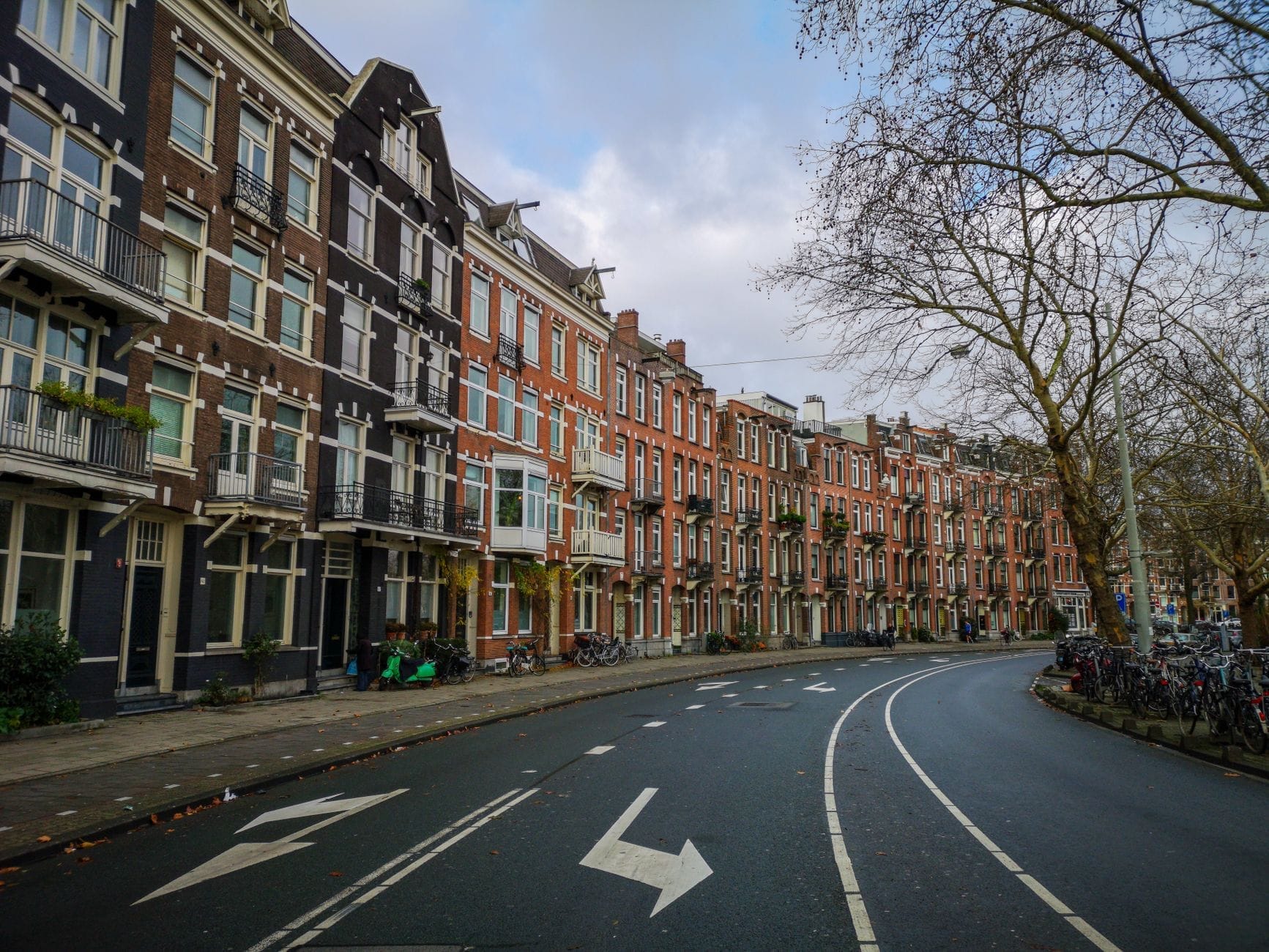
Amsterdam is a compact city covering around 219 km² (including water), which means most central neighborhoods are within 20-30 minutes of each other on foot or by tram. The decision of where to stay is less about distance and more about atmosphere, budget, and tolerance for tourist crowds.
First-time visitors almost always gravitate toward the Canal Ring or Jordaan, and for good reason: you wake up next to 17th-century gabled houses, canals, and walking distance from the Anne Frank House, the Rijksmuseum, and Dam Square. The trade-off is noise, crowds, and pricing that runs noticeably higher than neighborhoods just a few tram stops south.
💡 Local tip
If this is your second or third trip to Amsterdam, skip the Canal Ring and base yourself in De Pijp or Oud-Zuid instead. You still get easy access to the major museums, but with far more neighborhood character and genuinely better restaurants nearby.
One thing to settle early: Amsterdam's central short-term rental market is heavily regulated, and many properties in the most desirable canal-side locations operate under strict occupancy rules. If you are considering an apartment over a hotel, areas just outside the historic center near reliable metro or tram access are typically a better practical choice, with fewer booking complications.
Canal Ring and Jordaan: Classic Amsterdam, Higher Price Tag
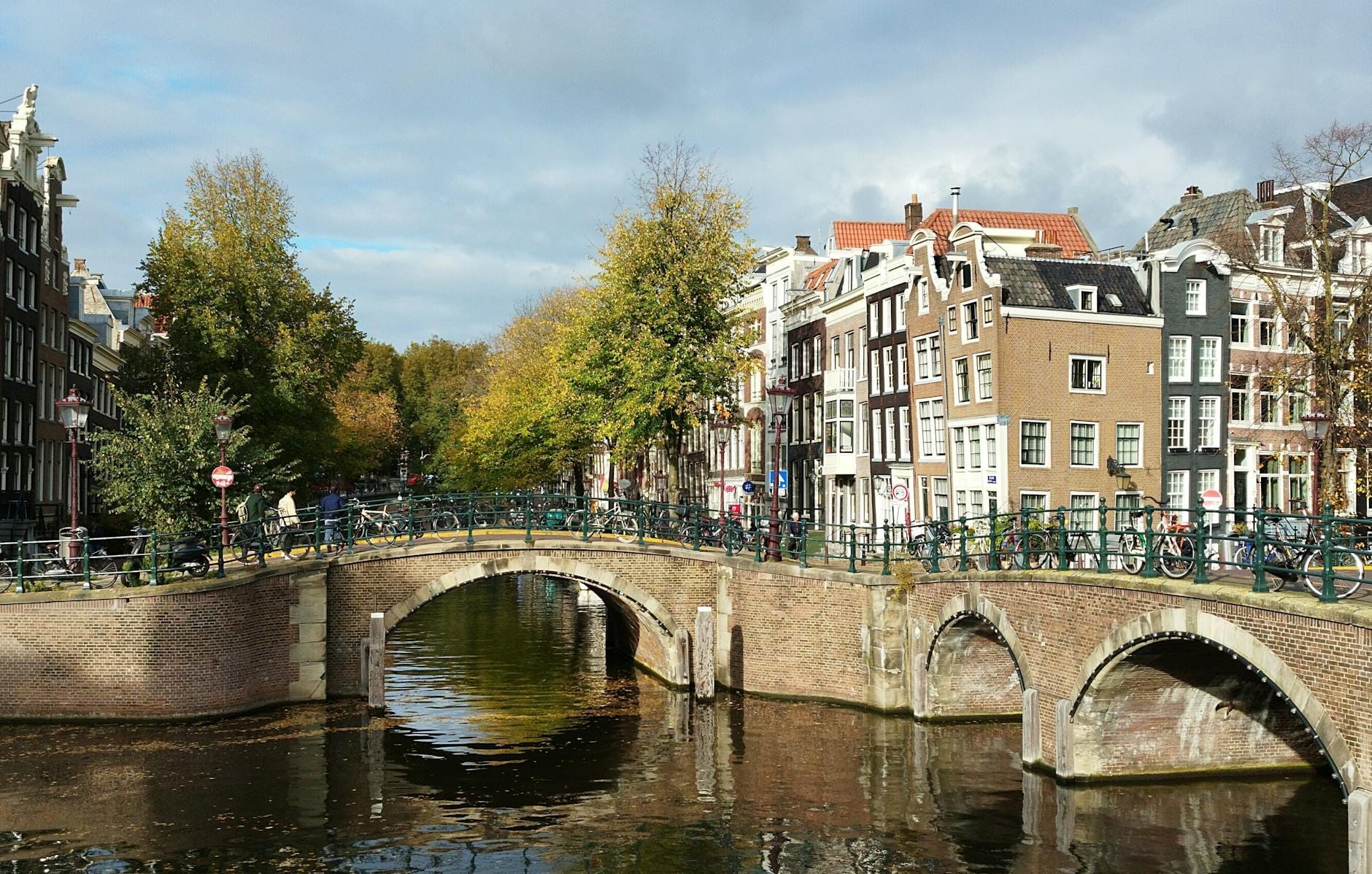
The Canal Ring, a UNESCO World Heritage Site, is what most people picture when they think of Amsterdam. The Herengracht, Keizersgracht, and Prinsengracht canals form a series of concentric arcs lined with narrow townhouses, independent shops, and small bridges. Staying here puts the Anne Frank House, the Westerkerk, and De Negen Straatjes shopping district within a short walk.
The Jordaan sits just west of the main canals and has a narrower, more residential grid of streets. It is quieter than the canal-side tourist corridors but still extremely central. Boutique hotels here tend to occupy converted canal houses, which means charming but occasionally impractical layouts: steep staircases, compact rooms, no lift. Check room descriptions carefully if mobility or luggage size is a concern.
- Best for First-time visitors, couples prioritizing atmosphere and walkability to sights
- Watch out for Weekend night noise near Leidseplein and Rembrandtplein, especially Friday and Saturday until around 2am
- Price range Mid-range to luxury; budget options are rare and often booked out months ahead
- Transport Multiple tram lines pass through; Amsterdam Centraal is 15-20 minutes on foot from the heart of Jordaan
De Pijp: The Most Underrated Base in Amsterdam
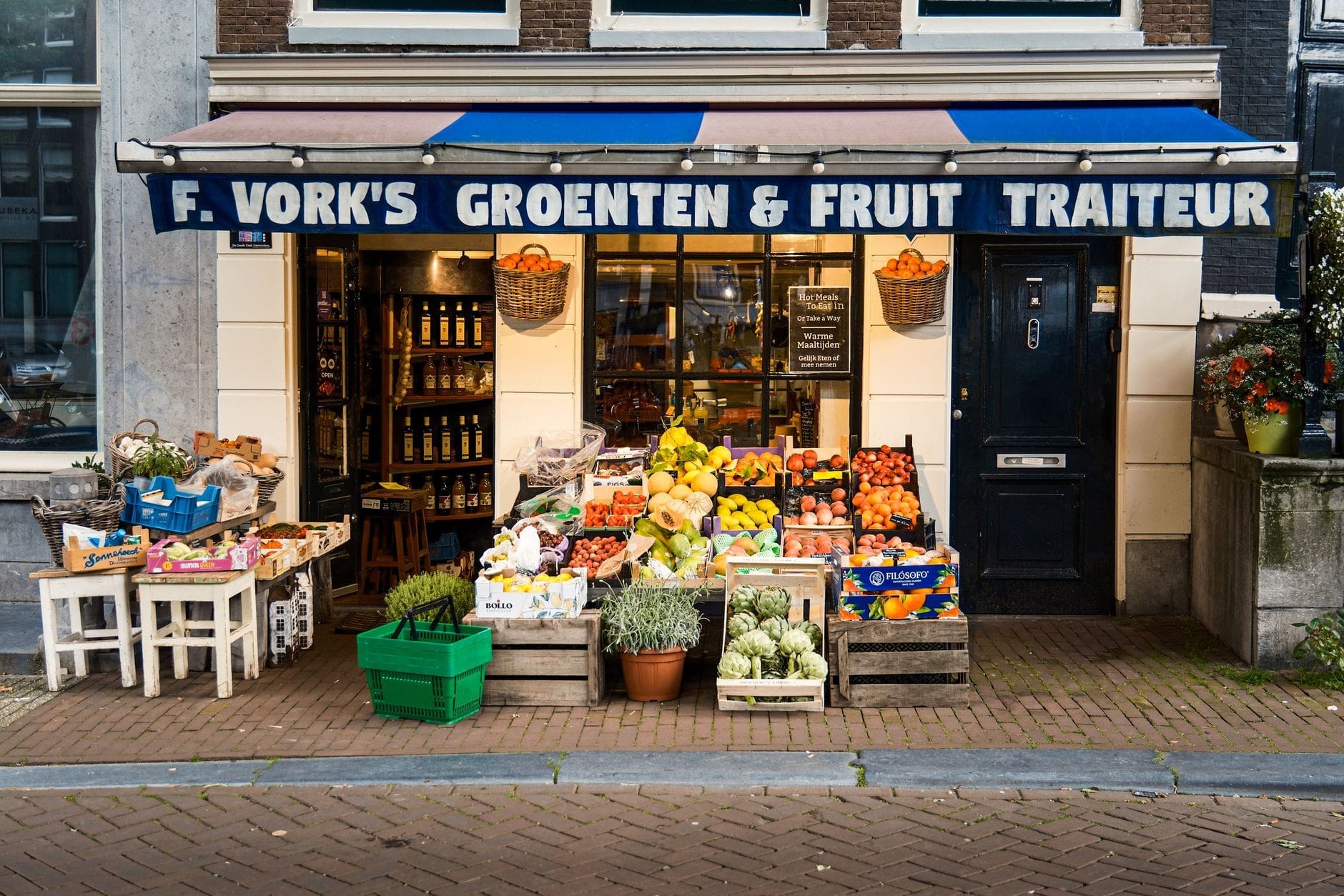
De Pijp is consistently recommended by experienced Amsterdam visitors as the best balance of location, price, and local character. The neighborhood runs south of the canal belt and is anchored by the Albert Cuyp Market, a major open-air market in the Netherlands, open Monday through Saturday.
The Rijksmuseum and Van Gogh Museum are roughly a 10-minute walk from the northern edge of De Pijp, and the area has its own metro station (De Pijp, on the Noord-Zuid line) providing fast connections to Centraal Station in under 10 minutes. The food scene along Albert Cuyp Market and surrounding streets is genuinely diverse, with Indonesian, Surinamese, Turkish, and Dutch options all within a few blocks.
✨ Pro tip
Hotels in De Pijp are typically 15-30% cheaper than comparable properties in the Canal Ring for the same quality level. For a 5-night stay, that difference adds up quickly and can fund meaningful extras: a canal cruise, better dinners, or museum tickets.
Oud-Zuid and the Museum Quarter: For Culture-First Travelers
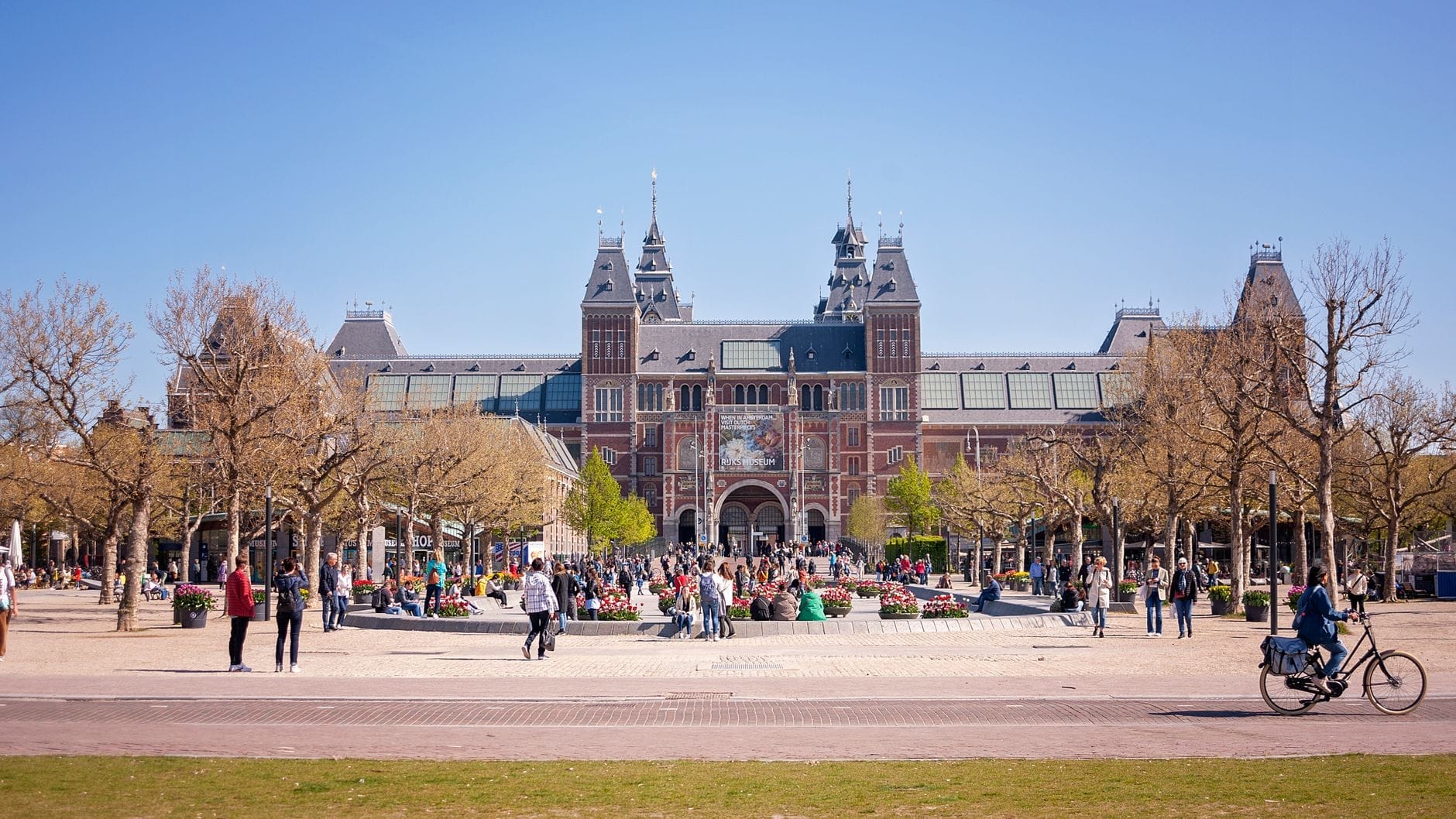
Oud-Zuid covers the area around Museumplein, where the Rijksmuseum, Van Gogh Museum, and Stedelijk Museum are clustered within a five-minute walk of each other. If your itinerary is built around museums and classical music (the Concertgebouw is here), staying in this neighborhood eliminates unnecessary transit time.
The neighborhood is quieter and more residential than Centrum, with wide tree-lined streets replacing the tourist-heavy canal corridors. The Vondelpark is on the western edge, giving the area a genuinely different pace to the city center. Upscale shopping along P.C. Hooftstraat is nearby, and the Amsterdam Marriott Hotel sits directly on Leidseplein at the northeastern boundary of Oud-Zuid, making it a well-located option for travelers who want proximity to both the museums and the central entertainment district.
- Walking distance to the Rijksmuseum, Van Gogh Museum, and Stedelijk Museum
- Vondelpark for morning runs or relaxed afternoons
- Direct tram connections to Centraal Station (line 2; line 12 no longer runs to Centraal)
- P.C. Hooftstraat for high-end shopping
- Concertgebouw for classical concerts with world-class acoustics
Amsterdam-Noord: A Viable Alternative, With Caveats
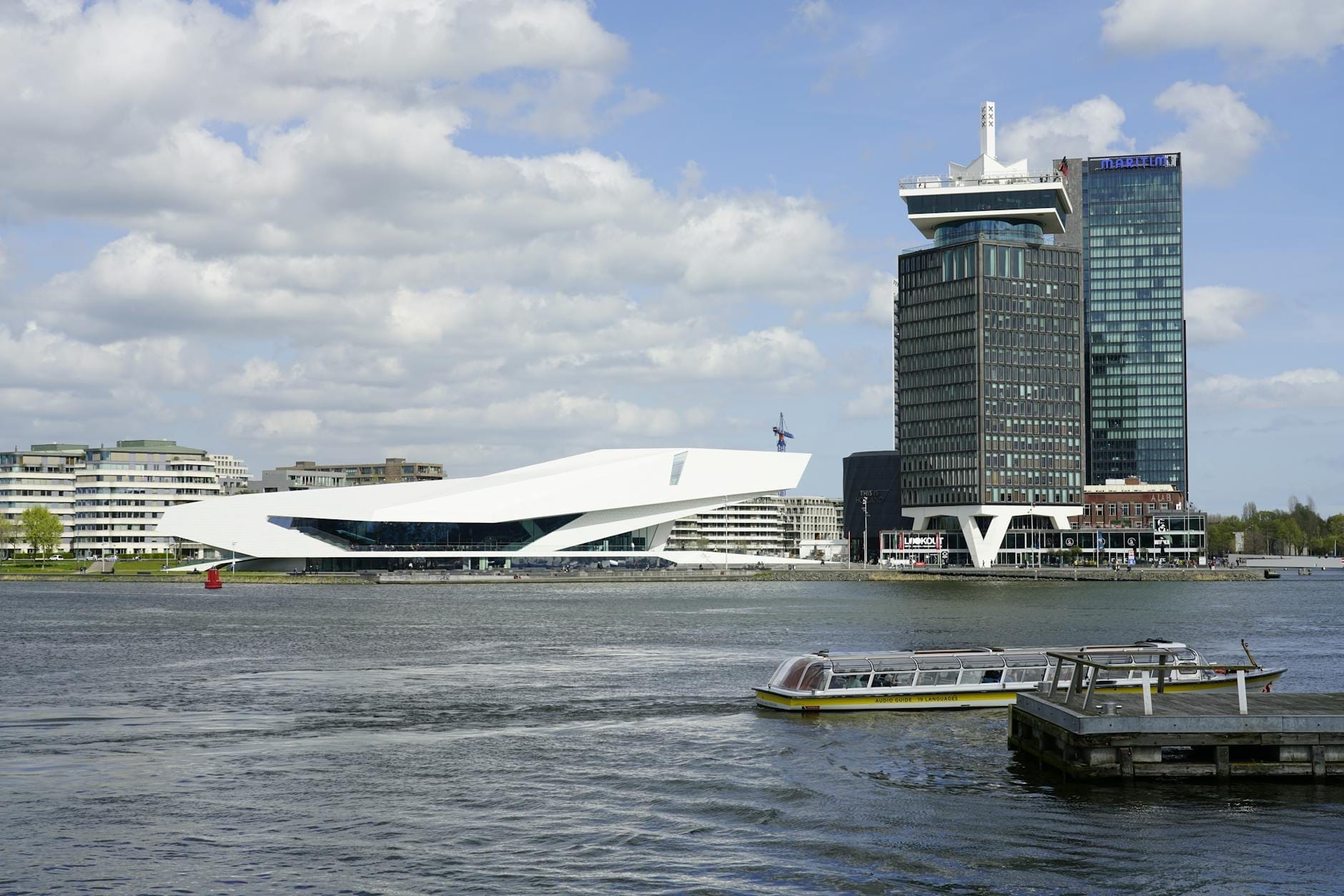
Amsterdam-Noord sits across the IJ waterway and connects to the city center via free ferries running from Centraal Station around the clock on key routes, with individual crossings taking about 3–6 minutes. The Noord-Zuid metro line also links Noord to Centraal and De Pijp. Culturally, the area has shifted significantly over the past decade: the NDSM Wharf hosts large-scale art installations, the EYE Filmmuseum is one of the best-designed buildings in the city, and the ADAM Lookout offers some of the most impressive views over Amsterdam.
Accommodation in Noord is generally less expensive than comparable options in Centrum, and the neighborhood has a noticeably less touristy character. The caveat: if you plan frequent late evenings on the south side of the IJ (dinner in De Pijp, nightlife near Leidseplein), you will need to factor in the ferry crossing time each way. It is not a burden, but it adds a logistical layer that some travelers find inconvenient over a longer stay.
⚠️ What to skip
The last thing you want after a late night out is to miss the ferry and wait 30 minutes for the next one. If your plans involve regular evenings in Centrum, Noord works better as a short stay or for travelers who are happy structuring their days around the ferry schedule.
Practical Booking Advice: When, Where, and What to Avoid
Amsterdam's peak accommodation demand falls between April and August, with the sharpest spike in late April around King's Day and throughout spring tulip season. If you are visiting during those periods, particularly if you want to stay in the Canal Ring or near the Rijksmuseum, book at least 8-12 weeks in advance. Properties in the most sought-after locations sell out faster than that during major events.
Outside peak season, Amsterdam's winter months (November through February) offer significantly lower rates and thinner crowds, though the Amsterdam Light Festival runs through this period and draws visitors specifically for it. October sits in a middle ground: crowds have thinned from summer but the city is still lively, and prices are more manageable than in spring.
A note on hotel categories: Amsterdam has a large stock of boutique canal house hotels with enormous character but genuinely small rooms and steep internal staircases. These are not problems if you know what you are booking, but they surprise travelers expecting standard international hotel layouts. Always read room dimensions and check whether there is an elevator before booking if either matters to you.
The Amsterdam Stempels Hotel and similar mid-range properties represent good value for travelers who prioritize a clean, well-located base over atmospheric touches. Larger international chain hotels, including the Amsterdam Marriott Hotel on Leidseplein, offer predictability and often include amenities like on-site restaurants and concierge services that independent canal house hotels cannot match. Neither is objectively better — it comes down to what you are optimizing for. For broader planning, the Amsterdam City Card can offset significant costs on museums and transit depending on your itinerary.
For budget travelers, hostels and smaller guesthouses cluster around Leidseplein, Rembrandtplein, and the edges of De Pijp. They are affordable but loud on weekends. If quiet sleep is a priority, look for properties with internal courtyard rooms rather than canal-facing ones on main routes. Families and groups may find better value in apartment-style accommodation in Oud-Zuid or Oost, where larger spaces exist at more reasonable rates. The Amsterdam on a budget guide covers specific money-saving strategies in more detail.
FAQ
What is the best area to stay in Amsterdam for first-time visitors?
The Canal Ring and Jordaan are the most practical choices for a first visit because they put you within walking distance of the major sights and give you an immediate sense of the city's character. Expect to pay more than you would in De Pijp or Oud-Zuid, and book well in advance if you are visiting between April and August.
Is Amsterdam-Noord worth staying in, or is it too far from the center?
Noord is not far in terms of transit time: the free GVB ferry from Centraal Station takes around 5 minutes, and the Noord-Zuid metro line is fast. It works well for travelers happy to build their day around departures from the south side of the IJ. The drawback is late-night logistics if you plan to spend evenings in the center regularly. For most first-time visitors, staying south of the IJ is more straightforward.
How far in advance should I book accommodation in Amsterdam?
For April through August, and especially around King's Day (late April) and the tulip season period, book at least 8-12 weeks in advance for central hotels. Outside peak season, 3-4 weeks is usually sufficient for most neighborhoods, though specific boutique properties fill quickly regardless of season.
Is the Amsterdam Marriott Hotel in a good location?
Yes. The Amsterdam Marriott Hotel sits on Leidseplein, which puts it at the junction of the Canal Ring, Jordaan, and Oud-Zuid. The Rijksmuseum and Van Gogh Museum are a 10-15 minute walk south, and the heart of the historic canals is equally close to the north. Leidseplein itself is one of Amsterdam's main entertainment squares, which means convenience but also weekend night noise from nearby bars and venues.
What should I watch out for when booking hotels in Amsterdam's Canal Ring?
Two things come up repeatedly: steep spiral staircases and very small room sizes, both typical of converted 17th-century canal houses. If you are traveling with large luggage, have mobility concerns, or simply expect standard hotel room dimensions, verify whether the property has a lift and check the actual room square footage before confirming. Canal-facing rooms on busy streets can also be noisy on weekend nights.
Tickets & tours
Live prices and dates from our booking partner. If you book, we may earn a commission at no extra cost to you.
Planning a trip? Discover personalized activities with the Nomado app.