Amsterdam on a Budget: How to Visit Without Breaking the Bank
Amsterdam has a reputation for being expensive, but careful planning cuts costs dramatically. This guide covers real 2026 price benchmarks, the best free experiences, transport passes, and the smartest times to visit — so you can see the city properly without draining your account.
Tickets & tours
Live prices and dates from our booking partner. If you book, we may earn a commission at no extra cost to you.
TL;DR
- A realistic daily budget (excluding accommodation) is €75–100, covering transit, one museum, and simple meals.
- Hostel dorms run €18–50/night; budget hotels €60–125/night. Book 3–4 months ahead for summer visits.
- The I amsterdam City Card (from €67/24h) bundles unlimited GVB transit and free entry to 70+ museums — worth it if you plan a packed itinerary. See our I amsterdam City Card guide to decide if it makes sense for your trip.
- January to March and October to November are the cheapest months to visit — hotel rates drop by 40–50% compared to summer peaks.
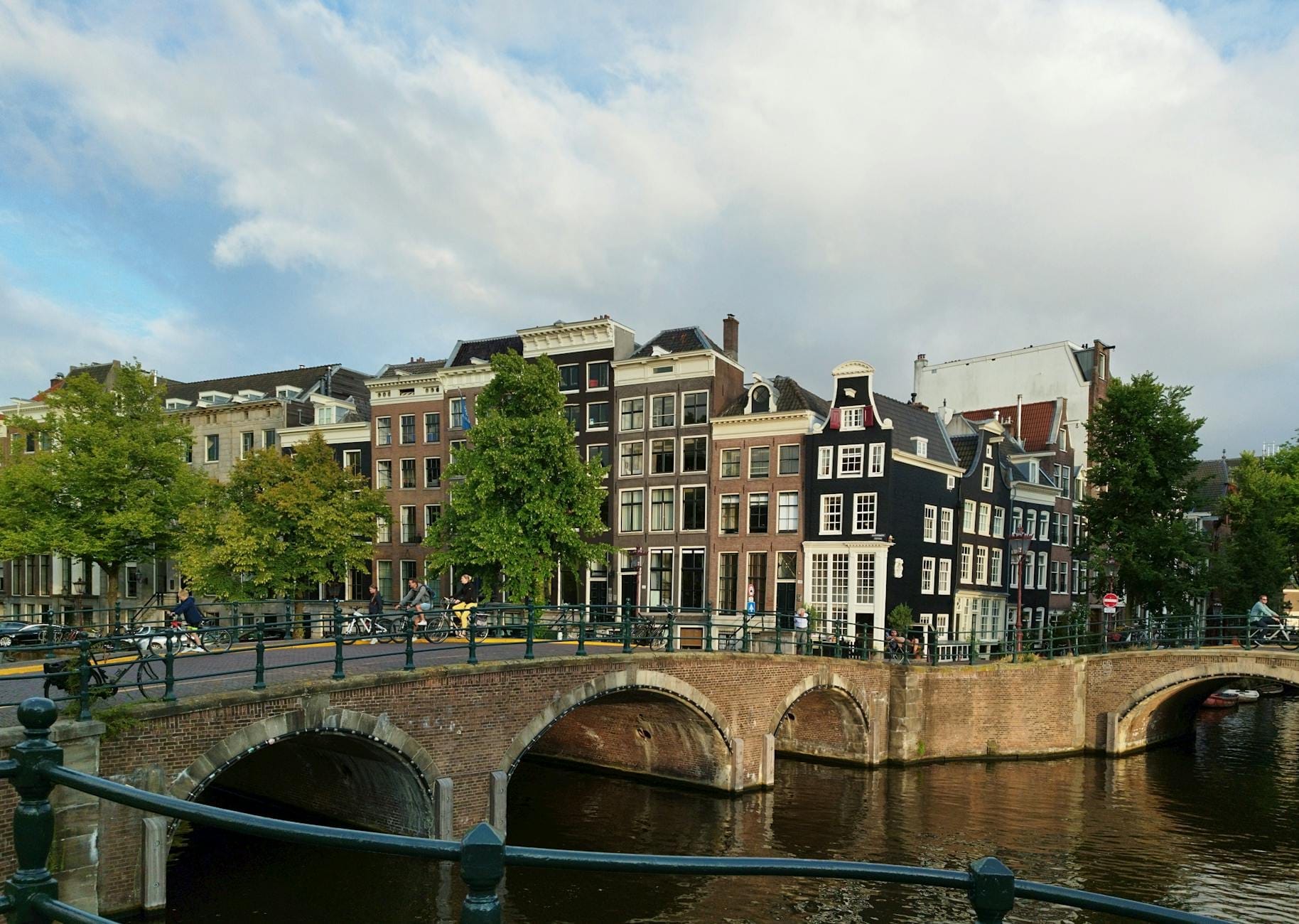
- The canals, Vondelpark, Jordaan, and NDSM Wharf are completely free to explore. Free things to do in Amsterdam go well beyond sightseeing walks.
What Amsterdam Actually Costs: 2026 Price Benchmarks
Amsterdam is not cheap, but it is significantly more affordable than Paris or London for budget-conscious travelers. The city rewards those who plan around its pricing patterns rather than stumbling in without a strategy. The key variables are accommodation, museum entry, and food — and all three can swing wildly depending on your choices.
- Hostel dorm bed €18–50 per night depending on location and season. Jordaan and De Pijp hostels tend to be slightly cheaper than Centrum options.
- Budget hotel (private room) €60–125 per night in low season; €180–350 in July–August peak. Staying one tram stop outside the centre often saves €30–60 per night.
- Daily food budget €20–35 covers a supermarket breakfast, a broodje (Dutch sandwich) lunch, and a simple restaurant dinner. Albert Heijn and Lidl are the go-to supermarkets.
- Museum entry Rijksmuseum and Van Gogh Museum run around €22–25 each. Anne Frank House is around €16. Booking online avoids queues and sometimes carries small discounts.
- GVB public transport day pass €10 for 24 hours; 3-day pass €21.50. Single rides cost around €3.40 using an OV-chipkaart (reloadable transit card).
- Canal cruise €20–25 for a standard 1–2 hour group cruise. Skip the tourist-trap kiosks near Centraal and compare prices at the embarkation points near Leidseplein.
A realistic 3-day budget, excluding accommodation, sits around €360–480 per person. Add a hostel dorm at the low end and you are looking at roughly €420–560 total for three nights and three full days — achievable with discipline and the strategies below.
ℹ️ Good to know
Tap water in Amsterdam is safe to drink and is among the cleanest municipal water in Europe. Carry a refillable bottle and skip the €2–3 bottled water charges at cafes and tourist spots. Over three days, this alone saves €15–20.
When to Visit for the Best Value
Timing your trip is the single most powerful lever on your Amsterdam budget. The difference between peak and off-peak hotel rates can be 40–50%, and queue times at major museums shrink dramatically outside summer.
July and August are the most expensive months by a significant margin — mid-range hotels average €180–350 per night and the Anne Frank House can have queues stretching 45–60 minutes even with timed tickets. Spring tulip season (late March to early May) also pushes prices up across accommodation and tours. If budget is the priority, those months are hard to recommend. For a fuller breakdown of seasonal trade-offs, the best time to visit Amsterdam guide weighs crowd levels, weather, and pricing in detail.
The sweet spots for budget travelers are January to mid-March and mid-October to November. Hotel rates drop to €60–100 for budget properties, museums are walkable without prebooking weeks ahead, and the city has a genuinely local feel. Winter does mean rain, short days, and occasional cold snaps near freezing — pack layers and a waterproof jacket. October in Amsterdam is a particularly underrated month: autumn colors along the canals, the Amsterdam Light Festival beginning in late November, and shoulder-season prices.
💡 Local tip
For summer visits (June–August), book accommodation 3–4 months in advance and museum tickets 2–3 weeks ahead. Both sell out. Waiting until arrival costs significantly more and limits your options.
Getting Around Without Overspending
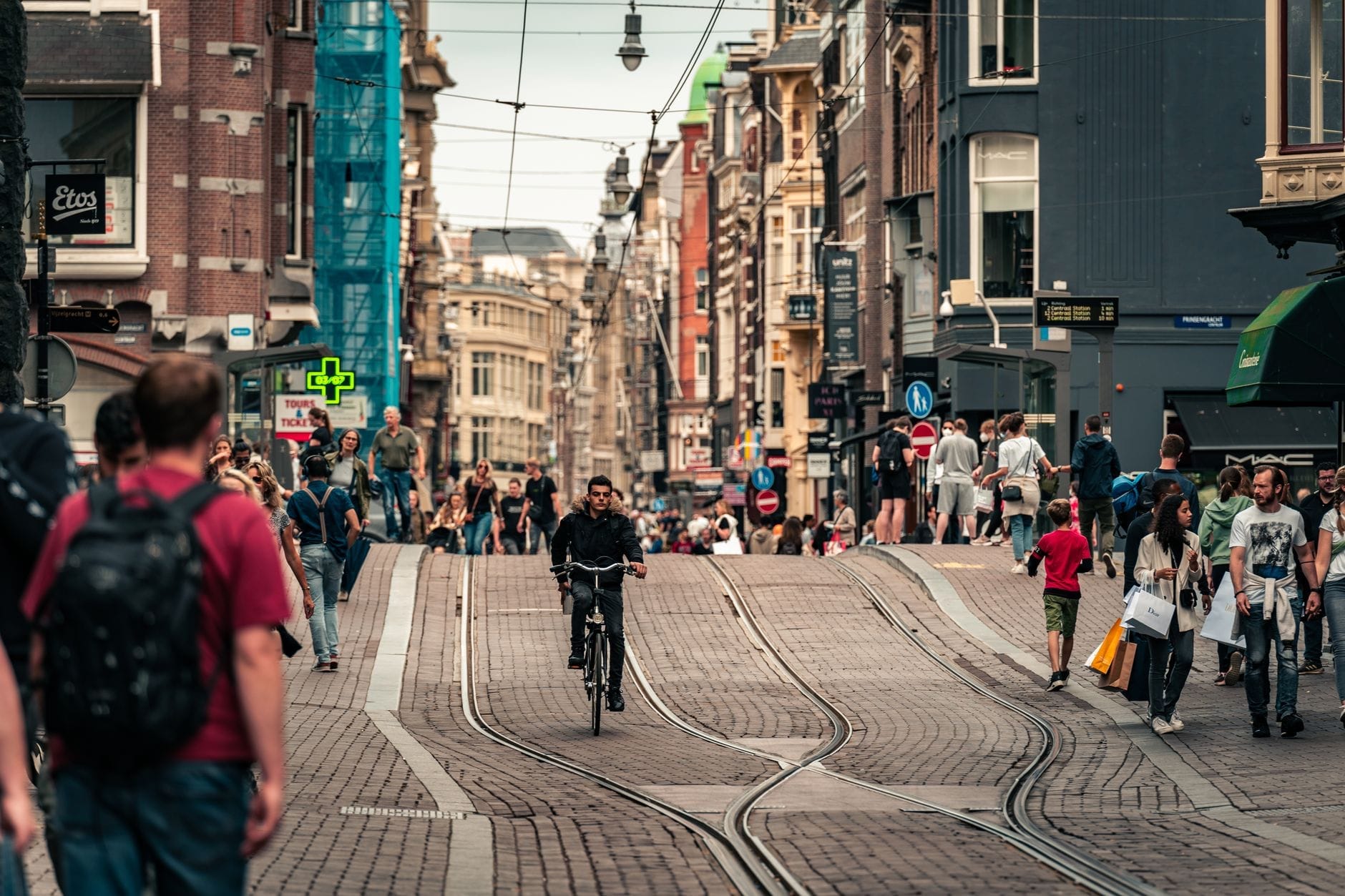
Amsterdam's compact geography is one of the best things about visiting on a budget. The historic canal ring, Jordaan, De Pijp, and Museumplein are all within 30–40 minutes of each other on foot. For anyone staying centrally, walking is genuinely the cheapest and often the most pleasant option.
When you need transit, the GVB network (trams, metro, and buses) is reliable and reasonably priced. Load an OV-chipkaart with credit for single journeys at around €3–4 each, or buy a multi-day GVB pass for unlimited travel. Cycling is the definitive local way to get around — rental bikes run €10–15 per day from shops like MacBike or Yellow Bike, and the infrastructure makes it safe and intuitive even for first-timers. The full logistics of cycling in the city are worth reading before you arrive. Check our cycling in Amsterdam guide for route tips, rental advice, and the unwritten rules of Dutch cycling etiquette.
- Avoid taxis from Amsterdam Centraal — they are metered but tourist-facing and expensive compared to trams.
- Uber and Bolt operate in Amsterdam and are often cheaper than traditional taxis for longer journeys.
- The free GVB ferry from behind Centraal to Amsterdam-Noord takes about 5 minutes and runs 24/7. It is one of the best free rides in the city.
- The Schiphol–Centraal train runs every 10–15 minutes and takes about 17 minutes. It is far cheaper than a taxi or ride-hailing service from the airport.
- Avoid the GVB tourist tram (Line 20) marketed as a sightseeing route — it costs more and covers the same ground as the regular tram network.
Free and Low-Cost Experiences Worth Your Time
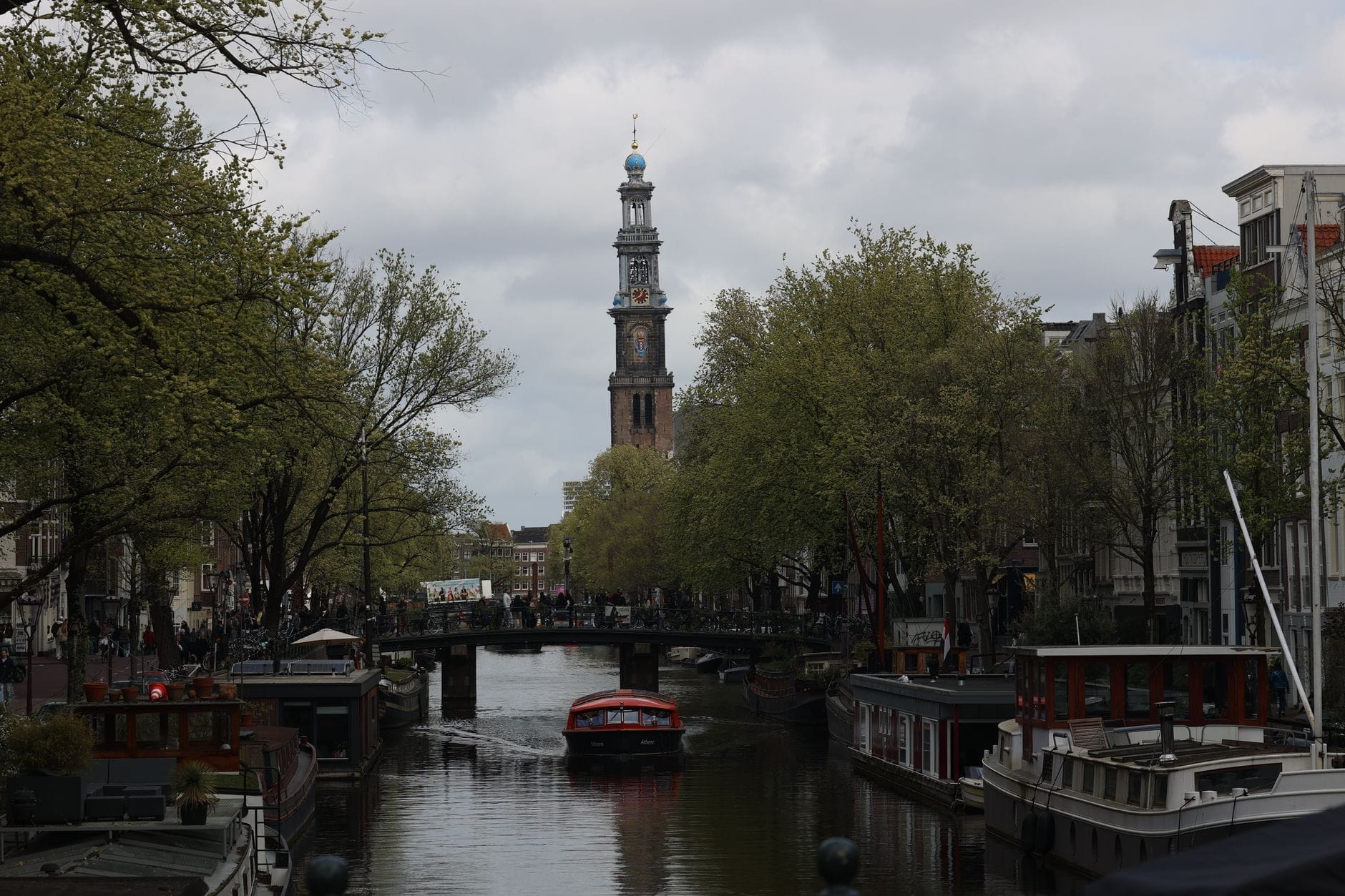
One of the persistent myths about Amsterdam is that you need to pay to see the good stuff. You do not. The canal ring is a UNESCO World Heritage Site you experience entirely on foot for free. A walk through the Jordaan's narrow streets and bridges, past the Westerkerk and along the Prinsengracht, takes 1–2 hours and costs nothing. The same goes for Vondelpark, where locals picnic, cycle, and relax year-round — no entry fee, no ticket queue.
NDSM Wharf in Amsterdam-Noord is a former shipyard turned creative arts district. Take the free ferry from behind Centraal, wander the massive converted warehouses, street art installations, and waterfront. It is genuinely interesting and free. The Begijnhof, a hidden medieval courtyard near the Spui, is open to visitors at no charge. Gassan Diamonds offers free factory tours that are surprisingly informative about Dutch diamond-cutting history — no purchase obligation, though the sales pitch is firm.
Amsterdam's markets are another free experience with real local character. The Albert Cuyp Market in De Pijp (Monday to Saturday) is the largest street market in the Netherlands, with cheap street food, fresh produce, and clothing stalls. The Waterlooplein flea market (Monday to Saturday) is a good source for secondhand goods, vintage clothing, and cheap souvenirs that avoid the overpriced tourist shops near Dam Square.
⚠️ What to skip
The souvenir shops around Dam Square and Amsterdam Centraal charge 3–4 times more than equivalent items at Waterlooplein or Albert Cuyp Market. Delft ceramics, stroopwafels, and Dutch cheese are all significantly cheaper at markets or supermarkets than in tourist-facing shops.
Museums: When to Pay, When to Skip
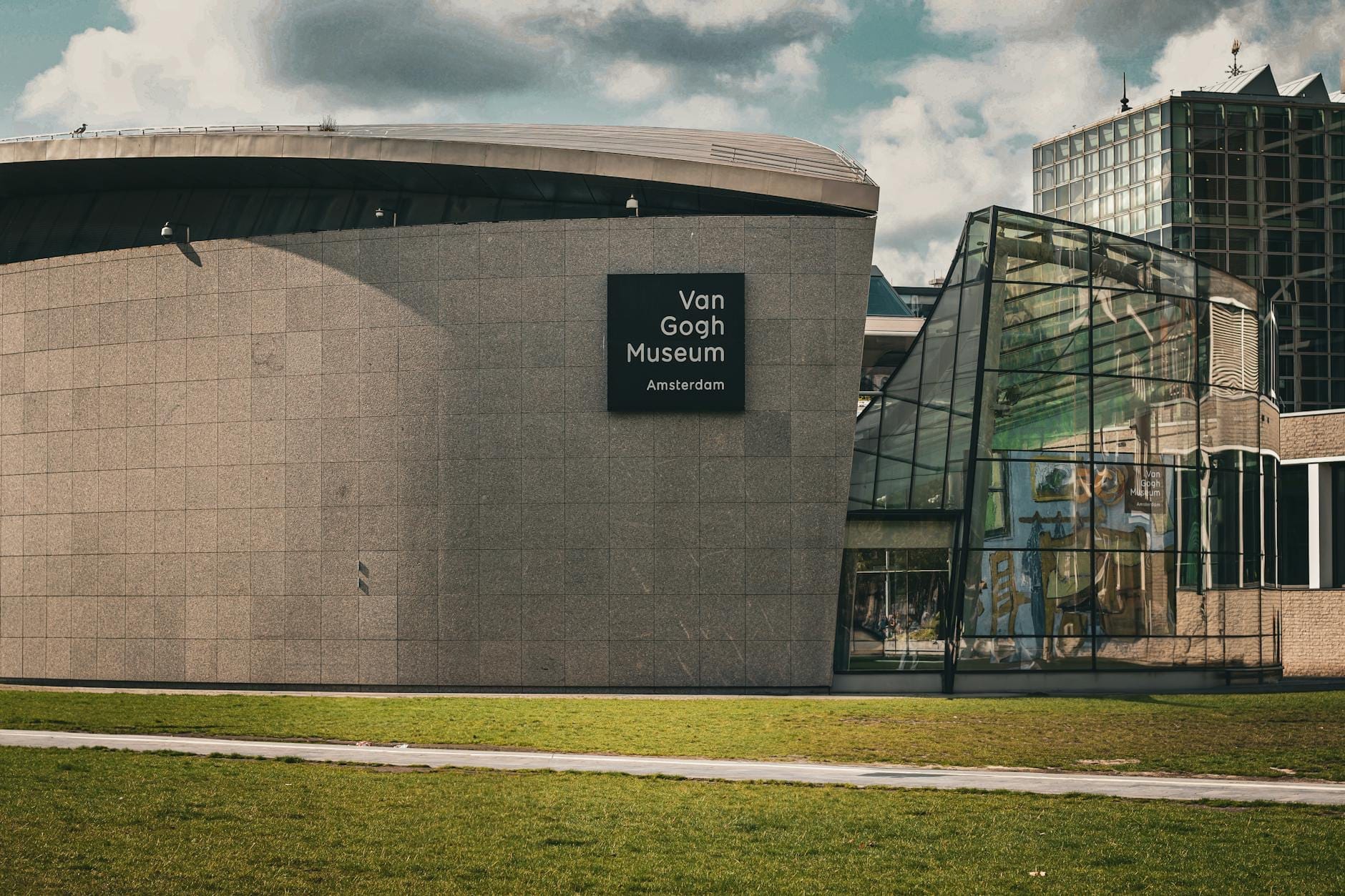
Amsterdam has some of the best museums in Europe, and a few of them are genuinely worth paying for even on a tight budget. The question is which ones deserve your money and which are overpriced for what they deliver.
- Rijksmuseum Essential. The collection of Dutch Golden Age paintings — including Rembrandt's Night Watch and Vermeer's The Milkmaid — is world-class. Around €22.50. Book timed entry online to avoid queues.
- Van Gogh Museum Strong if you care about Van Gogh's work and life story. Around €25. Timed tickets are mandatory and sell out weeks ahead in summer — do not leave this to chance.
- Anne Frank House Emotionally significant and well-executed. Around €16. Online booking is essential; walk-up tickets are rarely available in peak season.
- Stedelijk Museum Modern and contemporary art collection that delivers more than its ticket price suggests. Around €20. Less crowded than the Rijksmuseum and a strong pick for design enthusiasts.
- NEMO Science Museum Worth it if you are traveling with children. The rooftop terrace has one of the best panoramic views in the city and is free to access in summer.
- Amsterdam Dungeon / Madame Tussauds Both are tourist traps at around €25–30 each. Skip unless you have a specific reason to visit. The I amsterdam City Card does not cover these.
If you plan to visit multiple paid museums, the I amsterdam City Card deserves serious calculation. At €67 for 24 hours and €115 for 72 hours, it covers unlimited GVB transit plus free entry to 70+ museums including the Rijksmuseum, Stedelijk, and Amsterdam Museum. Two museum visits plus a multi-day transit pass already gets you close to breaking even. The I amsterdam City Card guide includes a full breakdown of which museums are included and a simple calculation to check if it saves you money based on your itinerary.
Eating and Drinking Without Spending Like a Tourist
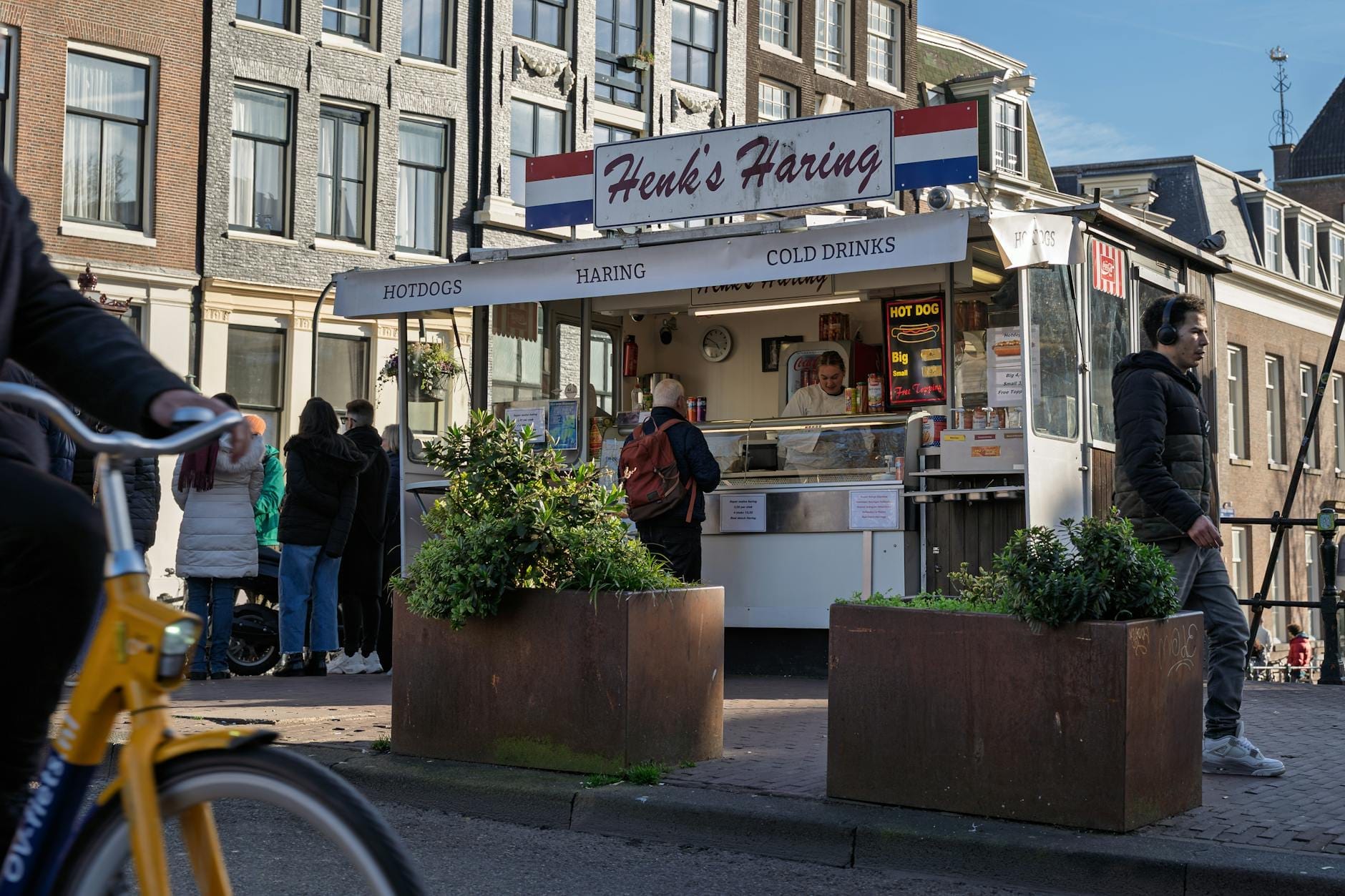
Amsterdam's restaurant scene has improved considerably, but the city also has a well-established culture of eating affordably if you know where to look. The worst value is any sit-down restaurant within 100 meters of a major tourist attraction — these charge €15–20 for sandwiches and mediocre Dutch staples.
For cheap and genuinely good food, De Pijp is the neighborhood to know. The Albert Cuyp Market has stroopwafel stalls, herring vendors, and fresh fruit at market prices. Indonesian food (a legacy of Dutch colonial history) is consistently good value across the city — a rijsttafel at a mid-range Indonesian restaurant costs less than an equivalent quality meal at a European restaurant and feeds you substantially. Surinamese food, especially from takeaway spots in the Oost district, is another underrated and affordable option. For a deeper look at what to eat and where, the Amsterdam food guide covers Dutch classics and local favorites beyond the tourist circuit.
- Albert Heijn and Lidl supermarkets sell sandwiches, salads, and prepared meals for €3–7. The AH To Go outlets near transit hubs are convenient and much cheaper than cafes.
- Haring (raw herring with pickled onions) from street carts runs €3–5 and is as authentically Dutch as it gets.
- Happy hour (borrel) at brown cafes (bruine kroegen) typically runs 4–7pm with reduced beer prices. A glass of Heineken or Amstel on tap costs €3–4 during these hours.
- Avoid restaurants with menus displayed in six languages and photos of the food — a reliable signal of tourist pricing and mediocre quality.
- Coffee shop pricing is separate from cafes. If cannabis is not your reason for visiting, do not accidentally pay cafe prices at a coffee shop, which tend to be higher than standard cafes.
✨ Pro tip
Tipping is genuinely optional in Amsterdam. Rounding up the bill or leaving small change is the local norm. Leaving 10–15% as you might in North America is appreciated but not expected. On a tight budget, rounding to the nearest euro is perfectly acceptable.
FAQ
What is a realistic daily budget for Amsterdam in 2026?
Excluding accommodation, €75–100 per day is realistic for a budget traveler. This covers a GVB day pass, one museum entry, a supermarket breakfast, a market lunch, and a simple restaurant dinner. Add €18–50 for a hostel dorm bed or €60–125 for a budget hotel room, and your all-in daily cost lands around €90–175 depending on your accommodation choice and how many paid attractions you visit.
Is the I amsterdam City Card worth buying for budget travelers?
It depends entirely on your itinerary. If you plan to visit 3–4 museums and use public transit daily, the 72-hour card at €115 can save €30–50 compared to paying separately. If you plan mostly free activities with one or two paid museums, individual tickets plus a GVB day pass will cost less. Use the card's official museum list to calculate your personal break-even point before purchasing.
What are the cheapest months to visit Amsterdam?
January, February, and March are consistently the cheapest months. Hotel rates are 40–50% lower than summer peaks, crowds at major museums are manageable, and you can often walk into restaurants without a reservation. Mid-October to November is also good value with the bonus of autumn atmosphere. The trade-off is grey, wet weather and short daylight hours — pack accordingly.
Can you visit Amsterdam's main attractions for free?
Several significant experiences are free: walking the entire canal ring and Jordaan neighborhood, Vondelpark, the Begijnhof courtyard, NDSM Wharf across the IJ, the free GVB ferry to Amsterdam-Noord, and all of Amsterdam's outdoor markets. The main paid attractions (Rijksmuseum, Van Gogh Museum, Anne Frank House) are not free, but they are among the best museums in Europe and generally worth the entry cost.
Is it cheaper to stay outside Amsterdam's city centre?
Yes, in most cases. Neighborhoods like De Pijp, Oost, and areas near Sloterdijk with good tram or metro connections typically offer hotels and apartments 20–40% cheaper than equivalent properties in the Centrum or Canal Ring. The GVB network makes these areas easy to navigate, and a 10–15 minute tram ride rarely adds meaningful time to your day.
Tickets & tours
Live prices and dates from our booking partner. If you book, we may earn a commission at no extra cost to you.
Planning a trip? Discover personalized activities with the Nomado app.