Cycling in Amsterdam: How to Rent a Bike and the Best Routes to Ride
Amsterdam has around 400 km of dedicated bicycle paths and more bikes than residents. This guide covers exactly how to rent a bike, what it costs, the rules you need to know, where to park safely, and which routes are worth your time — whether you're riding through the canals or heading out to the countryside.
Tickets & tours
Live prices and dates from our booking partner. If you book, we may earn a commission at no extra cost to you.
TL;DR
- Standard city bike rentals cost around €10–15 per day, with multi-day discounts available at most shops near Centraal Station and Leidseplein.
- You need photo ID and a deposit or credit card authorization at every rental shop; optional theft insurance is worth taking.
- Amsterdam's bike lanes move fast, especially in the centre — read the traffic rules before you ride, and consider starting with the quieter canal streets rather than the main thoroughfares.
- Helmets are not legally required in the Netherlands, but they are recommended for visitors who are not used to high-density cycling traffic.
- Spring (April to May) is the best season for cycling, especially if you pair a city ride with the tulip fields in the surrounding region.
Why Amsterdam Is Built for Cycling
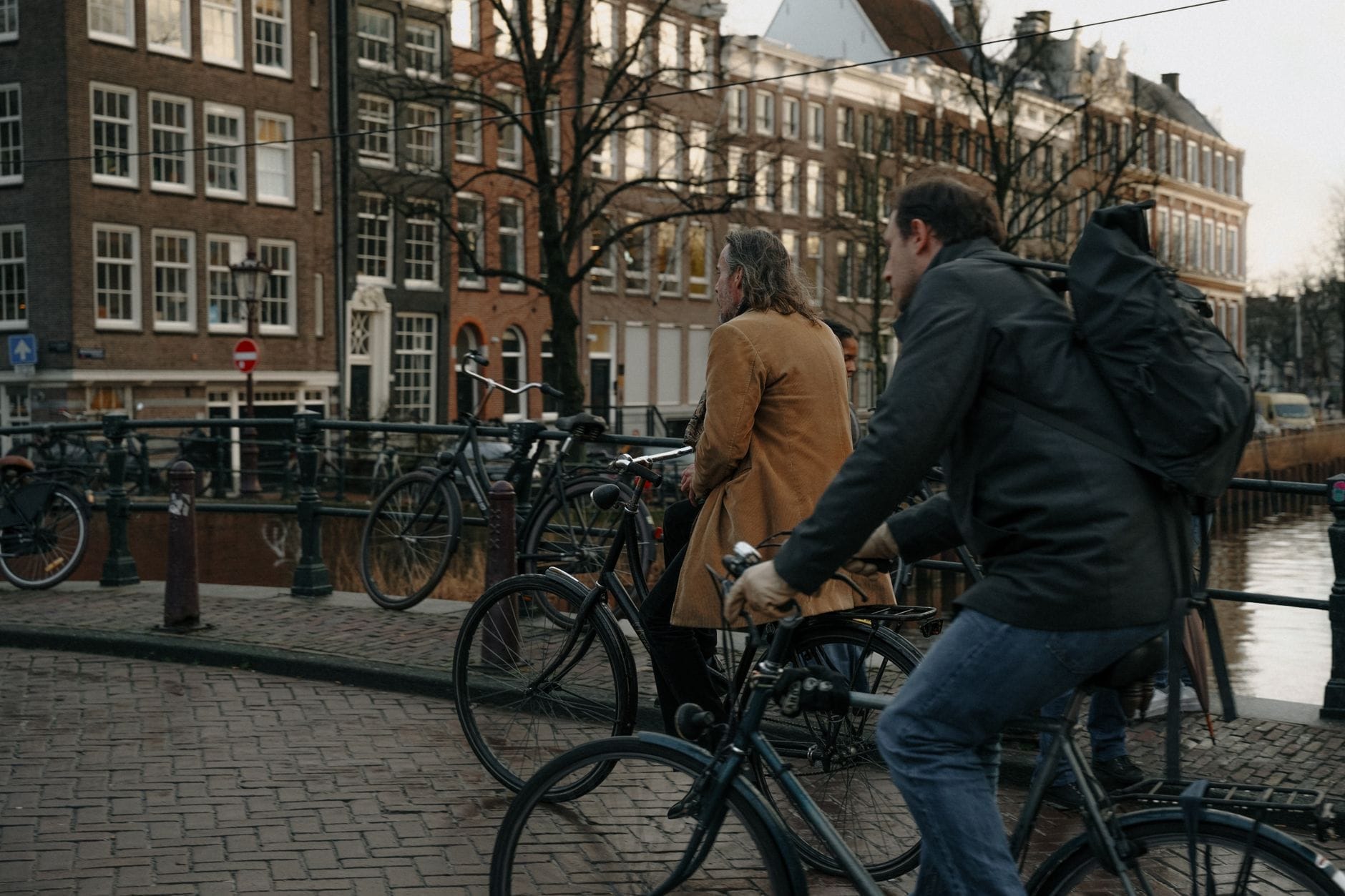
Amsterdam's flat terrain, compact layout, and over 760 km of dedicated bike paths and bike lanes make it one of the few cities in the world where cycling is genuinely the fastest and most practical way to get around. Most of the major attractions sit within a 4–5 km radius of Centraal Station, which means you can ride from the Anne Frank House to the Rijksmuseum in under 15 minutes without touching public transport.
The cycling infrastructure has been built up over decades — not retrofitted onto car-centric roads. Dedicated lanes are physically separated from traffic on many main roads, and junctions have separate cyclist signals. That said, the system assumes you know what you're doing. Getting around Amsterdam by bike as a first-time visitor takes a 15-minute adjustment period, not an afternoon.
ℹ️ Good to know
Amsterdam has more registered bicycles than residents. The city counts approximately 900,000 bikes for a population of around 921,000. This means lanes are busy, bike racks fill up fast, and local cyclists move with purpose. Give way when uncertain and pull over to check your phone or map rather than stopping mid-lane.
Renting a Bike: Prices, Shops, and What to Expect
Bike rental shops cluster around the major transit hubs and tourist entry points. The highest concentration is near Amsterdam Centraal Station, but you'll find options at Leidseplein, Dam Square, and scattered across most central neighborhoods. Many hotels and hostels also have rental arrangements or partner shops they can direct you to.
- Standard city bike The default option at most shops. Three-speed, upright position, coaster brake or hand brake. Around €10–15 per day, with cheaper rates for 2-3 day rentals.
- Electric bike (e-bike) Worth considering for longer day trips outside the city. Typically €25–35 per day. Requires more confidence on city roads due to higher speed.
- Cargo bike Available at some shops for families traveling with young children. Wider, slower, and harder to maneuver in tight streets — not ideal for first-time city riders.
- Tandem bike Offered by a handful of rental shops. More of a novelty than a practical city transport option. Difficult on busy bike lanes.
Every rental shop will ask for a passport or government-issued photo ID. Most require either a cash deposit (typically €50–100) or a credit card pre-authorization. Debit cards are not always accepted for the deposit, so carry a credit card to avoid issues. Optional theft and damage insurance is usually offered for €1–3 per day and is genuinely worth it given Amsterdam's high bike-theft rates.
💡 Local tip
Book your rental in advance during spring and summer, especially around King's Day in late April and weekends in May and June. Walk-in availability at well-known shops near Centraal Station can run out by mid-morning on busy days. Most major rental companies allow online reservations with no extra fee.
If you hold an I Amsterdam City Card, check whether your card tier includes a discount at partner rental shops. The City Card app also includes cycling maps and marked bike parking locations, which is useful for navigating without burning through mobile data.
Traffic Rules and Safety: What You Must Know Before You Ride
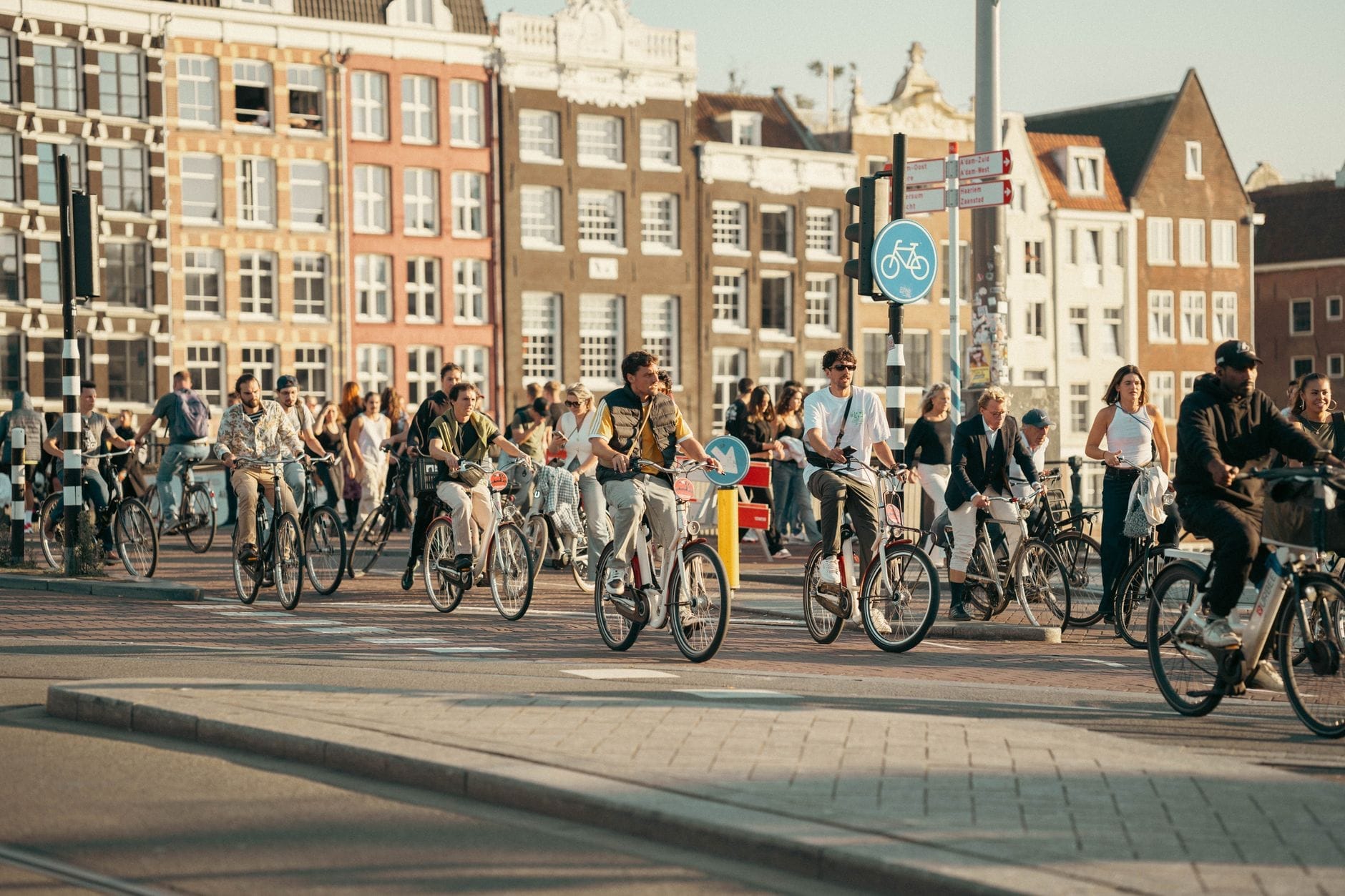
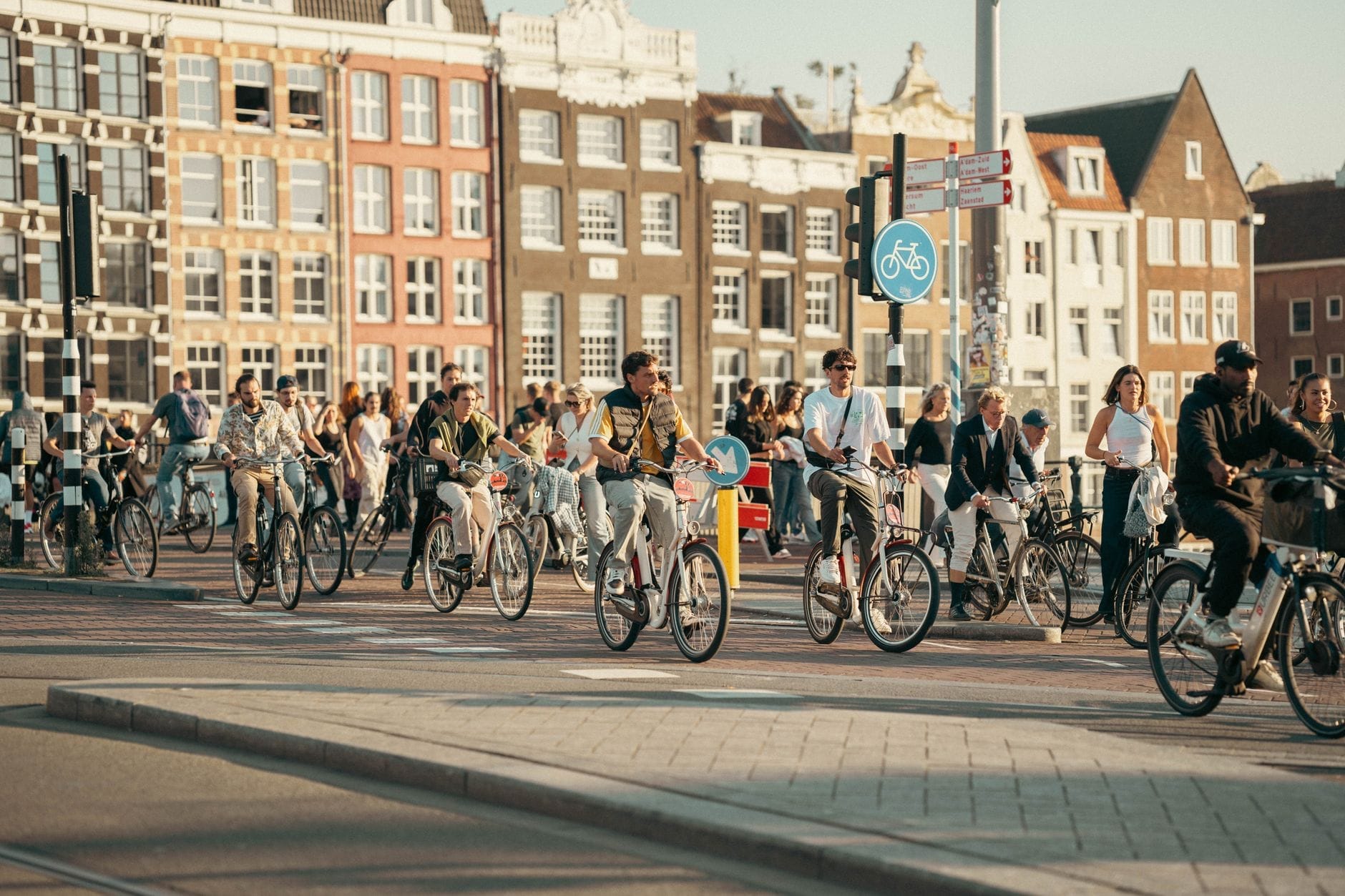
Cycling in Amsterdam is not the leisurely, take-your-time experience many visitors expect. The city's bike lanes run at pace, local cyclists signal with hand gestures rather than bells, and the central streets mix bikes, trams, pedestrians, and cars in a system that functions largely on shared understanding. Breaking that understanding as a tourist creates real hazards.
- Ride on the right side of the bike lane. Overtaking happens on the left.
- Lights are legally required front (white) and back (red) after dark. Rental bikes typically come fitted with them — check before leaving the shop.
- Using a mobile phone while cycling is prohibited and carries a fine.
- Do not ride on pedestrian footpaths, pedestrianized shopping streets, or through pedestrian crossings at speed.
- Always cross tram tracks at a sharp angle (close to 90 degrees) to prevent your wheel from catching in the groove. This is one of the most common causes of falls for visiting cyclists.
- Obey traffic lights, including the small separate cyclist signals at junctions.
- Signal turns with your arm before changing direction.
- Helmets are not legally required for regular cyclists in the Netherlands. Most local adults do not wear them. For visitors who are not experienced in high-density cycle traffic, a helmet is sensible — especially on e-bikes.
⚠️ What to skip
Tram tracks are the number one hazard for tourists on bikes. The gap between rail and road surface is wide enough to trap a standard bike tire. Always cross tracks at a near-perpendicular angle and never ride parallel alongside them. Amsterdam's tram network covers most of the central city, so you will encounter tracks frequently.
Parking Your Bike and Avoiding Theft
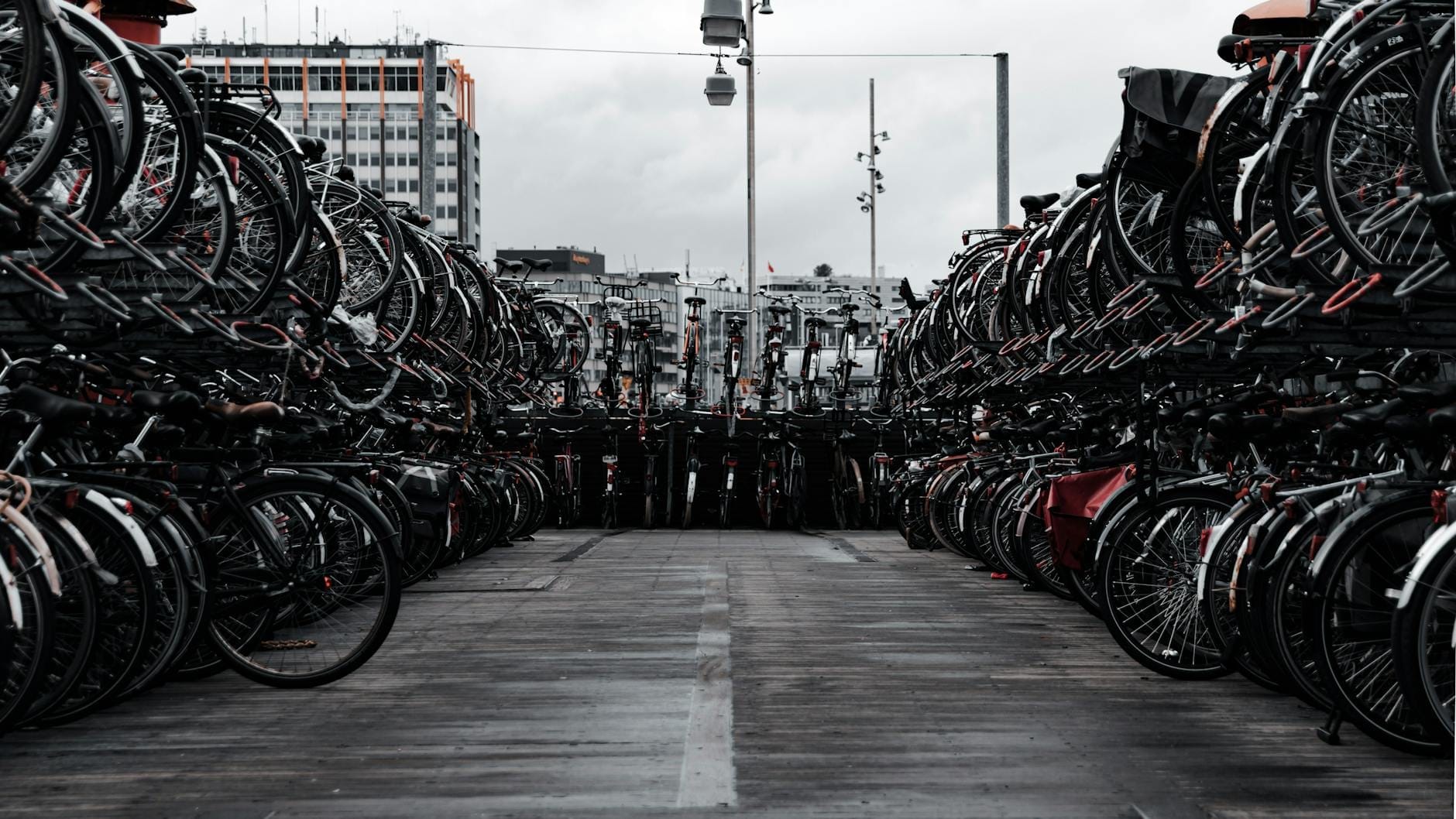
Amsterdam has high bike theft rates. This is not a rumour — it's a well-documented urban reality. Always lock rental bikes to a fixed object (a dedicated rack, railing, or post) using the provided lock. If the rental shop gives you a secondary lock or offers one for rent, use both. Never leave a bike locked only to itself with no attachment to a fixed structure.
Park only in designated bike racks or municipal parking garages. Bikes left in prohibited areas, blocking pedestrian paths, or chained to canal bridges can be removed by city enforcement and taken to the Fietsdepot (municipal bike depot). Retrieving a confiscated bike costs around €25 at the depot, or approximately €40 for home delivery. If a rental bike is removed, the cost and administrative headache fall on you, not the rental shop.
For overnight stays or multi-day rentals, large covered bike parking garages near Centraal Station and other major hubs offer secure storage. These are free or low-cost and far safer than locking on the street overnight. The rental shop should be able to advise on the nearest option to your accommodation.
The Best Cycling Routes in and Around Amsterdam
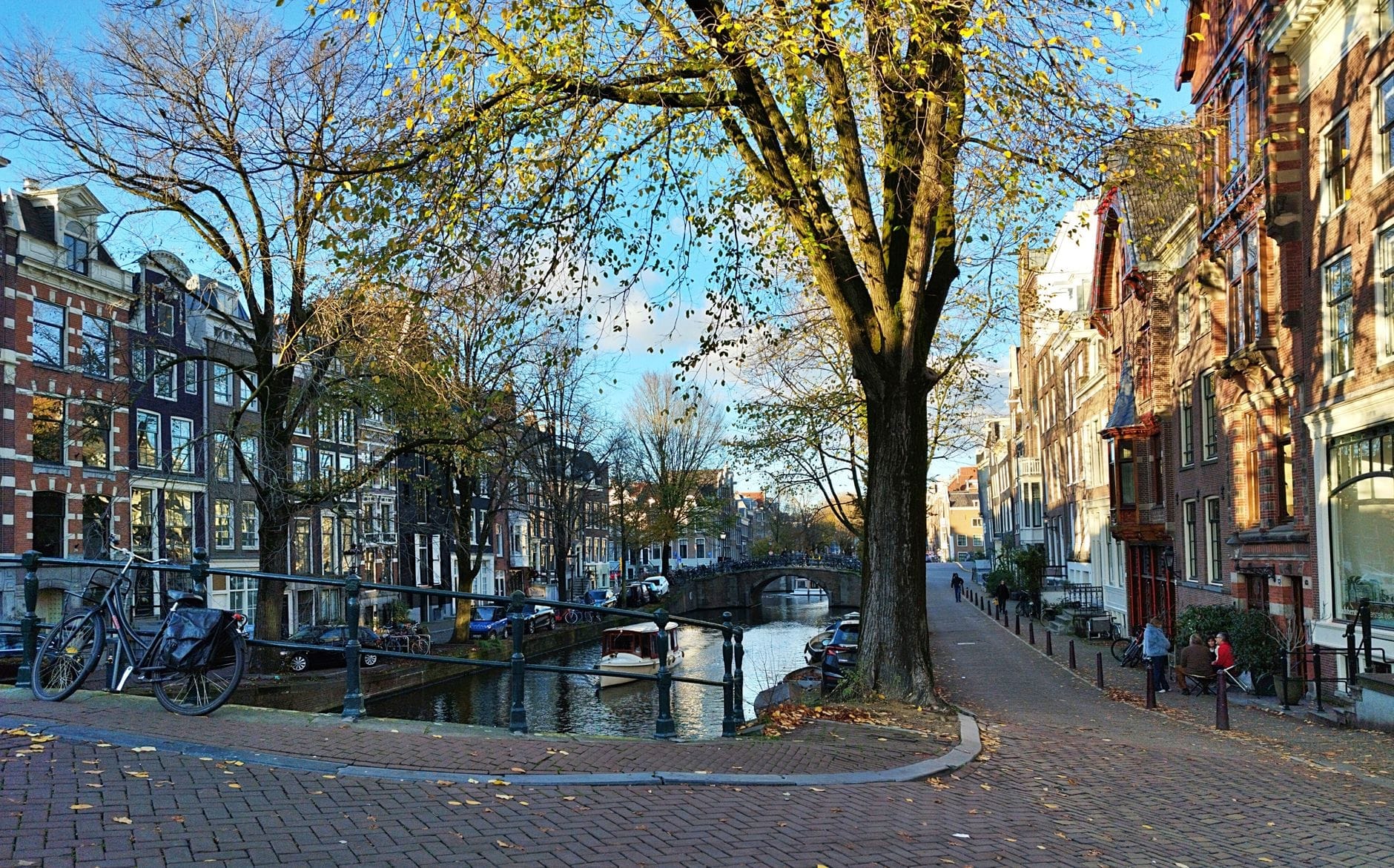
Amsterdam's canal districts make for excellent city riding on their own. A loop through the Canal Ring or south through Jordaan to De Pijp covers some of the city's best streets at a natural pace. But if you have a full day and reasonable fitness, the routes outside the city boundary are where cycling really opens up.
- Amstel River Loop (approx. 27 km) Start at Centraal Station, head south through the city along the Amstel River, and loop back through the green belt east of Amsterdam. Flat, well-marked, and manageable for average fitness. One of the best introductions to cycling outside the urban core.
- Waterlands to Ilpendam (approx. 35 km) Take the free ferry from behind Centraal Station into Amsterdam-Noord, then ride northeast into the Waterlands nature reserve. Quiet roads, open polders, and virtually no tourist traffic. The landscape feels remote despite being 30 minutes from the city centre.
- Zaanse Schans Windmill Route (approx. 38 km round trip) A full-day ride northwest along the Zaan River to the historic open-air museum at Zaanse Schans. Mostly flat with a mix of dedicated paths and quiet roads. E-bikes recommended for this distance if you're not a regular cyclist.
- Muiderslot Castle Route (approx. 33 km) Head east from the city along the IJmeer shoreline to the medieval Muiderslot castle. Good combination of riverside cycling and open countryside. Can be extended into a wider Vecht Valley loop for experienced riders.
- Flower Fields Route (April to May only) Riding southwest from Amsterdam toward Haarlem and the bulb-growing region, you'll pass large fields of tulips and hyacinths in spring. The route connects with paths leading toward Keukenhof for those who want a longer day trip.
For the windmill and flower field routes, spring timing matters significantly. The bulb fields are at their peak in mid-April, and combining a ride with a visit to Keukenhof requires planning ahead since entrance tickets sell out weeks in advance. Riding to Keukenhof from Amsterdam is around 35–40 km each way, which is doable but genuinely long for a day trip on a heavy rental bike.
✨ Pro tip
For the Waterlands and Zaanse Schans routes, use the free ANWB Fietsrouteknoop (cycling node) network. These numbered junctions are marked on free cycling maps available at most rental shops and tourist offices, and they connect into a seamless route system across the entire region. You navigate by memorizing a sequence of node numbers rather than following a single fixed path.
When to Go and What to Avoid
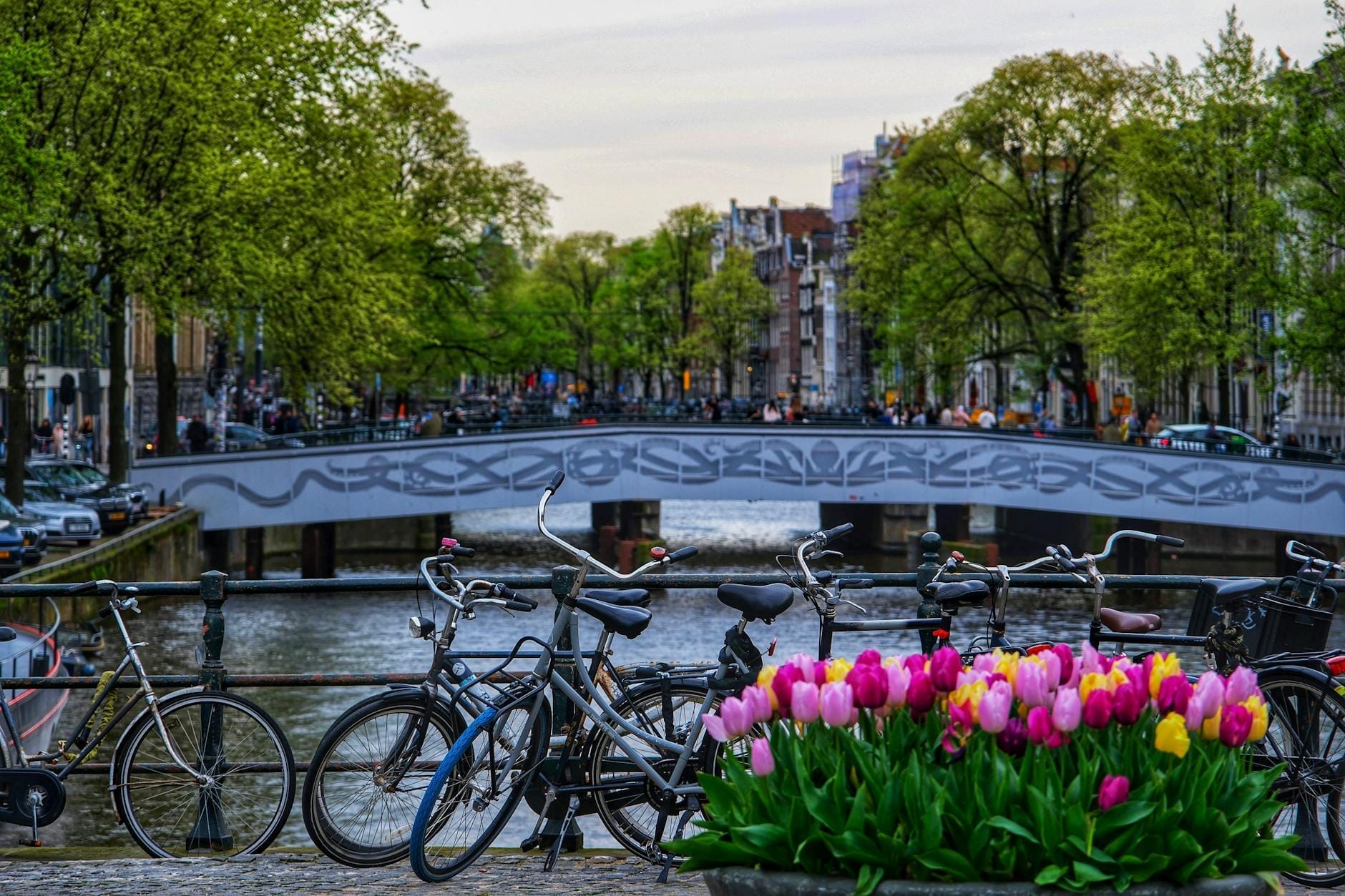
April through September is the practical cycling window. Temperatures in the low-to-mid 20s°C, long daylight hours, and dry-ish conditions (Amsterdam doesn't have a true dry season, but summer is the least rainy period) make riding comfortable. Spring, particularly late April and May, is the peak combination of good weather, tulip season, and manageable tourist numbers before the summer crowds peak.
Avoid peak commuting hours (08:00–09:00 and 17:00–18:00) when bike lanes throughout the city centre are genuinely congested. Locals move fast and do not slow down for hesitant riders. If you're new to Amsterdam cycling, plan your first ride for mid-morning on a weekday or weekend morning before 10:00. The King's Day celebration on 27 April is extraordinary to experience, but cycling that day requires serious confidence — the streets are packed and the normal rules of the road are loosely interpreted by everyone.
Winter cycling is possible and locals do it constantly, but short daylight hours (sunset around 16:30 in December), wet roads, and the occasional frost make it less appealing for visitors. If you're in Amsterdam in winter, the city is still very much worth exploring, but public transport and walking may serve you better than a rental bike in that season.
FAQ
Do I need to wear a helmet when cycling in Amsterdam?
No, helmets are not legally required for regular cyclists in the Netherlands. Most locals ride without them. However, if you're not used to cycling in busy, fast-moving traffic, wearing a helmet is a sensible precaution — particularly if you're renting an e-bike, which reaches higher speeds than a standard city bike.
How much does it cost to rent a bike in Amsterdam?
A standard city bike typically costs around €10–15 per day. Multi-day rentals often work out cheaper per day. E-bikes are roughly €25–35 per day. Most shops also offer 3-hour or half-day rates if you don't need a full day. Expect to provide a deposit of €50–100 or a credit card pre-authorization.
Is cycling in Amsterdam safe for tourists?
Yes, with preparation. The infrastructure is excellent, but the pace in central areas can catch first-timers off guard. The main hazards are tram tracks (cross them at a 90-degree angle), fast-moving locals, and pedestrians stepping into bike lanes without looking. Stick to the rules, avoid your phone, and spend 10 minutes watching the flow of traffic before you join it.
Where can I park my rental bike in Amsterdam?
Use designated bike racks or covered municipal parking garages. Never lock a bike to itself without attaching it to a fixed structure, and avoid blocking pedestrian paths or canal bridge railings. Bikes parked illegally are removed to the Fietsdepot and cost around €25 to retrieve. There are large free or low-cost bike parking facilities near Centraal Station.
What is the best cycling route for a first-time visitor to Amsterdam?
The Amstel River Loop (approximately 27 km) is the most accessible route for visitors. It starts at Centraal Station, follows the Amstel River south out of the city, and returns through the green belt east of Amsterdam. It's flat, well-marked, and gives you a genuine feel for both the city and the surrounding Dutch countryside without requiring high fitness or technical skill.
Tickets & tours
Live prices and dates from our booking partner. If you book, we may earn a commission at no extra cost to you.
Planning a trip? Discover personalized activities with the Nomado app.