What to Eat in Amsterdam: Dutch Food & Local Dishes
Amsterdam's food scene runs deeper than cheese and fries. This guide covers the essential Dutch dishes to try, where to find them across the city, seasonal specialties, and practical advice on what's worth your appetite and what isn't.
Tickets & tours
Live prices and dates from our booking partner. If you book, we may earn a commission at no extra cost to you.
TL;DR
- Dutch food centers on hearty, ingredient-led dishes: herring, stamppot, bitterballen, and erwtensoep are the pillars of the traditional table.
- Street food is where Amsterdam shines: kibbeling, fresh stroopwafels, and poffertjes are all best eaten outdoors at markets.
- Seasonal timing matters: stamppot and split pea soup are winter staples, while oliebollen appear around the holidays. The Albert Cuyp Market and the Noordermarkt are the best spots for tasting multiple dishes in one go.
- Herring is not raw in the way sushi is: it's lightly cured, which is a key distinction that changes the flavor entirely.
- Budget well: street snacks run €1-4, sit-down Dutch meals typically cost €15-25 per person, and tourist-trap restaurants near Dam Square charge significantly more for worse food.
The Core Dutch Food Vocabulary
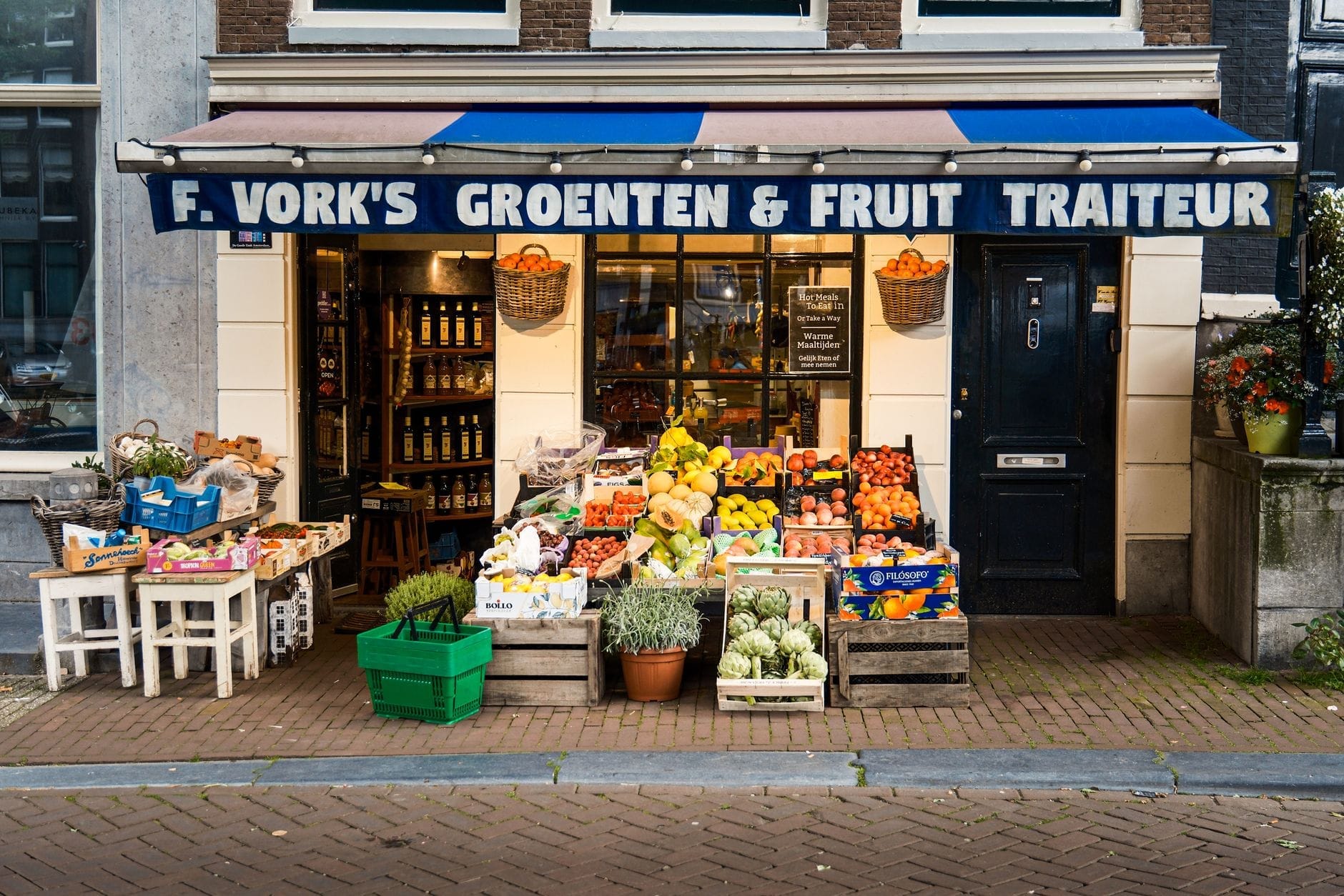
Before diving into specific dishes, it helps to understand what Dutch cooking actually is. Traditional Dutch cuisine is rooted in practicality: potatoes, root vegetables, dairy, bread, and North Sea fish formed the diet of a trading nation with cold, wet winters. The results are not flashy, but they are deeply satisfying when eaten in the right context and at the right time of year.
The common dismissal of Dutch food as boring usually comes from eating at the wrong places. Chain restaurants and tourist-facing spots near Rembrandtplein or Leidseplein rarely represent the food well. The real version lives at market stalls, brown cafes (bruine kroegen), and neighborhood eetcafes that haven't bothered with English signage.
- Haring (Herring) Lightly salt-cured, not raw. Eaten whole or in a broodje (soft roll), topped with diced onion and pickles. Maatjesharing, the seasonal new herring available from late May, is considered the finest.
- Bitterballen Deep-fried breadcrumbed balls filled with a thick beef or veal ragout. The essential bar snack, always served with Dutch mustard. The outside is crisp, the inside dangerously hot.
- Stamppot Mashed potato combined with vegetables, most commonly boerenkool (kale) or zuurkool (sauerkraut), served with rookworst (smoked sausage). A winter dish with no real summer equivalent.
- Erwtensoep / Snert A thick split pea soup with pork, celery root, and smoked sausage. It should be thick enough to stand a spoon in. Served in winter only, often at outdoor events and markets.
- Kibbeling Battered and fried white fish chunks, typically cod, served with garlic or tartar sauce. The definitive Dutch street food for anyone who doesn't want to commit to a whole herring.
- Kroketten The elongated cousin of bitterballen, served in a bread roll (broodje kroket) or as a side dish. Available from vending machines (the FEBO automat is an Amsterdam institution) or made fresh at snack bars.
Sweet Dutch Dishes Worth Seeking Out
Dutch sweet food is where the cuisine genuinely excels, and several items have become internationally recognized for good reason. The key is finding them made well rather than mass-produced for tourist shops.
- Stroopwafel Two thin waffle cookies sandwiched with caramel syrup. Fresh off the iron at a market stall, eaten warm, these are completely different from the packaged versions. The Albert Cuyp Market is one of the best places to find them made to order.
- Poffertjes Small, pillowy pancakes cooked in a special cast-iron pan with shallow dimples. Served with butter and powdered sugar. Found at markets, festivals, and dedicated poffertjes stalls across the city.
- Appeltaart (Dutch Apple Pie) Deeper and denser than most apple pies, with a thick pastry crust and a filling packed with cinnamon-spiced apple and often raisins. Served warm with slagroom (whipped cream). The cafe inside the Rijksmuseum garden serves a widely praised version.
- Tompouce A rectangular mille-feuille-style pastry with custard cream between two layers of puff pastry, topped with pink icing. A bakery staple that turns orange on King's Day in tribute to the royal family.
- Oliebollen Deep-fried dough balls with raisins, dusted in powdered sugar. Sold exclusively from outdoor stalls between roughly November and early January. Eating oliebollen on New Year's Eve is a Dutch tradition.
✨ Pro tip
For fresh stroopwafels and poffertjes, head to the Albert Cuyp Market from Monday to Saturday morning before noon. Weekend crowds make it harder to navigate the stalls, and the lines for the best vendors can stretch significantly by midday.
Where to Eat Dutch Food in Amsterdam by Neighborhood
The neighborhood you eat in matters as much as what you order. De Pijp is the most food-forward district for traditional Dutch ingredients meeting modern techniques, and the Albert Cuyp Market running through its center gives you an easy morning food crawl without a restaurant reservation. The Jordaan has the highest concentration of bruine kroegen where bitterballen and kroketten are done properly alongside Dutch beer.
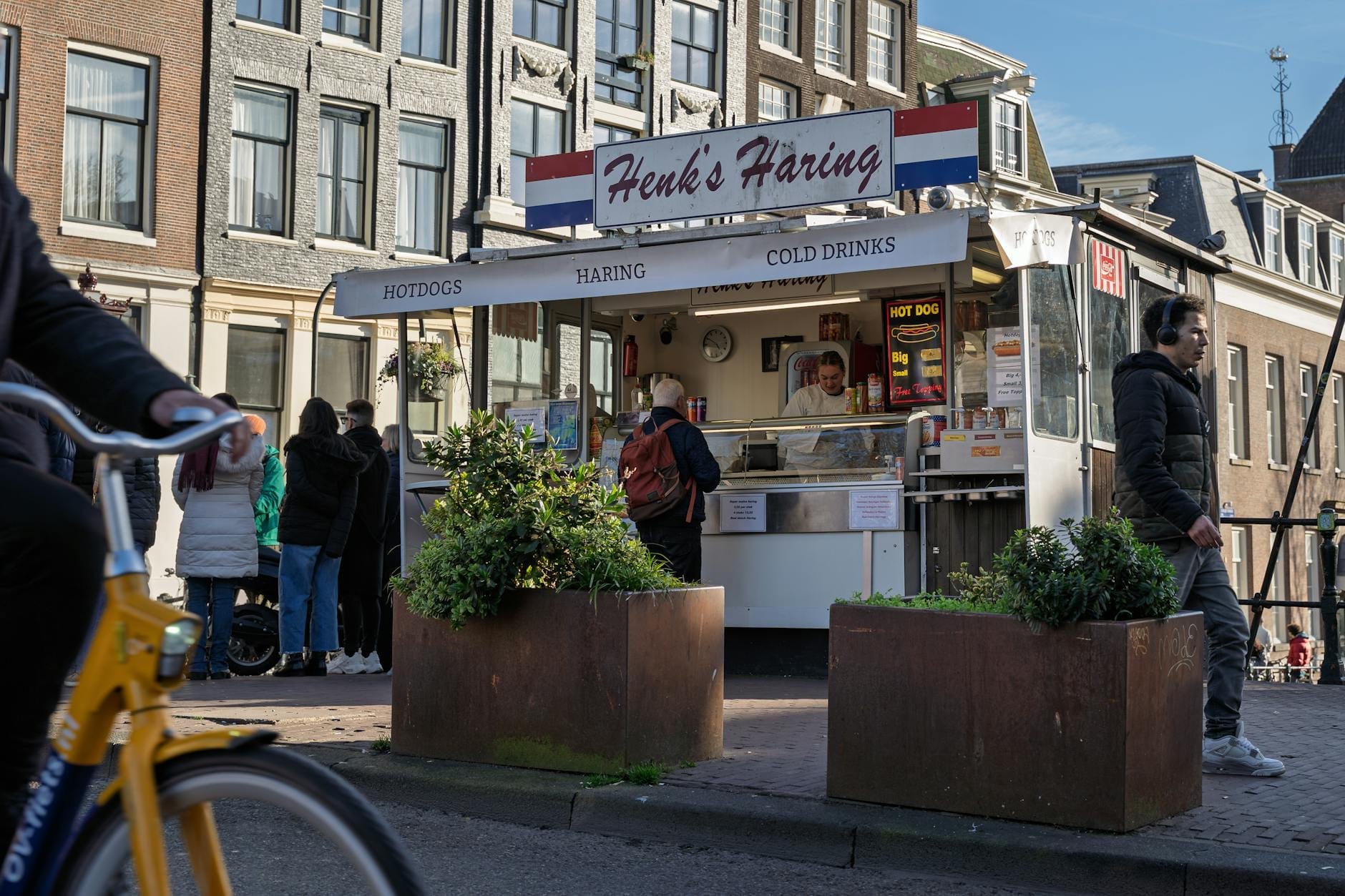
For herring specifically, seek out a haringkar, which is a traditional herring cart found across the city, particularly around markets and near Amsterdam Centraal. The fish should smell of the sea, not of old fryer oil. The Bloemenmarkt area along Singel has several established herring stalls that have operated for decades.
Amsterdam Noord has developed a reputation for food halls and creative dining, with the NDSM wharf area hosting street food events, particularly on weekends. If you are combining a food stop with a cultural visit, the cafe at the Rijksmuseum serves Dutch apple pie and other classics in a setting that is actually worth the price.
⚠️ What to skip
Avoid the restaurants immediately surrounding Dam Square and the Anne Frank House for Dutch food. These areas cater almost exclusively to foot traffic and charge premium prices for meals that do not represent the cuisine. Walk five minutes in any direction and the quality-to-price ratio improves noticeably.
Dutch Cheese: Beyond the Tourist Shop
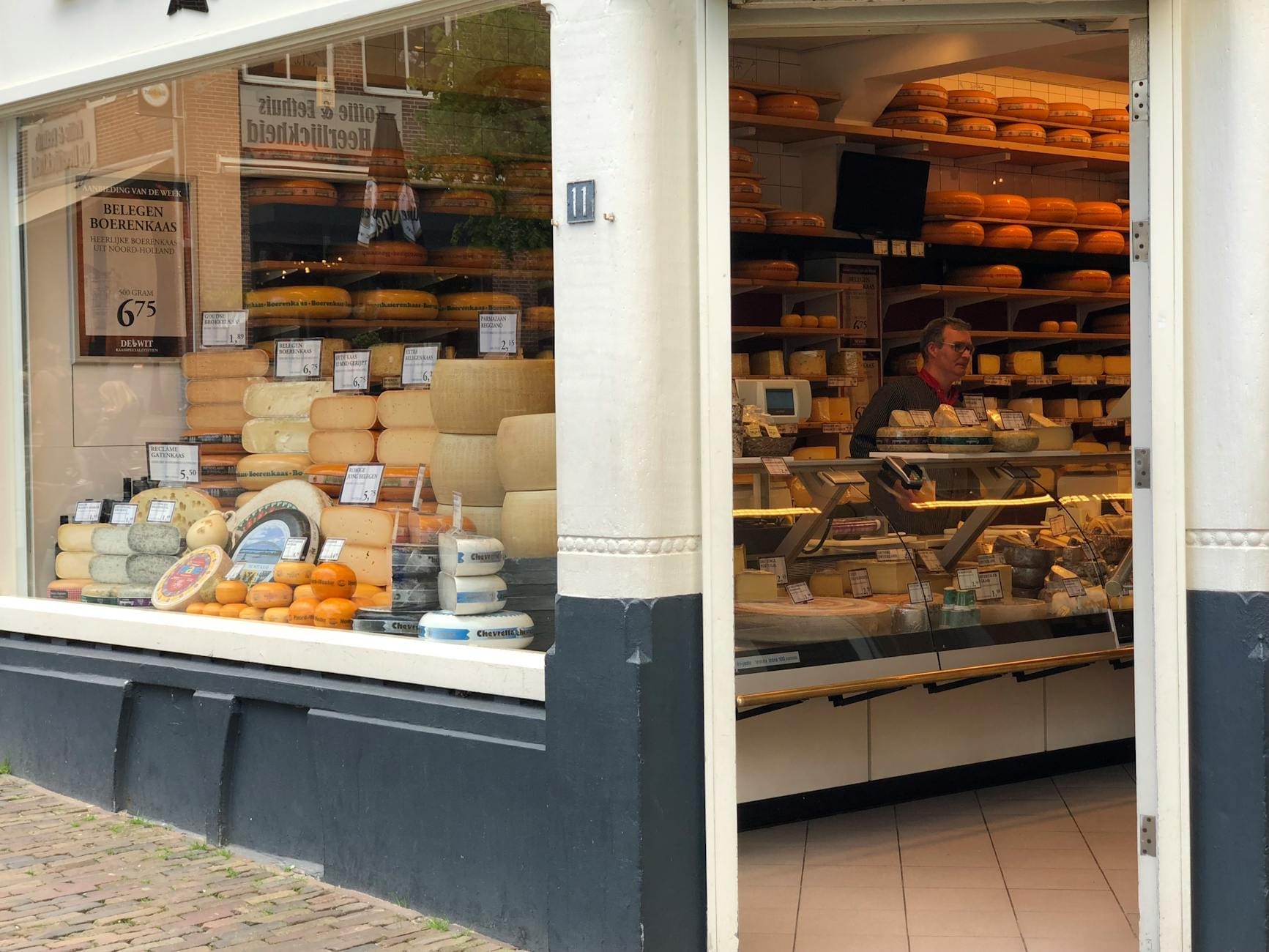
Cheese food culture in Amsterdam is often reduced to souvenir shops selling wax-coated wheels near the canal ring, but the Dutch cheese tradition deserves more serious attention. The Netherlands produces over 900 million kilograms of cheese annually, and Gouda and Edam are only the starting point.
At a proper kaaswinkel (cheese shop) or market stall, you will find aged Gouda (oude kaas) with a firm texture and caramel-like crystalline structure that bears no resemblance to the mild, rubbery young version sold in supermarkets. Leerdammer, Maasdammer, and various herb-infused and smoked varieties are also worth trying. The Noordermarkt on Saturdays and the Lindengracht Market on Saturdays both have reliable cheese vendors who offer samples.
If you want a structured introduction to Dutch cheese varieties and how to identify quality, the Amsterdam Cheese Museum on Prinsengracht is small but informative, and the tasting component is genuinely useful. It is tourist-oriented, but the cheese knowledge you pick up applies when you are shopping at markets afterwards.
💡 Local tip
Aged Gouda (18 months or more, labeled 'overjarig') is the version worth buying to take home. It travels well, holds for weeks unrefrigerated when vacuum-sealed, and is nearly impossible to find outside the Netherlands at the same quality and price.
Practical Eating: Budgets, Timing, and Food Tours
Street food is the most cost-effective way to eat well in Amsterdam. A broodje haring costs around €3-5, a portion of kibbeling roughly €4-6, and a cone of fresh poffertjes runs about €3-4. Sit-down meals at an eetcafe with a Dutch-focused menu typically land between €15-25 per person for a main course and a drink. High-end Dutch tasting menus at modernist restaurants can reach €80-150 per person, which is a different experience entirely.
For visitors who want a guided introduction to Dutch food culture, an Amsterdam food tour is an efficient option, particularly if you are short on time or unfamiliar with which markets and neighborhoods to prioritize. Tours typically cover 8-12 tastings across 2-3 hours and run €50-90 per person. Look for tours that combine the Albert Cuyp Market with a stop at a bruine kroeg and a cheese tasting, as this covers the main categories of Dutch food in a logical geographic route through De Pijp and the canal ring.
Late-night eating in Amsterdam is limited for sit-down options, but snack bars and frituur shops serving fries, bitterballen, and kroketten often stay open until 2-4 a.m., particularly around Leidseplein and Rembrandtplein. Some FEBO automat locations operate around the clock; inserting a few euros to retrieve a hot kroket from a wall vending machine is an Amsterdam experience that is equal parts practical and absurd.
Seasonal Dutch Food Calendar
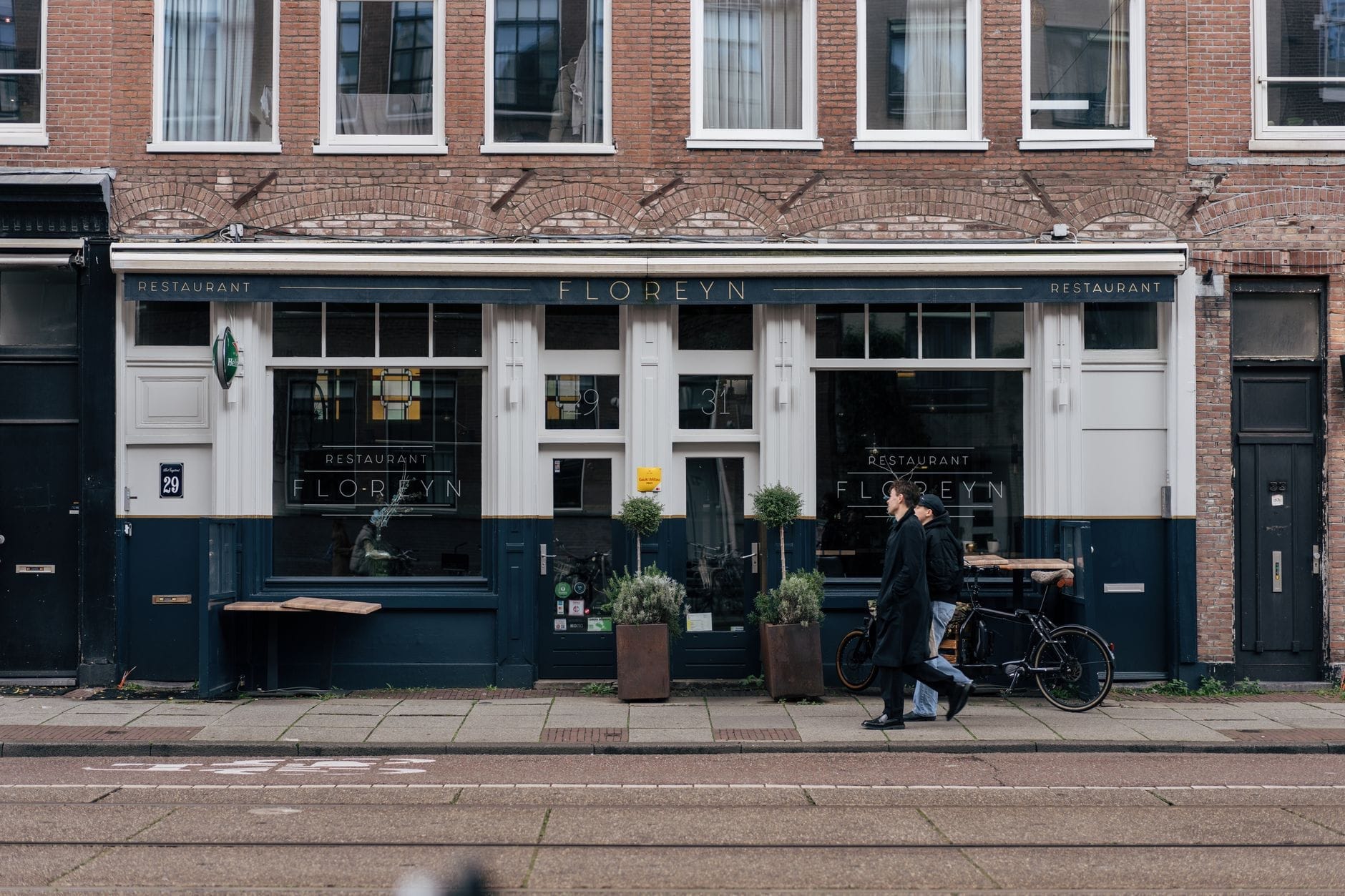
Amsterdam's food calendar tracks closely with weather patterns. If you are visiting in winter, stamppot and erwtensoep are on menus across the city from roughly November through March. These are not available in summer, and ordering them in July at a restaurant that lists them is a sign the kitchen is not operating seasonally.
Spring brings the new herring season (Hollandse Nieuwe), which typically opens in late May or early June and is marked by a small cultural event. The first barrel of new herring is traditionally auctioned for charity. If you are visiting during spring in Amsterdam, tasting maatjesharing at its freshest is one of the most distinctly Dutch food experiences available.
Oliebollen stalls typically appear in November and disappear shortly after New Year's Day. Eating them on a cold evening near a canal is one of those combinations that makes seasonal food make sense. Tompouce turns orange on King's Day (April 27) as a small, tasty piece of national identity, and bakeries across the city embrace the tradition without exception.
FAQ
What is the most famous Dutch food to eat in Amsterdam?
Haring (herring) is the dish most associated with Amsterdam and Dutch food culture. It is lightly cured, not raw, and traditionally eaten whole while holding it by the tail over your head, or in a soft roll with onion and pickles. Bitterballen run a close second as the defining Amsterdam bar snack.
Is Dutch food good for vegetarians?
Traditional Dutch cuisine is heavily meat and fish-based, which makes strict vegetarian eating a challenge if you want to focus specifically on Dutch dishes. Appeltaart, poffertjes, stroopwafels, and Dutch cheese are all vegetarian. Stamppot can sometimes be made without rookworst on request, but it is not the norm. Amsterdam as a city has excellent international vegetarian and vegan dining options, so vegetarians are well-served overall.
Where is the best place to try Dutch street food in Amsterdam?
The Albert Cuyp Market in De Pijp is the most convenient single location for Dutch street food: herring stalls, stroopwafel vendors, kibbeling, and poffertjes are all within a 400-meter stretch. The Noordermarkt on Saturdays is smaller but has higher-quality cheese and organic produce vendors. For kibbeling near the water, fish stalls along the IJ waterfront are a reliable option.
When should I visit Amsterdam for the best Dutch food experience?
Late May to early June is ideal if you want to try Hollandse Nieuwe (new season herring) at its freshest. Winter (November to February) is best for stamppot, erwtensoep, and oliebollen. Spring and summer have the most outdoor market activity, which is when street food like kibbeling, stroopwafels, and poffertjes are easiest to find across multiple locations.
Is an Amsterdam food tour worth it?
For first-time visitors who have two days or fewer, a food tour is efficient: you cover multiple neighborhoods, try 8-12 dishes in one session, and get context from a guide who can explain what you are eating. For repeat visitors or those with more time, self-guided market exploration across De Pijp, the Jordaan, and Nieuwendijk is cheaper and lets you set the pace. Budget €50-90 per person for a reputable guided food tour.
Tickets & tours
Live prices and dates from our booking partner. If you book, we may earn a commission at no extra cost to you.
Planning a trip? Discover personalized activities with the Nomado app.