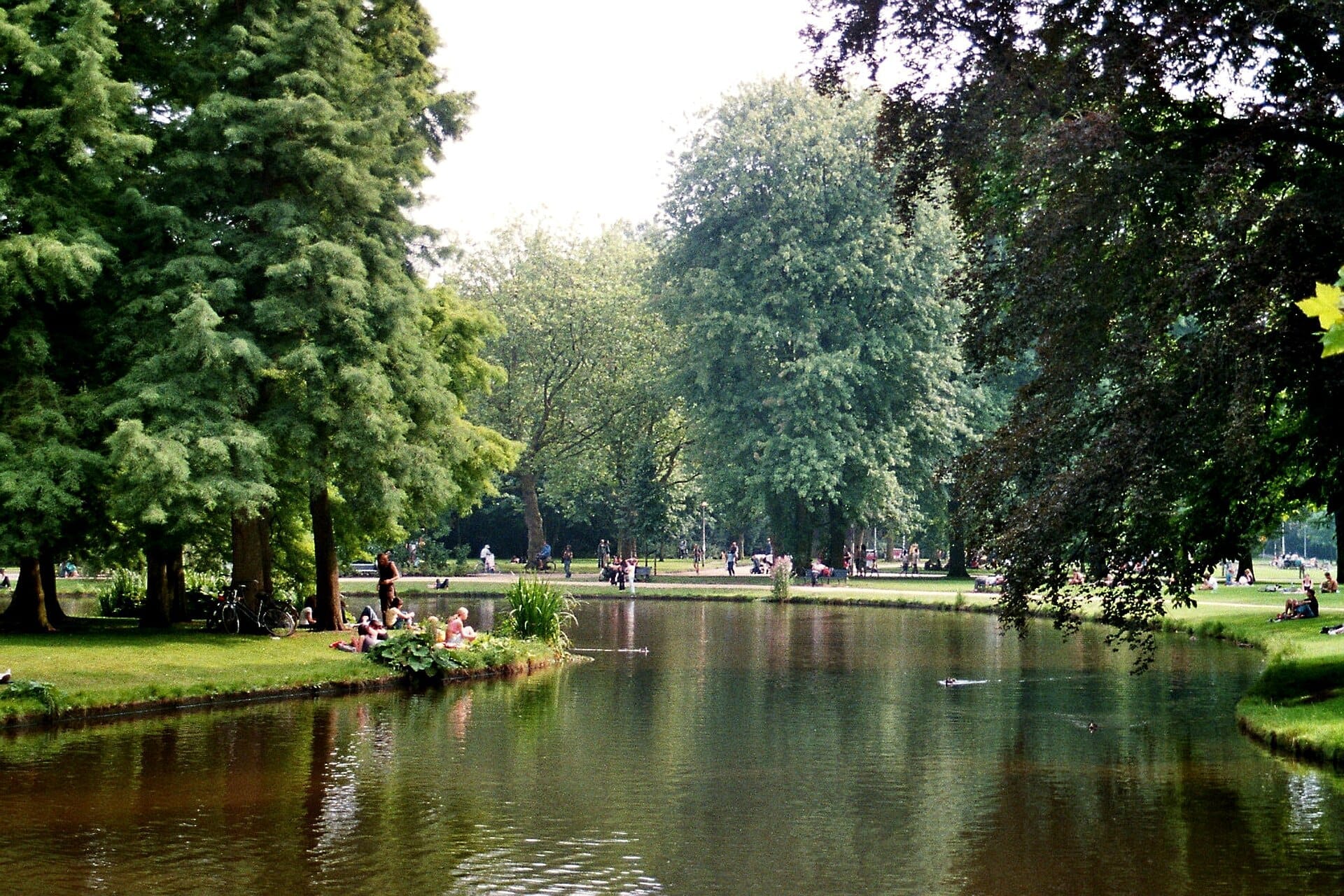
Oud-Zuid is Amsterdam's most refined district, anchored by Museumplein's world-class museums and framed by Vondelpark to the west. Wide, tree-lined streets, stately mansions, and high-end shopping on PC Hooftstraat give the area a character unlike any other part of the city.
Oud-Zuid is where Amsterdam keeps its finest cultural institutions and its most elegant residential streets. Centred on Museumplein, it holds the Rijksmuseum, the Van Gogh Museum, and the Concertgebouw within easy walking distance of each other, yet the surrounding neighbourhood remains genuinely lived-in, with locals cycling to Saturday markets and children playing in Vondelpark on weekday afternoons.
Orientation: Where Oud-Zuid Sits in Amsterdam
Oud-Zuid occupies the southern arc of Amsterdam's inner city, beginning roughly where the historic Canal Ring ends and extending south toward the city's business and residential periphery. Its commonly understood boundaries are Museumplein to the north, Vondelpark along its western edge, the Boerenweteringkanaal to the east, and the Zuider Amstelkanaal to the south. It sits about 2 kilometres from Dam Square, connected to the city centre by tram lines that run along Van Baerlestraat and Hobbemastraat.
Internally, Oud-Zuid breaks into three distinct sub-neighbourhoods. The northernmost section, Museumkwartier and Willemspark, is the most visited, dominated by the museum cluster and the luxury retail strip of PC Hooftstraat. Moving south, the Apollobuurt is a quieter, deeply residential zone with wide avenues and Amsterdam School–style apartment buildings built in the early decades of the 20th century. Further south still, the Stadionbuurt surrounds the 1928 Olympic Stadium, a functional neighbourhood with less tourist traffic and a more everyday Amsterdam atmosphere.
Oud-Zuid connects naturally to the Canal Ring to the north and De Pijp to the east. De Pijp shares its eastern border along the Boerenweteringkanaal and offers a useful contrast: where Oud-Zuid is polished and spacious, De Pijp is denser, cheaper, and louder. The two complement each other well for travelers who want variety within a short walk.
Character and Atmosphere
Oud-Zuid was designed in the late 19th century as an upscale expansion of the city, intended from the start as a wealthy residential district. That original intention is still visible in the architecture: wide, well-maintained streets lined with brick townhouses, mansions with ornate gable details, and generous front gardens that are rare in central Amsterdam. The neighbourhood never became overcrowded the way the Jordaan or De Wallen did, and that restraint is still palpable in how the streets feel today.
In the morning, the area around Museumplein is calm. Museum queues begin forming outside the Rijksmuseum from around 9am, but the surrounding streets are still largely local: cyclists commuting toward the city centre, parents pushing strollers along Vondelpark's perimeter, and residents collecting coffee from neighbourhood cafés on Cornelis Schuytstraat. The light in this part of Amsterdam in the morning is particularly clear, partly because the streets are so wide and unobstructed.
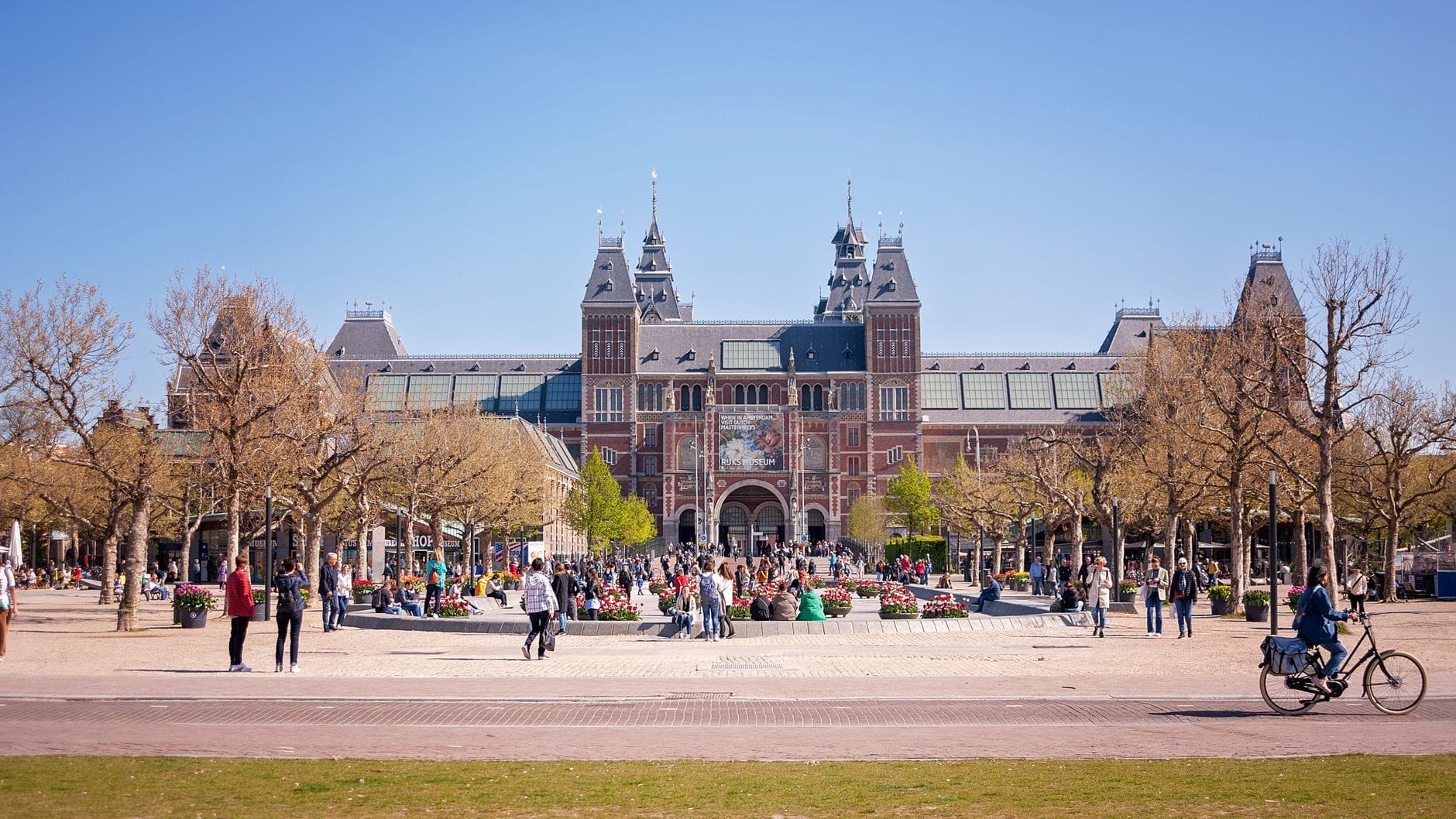
By midday, Museumplein itself fills with visitors. The open grass field between the Rijksmuseum and the Van Gogh Museum becomes a social space, with tourists eating packed lunches, school groups, and the occasional street performer. The square gets noisy and the café terraces on its edges fill quickly. In summer, it can feel genuinely crowded between 11am and 4pm. Heading a few blocks south into the Apollobuurt offers immediate quiet.
Evenings in Oud-Zuid have a different register. The museum crowds disperse, the restaurants on Van Baerlestraat and Johannes Vermeerstraat fill with a mix of residents and concertgoers, and the Concertgebouw draws a well-dressed crowd for evening performances. It is not a nightlife district in any conventional sense, but it has a cultured, unhurried energy after dark that suits people who want good food and music rather than clubs and bars.
ℹ️ Good to know
Oud-Zuid is one of Amsterdam's safest and most pleasant districts to walk at any hour. There are no specific safety concerns beyond standard city precautions like watching for cyclists and keeping an eye on your belongings in crowded tourist areas around Museumplein.
What to See and Do
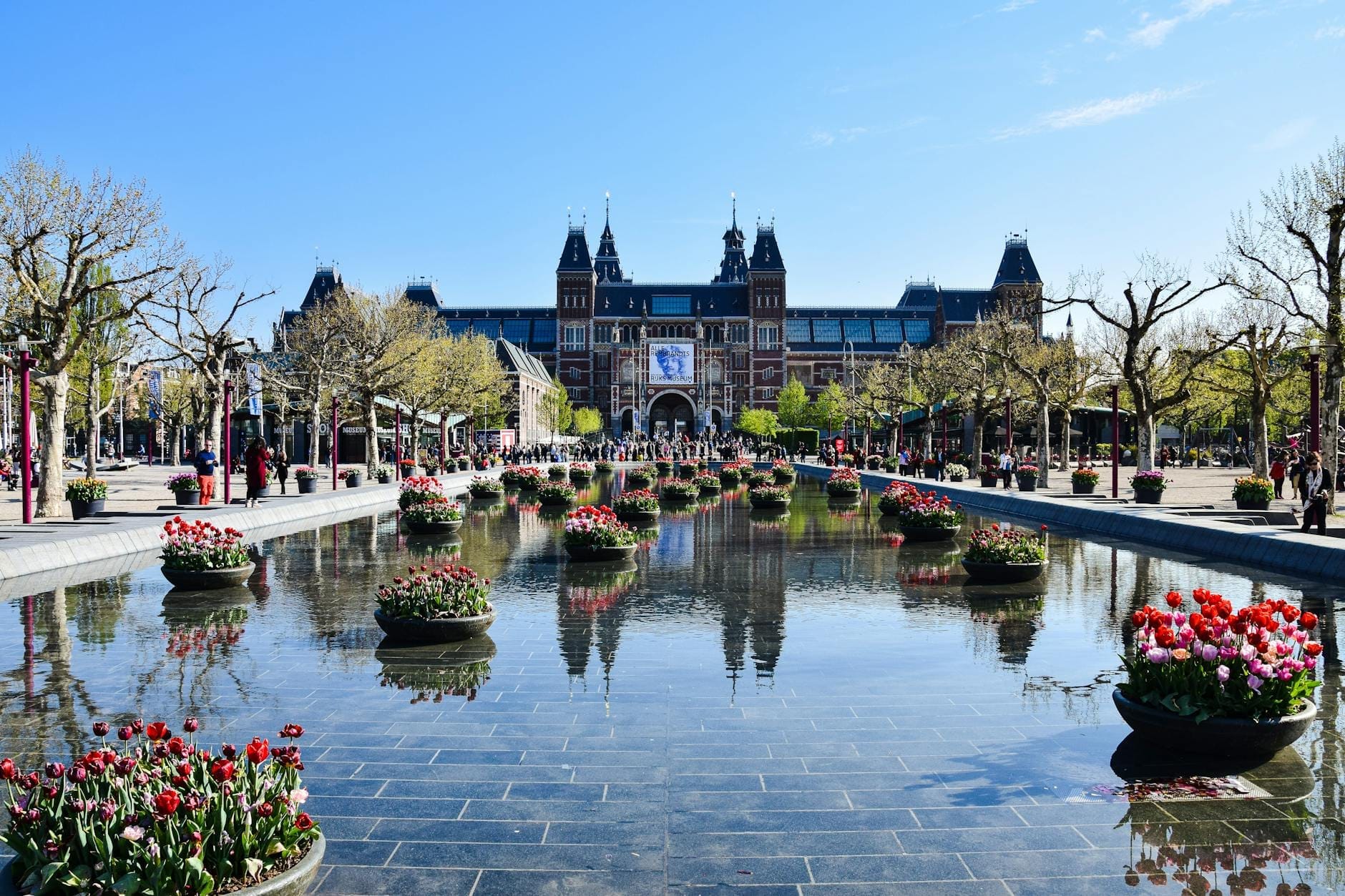
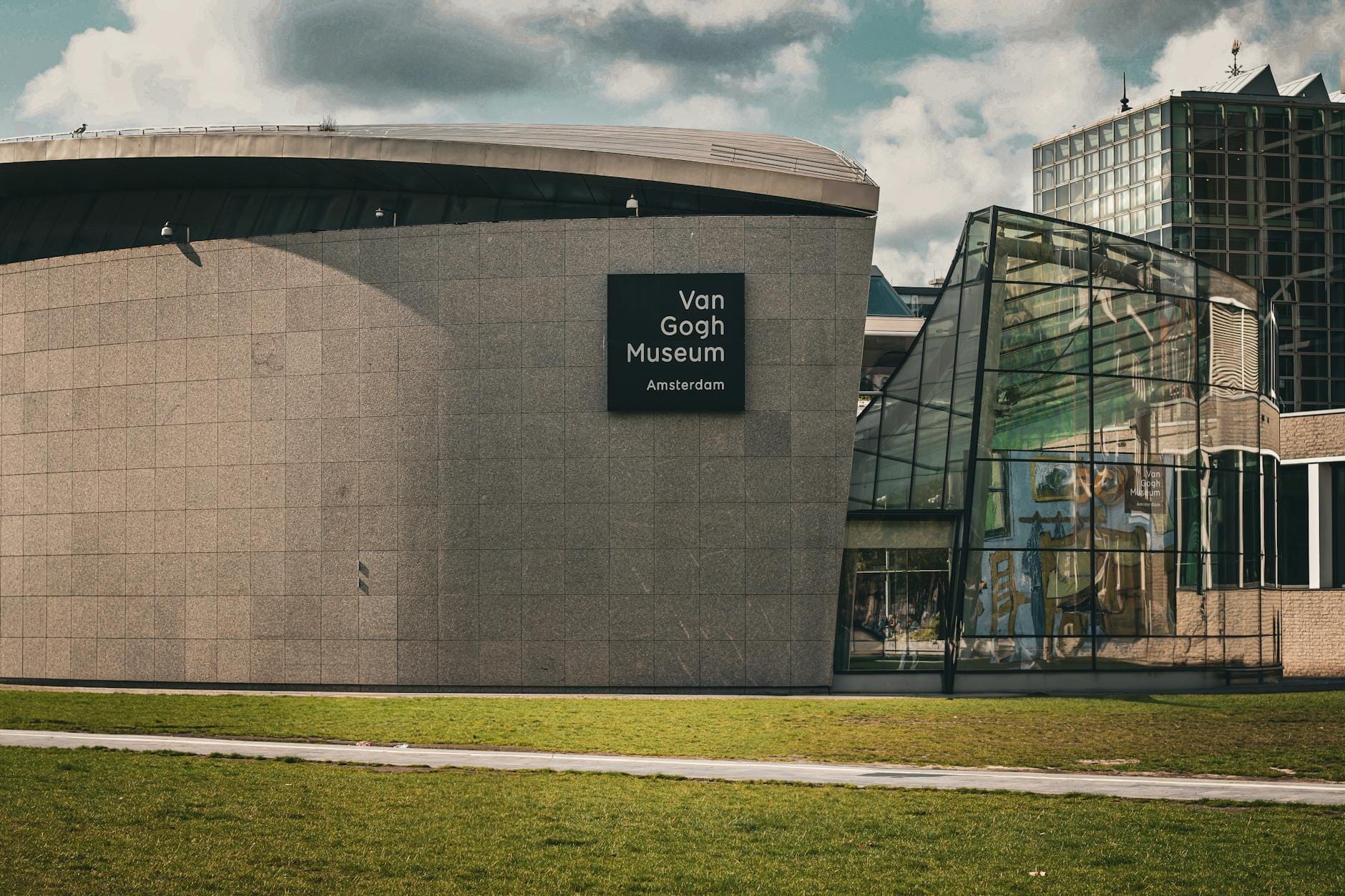
The obvious starting point is Museumplein, where three of Amsterdam's most significant museums stand within 400 metres of each other. The Rijksmuseum is the largest, covering Dutch and Flemish art across eight centuries. Its 1885–1885 building by Pierre Cuypers is worth seeing as architecture even before you step inside. Directly adjacent, the Van Gogh Museum holds the world's largest collection of Vincent van Gogh's work. Expect queues here; booking in advance is strongly recommended.
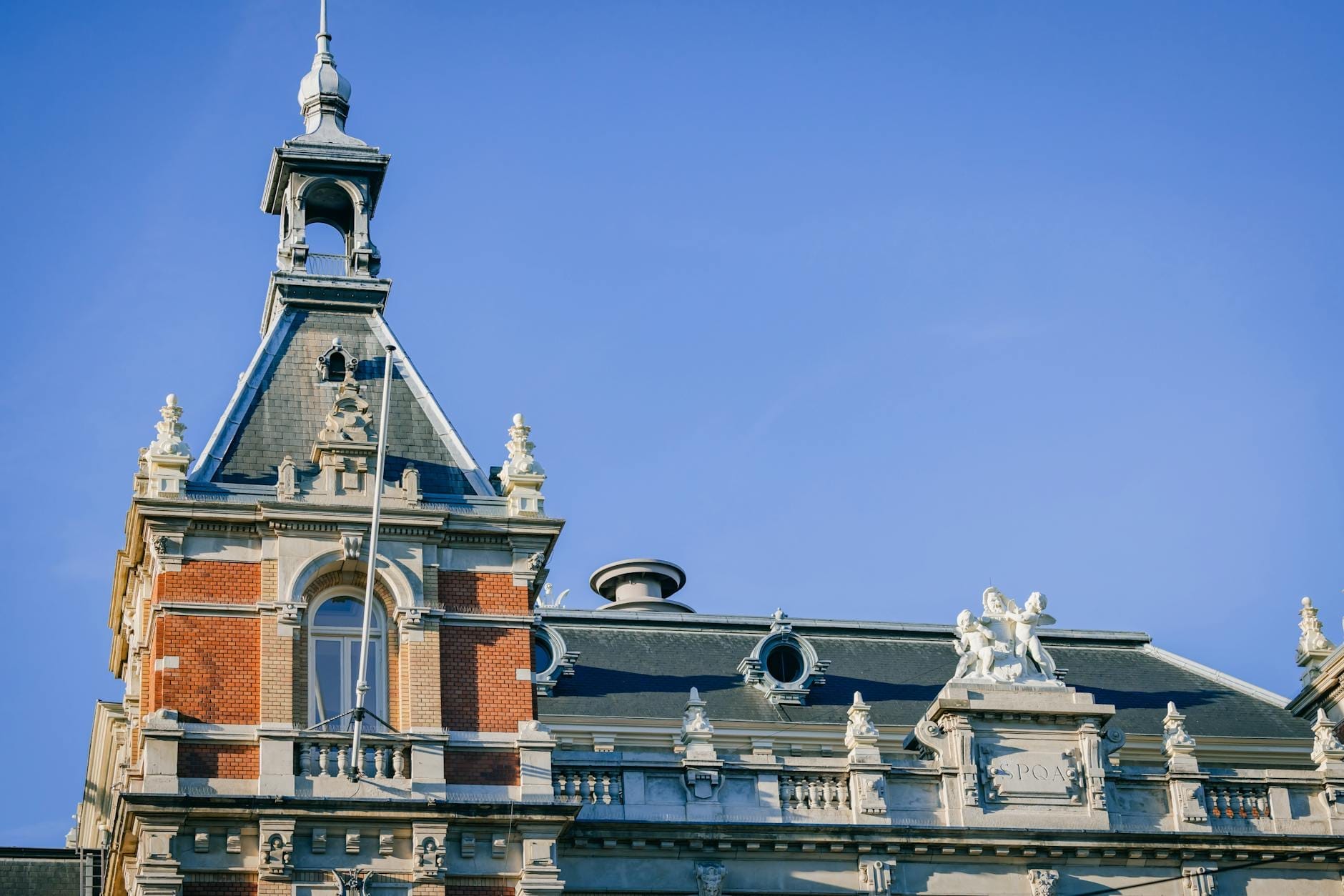
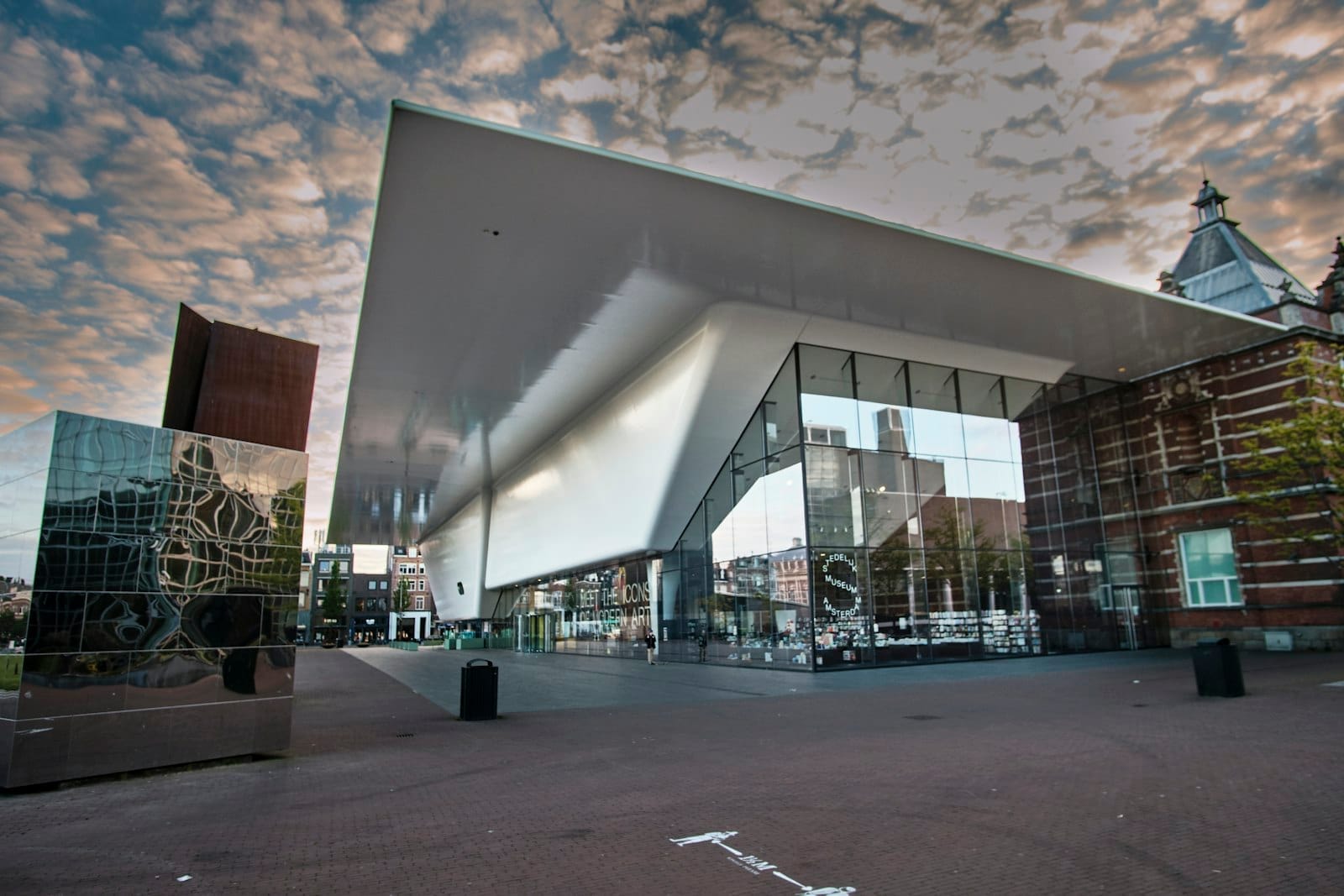
The Stedelijk Museum completes the trio with a focus on modern and contemporary art and design, housed in a building that famously acquired a large white bathtub-shaped extension opened in 2012. For photography specifically, Foam Photography Museum sits just north of Museumplein near the Keizersgracht and is worth a separate visit if you have a second day in the area.
The Concertgebouw on the southern side of Museumplein is one of the world's great concert halls, home to the Royal Concertgebouw Orchestra. If you are visiting on a Wednesday morning during the season, free lunchtime concerts are sometimes offered, though availability fluctuates and should be checked in advance. On the western side of the district, Vondelpark is Amsterdam's most central large park: 47 hectares of walking and cycling paths, an open-air theatre (active in summer), and wide lawns that draw locals in any weather above about 15°C.
Rijksmuseum: Dutch Golden Age masterworks, Delftware, and model ships
Van Gogh Museum: chronological journey through Van Gogh's life and work
Stedelijk Museum: modern and contemporary art from Mondrian to the present
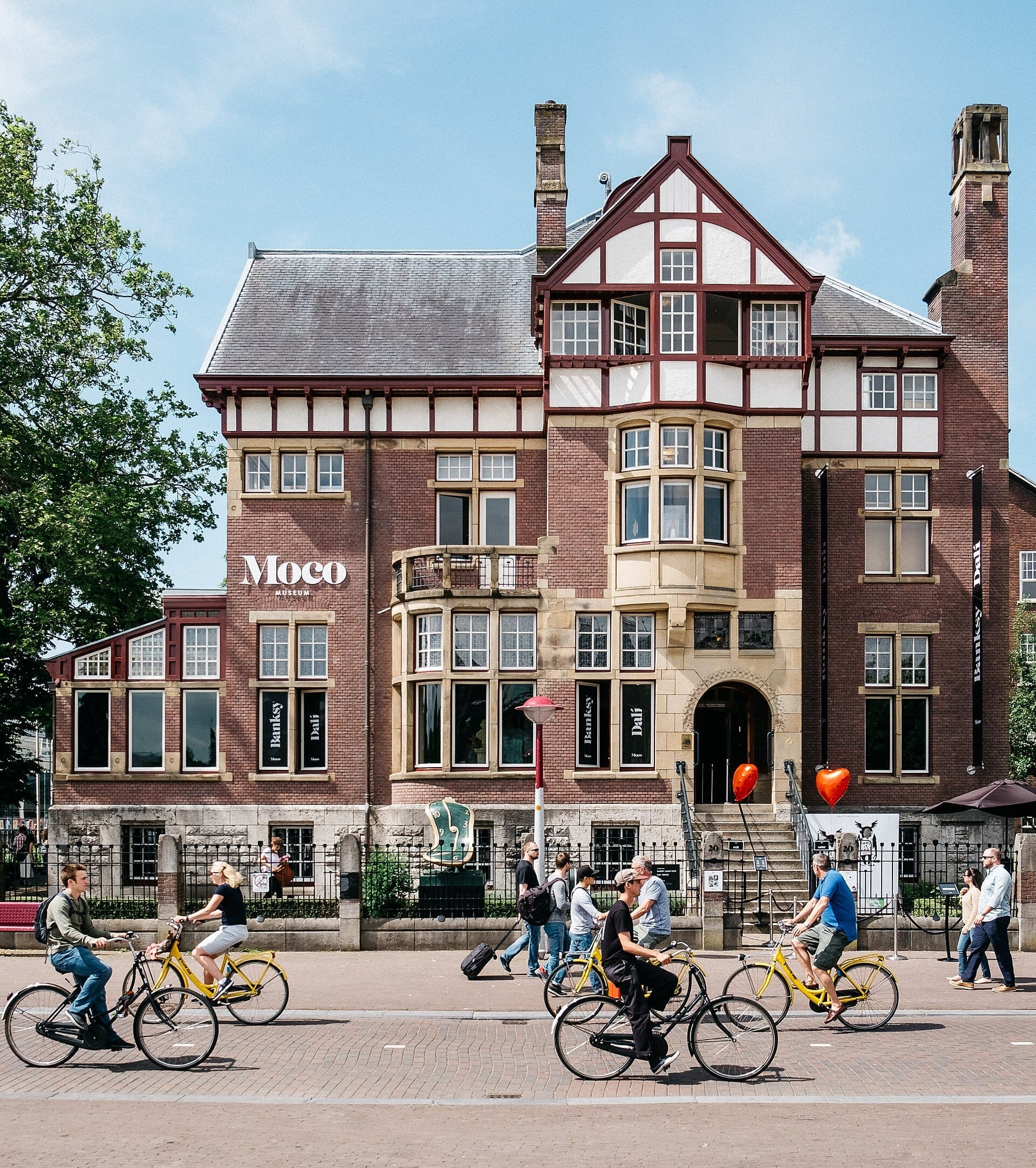
Moco Museum: contemporary and street art including Banksy works
Concertgebouw: world-class classical music in an acoustically exceptional hall
Vondelpark: open-air concerts in summer, year-round cycling and walking
PC Hooftstraat: luxury shopping strip with international and Dutch brands
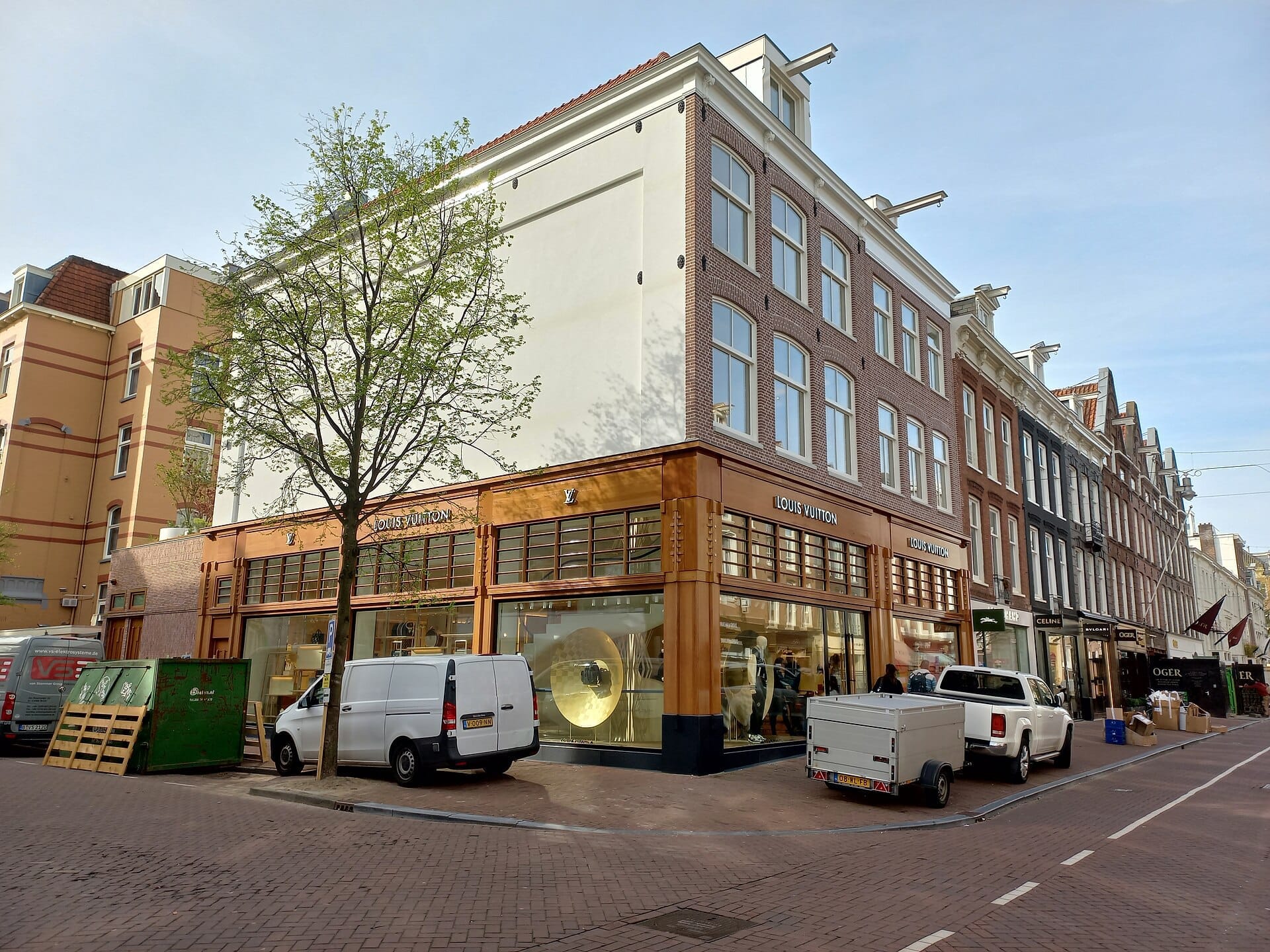
PC Hooftstraat deserves its own mention. Amsterdam's answer to the high-end retail strip, it runs for about 500 metres from the edge of Vondelpark toward Museumplein and concentrates designer boutiques in a stretch of elegant 19th-century shopfronts. Even if luxury shopping is not your goal, it is worth walking once to understand the scale of the street and the care that goes into the neighbourhood's upkeep. For a broader look at what makes this district architecturally distinctive, the Amsterdam architecture guide covers the area's 19th-century development in detail.
Eating and Drinking
Oud-Zuid's food scene matches its character: high quality, unhurried, and not especially cheap. The main eating streets are Van Baerlestraat, running along the eastern side of Museumplein, and Cornelis Schuytstraat, which functions as the neighbourhood's local high street with a good cluster of cafés and independent restaurants. Johannes Vermeerstraat, just east of Museumplein, also has several well-regarded options.
For breakfast and coffee, the Apollobuurt's residential streets have neighbourhood cafés that are far less crowded than anything near the museums. These places open early, serve proper Dutch coffee and bread with aged gouda or hagelslag, and operate at the pace of people who live there rather than people trying to reach a museum by 10am. Cornelis Schuytstraat is the best starting point for this kind of morning.
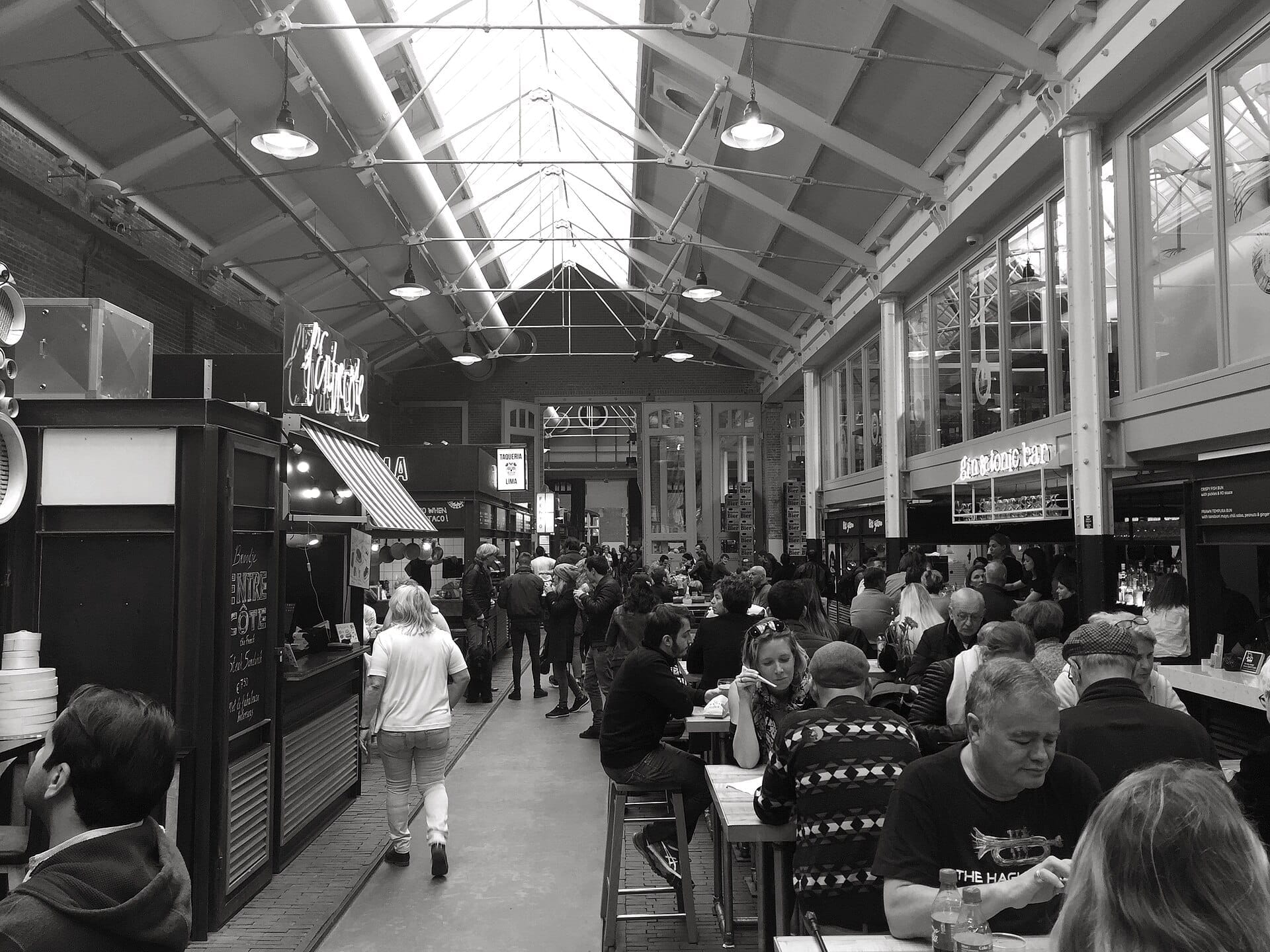
Lunch around Museumplein itself is expensive and often mediocre at the museum cafés and tourist-facing terraces. Walking two or three blocks away changes the calculation significantly. The neighbourhood has a Saturday market, the ZuiderMRKT, at the corner of Jacob Obrechtstraat and Johannes Verhulststraat, where local food stalls offer a more genuine cross-section of what people in the area actually eat.
For dinner, Van Baerlestraat has restaurants covering French bistro cooking, modern Dutch, and international cuisines, mostly in the moderate-to-expensive range. This is not the neighbourhood for cheap eats: budget travelers will find better value across the Boerenweteringkanaal in De Pijp, which has a wider range of price points and more street-level energy. That said, if you have a concert at the Concertgebouw, the pre-theatre dinner options in Oud-Zuid are genuinely good and convenient.
💡 Local tip
Avoid eating directly on Museumplein between noon and 3pm during peak season. Walk south along Van Baerlestraat or west toward Vondelpark's perimeter for better food at lower prices without the tourist premium.
Getting There and Around
Oud-Zuid is well served by tram and has metro access at its southern edge. From Amsterdam Centraal, tram lines running through the city centre (such as lines 2 and 12) stop along Van Baerlestraat and near Museumplein, making the journey straightforward. The ride takes around 15 to 20 minutes depending on traffic and the time of day. Always verify current GVB tram numbers before travel, as routes are subject to revision.
For connections further south, particularly toward Zuidas and Amsterdam's business district, Station Zuid provides metro and intercity rail links. Station Zuid is roughly 20 minutes on foot from the southern edge of Museumplein, or a short tram or metro ride away. If you are arriving from Schiphol Airport, the train to Amsterdam Centraal is the standard route, but trains also stop at Station Zuid, which puts you directly in the southern part of Oud-Zuid and is worth considering if your accommodation is in the Apollobuurt or Stadionbuurt.
Cycling is the most practical way to move around Oud-Zuid itself. The streets are wide, well-maintained, and have proper cycle infrastructure. Vondelpark has dedicated cycling paths and provides a pleasant route between Oud-Zuid and the Jordaan or the Canal Ring to the north. Rental bikes are available throughout the area. For broader guidance on navigating Amsterdam on two wheels, the cycling in Amsterdam guide covers everything from rental options to traffic rules.
From Oud-Zuid, the Canal Ring and the Jordaan are reachable on foot in 20 to 30 minutes walking north through Vondelpark or along the major canal streets. De Pijp is a 10-minute walk east across the Boerenweteringkanaal. For full transit logistics across the city, the getting around Amsterdam guide has current information on tickets, the OV-chipkaart, and network maps.
⚠️ What to skip
Museumplein and its surrounding streets become genuinely congested with tourist coaches, tour groups, and cyclists during summer weekends. If you want to visit multiple museums in one day, start before 10am and plan your route to minimize backtracking across the square.
Where to Stay in Oud-Zuid
Oud-Zuid is one of Amsterdam's best base options for travelers prioritizing culture and comfort over nightlife proximity. Hotels in the Museumkwartier section, particularly along Van Baerlestraat and Hobbemastraat, put you within a few minutes' walk of the Rijksmuseum, Van Gogh Museum, and Vondelpark, and are well connected to the rest of the city by tram. This area suits couples, families with older children, and any traveler who prefers a calmer atmosphere to the noise of the Canal Ring.
Accommodation in Oud-Zuid skews toward mid-range boutique hotels, upscale international brands, and apartment rentals. Budget accommodation is limited in the Museumkwartier: the nearest concentration of affordable hotels is in De Pijp or further into the city centre. If you are specifically interested in the museum district but working with a tighter budget, De Pijp is close enough that the difference in walking time is minimal.
For families, Oud-Zuid has particular advantages: wide pavements, Vondelpark within easy reach, and proximity to several museums with strong family programming. The Amsterdam with kids guide has specific recommendations for this part of the city. For a broader overview of accommodation options across the city, the where to stay in Amsterdam guide covers all major districts with honest trade-offs.
Honest Assessment: Who Oud-Zuid Is For
Oud-Zuid is Amsterdam at its most culturally concentrated and architecturally polished. It is the right choice if your Amsterdam trip is built around the major museums and you want to stay somewhere that feels genuinely residential and well-maintained rather than overtly touristy. The trade-off is that it lacks the spontaneous energy of De Pijp, the canal-side intimacy of the Jordaan, or the gritty creative atmosphere of Amsterdam-Noord. Restaurants and shops are high quality but expensive, and after the museums close, the neighbourhood quiets down considerably.
It is not a neighborhood that rewards aimless wandering in the same way some other parts of Amsterdam do. The streets are pleasant but somewhat uniform in their affluence. Travelers looking for unexpected discoveries, cheap street food, or late-night activity will find the area limiting. What it delivers instead is confidence: the confidence that comes from good infrastructure, safe streets, direct museum access, and the particular pleasure of a morning coffee before the city's most significant art collections.
TL;DR
Best for: Museum-focused travelers, couples, families, and anyone wanting Amsterdam's best cultural institutions within walking distance of their accommodation.
Key draw: Museumplein concentrates the Rijksmuseum, Van Gogh Museum, Stedelijk Museum, and Concertgebouw in a single walkable area.
Be aware: The area around Museumplein is heavily visited between 10am and 5pm; surrounding residential streets offer quiet but limited spontaneity.
Food and drink: High quality but expensive near the museums; better value two or three blocks away, or across the canal in De Pijp.
Skip it if: You prioritize nightlife, cheap eats, or canal-side atmosphere over world-class museums and grand 19th-century architecture.
Two days in Amsterdam is enough to hit the genuine highlights without feeling rushed, if you plan smart. This itinerary covers the Rijksmuseum, Van Gogh Museum, Anne Frank House, canal cruises, and the best neighborhoods, with real pricing, booking warnings, and insider logistics so you don't waste a single hour.
Amsterdam Airport Schiphol (AMS) is one of Europe's largest and busiest international hubs, sitting just 9 km southwest of the city centre. This guide covers the airport layout, how to get into Amsterdam, security rules, facilities, and what to expect at peak times.
Amsterdam's architecture spans four centuries of ambition, from the UNESCO-listed 17th-century canal belt to the expressive social housing of the Amsterdam School and the bold contemporary buildings reshaping the city's waterfront. This guide breaks down what to look for, where to find it, and how to explore it without wasting time.
Amsterdam's 165 canals form a UNESCO World Heritage network stretching over 100 km through the city. This guide cuts through the noise to tell you exactly which type of canal cruise fits your trip, what each operator actually delivers, and when to go to avoid the crowds.
Amsterdam's Canal Ring is one of Europe's most ambitious feats of urban planning, a UNESCO World Heritage Site built during the Dutch Golden Age. This guide covers the history, the three main canals, how to explore by boat or on foot, seasonal conditions, and straightforward advice on what's worth your time.
The I Amsterdam City Card promises access to 70+ museums, unlimited trams and buses, a canal cruise, and a day's bike rental in one timed pass. Whether it actually saves you money depends entirely on how you plan to spend your days. This guide breaks down the real costs, what's excluded, and who should skip it.
Amsterdam's coffeeshops are unlike anything else in Europe, but they come with rules, limits, and legal nuances most visitors don't fully understand. This guide breaks down exactly how they work, what to expect inside, what you can legally do outside, and how to avoid the most common mistakes.
Amsterdam is one of Europe's most naturally romantic cities, with UNESCO-listed canals, world-class museums, and neighbourhoods designed for slow exploration. This guide covers the best experiences for couples, with practical advice on costs, booking, and timing.
Amsterdam rewards those who look beyond the Rijksmuseum and Anne Frank House. From a secret medieval courtyard to a craft brewery inside a working windmill, these off-the-beaten-path experiences reveal a city that most visitors never see.
October is one of Amsterdam's most interesting months to visit, split between a quieter shoulder season and one of the world's biggest electronic music events. This guide covers the Amsterdam Dance Event, what the weather actually looks like, and how to make the most of the city in autumn.
Spring is Amsterdam's most celebrated season, anchored by tulip fields, canal-side festivals, and the city-wide party of King's Day on April 27. This guide covers everything from bloom timing and Keukenhof logistics to what the weather actually looks like and which spring experiences are worth your time.
Amsterdam transforms in winter into one of Europe's most atmospheric cold-weather destinations. From the iconic Amsterdam Light Festival illuminating the canals to Christmas markets and cozy brown cafes, this guide covers everything you need to plan a rewarding winter visit.
Three days is enough time to hit Amsterdam's heavyweight museums, explore its most rewarding neighborhoods, and get out on the canals — if you plan it right. This guide breaks it all down day by day, with practical advice on booking, passes, and what to skip.
King's Day (Koningsdag) is the biggest street party in the Netherlands, and Amsterdam is its epicentre. This guide covers the full schedule, how to navigate crowds, where to find the best vrijmarkt stalls, and practical tips that make the difference between an unforgettable day and a frustrating one.
The Amsterdam Light Festival transforms the city's historic canals into an open-air gallery of illuminated art installations every winter. This guide covers the 2025-2026 edition dates, both routes, ticket prices, crowd patterns, and what first-timers consistently get wrong.
Amsterdam's markets are where the city reveals itself: locals haggling over vintage finds, stroopwafels fresh off the iron, tulip bulbs stacked in canal-side barges. This guide covers the best markets in Amsterdam across every category, from daily street markets to monthly flea market events.
Amsterdam's nightlife runs deeper than the Red Light District. This guide breaks down the best bars, clubs, and late-night experiences by neighborhood, with practical advice on tickets, timing, and where locals actually go.
Amsterdam has a reputation for being expensive, but careful planning cuts costs dramatically. This guide covers real 2026 price benchmarks, the best free experiences, transport passes, and the smartest times to visit — so you can see the city properly without draining your account.
Amsterdam is one of Europe's safest cities, but tourists are regularly caught out by petty theft, clever scams, and bike-related mishaps. This guide covers everything you need to know: how to spot fake police, navigate 400 km of cycle paths, use public transport correctly, and stay sharp across different seasons.
Amsterdam rewards shoppers who go beyond the souvenir shops. From the Albert Cuypmarkt in De Pijp to the boutique-lined streets of the Jordaan, this guide covers the city's best markets, shopping streets, and independent stores — with practical hours, clear assessments, and local context.
Amsterdam is one of Europe's most rewarding solo destinations: compact, English-friendly, and full of world-class culture. This guide covers everything you need to know before you go, from staying safe and getting around to the best activities and how to book them without the stress.
The direct ICE train from Amsterdam Centraal to Berlin Hbf takes about 5 hours 51 minutes and costs as little as €37.90 booked in advance. This guide covers every route option, real price ranges, booking platforms, and what to expect on board.
The Amsterdam to Brussels train is one of Europe's most convenient city-to-city rail connections. This guide covers train types, realistic prices, schedules, booking platforms, and what to expect on the day of travel.
The Eurostar connects Amsterdam Centraal to London St Pancras in around 4 hours 10 minutes, making it one of the most practical city-centre-to-city-centre journeys in Europe. This guide covers fares, booking windows, check-in procedures, and the key differences between direct and indirect routes.
The Amsterdam to Paris train journey takes around 3 hours 20 minutes on the Eurostar high-speed service. This guide covers fares, booking strategy, seat classes, what the route actually looks like, and the practical details that save you money and hassle.
Tulip season near Amsterdam runs from late March to mid-May, with peak bloom in the surrounding fields from roughly April 10 to 25. This guide covers the exact timing, top locations, transport options, common misconceptions, and practical tips to make the most of one of the Netherlands' most spectacular seasonal events.
Amsterdam rewards walkers more than almost any city in Europe. This guide covers the best guided tours, self-guided routes, and on-foot highlights across the city's most rewarding neighborhoods, from the medieval center to the creative enclaves of Amsterdam-Noord.
Amsterdam is a great city for families, with world-class science museums, a historic zoo, free parks, and canal cruises designed for children. This guide covers the best attractions, practical logistics, clear pricing, and seasonal advice to help you plan a smooth trip with kids of any age.
Amsterdam has one of the highest concentrations of world-class museums of any city in Europe. This guide covers the essential art, history, science, and specialist museums, with practical advice on booking, passes, and how to make the most of each visit.
Amsterdam rewards visitors year-round, but when you go shapes everything from hotel rates to what you can actually see. This month-by-month guide breaks down weather patterns, crowd levels, prices, and key events so you can pick the timing that suits your trip.
Amsterdam has around 400 km of dedicated bicycle paths and more bikes than residents. This guide covers exactly how to rent a bike, what it costs, the rules you need to know, where to park safely, and which routes are worth your time — whether you're riding through the canals or heading out to the countryside.
Amsterdam is an extraordinary city, but the Netherlands surrounding it rewards exploration just as much. These are the best day trips from Amsterdam, from the tulip gardens of Keukenhof to the Gothic streets of Haarlem, organized by how you want to spend your time.
Amsterdam rewards travelers who plan smartly. From free ferry rides to Noord and rooftop views from NEMO to world-class street art at NDSM, the city offers a surprising range of genuinely free experiences. This guide covers the best of them.
Amsterdam rewards visitors who understand how it moves. This guide covers every transport option in the city, from GVB trams and the metro to bike rentals and Schiphol airport transfers, with practical advice on costs, passes, and what to skip.
Amsterdam rewards visitors who look beyond the obvious. This guide covers the top things to do in Amsterdam across every interest and budget, from world-class museums and canal cruises to neighborhood markets and cross-IJ adventures, with practical advice on timing, booking, and what is worth your time.
Amsterdam is the capital of the Netherlands and one of Europe's most recognizable cities, famous for its UNESCO-listed canal ring, Rijksmuseum, Anne Frank House, cycling culture, and tolerant social policies. This guide breaks down exactly what makes Amsterdam distinctive, with practical details for planning your visit.
Amsterdam's food scene runs deeper than cheese and fries. This guide covers the essential Dutch dishes to try, where to find them across the city, seasonal specialties, and practical advice on what's worth your appetite and what isn't.
Choosing where to stay in Amsterdam shapes your entire trip. This guide breaks down the best neighborhoods by travel style, covers what each area actually costs, and cuts through the noise so you book the right hotel in the right location.