Amsterdam Safety Tips: Scams, Bikes & What to Watch Out For
Amsterdam is one of Europe's safest cities, but tourists are regularly caught out by petty theft, clever scams, and bike-related mishaps. This guide covers everything you need to know: how to spot fake police, navigate 400 km of cycle paths, use public transport correctly, and stay sharp across different seasons.
Tickets & tours
Live prices and dates from our booking partner. If you book, we may earn a commission at no extra cost to you.
TL;DR
- Amsterdam is generally safe, but pickpockets, fake-police scams, and unlicensed taxis target tourists in central areas and nightlife zones.
- Cycling follows strict rules: ride on the right, obey bike traffic lights, never use your phone while moving, and always lock your frame to a fixed object.
- Always tap in AND tap out on GVB trams, metro, and buses, or you'll be charged the maximum fare. See our full guide to getting around Amsterdam for route and ticketing details.
- Street offers for discount electronics, boat tours, or bike rentals are almost always scams. Book through official websites or established shops.
- The emergency number in the Netherlands is 112. Real Dutch police do not stop tourists on the street to check for drugs without clear legal cause.
How Safe Is Amsterdam, Really?
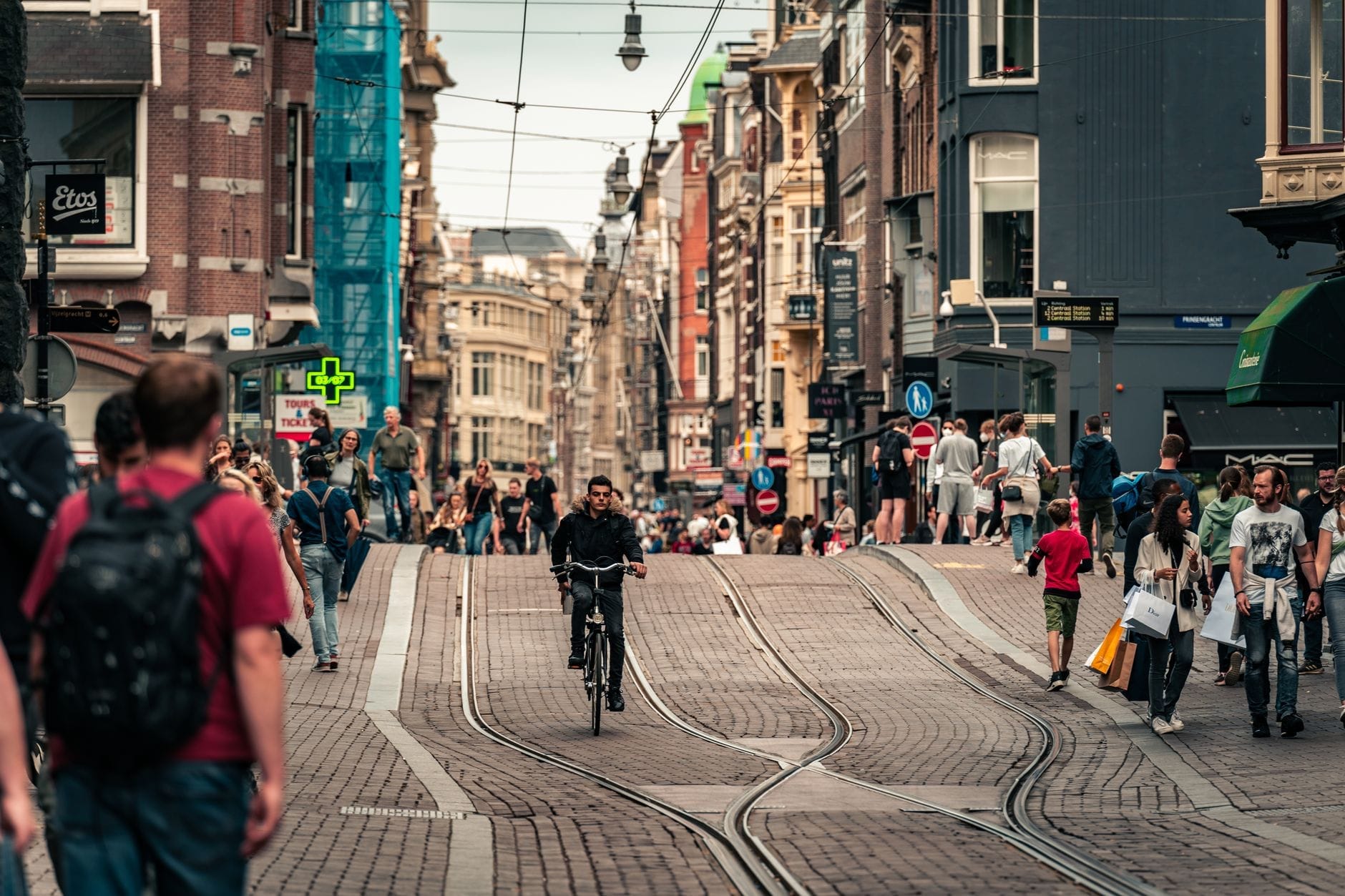
Amsterdam consistently ranks as one of the safer major European capitals. Violent crime against tourists is rare. What you do face is a high concentration of opportunistic theft and practiced scams in predictable hotspots: Amsterdam Centraal, the Red Light District (De Wallen), Leidseplein, Rembrandtplein, and the main canal ring. These areas see millions of visitors each year, which makes them prime territory for anyone looking to exploit a distracted tourist.
Most problems are avoidable with basic awareness. Knowing the De Wallen area draws heavy foot traffic at night, or that the Canal Ring is prime pickpocket territory during peak summer weekends, puts you ahead of most tourists walking in blind.
ℹ️ Good to know
The emergency number in the Netherlands is 112 (police, fire, ambulance). For non-emergency police matters, call 0900-8844. Tap water in Amsterdam is safe to drink — you do not need to buy bottled water.
The Most Common Scams Targeting Tourists
Amsterdam has a well-documented set of scams that cycle through the tourist season. None are particularly sophisticated, but they work because visitors are distracted, unfamiliar with local norms, and often unwilling to cause a scene.
- Fake police officers Individuals posing as plainclothes police approach tourists and claim they need to inspect wallets or bags for counterfeit money or drugs. Real Dutch police do not stop tourists on the street for these reasons without clear legal cause. If approached, ask to see official identification and offer to walk together to the nearest uniformed officer or police station. Do not hand over your wallet.
- Unlicensed taxis Unofficial taxi drivers at Schiphol Airport, Amsterdam Centraal, and Leidseplein may quote flat rates that balloon en route, or drive circuitous routes. Licensed Amsterdam taxis have illuminated roof signs, blue license plates, and a fare meter. Better yet, use Uber or Bolt, where prices are confirmed before the trip starts.
- Fake short-term rental listings Fraudulent accommodation listings appear on Craigslist and similar platforms. Red flags: prices significantly below market rate, poor-quality or suspiciously perfect photos, refusal to allow in-person viewing before payment, and requests for bank transfer only. Always book through established platforms with buyer protection.
- White-van electronics A classic across Europe. Sellers approach tourists with 'brand new Bose headphones' or similar items at steep discounts, claiming they have excess stock. The boxes are typically empty, filled with rocks, or contain counterfeits. The rule is simple: do not buy electronics from someone on the street.
- Distraction pickpocketing Pickpockets work in pairs or groups. One offers help with a ticket machine, asks for directions, spills something on you, or creates a commotion. The other takes your phone, wallet, or passport. Busy tram stops, the Centraal entrance, and crowded markets are the highest-risk locations. Keep bags in front of you and use inside pockets or a money belt.
- Street tour and boat touts People offering deeply discounted canal cruises, bike rentals, or walking tours on the street are frequently fronts for substandard or non-existent services. Book canal tours through established operators, ideally in advance.
⚠️ What to skip
Never hand your wallet to someone claiming to be a police officer on the street. In the Netherlands, plainclothes officers do not have the authority to demand a wallet check from a tourist without formal legal grounds. This is a theft tactic, not a real police procedure.
Cycling in Amsterdam: Rules, Risks & What Tourists Get Wrong
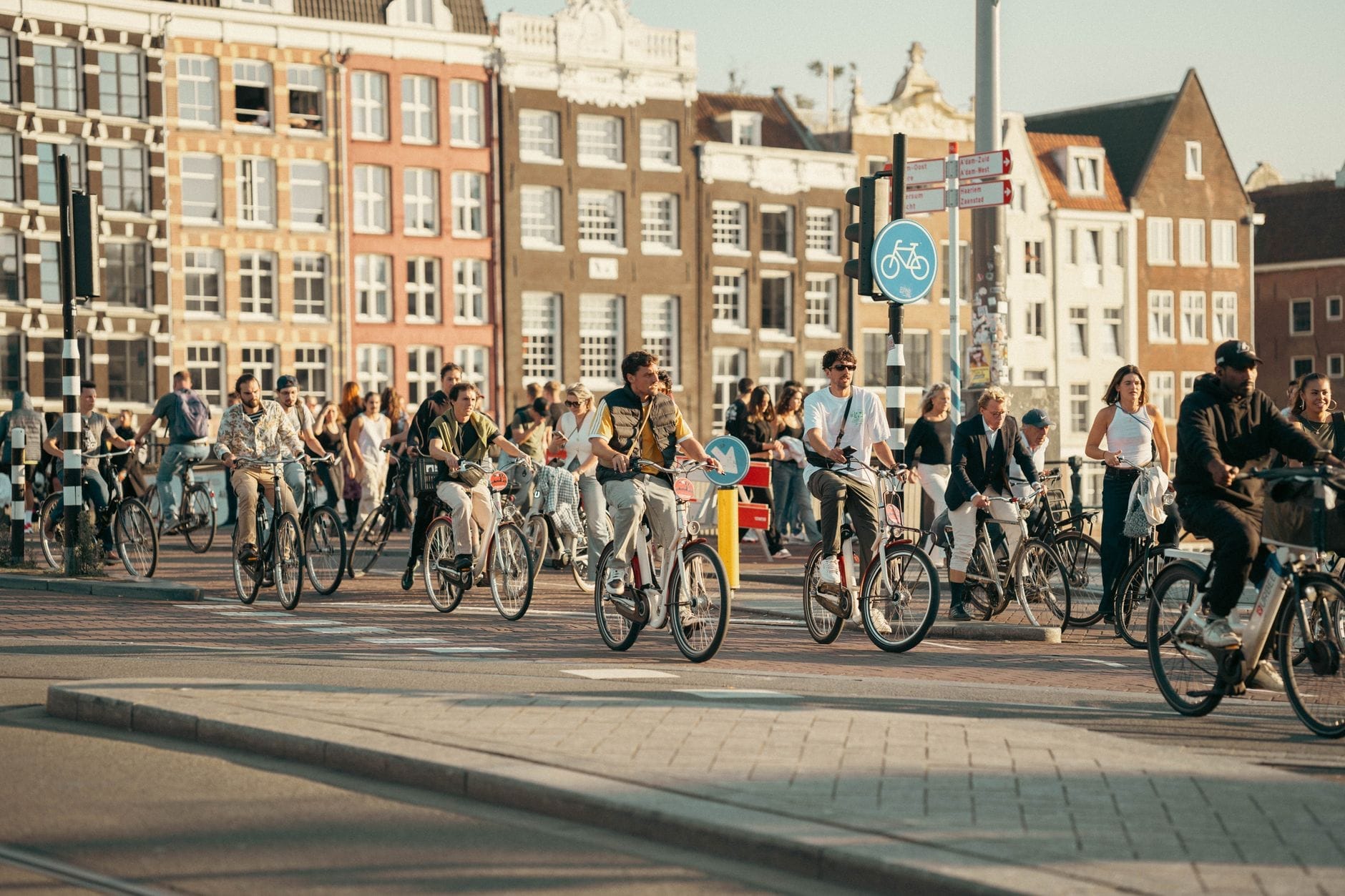
Amsterdam has over 400 km of dedicated cycle paths, more bikes than residents, and locals who cycle fast and expect others to follow the rules. For tourists, this is the single biggest source of accidents and fines. The infrastructure is excellent, but it only works if everyone uses it correctly.
Before you rent, it helps to understand the full cycling culture. Our guide to cycling in Amsterdam covers routes, etiquette, and rental options in depth. Basic city bikes from established shops like MacBike or Yellow Bike typically start around €10-15 per day, with locks included. Locks from random street vendors may not be sufficient.
- Ride on the right, always Cycle paths are one-directional in most cases. Riding against traffic on a bike lane is both dangerous and a fineable offence.
- Obey bike-specific traffic lights Many intersections have separate traffic lights for cyclists. If there is no bike-specific light at a junction, follow the car traffic light. Ignoring these is one of the most common tourist mistakes.
- Give way to trams Trams always have priority. Tram tracks are also a significant hazard: cross them at a wide angle (close to 90 degrees) to prevent your wheel from catching in the groove, particularly on wet days.
- No phone use while cycling Using a phone while cycling, including texting or browsing at a standstill in traffic, is explicitly illegal and carries a fine of around €100. If you need navigation, use a handlebar mount before you set off.
- Do not cycle on pavements Cycling on pedestrian pavements is prohibited. You will see some locals do it, but enforcement exists and fines apply. Walk your bike if a path is unclear.
- Lock your bike properly Bike theft is extremely common in Amsterdam. Always lock both the frame and the rear wheel to a fixed object: an official bike rack, railing, or bridge post. A single wheel lock is not enough.
✨ Pro tip
In winter, tram tracks and cobbled streets become slippery when wet or icy. Slow down significantly before crossing tram rails and avoid braking on them. Many bike accidents involve tourists (and locals) misjudging this hazard in damp conditions between October and March.
Public Transport: Ticketing Mistakes That Cost You
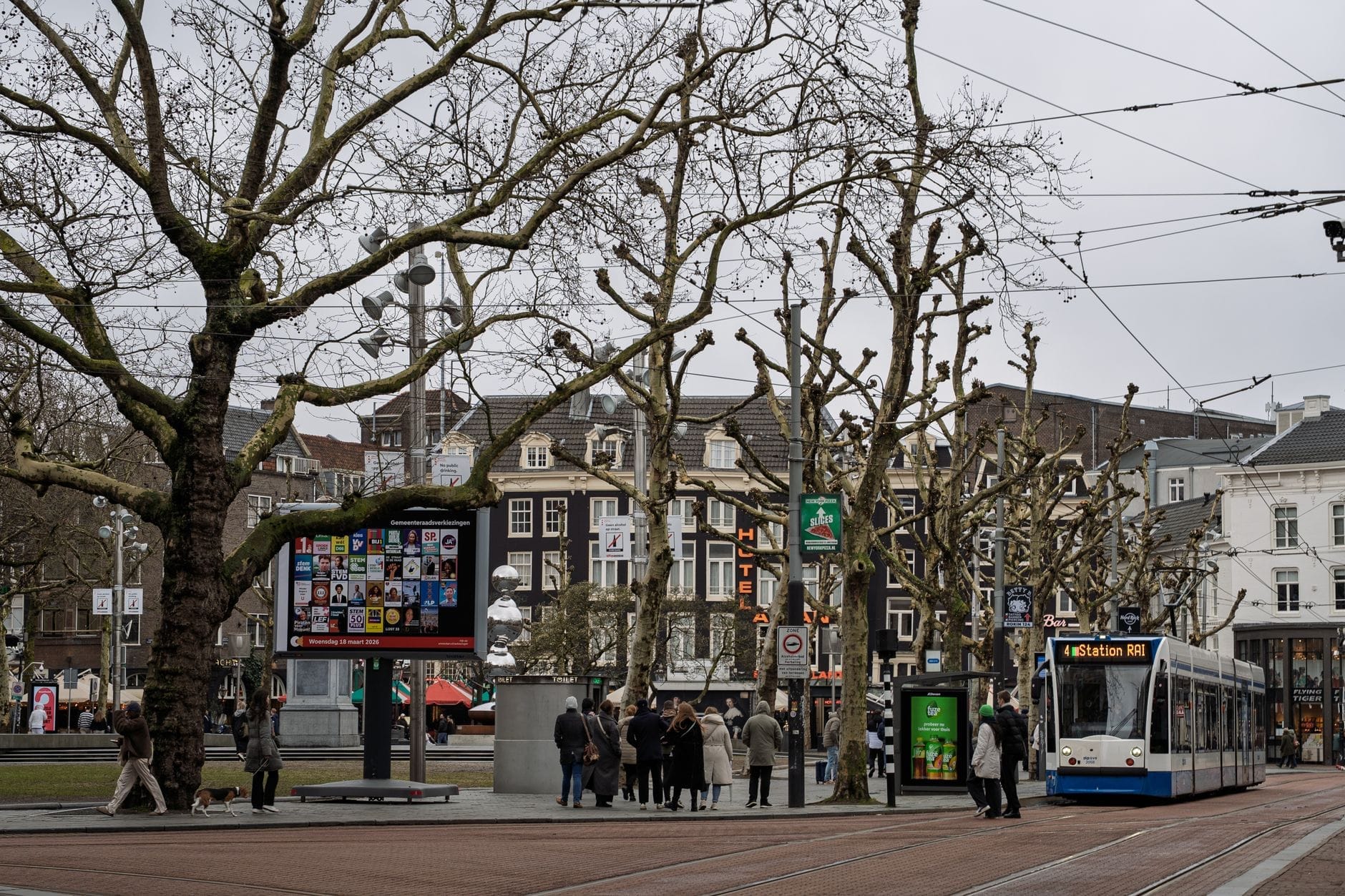
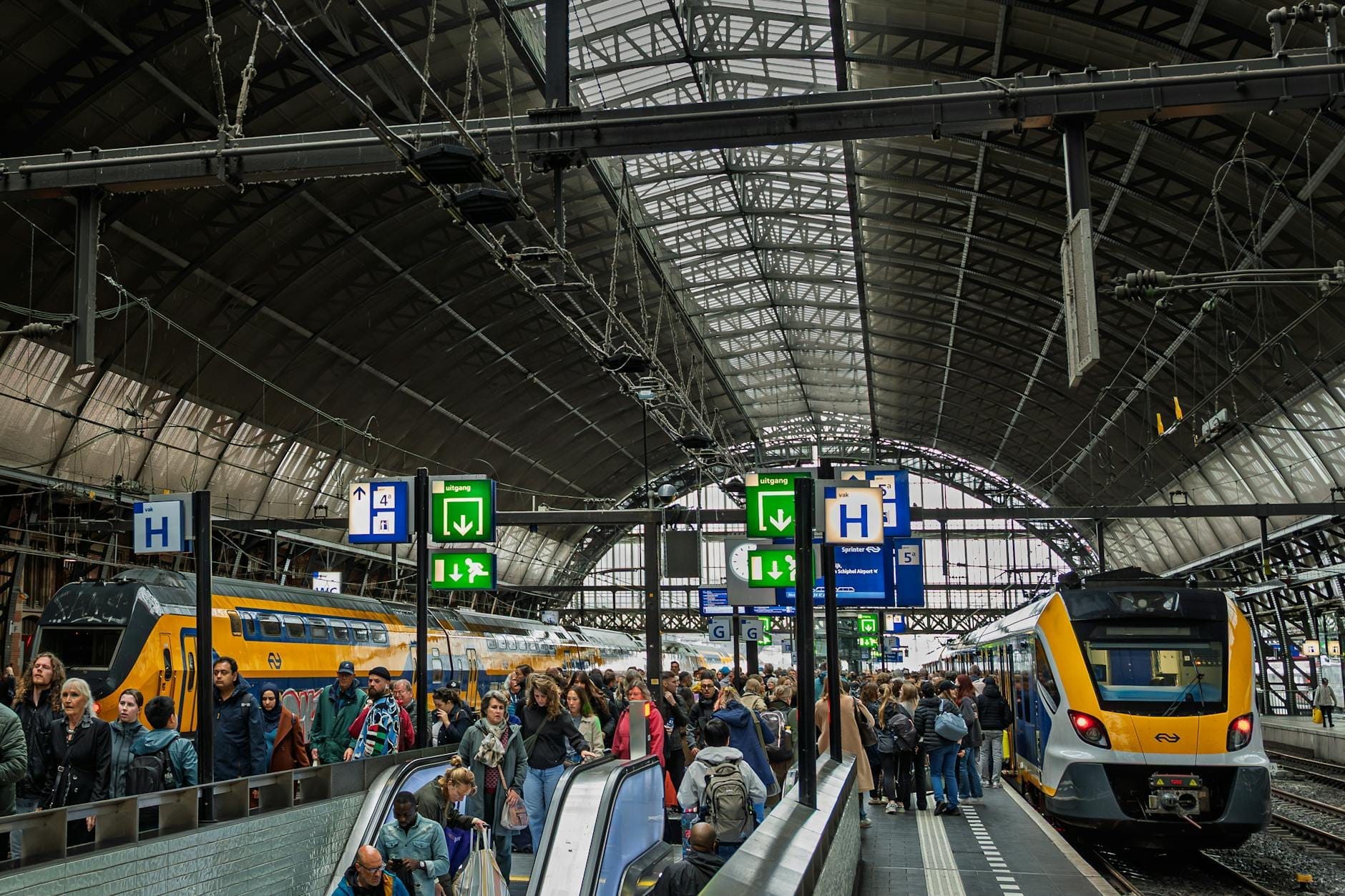
Amsterdam's GVB network covers trams, metro, buses, and the free IJ ferries to Amsterdam-Noord. NS operates the intercity and regional trains, including frequent services between Schiphol Airport and Amsterdam Centraal, which take around 15-20 minutes. The systems work well, but the ticketing rules catch out a large number of visitors.
The most important rule: you must tap in and tap out with your contactless bank card or phone on every single journey. Failing to tap out means the system charges you the maximum possible fare for that route, and it can also prevent your card from being used for the next tap-in. This applies to GVB metro, trams, and buses, as well as NS trains. Do not assume tapping in is enough.
If you are planning to use public transport heavily across several days, the Amsterdam City Card includes unlimited GVB travel and free entry to major museums. It is worth running the numbers against your planned itinerary before buying.
💡 Local tip
Schiphol Airport has its own train station directly underneath the terminal. The Intercity Direct between Schiphol and Amsterdam Centraal is fast and on some routes requires a supplement on top of a standard fare, depending on whether the high-speed line is used. The regular intercity train takes a few minutes longer but costs less. Check the NS app for current fares before you travel.
Seasonal Hazards and Crowd Patterns
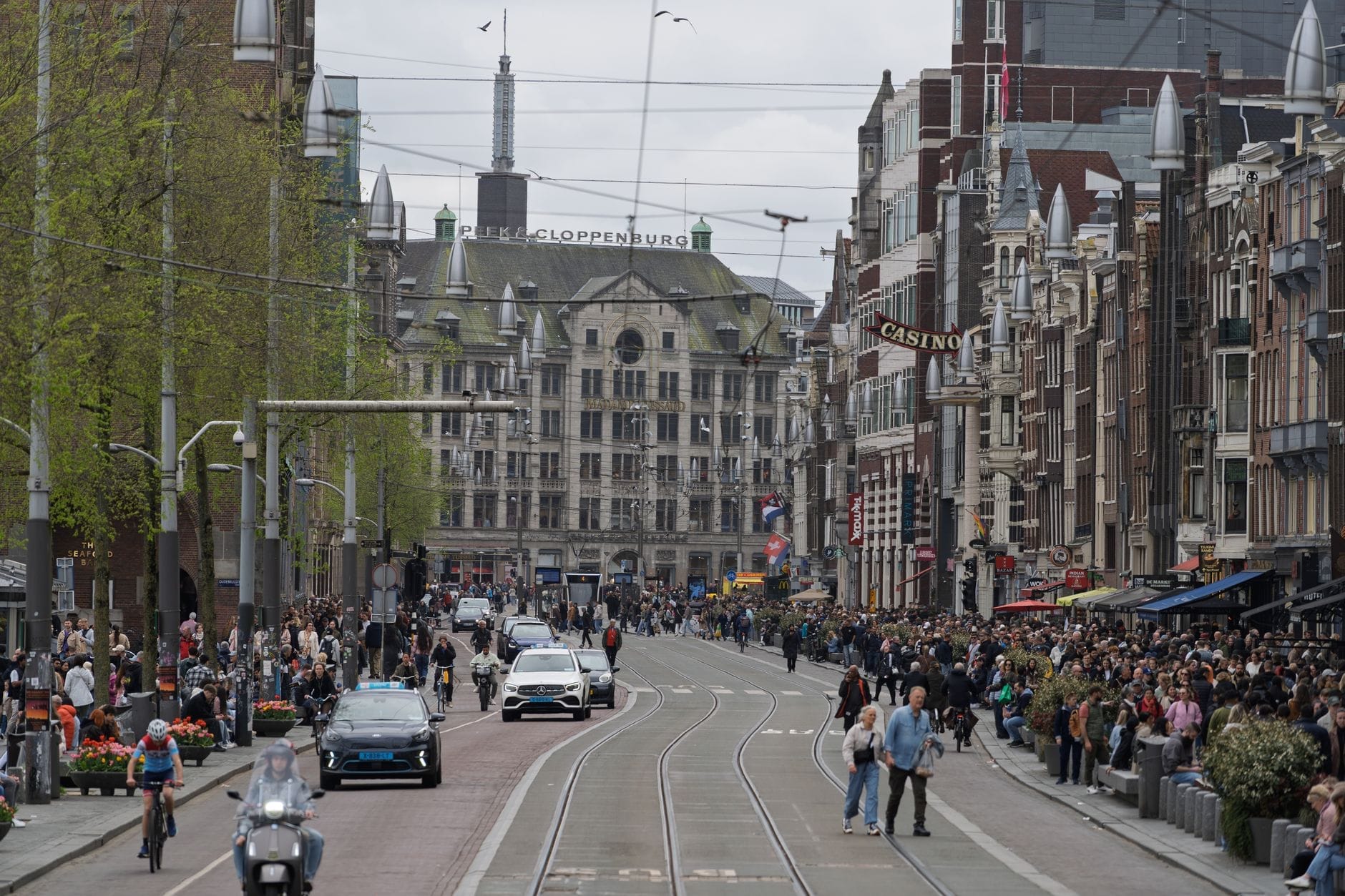
Amsterdam's risks shift with the seasons. Summer (June to August) and spring holiday weekends bring peak crowds to the Canal Ring, Vondelpark, and Museumplein. More tourists means more pickpockets, higher prices for last-minute bookings, and more bike-pedestrian conflicts as inexperienced riders mix with distracted walkers.
King's Day in late April is a specific case: the city fills with hundreds of thousands of people, alcohol consumption is high, and opportunistic theft spikes. If you are visiting during major events, keep valuables minimal and secure. Read the Amsterdam King's Day guide for crowd management tips specific to that day.
Winter brings shorter days (dark by 4:30pm in December), wet cobblestones, and icy cycle paths. Slip hazards are real, especially around canal bridges and tram stops. The Amsterdam Light Festival runs November through January and draws large evening crowds along the canals, which creates extra congestion in narrow streets after dark.
- Spring (April-May): Tulip season draws large crowds to Keukenhof (typically open from about late March to mid-May) and the city center. Book museum tickets well in advance to avoid long queues or missing entry entirely.
- Summer (June-August): Peak pickpocket season. The Red Light District becomes especially crowded after 10pm on weekends. Avoid wearing headphones in busy streets.
- Autumn (September-October): Fewer tourists, but wet weather increases cycling hazards. The Amsterdam Dance Event in October (a massive electronic music festival) draws club-focused crowds and changes the feel of the nightlife areas significantly.
- Winter (November-March): Ice on bike paths is a genuine injury risk. Licensed taxis are in higher demand on cold nights; use apps to avoid unlicensed drivers offering unsolicited rides outside clubs.
Practical Safety Basics Worth Knowing
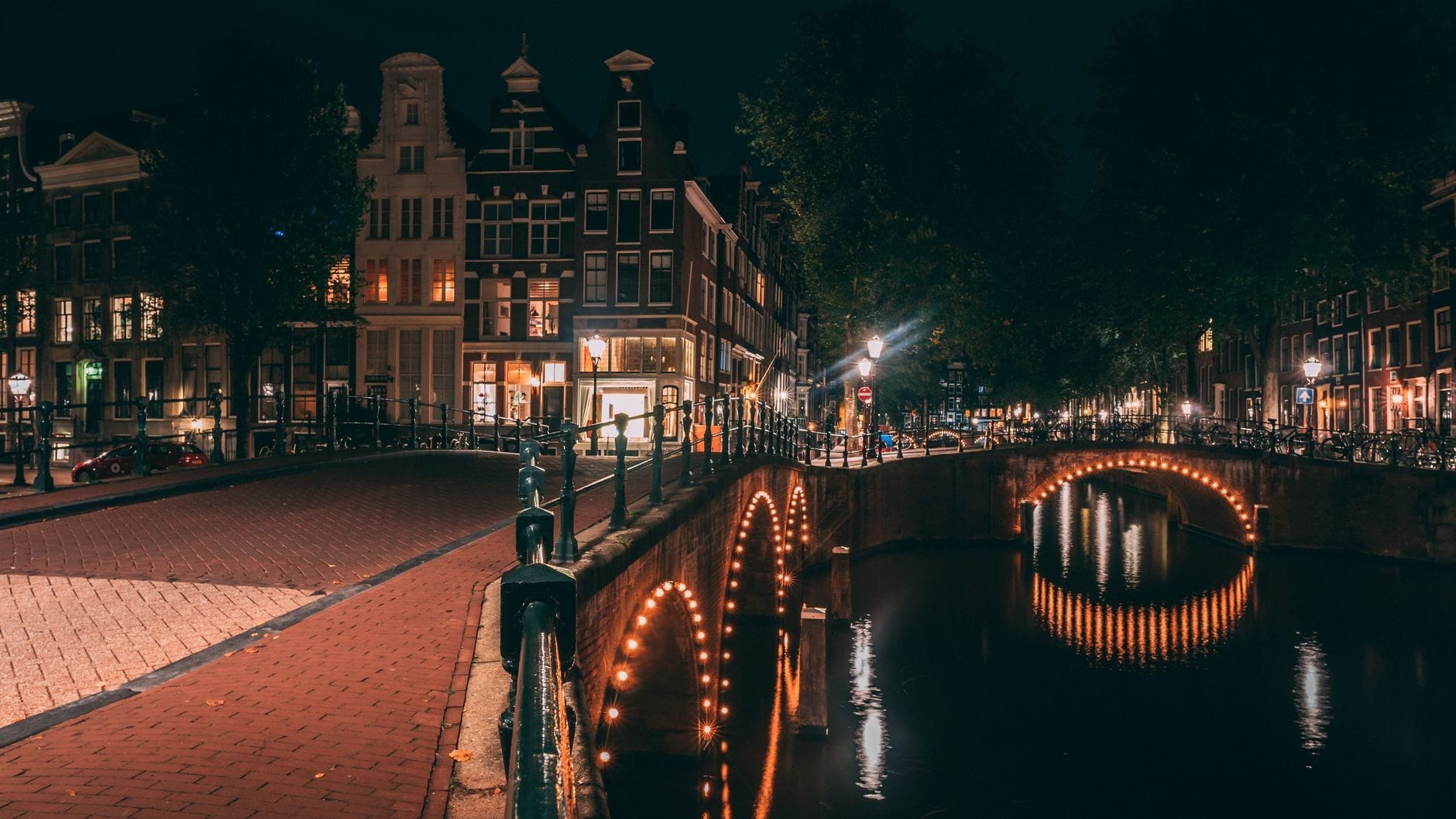
A few general points that do not fit neatly into categories but genuinely matter for a smooth trip. Canal water looks picturesque but is not clean. Every year, people fall in, usually after dark and often after drinking. Canal edges in the older neighborhoods have no barriers. Take this seriously if you are with children or if the group has been drinking heavily.
The Red Light District is a legal and regulated area, but it operates under specific rules. Photography of sex workers in windows is prohibited and carries real social and legal consequences. Enforcement has increased significantly in recent years. For context on the neighborhood itself, the De Wallen neighborhood guide covers what to expect.
Coffee shops selling cannabis are tolerated for adults over 18 under Dutch gedoogbeleid, but the rules are specific: consumption is meant for designated shops only, no alcohol combined on premises, and strict limits on purchase quantities. Edibles (space cakes) sold in some shops are consistently stronger than tourists anticipate and have a delayed onset. This is not a moral warning but a practical one: an overwhelming experience in an unfamiliar city creates real safety risks.
Electricity runs at 230V (50Hz) with Type C and Type F plugs. US and UK visitors will need adapters. Tipping is optional: rounding up or leaving a small tip is appreciated in restaurants and for taxis, but is not expected the way it would be in the US. For a broader overview of practical logistics, the Amsterdam transport guide and the budget travel guide cover costs and common financial pitfalls in more detail.
FAQ
Is Amsterdam safe for solo travelers at night?
Generally yes, but the areas around De Wallen, Leidseplein, and Rembrandtplein after midnight require extra vigilance. Pickpocketing and aggressive street touts are more common in these zones late at night. Stick to well-lit streets, keep your phone in a pocket rather than your hand, and use ride-hailing apps rather than accepting rides from unlicensed drivers. Amsterdam is significantly safer than many comparable European capitals, but solo travelers should still apply standard urban awareness.
What should I do if I think I am being scammed by fake police?
Stay calm, do not hand over your wallet or documents, and ask to see official identification. Offer to walk together to the nearest uniformed officer or police station. Genuine Dutch police will not object to this. If you feel unsafe, move toward a busy public space, enter a nearby shop, or call 112. Real plainclothes officers conducting legitimate checks will follow proper legal procedure and will not pressure you to hand over valuables on the street.
Is it safe to cycle in Amsterdam as a tourist?
Yes, but it requires preparation. Cycle paths are well-maintained and separated from car traffic in most areas. The main risks for tourists are unfamiliarity with Dutch traffic rules (especially tram right-of-way and bike-specific traffic lights), phone use while cycling (illegal and dangerous), and wet tram tracks in poor weather. Rent from an established shop, take five minutes to review the basic rules before you set off, and avoid the most congested central streets during your first ride.
How do I avoid being overcharged by taxis in Amsterdam?
Use Uber or Bolt, where the price is confirmed before departure. If you prefer a traditional taxi, only use licensed cabs with a roof light and blue license plate, taken from an official taxi stand or booked by phone. Never accept a ride from someone who approaches you outside a club, train station, or airport arrivals hall offering a flat rate. At Schiphol, use the official taxi rank or the train to Amsterdam Centraal, which is faster and significantly cheaper.
Are there areas of Amsterdam tourists should avoid entirely?
No areas of Amsterdam require outright avoidance, but some require more awareness. De Wallen (Red Light District) is safe to walk through but has high pickpocket activity and clear rules around photography and conduct. The area around Amsterdam Centraal at night attracts street-level drug dealers and aggressive touts. These are inconveniences and petty crime risks, not safety emergencies. The bigger risks for most tourists are accidents (cycling, canal edges) rather than violent crime.
Tickets & tours
Live prices and dates from our booking partner. If you book, we may earn a commission at no extra cost to you.
Planning a trip? Discover personalized activities with the Nomado app.