Shopping in Amsterdam: Best Markets, Streets & Boutiques
Amsterdam rewards shoppers who go beyond the souvenir shops. From the Albert Cuypmarkt in De Pijp to the boutique-lined streets of the Jordaan, this guide covers the city's best markets, shopping streets, and independent stores — with practical hours, clear assessments, and local context.
Tickets & tours
Live prices and dates from our booking partner. If you book, we may earn a commission at no extra cost to you.
TL;DR
- The Albert Cuypmarkt (Mon-Sat, 9:30-17:00) is Amsterdam's largest daily street market and the best all-round starting point for first-time visitors.
- Most Amsterdam markets are weekly or monthly, not daily — always check schedules before making a special trip.
- For independent boutiques, the Nine Streets (De Negen Straatjes) in the Canal Ring are the city's most concentrated stretch of quality local shopping.
- The Bloemenmarkt is iconic but tourist-focused — great for tulip bulbs, not a real flower wholesale market.
- IJ-Hallen in Amsterdam Noord is one of Europe's largest flea markets, held roughly once a month — worth planning around.
Understanding Amsterdam's Shopping Landscape
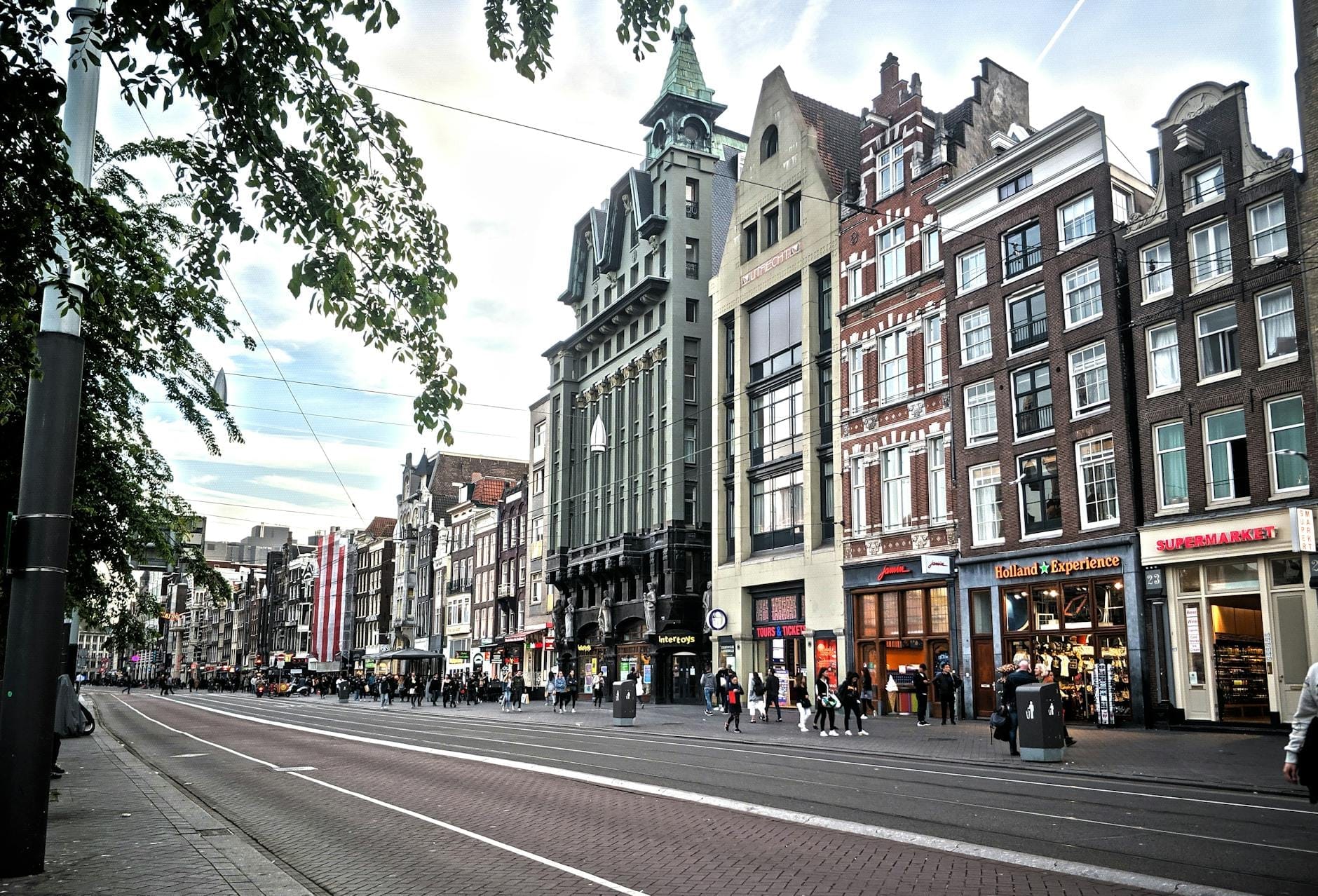
Shopping in Amsterdam is shaped by the city's geography. The historic Canal Ring divides the centre into distinct zones, each with its own retail personality. You won't find one mega-shopping district that does everything — instead, Amsterdam works best when you match the neighborhood to what you're after. The Jordaan and the Nine Streets suit browsing for ceramics, vintage clothing, and independent bookshops. Kalverstraat and the surrounding centre handles high street chains. De Pijp delivers the most authentic market experience. And if you're after design, furniture, or niche collectibles, you'll need to look further afield toward Westerpark or Noord.
The Dutch shopping week runs Monday to Saturday, with many smaller independent stores keeping shorter hours on Mondays (often opening at noon). Sunday shopping is possible in the city centre and at some markets, but is far less universal than in some other European capitals. For a broader look at how to structure your time, see the complete Amsterdam things-to-do guide.
ℹ️ Good to know
Amsterdam uses the Euro (EUR). Tap water is safe to drink, saving you money on bottled water. Most shops accept debit and credit cards, but some smaller markets and independent stalls are cash-only — carry a small amount of euros when visiting flea markets or street stalls.
The Best Markets in Amsterdam
Amsterdam has a genuine market culture, but it takes some navigation. The Albert Cuypmarkt in De Pijp is the city's largest street market and the best for everyday shopping. Open Monday to Saturday from around 9:30 to 17:00, it stretches along Albert Cuypstraat for nearly a kilometre and sells everything from stroopwafels and raw herring to fabrics, flowers, and cheap clothing. It draws both locals and tourists, but it's not a polished experience — and that's exactly what makes it worth going to.
- Albert Cuypmarkt (De Pijp) Amsterdam's largest daily market. Open Mon-Sat, roughly 9:30-17:00. Best for food, textiles, flowers, and household goods. Arrive before noon for the best produce.
- Noordermarkt (Jordaan) Saturday market (9:00-16:00) for organic produce and artisan food. Monday morning brings a smaller antiques and flea market. One of the most local-feeling markets in the city.
- Waterlooplein Market Amsterdam's classic flea market, open Mon-Sat around 9:30-17:00. Second-hand books, vintage clothing, bags, and assorted antiques. Quality varies considerably — bargain hunting is the point.
- Dappermarkt (Amsterdam Oost) Open Mon-Sat, roughly 9:00-17:00. A long-running multicultural market with affordable food, spices, textiles, and household items. Less touristy than most, with a strong neighbourhood feel.
- IJ-Hallen (Amsterdam Noord) One of Europe's biggest flea markets, held approximately once a month at the NDSM Wharf. Admission charged (around €5). Check official dates before planning — it doesn't run every weekend.
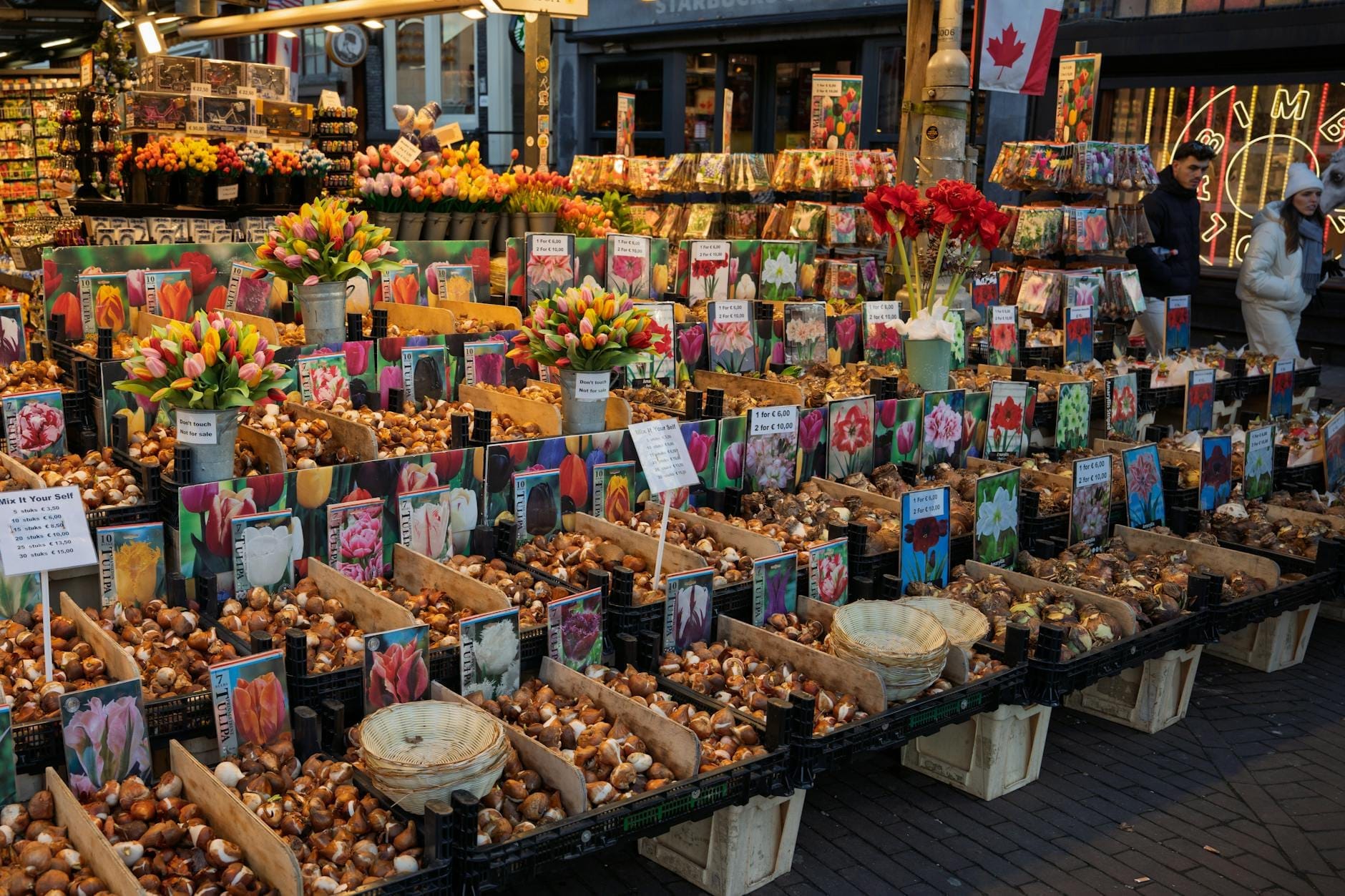
- Bloemenmarkt (Singel Canal) The famous floating flower market, open daily. Strong on tulip bulbs and seeds to take home. Be aware: it is primarily tourist-oriented and prices reflect that. Not a wholesale or local flower market.
⚠️ What to skip
Many Amsterdam markets are weekly, monthly, or seasonal — not daily. Several are closed on Sundays. The Noordermarkt Saturday market and IJ-Hallen especially require checking exact dates before you make the trip. Always verify current schedules on the official I amsterdam tourism calendar.
The IJ-Hallen flea market deserves special mention for serious browsers. Held at the NDSM Wharf in Noord, it draws hundreds of vendors selling vintage furniture, records, clothing, books, and bric-a-brac. The free ferry from Amsterdam Centraal takes about 5 minutes and is part of the experience. Arrive early — by 10:00 at the latest — as the best finds go fast and the crowds build significantly by midday.
The Best Shopping Streets
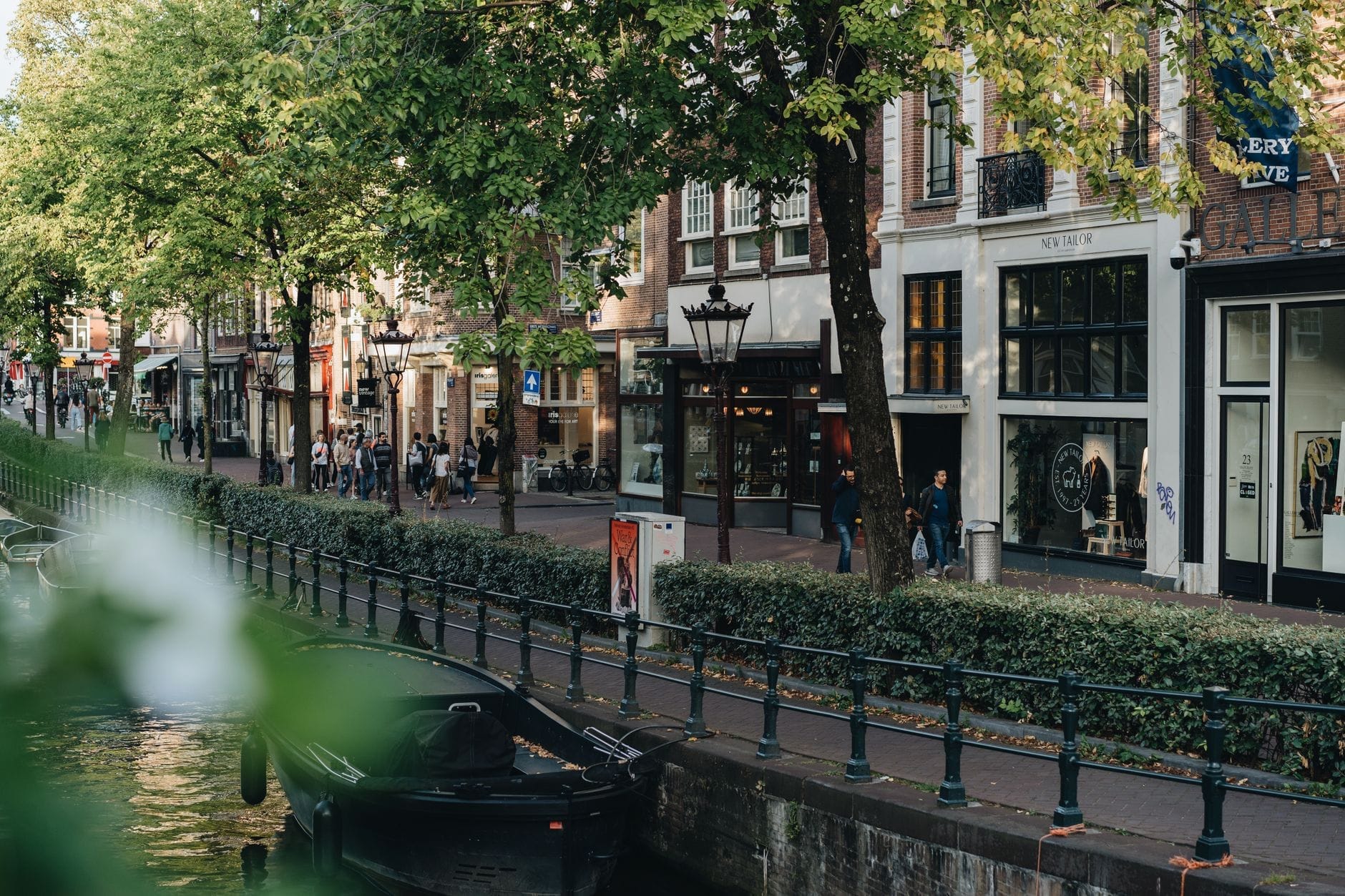
The Nine Streets (De Negen Straatjes) are the most rewarding shopping streets in Amsterdam for anyone interested in independent retail. Nine small streets cross the main canals between Raadhuisstraat and Leidsegracht, and they contain an unusually dense cluster of concept stores, vintage boutiques, artisan cheese shops, specialist booksellers, and homeware stores. Most shops here are small-format and owner-operated. Expect to spend two to three hours if you browse seriously.
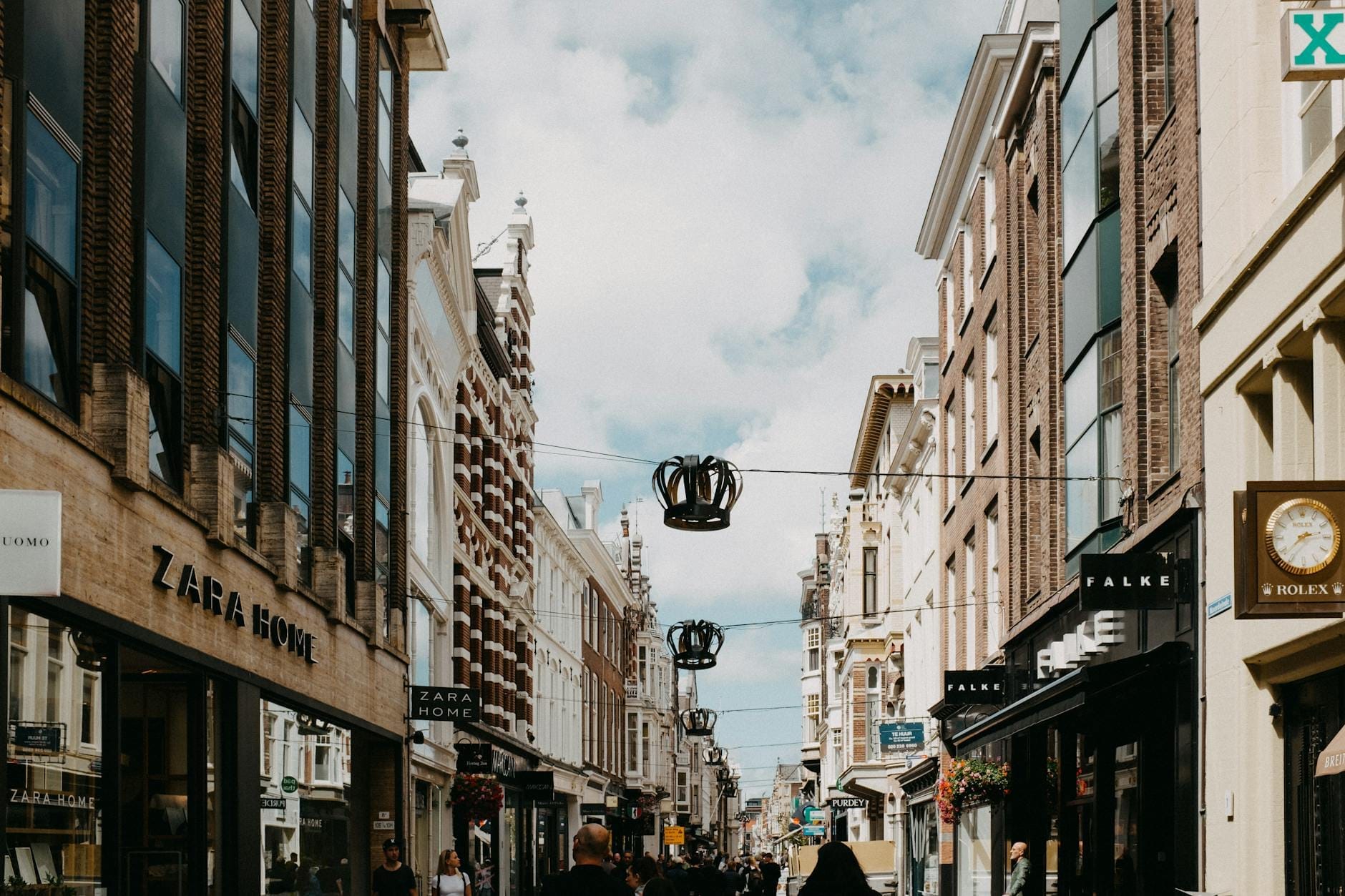
For high street and mainstream retail, Kalverstraat is Amsterdam's busiest pedestrian shopping street, running from Dam Square toward Muntplein. It holds most of the familiar European chain stores — Zara, H&M, Mango, and similar brands. It's efficient rather than exciting, and extremely crowded on weekends. If chains are what you need, go on a weekday morning.
At the opposite end of the price scale, P.C. Hooftstraat in Oud-Zuid is Amsterdam's luxury retail strip. Gucci, Louis Vuitton, Hermès, and other international houses have their Amsterdam flagships here, flanked by Dutch luxury brands. It's a short street — ten minutes to walk end to end — and unmistakably polished compared to the rest of the city.
💡 Local tip
The Jordaan neighbourhood rewards slow exploration on foot. Elandsgracht, Haarlemmerstraat, and the side streets around Westerstraat all have clusters of independent shops that don't appear on most tourist itineraries. Haarlemmerstraat in particular has evolved into one of the city's best streets for independent food shops, lifestyle stores, and cafes.
Dutch Specialities Worth Buying
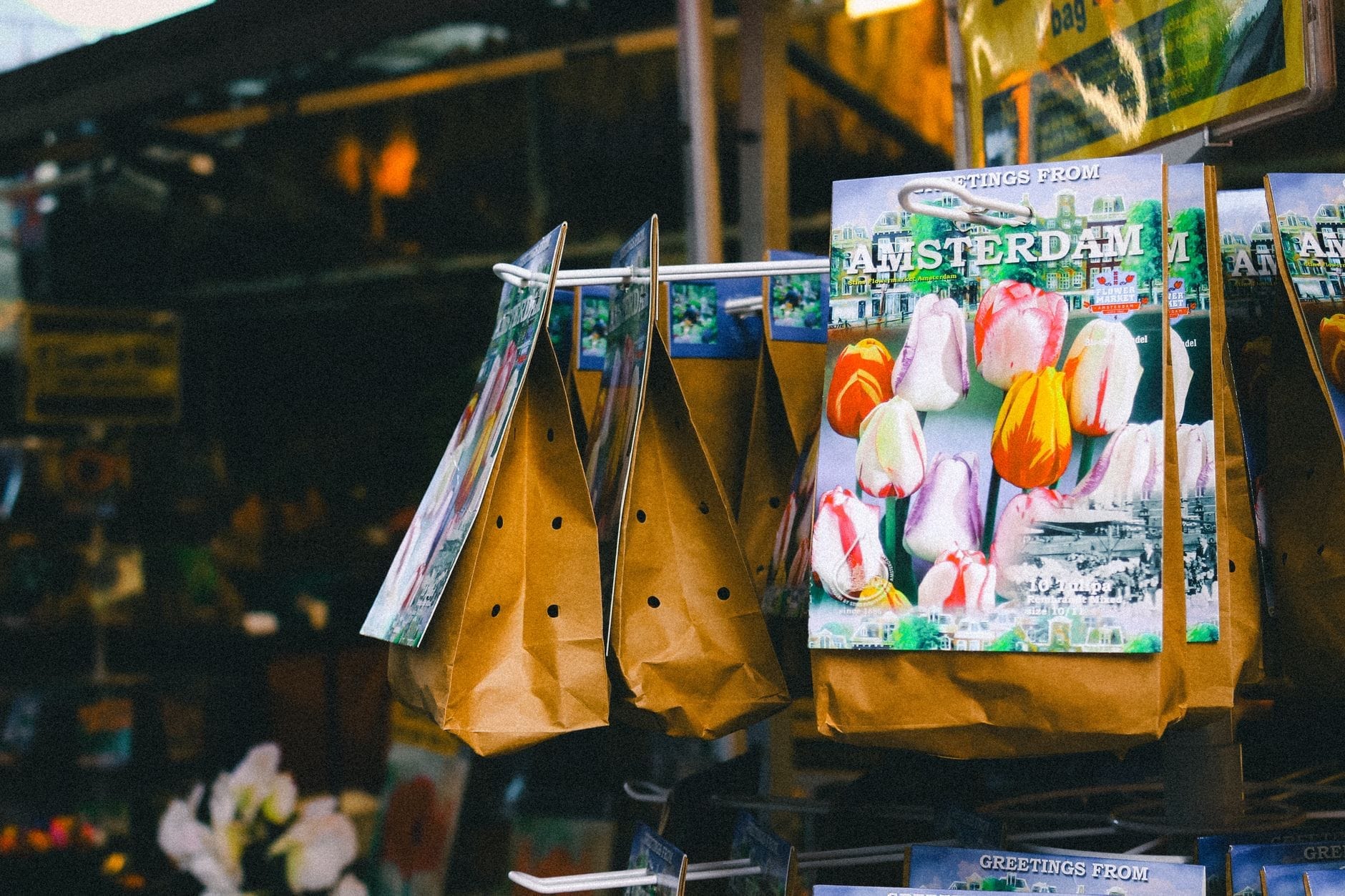
Amsterdam is a better city for buying specific Dutch products than for general retail tourism. The items that genuinely make sense to take home are things you can't easily replicate elsewhere: tulip bulbs from the Bloemenmarkt (check phytosanitary regulations if you're travelling outside the EU), aged Gouda from a specialist cheesemonger rather than a souvenir shop, Dutch gin (jenever) from a traditional proeflokaal, stroopwafels from a market vendor rather than a supermarket, and Delftware ceramics from a reputable dealer.
- Tulip bulbs: buy from the Bloemenmarkt or specialist bulb sellers; check import regulations for your home country
- Aged Gouda and Dutch cheeses: avoid the tourist shops near Dam Square; go to a dedicated kaaswinkel (cheese shop) or the market
- Jenever (Dutch gin): try a brown café or proeflokaal for tastings before buying; Albert Heijn supermarkets carry decent bottles at fair prices
- Stroopwafels: freshly made at market stalls are far superior to pre-packaged versions; Albert Cuypmarkt vendors are reliable
- Delftware: genuine hand-painted Royal Delft pieces are expensive; most cheap versions are mass-produced imports — know what you're paying for
- Second-hand books and vinyl: Waterlooplein and IJ-Hallen are the best hunting grounds; Spui square has a weekend book market
Shopping by Neighbourhood
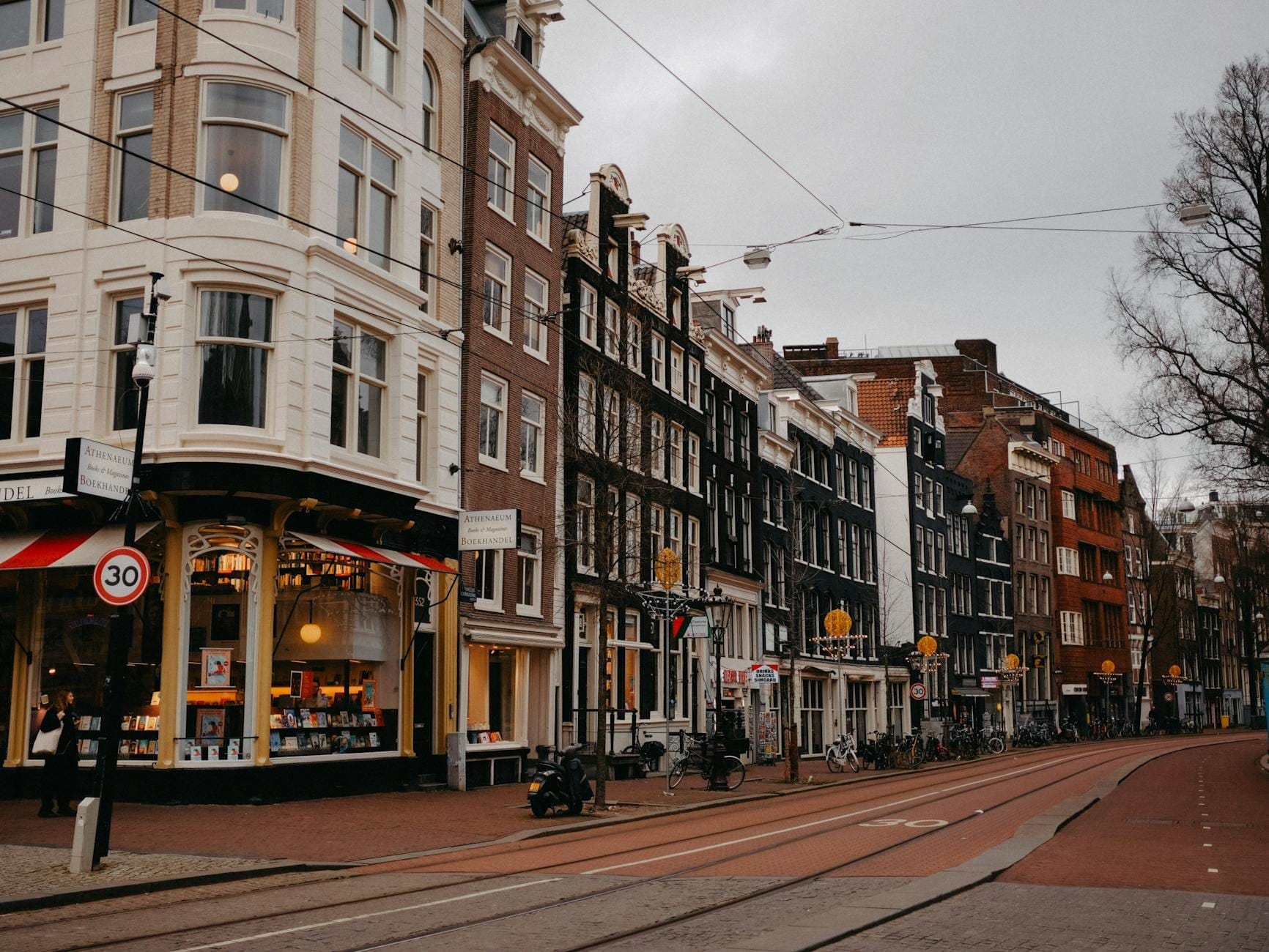
Each Amsterdam neighbourhood has a distinct retail identity. The Jordaan is the best all-round area for independent shops: galleries, vintage stores, specialist food shops, and small designer boutiques are concentrated within a walkable grid of streets. It's where Amsterdam's creative class does much of its everyday shopping.
De Pijp, centred on the Albert Cuypmarkt, blends market shopping with an increasingly dense set of independent cafes and boutiques along Ferdinand Bolstraat and the surrounding streets. It's a genuinely local-feeling area that has gentrified without losing its market-town character. For context on the neighbourhood itself, see the De Pijp neighbourhood guide.
Amsterdam Noord, accessible via a free ferry from Centraal Station, has developed a strong creative retail scene around the NDSM Wharf and Buiksloterweg. On IJ-Hallen days it transforms completely, but even on regular weekends you'll find design studios, concept stores, and independent food businesses that aren't replicating what's already in the Jordaan.
Practical Tips for Shopping in Amsterdam
Amsterdam's city centre is compact enough that most shopping areas are within cycling or walking distance of each other. The Nine Streets, the Jordaan, and the Canal Ring form a natural loop that takes a full day to cover properly. De Pijp is about 10–15 minutes on foot south of the Rijksmuseum, making it an easy afternoon addition after a museum visit. The flea markets (Waterlooplein and IJ-Hallen) work best as dedicated half-day trips rather than quick stops.
Amsterdam operates on the Euro (EUR). VAT (BTW) is included in all displayed prices in the Netherlands, so there are no surprises at the till. Non-EU visitors can claim VAT refunds on eligible purchases over a minimum spend threshold at participating shops — look for the Tax Free Shopping logo. For budget-conscious visitors, many of the best shopping experiences in the city are free to browse; see the Amsterdam on a budget guide for more practical cost-saving strategies.
✨ Pro tip
If you're visiting in spring, the combination of tulip season and outdoor market weather makes April and May the best months for market shopping. The Noordermarkt Saturday market gets particularly good seasonal produce from March onward, and several art and design markets that are closed in winter reopen between March and May. Check the I amsterdam events calendar before your trip.
Cycling is the practical way to cover multiple shopping areas in a single day. Amsterdam's flat terrain and extensive bike infrastructure make it easy to ride from the Jordaan to De Pijp to Waterlooplein in an afternoon without relying on public transport. The cycling in Amsterdam guide covers rental options and route logistics in detail.
FAQ
What is the best market in Amsterdam for locals?
The Noordermarkt on Saturday morning is the most local-feeling of Amsterdam's major markets, drawing residents from the Jordaan and surrounding areas for organic produce, artisan food, and vintage goods. The Dappermarkt in Oost is another strong option — less touristic, more affordable, and genuinely used by neighbourhood residents.
Is shopping in Amsterdam expensive?
It depends on where you shop. Markets and independent boutiques offer a wide price range, and flea markets like IJ-Hallen can be excellent value. High street chains on Kalverstraat are priced comparably to the rest of Europe. P.C. Hooftstraat is firmly in the luxury bracket. VAT is included in all listed prices, so no surprise additions at checkout.
Can I buy tulip bulbs in Amsterdam to take home?
Yes, but with caveats. Tulip bulbs are available at the Bloemenmarkt and some specialist shops. If you're travelling back to a non-EU country — including the UK, USA, Canada, or Australia — there are phytosanitary (plant import) regulations that may restrict what you can bring in. Pre-packaged, certified bulbs sold at reputable stalls are usually compliant, but check your home country's rules before buying.
Are Amsterdam markets open on Sundays?
Several are not. The Noordermarkt Saturday market does not run on Sundays. Waterlooplein and Dappermarkt are also closed on Sundays. The Bloemenmarkt is open daily. Some art and design markets run on Sundays seasonally (typically March to October), but you should verify before visiting. The city centre shops are generally open on Sundays, particularly around Dam Square and the Nine Streets.
Where should I shop in Amsterdam for unique, non-touristy gifts?
Skip the souvenir shops near Dam Square entirely. Better options: aged Dutch cheese from a kaaswinkel in the Jordaan, fresh stroopwafels from the Albert Cuypmarkt, jenever from a traditional proeflokaal, vintage clothing from the Nine Streets or Waterlooplein, or a piece of local design from one of the concept stores near Westergas or NDSM Wharf. None of these require going anywhere near a windmill keyring.
Tickets & tours
Live prices and dates from our booking partner. If you book, we may earn a commission at no extra cost to you.
Planning a trip? Discover personalized activities with the Nomado app.