Amsterdam Nightlife: Best Bars, Clubs & After-Dark Experiences
Amsterdam's nightlife runs deeper than the Red Light District. This guide breaks down the best bars, clubs, and late-night experiences by neighborhood, with practical advice on tickets, timing, and where locals actually go.
Tickets & tours
Live prices and dates from our booking partner. If you book, we may earn a commission at no extra cost to you.
TL;DR
- Amsterdam nightlife centers on Leidseplein, Rembrandtplein, De Pijp, Jordaan, and Westerpark — each with a distinct atmosphere and crowd.
- Top clubs include Paradiso, Melkweg, Shelter, and Warehouse Elementenstraat — most require advance tickets, especially for weekend events. Check our Amsterdam things to do guide for broader context.
- The Amsterdam Nightlife Ticket (from around €10-15) covers entry to 20+ venues over 2 or 7 days and is worth considering if you plan several nights out.
- Locals avoid the Red Light District for nightlife — De Pijp, Jordaan, and Oud-West are where you find better bars without the tourist crowds.
- Summer terrace season (May through August) transforms canal-side spots and park venues into the social hub of the city before midnight.
How Amsterdam's Nightlife Is Structured
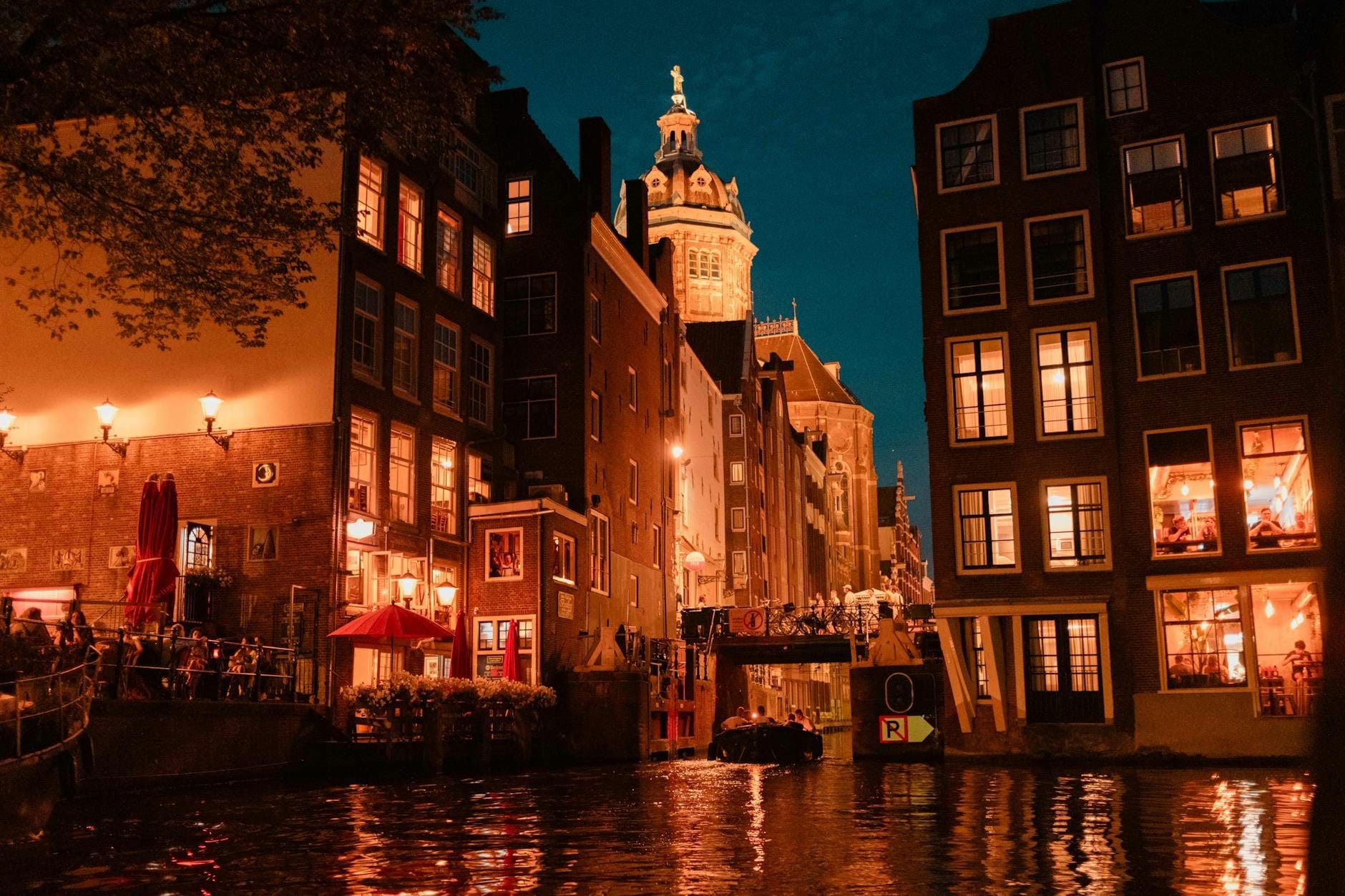
Amsterdam nightlife operates on a later schedule than most European capitals. Bars typically fill up after 21:00, clubs don't reach capacity until midnight or 01:00, and venues with 24-hour permits can run through the night and into the next morning on weekends. The city's compact geography means you can walk between the main nightlife zones in under 20 minutes, which makes bar-hopping practical in a way it isn't in larger cities.
The city issues a limited number of extended nightlife permits, so not every venue can legally stay open all night. Clubs like Shelter, Warehouse Elementenstraat, and a handful of others hold these permits and market themselves explicitly as all-night destinations. Many neighborhood bars close around 01:00 or 02:00 on weekends. This distinction matters when planning: if you want to dance until dawn, you need to know which venues can actually deliver that.
ℹ️ Good to know
Amsterdam's nightlife licensing system means popular all-night clubs often cap capacity strictly. Arriving after 02:00 at venues like Shelter or Paradiso on a Saturday without a ticket often means you won't get in, regardless of the queue.
The Main Nightlife Districts, Compared
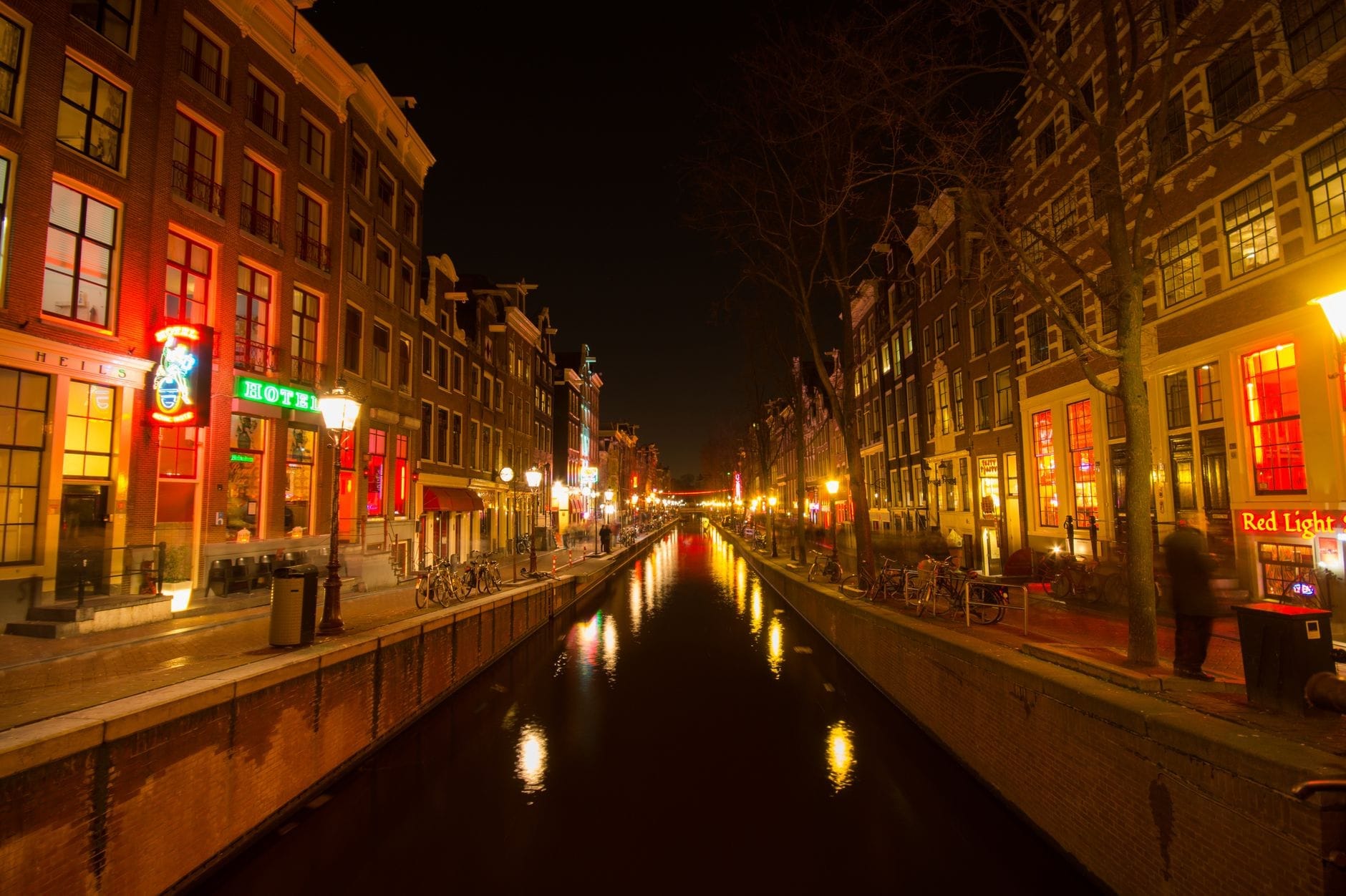
Understanding which neighborhood fits your night is the most useful thing this guide can give you. De Wallen (the Red Light District) gets the most tourist foot traffic but is the least interesting option for a genuine night out — it's crowded, overpriced, and geared toward people who want to gawp rather than drink well. Locals treat it as a place to walk through, not a destination.
- Leidseplein The most tourist-heavy nightlife square, with large bars, live music venues (Paradiso and Melkweg are both a short walk away), and a broad mix of crowds. Good for a first night in the city; less interesting once you know Amsterdam better.
- Rembrandtplein Similar energy to Leidseplein but with more dance clubs and a later crowd. Club AIR and Club NYX are nearby. Loud, high-energy, and unabashedly commercial — which suits some travelers perfectly.
- De Pijp Mostly bars and small music venues rather than clubs. Younger local crowd, better food options for pre-drinks, and a noticeably more relaxed atmosphere. The area around Albert Cuypstraat and Van der Helststraat has the highest concentration of good spots.
- Jordaan Classic Amsterdam brown cafés (bruine kroegen) and wine bars. The pace is slower, the conversation louder, and the closing times earlier. Not a clubbing destination, but arguably the best place in the city to drink seriously.
- Westerpark and Oud-West Where Amsterdam's creative and design crowd congregates. Westergas — a converted gas factory complex — hosts clubs, cultural events, and outdoor parties. The terrace culture here in summer is exceptional.
- Amsterdam-Noord Reached via a free ferry from Central Station, Noord has NDSM Wharf and a cluster of industrial club nights and art-event spaces. More effort to get to, but often the most interesting programming on any given weekend.
The Best Clubs for Electronic Music and Late Nights
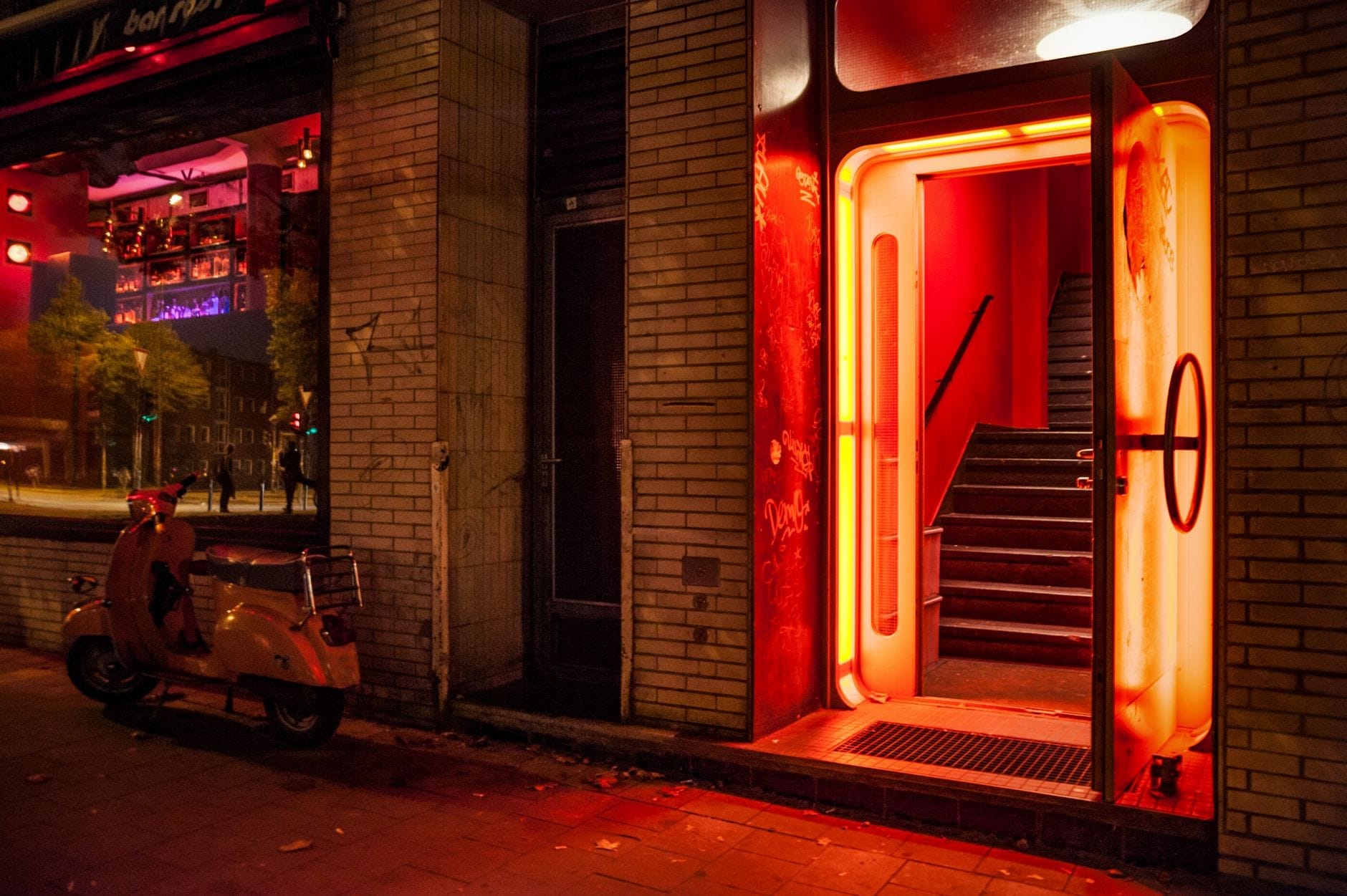
Amsterdam has a legitimate claim to being one of Europe's better cities for electronic music, partly because of its proximity to Berlin's influence and partly because of a long local history with house and techno. The venues below represent the most consistent programming across the year.
- Shelter Located beneath the A'DAM Tower in Noord, Shelter holds a 24-hour permit and runs weekend events well into Sunday morning. Techno-focused, with strong international bookings. Book tickets in advance via the venue's own site.
- Warehouse Elementenstraat An industrial space in the Sloterdijk area, known for marathon events and serious sound systems. Not central, but that's the point — crowds here are committed. Check event listings carefully since it doesn't operate every weekend.
- Paradiso A converted church near Leidseplein that hosts everything from DJ nights to live rock and international touring acts. The main hall has good acoustics and capacity for around 1,500. Tickets sell out fast for headliners.
- Melkweg Next door to Paradiso and with multiple rooms, Melkweg covers more genres — from hip-hop to indie to electronic. Often a better option for variety over a single weekend.
- Doka A newer addition to the scene, Doka has built a reputation for quality bookings in a more intimate setting. Worth checking their program if you want something smaller than the main venues.
⚠️ What to skip
De School, once considered Amsterdam's best club, closed permanently in 2022. Any guide still listing it as a current venue is out of date. Always check a club's official website or social channels before planning your night around it.
Bars Worth Knowing: From Brown Cafés to Cocktail Spots
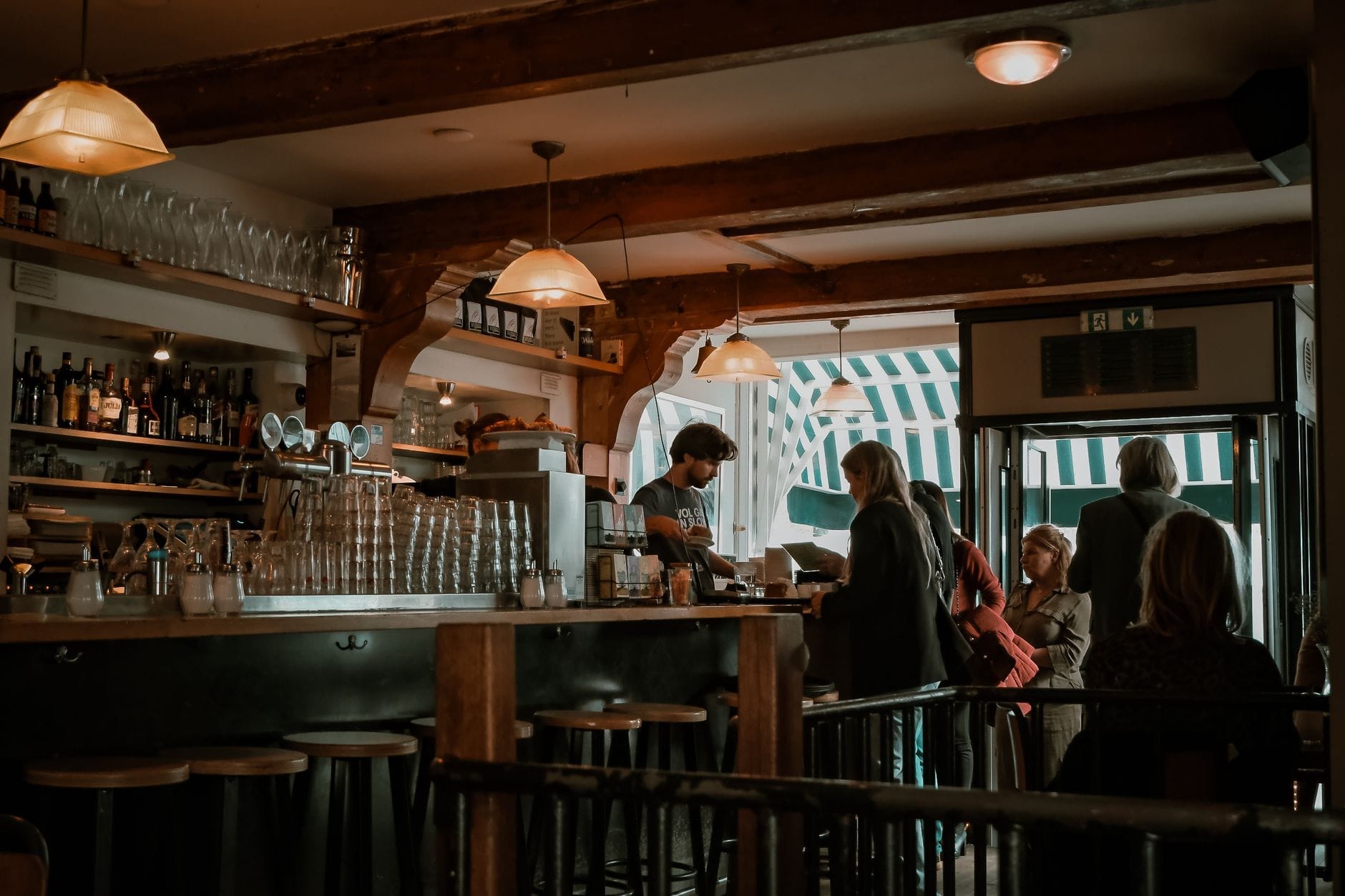
Amsterdam's bar culture predates its club scene by centuries. The bruine kroeg (brown café) is the city's indigenous drinking establishment: dark wood interiors, Heineken or Grolsch on tap, and a convivial atmosphere that has nothing to do with tourism. You'll find the best examples in the Jordaan, particularly around Prinsengracht and Brouwersgracht. These places often close around 01:00 or 02:00, so they work best as the early part of your evening.
For something different, the craft beer movement has a strong foothold in the city. Brouwerij 't IJ — a brewery operating inside a converted windmill in the Eastern Docklands area near Oosterpark — is one of the more distinctive drinking experiences in any European city. It serves its own beers on-site and closes relatively early (typically by 20:00 on weekdays and slightly later on weekends), so treat it as a late-afternoon stop rather than a late-night one.
Cocktail bars have improved significantly across the city in the past decade. The Jordaan and De Pijp both have a good selection of venues with serious programs. Prices are in line with other major European capitals: expect to pay around €12-16 for a well-made cocktail at a mid-to-upper tier bar.
Practical Planning: Tickets, Timing, and the Nightlife Ticket
The most common mistake visitors make is treating Amsterdam's club scene as walk-in friendly. For major events at Paradiso, Melkweg, Shelter, or Warehouse Elementenstraat, tickets are usually released weeks in advance on the venue's own site or via Dutch ticketing platforms. Showing up without a ticket on a Saturday night and expecting to pay at the door is a reliable way to spend that night outside.
The Amsterdam Nightlife Ticket is a multi-day pass (available in 2-day and 7-day formats, starting from around €12-15) that bundles access to more than 20 bars, clubs, and experiences including Club Prime, Akhnaton, Surprise Bar, Hard Rock Cafe, and The Bulldog Palace. It's worth buying if you're planning multiple nights out and want to skip cover charges at participating venues. It won't get you into Paradiso for a sold-out show, but for casual bar access it delivers clear value.
✨ Pro tip
Check the Paradiso and Melkweg event calendars before you book your trip dates, not after. If there's a show you want to attend, buy tickets immediately — both venues regularly sell out weeks in advance for international acts.
Seasonal timing matters too. Summer nightlife (June through August) shifts significantly outdoors, with canal-side terraces and park venues often operating until around midnight. Westergas and Vondelpark become social centers in the evening. Kings Day in late April is a special case entirely: the city becomes one large outdoor party and normal nightlife rules don't apply. If you're visiting then, read up on how that day works.
What to Skip and Common Tourist Traps
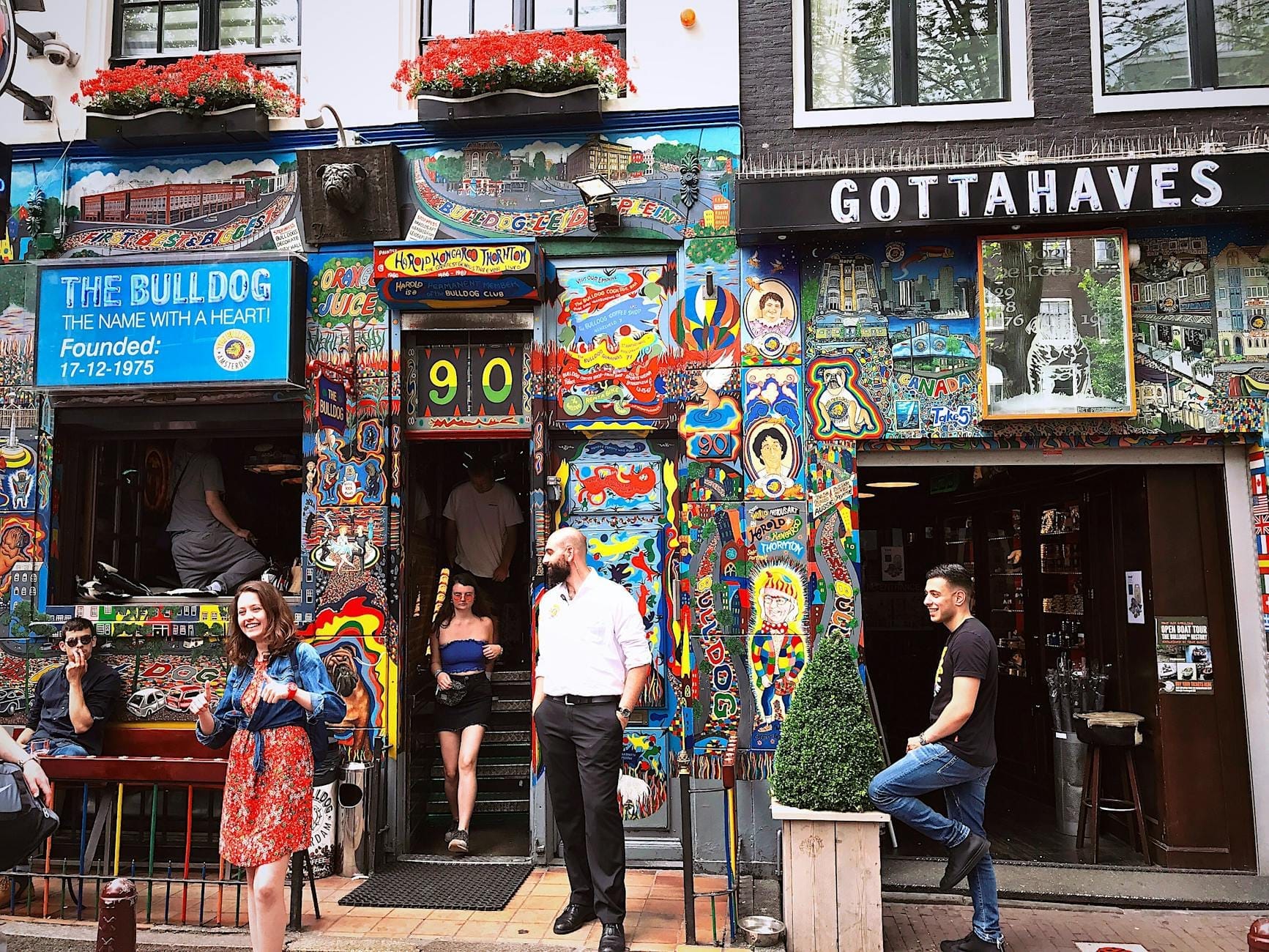
The Bulldog chain of coffee shops has cafés and bars across the city center, and they are consistently among the most overpriced and least interesting options available. The name recognition draws visitors who haven't looked further. Avoid them for drinking unless convenience genuinely trumps everything else.
The immediate surrounds of Dam Square and Kalverstraat are also places where bar quality drops sharply. High-volume tourist bars in this zone charge more and deliver less. Walk ten minutes in any direction and the options improve.
For travelers who want to explore the city's nightlife more thoughtfully, including quieter live music evenings, jazz nights, and cinema bars, the Amsterdam hidden gems guide covers venues that rarely appear on mainstream lists. And if budget is a concern, several of the city's best bars have no cover charge at all — see the free things to do in Amsterdam guide for context on how to structure a low-cost evening.
- Skip the Red Light District as a drinking destination — it's fine to walk through, but bar quality is poor and prices are inflated.
- Avoid any venue that employs aggressive tout staff at the door — it's a reliable indicator of what's inside.
- Don't underestimate transport back to your accommodation: night buses run through the night on weekend schedules, and regular tram services stop around midnight with some later departures on weekends. Check GVB's night network before you head out.
- The canal boat bar tours marketed around Leidseplein are fun in concept but often cramped and expensive. Canal cruises with a drinks focus vary significantly in quality — read reviews before booking.
- If you're visiting in winter, outdoor terrace culture disappears almost entirely. The action moves fully indoors, and the Westerpark area becomes quieter. Clubs and indoor bars compensate, but the summer energy is simply absent.
FAQ
What time do clubs open and close in Amsterdam?
Most clubs open around 23:00 or midnight and run until 05:00 or 06:00 on weekends. Venues with 24-hour permits — like Shelter and Warehouse Elementenstraat — can run events until 08:00 or later. Bars typically close between 01:00 and 03:00. The scene starts slowly: arriving at a club before midnight on a Friday or Saturday usually means an empty dance floor.
Do I need to book club tickets in advance in Amsterdam?
For major venues like Paradiso, Melkweg, and Shelter, yes — especially for weekend events with well-known DJs or live acts. Tickets are sold via the venues' own websites and Dutch ticketing platforms, often weeks ahead. Smaller clubs and bars are generally walk-in, but popular nights can have queues. The Amsterdam Nightlife Ticket covers entry to 20+ participating venues for a flat fee and is worth considering for a multi-night visit.
Where do locals go for nightlife in Amsterdam?
Locals tend to favor De Pijp, Jordaan, Oud-West, and the Westerpark area over Leidseplein and Rembrandtplein, which skew heavily tourist. For clubs, the Noord district (NDSM Wharf, Shelter) and Westergas attract a more local crowd. Brown cafés in the Jordaan are a genuinely local institution that tourists often miss entirely.
Is Amsterdam's Red Light District a good place for nightlife?
Not particularly. It's worth walking through for the experience, but the bars in De Wallen are mostly overpriced, low-quality tourist traps. The area is more of an attraction in itself than a functional nightlife destination. For actual drinking or dancing, any other neighborhood in this guide is a better choice.
How does nightlife in Amsterdam change by season?
Summer (June through August) brings a major shift outdoors, with canal terraces and park venues operating late and creating a social atmosphere that barely exists in winter. Kings Day (late April) is the city's most intense nightlife event — a full-day outdoor party across all districts. Winter nightlife retreats indoors; clubs and bars remain active, but the outdoor terrace culture that defines summer evenings disappears almost entirely.
Tickets & tours
Live prices and dates from our booking partner. If you book, we may earn a commission at no extra cost to you.
Planning a trip? Discover personalized activities with the Nomado app.