Amsterdam to Berlin by Train: Routes, Times & Booking Guide
The direct ICE train from Amsterdam Centraal to Berlin Hbf takes about 5 hours 51 minutes and costs as little as €37.90 booked in advance. This guide covers every route option, real price ranges, booking platforms, and what to expect on board.
Tickets & tours
Live prices and dates from our booking partner. If you book, we may earn a commission at no extra cost to you.
TL;DR
- Direct ICE trains run every 2 hours from Amsterdam Centraal to Berlin Hbf, with a journey time of about 5 hours 51 minutes.
- Advance fares start around €37.90 (non-refundable) or €44.90 for a changeable ticket; flexible walk-up fares can reach €147 in 2nd class.
- Book via NS International or Deutsche Bahn (int.bahn.de) for the best prices; third-party sites like Rail Europe and Trainline also carry this route.
- A night train operated by European Sleeper also runs between the two cities on limited days — useful if you want to save on a hotel night.
- Before you travel, check our guide to getting around Amsterdam to plan your journey to Amsterdam Centraal.
The Direct ICE Train: What You're Actually Getting
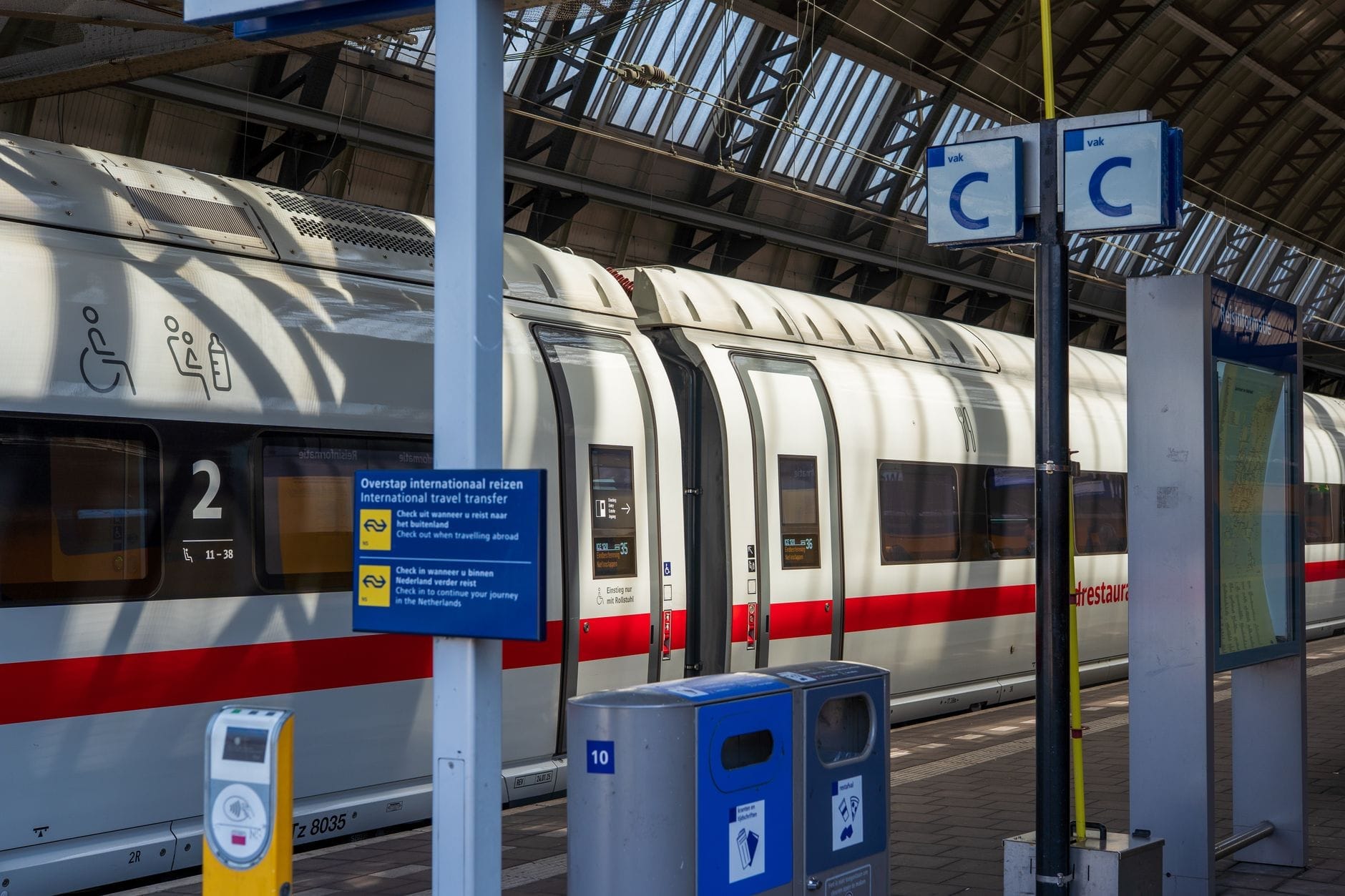
The Amsterdam to Berlin train is one of the most practical cross-border journeys in Europe. The primary service is the ICE (Intercity Express), jointly operated by Deutsche Bahn (DB) and NS International. It runs daily, year-round, with 6 direct departures from Amsterdam Centraal each day. Typical departures are spaced about 2 hours apart, starting from the early morning through to mid-afternoon.
One thing worth setting expectations on: this is not a top-tier high-speed service like the Thalys Amsterdam to Paris. The ICE on this route runs mostly on conventional tracks and reaches maximum speeds of up to 200 km/h, not the 300+ km/h you get on dedicated high-speed lines. The journey covers roughly 620 km by rail, and the timetabled duration is approximately 5 hours 51 minutes. That's respectable for the distance, but it's the comfort, directness, and frequency that make this route attractive, not raw speed.
ℹ️ Good to know
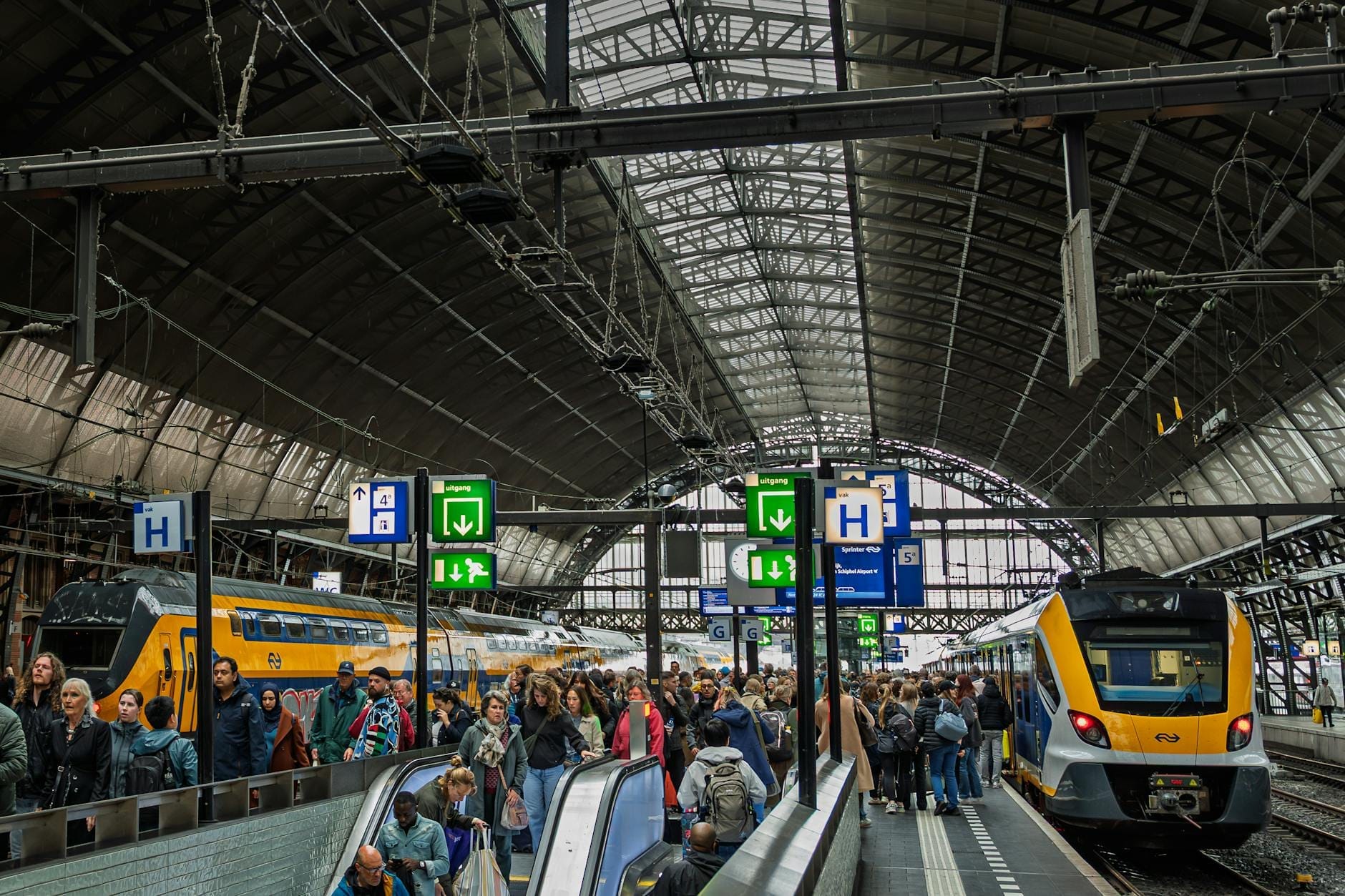
The ICE departs from Amsterdam Centraal, which is the city's main rail hub and extremely well connected by metro, tram, and bus. If you're flying in via Schiphol Airport, there's a direct train from Schiphol Station to Amsterdam Centraal that runs multiple times per hour and takes around 15–18 minutes.
Route Details and Stops Along the Way
The ICE follows a fixed route through both the Netherlands and Germany. Dutch stops include Hilversum, Amersfoort, Apeldoorn, Deventer, Almelo and Hengelo before crossing the border. On the German side, the train calls at Bad Bentheim (the border crossing point), Osnabrück Hbf, Hannover Hbf, and Berlin Spandau before terminating at Berlin Hbf (Hauptbahnhof). Some services continue on to Berlin Ostbahnhof, giving you two station options in Berlin.
Berlin Hbf is the central station and the better arrival point for most travelers, with direct U-Bahn and S-Bahn connections across the city. Berlin Ostbahnhof is further east and suits travelers heading to neighborhoods like Friedrichshain or Mitte's eastern side. If you're unsure, get off at Hbf.
- Amsterdam Centraal (NL) Departure point. Amsterdam's main rail hub with metro, tram, bus, and ferry connections.
- Amersfoort / Apeldoorn / Deventer / Hengelo (NL) Dutch intermediate stops. No need to change trains — this is a direct through-service.
- Bad Bentheim (DE) The Dutch-German border crossing. Occasional passport checks still happen here, though the border is open for most EU travelers.
- Osnabrück Hbf (DE) First major German city stop. Connection point for northwestern Germany.
- Hannover Hbf (DE) Key interchange hub. You can catch connecting trains to Hamburg, Munich, and Frankfurt here if needed.
- Berlin Spandau → Berlin Hbf → Berlin Ostbahnhof (DE) Final stretch into Berlin. Most travelers should alight at Berlin Hbf for central access.
Ticket Prices: What to Expect and When to Book
Pricing on this route is dynamic, meaning it shifts with demand, advance booking time, and the specific fare type you choose. The cheapest tickets are DB's Supersparpreis Europa fares, which start at around €37.90–€37.99 in 2nd class. These are train-specific, non-refundable, and non-changeable, so they suit travelers with fixed plans. If you want more flexibility, the Sparpreis Europa tier starts around €44.90 and allows changes for a fee. Many Sparpreis tickets also include a Berlin City-Ticket, which covers local public transport within Berlin on arrival.
At the other end of the spectrum, the fully flexible Flexpreis fare runs around €147 one way in 2nd class, rising to roughly €257–€298 in 1st class. These tickets can be used on any ICE departure on the date of travel, which is genuinely useful if your plans are uncertain. For 1st class advance fares, prices start at roughly €49.90 to €56.99 depending on availability, making an upgrade surprisingly affordable when booked early.
✨ Pro tip
Cheap advance fares (Supersparpreis) open up to 6 months before departure on Deutsche Bahn. Set a reminder and check on the first day tickets become available — popular summer and holiday trains sell their cheapest seats within hours.
- Supersparpreis Europa (2nd class): from around €37.90–€37.99 — non-refundable, train-specific
- Sparpreis Europa (2nd class): from around €44.90 — some flexibility, often includes Berlin City-Ticket
- Flexpreis (2nd class): around €147 — fully flexible, use on any train that day
- 1st class advance: from around €49.90–€56.99+ — often better value than it looks
- 1st class flexible: up to around €257 one way
⚠️ What to skip
These prices change frequently. Always verify current fares on NS International or Deutsche Bahn before making plans. Prices listed here reflect the fare structure as researched but may not match what's available on the day you search.
Where and How to Book
For most travelers, the two best booking sources are NS International (the Dutch Railways international portal) and Deutsche Bahn's international site at int.bahn.de. Both sell the same DB ticket products at the same base prices, so it comes down to interface preference. NS International displays fares in euros and is straightforward if you're departing from the Netherlands. Deutsche Bahn's international portal is useful if you want to combine this journey with other German rail segments. You can also check our Amsterdam to London train guide or Amsterdam to Paris train guide if you're planning a wider European rail trip.
Third-party platforms like Rail Europe and Trainline also carry this route and can be convenient if you're booking multiple legs in one place. They sometimes add a small booking fee, so compare totals before confirming. Eurail pass holders can use their pass on the ICE, though seat reservations are technically optional on this route (unlike many other international services). That said, reservations are worth adding in peak season when trains fill up.
The Night Train Option: European Sleeper
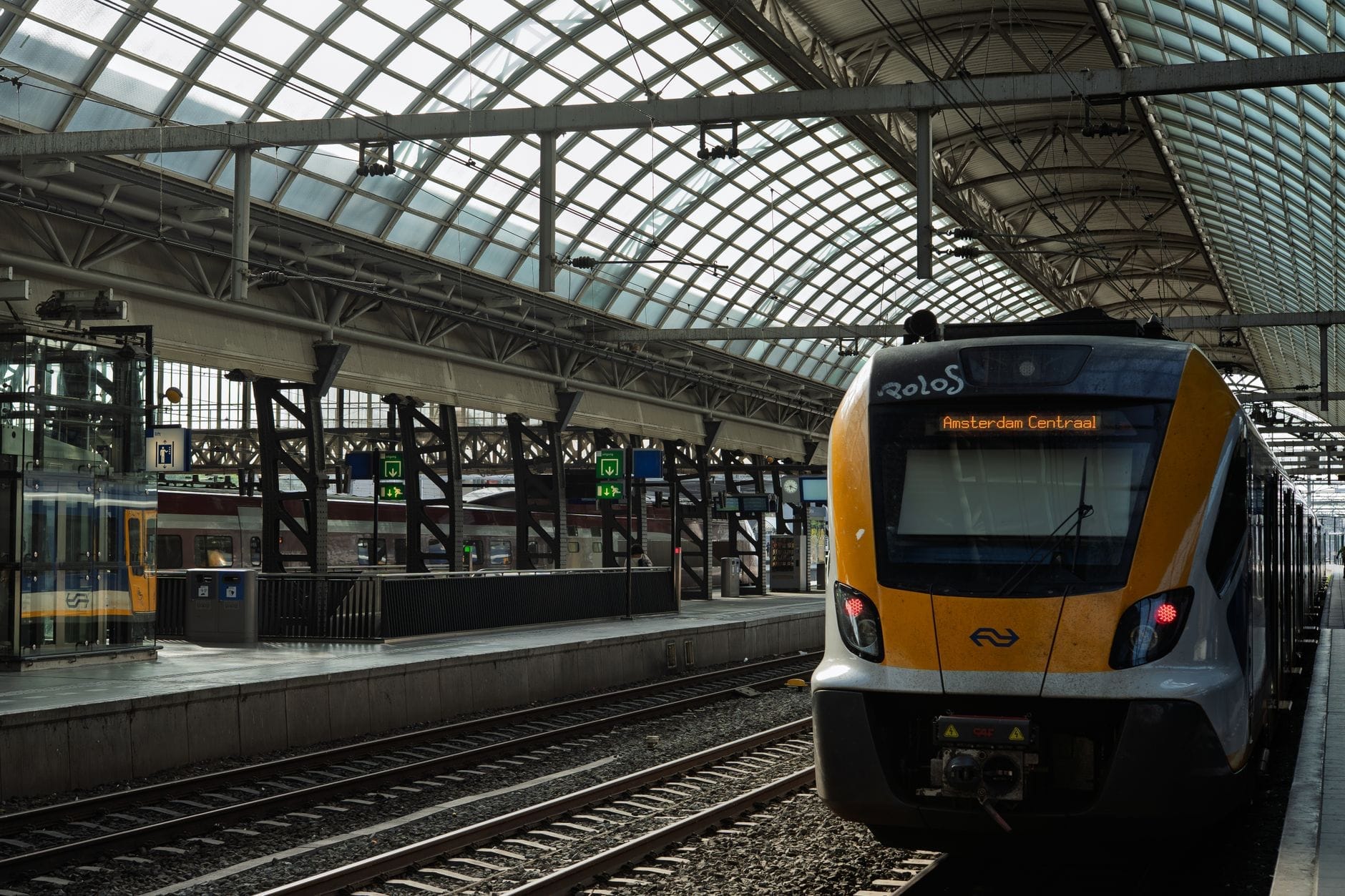
For travelers who want to maximize their time in both cities, the European Sleeper night train is a legitimate alternative. It runs between Amsterdam and Berlin on a limited number of days per week (not daily), with a journey time of around 7 hours 30 minutes. Fares start from roughly €46 for a basic seat or couchette, making it competitive with advance daytime prices once you factor in that you're saving a night's accommodation.
The European Sleeper is a relatively new operator and the experience is quite different from the polished ICE. It's popular with sustainability-focused travelers and those who enjoy the romance of overnight rail travel. Check directly with European Sleeper for current schedules and availability, as route days and booking windows change more frequently than established ICE timetables.
Practical Tips for the Journey
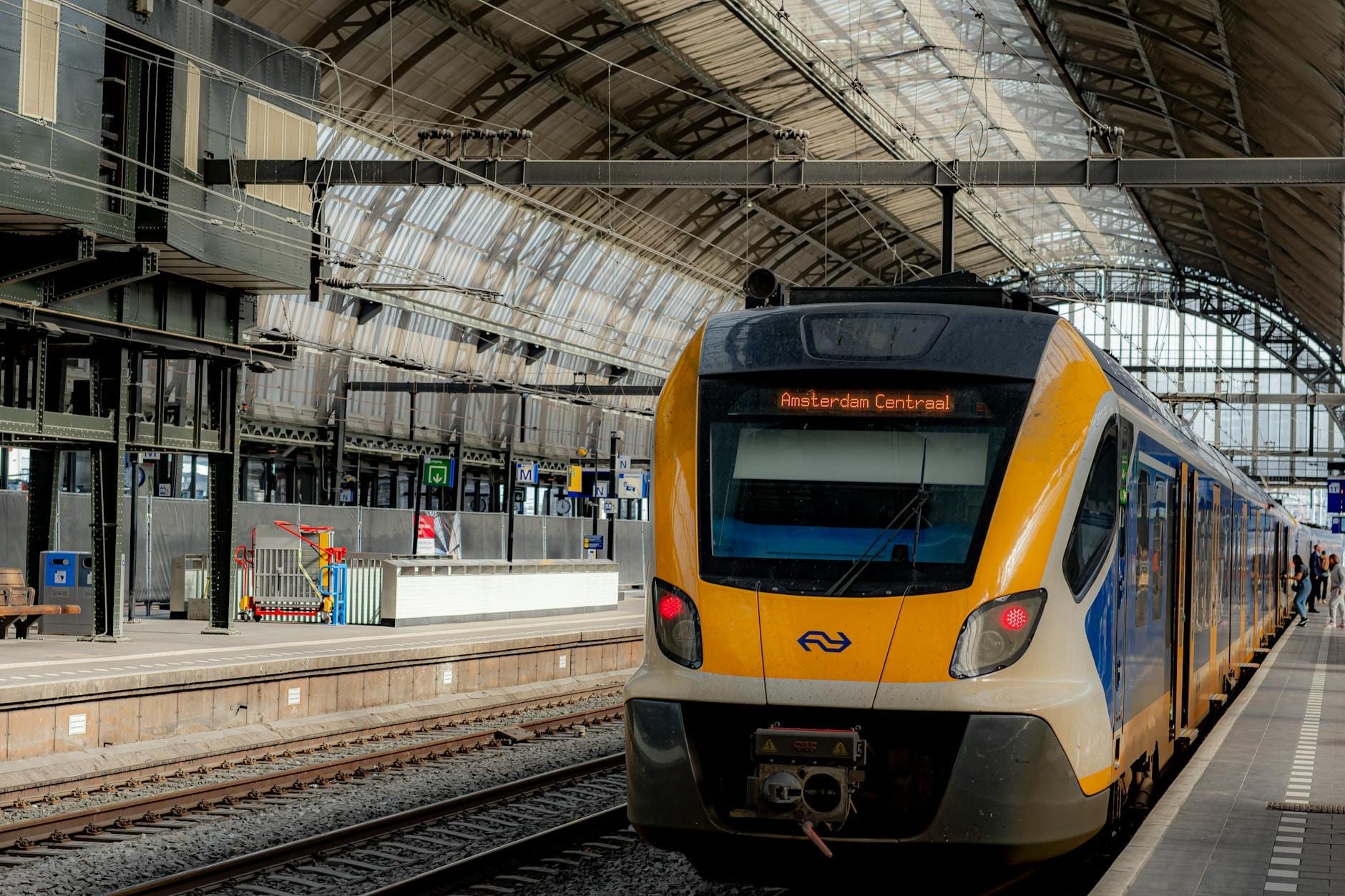
Amsterdam Centraal is large and well-signposted, but international trains sometimes depart from platforms that aren't assigned until 20 to 30 minutes before departure. Arrive at least 30 minutes early and watch the departure boards. If you're combining this trip with a stay in Amsterdam, our neighborhood guide to staying in Amsterdam can help you pick an area close to Centraal to make your departure morning less stressful.
On board the ICE, 2nd class seats are comfortable and generally come with a power socket at or near each seat. There's a bistro car serving hot food, snacks, and drinks. Wi-Fi is available but can be inconsistent across the border. Luggage goes in the overhead rack or in the designated luggage areas at the ends of each carriage — there's no formal luggage storage fee or restriction.
The journey through the Dutch countryside and then into the flat German plains is genuinely pleasant. If you want to make the most of your time in Amsterdam before heading east, check the Amsterdam 2-day itinerary or consider a longer stay with the 3-day Amsterdam itinerary before catching your train.
💡 Local tip
Seat reservations are optional on this route but cost only a few euros when added at booking. During summer school holidays (late June to August), Christmas week, and Easter, trains fill quickly. Reserving a seat and booking the cheapest advance fare together is the smartest combination.
One more practical note: if you're traveling between the Netherlands and Germany, EU Schengen rules apply to both countries, so there are no passport controls at the Dutch-German border for most EU and EEA citizens. Non-EU travelers should carry their passport in case of spot checks at Bad Bentheim, which do occasionally occur.
FAQ
How long does the train from Amsterdam to Berlin take?
The direct ICE train takes approximately 5 hours 51 minutes from Amsterdam Centraal to Berlin Hbf. Journey times vary slightly by departure, but direct services consistently come in under 6 hours.
How much does the Amsterdam to Berlin train cost?
Advance fares start around €37.90 for a non-refundable 2nd class ticket (Supersparpreis Europa) when booked well ahead. More flexible fares start around €44.90. Fully flexible walk-up tickets cost around €147 in 2nd class. First class advance starts at roughly €49.90.
Is there a direct train from Amsterdam to Berlin, or do you need to change?
Yes, there are multiple direct ICE trains daily with no change required. Six direct services operate each day, spaced about 2 hours apart from Amsterdam Centraal.
Where is the best place to book Amsterdam to Berlin train tickets?
NS International (nsinternational.com) and Deutsche Bahn's international site (int.bahn.de) are the two best primary sources. Both sell official tickets at the same prices. Rail Europe and Trainline are reliable third-party alternatives, though they may add a small booking fee.
Is there a night train from Amsterdam to Berlin?
Yes. The European Sleeper operates a night train on selected days of the week, with a journey time of around 7 hours 30–40 minutes and fares starting from roughly €46. It's not a daily service, so check the current schedule directly with European Sleeper before planning around it.
Tickets & tours
Live prices and dates from our booking partner. If you book, we may earn a commission at no extra cost to you.
Planning a trip? Discover personalized activities with the Nomado app.